
When a disaster strikes, the aftermath can leave communities reeling with confusion and uncertainty. As people come together to help clean up and rebuild, many may not realize how crucial safety is during debris removal. Think about it: one wrong move can turn a well-meaning effort into a dangerous situation. The need to be mindful of hidden hazards and proper safety measures is more important than ever. In this article, we’ll go through the essential precautions needed to ensure safety while tackling the challenging work that follows a disaster, helping you feel prepared and confident as you step into the cleanup zone.
Key safety guidelines for debris removal in post-disaster situations include wearing personal protective equipment (PPE) such as helmets, gloves, and dust masks, assessing structural stability before starting cleanup, and using proper tools like sturdy shovels and rakes. Additionally, working in teams is essential to provide immediate assistance during potential accidents, and engaging with local authorities can ensure adherence to safety regulations throughout the cleanup process.
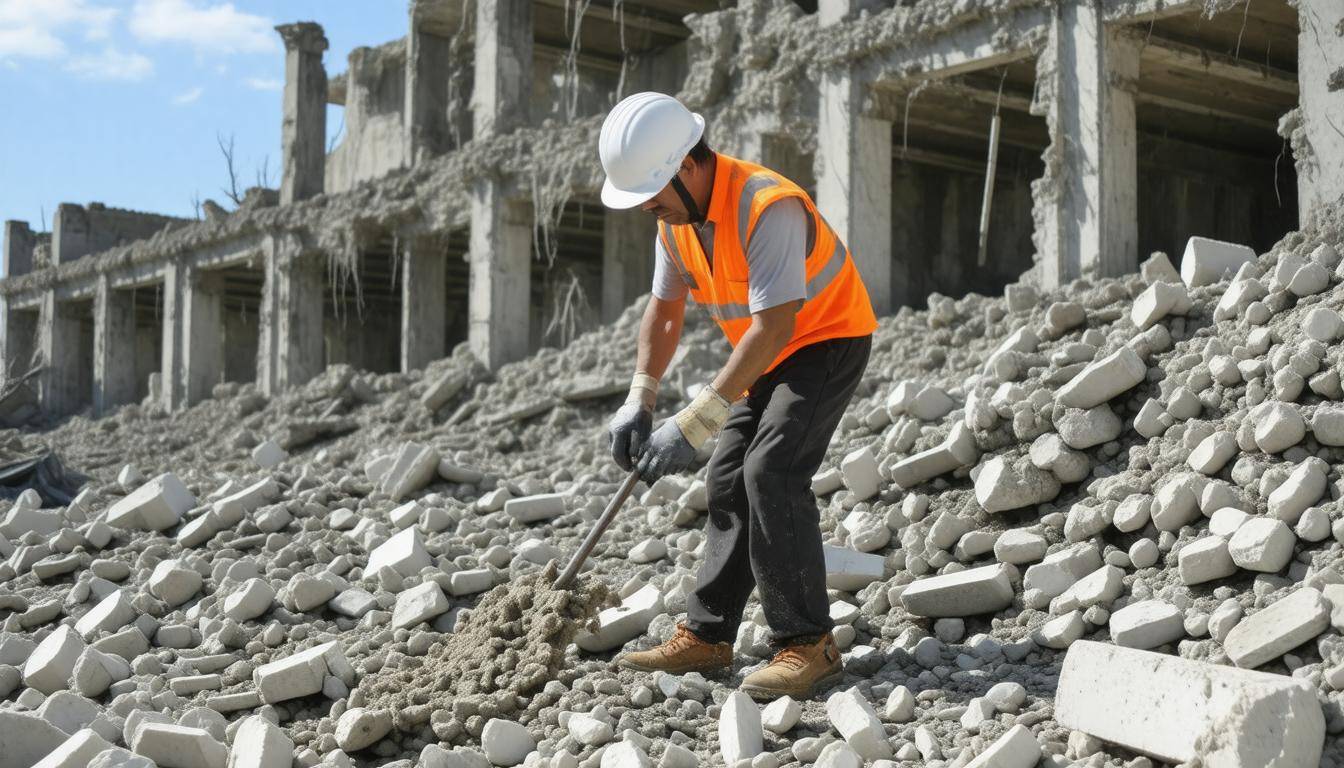
Identifying Potential Hazards
In the aftermath of a disaster, it’s vital to recognize that not all threats are visible. The landscape may look chaotic, scattered with debris and remnants of what once was. Yet, hidden dangers lurk beneath the surface, making thorough hazard identification paramount. Without identifying these risks, you could unwittingly expose yourself to severe injuries or long-term health problems.
Types of Hazards
Hazards can be grouped into three main categories: physical, chemical, and biological. Understanding each type will better equip you to navigate cleanup safely.
Physical Hazards
These include sharp objects like nails and shards of glass scattered across the debris field. Additionally, heavy debris can fall unexpectedly if structures have been compromised. It’s crucial to assess which areas might be unstable and prone to collapse. After events like hurricanes or wildfires, you might encounter downed power lines that pose electrical hazards. Always maintain a safe distance from these risks until a qualified professional determines they’re safe.
Chemical Hazards
After many disasters, hazardous materials can seep into the environment, particularly in urban settings where factories and old buildings exist. Asbestos—often found in older construction—can become airborne during cleanup when disturbed. Lead paint is another concern, especially in homes built before 1978. Industrial chemicals that might leak from damaged tanks or containers can pose serious health risks if inhaled or touched.
Biological Hazards
After flooding or other water-related disasters, biological hazards become a significant concern. Mold can develop quickly in damp environments, potentially leading to respiratory illnesses when inhaled. Sewage-contaminated water also poses severe health risks and should always be treated as dangerous until deemed otherwise by professionals.
Recognizing these categories of hazards cannot be overstated; it is essential for the safety of everyone involved in cleanup efforts. Before any work begins, conduct comprehensive site assessments to identify potential dangers fully.
Recommendations for Hazard Assessment
Having a checklist during your initial assessment can streamline this process significantly:
- Start by visually scanning the area for obvious physical hazards such as large debris.
- Perform tactile inspections cautiously; don’t reach underneath items without confirming their stability first.
- Look for any signs of chemical spillages or unusual odors that could indicate toxic substances.
- Consider hiring professionals familiar with hazardous materials to carry out more detailed assessments as necessary.
By remaining vigilant about potential household hazards, you’re taking a crucial step toward ensuring the safety of both yourself and others engaged in cleanup efforts. Implementing effective safety practices is essential next to further mitigate these identified risks.
Essential Safety Gear and Equipment
When stepping into a post-disaster cleanup zone, it’s essential to prioritize your safety above all else. The items you wear and carry can mean the difference between a successful recovery and an injury that sidelines you longer than necessary. Imagine wading knee-deep through debris while carrying a heavy load; without proper gear, a single misstep can cause serious harm. This is why the choice of safety equipment should be thoughtful and deliberate.
At the forefront of personal protective equipment are heavy-duty gloves. You’ll want to select gloves that are not only durable but also provide a good grip. Look for options made from materials such as reinforced rubber or leather, which will shield your hands from sharp objects while still allowing dexterity. A story comes to mind about Linda, a volunteer who found herself sifting through charred remains after the Los Angeles wildfires; she was grateful for her thick gloves when she unknowingly grabbed a glass shard hidden beneath ashes.
Moving up, helmets become increasingly vital, especially in areas where structures may have collapsed or debris could fall unexpectedly. A well-fitted hard hat can absorb impact and protect your head from injury caused by heavy falling objects. Look for helmets with features such as adjustable straps for comfortable wear or a built-in visor for added face protection against flying debris. It’s not hard to recall stories of volunteers who dodged debris by donning their helmets before entering hazardous zones—a smart habit that saves lives.
Equally important are steel-toed boots. These aren’t just fashionable decisions; they are a frontline defense against heavy objects that could easily crush toes or feet during intense clean-up activities. Look for boots with slip-resistant soles, as muddy or uneven terrain can create slipping hazards. Picture yourself navigating through rubble: sturdy boots not only provide comfort but keep you grounded.
When it comes to tools, having shovels and rakes at hand is critical. These simple yet effective tools allow for the efficient removal of debris while minimizing strain on your back and arms. Heavy-duty trash bags are another invaluable asset; they come in various sizes to accommodate different kinds of waste—from small pieces of ash to larger remnants of household items.
Just like John stated about his experiences after Hurricane Harvey, “Having the right equipment made all the difference during my cleanup efforts.” I cannot emphasize enough how much preparation can determine your experience in these situations.
Focusing on preparedness with the right safety gear establishes a strong foundation for recovery efforts. Following this line of thought, understanding how to properly employ personal protective equipment is equally crucial in ensuring safety during cleanup operations.
Proper Use of Personal Protective Equipment (PPE)
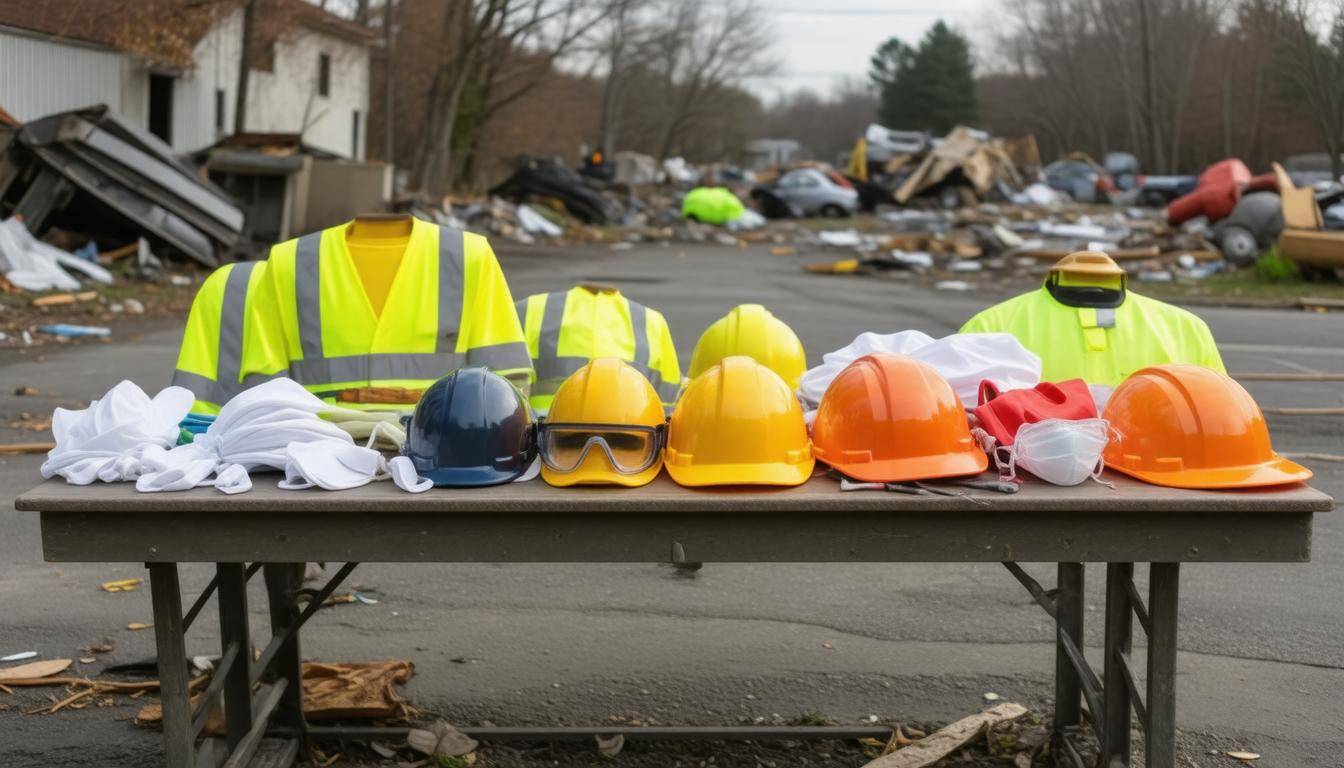
When tackling debris removal after a disaster, putting on personal protective equipment (PPE) correctly isn’t just a formality—it’s essential for your safety.
First things first, when you don your helmet, ensure it’s securely fastened. A properly fitted helmet will shield your head from falling debris, but if it wobbles or sits loosely, it won’t provide adequate protection. Picture yourself picking through rubble, and suddenly something shifts above you. If your helmet isn’t snug, you could be at risk for serious injury.
After securing your helmet, it’s time to focus on your eyes, which are incredibly vulnerable during cleanup.
Goggles
Eye safety cannot be overstated. Grabbing a pair of goggles that fit snugly is crucial; they keep particles and chemicals at bay. Make sure to adjust the straps until the goggles feel comfortable but secure against your face. You might find yourself in an environment filled with dust and small fragments that can easily get into your eyes if not protected. One small particle could cause irritation or even lasting damage, especially when debris is stirred up during cleanup activities.
With eye protection in place, let’s move on to safeguarding your hands.
Gloves
Heavy-duty gloves are next on the list—these should be tough enough to handle sharp objects and provide a solid barrier against hazardous materials lurking among the debris. While shopping for gloves, select those made from resilient materials like leather or reinforced synthetics and ensure they grip well enough for dexterity during labor. Imagine removing a piece of broken glass or a rusty nail without proper gloves; one slip could lead to cuts or infections that hinder your ability to work efficiently.
Now that your hands are safe, it’s time to protect your feet.
Steel-Toed Boots
The final piece of the PPE puzzle is steel-toed boots. These aren’t just an option; they’re a necessity for anyone involved in heavy lifting or close proximity to potentially dangerous items underfoot. Ensure that the boots fit comfortably yet securely—this helps prevent slips or falls as you navigate uneven terrain littered with debris. Stepping on a sharp object or dropping something hefty can have devastating consequences if you’re ill-prepared.
Before getting started, check that all of your PPE fits correctly because ill-fitting gear can be just as dangerous as having none at all—imagine trying to balance while wearing oversized gloves or tripping because your boots are too loose. Taking the time to prepare properly can make a world of difference in keeping yourself safe during cleanup efforts.
Following this step-by-step process for PPE usage prepares you to tackle debris removal in hazardous environments while minimizing risks to your health and safety.
Having established these essential precautions, the next element we must understand relates to efficient methods for handling debris safely and effectively.
Safe Debris Handling Procedures
When you’re knee-deep in a cleanup operation, maintaining a focus on safety can feel challenging amidst the chaos. Yet, adhering to safe debris handling procedures helps mitigate risks and promotes a quicker recovery. One of the first things to remember is the importance of assessing your surroundings before diving into the debris. Surveying the site allows you to recognize potential hazards like sharp items, unstable ground, or hazardous materials. This simple act of awareness could be your first line of defense against injuries.
Techniques for Safe Handling
Beyond the basic assessment, utilizing proper lifting techniques is crucial. Bending at the knees while keeping your back straight distributes the load evenly and minimizes strain on your spine. For instance, when preparing to lift an object, visualize your technique as if you are about to engage in a supportive hug—it encourages stability and strong posture, which is essential.
After ensuring personal safety through good lifting methods, teamwork becomes critical, particularly with heavier items. If you’ve ever watched a football team execute a perfect play, you’ll notice that they rely heavily on each other—this principle applies equally in debris removal. Sharing the workload by employing a buddy system enhances both safety and efficiency. By coordinating your efforts with others, not only do you lighten your load but also reduce the chance of accidents stemming from individual fatigue.
“The strength of our team lies in sharing the burden together.”
This philosophy was exemplified during recent hurricanes, when disaster response teams worked shoulder to shoulder, efficiently distributing tasks and preventing injuries effectively. They recognized that collective effort leads to safer practices and less individual strain.
In addition to these physical techniques and teamwork strategies, being aware of potential health risks associated with debris removal helps maintain overall safety during these intense operations.
Moreover, recognizing and understanding what materials you might encounter during cleanup can make a significant difference. Familiarizing yourself with hazardous substances like asbestos or lead can help in planning for their safe removal or containment. Always prioritize using personal protective equipment (PPE) such as helmets, gloves, and masks to shield yourself from toxic dust.
Additionally, it’s important to develop an emergency communication plan among team members so everyone knows how to respond if something goes wrong. Establishing clear lines of communication helps keep everyone calm and focused under pressure.
Furthermore, ensuring proper waste disposal practices cannot be overlooked. After handling potentially hazardous debris, dispose of it according to local guidelines; improper disposal can lead to long-term health hazards for your community.
These precautions lay a strong foundation for effective operations, allowing responders to transition more seamlessly into crisis management strategies that protect both people and the environment.
Emergency Procedures and Mitigation
In any disaster recovery scenario, understanding and implementing effective emergency procedures is essential. Knowledge is power, particularly when unexpected situations arise. While we all hope for the best outcome, it’s important to recognize that the risk of sudden structural instability or hazardous material exposure can be quite real. The key lies in preparedness that enables you to navigate these challenges with confidence.
Key Emergency Procedures
A core component of ensuring safety during debris removal or clean-up efforts is establishing reliable communication protocols. Whether through two-way radios or simply designating meeting points, having a clear plan creates structure amidst chaos.
Ensuring all team members know how to reach one another fosters teamwork and provides reassurance. Think of it this way: if you’re lost in a thick forest, the sound of a familiar voice can provide comfort and guidance. In an emergency, communication can literally be the lifeline that saves lives.
Now, once you have your communication plan secured, it’s equally vital to practice evacuation procedures.
1. Establish Communication
“A strong team is one that communicates effectively.”
Incorporating regular communication checks into your daily operation enhances accountability. For example, I recall participating in a community cleanup after a wildfire swept through an area. We set up a group chat on our mobile devices to share updates about hazardous areas and coordinate resources effectively. This allowed us to stay vigilant and react swiftly to any concerns raised among team members.
2. Evacuation Drills
Evacuation drills serve as an essential practice tool in any emergency preparedness strategy. Conducting regular drills ensures everyone knows the fastest escape routes while familiarizing them with appropriate actions to take during real emergencies. When each member understands their role and where to go, confusion diminishes significantly.
To illustrate, during the aftermath of the Tennessee tornadoes in 2024, these rehearsed evacuations played a crucial role in saving lives. The community had practiced their drills so often that when disaster struck, they instinctively knew where to go—no one hesitated or panicked because the path was ingrained in their minds. This experience highlights how critical evacuation drills can be for effective disaster response preparation.
Beyond communication and practice, awareness of specific hazards unique to your environment must also be addressed.
Hazard identification is about understanding what dangers lurk beyond visible debris. Awareness can make a significant difference when responding to situations involving hazardous materials or severely compromised structures. Always assess the area before starting work; check for possible chemical spills, unstable walls, or fallen power lines. Taking just a moment to evaluate your surroundings can save you from injury or worse.
With these procedures firmly established, you are better equipped to handle emergencies that might arise during cleanup efforts in post-disaster environments. Each step contributes not only to personal safety but also fosters unity among team members who rely on one another for support in challenging circumstances.
As we move forward, exploring further measures focused on enhancing skills and readiness will provide a solid foundation for effective disaster management.
Safety Training and Preparedness

Comprehensive training and preparedness can vastly improve safety outcomes in debris removal. The environment following a disaster can be unpredictable, filled with hidden dangers that aren’t immediately visible. Studies indicate that over 50% of injuries could be prevented with adequate training in proper equipment usage and hazard identification. When volunteers and workers are well-prepared, they boost their own safety and create a culture of vigilance and awareness among their peers.
Essential Training Modules
Key training areas should include several crucial components.
- Equipment Handling: Proper techniques are vital for safely operating tools. For example, understanding how to lift heavy items properly can prevent back injuries—a common risk in debris removal.
- First Aid: Basic first-aid skills equip individuals to handle minor injuries efficiently and stabilize serious ones until professional medical help arrives. Imagine someone getting cut by sharp debris; knowing how to apply a tourniquet could save a life.
- Hazard Recognition: This involves identifying and mitigating risks in a disaster zone. Recognizing signs of unstable structures or hazardous materials—like those mentioned in the Phase 1 Debris Removal Program—can make the difference between a safe operation and a potential emergency.
“Our training sessions before the cleanup efforts made a significant difference—we felt more prepared and encountered fewer incidents,” shares Emily, a volunteer for a disaster relief organization. Her experience highlights the importance of equipping every individual with the knowledge they need to navigate these dangerous conditions confidently.
As we examine the significance of safety training further, it becomes essential to address other factors that also play a vital role in ensuring an effective response during recovery efforts.
Environmental Considerations
The environmental impact of debris removal is often underestimated, yet it’s crucial to recognize that improper management leads not only to safety hazards but also to harmful ecological consequences. For instance, the careless disposal of debris can result in soil contamination and water pollution, creating long-term health issues for communities. When fires sweep through areas, they leave behind ashes and residues that can carry toxic substances.
A 2023 report by the Environmental Protection Agency (EPA) revealed that post-disaster debris frequently contains hazardous materials such as asbestos and lead. These materials pose serious risks if not disposed of properly, complicating recovery efforts.
Ensuring responsible handling of debris isn’t just good practice—it’s essential for protecting our environment. Each piece of debris should be treated with care, as it may hold potential contaminants. To mitigate these risks, contractors and workers engaged in cleanup should prioritize identifying hazardous materials and strictly adhere to regulations regarding their disposal. This emphasizes the need for trained personnel who can distinguish between reusable materials and those requiring special handling.
Sustainable Debris Management
Implementing sustainable practices during the debris removal process is a proactive step towards safeguarding the environment. For instance, one effective approach is to begin by segregating recyclable materials from waste that cannot be repurposed. This allows much of what could have been wasted to be transformed into reusable resources.
-
Eco-friendly Disposal: Utilizing methods such as specialized landfills for hazardous waste or partnering with licensed recycling organizations ensures proper environmental stewardship.
-
Ecosystem Restoration: Where possible, reintroducing natural elements back into affected ecosystems enriches biodiversity and helps recover the landscape’s integrity.
A noteworthy case occurred in Puerto Rico after Hurricane Maria when community-led initiatives recycled debris into building materials for reconstruction projects. Such actions tackle immediate needs by providing construction resources while fostering community resilience and illustrating a sustainable approach to debris management.
As we consider these sustainable practices, it’s essential to remember that every action reflects on the world we hand down tomorrow. By prioritizing eco-friendly methods and supporting efforts aimed at restoring natural habitats, we contribute significantly to both recovery efforts and environmental conservation.
In approaching these vital areas of focus, we now shift our attention to understanding the protocols that ensure safety during this challenging process.
Reviewing Safety Protocols
Regularly reviewing and updating safety protocols is essential, particularly in the wake of significant events like the Palisades Fire. A strong protocol isn’t merely a checklist; it’s a dynamic framework that adapts to new challenges posed by different disasters. This adaptability comes from understanding the unique nature of each situation and modifying guidelines accordingly. Without this vital flexibility, even the best-laid plans can fall short when faced with unexpected challenges.
Historical data consistently demonstrate that disaster response effectiveness hinges on the ability to assess and adapt procedures.
After each cleanup effort, it’s crucial to conduct post-action reviews. This involves gathering everyone for debriefing sessions to openly discuss effective strategies and identify areas for improvement. This evaluation process provides insight into the practical application of your protocols, revealing real-world challenges that may not have been evident during preparation.
One common fear is that revisiting these discussions might surface points of failure or blame; however, it’s essential to focus on collective growth instead. Ongoing training is another key element; holding regular refresher courses ensures everyone remains familiar with safety procedures and can respond swiftly if a similar situation arises again.
It’s also beneficial to incorporate lessons learned from these reviews into policy updates. By adapting existing protocols based on recent findings, you bolster safety compliance and integrate cutting-edge safety data into your operational framework.
Continuous improvement doesn’t happen in a vacuum; it requires a committed team willing to evaluate their practices regularly.
Thinking about how continuously refining your protocols can significantly reduce risks when clearing debris enhances overall efficiency in operations. When teams see that their thoughts lead to tangible changes, it fosters an environment of trust and responsiveness.
In essence, organizations that prioritize regular review and adaptation shape safer communities better equipped for future emergencies. More than just ensuring compliance with regulations, it cultivates a culture of awareness and commitment towards safety in critical times when it is most needed.
By staying vigilant and proactive in your safety protocols, you’re not only safeguarding lives but also paving the way for more resilient communities in the face of future disasters.
What training or resources are available for individuals tasked with post-disaster cleanup?
Individuals tasked with post-disaster cleanup can access various training resources, such as FEMA’s “Disaster Recovery” courses, which equip participants with essential safety protocols and debris removal techniques. Additionally, organizations like the Red Cross offer workshops focusing on recovery operations after disasters. According to a National Institute for Occupational Safety and Health (NIOSH) report, proper training reduces accident risks by up to 30%, emphasizing the importance of preparedness in safeguarding health and safety during cleanup efforts.
What personal protective equipment (PPE) is essential for debris removal after a disaster?
Essential personal protective equipment (PPE) for debris removal after a disaster includes hard hats, safety goggles, gloves, high-visibility vests, and steel-toed boots. These items protect workers from head injuries caused by falling objects, eye injuries from flying debris, cuts and scrapes from sharp materials, visibility hazards in chaotic environments, and foot injuries from heavy objects. According to the Occupational Safety and Health Administration (OSHA), proper PPE can reduce the risk of injury on-site by nearly 40%, emphasizing its critical role in ensuring safety during debris cleanup efforts.
Are there specific regulations or guidelines for safe debris disposal following natural disasters?
Yes, there are specific regulations and guidelines for safe debris disposal following natural disasters, varying by location. The Federal Emergency Management Agency (FEMA) provides extensive guidelines that emphasize the importance of safety precautions, proper material handling, and environmental considerations. For instance, approximately 50% of disaster debris can be recycled or reused, which highlights the need for structured debris management plans that adhere to local and federal regulations to not only ensure safety but also minimize environmental impact.
What steps should be taken to assess the safety of a site before beginning debris removal?
To assess the safety of a site before beginning debris removal, one should first conduct a thorough visual inspection for hazardous materials such as downed power lines, gas leaks, and unstable structures. Implementing a 360-degree assessment can reveal hidden dangers; it’s estimated that 65% of accidents during debris removal arise from overlooked hazards. Engaging local emergency services for guidance and securing the area to prevent unauthorized access are also crucial steps. Always ensure personal protective equipment (PPE) is worn by all workers to mitigate injury risks while working in potentially hazardous environments.
How can one identify and manage hazardous materials during the debris removal process?
To identify and manage hazardous materials during the debris removal process, one should conduct a thorough visual inspection for items like chemicals, batteries, asbestos, or sharp objects. It’s essential to wear appropriate personal protective equipment (PPE) such as gloves and masks. According to the Environmental Protection Agency (EPA), improper handling of hazardous waste can lead to serious health risks, with studies indicating that over 25% of disaster-related injuries involve exposure to toxic substances. Implementing a systematic approach alongside training can significantly reduce these risks and promote a safer environment for recovery workers.