
As winter wraps its icy grip around Denver, the looming threat of blizzards becomes a reality for residents. The thought of being trapped at home while snow drifts build up outside can be daunting, making it essential to prepare for such inevitable storms. But don’t worry; gathering the right supplies and understanding how to keep warm and safe can transform your fear into confidence. After all, we can’t control the weather, but we can control how ready we are for it! This guide will walk you through the must-have items for your Blizzard Survival Kit and provide useful tips on how to face the winter season with ease. Let’s get started on ensuring you and your family stay safe, warm, and well-prepared!
A Blizzard Survival Kit for Denver, Colorado should include essential items such as non-perishable food, water (at least one gallon per person per day), warm clothing layers, blankets or sleeping bags, a first aid kit, flashlights with extra batteries, a battery-powered or hand-crank radio, and a multi-tool. Additionally, it is wise to have a supply of any necessary medications and a means to cook food safely if needed.
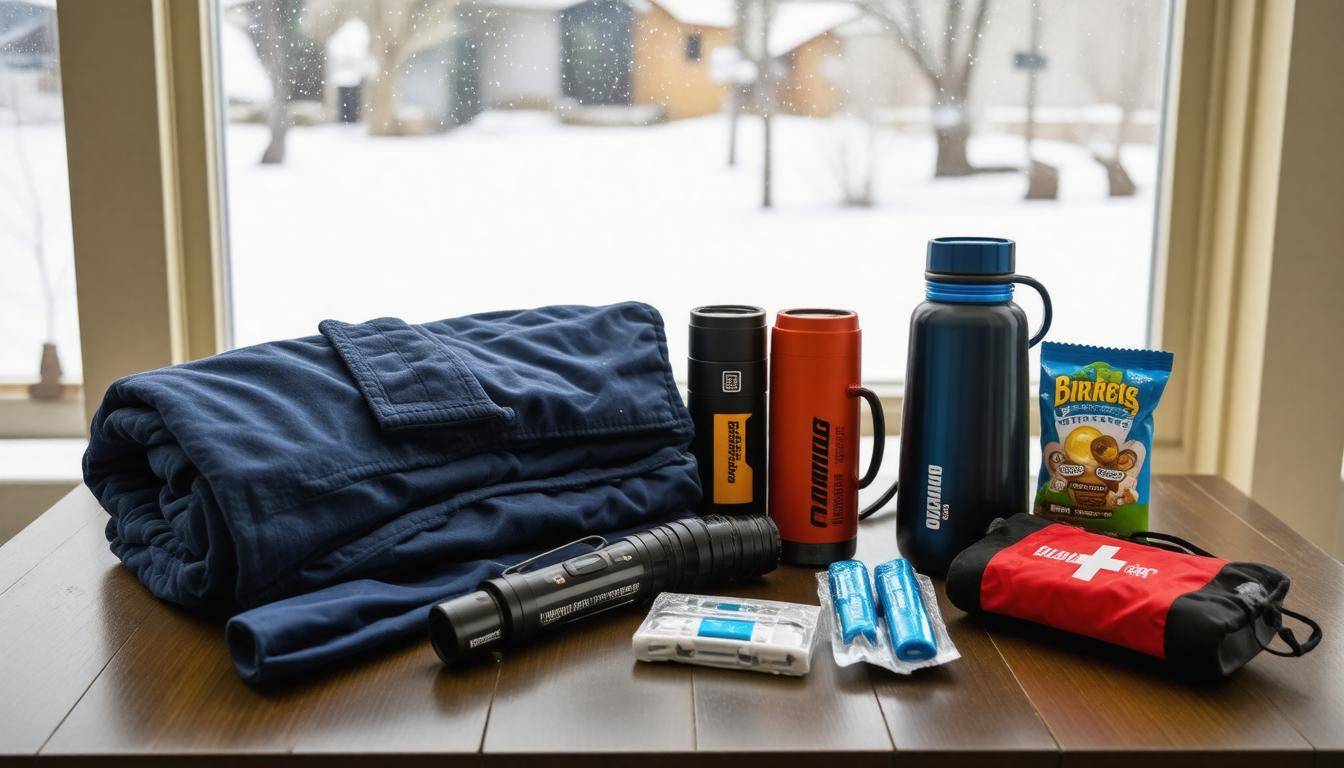
Essential Denver Blizzard Survival Tips
One of the first things to keep in mind during a snowstorm is how essential it is to stay informed about the weather conditions. While you’ve already heard recommendations about checking local updates, it’s imperative to subscribe to alerts from local authorities or download dedicated weather apps that provide notifications straight to your phone. In this digital age, having multiple sources of information can be a game changer—knowing when a storm will hit can help you prepare your home thoroughly.
Once you’ve armed yourself with knowledge, ensure you have safe shelter ready for those brutal winter days ahead.
Safe shelter is more than just about having a roof over your head; it’s about ensuring that shelter is equipped to withstand the storm. If you’re still relying on an old fireplace for heat or a space heater with questionable reliability, consider investing in proper alternatives that can safely warm your home. Remember, if the power goes out, wood-burning stoves or kerosene heaters are not just convenient—they can mean the difference between warmth and frostbite when temperatures plummet outside. However, always double-check that you’re using such devices correctly. Ventilation is crucial; insufficient oxygen can lead to carbon monoxide buildup, which can be extremely dangerous.
Now that your shelter is secure, you need to think about how to communicate effectively during an emergency.
Establishing a communication plan is vital. Families often forget how cold weather affects battery life—cell phones drain more quickly in lower temperatures. Thus, keeping power banks charged should become a routine part of your winter preparations. Designate a central meeting point for all family members in case of an emergency; have this information written down and kept in various locations around the house. Don’t merely rely on technology—having alternate forms of communication such as walkie-talkies can work wonders when cell networks are overwhelmed.
These foundational tips must be paired with proactive measures to ensure your safety and comfort.
Make sure you also stock up on non-perishable food items and water before any warning signs of an approaching blizzard arise. It’s easy to overlook this in warmer months but being prepared means thinking ahead. Canned goods, dried fruits, nuts, and freeze-dried meals are great choices that require minimal prep and are readily available at any grocery store. Additionally, ensure you have adequate supplies of medications, toiletries, and other essentials; planning ahead means fewer worries when the storm clouds roll in.
Maintaining awareness and readiness throughout winter storms can make all the difference when facing harsh conditions. By preparing thoughtfully now, you’ll create a manageable environment for whatever Mother Nature has in store.
Why Preparing for Blizzards is Crucial
Denver’s stunning snowy landscapes are captivating, but they also come with their challenges. Being unprepared for sudden blizzards can lead to dangerous situations. Each year, the city grapples with an average snowfall of 56 inches, and it’s not uncommon for a storm to unexpectedly blanket the area in several feet of snow. This makes navigating the roads treacherous and can even result in the temporary shutdown of essential services like medical assistance and electricity.
Imagine being trapped at home during a blizzard without food or proper heating. It’s not just an inconvenience; it could turn into a life-threatening scenario if you’re caught off guard.
The gravity of the situation becomes even clearer when you consider that the National Safety Council reports nearly 70% of winter storm-related injuries happen in vehicles. These figures underscore the necessity for proper preparation—ensuring your vehicle is equipped with an emergency kit, blankets, and fresh supplies can truly be a lifesaver.
Preparation extends beyond just having supplies; it also involves creating a plan that informs your family about what steps to take when a storm strikes.
Proactive Planning
By establishing a clear line of communication with loved ones regarding evacuation plans and check-in procedures during severe weather, you build a safety net that fosters confidence and reassurance among everyone involved. For instance, designating a family member as the point person for updates can simplify convoluted conversations amid chaos.
And let’s face it: nobody wants the phone tree to spiral into disarray while dealing with snowdrifts!
Furthermore, having an emergency survival kit that includes essentials—like non-perishable foods, water, first aid supplies, and necessary medications—will prepare you for those unexpected days when leaving home simply isn’t an option.
Think of it this way: just as you’d never set out on a long journey without checking your fuel tank, embarking on winter in Denver without a preparedness strategy is equally unwise.
It isn’t just about surviving; it’s about thriving during those frigid months ahead. When equipped with knowledge and supplies, you may even find yourself enjoying the cozy charm of snowed-in days instead of feeling anxious about potential disasters.
Arming yourself with this understanding helps ensure both safety and enjoyment throughout the winter season, paving the way for practical strategies as we shift our focus toward assembling those vital essentials.
Creating Your Survival Kit
When assembling your blizzard survival kit, think of it as layering your needs, from basic survival to enhanced comfort. Each component plays a crucial role in how well you fare during a storm. It’s not just about weathering the storm; it’s about making that time spent safe, secure, and even enjoyable if possible.
Step I – Essential Items
-
Flashlights and Extra Batteries: These are your lifeline during a power outage. Make sure you have multiple flashlights spread throughout your home, and double-check those batteries periodically to ensure they’re still functional.
-
First-Aid Kit: This should be stocked with medical supplies tailored to your family’s specific needs, including any prescription medications. Don’t forget over-the-counter remedies for common ailments like headaches or allergies.
-
Multi-tool: A versatile multi-tool can be invaluable in emergencies for everything from opening cans to making quick repairs around the house. Choose one that includes various tools that could be useful during a blizzard.
-
Whistle: Simple yet effective, a whistle can be a critical tool for signaling for help should you find yourself in a bind.
Those basics are imperative, but don’t forget about sustenance—the fuel that keeps spirits high and bodies warm.
Step II – Comfort Items
While survival is key, ensuring some level of comfort during these tough days can uplift morale immensely. Consider packing:
-
Books and Board Games: In case of long power outages, having something to entertain yourself and family is invaluable. Choose board games that involve teamwork or strategy; they often bring people closer together.
-
Personal Hygiene Items: Essentials such as baby wipes, hand sanitizer, and extra toiletries may seem like trivial comforts, but they can play an essential role in maintaining hygiene when water might not be readily available.
Remember that these make your stay more bearable while waiting out the storm—so pack accordingly and prioritize what will bring the most comfort for you and your loved ones during challenging times.
As you gather these items, envision how you’d feel cocooned in warmth on a snowy day, armed with essentials close at hand.
This preparation helps create a shield against the harshness outside while paving the way for essential provisions needed to weather the challenges ahead. Moving forward, we’ll explore what food and water supplies you’ll want to have ready.
Emergency Food and Water Supplies
In Denver, winter can be unpredictable, and having a reliable stock of food and water becomes paramount during a blizzard. When snow starts falling heavily, grocery stores may close or run out of essentials within hours. Therefore, having an ample supply ensures that you and your family can remain safe and well-nourished.
Starting with water, it is the most critical resource for survival. Each person should have at least one gallon per day allocated for both drinking and cooking. When winter storms limit your water supply, knowing how to ration this requirement effectively can make all the difference.
Recommended Supplies
| Item | Quantity | Shelf Life |
|---|---|---|
| Bottled Water | 1 gallon/person/day | Up to 2 years |
| Canned Goods | 20 cans | 1-2 years |
| Dry Cereals | 4 boxes | 6-12 months |
| Protein Bars | 2 boxes | 6 months |
Consider adding some high-energy foods like nuts or trail mix to your stash as well. They provide a quick energy boost and have a long shelf life, making them excellent companions during an emergency. You won’t need to cook them, either, which is perfect if your power is out during a snowstorm.
Along with water, the next essential items to incorporate into your emergency kit are canned goods and dry cereals. These options are both nutritious and easy to prepare—just heat them up if you have access to any heat source! Look for varied options: vegetables packed in water, beans for protein, and a few comfort items like soups or stews that rejuvenate a spirit dampened by harsh weather.
On average, canned goods can last anywhere from one to two years without spoiling. This longevity means you can buy these items ahead of time without worrying too much about expiration dates.
It’s wise to periodically check your supplies and rotate out older items; this way, you are always stocked with fresh provisions in case of emergencies.
Lastly, consider investing in protein bars—they’re compact and loaded with energy. Two boxes should suffice since they have a shelf life of six months under proper storage conditions. Not only do they serve as quick meals throughout the day, but they also keep morale high with their sweet flavors during stressful situations.
The emphasis on proactive preparation will ensure that you’re equipped for severe winter conditions without leaving survival to chance.
With a solid foundation of food and water supplies established, let’s explore how to effectively dress for the challenges that come with winter weather.
Snow and Cold Weather Clothing
The right clothing is not just about comfort; it’s essential for survival in a blizzard. Layering your clothes can be an effective strategy for keeping warm while allowing flexibility to adapt to changing conditions. Think of clothing as the first line of defense against the harsh elements. You want materials that insulate, breathe, and keep moisture away from your skin.
Dressing in Layers
Let’s break down the concept of layering into three main parts: base layers, insulation layers, and outer shells. Each layer has a specific role, acting together like a well-orchestrated team.
Base Layers are crucial since they sit directly against your skin. Look for thermal fabrics made from synthetic materials or merino wool, as they’re excellent at pulling moisture away from your body. This moisture-wicking feature is vital; if you start to sweat, damp clothing will quickly chill you when exposed to wind and cold.
After establishing a solid base layer, let’s consider what goes next.
The insulation layer is where your body heat gets trapped. This could include fleece jackets or down vests that provide extra warmth without taking up much space. An important tip is to choose items that allow freedom of movement; you don’t want to feel restricted while you’re bundled up. Remember, being able to move comfortably helps retain heat far better than stiff clothing.
Finally, we arrive at the last line of defense.
The outer shell should be windproof and waterproof. Look for jackets with breathable membranes so that moisture can escape without letting cold air in—this balance will help keep you comfortable even during brisk walks in heavy snowfall. Consider features like adjustable cuffs and hoods to further seal out the icy winds.
Essential Accessories
Alongside your main attire, don’t overlook the importance of accessories in battling extreme cold. Your extremities—hands, feet, and head—are particularly vulnerable to frigid conditions.
- Thermal Socks: Aim for high-quality socks made of wool or other technical materials designed to keep your feet warm and dry.
- Gloves: Insulated gloves or mittens will protect your fingers from biting cold. Mittens tend to be warmer because they keep your fingers together.
- Hats: A significant amount of body heat escapes through your head. A snug hat covers your ears while retaining heat effectively.
- Scarves or Balaclavas: These accessories can shield your neck and face from harsh winds and act as additional insulation layers.
Equipping yourself with these essentials stretches beyond mere comfort; it’s about ensuring safety in the unforgiving chill of winter’s grip. Now, let’s explore the right types of apparel designed specifically for maintaining warmth and dryness in these conditions.
Insulated Jackets and Waterproof Gear
When you’re bracing for a blizzard, having the right outer layer can truly make or break your experience. A high-quality insulated jacket acts as your shield against biting cold winds and relentless moisture. Trust me: you cannot underestimate the comfort and protection that comes from investing in an excellent outerwear piece.
When selecting an insulated jacket, look for one with both down or synthetic fill. Down fill is known for its lightweight warmth, but if wetness is a concern, synthetic fill tends to dry faster while still retaining insulation properties even when damp. This ensures that no matter what situation you find yourself in, warmth will always be within reach.
Key Features to Look For
-
Insulated Fill: Ensure your choice delivers lasting warmth, whether down or synthetic.
-
Waterproof Rating: Settle for nothing less than a high waterproof rating (10,000 mm or higher) to withstand significant moisture without soaking through.
-
Windproof Design: Windproof jackets block chilly gusts from penetrating your clothing, dramatically elevating your comfort during harsh weather conditions.
Staying warm also requires good ventilation. Look for jackets equipped with underarm zippers or mesh-lined pockets to regulate body temperature during activities like shoveling snow or hiking through drifts. These ventilation features help prevent overheating and ensure that you stay comfortable throughout your outdoor tasks.
It’s not just about having a great jacket; waterproof pants are essential too. These work hand-in-hand with your insulated outerwear to create a comprehensive barrier against the elements. As we consider additional gear necessary for winter survival, it’s important to ensure all aspects of your preparation are covered.
Vehicle Winter Preparation
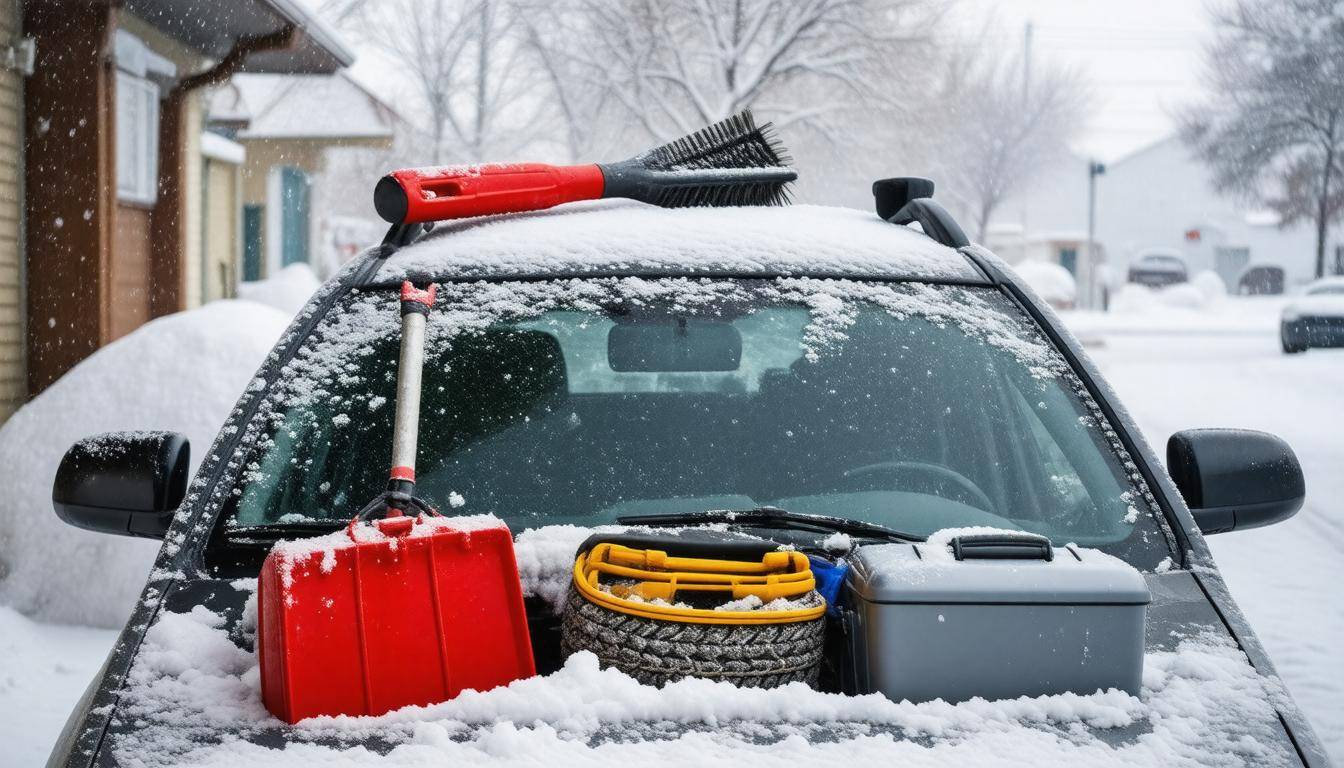
Ensuring your vehicle is winter-ready could save your life. When harsh weather strikes in Denver, a well-prepared vehicle allows you to navigate safely through snow and ice. One of the most crucial steps is to invest in winter tires. These specialized tires are designed with deeper treads and softer rubber compounds that provide superior traction when driving on slippery roads. Imagine driving up a steep, snowy incline; regular tires can slip and slide, but winter tires can grip the road like an experienced mountaineer clinging to the rock face.
However, merely switching tires won’t completely prepare your car for winter’s challenges.
A battery check is another essential item on your winter checklist. Cold weather can significantly drain the power in car batteries, so it’s advisable to test your battery’s voltage before temperatures plunge. Many auto shops offer free battery tests, which can help you avoid the frustration of a dead battery on a frosty morning. Remember, if your battery is over three years old, it may be wise to consider replacement regardless of its current condition.
Beyond tires and batteries, it’s critical to equip your car with an emergency kit.
Yes, I know—everyone thinks they will never need it until they do! Picture this: You’re stuck in a blizzard, and suddenly your car becomes a mini fort where you can’t escape. Without essentials like blankets, flares, or even a small shovel for digging out tire pathways, that fort quickly turns into a very uncomfortable space. Your emergency kit should contain items such as extra warm clothing, water bottles, non-perishable snacks, and basic first-aid supplies in case of unforeseen events.
Finally, don’t overlook something as simple yet impactful as maintaining a full tank of gas.
Keeping your fuel tank at least half-full not only helps prevent fuel line freeze-ups but also ensures you have enough gas to run the heater if you’re stranded. Think of it as building a buffer against unexpected situations—being able to keep warm while waiting for help without worrying about running out of fuel adds peace of mind to any journey during Denver’s chilly winters.
With these preparations set in place, you’ll be better equipped to handle whatever winter throws your way while exploring safe strategies for navigating through severe weather events.
Staying Safe in a Blizzard
Safety during a blizzard is paramount and requires constant awareness of your surroundings and conditions. Whether it’s the impending storm or the aftermath of heavy snowfall, being prepared can mean the difference between safety and danger. Staying indoors is crucial unless it’s absolutely necessary to venture outside. Outdoor exposure significantly increases your risk of hypothermia, frostbite, and accidents due to slippery paths or low visibility from snowdrifts.
Indoor Safety Tips
While you’re safely tucked away inside, it’s essential to keep in mind that certain precautions should still be taken. Avoid overexertion, especially if you’re shoveling snow from driveways or walkways. Snow removal can take a toll on your body, leading to serious health risks like heart problems; this is a common issue during harsh winters.
Using space heaters can be tempting when trying to stay warm. However, ensure they are placed on a flat, stable surface and at least three feet away from flammable materials like curtains and furniture. It’s easy to overlook this detail but critical for preventing accidental fires.
Furthermore, always monitor carbon monoxide levels if using alternative heating methods, particularly generators or gas heaters. Installing battery-operated carbon monoxide detectors adds extra security during power outages, alerting you before any issues arise.
Following these guidelines helps ensure you and your loved ones stay safe during a Denver blizzard. Situational awareness and proactive measures will enhance your safety and provide peace of mind as you weather the storm together.
In times of severe weather, preparedness truly is your best ally. Equip yourself with knowledge and the right tools to navigate the challenges winter brings.