
As the effects of climate change become increasingly evident, many regions are experiencing more severe weather events, including derecho wind storms. These powerful storms can bring with them destructive winds that leave a path of damage across miles, affecting homes and families in their wake. While it’s easy to feel overwhelmed by the ferocity of nature, there are proactive steps you can take to protect your home and loved ones from these fierce gusts. In this guide, we’ll walk you through practical measures to fortify your property against derechos, ensuring you’re prepared and resilient when the winds begin to howl. Let’s dive into the essential tips for keeping your home safe and secure during these unpredictable storms.
To protect your home during a derecho wind storm, it is crucial to keep all windows shut to maintain structural integrity and prevent damage from high winds. Additionally, utilizing shutters or boarding up windows can shield glass from flying debris, while securing loose outdoor items will reduce hazards posed by strong winds.
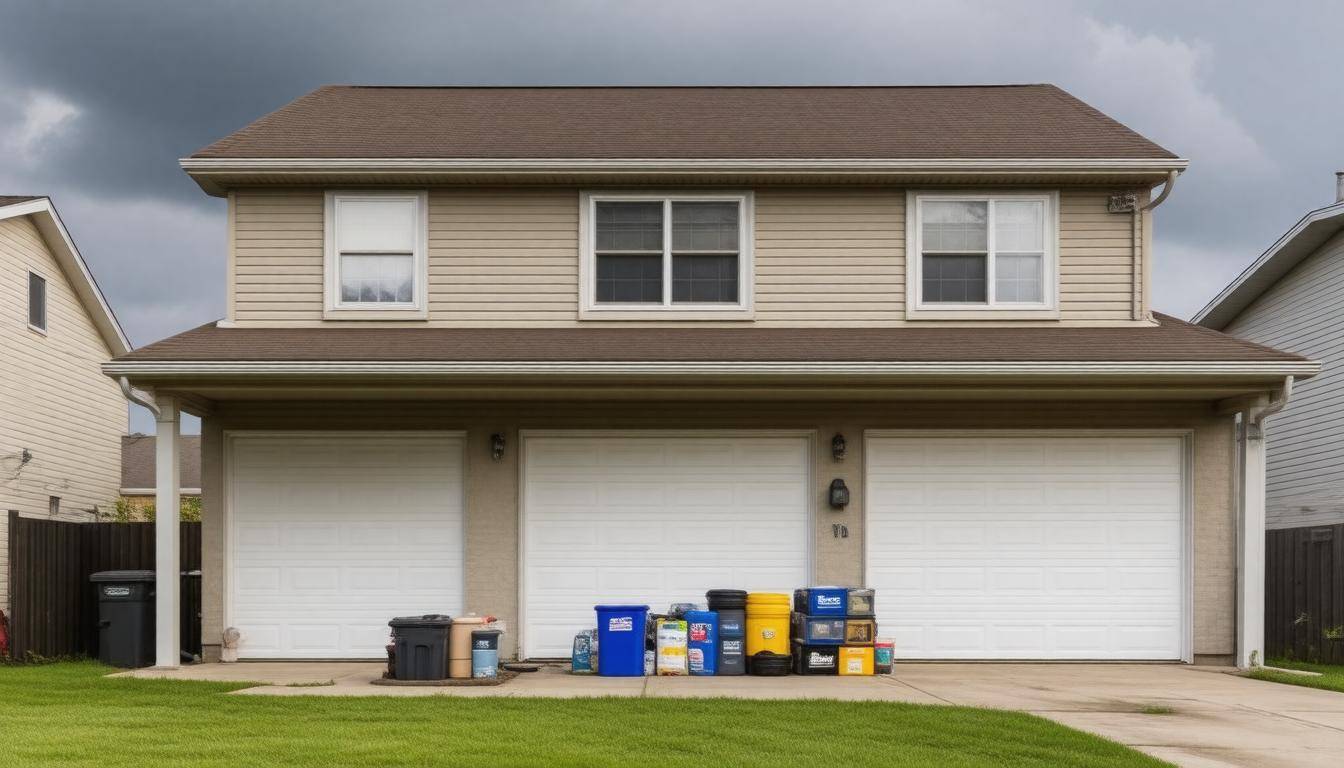
Understanding Derecho Storms
A derecho is often described as a widespread, long-lived windstorm typically connected to a band of rapidly moving thunderstorms. Unlike tornadoes that form from individual supercell thunderstorms, derechos can span hundreds of miles and produce winds exceeding 100 mph. This is crucial because while tornadoes may strike with great intensity, derechos unleash their fury across vast territories, affecting countless homes and communities simultaneously. Imagine a wall of wind chasing you down the road; that’s the very nature of these storms.
The term “derecho,” derived from Spanish meaning “straight,” aptly describes the straight-line winds associated with this phenomenon. Unlike tornado winds that spiral, derecho winds blow in a straight path, often causing immense destruction along their trajectory.
One vivid example of the seriousness of derechos occurred on August 10, 2020, when a massive derecho swept through the Midwest United States, causing unprecedented damage estimated at over $7.5 billion. In a matter of hours, entire towns experienced devastation similar to that expected only with a tornado. Such figures illustrate how impactful these windstorms can be, as they are not only destructive but also significantly transformative for landscapes and lives alike.
Understanding derecho conditions is critical for homeowners who might find themselves in harm’s way. These storms typically don’t pop out of nowhere; they form under specific meteorological circumstances—usually within a pre-existing line of thunderstorms where heavy rainfall precedes them. The key here is preparation; knowing that the potential for such storms exists means we can take proactive measures to protect our property and loved ones.
However, the sheer power of derechos shouldn’t invoke solely fear but rather foster respect and preparedness. Securing loose outdoor items, reinforcing windows, and regularly inspecting roofs are practical steps every homeowner should consider. By anticipating these weather events rather than simply reacting to them after they’ve passed through your area, you can mitigate potential damage significantly.
Recognizing what a derecho is and its capacity for destruction leads to understanding how to adequately prepare for one, enabling you to enhance safety measures further as you evaluate specific vulnerabilities in your home.
Assessing Your Home’s Vulnerability
Every home possesses unique traits that may expose it to damage from high winds, so recognizing these weak areas is essential. Begin with the roof – the first line of defense against wind forces. Older roofs may display signs of wear, such as loose or missing shingles, which can severely compromise their integrity during a storm. To assess your roof’s condition, take a trip outside with a pair of binoculars and check for any discrepancies. If you spot a few loose tiles, addressing them now could save you from costly repairs later.
After taking stock of your roof, it’s equally important to consider your windows and doors.
Weak points here can significantly increase your vulnerability. Homes fitted with single-pane windows are more likely to shatter under intense pressure, leaving your home exposed to debris and strong gusts. Upgrading to double-pane or impact-resistant windows is a worthwhile investment—you’ll reap benefits not just in safety but also in energy efficiency. Don’t overlook doors either; unreinforced ones can buckle under high winds. Ensure that all external doors are securely reinforced and fitted with strong locks.
Now let’s turn our attention to the exterior surrounding your home.
Your yard can pose hidden threats when storms approach. Overgrown trees or branches too close to your property significantly heighten risk; if they give way during winds exceeding 100 mph—common in derecho events—they can act like wrecking balls against your home. To mitigate this risk, evaluate the trees around your property and consider trimming back those that seem a bit too eager to hang over your roof.
Securing outdoor furniture and other items capable of becoming airborne during strong winds is an easily overlooked yet vital step in safeguarding your abode. Consider storing lightweight materials indoors before high winds arrive, and for heavier items, use anchors designed for high wind conditions.
Lastly, don’t forget about the age of the home itself. Residences constructed before modern building codes might lack necessary reinforcements designed to withstand extreme weather. It’s wise to have an inspector evaluate elements that might need upgrades—including framing or anchoring systems—ensuring that each part of your home is fortified against the potential wrath of a derecho.
Understanding these vulnerabilities not only empowers you but also sets the stage for exploring effective strategies to bolster the protective features of your home as we move forward.
Strengthening Roofs and Siding
Roofs and sidings are the frontline warriors against powerful winds, and taking steps to reinforce these areas can significantly improve your home’s resilience. Simple upgrades can enhance the structural integrity of your home while saving you from costly repairs down the line.
Roof Enhancements
When looking to upgrade your roof, consider metal roofing as a prime choice. Unlike traditional shingles that can buckle and lift during extreme weather, metal roofs stand firm against harsh winds. The sleek design of metal effectively sheds rain and snow, minimizing buildup that could lead to additional weight on your structure. While this option can be more expensive initially, it pays for itself in longevity and durability; many homeowners enjoy decades of reliable protection without needing a full replacement.
According to experts, investing in quality roofing materials can drastically increase resistance to wind damage. Metal roofs are not just an aesthetic choice but also a strategic defensive measure.
While you’re at it, ensure you’re employing proper fastening methods too. Using at least six nails per panel ensures that each piece is securely attached, providing a sturdy barrier against gusts of 90 mph or higher. If your area frequently experiences intense storms, enhancing your roofing system with hurricane straps or clips can help bind the roof to the walls, dramatically reducing the risk of uplift.
Now that we’ve considered roofs, let’s take a closer look at how we can bolster our siding to offer equal defense against high winds.
Siding Improvements
When it comes to siding, opting for high-quality materials is essential. Fiber-cement siding stands out due to its exceptional durability compared to vinyl counterparts. Vinyl siding may seem appealing due to its attractive price point; however, under high wind pressure, it can peel away or warp over time—leaving your home vulnerable.
Moreover, regular maintenance is crucial for all types of siding. Checking for loose boards or panels seasonally gives you peace of mind knowing everything is secured tightly enough to withstand fierce winds. A proactive approach prolongs the life of your siding and enhances its performance during stormy weather.
Regular inspections ensure safety and can reveal small issues before they escalate into significant problems!
Whether reinforcing the roof or upgrading siding materials, maintaining a structured maintenance schedule plays a critical role in overall effectiveness. Always check after storms or significant weather changes—make sure everything remains intact and no new vulnerabilities have been introduced.
By implementing these measures now, you’ll prepare yourself well for any tempestuous weather ahead. This preparation ties closely into selecting robust building components that withstand nature’s strongest forces.
Choosing Weather-Resistant Materials
Not all building materials are created equal when it comes to weather resistance. As homeowners increasingly prepare for extreme weather, investing in products engineered for maximum resilience has become essential. Consider the example of fiber-cement siding and metal roofing, which are both popular options known for their protective qualities. These materials not only withstand harsh conditions but also elevate the aesthetic appeal of a home.
Materials Comparison
To help you navigate this decision-making process, let’s explore some key materials designed to resist severe weather conditions:
| Material Type | Advantages | Disadvantages |
|---|---|---|
| Fiber-cement | High durability, fire-resistant | Heavy, labor-intensive to install |
| Metal Roofing | Wind-resistant, long lifespan | Higher cost, noisy during rain |
| Impact-resistant Glass | Shatterproof, energy-efficient | Expensive, can be heavy |
Each material has its unique strengths and weaknesses. For instance, fiber-cement siding boasts incredible durability and fire resistance, making it ideal for areas prone to wildfires or flying embers. However, its weight can make installation challenging, so hiring professionals might be necessary unless you’re quite handy.
Meanwhile, metal roofing provides exceptional wind resistance and an impressive lifespan. Though it does come with a higher price tag and may create noise during rainstorms, many homeowners find its benefits outweigh these drawbacks given the long-term protection it offers.
Beyond these options, your choice in windows plays a pivotal role in weather resistance as well. For instance, installing impact-resistant glass offers safety against shattering while enhancing energy efficiency in your home. While they can be more expensive and heavier than standard options, the investment pays off by keeping your interiors insulated against the elements.
It’s crucial to recognize that choosing the right materials sets the foundation for protection against severe weather while ensuring that air and moisture do not compromise your living environment. Each material you select contributes significantly to maintaining your home’s integrity during a derecho storm or other natural disasters. By making informed choices about these components, you’re investing not just in your property’s appearance but also in its durability and safety.
As you think about reinforcing your home against potential storm damage, consider how specific enhancements to doors and windows can play an equally vital role in safeguarding your space from nature’s fury.
Protecting Doors and Windows
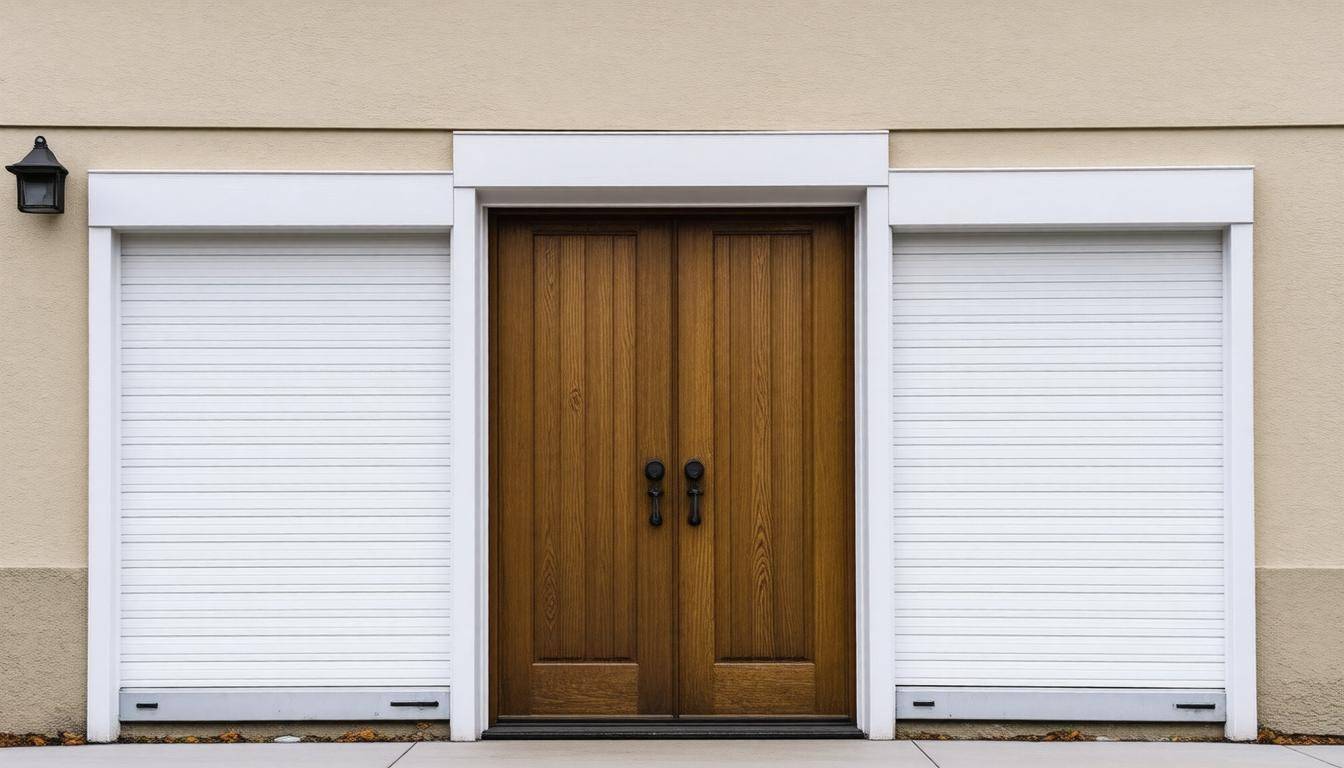
Doors and windows are among the most vulnerable parts of your home during a derecho or any severe wind storm. They’re like the sentinels of your house, standing guard at entry points against the elements. Just imagine the force of 130 mph winds trying to find their way through fragile glass or an unsecured door. This is why taking proactive measures to protect these entry points is crucial. Research from the Insurance Institute for Business & Home Safety emphasizes that reinforced doors and storm-resistant windows have been designed specifically to withstand such extreme conditions.
One effective step to start with is the installation of impact-resistant windows. These windows aren’t just any ordinary glass; they are specially engineered to absorb and dissipate energy when struck by high-speed winds or flying debris. Think of them as your home’s defensive shield. Similarly, when it comes to garage doors, opting for sturdy, wind-rated options can significantly enhance your home’s resilience against storms. The same goes for external doors—invest in ones equipped with multi-point locking systems that ensure an airtight seal while also making it difficult for them to be forced open.
But it’s not all about high-tech solutions; even simple, thoughtful precautions can make a world of difference.
Regularly inspecting existing doors and windows is just as important as installing new ones. Check for any signs of wear and tear, particularly around hinges, seals, and frames. Weather stripping may degrade over time and leave gaps where air can seep in—or worse yet, allow water to enter during heavy rains. Replacing worn weather stripping is a cheap but effective way to maintain a sealed building envelope conducive to thwarting strong winds and preventing water damage.
To reinforce your protective measures even further, consider using storm shutters or plywood boards of at least 5/8 inch thickness over windows whenever forecasts predict severe storms. Securing them with screws ensures they stay put even under pressure.
As a rule of thumb: keeping all windows shut during a storm is key—not only does this protect glass from shattering, but it also helps maintain stable interior pressure within your home.
Moving outward, remember that securing outdoor items is equally vital. Lawn chairs or plant pots might appear harmless during calm weather, but they can become lethal projectiles in gusty winds if left unsecured. Ideally, clear away anything that could potentially fly around or secure items that need to stay outside.
Understanding the full scope of protection required enhances safety and fosters peace of mind during unpredictable weather patterns. Let’s now explore additional strategies that maximize your defenses against nature’s wrath.
Using Storm Shutters Effectively
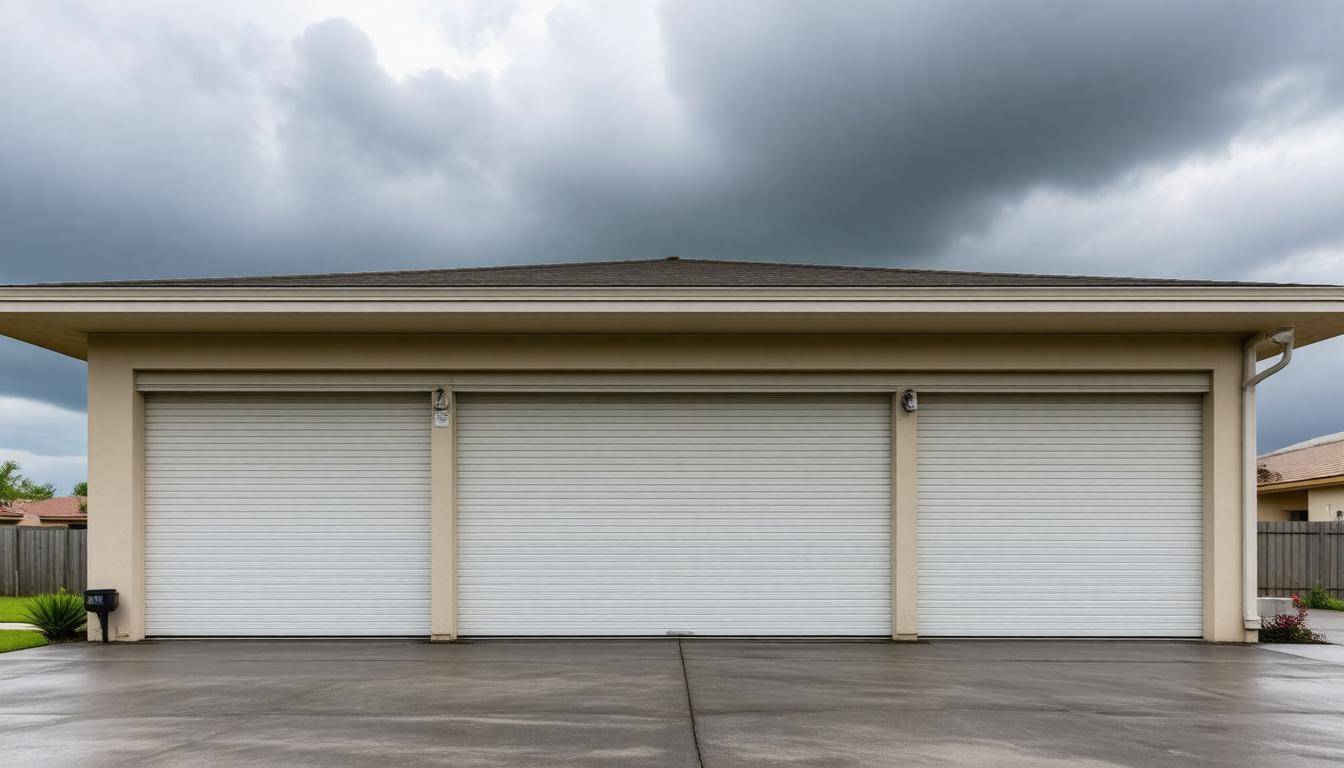
To ensure that you are maximizing the benefits of your storm shutters, it’s crucial to understand their operation and proper installation. Regardless of the type of shutter chosen, they serve as a formidable barrier against powerful winds and flying debris associated with derechos. Whether you’re opting for accordion, roll-down, or plywood shutters, each has its specific grade of effectiveness based on your needs and budget.
Types of Storm Shutters
-
Accordion Shutters: These are popular due to their ease of use; simply slide them open and closed. However, they can be somewhat pricey compared to other options.
-
Roll-Down Shutters: Offering excellent protection, these shutters can be operated with a crank or motor but will likely require professional installation, which adds to their overall cost.
-
Plywood Shutters: For a more budget-friendly choice, plywood can be an option, but remember: these need to be manually installed before every storm.
No matter the type you choose, here are some useful tips for ensuring your storm shutters operate effectively against high winds.
Before a storm is predicted, conduct checks on your shutters—especially if they’ve been left idle since last season. For roll-down shutters, make sure the mechanisms operate smoothly, clearing any blockages or grease that may have accumulated. Accordion styles should slide effortlessly without obstructions from dirt or debris. It’s all about ensuring that there’s no hindrance when it’s time to close them in an emergency.
For plywood shutters, preparation is key. Cut the panels beforehand and keep them stored in an accessible place. This way, when storm warnings arise, you can quickly install them without fuss. Mark where fasteners or brackets go so that installing becomes quicker and easier under pressure. Remember, efficiency can make all the difference in protecting your home from wind damage.
Also important is that you educate family members on how to deploy these shutters; everyone should know their role during storm preparations. Think about designating a “storm leader” who can ensure that everything gets done swiftly and accurately.
Finally, consider routine assessments after every storm season. Take note of any wear and tear on the shutter hardware and replace parts as necessary to maintain optimal strength and performance. Regular inspections prolong their lifespan and provide peace of mind knowing that when danger strikes, your home is well-prepared.
Understanding how to effectively secure storm shutters complements the structural fortifications necessary for a resilient home environment against severe weather conditions. As we move forward, we’ll explore the essential elements for enhancing the durability of your walls and overall structure.
Strengthening Walls and Structures
One of the most effective ways to enhance your home’s resilience against severe winds is through reinforcement, particularly using methods such as insulated concrete forms (ICFs). These forms are made from expanded polystyrene foam, which serves as both insulation and structural support. This dual-functionality provides a remarkable level of strength compared to traditional timber framing, allowing homes constructed with ICFs to better resist the destructive elements of wind storms.
It’s important to understand that the likelihood of sustaining damage from high winds can significantly decrease when your walls and structures are fortified properly. For instance, homes built using reinforced concrete exhibit superior durability against extreme weather conditions. Not only do these walls have a higher tensile strength, but they also provide remarkable insulation properties. Many homeowners report substantially lower energy costs in addition to enhanced storm protection when opting for ICF construction.
With retrofitting options available, even homes already standing can benefit from this level of protection. While the process may seem daunting, bringing in professionals who specialize in wall reinforcements ensures that you get it done correctly and efficiently. Strengthening your existing structure with materials known for their resilience means investing in your home’s longevity and safety.
However, additional protective measures can further increase stability during storms.
Consider integrating other reinforcing techniques:
-
Installing hurricane ties or straps can secure the roof framing to the wall framing, reducing the risk of uplift during high winds.
-
Applying plywood sheathing—at least 5/8 inch thick—on exterior walls enhances overall structural integrity and resistance to wind pressure.
-
Use impact-resistant glass or storm shutters on windows to minimize breakage from flying debris.
-
Ensure all doors are equipped with deadbolts and reinforced frames to withstand both wind pressure and potential forced entry.
Even minor enhancements like strengthening the connection points between different parts of your home can contribute significantly to its durability. By creating a continuous load path that securely connects the roof, walls, and foundation, you can effectively manage and transfer wind forces downward, reducing the chance of catastrophic failure during intense storms.
A commitment to reinforcing your home may take time and effort; however, considering long-term benefits like enhanced safety, reduced insurance premiums, and lower energy costs will undoubtedly make it worthwhile. Investing in stricter building protocols and proper maintenance gives you peace of mind about protecting not just your property but also your loved ones inside.
As you’ve seen in these strategies for fortifying your home, understanding the role of landscape design is equally crucial for additional safety during extreme weather events. Let’s explore how effective planning around your property can bolster protection against wind damage.
Strategic Landscaping for Wind Protection
Landscaping is more than just adding beauty to your yard; it can play a crucial role in protecting your home from nature’s wrath, especially during powerful wind events. By thoughtfully arranging trees and shrubs around your property, you can create natural barriers that reduce wind speed and prevent damage to your home.
Consider this: trees and bushes act as windbreaks, absorbing and redirecting wind energy before it reaches your house. Imagine the added peace of mind knowing that your outdoor design works doubly as an aesthetic element and as a safety feature.
Steps for Wind-Resistant Landscaping
A few well-placed trees can make all the difference, but it’s important to select the right species. For instance, larger trees like oaks or maples should be planted at a safe distance from your building. This way, they effectively slow down winds while minimizing the risk of falling branches during storms. The key here is distance; planting them too close could invite danger rather than protection.
Beyond tree placement, addressing loose items in your yard is critical. Before any storm forecast, ensure that outdoor furniture, decorative plants, tools, and even pet accessories are secured or brought indoors. Failing to do so can turn these items into unwelcome projectiles that may further endanger neighboring houses or pedestrians.
Regular maintenance is another crucial aspect of wind-resistant landscaping. Pruning dead or weak branches not only enhances the overall health of your trees but also reduces potential hazards posed by those branches becoming airborne during high winds. Ideally, setting up a seasonal schedule for tree trimming helps maintain healthy growth and ensures that no problematic branches remain.
Each step taken towards protective landscaping builds a more robust defense against high winds. By focusing on tree placement, securing outdoor items, and maintaining regular tree care, you’re investing in both the beauty and safety of your property while preparing for one of nature’s most unpredictable forces: the derecho wind storm.
In summary, thoughtful landscaping combined with regular maintenance is essential in fortifying your home against wind damage. Preparing now not only enhances your property’s aesthetic appeal but also significantly increases its safety for years to come.
What materials and techniques are recommended for reinforcing windows and doors against high winds?
To reinforce windows and doors against high winds, it is recommended to use impact-resistant glass or window films, along with strong frames made from materials like vinyl or aluminum. Additionally, adding storm shutters can provide an extra layer of protection. According to the Institute for Business & Home Safety, homes fortified with these materials and techniques have shown a 50% reduction in storm damage, significantly enhancing safety during wind storms.
Are there specific insurance considerations or policies homeowners should review in preparation for severe wind storms?
Homeowners should definitely review their insurance policies to ensure they have adequate coverage for severe wind storms. Specifically, it’s crucial to check for exclusions regarding wind damage and verify if you need additional endorsements or riders, as standard policies may not fully cover storm-related damages. According to the Insurance Information Institute, approximately 30% of homeowners could face significant out-of-pocket costs due to inadequate wind storm coverage. Being proactive can help minimize financial loss and provide peace of mind during storm season.
How can landscaping be used to mitigate damage from derecho winds?
Landscaping can be a crucial tool in mitigating damage from derecho winds by strategically using trees and shrubs as windbreaks. Planting dense vegetation can slow wind speeds, reducing the force that hits structures directly; studies suggest that properly placed windbreaks can decrease wind speed by up to 30% within 100 feet of the barrier. Additionally, low-growing plants and ground cover can help stabilize soil, preventing erosion and uprooting during high winds. By creating a well-planned landscape, homeowners can enhance their property’s resilience to severe weather events like derechos.
What are the characteristics of a derecho wind storm, and how does it differ from other storms?
A derecho wind storm is characterized by a widespread and long-lived straight-line wind event, typically associated with severe thunderstorms. Unlike other storms like hurricanes or tornadoes, which feature rotational wind patterns, derechos produce damaging winds in a straight line, exceeding 58 mph and can extend over hundreds of miles. This phenomenon often results in extensive damage to structures and trees, with gusts occasionally reaching up to 100 mph. Statistically, derechos occur infrequently but can have devastating effects; for instance, the 2020 Iowa derecho caused an estimated $7 billion in damages, making it one of the most destructive in U.S. history.
What safety measures should be taken before, during, and after a derecho event?
Before a derecho event, secure all outdoor items that could become projectiles and ensure your emergency kit is stocked with essentials like water, food, flashlights, and first aid supplies. During the storm, seek shelter in a sturdy interior room or basement away from windows to avoid injury from flying debris; historically, derechos have winds exceeding 100 mph, making this crucial. After the event, stay alert for downed power lines and hazardous conditions while reporting damages to your local authorities, as recovery can take days or weeks based on severity—data shows derechos can cause extensive damage across multiple states.