
Surviving in the desert can feel like an uphill battle, especially when it comes to securing enough water. If you’ve ever wandered near a scorching sun and felt the refreshing call of hydration, you know just how crucial it is to have a solid plan for your water needs. Surprisingly, many people underestimate their fluid intake in these extreme conditions. In the desert, one gallon per person per day may be a good starting point, but let’s dig deeper into what really drives those hydration requirements and how to navigate this challenge effectively. After all, being prepared is more than just staying refreshed; it’s about ensuring your survival in one of the harshest environments on earth.
To calculate emergency water requirements for survival in desert conditions, a general guideline is to allocate at least one gallon (approximately 3.8 liters) of water per person per day, taking into account factors such as temperature and activity level which may increase hydration needs. Additionally, it’s crucial to assess your environment and individual circumstances to determine if more water is necessary for safety and health during emergencies.
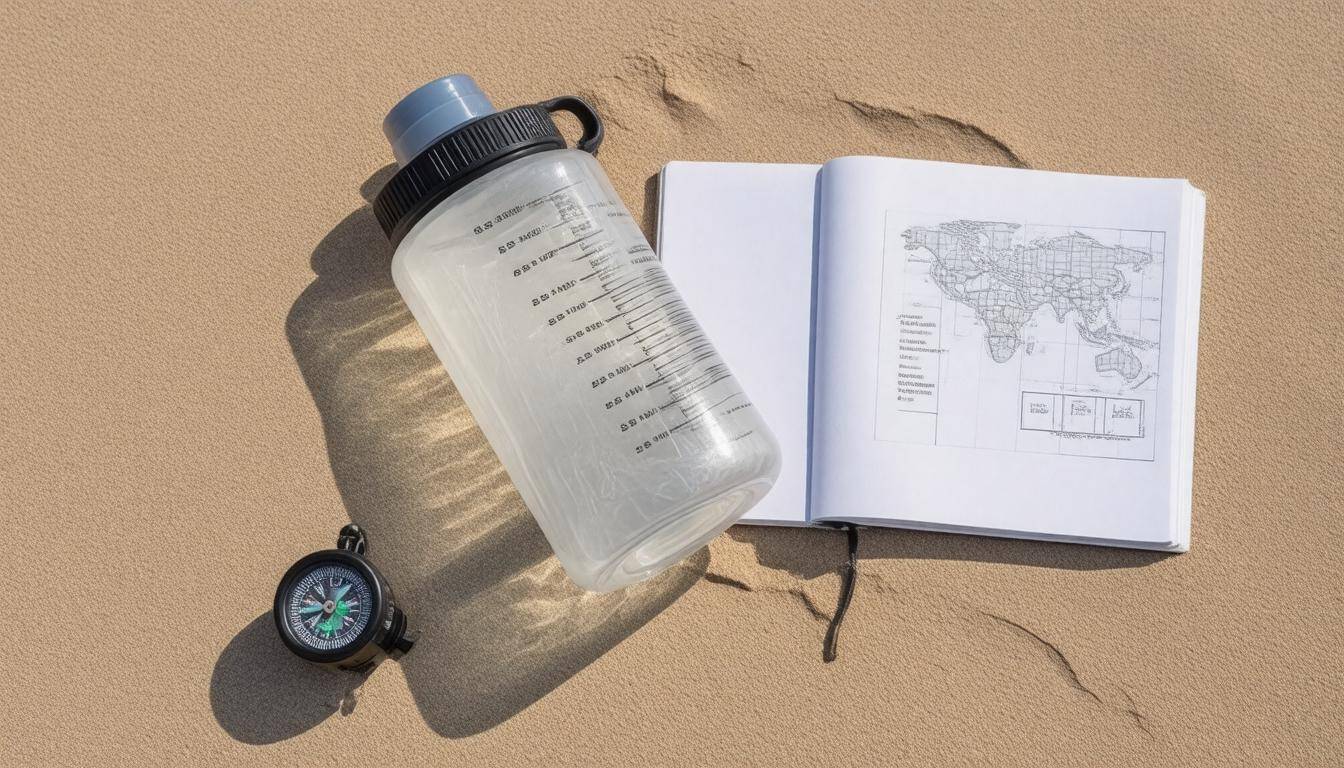
Calculating Water Needs in the Desert
While the guideline of one gallon of water per person per day serves as a useful starting point, several variables must be accounted for in desert conditions. Temperatures can soar dramatically, reaching over 100°F, especially during summer months, which can lead to increased perspiration and dehydration. As such, staying mindful of your hydration needs is critical.
Physical activity plays a significant role in determining how much water you’ll require. Individuals engaging in high levels of exertion shouldn’t hesitate to increase their intake, particularly if they are hiking or engaging in strenuous outdoor activities. When the temperatures rise and you’re constantly sweating, you might find yourself needing more than the baseline recommendation. The table below provides insight into how different activity levels can alter your daily water requirement:
| Activity Level | Daily Water Requirement (gallons) |
|---|---|
| Sedentary | 0.75 – 1 |
| Light Activity | 1 – 1.5 |
| High Activity | 1.5 – 2 |
Investing time to understand these variations could mean the difference between safely navigating the unforgiving desert landscape and facing serious health risks due to dehydration.
Additionally, environmental factors contribute greatly to your hydration strategy. In windy conditions, moisture from your body evaporates more rapidly. Keeping close attention to humidity levels is also vital: arid environments result in quicker fluid loss through sweat and perspiration than more humid climates would. This means that although you may not feel particularly thirsty, additional hydration could be necessary.
Another element to factor in is individual health conditions; certain medications or preexisting medical issues can affect how your body processes fluids. If you have a history of kidney problems or other underlying health concerns, understanding your specific requirements becomes even more crucial.
Always remember to listen to your body as an indicator of its hydration needs. Feeling thirsty is one signal, but other clues like headaches, fatigue, or dry skin may emerge before that thirst kicks in.
With a clear understanding of how various factors influence hydration needs in the desert environment, it’s essential to explore additional elements that shape this critical aspect of survival.
Factors Influencing Hydration
Several elements come into play when determining how much water you should consume in the harsh desert environment. First and foremost, temperature is a crucial factor. As the mercury rises—often exceeding 100°F (38°C)—your body starts to sweat more, causing an increase in fluid loss. This makes it essential to drink more than you might on a cooler day. For instance, if you’re out during a heat wave, it’s not unusual to find yourself needing an extra couple of liters just to keep up.
Then there’s the humidity factor. In deserts, humidity levels often dip below 20%, which means that moisture evaporates from your skin quicker than you might expect. Low humidity can trick you into thinking you’re not losing much water even as sweating continues. It feels as though you’re drying out in a vacuum, leading to faster dehydration without you realizing it. It’s like running a marathon on an endless treadmill—exhausting but invisible.
Additionally, factors like altitude should not be overlooked. Higher elevations can accelerate your respiration rate, leading to increased water loss through breathing. If you’re hiking at elevated heights, pay special attention to your water intake; it’s easy to underestimate how much more hydration you’ll need.
Physical activity also plays a significant role in hydration needs. Strenuous exercise causes your heart to work harder and ramps up your sweat production considerably. Imagine you’re traversing rocky terrains or navigating steep slopes; your body is crying out for water, demanding that you replenish lost fluids regularly. Each drop counts when you’re pushing beyond your normal limits.
Lastly, clothing choices can dramatically impact your hydration needs as well. Wearing heavy fabrics or dark colors can make it harder for your body to cool down and raise your overall body temperature. This often leads to excessive sweating and an escalation in water consumption. Opt for light-colored, breathable materials that allow for ventilation—this simple change can keep you feeling better while reducing fluid loss.
A good rule of thumb is to hydrate before you’re thirsty; thirst is often the first sign of dehydration, and by then it may be too late to catch up!
With these crucial factors influencing hydration in mind, it’s essential to turn our attention toward effectively finding sources of emergency water when traditional supplies might run low.
Locating Emergency Water Sources
Finding water in the desert can indeed feel overwhelming, but it becomes easier when you know what to look for. One of the first places to start is by observing the wildlife around you. Animals are great indicators of available resources; for example, draught-resistant plants often signal nearby moisture. If you watch carefully, you might see insects, like bees, buzzing around—these little creatures tend to flock to areas with water sources because they need both hydration and nectar.
Birds also provide clues; their songs during dawn and dusk may direct you toward hidden springs or streams that flow nearby.
Rock formations can be very telling as well. Many desert rocks gather moisture through condensation overnight. Check crevices or small depressions in the rocks where water might collect; this is often where you’ll find dew or even rainwater runoff. Keep an eye out for shaded areas too—conditions here tend to remain cooler and thereby lessen the rate of evaporation, making it an ideal spot for moisture retention.
As daunting as it sounds, dry river beds are another map key in your quest for water. They may appear seemingly desolate, yet if you dig just a few feet below the surface, there’s a chance of discovering moisture trapped beneath the sand—it’s like a treasure hunt rewarding you with liquid gold! The principle is simple: moisture from deeper ground layers filters up occasionally, providing life-sustaining water if you are tenacious enough to look for it.
Remember that identifying these sources is just the beginning; following through on how to extract and purify is crucial.
Not all water found in nature is safe to drink straight away; thus, once you’ve identified a potential source of hydration, it’s essential to purify it before consumption. Some common methods include boiling the water—allowing at least one minute of rolling boil time can help eliminate pathogens, making it safer. Alternatively, portable filtration systems can effectively remove contaminants, ensuring what you’re drinking doesn’t lead to illness.
Additionally, if rain presents itself while you’re in the desert—which seems unlikely but isn’t impossible—consider using tarps or containers positioned strategically to catch rainwater. A good rule of thumb is that for every 1 mm of rainfall collected within a square meter area of tarp or roof, you can yield about one liter of clean water!
Understanding these techniques will heighten your chances of finding clean drinking water when you need it most; however, preparation never hurts! Before venturing into extreme environments, take proactive steps or carry supplies designed specifically for emergency situations too. Now let’s explore methods for harnessing moisture directly from your surroundings.
Extracting Water from Arid Terrains
Extracting water in desert environments is indeed an art form that requires both ingenuity and patience. The harsh conditions make traditional sources of water scarce, compelling us to think outside the box. One popular method is through a solar still, which taps into natural processes to gather moisture from the air and soil.
Solar Still Method
Creating a solar still can be an incredibly efficient way to extract water from the ground using the sun’s heat. Here’s how it works:
-
Start by Digging a Hole: Aim for about 3-4 feet wide and 2 feet deep. This space allows for adequate evaporation, increasing your chances of collecting more water.
-
Place a Container in the Center: Select a clean container to catch the water, ensuring it’s free from contaminants since you rely on this water for hydration.
-
Cover the Hole with Plastic: Lay a sheet of clear plastic over the hole, securing the edges tightly with rocks and soil to prevent your precious moisture from escaping.
-
Position a Small Rock in the Center: This creates a low point in the plastic cover, causing condensation droplets to trickle down into your container.
You’d be surprised—this simple setup can yield between 0.5 to 1 liter of water per square meter per night under optimal conditions. The longer you leave it undisturbed, the more efficient it becomes as temperatures fluctuate throughout the day.
This solar still technique not only extracts moisture but also protects it from evaporation—a critical process when every drop counts in arid terrain.
As vital as extracting water is, implementing methods to preserve what you’ve collected proves equally essential. Transitioning to optimizing these resources will ensure you make the most of your limited supply.
Techniques for Water Conservation
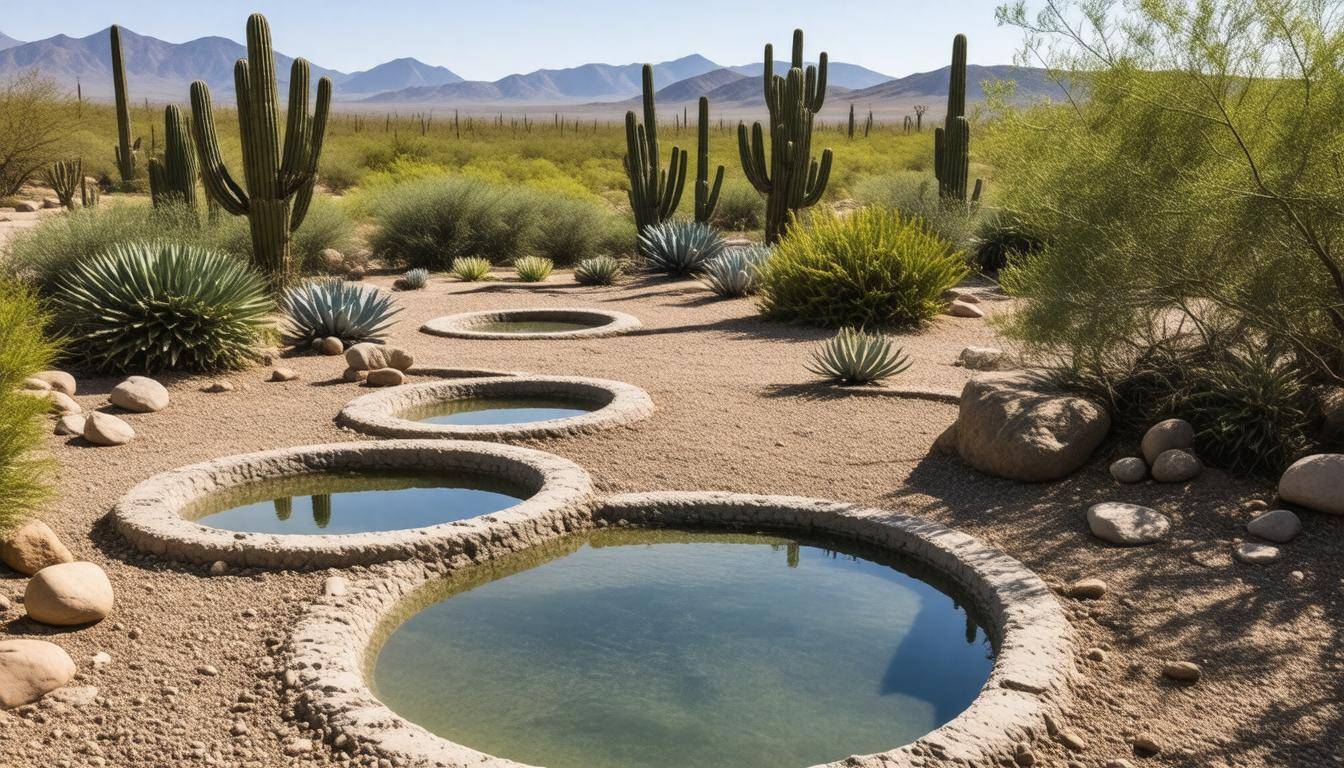
In the unforgiving desert environment, where resources are scarce and every drop counts, effective water conservation techniques can prove invaluable for survival. Conserving every single drop of water not only extends your survival but can also make the difference between life and death.
For instance, drinking in small sips can significantly slow down dehydration rates. Rapid gulps may seem satisfying at first, but they lead to quicker losses as your body will sweat in response. This is particularly crucial during the scorching midday sun when your body is already under stress.
While it is vital to drink throughout the day, timing is equally essential. Aim to hydrate before any strenuous activity and save heavier hydration efforts for early morning or late evening when temperatures are cooler. This simple shift in timing helps avoid rapid sweating that could deplete your limited water supply.
When you do need to rest, take advantage of any available shade; standing under an overhanging rock or setting up a temporary shelter can provide a cooler break and significantly lower your body’s need for fluids.
By managing your physical exertion and utilizing shade intelligently, you prevent unnecessary energy expenditure that requires additional hydration.
Another key aspect involves modifying daily routines to conserve water. Techniques such as minimizing water usage during cooking and cleaning will have a considerable impact on total consumption. You might find that even using smaller pots or rinsing dishes with minimal amounts of water leads to efficient use without compromising hygiene.
Furthermore, consider employing strategies like rainwater harvesting whenever potential rainfall is forecasted, capturing every possible drop from surfaces around you.
Additionally, if you’re out in the desert long enough to strategize about irrigation, try adopting drip irrigation methods for any plant care needed. This involves watering plants directly at their roots rather than saturating larger areas—significantly cutting down on waste. For personal consumption, greywater recycling can be practical if you’ve managed to create a sustainable living environment temporarily; this technique reuses water previously involved in washing vegetables or hands for irrigation purposes.
With these techniques, you’ll find that conserving water can be both straightforward and highly effective. As we shift our focus now, let’s explore how to best equip yourself for storing this precious resource during your time in arid conditions.
Essential Gear for Water Storage
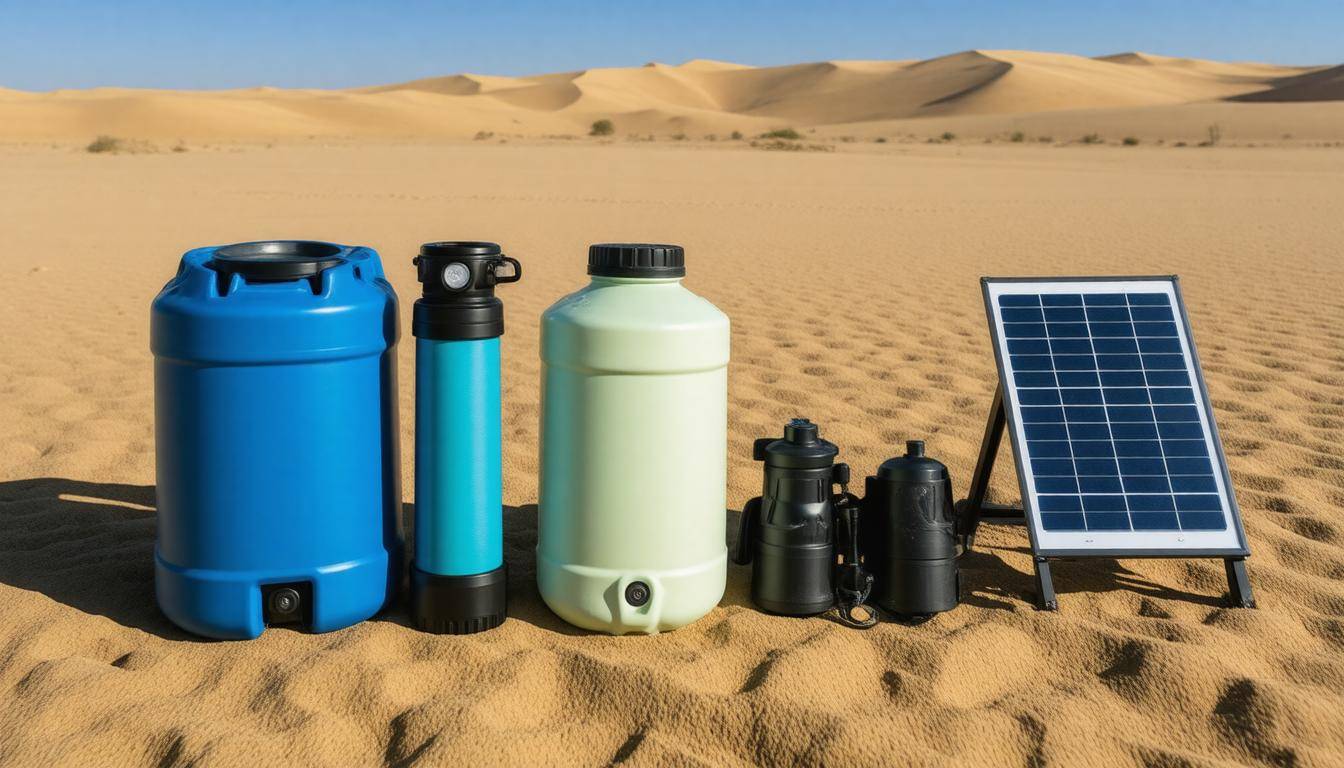
Efficiently storing and managing water in a desert environment requires the right tools. With extreme heat and dry conditions, ensuring that your water stays fresh and accessible can significantly impact your survival. The type of containers you choose matters immensely; let’s explore some essential gear options.
One key item is collapsible water containers. These lightweight containers are perfect for the desert trekker because they can be easily packed away when empty, saving valuable space. When filled, a collapsible container provides an adequate volume of water without adding unnecessary weight to your load.
Another vital tool to consider is hydration bladders. Designed for ease of use during movement, hydration bladders allow you to take quick sips of water through a tube without stopping to dig out your bottle. Imagine navigating rocky terrain while seamlessly staying hydrated—it’s all about efficiency in those challenging environments.
Also crucial to include in any equipped water kit are water purification tablets. Contaminated water sources can lead to serious health issues, especially when you’re far from medical assistance. Carrying these tablets means you can treat surface or uncertain water quickly and easily, giving you peace of mind when quenching your thirst becomes urgent.
Lastly, if you’re near coastal areas, solar-powered desalination kits serve as a fantastic resource. These devices utilize sunlight to convert salty seawater into fresh drinking water. Given the often scarce freshwater resources in desert environments, being able to tap into ocean sources can dramatically extend your survival capabilities.
As one hiker said, “A reliable storage setup is just as vital as carrying enough water!”
Equipping yourself with these smart storage solutions enhances your safety in the harsh desert climate and lays the groundwork for effectively preparing for emergencies involving hydration. Transitioning now to effective strategies for assembling your essential supplies will ensure you’re even better equipped for unforeseen challenges ahead.
Preparing a Desert Survival Water Kit
A well-thought-out water kit can be a lifesaver when you find yourself in an arid landscape. This is not just about carrying water; it’s about being resourceful and knowing how to maximize what you have. Every ounce in your kit should serve multiple purposes, ensuring your chances of survival are significantly increased under extreme conditions.
Key Components
First and foremost, water purification tablets or filters are essential. They empower you to treat found water sources and enable you to drink confidently from streams or lakes that might otherwise seem murky or hazardous. The last thing you want when desperate for hydration is the added worry of contaminated water making you sick. Look for tablets that have been tested and trusted by outdoor enthusiasts. Remember, one tablet may purify a certain amount of liters, so follow instructions carefully!
Another vital component is collapsible canisters. These canisters simplify transport significantly—especially in hot conditions where bulkiness can become a hindrance. When filled, they provide ample storage space without occupying much volume. Plus, because they collapse when empty, they won’t weigh you down on the return journey.
Don’t overlook the importance of electrolyte packets. In desert environments, sweat loss can rapidly deplete your body of crucial minerals essential for maintaining stamina and energy levels. Having these packets on hand ensures you can quickly replenish what your body loses during strenuous activities. Just add them to your stored water for an instant boost.
Finally, a sunshade or reflective blanket is an often underestimated addition that reduces evaporation from your body while reflecting heat away. In intense sun exposure, using this can help maintain your core temperature and hydration levels longer than without it, creating a mini-shade around you that makes a noticeable difference.
As illustrated by Lara, an experienced desert hiker who faced an unexpectedly extended trip: “The electrolyte packets made all the difference in maintaining my energy level when I thought I would run out of steam.” Her experience highlights how preparation leads to peace of mind in challenging circumstances.
By combining these key components into your water survival kit, you’ll enhance your ability to navigate through the demanding challenges of a desert environment efficiently and safely. This sets the stage for exploring strategies that will ensure you remain hydrated throughout your adventure.
Practical Tips for Staying Hydrated
Staying hydrated requires both strategy and discipline, especially in such a dry environment. The key to maintaining your fluid levels starts before you even set foot in the desert. It’s crucial to hydrate well the day prior to your journey. Aim for drinking about 3 to 4 liters of water throughout the day leading up to your trip. When you’re well-hydrated before entering the arid climate, you’ll have a head start that can make a world of difference as temperatures rise and sweat begins to drip.
Imagine you’re venturing out into the blazing sun without pre-hydrating; it’s akin to walking into battle unarmed.
On the morning of your departure, continue this hydration routine. Feel free to add some electrolytes or drinks with low sugar content, as those can help balance the salts lost through sweat without adding unnecessary calories. It’s equally important to minimize intake of alcohol and caffeinated beverages—they can rehydrate but also serve to draw moisture from your body.
Once in the desert, prioritize finding cool, shaded areas for regular rest stops. Seek natural cover whenever possible—looking for trees or rock formations—to help reduce your need for water while allowing your body to cool down.
While trekking, be diligent about sipping water regularly rather than guzzling large amounts infrequently. It’s suggested to drink between 0.5 to 1 liter per hour if you’re engaged in physical activities like hiking. This conscious pacing not only keeps your thirst at bay but also allows your body to absorb water efficiently.
Remember, feeling thirsty is already one sign that your body is on its way to dehydration—a state you want to avoid.
Lastly, pay close attention to the signs of dehydration such as dry mouth, fatigue, dizziness, or dark urine. If you notice any of these symptoms, take immediate action by resting in a cool place and bolstering your fluid intake.
Summary of Hydration Practices
By adopting these strategies for hydration—hydrating beforehand, managing intake during travel, and monitoring your body’s response—you’ll significantly increase your chances of remaining safe and healthy amidst the unforgiving desert climate. With awareness of your own needs combined with proactive measures regarding fluid management, you transform potential struggle into successful adaptation in an environment that challenges even the hardiest adventurers.
For more tips and curated lists of essential water storage and purification gear that can support you on these adventures, don’t hesitate to visit our website!
With proper planning and awareness, you can navigate the desert’s challenges successfully while keeping yourself hydrated.