
When it comes to managing diabetes, being prepared is not just a good idea; it’s essential. You never know when an emergency may arise—be it a natural disaster, a sudden illness, or simply an unexpected outing without access to your regular supplies. Understanding what key items to have on hand can make a huge difference in keeping blood sugar levels stable and ensuring peace of mind. In this article, we’ll explore the vital components to include in your Diabetes Emergency Supply Kit. By following our checklist, you’ll be taking proactive steps toward safeguarding your health during those unpredictable moments. So let’s dive in!
Essential items to include in a Diabetes Emergency Supply Kit consist of glucose monitoring supplies (glucometer, test strips, and lancets), fast-acting carbohydrates such as glucose tablets or juice boxes for hypoglycemia management, backup insulin (along with syringes or pens), non-perishable food items like canned fruits and high-energy snacks, and an emergency contact card with your healthcare provider’s information. Additionally, it’s vital to consider personal needs and dietary restrictions when selecting items for effective diabetes management during emergencies.
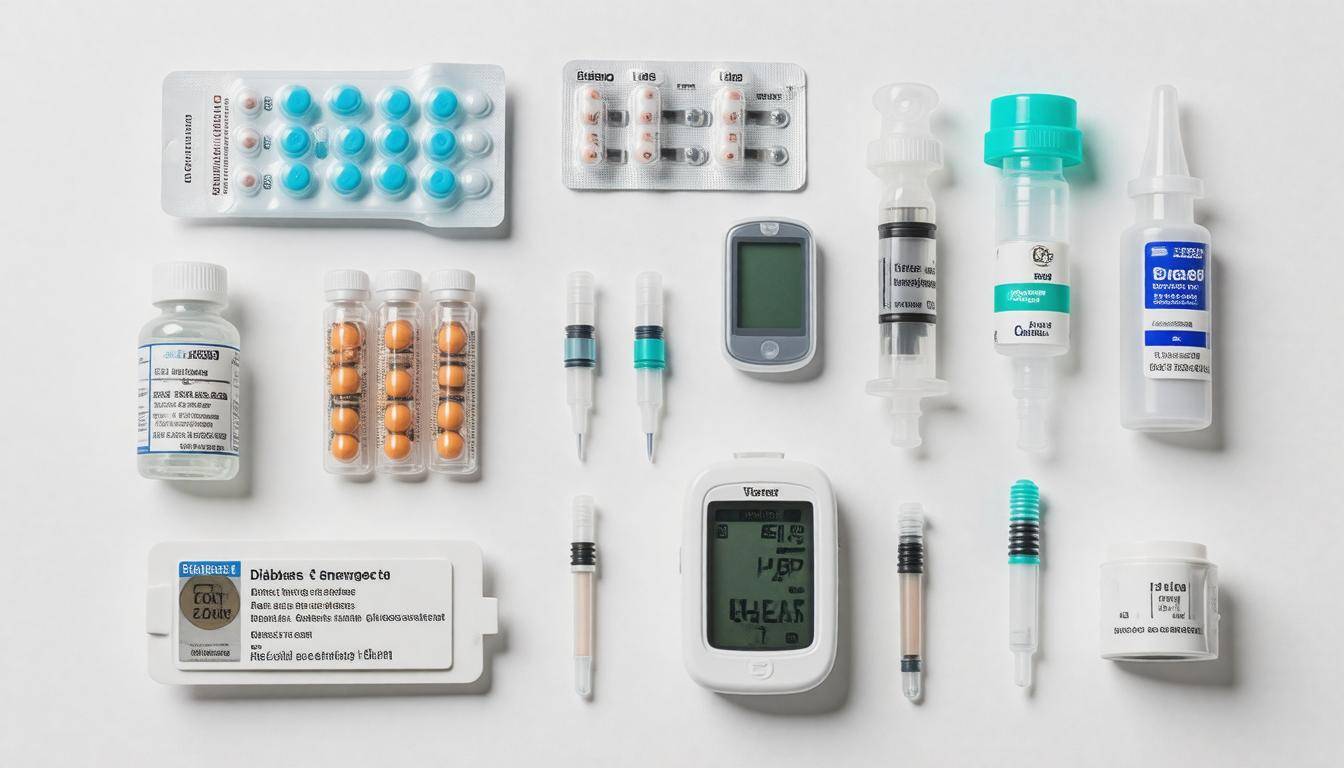
Essential Items for Your Diabetes Emergency Kit
Having a reliable way to monitor your blood glucose levels in emergencies is vital for effective diabetes management. Imagine being in a situation where you’re unsure of your blood sugar levels; having the right tools at your fingertips can be the difference between feeling secure and being anxious.
To ensure you’re prepared, here are the essential items you should include in this section of your kit:
-
Blood Glucose Meter: This tool is essential for checking your blood sugar levels. Choose a model that’s easy to use and accurate.
-
Test Strips: Stock at least 50 strips, as running low can hinder your monitoring capabilities. It’s best to have more than you think you need, just to be safe.
-
Lancets: Keep a box of 100 lancets handy for convenient blood sampling. You don’t want to find yourself stuck with a device but lacking the means to use it.
-
Alcohol Swabs: Use these to disinfect the skin before taking blood samples. Cleanliness helps prevent infections during blood sampling.
With your monitoring supplies ready, it’s time to consider how to tackle potential fluctuations in your blood sugar due to unexpected stressors or situations.
Fast-Acting Carbohydrates
Quick access to fast-acting carbohydrates is critical during an emergency, especially if you experience hypoglycemia—a situation that requires immediate action. Fast-acting carbs provide an instant source of energy that can help stabilize your blood glucose levels.
Include these items in your kit:
-
Glucose Tablets: These packs are easy to carry and provide a quick punch of glucose when needed.
-
Juice Boxes: Opt for small, shelf-stable juice boxes that offer quick hydration and energy.
-
Candy: Hard candies or gummy fruits not only satisfy a craving but also give you that sugar rush necessary in moments of need.
Think of fast-acting carbs as your safety net. They allow you to act quickly without scrambling for food, ensuring that you’re prepared for any unexpected scenario.
After establishing a solid base with medication and monitoring items, we must not forget about snacks that can sustain you through longer emergencies.
Snacks and Comfort Foods
Non-perishable snacks are an integral part of your diabetes emergency supply kit. They serve dual purposes: providing nutrition and comfort during stressful times. When disaster strikes, the last thing you want is hunger adding stress to an already challenging situation.
Here’s what I recommend including:
-
Granola Bars: These are not only filling but can be found in various flavors, making them a delightful addition.
-
Peanut Butter Packets: Individual packets are convenient options packed with protein that can keep you going for longer periods.
-
Diabetic-Specific Snacks: Opt for trail mix varieties without added sugars; they balance satisfaction with health consciousness.
A little comfort food can alleviate stress during emergencies by providing touches of familiarity amidst chaos.
As we shift focus, let’s explore the medications necessary for effective diabetes management in challenging situations.
Insulin and Medication Supplies
Having insulin and necessary medications on hand can be a matter of life and death for individuals living with diabetes. Imagine being caught in an unexpected situation—a power outage during a storm, for instance—without access to the medications you rely on daily. This was a reality for John, who learned the hard way about the importance of having the right insulin at all times. He emphasizes including a sufficient supply of both long-acting and rapid-acting insulin in his emergency kit.
Studies reveal that up to 60% of insulin users typically don’t carry spare insulin, which could lead to dire consequences during emergencies. This statistic alone serves as a powerful reminder of why it’s essential to stay prepared.
Beyond just having insulin, consider incorporating various medication supplies into your kit. A solid plan should account for at least a 30-day supply of insulin vials or pens along with necessary syringes if you’re utilizing vials. For those using insulin pumps, don’t forget vital infusion sets and reservoirs.
Backup and Monitoring Supplies
You’ll also want to safeguard against unexpected lows. Therefore, having quick sources of glucose, such as glucose tablets or juice boxes, is critical in managing hypoglycemia effectively. These fast-acting carbohydrates will act as your safety net when you’re in need of an energy boost.
Essential glucose monitoring supplies should include:
- A glucometer
- Test strips
- Lancets
These items ensure that you can keep track of your blood sugar levels even amidst chaos.
It’s wise to prepare even further, ensuring you have a glucagon emergency kit handy for severe hypoglycemic episodes. This small yet significant addition could make all the difference in an urgent situation.
Remember to pack at least 50 alcohol swabs as well; they’re often overlooked but are invaluable for maintaining hygiene when administering injections or working with diabetic supplies.
Keeping Your Supplies Safe
As you assemble your diabetes emergency supply kit, don’t forget about safe disposal methods for used needles and syringes. A sharps container should be readily available not just for convenience but also for adhering to safety measures.
With these critical medication supplies organized and ready, you are well-equipped to monitor your health effectively during emergencies, setting the stage for understanding the specific tools needed to assess blood sugar levels accurately.
Blood Sugar Testing Supplies

When it comes to emergencies, being prepared means having the right tools on hand to manage your diabetes effectively. Your emergency kit must include essential blood sugar testing supplies to help you monitor and maintain optimal glucose levels. After all, knowing where your blood sugar stands can be the difference between a manageable situation and a more serious one.
Step-by-Step: Testing Supplies
First and foremost, ensure that you pack at least one glucometer. This handy device is crucial for measuring your blood glucose levels with just a small drop of blood. However, including a backup glucometer is also wise; you never know when your primary device may fail or run out of batteries during an emergency.
Next, pack extra test strips—aim for at least a two-week supply, but more is always better if space allows. Test strips are essential; without them, even the best glucometer becomes useless. It’s worth noting that test strips have expiration dates, so be sure to regularly check them for currency.
According to CDC data, 1 in 4 diabetics experiences low blood sugar episodes monthly, making regular testing during emergencies absolutely critical.
Additionally, don’t forget multiple lancing devices and lancets in your kit. These small yet essential items can be easily overlooked when packing for emergencies. A lancet is necessary for drawing blood samples, and having extras ensures you won’t experience hurdles when it’s time to test.
With such high occurrences of low blood sugar episodes among diabetics, establishing a routine in testing during emergencies is vital. Having the proper tools not only allows you to stay informed about your condition but also provides peace of mind.
Lastly, consider adding control solution for checking the accuracy of your glucometer and additional alcohol swabs. The control solution will help calibrate your glucometer properly while alcohol swabs can clean the skin before testing, reducing infection risks and ensuring accurate readings each time.
Preparing with these essential items not only addresses immediate needs but also sets the stage for maintaining overall health. Moving forward, let’s explore the vital role nutrition plays in these situations.
Food and Drink for Emergencies

In moments of crisis, having the right food and drink stands as a bulwark against fluctuating blood sugar levels. This means you should choose items that aren’t just easy to pack, but also help maintain a stable energy supply. Starting with the category of high carbohydrates, whole grain crackers or rice cakes can act like a steady base, providing long-lasting energy that won’t send your glucose soaring. It’s all about balance; while quick energy is important, stabilizing your blood sugar should always be the priority.
When it comes to protein sources, think beyond the common snack. Peanut butter packs are fantastic options—not only do they provide healthy fats, but they also offer around 6 grams of carbohydrates per two tablespoons, making them an effective supplement during emergencies. Canned tuna or chicken is another excellent choice, as protein helps repair muscles and keeps you feeling fuller longer. Having these options on hand means you’re less likely to reach for unhealthy snacks when hunger strikes.
Water is essential too; staying hydrated is crucial for overall health, especially during high-stress situations. Electrolyte solutions can be invaluable. They don’t just quench thirst but help replace lost electrolytes, making them especially beneficial if you need additional hydration due to heat or exertion.
Quick Carbohydrates
Now, consider having some quick carbohydrates in your kit as well. These are useful for immediate blood sugar spikes when needed:
- Gel packs: Easy to carry and designed specifically for fast absorption.
- Glucose tabs: A classic choice; they’re compact and deliver fast-acting sugar to counteract hypoglycemia.
While focusing on food types, don’t overlook non-perishable beverages that can complement your emergency kit perfectly.
Hydration Choices
Keeping yourself well-hydrated is critical in emergency preparedness—especially when stressed or active. Bottled water is a no-brainer; always include enough for at least three days’ worth per person in your household.
Beyond just plain water, think about adding shelf-stable juices or low-sugar electrolyte drinks. Not only do these options help with hydration but they also offer carbohydrates, which assist in maintaining your energy levels. Just remember—though fruit juices provide quick energy (up to 15 grams of carbs per cup), they should be consumed in moderation due to their natural sugars.
Pack individual servings where possible; this makes it easy to gauge how much you’re consuming without overdoing it—a simple yet effective way to manage your intake even in dicey situations.
It’s not simply about staving off hunger or quenching thirst; having the right foods and drinks can provide peace of mind, ensuring you’re prepared for anything that could come your way.
As we transition into discussing specific nutrition essentials that can quickly replenish your energy, it’s vital to keep in mind the balance between taste and necessity during emergencies.
Snacks and Juice
When it comes to managing diabetes, having the right snacks on hand can make all the difference, especially during emergencies. Diabetic-friendly snacks such as trail mix (without added sugars), granola bars, and various packs of nuts offer an excellent balance of carbohydrates and protein. For example, trail mix provides healthy fats along with fiber, helping to stabilize blood sugar levels while also satiating hunger. Granola bars, when chosen wisely, can yield energy without excessive sugar content. Always check for labels indicating lower sugar levels; this simple act can keep those insulin spikes at bay.
Juice boxes are another staple for your kit—each typically contains about 15 grams of easily digestible carbohydrates. In moments where rapid glucose elevation is necessary to stave off hypoglycemia, these small containers can act as lifesavers. It’s crucial to keep them in your kit because they require no preparation and can be consumed immediately.
However, not all juices are created equal. Aim for low-sugar options or those specifically designed for diabetics whenever possible. Some brands offer juice alternatives fortified with nutrients without the added excess of sugar that could complicate your health needs. Just imagine being caught in an emergency—it’s reassuring to reach for a juice box that supports your health rather than jeopardizes it.
As you consider what to include in your emergency kit, remember that maintaining balanced blood sugar involves immediate response capabilities—snacks and juice should pivot around that necessity.
Beyond simple snack choices, think about including items like peanut butter packets, which can complement carbohydrate-rich snacks with protein and healthy fats. For instance, enjoy a granola bar smeared with peanut butter; it adds flavor and increases nutritional value. String cheese is another great option as it provides protein with very minimal carbohydrates—making it an ideal companion for any snack setup.
The foundation of an effective emergency supply kit lies in thoughtfully selected snacks and quick sources of hydration. Each item should work harmoniously to maintain satisfactory blood sugar levels while uplifting morale during potentially stressful situations.
With a proper grasp on what nutritious snacks and juices should be included in your kit, the next step focuses on how best to store and pack these vital supplies for easy access when you need them most.
Storage and Packing Tips
Proper storage can make or break your emergency kit, ensuring that every item remains effective and ready to use when it’s needed most. Imagine reaching for a can of juice during a low blood sugar episode, only to find it’s expired or compromised due to poor storage. To avoid these pitfalls, follow a systematic approach that emphasizes both accessibility and protection of your supplies.
Step-by-Step: Packing
The first step in packing your kit is to invest in a waterproof, insulated bag. Not only does this protect against unexpected spills or moisture, but it also helps keep medications, especially insulin, at a stable temperature.
Consider bags designed for medical supplies—often they have special compartments that fit perfectly with what you’ll be packing. If you’re on the move, using a backpack with insulation can also ensure your materials don’t spoil while you’re out.
Next, organize items into labeled ziplock bags. This small step can save you precious time when seconds count. Having glucose tablets, fast-acting carbohydrates, and monitoring supplies separated and labeled means you won’t waste time rummaging through the entire kit when all you need is a quick fix for hypoglycemia.
Use bold markers on the bags to clearly identify contents, like “Glucose Tablets” or “Lunch Snacks,” so you can grab what you need at a glance.
Once everything is organized and packed up nicely in your waterproof bag, consider where you’ll store your emergency kit.
Storing the kit in an easily accessible location is crucial; you want it within reach but still located out of sight from children or pets. A hallway closet, under the bed, or inside a specific cabinet in the kitchen works well. Avoid high cabinets that might require a step stool to access quickly because emergencies often happen unexpectedly—and swiftly.
Lastly, it’s wise to frequently check your kit for expiration dates and replenish any used items every few months. Keeping track of what’s inside not only ensures you’re prepared but can also give you peace of mind knowing that all supplies are fresh and effective when an emergency strikes.
With this foundational knowledge on storage and packing, we shift our focus to essential resources that complement your preparedness plan.
First Aid Supplies
First aid supplies are often seen as an afterthought when assembling a diabetes emergency supply kit, but they can be absolutely crucial in various situations. Imagine being in a hurry to manage a low blood sugar episode or dealing with an unexpected injury—having these supplies close at hand can make all the difference. Items like adhesive bandages are vital for treating minor cuts and blisters that can occur during everyday activities or emergencies; these small injuries could easily become a nuisance if left untreated.
Moving beyond just band-aids, consider incorporating antiseptic wipes into your first aid arsenal. These play a significant role in reducing the risk of infection, especially when you’re dealing with wounds in less-than-ideal circumstances, like during a storm or power outage. It’s like having peace of mind wrapped up in a small packet, ready to use whenever needed.
Remember: An antibiotic ointment is also advisable; it acts as another layer of protection after you’ve cleaned the wound with antiseptic wipes. This combination helps speed up healing while preventing potential infections.
In addition to these items, it’s worth adding a glucose tablet or gel to your first aid supplies, especially considering their critical role during hypoglycemic episodes. Fast-acting sugars help raise blood sugar levels quickly, which is essential for maintaining stable glucose levels when stress from an emergency may further complicate diabetes management.
- Glucometer: Always have one handy to monitor your blood sugar closely.
- Alcohol swabs: These ensure that skin is disinfected before any injections are given.
- Tweezers and scissors: Having tools for precise tasks makes first aid much easier, whether that’s removing splinters or cutting tape.
Alongside these supplies, don’t forget the importance of communication when you’re in an emergency situation.
Including an emergency contact list within your diabetes kit can save precious time and offer reassurance. Make sure this list contains vital information such as your physician’s contact details and specific medical instructions relating to your diabetes management. Similarly, having a medical alert card on hand reminds anyone helping you about your condition—this could be particularly important if you are unable to communicate clearly during an emergency.
By integrating these first aid supplies into your kit, you’ll not only feel more secure about managing your diabetes in those unpredictable moments but also enhance your overall preparedness for any interruptions that life may throw at you.
Equipped with essential first aid supplies, let’s now explore the key personal items that can further support your health during emergencies.
Personal Care Items
Personal care items provide a sense of normalcy and hygiene during chaotic situations. They are small yet impactful components of your diabetes emergency supply kit, ensuring you can maintain cleanliness and manage your needs effectively. These items help prevent infections, which is crucial for individuals with diabetes due to their heightened susceptibility to health complications.
Consider including these essentials in your kit:
-
Hand Sanitizer and Hygiene Wipes: Indispensable for keeping hands clean when soap and water may not be available. A reliable hand sanitizer with at least 60% alcohol can eliminate germs effectively.
-
Travel Toothbrush and Toothpaste: Maintaining oral hygiene often takes a backseat during emergencies, but having these items handy can combat discomfort from food consumption or stress.
-
Spare Batteries for Medical Devices: Ensure you have additional batteries for your glucose meter, insulin pump, or any necessary device. This simple addition can be a lifesaver when power is inaccessible.
Storing these personal care items not only helps manage basic hygiene but also boosts your overall morale. Cleanliness can provide psychological comfort, especially in trying circumstances. Think back to times when you’ve been unwell or stressed—clean hands and fresh breath can make all the difference in helping you feel more like yourself.
Keeping these personal care items accessible enables individuals to adhere to their hygiene routines even amidst chaos, reinforcing the importance of self-care during emergencies.
The advantages extend beyond mere hygiene; by having these supplies ready, you’re equipping yourself with tools to manage your condition better and reduce anxiety associated with unforeseen events. This proactive approach sets the stage for understanding the ongoing maintenance needed for your essential kit.
How to Maintain Your Kit
Regular maintenance of your diabetes emergency supply kit is essential for ensuring its effectiveness during an emergency; however, it’s often overlooked until it’s too late. Imagine having everything set up perfectly, only to find that some vital items have expired or that your insulin is no longer effective because it wasn’t stored correctly. This highlights the need for diligence in maintaining your kit.
The first thing to do is check expiration dates every six months. Schedule a reminder in your calendar so it doesn’t slip your mind. Look through each item carefully and replace anything that is out of date. This includes medications, glucose monitoring supplies, and even foods. An expired item could leave you unprepared when you most need it, putting your health at risk.
Once you’ve sorted through expiration dates, focus on how you store these essential items. Insulin needs to be kept at appropriate temperatures, generally meaning storing it in a refrigerator. If you’re using a cooler bag or something less conventional, ensure you have temperature control covered. For areas with frequent power outages, consider getting a small battery-operated fridge or insulated container to keep medications safe.
Next, regularly update your emergency contact list. Include your doctor’s information along with any other relevant medical professionals who are familiar with your specific diabetic conditions. Also include insurance details for quick access when needed. Store this list conspicuously within the kit for easy accessibility during emergencies.
Jane had her kit prepped and ready but neglected to update it regularly. When she encountered a blackout during a critical moment and found her insulin had expired, the consequences were dire. Her story serves as a cautionary tale that emphasizes the necessity of frequent maintenance.
To enhance organization within the kit, use clear containers or labeled bags for better identification of supplies. During a crisis, everything should be straightforward and easy to find—stressful situations call for clarity over chaos.
Furthermore, keeping an inventory log that notes both the date of last checks and replacements is helpful in tracking what needs renewal next. This not only helps you keep track of essential supplies but also reduces anxiety knowing you’re always prepared.
Consistently maintaining your diabetes emergency supply kit can significantly affect how well-prepared you are during unpredictable times. Take proactive steps now so that you can feel secure when it matters most.
How often should I check and replenish the supplies in my diabetes emergency kit?
You should check and replenish the supplies in your diabetes emergency kit at least every three months, or whenever you use an item. Regular checks ensure that all essential items, such as glucose testers and medications, are up-to-date and usable, reducing the risk of complications during emergencies. Studies show that nearly 30% of individuals with diabetes do not keep their supplies well-stocked, which can lead to serious health risks when faced with unexpected situations.
Are there specific storage recommendations for keeping insulin and other medications safe in an emergency?
Yes, specific storage recommendations for insulin and other medications in an emergency include keeping them at controlled temperatures between 36°F to 46°F (2°C to 8°C) to maintain efficacy. Insulin can lose potency if exposed to extreme temperatures, with studies showing that exposure above 86°F (30°C) for more than 30 days can lead to a significant reduction in effectiveness. It’s advisable to use insulated containers or cool packs during transit and keep medications away from direct sunlight and moisture to ensure they remain effective when needed the most.
What should I do if my glucose levels drop while I’m away from home without my kit?
If your glucose levels drop while you’re away from home without your kit, you should quickly consume fast-acting carbohydrates such as glucose tablets, fruit juice, or regular soda to raise your blood sugar. It’s essential to target a quick intake of about 15 grams of carbs and recheck your levels after 15 minutes. Research indicates that immediate treatment of hypoglycemia can significantly reduce severe complications; studies show that people who promptly address low blood sugar symptoms can recover faster and prevent serious health risks. Always seek assistance from bystanders if necessary.
What items are absolutely necessary for a comprehensive diabetes emergency supply kit?
A comprehensive diabetes emergency supply kit should include essential items such as glucose tablets, insulin, syringes or an insulin pen, a blood glucose meter, test strips, and a first aid kit. According to the American Diabetes Association, having these supplies readily available can significantly reduce the risk of severe hypoglycemia or hyperglycemia during emergencies, which affects approximately 37% of individuals with diabetes at some point in their lives. Additionally, including a quick-acting carbohydrate and medical ID can help others assist you effectively.
How can I personalize my diabetes supply kit based on my unique health needs?
Personalizing your diabetes supply kit involves assessing your specific health needs, preferences, and lifestyle. Begin by consulting with your healthcare provider to identify essential items such as the appropriate type of insulin, glucose monitoring supplies, or snacks tailored to your dietary restrictions. According to the American Diabetes Association, about 34.2 million Americans have diabetes, and personalized care can improve management outcomes significantly. Additionally, consider including comfort items like a favorite snack or entertainment options for stress relief during emergencies to better suit your individual needs.