
Every year, disasters strike in different forms across various regions, often with little warning. Whether it’s a snowstorm freezing your pipes or an unexpected earthquake shaking your house, being unprepared can lead to chaos and confusion. That’s why having a game plan in place is essential. This month-by-month preparedness guide takes you through the specific risks you might face in your area and what you can do to prepare for them. From stocking up on supplies before winter storms to planning drills for earthquakes, we’ll cover everything you need to know so your family stays safe, no matter what Mother Nature throws your way.
The Disaster Calendar for Your Region: Month-by-Month serves to help individuals prepare for emergencies by outlining potential disasters relevant to their geographical area throughout the year. It emphasizes tailored planning and practical preparedness strategies, ensuring that residents are equipped to handle specific risks as they arise in each month.
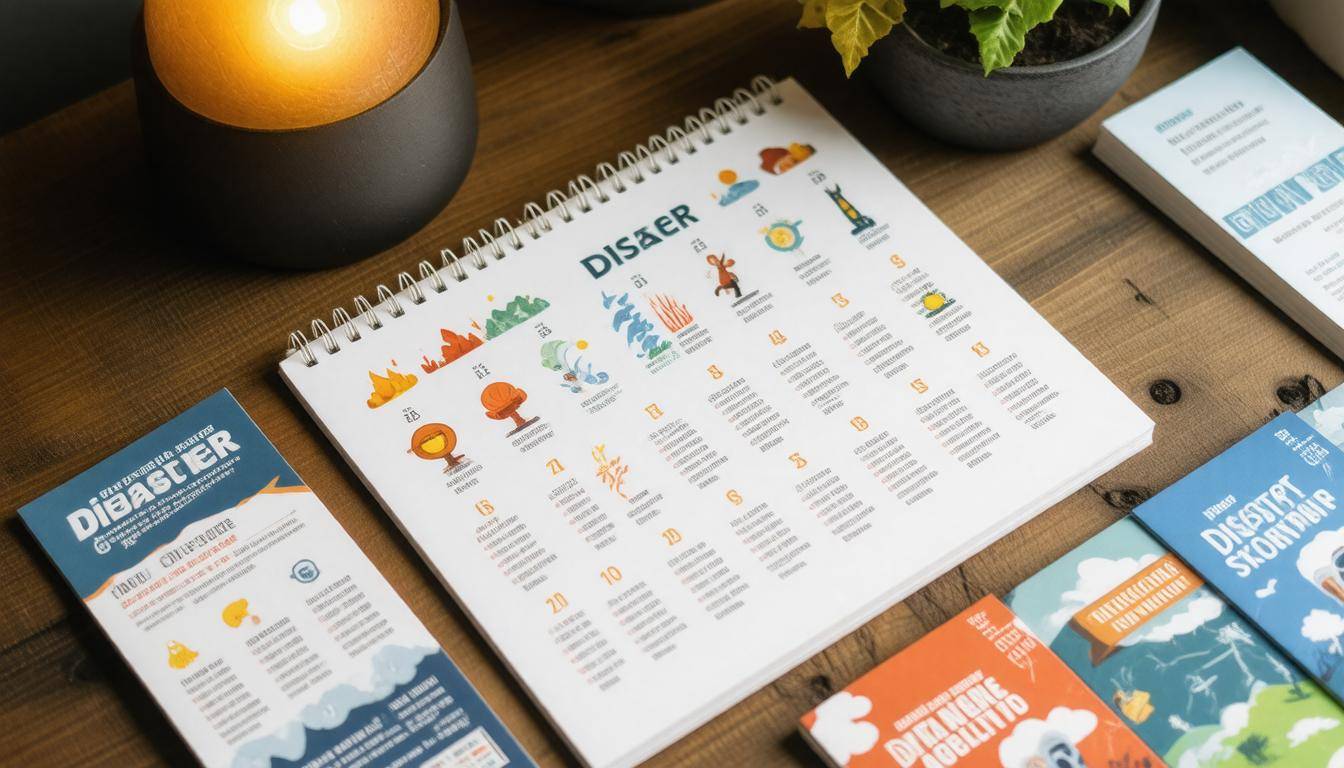
Disaster Calendar for Your Region: Month-by-Month
The month of January kicks off the year with Winter Storm Preparedness. As temperatures drop and snow begins to fall, it’s important to focus on stockpiling essentials. Think about non-perishable food, clean water, batteries for flashlights, and warm blankets. Since your heating system plays a pivotal role in keeping your home safe during harsh weather, make sure it’s in good shape. This means checking filters, inspecting ductwork, and potentially scheduling a professional maintenance visit. Additionally, ensure that your home is properly insulated; drafty windows or poorly sealed doors can lead to cold air seeping in, driving up heating costs.
Once February rolls around, the focus shifts to seismic safety with Earthquake Drills. Depending on where you live, earthquakes might be a real concern. Use this month to conduct family earthquake drills. Everyone should know what to do if shaking begins—drop, cover, and hold on. It’s equally vital to secure heavy furniture and appliances to walls to prevent them from tipping over during tremors. Familiarize yourself with your house’s utilities as well; know exactly how to turn off gas lines in case of a leak.
As we edge into March, it’s time to begin Flood Preparedness planning. Evaluate your area’s flood risk; living in a high-risk region means considering flood insurance options seriously. An often-overlooked aspect of this preparation is creating a plan for actions in the event of a flood. Do you have sandbags ready? Is there an escape route mapped out that everyone in your household knows? Floods can happen rapidly, so being proactive can save lives and property.
With March behind us, the arrival of spring presents new challenges—particularly severe weather and tornadoes. Each month carries its own set of risks, which is why staying informed and prepared cannot be overstated. Whether gathering supplies or practicing emergency procedures with your family, using a month-by-month calendar focuses your efforts and ensures you aren’t caught off guard when disasters strike.
As seasons change and new natural threats emerge, it becomes crucial to continuously enhance your preparedness strategy based on the shifting landscape of potential dangers.
January to March: Preparing for Winter Storms and Earthquakes
The start of the year can indeed bring about severe weather hazards. A little foresight goes a long way in protecting your home and family. Winter storms, with their freezing temperatures and harsh winds, can create treacherous conditions. Therefore, it is crucial to prepare your home adequately to withstand these challenges before they strike. One of the first steps you should take is to insulate your home.
Winter Storm Preparation Steps
Begin by sealing windows and doors; this makes a substantial difference in preserving heat within your home. Installing storm windows or even covering existing windows with plastic from the inside can effectively keep cold air out. This will not only help prevent hypothermia but will also significantly reduce heating costs during those frigid months when energy bills can soar unexpectedly. Think of your home as a cozy fortress against the icy chill—a well-insulated space protects you from both the elements and expensive energy bills.
But insulating isn’t the only aspect to consider; securing alternative sources of warmth is equally important.
Emergencies can occur without warning; thus, it’s wise to invest in a backup heating source like a kerosene heater or a wood-burning stove. When doing so, always consider proper ventilation—this prevents dangerous situations like carbon monoxide poisoning. Additionally, familiarize yourself with emergency procedures for your alternate heat source to ensure safe operation when needed. Making a plan now will pay off later when temperatures plummet, and your primary heating system falters.
However, winter isn’t the only danger lurking in these early months; earthquakes can also occur anytime.
Earthquake Safety Essentials
To begin with earthquake preparedness, consider securing your space effectively. Use brackets, straps, and fasteners to secure heavy furniture and appliances to walls. Imagine the chaos that could ensue if an earthquake strikes—what once stood safely in place could topple over without proper fastening, leading to injury or damage. Taking action now will help minimize risks later.
Finally, it’s vital to have an earthquake emergency kit fully prepared with essentials like water, non-perishable food items, first aid supplies, and all necessary important documents. Instead of cramming everything into one box at the last moment, take time to organize contents that are easy to identify during high-stress situations. Store this kit in an easily accessible location—you may want to keep it near commonly frequented areas of the home like the kitchen or bedroom.
By investing time into these preparations early in the year, you set the stage for safety and comfort throughout winter’s toughest challenges. Now we can shift our attention to the next phase of preparedness as we face new weather concerns on the horizon.
April to June: Tornado Safety and Severe Weather Tips
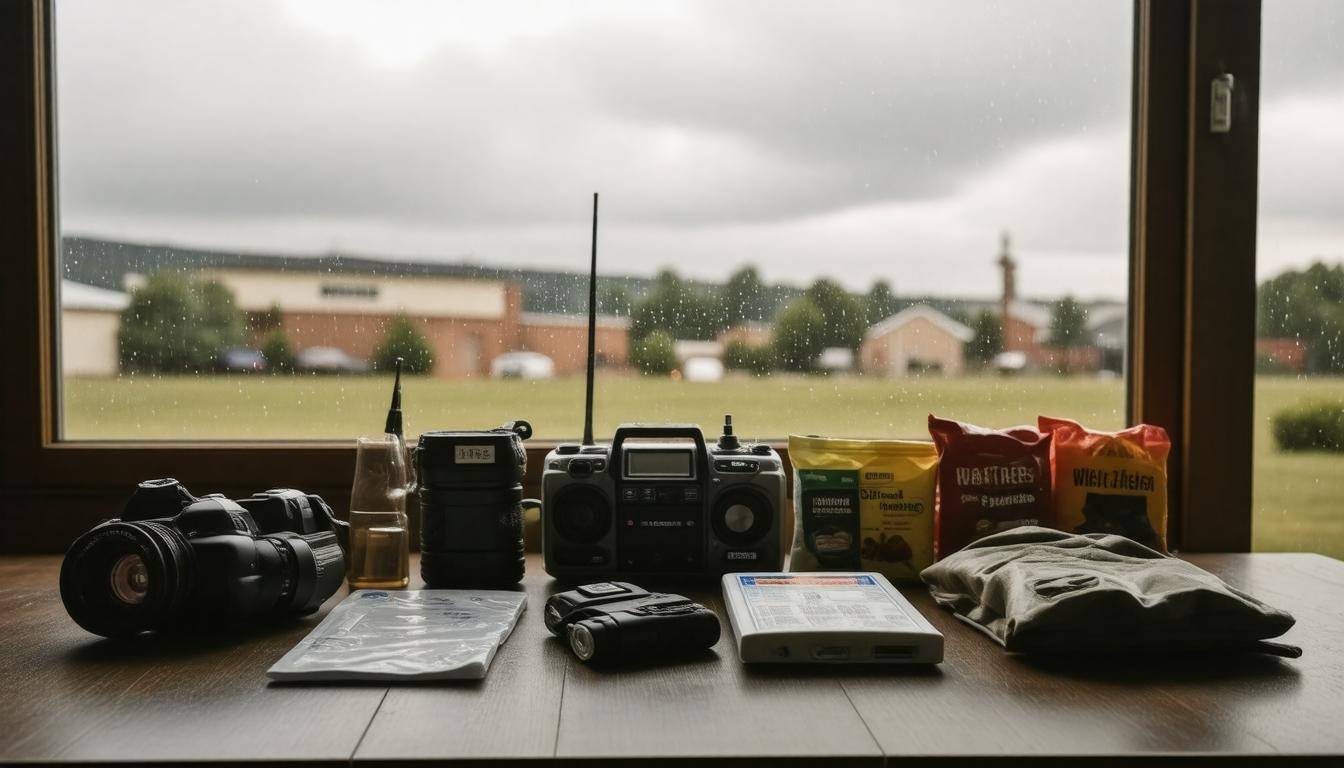
As the weather begins to transition into spring, the risk of severe storms and tornadoes increases significantly. Each year, tornadoes can strike without warning, causing chaos and destruction in their wake. This makes it vital for you and your family to be ready when nature lets loose. By taking a few proactive steps now, you can ensure a more secure environment and improve your response in the face of threatening weather.
Tornado Preparedness
-
Identify a Safe Room: Your first step should be to establish a safe room. Ideally, this will be a basement or an interior room located on the lowest floor of your home that lacks windows. When the storm hits, this is where you’ll want to gather to keep your family safe from flying debris. If possible, add some blankets or mattresses for extra protection.
-
Practice Tornado Drills: Make sure your entire family knows exactly what to do when a tornado warning is issued. Conduct regular drills that simulate a tornado event. This practice encourages everyone to act swiftly and reduces panic if an emergency arises.
-
Emergency Alert Systems: In today’s digital age, signing up for local emergency alerts is easier than ever. Ensure you receive timely notifications about severe weather conditions via text messages or apps on your phone.
Remember, being prepared means being proactive rather than reactive. The damage caused by tornadoes hinges on how quickly you respond.
Reflecting back on past months can also provide some context; for example, in 2023, states like Oklahoma and Kansas reported a high number of tornado occurrences in April alone. Such statistics underline that preparedness is not just theoretical—it’s essential for safety.
Severe Weather Tips
Keeping an eye on weather forecasts is equally important as securing a safe space. Familiarize yourself with the terminology—knowing the difference between a watch (conditions are favorable for tornadoes) and a warning (a tornado has been spotted) can help you make split-second decisions that may save lives.
Apart from regular updates on weather conditions, consider assembling a basic storm kit filled with essentials to keep in your safe room. Items like water, non-perishable snacks, flashlights, and spare batteries can make all the difference in an emergency situation. Having these items readily available clears mental clutter so you can focus on protecting your family.
As temperatures continue to rise through spring and into summer, defensive strategies become even more crucial with the looming threats of hurricanes and flooding in many regions. Understanding and practicing these basic tornado safety measures sets the stage for future preparedness efforts during these turbulent months ahead.
While preparing for tornadoes is critical during this season, it’s equally vital to shift focus toward the coming challenges posed by storms on the horizon.
July to September: Hurricane Readiness and Flood Prevention
The summer season heightens the risk of hurricanes and floods, particularly in coastal and low-lying areas. The 2025 hurricane season has residents on alert, and understanding how to prepare can make all the difference between safety and disaster. To start, constructing a well-thought-out Hurricane Kit is paramount. Your kit should be comprehensive; it should include water—at least one gallon per person per day for three days—non-perishable food items that are easy to prepare, essential medications, significant documents protected in waterproof bags, and pet supplies if you have furry friends.
Beyond assembling your kit, developing a solid evacuation plan is equally crucial. Knowing your evacuation routes ahead of time, as well as identifying where you will go, helps reduce panic when a storm approaches. It’s wise to practice this route with family members, ensuring everyone is familiar with it. Equally important is the protection of your home itself; invest in storm shutters and reinforcing garage doors to minimize the risks posed by high winds and flying debris.
Flood Prevention
In addition to hurricane preparedness, flood prevention measures should not be overlooked. If your area is prone to flooding, elevating electrical systems is a proactive move that can save both lives and property. Imagine returning home after a storm only to find appliances ruined and charged wires posing dangers—it’s a nightmare scenario that many have faced.
Installing check valves in sewer lines can further prevent backups during heavy downpours, ensuring that wastewater doesn’t intrude into your living spaces.
A noteworthy case comes from the aftermath of Hurricane Ida in 2021; homes in Louisiana that had elevated their electrical systems experienced less damage compared to those that didn’t. This serves as a powerful reminder of why preparation matters.
Awareness and action are two sides of the same coin when it comes to weathering the stormy months of July through September. By being diligent about hurricane readiness and flood prevention strategies, we can empower ourselves and our families against the unpredictable forces of nature.
With this foundational knowledge of preparedness firmly in hand, it’s essential to pivot our focus towards safeguarding against different seasonal threats as we approach the latter part of the year.
October to December: Wildfire Mitigation and Winterizing Your Home
As autumn unfolds, it’s crucial to recognize the dual threats of wildfires lingering in many regions and the necessity to prepare your home for the cold months ahead. A proactive approach means inspecting and enhancing your property’s resilience against both potential wildfires and the harshness of winter. The importance of regular maintenance cannot be overstated; simple actions taken now can save you significant stress and expense later on.
Wildfire Mitigation
One of the best strategies in safeguarding your home from wildfires is to create a defensible space. This involves clearing away any vegetation and combustible materials within at least 30 feet of your home. Think of this area as a protective buffer zone that can slow down or even stop a fire from reaching your property. You might trim trees and bushes strategically, ensuring they are well spaced and aren’t touching structures—this minimizes the risk of flames jumping from plant to building.
“After a wildfire threatened our neighborhood last year, maintaining a defensible space around our home helped save our property,” says Jane Doe from California. This testimony emphasizes not just the importance of action but also how it pays off during crises.
While you’re fine-tuning these outdoor areas, don’t forget that as the weather cools, there’s another layer of preparation that needs attention: winterizing your home.
Winterizing Your Home
Winter brings its own challenges, starting with possible snow accumulation and dropping temperatures, which can create issues like ice dams on roofs and frozen pipes. Begin by inspecting your roof and gutters thoroughly; make necessary repairs and ensure gutters are clean to facilitate proper water flow. Clogged gutters can lead to overflow, potentially causing water damage or ice buildup.
Next, consider insulating your pipes. This simple step helps prevent freezing—the last thing you want is to deal with burst pipes in the middle of an icy spell! Wrap vulnerable pipes with insulation sleeves or tape, paying special attention to those in unheated areas such as basements or attics.
In managing risks related to wildfires and winter conditions simultaneously, you are not only bolstering your physical safety but also laying the groundwork for effective planning tailored to your specific local hazards.
Tailoring Your Plan to Local Risks
Assessing regional risks is the cornerstone of effective disaster preparation. Knowing what threats loom over your specific area significantly changes how you approach planning. Whether it’s the likely earthquakes rattling California or the impending hurricanes that often plague Florida, each type of disaster requires a unique strategy. This knowledge equips you to craft a plan that addresses local conditions and enhances your readiness.
Consider that regions like the Midwest face tornadoes, necessitating different preparations compared to those living in coastal areas vulnerable to hurricanes. If you’re in an earthquake zone, you might prioritize securing heavy furniture and understanding evacuation routes. In contrast, if you reside where floods are common, the focus would be on water-resistant supplies and community resources for emergency shelters.
By using these insights, you can create a precise and impactful disaster plan tailored to your locale. For example, if you live in a neighborhood with a history of wildfires, reviewing vegetation around your property—removing dead leaves and keeping your landscaping defensible—would be wise actions to include in your plan. Conversely, for those in urban settings with known flash flooding issues, having sandbags readily available and knowing your nearest high ground is essential.
Importance of Community Engagement
Community engagement also plays a pivotal role in tailoring your plan. Building relationships with neighbors to share information about local risks can help form a more cohesive community response during emergencies. Organizing regular meetings or online forums can encourage dialogue about evacuation routes or safe spots during disasters like tornadoes or hurricanes.
Moreover, consider participating in local drills or workshops offered by emergency services to familiarize yourself with procedures while linking up with others who share similar preparedness goals. This collaboration not only strengthens personal networks but also fosters a sense of solidarity amongst residents.
Regularly updating your knowledge on changing environmental patterns and potential risks is crucial as well. Incorporate climate considerations such as urbanization effects or shifts in weather patterns due to climate change into your preparatory strategies. For instance, areas previously shielded from flooding may now face unprecedented rainfall—having a proactive mindset towards evolving risks will keep everyone better prepared.
Central to any disaster preparedness plan is an annual checklist of supplies that ensures you are always ready when the unexpected occurs. Evaluating your emergency kit before storm season strikes allows you to refresh supplies while reflecting on any new vulnerabilities that may have arisen since last year’s assessments.
Understanding regional risks and actively engaging with your community seamlessly transitions into discussing what essentials should be included in your emergency supplies.
Annual Emergency Supply Checklist
Consistently having emergency supplies ensures you’re never caught off guard. It’s like having an insurance policy at home, giving you peace of mind as storms brew on the horizon. A comprehensive checklist helps you to organize and prioritize essential items that will sustain you during any unexpected situation, which can make all the difference.
| Item | Recommended Quantity |
|---|---|
| Water | 1 gallon per person per day (3 days) |
| Non-perishable Food | Enough for 3 days for each household member |
| First Aid Kit | 1 per household |
| Flashlight | 1 per household |
| Batteries | Extra sets |
| Medications | At least one-week supply |
| Multi-tool | 1 per household |
| Important Documents | Copies and USB backups |
| Warm Clothing | Appropriate for season |
| Local Maps | 1 per household |
| Pet Supplies | Enough for 3 days |
Regularly monitoring your emergency supplies is just as crucial as compiling them. Routinely check expiration dates on food and batteries to ensure your resources remain viable when needed the most. An expired first aid kit or stale food can compromise your readiness during a crisis. Update the kit annually or more frequently based on changes within your family—new medications that may be required or evolving dietary needs.
I’ve found it’s also helpful to involve the whole family when reviewing these supplies. Asking kids what they think the family might need in an emergency turns it into a learning experience and allows everyone to feel invested in their safety plan. From reassessing what’s in your first aid kit to ensuring flashlights have fresh batteries, engaging everyone in this exercise creates a sense of preparedness and unity.
Beyond material preparations, exploring available resources within your community can significantly enhance your strategy during unexpected events. This proactive step can bridge knowledge gaps and foster a spirit of collaboration when facing challenges together.
Connecting with Community Resources and Services

Strong community networks serve as a backbone of support during emergencies, enabling individuals and families to navigate the challenges that arise in crisis situations. One effective way of bolstering this network is by joining local emergency groups like the Community Emergency Response Team (CERT). These organizations not only provide training in disaster management but also help you understand your role in planning and executing response strategies effectively.
By participating, you become part of a proactive approach aimed at saving lives and reducing panic during emergencies.
Additionally, harnessing the power of local government resources can be a game-changer. Many municipalities maintain websites filled with valuable information on disaster preparedness, such as community alerts, evacuation routes, and shelter locations. This resourcefulness can be vital when seconds count; knowing where to go or who to call can save precious time during an emergency.
“During last year’s hurricane, our neighborhood’s CERT team coordinated resources and provided assistance to everyone, which helped us all get through the storm safely,” says John from Miami, FL. His experience highlights how empowered communities can successfully weather crises together.
Furthermore, being actively involved in these local networks allows you to exchange information with others who share similar goals—building resilience within the community. You’ll connect with neighbors who can offer diverse insights based on their backgrounds and experiences, making it easier to adapt strategies that best suit your specific area.
But it’s not just about joining these groups; it’s about engaging with them. Attend meetings, volunteer for events, or even host workshops focused on disaster readiness in your community. When people see you taking initiative, it can encourage others to join as well. This ripple effect can transform your community into a more prepared and cohesive unit.
By actively investing time in building relationships within these networks, we enhance our collective capability to respond effectively when disaster strikes.
In summary, connecting with local resources and engaging in community networks empowers individuals and fosters resilience in facing emergencies together. Preparedness isn’t merely an individual endeavor; it’s a shared responsibility that strengthens the fabric of our communities.
What types of disasters are most common in each month for different regions?
The common types of disasters vary by month and region; for instance, in January, northern regions often face severe winter storms, while southern areas may experience tornadoes in April. According to the National Oceanic and Atmospheric Administration (NOAA), hurricanes peak from June to November in coastal regions, and wildfires tend to spike in late summer months like August in the West. Flooding is prevalent during spring thaw or after heavy rains, especially in the Midwest. Understanding these patterns can significantly enhance preparedness efforts.
What resources are available for individuals looking to create their own customized disaster calendar?
Individuals looking to create their own customized disaster calendar can access a variety of resources, including local government emergency management websites that often provide information on regional hazards, preparedness checklists, and seasonal safety tips. Additionally, organizations like the American Red Cross offer templates and guidelines for personal disaster planning. According to FEMA, 60% of Americans do not have an emergency plan in place, highlighting the importance of tailored preparedness strategies to bolster community resilience. Online tools and apps also allow users to set reminders for important preparedness tasks throughout the year.
What role do local governments play in disseminating information on disaster readiness through a monthly calendar?
Local governments play a crucial role in disseminating information on disaster readiness through a monthly calendar by providing timely updates and resources tailored to seasonal hazards specific to their regions. They often collaborate with emergency management agencies to develop awareness campaigns, offering statistics that emphasize the importance of preparedness; for example, communities actively engaging in preparedness measures can reduce disaster-related damages by up to 50%. By promoting monthly themes, such as flood safety in spring or wildfire prevention in summer, local governments ensure residents are informed and equipped to handle emergencies effectively.
How can communities effectively use a disaster calendar to improve emergency response plans?
Communities can effectively use a disaster calendar by conducting regular drills based on anticipated seasonal hazards, ensuring readiness for events such as floods or hurricanes. By organizing workshops that align with the calendar, residents become more familiar with local emergency protocols, improving overall community resilience. For example, statistics from FEMA indicate that communities that engage in regular preparedness activities see a 30% decrease in injuries and property loss during disasters. This proactive approach not only enhances safety but also fosters a culture of preparedness within the community.
How does climate change impact the timing and frequency of natural disasters in various regions?
Climate change alters weather patterns, leading to increased frequency and intensity of natural disasters such as hurricanes, floods, and wildfires. For instance, warmer ocean temperatures can intensify hurricane activity, resulting in storms that are 2-11% more intense since the 1980s. Additionally, regions previously under threat from seasonal flooding now face unpredictable deluges year-round. As global average temperatures rise by approximately 1.5 degrees Celsius compared to pre-industrial levels, studies predict a significant uptick in extreme weather events across various regions, necessitating a month-by-month preparedness plan for communities.