
In times of crisis, when disaster strikes and chaos reigns, it’s easy to feel lost and overwhelmed. Imagine standing amidst the rubble of what was once your home, emotions swirling like a storm inside you. This is where Disaster Psychological First Aid (PFA) steps in—a vital support system aimed at helping individuals regain their footing during such vulnerable moments. Through gentle guidance and compassionate listening, trained responders can bridge the gap between despair and hope, paving the way for emotional healing. In this guide, we will explore the principles and techniques that make PFA not just a response to trauma but a lifeline for those navigating the aftermath of life-altering events. Together, let’s navigate how this powerful tool can help restore balance when life seems to tip over the edge.
The “Disaster Psychological First Aid: Complete Guide” offers insights into the principles of providing immediate emotional support to individuals affected by crises, detailing essential steps such as Look, Listen, List, Link, and Live. Additionally, it emphasizes understanding the subjective experiences of those in distress and provides practical techniques for effective engagement during traumatic events.

What is Disaster Psychological First Aid?
Disaster Psychological First Aid (PFA) is not just a collection of techniques, but a compassionate strategy crafted to support individuals experiencing the turmoil that often follows calamities. Imagine facing the aftermath of an earthquake, where anxiety and disorientation loom large. PFA offers a lifeline, designed to stabilize survivors and empower them as they navigate their emotional landscape in those critical first moments.
At its core, PFA consists of interventions delivered by trained responders who step into the shoes of those affected. They approach each individual with genuine empathy, acknowledging their distress and validating their feelings. It’s not about providing immediate psychological therapy; rather, it’s about fostering connections that can alleviate some of the initial chaos enveloping a survivor’s experience. Think of PFA as a bridge—a temporary but crucial connection leading from pain to a place where emotional healing can begin.
The PFA process revolves around five key steps: Look, Listen, List, Link, and Live. Each step assists responders in meaningfully engaging with individuals in distress. Practitioners observe not only the physical state of those they support but also actively listen to their concerns and emotions. This engagement helps in listing critical needs and linking survivors to appropriate resources that address these needs.
“Understanding subjective experiences is fundamental for effective support.”
The emphasis on understanding feelings signifies a notable shift in how we perceive disaster recovery from merely biological theories to compassionate engagement. It highlights that every individual’s emotional experience following a disaster is unique and must be treated as such. By focusing on what survivors feel and need at that moment, responders can significantly improve the psychological resilience of those affected.
In practice, PFA has been shown to significantly reduce symptoms associated with trauma, helping individuals regain a sense of control over their lives after experiencing crises.
Moreover, organizations like the Red Cross offer vital training sessions for potential responders. These courses equip individuals with the skills necessary not only to provide emotional support but also to foster connections within communities so they can effectively uplift one another during crises.
As awareness of PFA grows, it reinforces an important idea: while disasters may shake our foundations, the human spirit remains resilient when supported properly. By democratizing access to knowledge about PFA through translation into multiple languages and specific materials tailored for diverse groups, we open doors for better recovery pathways across cultures. Our collective ability to empathize provides a strong avenue for healing amidst adversity.
With this foundational understanding of how disaster response operates on an emotional level, it becomes vital to consider actionable steps that can enhance preparedness and ensure effective intervention when the unexpected strikes.
Developing a Response Plan
Crafting an effective response plan goes beyond just having a set of guidelines; it’s about ensuring that those guidelines are actionable and relevant in the face of real-world challenges. This begins with pre-disaster preparation, which includes identifying potential hot spots—areas where disasters are likely to occur or have occurred previously. Understanding these locations can help mobilize resources more effectively and prepare responders for what they might encounter.
Once hot spots are identified, establishing emergency response teams becomes paramount. These teams, comprised of individuals trained in psychological first aid as well as logistical support, will be your frontline defenders when disaster strikes. Creating these teams should consider not only who has the necessary skills but also who can communicate effectively with distressed individuals, as empathy is critical in these situations.
Establishing clear communication channels is another vital element of your response plan. These channels need to ensure that all team members are informed and equipped to handle any unfolding situation. Think of it as setting up a safety net—effective communication aids in both coordination among responders and in providing accurate information to those affected by the disaster.
Steps to Develop a Response Plan
To bring structure to this process, consider the following steps:
-
Risk Assessment: Not only assess the types of disasters that may occur but also evaluate their potential impact on your community. What vulnerabilities exist? Who is most at risk?
-
Resource Allocation: It’s crucial to ensure you have essential supplies—think first-aid kits, water, food, and trained personnel on hand. Allocate resources according to the needs identified during the risk assessment; make sure no area is overlooked.
-
Training Programs: Engage in regular training sessions for your responders focused on PFA protocols. Training not only builds confidence among staff but also ensures everyone is on the same page during crises.
-
Communication Strategies: Design systems for clear, efficient communication during emergencies. Consider using multiple platforms—phones, social media, and even intercoms—to disseminate information quickly.
-
Continuous Evaluation: A one-and-done approach doesn’t cut it; regularly updating and revising your response plan based on new information—whether from trainings or real-life incidents—keeps your strategies relevant and effective.
According to the Federal Emergency Management Agency (FEMA), having a well-structured plan can significantly reduce disaster response time by up to 40%. This statistic underscores the importance of investing time into creating a thorough and practical response plan.
By considering these essential components and laying out a robust framework for your PFA strategy, you can equip yourself and your team to respond effectively when disasters strike—ultimately fostering preparedness in navigating trauma responses ahead.
Techniques for Responding to Trauma
Effective Psychological First Aid (PFA) is not just about having empathy; it requires a practical toolkit of techniques that are responsive to various trauma experiences. One effective approach is grounding, which serves to anchor survivors in the present moment by engaging their senses. This is particularly valuable during moments when feelings of panic or disorientation set in.
For instance, utilizing grounding methods like the 5-4-3-2-1 technique encourages individuals to identify five things they can see, four things they can touch, three things they can hear, two things they can smell, and one thing they can taste. Such simple exercises can transport someone back from the overwhelming weight of their emotions and into an environment where they feel safer and more secure.
By recognizing how trauma affects individuals differently and tailoring methods accordingly, responders can provide more effective support.
Another crucial technique is what I like to call the “Listen, Protect, Connect” approach. This starts with active listening, a vital skill that involves fully concentrating on what someone is saying without interruption. It’s surprising how much relief people feel when someone sincerely listens to their concerns—the power of being heard cannot be understated.
Moreover, protecting individuals from further harm is equally important; this could mean providing assurances of safety or advocating for their needs in active and ongoing situations, particularly after crises such as natural disasters or violence.
The final component of this approach—connecting—illuminates the importance of fostering social networks that can offer ongoing support. Individuals recovering from traumatic experiences often benefit from knowing they aren’t alone in their struggles. Being connected to community resources or simply having a friend who understands can make all the difference in someone’s recovery journey.
Providing comfort through tangible items like a child’s favorite toy can also instill feelings of safety and security during such distressing times.
Just think about how comforting small objects can be—they tie back into memories and provide emotional stability. Combining grounding techniques with comforting items often creates a comprehensive response strategy that helps reinforce feelings of safety and control, especially for children coping with trauma after incidents like school shootings.
With these techniques in mind, effective responses to crises involve imparting comfort while ensuring practical support is available. Understanding the tools at your disposal will equip you to assist those in need effectively while promoting resilience during troubling times.
As we explore further into supporting individuals through recovery, it’s essential to recognize the role that emotional and practical assistance plays in their journeys.
Providing Emotional and Practical Support
Emotional support is vital in the aftermath of a disaster because it establishes a compassionate connection with those affected. This approach requires active listening and empathy, allowing individuals to express their feelings without the fear of judgment. Essentially, you’re creating a nurturing environment where feelings—be they sadness, anger, or confusion—are not only heard but validated.
When someone shares their difficulties, responding with phrases like, “That must be incredibly tough for you” can make all the difference. This simple act of understanding conveys that their emotions are legitimate and recognized.
When providing practical assistance, think of it as standing shoulder to shoulder with survivors as they navigate towards stability. For instance, helping individuals find shelter can mean knowing local resources or providing transportation. Similarly, delivering food goes beyond just handing over meals—it involves understanding dietary restrictions or ensuring cultural preferences are respected.
To be effective, always tailor your support to what is necessary and beneficial for that particular individual or family.
A common misconception is that emotional assistance and practical support operate independently. In fact, they are interwoven; effective emotional support reinforces the impact of practical help. Imagine someone receiving food during a crisis—the gesture of kindness can feel hollow if they don’t feel emotionally supported at the same time.
Creating this dual-layered response helps foster resilience in those recovering from trauma. Individuals begin to process their experiences better when they feel emotionally secure while also receiving tangible assistance. For instance, schools and community organizations often integrate Psychological First Aid (PFA) workshops to empower local staff in assisting families effectively, showcasing how emotional and practical help can be provided concurrently.
It’s essential to remember that each survivor has a unique set of needs based on their situation; being flexible will improve the effectiveness of the aid provided.
Additionally, incorporate basic relaxation techniques into your interactions. Offering methods for breathing or mindfulness allows individuals to manage their anxiety during overwhelming moments. For instance, guide them through a simple grounding exercise: having them focus on their breaths while counting up to five helps them regain control in chaotic environments.
Research shows that combining emotional reassurance with practical assistance not only fosters quicker recovery but significantly enhances individuals’ coping mechanisms—proving that effective response strategies yield quantifiable benefits in mental health outcomes.
As responders or caregivers in any disaster scenario, prioritize establishing rapport and tailoring your responses accordingly to ensure that people feel valued and supported holistically—both through their emotions and by meeting their immediate needs.
Understanding these dynamics lays the groundwork for effectively measuring what individuals need in such critical times, allowing for focused interventions that truly make a difference.
Assessing Needs in Crisis
Accurate needs assessment serves as the backbone of effective disaster response. In critical moments, responders must act quickly and thoughtfully to determine what individuals require most urgently for recovery. This goes beyond merely checking immediate physical injuries; it encompasses a holistic approach to understanding various aspects of an individual’s well-being. Prioritizing resources and interventions hinges upon recognizing these varied needs, which can be pivotal in directing aid swiftly and accurately.
Factors to Consider
When evaluating needs, several core factors come into play.
First and foremost is Physical Health. Assessing immediate medical needs alongside potential injuries helps determine how to allocate healthcare resources effectively. It’s essential to look for visible injuries but also be aware that conditions such as dehydration or exposure-related illnesses may not be immediately apparent.
Moving from physical health, the next critical factor is Mental Health. This goes beyond just looking at traumas sustained during the event itself. It’s important to observe signs of acute stress or trauma, which can manifest as anxiety, confusion, or difficulty functioning. Awareness of these symptoms allows responders to implement supportive strategies like referrals to mental health professionals or community support services.
The third factor involves assessing Basic Necessities—ensuring access to food, clean water, and stable shelter is fundamental for survival. Individuals lacking these basics are more vulnerable not just physically but emotionally and psychologically as well. Swift support in these areas can dramatically improve recovery outcomes.
Lastly, understanding Social Support Networks should never be overlooked. Access to family, friends, or community resources plays a vital role in helping individuals cope with their experiences after a disaster. Research shows that social connections often serve as a buffer against mental health crises following traumatic events.
Consider a situation where flooding forces people from their homes. Initially, the assessment might focus on providing temporary housing solutions based on the number of displaced individuals. However, while doing so, it’s equally important to remain vigilant for signs of PTSD among evacuees—like avoidant behaviors or heightened emotional responses—should they arise within your interactions.
Incorporating these diverse aspects into the assessment process creates a more comprehensive understanding of each person’s unique circumstances during crises. The key lies in being both observant and empathetic while ensuring that resources align with the actual needs identified at that moment. Through this rigorous yet compassionate approach, responders can effectively support those impacted by disasters while fostering resilience in their recovery journey.
As we transition into understanding essential skills necessary for those who offer aid, it’s vital to recognize how preparation can enhance response effectiveness.
Training and Skills for Responders
The heart of effective disaster response lies in the training of those who will be providing Psychological First Aid (PFA). This specialized training equips responders with essential knowledge and skills to respond compassionately to those experiencing psychological distress after a crisis. Think of it as giving them a toolkit designed for helping individuals navigate their emotional turmoil. By understanding the unique needs of those affected, responders can offer appropriate resources and support during critical times.
Key Training Areas
Let’s unpack the crucial areas that form the foundation of this training. Each component is interconnected, creating a web of understanding that ultimately leads to effective support.
-
Active Listening: This isn’t just about hearing words; it’s about making an emotional connection. Responders learn techniques to genuinely engage with individuals, ensuring they feel heard and validated. Anecdotal evidence suggests that when someone knows they’re really being listened to, their anxiety levels decrease significantly.
-
Cultural Competence: Every individual comes with their own cultural background and experiences. Responders trained in cultural competence can provide support that is respectful and sensitive to these differences. Acknowledging diverse practices allows responders to connect better and fosters trust between parties.
-
Crisis Intervention: Knowing how to intervene effectively without exacerbating trauma is crucial. Responders receive guidance on recognizing signs of heightened distress and employing strategies that are both calming and reassuring. Understanding when to step in can make all the difference, especially when emotions run high.
-
Resource Navigation: Once immediate emotional needs are addressed, connecting individuals to additional support services becomes vital. This training ensures responders can guide individuals towards mental health resources, working alongside established systems rather than leaving them adrift in their search for help.
Statistics showcase the importance of comprehensive training—responders who undergo thorough PFA education are reported to be 70% more effective at managing mental health crises in the aftermath of disasters, according to The American Journal of Psychiatry. This statistic emphasizes just how pivotal proper training is; it equips responders not only with theoretical knowledge but also practical skills that translate into real-world improvements in crisis situations.
As we explore further, it’s essential to recognize these training elements as integral parts of preparing individuals for the complexities they will encounter while delivering PFA effectively. Transitioning into practical applications will reveal how these principles manifest on the ground.
Implementing PFA in the Field
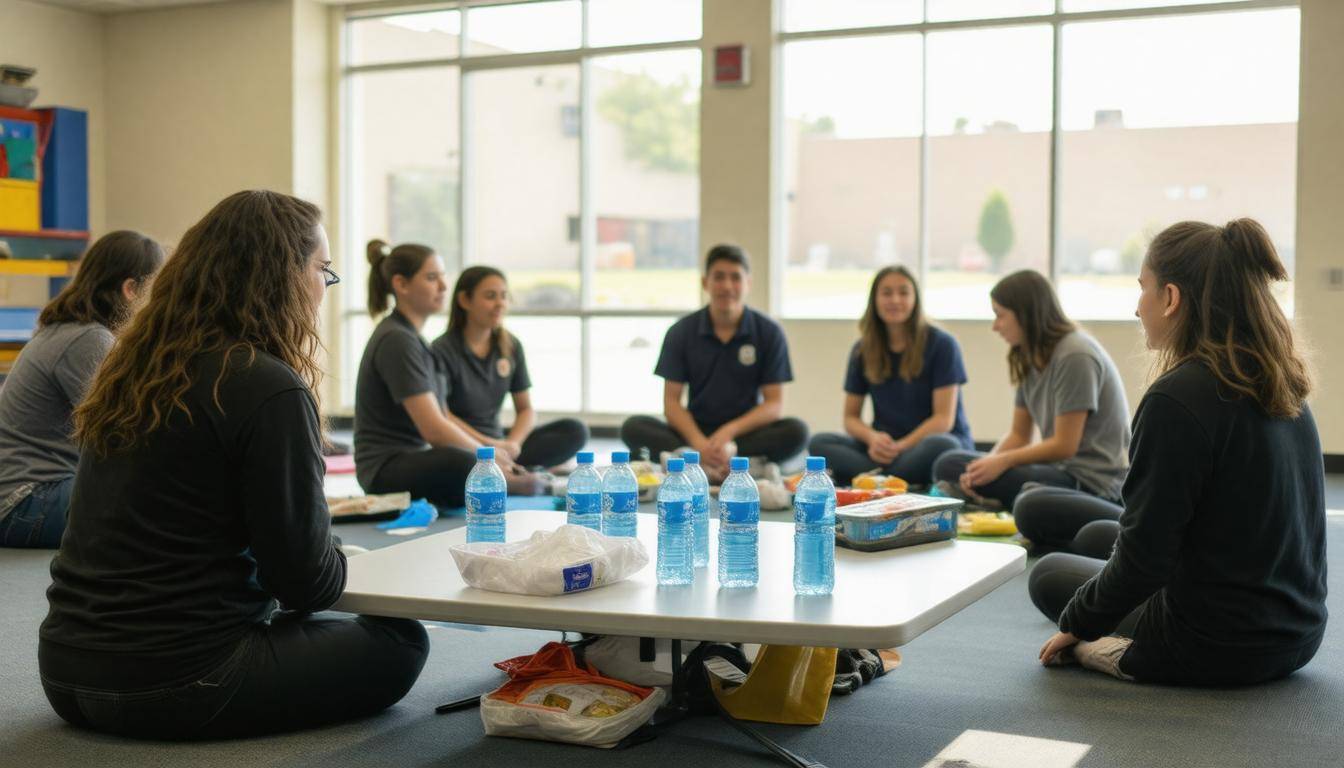
Implementing PFA directly in the aftermath of a disaster is often a delicate balance of speed and compassion. Once responders arrive at a disaster site, their first priority is to set up a safe base of operations. This area needs to be free from hazards and provide an inviting atmosphere so that those affected can feel a sense of security as they approach for support. Imagine it as creating a sanctuary amidst chaos—a small haven where individuals can begin to process their trauma.
With a secure space established, the next step is vital: actively searching for and approaching affected individuals or groups.
Practical Steps
Start by welcoming individuals with empathy; humanity goes a long way in moments of distress. It’s essential to approach survivors non-threateningly, showcasing calmness through facial expressions and tone of voice. Many people may be overwhelmed and unsure of what they need or how best to articulate it. Therefore, your demeanor should reflect patience. Take time to listen. Offering just a few words of comfort like, “I’m here for you” or “Let me know how I can help” can often break down barriers and encourage them to express their feelings.
With emotional comfort provided, stabilization becomes the next logical step.
Providing immediate support isn’t just about words—it’s about actions too. This could mean offering water, blankets, or even a listening ear to reduce intense feelings of distress. Everyone’s experience will be different, so tailoring your response based on individual reactions is crucial. For instance, some may need more engagement, while others may require quiet space to collect themselves.
After addressing initial emotional needs, gathering information from the survivors becomes essential.
Assessing the situation involves understanding not only the logistical needs but also how people are feeling mentally and emotionally as well. With many individuals experiencing acute stress responses—the kind of feelings that can include everything from anxiety to anger—your observations in this moment become crucial. Knowing how people are responding emotionally allows one to gather insights on immediate needs while also tracking signs that indicate whether professional mental health support is necessary later on.
Ultimately, you might find yourself playing multiple roles—supporter, organizer, even caregiver—all at once.
Consider the case of responders during a devastating wildfire; once they established a relief camp near an evacuation center, they didn’t focus solely on material provisions like water and blankets. They integrated initial counseling services for families distraught over their losses. This combination of physical resources intertwined with psychological support highlights the holistic approach needed to effect change in such vulnerable situations.
Therefore, implementing PFA in the field isn’t merely about applying techniques; it’s about creating an environment rooted in trust, empathy, and understanding that leads to sustainable recovery for those affected by disaster.
This foundation sets the stage for engaging efforts that focus on long-term healing and well-being moving forward.
Promoting Recovery and Long-Term Wellness

The ultimate goal of Psychological First Aid (PFA) is not just to provide immediate relief but to facilitate long-term recovery and overall wellness for disaster survivors. It’s important to recognize that recovery is a journey, often filled with ups and downs. One critical element in this process is helping individuals navigate the emotional and psychological landscapes that arise after a disaster.
By doing so, we open doors to resources like mental health services and community support groups that foster healing.
At its core, PFA encourages connection – connecting individuals to the resources they need to rebuild their lives. Our role as responders extends beyond the moment of crisis; we are part of their ongoing support system. This includes helping them find mental health professionals, support groups, or activities that promote resilience and coping strategies.
These connections address psychological needs while creating a network of support vital for long-term wellness. For instance, involvement in community initiatives fosters a sense of belonging and purpose, which are crucial for emotional healing.
Encouraging self-care practices becomes essential during this phase because recovery is not just about external support—it’s fundamentally about internal growth.
Advocating for self-care helps rebuild emotional strength. Simple acts, such as encouraging survivors to engage in physical activities, mindfulness practices, or hobbies, can be extraordinarily therapeutic. Normalizing help-seeking behavior diminishes stigma surrounding mental health issues.
Whether it’s sharing personal experiences or providing educational resources on stress reactions, creating an environment where seeking help feels acceptable can significantly influence recovery rates.
Involving survivors in community rebuilding efforts can be exceptionally powerful. This engagement serves dual purposes: individuals contribute positively to their surroundings while simultaneously experiencing emotional healing through shared recovery narratives. Witnessing evidence of progress—like a rebuilt playground or restored sanctuary—provides hope and motivation for their futures.
Ultimately, understanding these aspects reinforces the importance of consistently evaluating our approaches to ensure effective support throughout the recovery journey.
Regular assessments of recovery efforts are necessary—not merely for accountability but to adapt strategies based on what works best for each group impacted by disasters. With every evaluation comes insights that guide how we can better meet the needs expressed by those affected. By prioritizing compassion and flexibility in our responses, we position ourselves as steadfast allies in each individual’s path toward healing.
In the quest for recovery, the commitment to adaptability and empathy stands out as essential components that empower both survivors and responders alike. These foundational elements pave the way for lasting change and true resiliency.
What are common signs of emotional distress that responders should look out for after a disaster?
Common signs of emotional distress following a disaster include anxiety, irritability, mood swings, withdrawal from social interactions, and physical symptoms like headaches or fatigue. Responders should also be vigilant for changes in behavior such as increased substance use or difficulty concentrating. Studies indicate that around 30% of individuals experience significant psychological distress after disasters, emphasizing the importance of early recognition and support to help mitigate long-term mental health issues.
What are the key principles and techniques used in disaster psychological first aid?
The key principles of disaster psychological first aid (PFA) include establishing safety, promoting calm, and fostering connectedness among affected individuals. Techniques such as active listening, providing practical assistance, and normalizing stress reactions help individuals cope with the aftermath of disasters. Research indicates that effective PFA can significantly reduce the incidence of long-term mental health issues, with studies showing a 30% decrease in post-traumatic stress symptoms when these principles are applied promptly after traumatic events.
How can communities prepare to implement disaster psychological first aid during crises?
Communities can prepare for disaster psychological first aid (PFA) by establishing trained response teams, conducting regular workshops on mental health first aid, and fostering partnerships with local mental health professionals. Statistics show that effective PFA can reduce post-disaster psychological distress by up to 50%, emphasizing the importance of preparation. Additionally, developing clear communication channels and community action plans ensures rapid support dissemination during crises, maintaining resilience and enhancing overall recovery efforts.
How does disaster psychological first aid differ from traditional psychological counseling?
Disaster psychological first aid (PFA) focuses on immediate emotional support and stabilization for individuals affected by traumatic events, whereas traditional psychological counseling typically involves longer-term therapeutic interventions. PFA aims to alleviate distress and promote adaptive functioning right after a disaster, using techniques like active listening and validation, while traditional counseling may address deeper psychological issues over time. According to a study by the American Psychological Association, individuals receiving PFA reported an increase in coping abilities and a decrease in post-traumatic stress symptoms compared to those who did not receive such support immediately after a disaster.
Who should be trained in delivering disaster psychological first aid, and why?
Disaster psychological first aid should be delivered by a range of professionals, including mental health practitioners, emergency responders, and community leaders, as they are often the first point of contact for individuals experiencing trauma. Training these individuals is crucial because timely support can significantly mitigate the long-term psychological impacts of disasters; studies show that early intervention can reduce symptoms such as PTSD by up to 50%. Moreover, equipping a diverse group of responders ensures that help is accessible in various settings and cultures, promoting resilience and recovery in affected communities.