
Disasters can strike when you least expect them, throwing lives and livelihoods into chaos. Whether it’s a flood, wildfire, or another unexpected event, the aftermath can leave affected individuals and businesses grappling with financial challenges on top of emotional turmoil. Fortunately, disaster tax relief programs offer crucial assistance designed to help people regain their footing during tough times. These programs vary from state to state but often include filing extensions, penalty waivers, and options for documenting lost tax records amid the debris. Understanding these resources is essential for anyone affected, as they serve as a beacon of hope in restoring normalcy and providing support when it’s needed most. In this guide, we will explore how these programs function across different states, ensuring that everyone knows where to turn for much-needed help in recovery.
Disaster tax relief programs vary by state but typically include extensions on tax filing deadlines, waivers of penalties and interest for those affected by federally or state-declared disasters, and provisions for obtaining replacement copies of tax documents lost during emergencies. To find specific programs in your state, check with your state’s Department of Revenue or equivalent agency, as they provide detailed information tailored to recent disasters impacting residents.
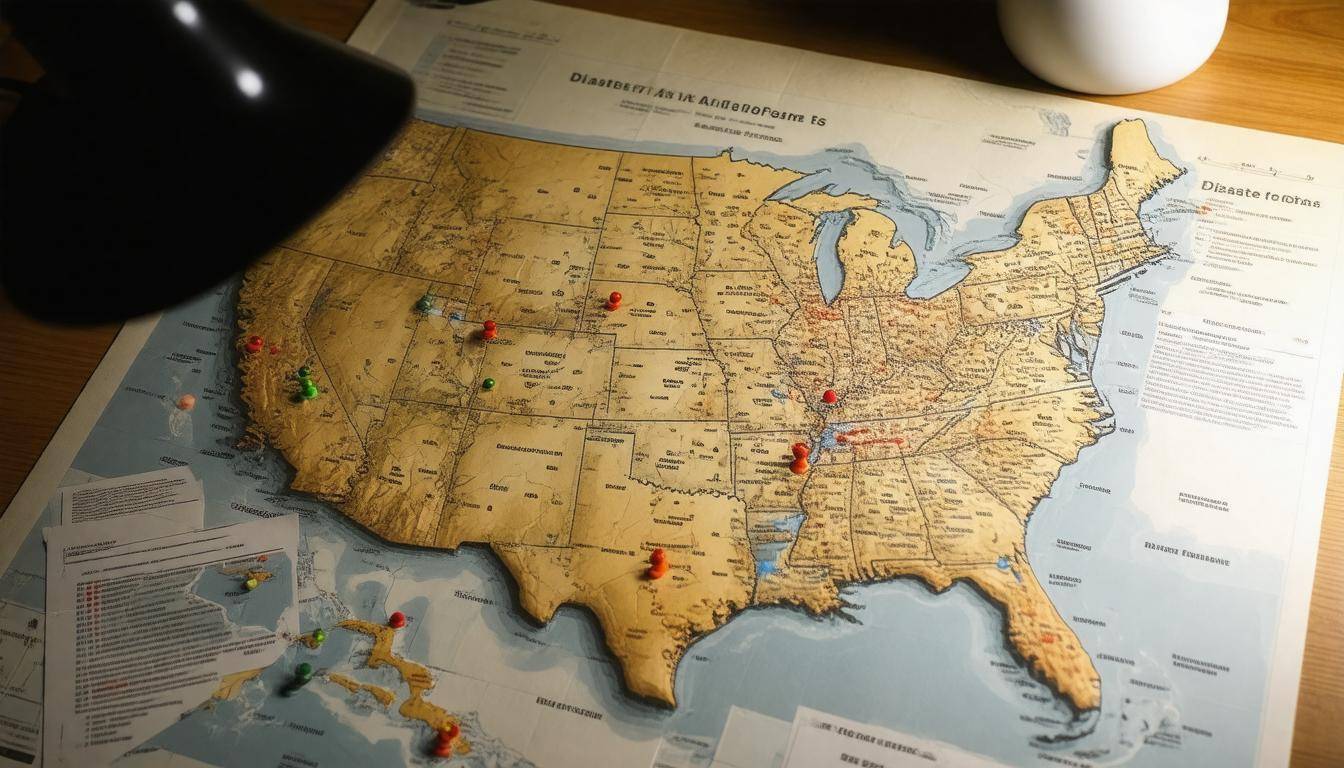
Overview of Disaster Tax Relief Programs
Disaster tax relief programs exist to lend a hand to individuals and businesses facing unexpected challenges caused by natural or man-made disasters. At their core, these programs are designed not just to alleviate immediate financial burdens, but also to facilitate long-term recovery, allowing victims to rebuild and restore their lives. In these moments of urgency, knowing where to turn for help can make all the difference.
Take California as a prime example. The California Department of Tax and Fee Administration (CDTFA) steps in with significant support by offering extensions on tax filing deadlines, waiving penalties for late payments, and providing replacement copies of important records that might have been lost in disasters. These measures represent just one aspect of the wider network of federal and state relief initiatives designed to cushion the blow of such circumstances.
To underscore the vital importance of these assistance programs, consider this: the National Centers for Environmental Information reported that natural disasters incurred $165 billion in economic losses within the United States in 2024 alone. These staggering figures serve as a stark reminder of why it’s essential for states and the federal government to implement effective disaster tax relief measures—everyone’s financial stability relies on it.
Federal options often cater broadly across states, ensuring minimum coverage against various tragedies through assistance like grants for emergency housing, home repairs, and tax deductions for affected taxpayers. On the other hand, state-specific programs may offer tailored benefits that address particular needs and vulnerabilities arising from local disaster scenarios. By understanding both sets of resources, individuals can navigate their options more effectively.
As we shift focus towards examining various forms of relief available at different governance levels, it becomes evident that the landscape is shaped by both federal initiatives and state-specific responses.
Federal vs State Relief Options
When it comes to federal disaster tax relief, a unified approach is managed by the Internal Revenue Service (IRS). This federal assistance includes various measures designed to alleviate the tax burden faced by those impacted by disasters. Tax filing extensions, penalty waivers, and deductions for disaster-related expenses are a few examples of the support available. The broader reach of these options means that they are accessible to anyone affected by a federally declared disaster, ensuring a consistent framework for support across state lines.
Federal Relief Options
One notable aspect of federal relief is its nationwide applicability, which is particularly beneficial when disasters strike multiple states simultaneously.
For example, in the wake of a federally declared disaster, the IRS allows for an automatic two-month extension for filing tax returns and making payments. This means that if you’re grappling with recovery efforts, you won’t have to stress over looming tax deadlines while trying to rebuild your life. Additionally, taxpayers can deduct casualty losses on their federal tax returns, providing further financial cushion during recovery periods.
However, while federal relief offers broad measures aimed at assisting all eligible individuals alike, state relief options are inherently more localized and tailored to address unique needs.
State Relief Options
Unlike their federal counterparts, state relief programs are often customized based on specific local priorities and circumstances. Each state has its own set of regulations and resources that shape how relief is distributed.
For instance, Texas may offer special sales tax exemptions for items directly tied to disaster recovery—such as generators or building materials—allowing residents to save money where it matters most during tough times. Meanwhile, New York might implement property tax relief measures for homeowners who have suffered damage due to disasters, helping to reduce ongoing financial responsibilities while they focus on repairs.
It’s crucial to understand that state programs can come with additional eligibility criteria such as income assessments or specific disaster declarations that may vary from one program to another. This means that what works for Texas might not apply in New York or any other state.
Understanding these nuances will help guide you through the assistance options available and prepare you for exploring important factors that determine eligibility for aid.
Determining Eligibility Criteria

When you find yourself in the aftermath of a disaster, such as a wildfire or flood, it can feel overwhelming to navigate the various relief programs available. Imagine being faced with lost property and uncertainties about your financial future; amidst that stress, figuring out if you qualify for assistance shouldn’t add to your burden. That’s where knowing the eligibility criteria becomes critical.
Your residency in a disaster-declared area plays a central role in determining eligibility for relief. For instance, if a wildfire swept through your town, only residents of areas officially recognized as impacted would be able to apply. This geographic focus ensures that help goes to those who need it most. You’ll want to gather documents proving your residence—utility bills or lease agreements can serve this purpose.
Another key aspect involves demonstrating proof of loss. Federal and state programs usually mandate evidence of property damage or business interruption caused by the disaster. This could take the form of photographs showing the extent of damage, insurance claims filed, or official assessments from local authorities. The clearer the documentation you provide, the smoother your application process will likely be.
| Eligibility Criteria | Federal Programs | State Programs |
|---|---|---|
| Type of Disaster | All Federally Declared | State-Specific |
| Proof of Loss | Required | Required |
| Timeline for Application | Varies | Varies |
Now consider timelines—these are often less advertised but equally crucial. Knowing when and how long you have to submit applications can substantially affect your ability to receive aid. Most states impose specific deadlines shortly after declaring a disaster; being unaware of these could mean missing out on necessary assistance.
Keep an eye on announcements from local authorities regarding applications and eligibility. Additionally, some programs prioritize relief for vulnerable populations, including low-income families or individuals with disabilities, highlighting society’s commitment to protecting those who might struggle most in tough times.
In applying for relief, always remember that providing complete information and adhering to specified requirements proves invaluable. Each detail serves as a thread in the fabric of your request for assistance—tightly woven together, they create a stronger case for why help is needed.
As you begin navigating these intricacies, understanding these eligibility criteria will be vital; it sets the foundation for grasping the support systems designed to aid those affected by disasters.
Types of Assistance Available
When disaster strikes, the response from state tax relief programs can be multifaceted. These programs offer several types of assistance that can help ease the burden of recovery. You might find yourself needing tax return extensions, penalty waivers, or deductions for expenses directly related to the disaster. Each type comes with its unique set of benefits designed to support your efforts during challenging times.
Extensions and Penalty Waivers
One key form of assistance is tax return extensions. These extensions provide additional time to file your returns—up to three months in some cases—which can be a lifesaver if you’ve lost important documents or need more time to evaluate the true impact of the disaster on your finances. Imagine shifting deadlines allowing you not only adequate time but also the much-needed mental space to recover from an overwhelming situation.
Penalty waivers are another critical aspect of disaster relief. They can save you significant money; for instance, if you’re in California, you may receive a waiver for Sales and Use Tax penalties. This lightens the load by relieving financial pressure while you focus on rebuilding.
Deductions for Disaster-Related Expenses
Another valuable resource comes in the form of deductions. Taxpayers can claim deductions for personal or business losses that insurance does not cover. This is where individuals can reclaim some financial stability after incurring additional expenses due to damage or loss caused by disasters. For example, let’s say you had to repair your home following a flood; any costs incurred for property repairs or replacement items could potentially be deductible on your tax return.
Moreover, it’s worth noting that this option isn’t limited only to homeowners; businesses can also benefit significantly from claiming deductions related to repairs, lost inventory, and other business interruptions.
Understanding the various types of assistance available lays the groundwork for navigating subsequent steps, such as properly filing claims and gathering all necessary documentation for tax relief applications.
Filing Claims and Documentation Required
When you’re facing the aftermath of a disaster, making sure you file your claims correctly can feel like another daunting task stacked on top. But don’t fret. Understanding what you need and taking it one step at a time can make this process much smoother. At the heart of filing successfully is providing thorough and accurate documentation, which lays the groundwork for your claim’s success.
Required Documentation
You usually need proof of loss to substantiate your claims. This may include photographs showcasing the damage, repair estimates outlining anticipated costs, receipts for any related expenses, and insurance claim reports from your provider. The IRS also requires a completed Form 4684 for reporting casualty and theft losses, crucial for tax purposes.
It’s wise to begin gathering these documents as soon as possible after the disaster strikes because memories can fade and details can be lost over time. Having everything organized and at your fingertips will simplify the filing process immensely.
Steps for Filing Claims
-
Gather Documentation: Start by collecting all necessary documents without delay. This includes photographs of damages, repair estimates from trusted contractors, receipts for emergency purchases, and correspondence with your insurance company.
-
Complete Required Forms: Next, fill out any federal or state-specific forms accurately. Each state may have different requirements, so it’s beneficial to double-check with your local Department of Revenue to ensure compliance.
-
Submit Forms Timely: Don’t forget about deadlines! Adhering to required timelines is crucial because missing a deadline could result in denial of your claim regardless of how thorough your documentation might be.
As you move through these steps, remember that patience is key. The recovery process can be overwhelming, but taking these actions methodically helps ensure you’re equipped for success.
In addition, always keep copies of every document you submit. Not only does this serve as a backup, but it also provides clarity should there be any questions later during the review process.
As we look ahead, understanding how assistance varies across states will empower you with critical insights into accessing help tailored to your situation during these challenging times.
State-Specific Relief Programs
Each state possesses its own tailored disaster relief programs, providing unique assistance to individuals and businesses impacted by a variety of disasters. For example, in states like California, you will find comprehensive support targeting issues such as wildfires, earthquakes, and flood-related damage. This means that if you’re a resident during one of these unfortunate events, your difficulties can be mitigated through targeted financial relief.
California’s Department of Tax and Fee Administration (CDTFA) offers tax extensions for payments related to sales and use tax and cannabis tax, which is critical for those who may face cash flow problems after devastating events like wildfires or mudslides. Additionally, lost records during such tragedies can be replaced at no charge — a substantial relief for those worried over their tax documentation.
Just south of California in Texas, disaster response takes a different shape.
The Texas Disaster Recovery Program focuses on recovery from its own distinct set of disasters, primarily severe weather phenomena like tornadoes and floods. Homeowners and renters access property tax exemptions and low-interest loans, helping families rebuild homes devastated by natural calamities.
Similarly, Florida manages its unique challenges following hurricanes and tropical storms by offering programs designed to ease the financial burden on affected residents. The Florida Department of Revenue sometimes grants sales tax exemptions for repairs on damaged buildings. This type of support is essential when tornados leave havoc behind, allowing communities to slowly restore their infrastructure without the added pressure of hefty taxes on necessary improvements.
Other states like New York and Louisiana also offer distinctly beneficial programs tailored to address their prevalent disaster types.
The New York State Disaster Assistance Program provides residents with much-needed tax credits and grants specifically targeted at residents affected by state-declared disasters. This localized approach ensures that even minute details concerning the nature of local disasters are considered in assessing damages and formulating responses.
On the other hand, Louisiana’s Disaster Recovery Tax Relief focuses heavily on income tax credits aimed at assisting both individuals and businesses recovering from hurricanes and flooding. Access to such initiatives can significantly lessen the financial strain that comes in the aftermath of destructive events.
Having established the various forms of disaster tax relief available across several states, it becomes crucial to explore how these programs address the specific challenges posed by impacted expenses and property loss.
Impacted Expenses and Property Loss
Knowing which specific expenses and types of property losses can be claimed brings clarity during an already challenging time. When disaster strikes—whether from a devastating fire, an unexpected earthquake, or severe flooding—recognizing that certain costs may be recoverable can help ease some of the financial strain. Important expenses often covered by relief programs include repairs to damaged property, costs incurred while staying in temporary housing, and the replacement of equipment necessary for work or daily living.
Covered Expenses
For example, if your home suffers damage from a hurricane, you might be eligible to claim expenses for board-up services to secure your property before a storm hits. Renovations performed afterward to restore your home’s safety and structural integrity also qualify. Additionally, don’t overlook costs related to temporary lodging while your home is being repaired; these can add up quickly and are valid claims under most relief programs.
It’s wise to document every single disaster-related expense meticulously. Keeping receipts and detailed records not only helps to streamline the claims process but also provides evidence should any discrepancies arise during reviews. Even minor expenses could play a vital role in providing financial relief.
Property Losses
The scope of claimable property losses extends beyond mere repairs; it covers damages to structures as well as personal property within those structures. Homeowners typically focus on their dwellings, yet it’s crucial not to overlook personal items such as electronics, furniture, or sentimental heirlooms that may have been lost or damaged. Businesses face similar challenges: along with physical infrastructure damage, claimable losses can also encompass inventory destruction and interruptions in business operations whereby revenue losses occur due to the disaster’s aftermath.
According to data from recent FEMA reports, businesses affected by disasters can expect significant downturns in revenue—averaging around 30% loss during the first year post-event. Understanding this impact translates into a more comprehensive view of what is at stake.
After identifying qualifying expenses and losses, many seek additional support and guidance through various resources available for navigating these assistance options effectively.
Resources for Taxpayers and Businesses

Multiple resources are available to guide individuals and businesses through disaster tax relief programs. Professional tax advisors are among the most reliable sources for assistance; these experts can offer personalized advice tailored to each taxpayer’s specific circumstances. They help assess eligibility, complete forms accurately, and provide insights into the nuances of tax law that may otherwise go unnoticed. Not only do they simplify the application process, but they also ensure that you take full advantage of all potential benefits.
Local government offices can also serve as a vital resource when seeking assistance. Many communities have dedicated departments that specialize in disaster recovery and provide up-to-date information on available programs. This is particularly helpful during times of widespread disasters, as these offices often work closely with federal agencies to disseminate information efficiently.
Furthermore, specialized websites like those of the California Department of Tax and Fee Administration (CDTFA) and the IRS offer comprehensive resources regarding disaster relief measures. These sites include FAQs, downloadable forms, and guidelines on how to apply for relief. They are continually updated with relevant news about changes in laws or newly declared disasters.
In addition to official channels, online communities are burgeoning as platforms for peer support and shared experiences. For instance, forums on sites like Reddit host discussions where users exchange insights about their personal experiences with disaster relief programs. Dedicated subreddits encompass various aspects of public service loan forgiveness and tax issues related to disasters, providing valuable tips and accountability.
Engaging with these community resources can further deepen your understanding and lead to practical advice that complements professional guidance. As you seek out information from qualified individuals and reputable organizations, you can navigate the complexities of disaster tax relief more confidently.
It’s crucial to tap into these diverse resources that can enhance your ability to find suitable assistance in times of need. The right support makes a significant difference.
How do disaster tax relief programs differ from state to state?
Disaster tax relief programs vary significantly from state to state in terms of eligibility criteria, types of assistance offered, and application processes. For example, some states provide immediate sales tax exemptions for disaster-related purchases, while others might offer income tax credits or property tax relief. According to a 2022 survey, nearly 60% of states had unique disaster response frameworks tailored to their specific risks and resources, highlighting the importance of localized approaches to disaster recovery.
What types of disasters qualify for tax relief programs in various states?
Tax relief programs in various states typically qualify for natural disasters such as hurricanes, floods, wildfires, tornadoes, and earthquakes, among others. For instance, the IRS frequently extends tax relief after federally declared disasters, which can include property damage and loss of income due to these events. According to FEMA data, nearly 90% of major disasters declared between 2000 and 2020 involved severe storms or flooding, highlighting the frequency of these events and the subsequent need for targeted tax assistance programs.
What steps do I need to take to apply for disaster tax relief in my state?
To apply for disaster tax relief in your state, first, check your state’s official website or the IRS website for specific eligibility criteria and program details. Generally, you will need to gather documentation proving the disaster impact, complete the relevant application forms, and submit them by the specified deadlines. It’s crucial to act quickly—many states require applications within a few months following a declared disaster, with some programs reporting up to a 40% increase in claims during peak times. Be sure to keep copies of all submitted documents for your records.
How do I find information about disaster tax relief programs specific to my state?
To find information about disaster tax relief programs specific to your state, visit your state’s official government website or the Department of Revenue’s site, where you can access resources tailored to disasters affecting your area. Additionally, the IRS provides guidance on federally declared disasters that may impact tax relief options. Keep in mind that various states have different programs and eligibility requirements; as of recent statistics, approximately 40% of individuals affected by disasters are unaware of available tax relief options, so it’s crucial to explore these resources thoroughly.
Are there income requirements to qualify for disaster tax relief assistance?
Yes, there are often income requirements to qualify for disaster tax relief assistance, which can vary by state and program. Generally, these requirements are intended to target aid towards low- to moderate-income individuals and families who have been adversely affected by disasters. For instance, some programs may limit eligibility to households earning below 150% of the federal poverty level or a specified annual income threshold, ensuring that assistance reaches those in greatest need following a disaster event.