
In moments of crisis, having your necessary documents organized can make all the difference between chaos and calm. It’s easy to underestimate how quickly things can get overwhelming—whether it’s a natural disaster or an unexpected emergency situation, time is often against you. Picture this: You’re trying to gather your family and ensure everyone’s safety while frantically searching for passports, insurance papers, and medical information. The stress of that situation is something no one wants to face. That’s why establishing a solid Document Organization System before anything happens is essential—it won’t just save you time; it provides peace of mind knowing you’re prepared for whatever life throws at you. From securing vital paperwork in fireproof safes to utilizing digital storage solutions, creating a reliable system can enhance your readiness during tough times. Let’s dive into how you can effectively set this up!
To set up an effective Document Organization System for emergencies, first identify and gather essential documents such as identification, insurance papers, medical records, and financial documents. Organize these files in a secure, easily accessible location—digitizing them and storing them in a cloud service enhances readiness and ensures that you can access them from anywhere during a crisis.
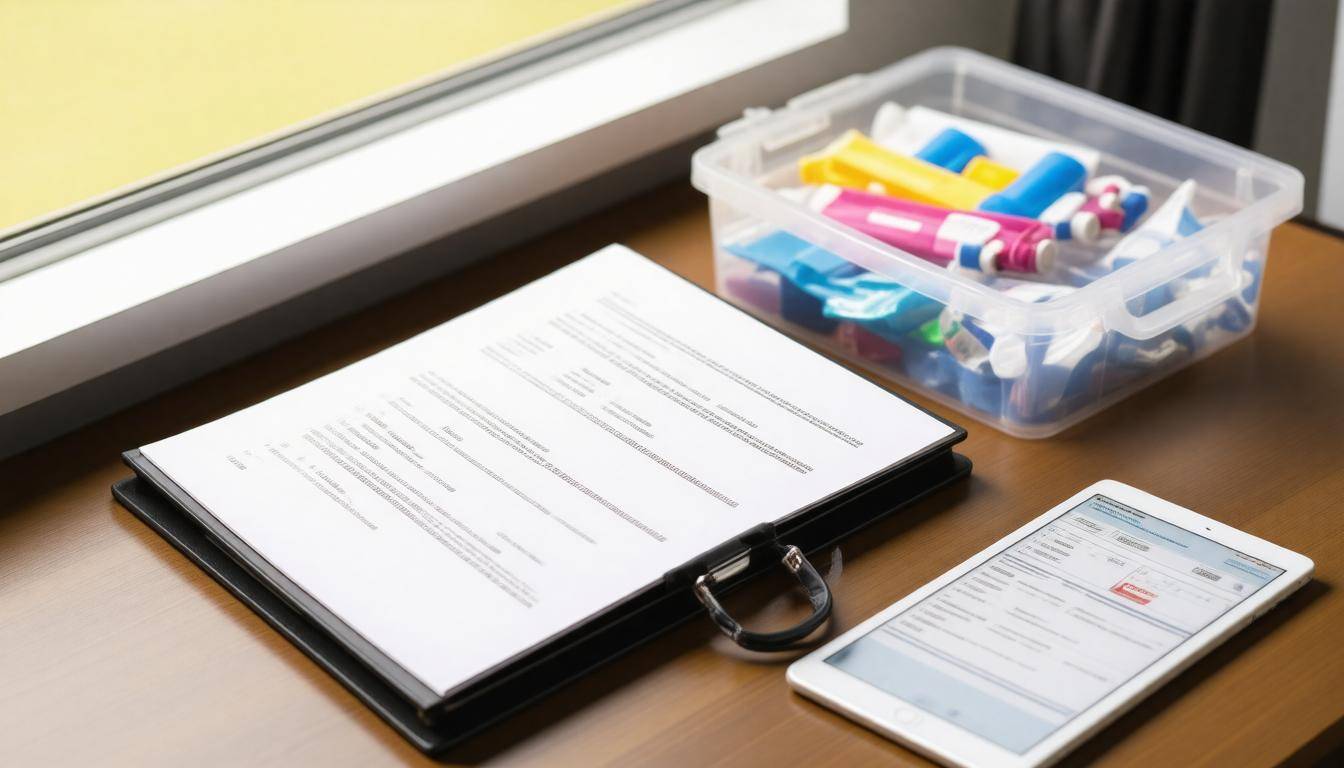
Create Your Document Organization System
Begin by assembling a comprehensive checklist of all essential documents. Think of this checklist as the backbone of your emergency preparations.
Start with identification papers, which include important items like driver’s licenses and birth certificates.
Don’t overlook financial documents, such as bank statements and tax returns; they can be vital for maintaining access to funds during a crisis.
Additionally, gather medical records, including immunization histories and prescriptions—having these ready can save you significant time and stress in an emergency.
Lastly, insurance policies are critical; losing them could mean losing coverage when you need it most.
Taking the time to compile this checklist will give you clarity on what’s truly critical.
Once you have a checklist, the next step is to determine how and where to store these documents for maximum safety and accessibility.
Physical vs. Digital Storage
The debate between physical and digital storage options is an important aspect of your organization system. While having physical copies of certain documents is essential—like marriage certificates needed for legal paperwork—digital backups offer invaluable advantages, particularly in emergencies.
For instance, imagine a scenario where fire or flood threatens your home; digitizing crucial documents ensures those important files are not lost in the chaos. Use PDFs for official documents and JPEGs for photographs of significant memorabilia.
However, it’s important to keep in mind that while digital copies provide convenience, there are instances where original documents are necessary. For legal purposes, many institutions require hard copies, making it wise to have originals stored in secured locations like a safety deposit box at your bank or a personal safe at home.
In terms of actionable steps, consider setting up cloud storage solutions such as Google Drive or Dropbox for easy access from anywhere. These platforms allow you to retrieve valuable documents swiftly during emergencies. Moreover, backing up essential files on external hard drives serves as secondary precautions should cloud systems fail or become inaccessible.
Finally, as you organize your documents, regular review and updates become paramount to ensuring that all information remains accurate and relevant over time.
Regular Review of Documents
It is advisable to schedule periodic reviews of your document organization system at least twice a year or after any significant life changes—such as moving residences or having a new family member join. This practice not only helps keep your documents current but also provides an opportunity to assess whether anything new should be added or outdated items should be discarded. By systematically keeping track of your documents, you promote not just preparedness but peace of mind.
Involving all family members in this process can also foster a sense of security and understanding about where everything is located. When everyone knows where to find crucial information during emergencies, it helps coordinate action efficiently amidst potentially stressful situations.
As you develop your organization system, exploring various ways to store these precious files becomes essential in enhancing your readiness for uncertain times ahead.
Choosing the Right Storage Solutions
Finding the right storage options is more than just a matter of convenience; it’s about safeguarding your vital information from potential disasters. Fireproof and waterproof safes are invaluable tools in this endeavor. These safes, designed specifically to endure extreme conditions, ensure that your high-priority physical documents—like birth certificates, insurance policies, and legal papers—remain intact no matter what happens.
For instance, many reputable brands like SentrySafe produce various models rated to withstand high temperatures and water damage. Imagine a sudden fire or flood; with a solid safe, you won’t have to lose sleep over whether your important paperwork is gone for good.
In addition to fireproof and waterproof safes, consider investing in portable filing solutions like lockable file boxes. These lightweight containers can store daily records such as bank statements and receipts while allowing you to transport them easily if needed during an emergency or when simply moving from one location to another. The security of these boxes provides peace of mind, even if they hold less critical documentation.
Digital Storage Solutions
But let’s not neglect the modern marvels of technology! Cloud storage offers unmatched convenience by enabling you to access copies of essential documents from nearly anywhere with an internet connection. Services like Google Drive or Dropbox not only provide encryption but also allow for easy collaboration and sharing should you need assistance from family members. Simply uploading scanned versions of vital paperwork gives you an additional layer of protection against physical damage. This digital aspect is pivotal in emergencies when paper copies might be compromised.
Furthermore, external hard drives serve as great backups for your digital files, ensuring that you have substantial data storage without relying solely on cloud services. They’re portable and often come with large storage capacities capable of holding thousands of documents without breaking a sweat.
| Storage Type | Features | Recommended Use |
|---|---|---|
| Fireproof Safe | Temperature resistance, water resistance | Birth certificates, deeds, wills |
| Portable File Box | Lightweight, lockable | Bank statements, receipts |
| Cloud Storage | Accessible anywhere, encrypted backup | Digital copies of all documents |
| External Hard Drive | Portable, large storage capacity | Backup for digital copies |
Once you’ve secured your storage solutions effectively, don’t forget about labeling them clearly to ensure quick identification and access when it matters most. Following this important step will make managing your documents even more efficient during critical times.
Using Tab Labels for Easy Access

In the realm of emergency preparedness, having clearly labeled documents is pivotal. Color-coded tab labels serve as visual guides that can direct you to the critical information you need during stressful situations.
For instance, imagine you’re in an emergency and it’s time to grab your medical records; a quick glance at a blue tab will immediately point you in the right direction to locate vital documents like insurance cards or vaccination records.
Consider adopting a consistent color-coding system throughout your document organization. You might choose blue for medical records, green for financial documents, and red for identification papers. This system adds an intuitive layer of accessibility — like playing a game where you already know the rules. When every moment can make a life-saving difference, this foresight can save precious time.
It’s essential to invest in durable, water-resistant labels. Not only do these withstand various conditions, they also ensure that your crucial information stays intact and legible over time. After all, it wouldn’t be helpful if your labels smeared or faded during a crisis due to exposure or mishandling.
Additionally, utilizing larger font sizes (around 14-16 points) for your tab labels can enhance readability, especially in high-pressure situations when clarity is key. Standard tab sizes around 1.5 inches in height and 3 inches in width are generally sufficient to ensure your tabs stand out without overcrowding.
By establishing an effective labeling strategy, you create a cohesive system that simplifies document access when it matters most. This methodical approach not only prepares you for emergencies but also lays the groundwork for efficiently organizing the important papers that follow.
Sorting and Prioritizing Important Documents
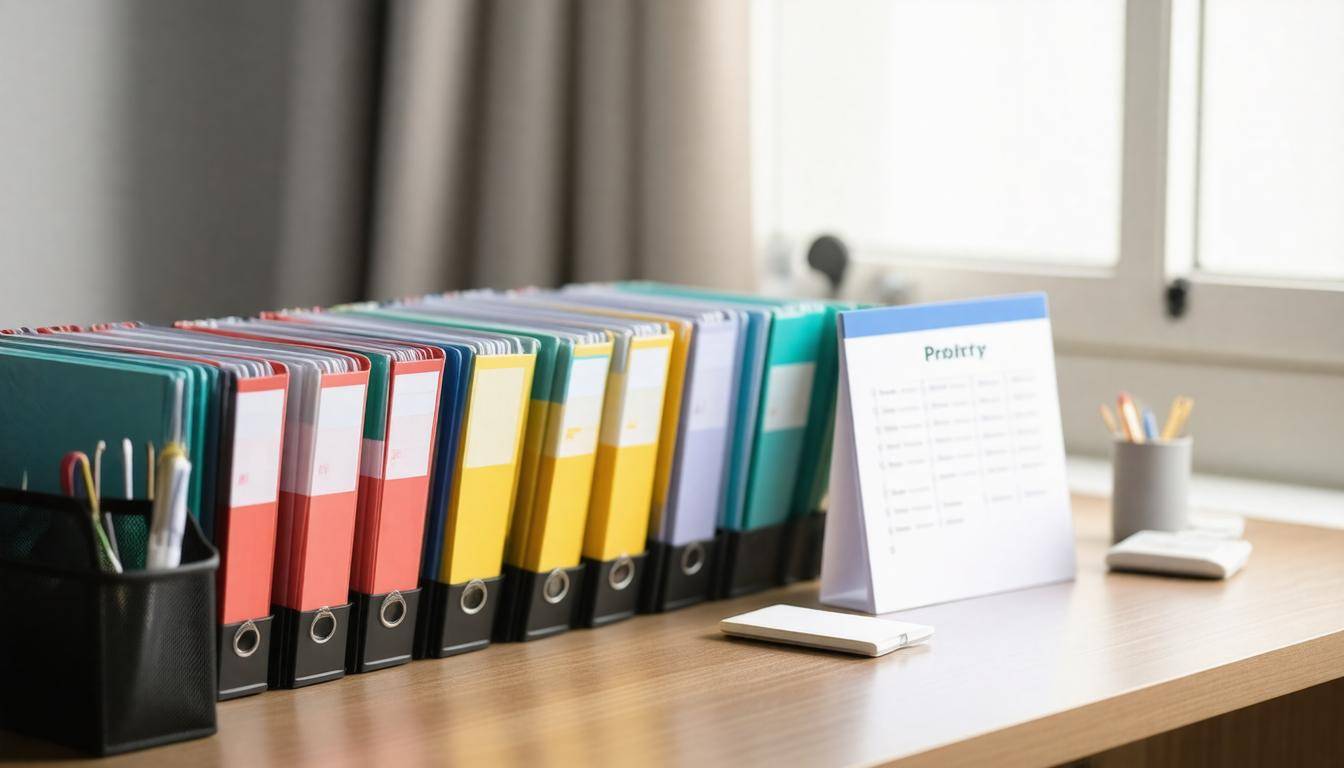
When it comes to organizing important documents, a systematic approach can make all the difference. Prioritizing your documents ensures that the most critical ones are readily accessible during emergencies when time is of the essence. To do this effectively, it’s essential to categorize your documents based on urgency and importance so you know which ones to grab first if needed.
-
High Priority: Social security cards, passports, insurance policies—these are non-negotiable. In an emergency, these documents can facilitate personal identification and access to necessary resources.
-
Medium Priority: Utility bills, property deeds, and medical records fall into this category since they play a significant role in stability after an incident. While not as urgent as high-priority items, they are vital for later recovery.
-
Low Priority: Academic certifications, old tax returns, and employment records are helpful for long-term resilience but don’t require immediate attention in times of crisis.
This prioritization ensures that life-essential documents take precedence over those that hold less urgency. Your aim should be to minimize stress during crises by focusing on what truly matters.
Once you’ve sorted your documents into these categories, finding a suitable storage solution becomes the next crucial step. High-priority documents should be located in easily accessible areas, while those with medium importance can be slightly more secured but still within reach.
One effective method of organizing is to place high-priority items at the front (think about a file cabinet or a portable document organizer), making them both noticeable and easy to retrieve. Medium priority folders can go behind them in the same filing system. It’s also wise to consider storing digital backups of these critical documents in a secure cloud service for additional ease of access—especially handy if you’re away from home during an emergency.
As you prepare these systems for organization, it sets the stage for exploring practical solutions like binders or digital backups tailored specifically for your needs.
Creating a Binder or Digital Backup
Building a physical binder is the first step to organizing your important documents. To create one, start by assembling a sturdy 2-inch binder that can hold all of your vital papers. Within the binder, include clear plastic sleeves—these are perfect for safeguarding documents while allowing you to flip through them easily. As you gather your materials, consider using dividers that can be labeled appropriately. For example, you might want sections labeled “Medical Records,” “Insurance Policies,” and “Evacuation Plans.” Organizing this way not only keeps your documents neatly separated but also facilitates quick access during an emergency.
Once your binder is assembled, store it in a secure and easily accessible location known to every family member. This location should be protected from potential hazards such as water damage or fire, yet remain intuitive enough that everyone knows where to find it. Imagine the peace of mind knowing that amid chaos, each person can quickly grab the binder when needed. A well-organized binder can make navigating stressful situations much smoother, especially when dealing with insurance claims after a disaster.
With a solid physical backup in place, it’s time to turn your attention to digital backups.
Setting up a digital backup requires some thought and effort. Begin by scanning each important document you have created in your physical binder. Save these digital copies in a secure cloud storage service like Google Drive or Dropbox, which provide convenient access from anywhere there’s internet service. Alongside cloud storage, consider having a password-protected external hard drive as an additional layer of security. This ensures that you will always have access to your documentation—even if online services face issues.
Remember to regularly review and update these digital files to reflect any changes made in their physical counterparts. Ideally, set aside time every six months to go through both versions; this practice not only helps maintain accuracy but allows you to refresh your memory about where everything is located. Having both physical and digital systems working together harmonizes your approach toward preparedness.
Creating a well-structured system for documenting your essential information is just the beginning. It’s equally crucial to ensure this system remains relevant and effective over time.
Regular Review and Updates
A stagnant document organization system can become outdated quickly. That’s why it’s crucial to schedule regular reviews to ensure the accuracy and relevance of your documents. Think of it like maintaining a garden: you wouldn’t expect beautiful blooms without tending to them regularly. Similarly, keeping your documents up-to-date ensures that you have all necessary information at your fingertips when you need it most.
Scheduled Reviews
Setting a yearly reminder to review and update your document inventory is a proactive step that can make a significant difference in emergency preparedness. During these reviews, you’ll want to look for any changes in life circumstances, such as new insurance policies or family additions.
For example, if you’ve welcomed a new child into your family, adding their birth certificate and medical records to your documents becomes vital. Conversely, old or unused documentation, such as expired insurance policies or tax records older than seven years, should be removed to avoid clutter.
According to FEMA, less than 30% of Americans regularly update their emergency plans. This statistic highlights the importance of staying organized because neglecting to do so could lead to complications during a crisis when time is of the essence. The last thing you want in an emergency is scrambling through piles of paperwork while critical minutes tick by.
Allocate approximately 2-3 hours for each review session; this time will allow you to thoroughly assess each document’s relevance and condition. Use this period not just for updates but also to familiarize everyone in your household with the location and content of these important papers.
Utilize a digital tool or software that permits easy tracking of changes made to your documents. This way, you can build a robust history of revisions and have peace of mind knowing you’re informed about your critical information.
It’s also beneficial to implement a notification system—like calendar reminders—to alert you when it’s time for the next review. Consistency is key; treating this process like any other essential task will embed it into your routine.
Keeping your document organization system current not only enhances readiness but also fosters a sense of security among all family members. When everyone knows where necessary information resides, there’s less panic and confusion during emergencies.
As we consider the practical steps for maintaining an effective organization system, it’s important to explore how these efforts translate into meaningful advantages during emergencies.
Benefits of a Well-Organized System
The advantages of a well-organized document system extend beyond emergency preparedness, providing clarity and peace of mind in moments of stress. Having everything sorted means that when an unexpected event occurs—like a natural disaster, sudden medical need, or even an identity theft scare—you won’t be fumbling through drawers or searching through piles of paper. Instead, you can focus on what truly matters: responding to the situation at hand.
Enhanced Accessibility
Quick access to essential documents is critical during emergencies; it can streamline processes like filing insurance claims and accessing medical care. Imagine this: You’re in a hospital waiting room after an accident, and the staff asks for your medical history. If you have an organized system in place, you can pull out your medical records, vaccination histories, and even prescription information without feeling flustered. This accessibility not only expedites your care but also helps ensure that healthcare providers have all needed data for swift treatment.
Take Susan’s experience as a powerful example. After enduring the trials of Hurricane Katrina, she shared how her meticulously organized documents significantly aided her recovery process. “I had everything ready,” she recounted, explaining how having her insurance papers and identity documents neatly filed allowed her to secure timely disaster relief funds. This organization transformed what could have been a chaotic recovery into a manageable experience, enabling her to focus more on rebuilding her life rather than drowning in paperwork.
But the benefits don’t stop at merely saving time; they extend into emotional well-being and peace of mind from knowing you are prepared for anything life may throw at you.
Reduced Stress Levels
In times of crisis, even small actions can feel overwhelming. However, 85% of people believe that having a clear document organization system actively reduces stress during emergencies. Knowing where to find necessary documents can minimize anxiety, allowing individuals to execute their emergency plans with confidence. An organized system helps everyone in the family understand what’s available and where they can find it—a crucial factor often overlooked.
One mom once said during a family meeting about preparedness: “If we ever need to leave quickly, I want us all to be calm and together—I don’t want us searching through boxes!” This sentiment captures the essence of why organization matters so much: it fosters teamwork and unity among family members while navigating tough times.
These benefits highlight the dual purpose of maintaining a careful document organization system—not just readiness for emergencies but also ease in everyday life.
Improved Responsiveness
A well-organized document system empowers individuals to respond proactively rather than reactively. For instance, if someone is faced with an identity theft incident, they can immediately locate their financial documents—bank statements or credit reports—and tackle the issue head-on rather than spending precious time hunting for them amidst chaos. Emergency responders benefit too; studies show they can access necessary documents 30% faster when everything is clearly structured.
Establishing an effective document organization approach not only prepares you for potential complications but also enhances the overall efficiency in handling everyday tasks. With this foundation laid down, let’s now look deeper into strategies that will make organizing documents both efficient and systematic.
Tips for Efficient Document Organization
First and foremost, consistency is key. By employing a consistent format for labeling and storing all your documents, you create an intuitive system that everyone can understand. For instance, using clear headings and color-coded labels makes it easy to identify specific categories at a glance—whether it’s medical records or insurance information. Imagine reaching into a drawer filled with similarly labeled folders: it would feel almost effortless to find what you need in moments of urgency.
Another essential aspect involves engaging all family members in the organization process, which goes beyond merely assigning tasks. When everyone understands the document organization system, they also gain familiarity with its location and content. This involvement fosters not just ownership but reinforces the importance of being prepared.
As you gather everyone around the table for a family meeting, consider asking each person how they would like to access important documents—this opens a pathway for collaboration that enhances readiness in emergencies.
Regular backups are equally crucial as they help sustain the relevance of your organized system over time. It’s easy to overlook this step amid daily routines, but scheduling bi-annual reviews ensures everything remains current. Check for expiration dates on insurance policies or medical records, and update any contact details as things change.
Picture yourself having peace of mind knowing you haven’t let anything slip through the cracks during times when you might need them most. Each time you go back to your documents, ask yourself what can be improved or if there is new information to add; this ongoing reflection keeps your system fresh.
As we explore further ways to optimize your document organization system, consider incorporating modern technology as a tool to bolster efficiency.
Digitizing important documents creates an extra layer of security and accessibility. Keeping electronic copies stored securely in cloud services not only provides backup but allows you to access essential paperwork from multiple devices should an emergency arise away from home. Imagine needing to pull together critical documentation while rushing out the door; having this material at your fingertips—easily retrievable on a smartphone or tablet—can make all the difference in stressful situations.
Finally, think about organizing documents into distinct categories such as medical records, emergency contacts, insurance information, and evacuation plans. This approach streamlines access so family members aren’t fumbling through assorted files when time is of the essence. With everything clearly categorized, reaching vital documents becomes a quick and efficient affair—no more scrabbling through stacks of paper!
Prioritizing these strategies to create and maintain an organized system not only serves immediate readiness but also builds a proactive mindset within the household. Embracing these principles equips you with confidence—not only during crises but in everyday life.
By taking these steps, you’ll ensure that your document organization system serves you effectively when it’s needed most.