
As hurricane season approaches in the Dominican Republic, many residents find themselves wrestling with a mix of anticipation and anxiety. Let’s face it: nobody enjoys the thought of packing up their lives while hoping for the best but preparing for the worst. The key to navigating this season is being ready well ahead of time. No one wants to be caught off guard when storm clouds start gathering; it’s like getting a pop quiz you didn’t study for. That’s why creating a comprehensive hurricane evacuation checklist can be one of your smartest moves. In this guide, we’ll explore everything you need to gather and plan, ensuring that when the storm hits, you’re not only prepared but confident in your ability to keep your family safe.
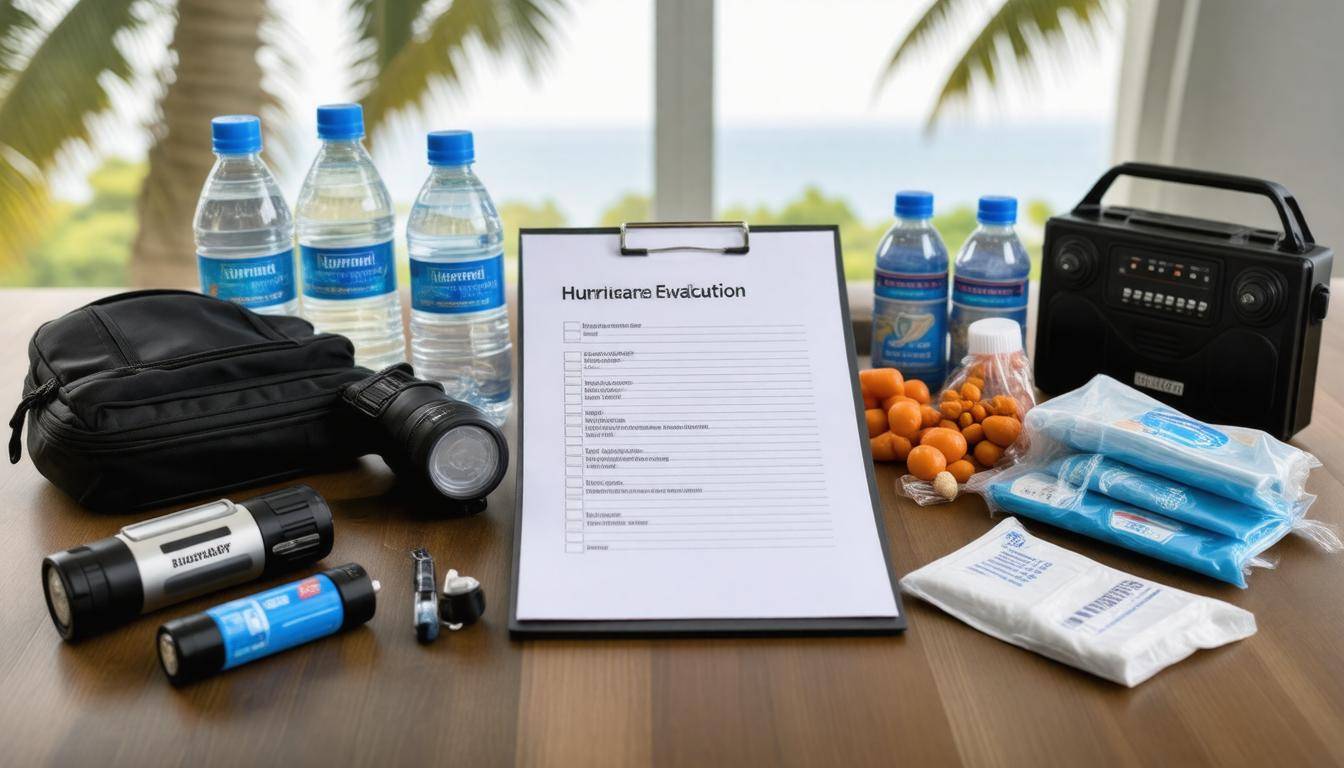
Your Dominican Republic hurricane evacuation checklist should include essentials such as bottled water, non-perishable food items, medications, important documents (like IDs and insurance papers), flashlights with extra batteries, and a first-aid kit. It is also advisable to have cash on hand, a portable phone charger, and any necessary supplies for pets if applicable.
Essential Tips for Hurricane Evacuation
The reality of a hurricane approaching can stir up a whirlwind of emotions, but staying calm is vital when preparing for an evacuation. One of the most important aspects is to be proactive in gathering essential supplies well before evacuation orders are issued. Having a pre-packed emergency kit at the ready can make all the difference. This kit should include non-perishable food, sufficient water—at least one gallon per person per day for three days—along with medications, first aid supplies, batteries, flashlights, and hygiene products. By tackling this preparation early on, you prevent last-minute stress when everyone else has the same idea.
As you accumulate these supplies, it’s also crucial to ensure that you keep your important documents organized and accessible.
Think about it: identification, insurance details, medical records—these are pieces of information you do not want to waste precious time hunting for as a storm bears down. Store these documents in a waterproof bag or container, making them easy to grab on your way out the door. In the chaos that often accompanies an evacuation, having your essential papers organized can offer peace of mind amidst uncertainty.
Alongside organization comes knowledge—understanding your surroundings is just as critical.
Familiarizing yourself with local evacuation routes ahead of time empowers you during a stressful situation. Your community should have mapped out official routes and designated shelters; knowing these paths beforehand means you won’t have to navigate through mayhem when every second counts. Additionally, consider practicing this route if possible. Just like mapping a road trip, rehearsing the journey can help ease anxiety and ensure you’re comfortable executing your escape plan under pressure.
When news starts rolling in about an impending storm, awareness becomes pivotal.
Understanding terms like Hurricane Watch and Hurricane Warning could save lives. A watch indicates that conditions are favorable for a hurricane in the area within 48 hours; prep time is critical here! Conversely, warnings signal immediate danger—the storm is expected to make landfall within 36 hours. Staying connected with reliable updates from local government channels and the National Hurricane Center ensures you’re not only informed but also prepared to take action when needed.
Remember: the sooner you act upon warnings from authorities, the better your chances of ensuring safety for yourself and loved ones.
As we transition toward actual evacuation scenarios, it’s vital to maintain flexibility while sticking effectively to your plans. Understand that traffic congestion will likely be rampant; patience is key as you proceed through these challenges. Always have an alternative route in mind to avoid being stuck in gridlock while the clock is ticking down on safety measures. Recognizing that delays may occur—and mentally preparing for them—will help lessen frustration during what will surely be a high-stress event.
Through vigilant preparation and strategic planning, you’re setting the groundwork for effective response strategies when faced with emergencies. As we shift focus now, keeping safety at the forefront will guide immediate steps required during an urgent situation.
Immediate Actions for Safety
When a hurricane warning strikes, it’s essential to act as though there’s no time to waste; your family’s safety depends on how quickly you can respond. One of the first things to do is secure your home. This means not only fastening outdoor furniture but also reinforcing windows and doors. Using storm shutters or boarding up windows with plywood can mitigate potential harm from flying debris, which can easily smash windows and let dangerous winds in. A well-prepared home serves as a protective barrier, helping to keep your loved ones safe during the storm.
Next up is the critical task of turning off utilities. It might sound mundane, but switching off electricity, water, and gas can minimize damages and reduce the risk of fires or flooding once the storm passes. This step is often overlooked in the chaos of preparing for a hurricane, and unfortunately, many people only realize its importance after they face complications from water damage or gas leaks.
Think of it this way: by pausing those services now, you’re protecting your future self from headaches after the storm has passed.
As you prepare, it’s crucial to fuel your vehicle too. Always ensure that your car has a full tank of gas when a hurricane warning looms overhead. Power outages can render gas stations inoperative, making fuel scarce when you need it most. By filling up beforehand, you’re allowing yourself the flexibility and readiness for an urgent evacuation if necessary.
Finally, moving to a safe location cannot be stressed enough. Follow designated evacuation routes to reach an evacuation center or a relative’s home further inland. These routes are established for reasons related to safety and community readiness—local authorities know which areas are prone to flooding or have higher wind impacts.
With these immediate actions taken care of, it’s essential to shift our focus towards detailed preparation strategies that provide further guidance for ensuring safety and readiness throughout the entire event.
Comprehensive Evacuation Checklist
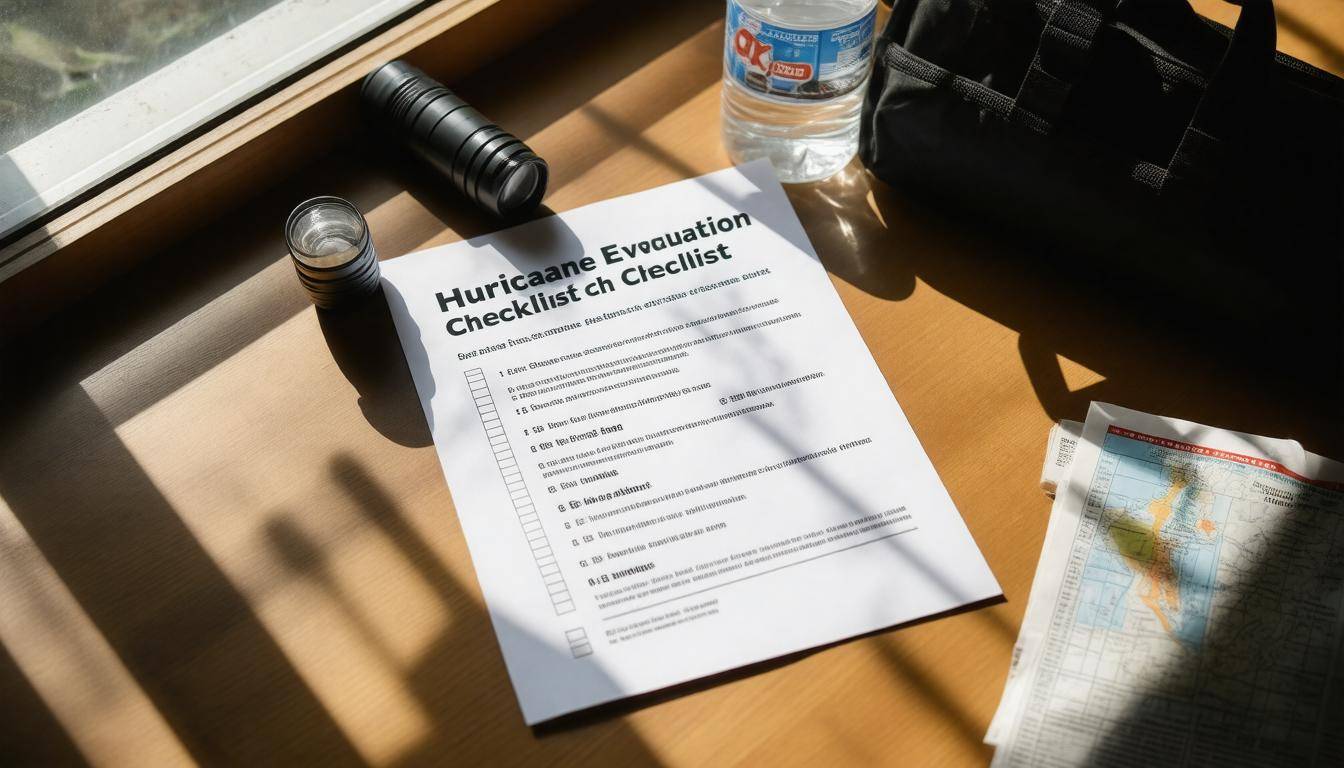
A well-rounded checklist ensures that nothing is left behind in the haste to evacuate. While packing supplies is fundamental, having all pertinent documents ready can save you a lot of stress. In an emergency, being able to prove your identity, access your medical history, and secure recovery resources can make all the difference.
Guidance for a Complete Checklist:
Personal Hygiene Products: Pack enough toilet paper, soap, and hand sanitizer to keep everyone clean during what may be a chaotic period. Don’t forget feminine hygiene products; they are essential for comfort and dignity.
As you sort through your hygiene supplies, imagine yourself in a shelter. The last thing you want is to feel uncomfortable due to inadequate personal care supplies. Being prepared also helps maintain morale during stressful times.
Medical Supplies: Including a first-aid kit is non-negotiable. This should contain band-aids, antiseptic wipes, gauze pads, and any prescription medications needed by family members. Remember to bring glasses or contact lenses and their solution if applicable. Over-the-counter medications such as pain relievers and allergy pills can be lifesavers when you need them most.
Preparing your health supplies in advance safeguards physical well-being and provides peace of mind knowing you have what you need should an emergency arise.
Food and Water: Make room for non-perishable food items like canned goods, peanut butter, protein bars, dried fruit, and even baby formula if you have infants. Consider how much water you’ll need: at least one gallon per person per day for drinking and basic sanitation needs should be your goal.
It’s sensible to start gathering these items now rather than waiting until the storm clouds gather above you. Place them in a sturdy container that’s easy to grab and transport if evacuation becomes necessary.
Clothing and Bedding: Select light but durable clothing suitable for various weather conditions. Rain gear will keep everyone dry, while sturdy shoes will protect feet during long walks. Carry lightweight blankets and sleeping bags—they are invaluable for warmth whether you’re huddled in a car or sleeping on a gym floor turned shelter.
Having comfortable clothing can significantly uplift spirits during uncertain times; it’s surprising how much comfort soft fabric can provide in distressing situations.
Electronics and Entertainment: Include a battery-powered radio to receive updates when power may be lost. Flashlights with extra batteries can illuminate dark spaces. Remember to carry mobile chargers—and store essential documents in watertight containers alongside your chargers to ensure they remain safe during flooding or spills.
Entertainment options—whether books or games—should not be underestimated; they provide distraction and normality when life feels anything but ordinary.
Beyond physical items, critical documents need to be gathered and protected. Collecting identification cards, insurance information, medical records, and other vital documents is key as you prepare for what comes next.
Gathering Vital Documents
Keeping essential documents with you during an evacuation is crucial for ensuring access to necessary services and information when you’re in a stressful situation. Imagine being away from home and needing to prove your identity or insurance coverage—having these documents readily at hand can be the difference between smooth sailing and added complications.
The first step is to compile your identification documents; this includes passports, driver’s licenses, and birth certificates. These will serve as your keys to verification as well as help you navigate any post-evacuation interactions with authorities or service providers.
Next on the list are your insurance papers. Make sure to include home, health, and vehicle insurance policies alongside their contact details. This way, should you need to file a claim or seek medical assistance later on, you’re not left scrambling through piles of papers to find what you need. Furthermore, it may be beneficial to create a quick summary document where you list your policy numbers; this is akin to having a roadmap that leads you directly to the information.
“In moments of crisis, clarity can provide comfort.”
Medical records are a key component that shouldn’t be overlooked. It helps to have a compact file with a summary of your medical history, current medications, allergies, and emergency contacts. If you or a family member requires specific medications or has particular health conditions that need attention, this documentation will be indispensable in ensuring continuity of care during and after an evacuation.
Additionally, don’t forget about your financial records. Compile bank account numbers, credit card information, and tax documents in one secure location. This preparation gives you peace of mind knowing you’ll have access to your funds and important financial information if needed.
But how do you keep these documents safe during the chaos?
Store all these vital pieces of information in ziplock bags or waterproof containers to protect them from potential moisture damage—after all, nature can be unforgiving! Having them organized not only prevents loss but also provides easy access when time is of the essence.
With your essential documents safely secured and ready for any situation, the next important task involves assembling provisions that will sustain you and your family during an emergency.
Preparing Your Emergency Kit
An effective emergency kit can be a lifesaver in the chaotic hours after a hurricane hits. It’s like your personal safety net, filled with essentials that will make the difference between chaos and comfort during and after a storm. Think of it as your family’s survival toolbox; the right supplies can alleviate some of the anxieties that come with natural disasters.
Basic Supplies
Let’s start with the basics. First and foremost, water is non-negotiable in any emergency kit—you should have at least one gallon per person, per day, for at least three days. This might seem excessive for a short period, but you’ll be glad you did when thirst strikes and clean water sources are disrupted.
Next comes food, which should consist of non-perishable items such as canned vegetables, nuts, dried fruits, and ready-to-eat meals. Keep in mind that while snacks are convenient, having nutritional options is critical for sustaining energy levels.
When night falls during an emergency, reliable lighting becomes invaluable. Flashlights paired with extra batteries are a must-have, alongside candles and matches. They illuminate your surroundings, providing safety whether you’re navigating through debris or simply trying to find your way around a darkened room.
And don’t forget a battery-powered or hand-crank radio; it serves as a lifeline to vital news updates when power is lost.
Additional Items
Beyond these basic supplies, consider incorporating additional items that cater to your family’s specific needs. For instance, gather medications, including prescriptions, pain relievers, and hygiene supplies. A multi-tool will come in handy for unexpected repairs or tasks that may arise in an emergency situation.
Don’t underestimate the power of morale boosters—include comfort items such as books, puzzles, or board games. These can provide entertainment and distraction for children and adults alike during stressful times.
The key here is flexibility—your kit should adapt to your family’s specific requirements.
Finally, don’t overlook important administrative details like copies of essential documents stored in waterproof bags within your kit: identification cards, medical information, insurance papers…these small things become monumental when distress strikes.
While having physical items is crucial, ensuring everyone knows how to stay connected during an emergency becomes equally important for safety and peace of mind.
Establishing a Communication Plan
Having a robust communication plan isn’t just beneficial; it’s crucial during hurricane evacuations. First and foremost, take the time to develop a comprehensive family communication plan that everyone understands. This plan should outline who will be responsible for what actions, ensuring everyone knows their roles during an emergency.
Designate a primary contact person who lives out-of-area, as they can provide reliable communication when local phone lines might be jammed or unavailable. Think of this person as your anchor—a steady point of reference amidst the chaos.
Everyone in your household should know how to text. In emergencies, SMS messages may get through when standard calls cannot, and teaching each family member how to send a simple message can make a significant difference. Practicing this communication method ahead of time allows families to work together effectively when the pressure is on.
According to the Federal Emergency Management Agency, having a designated off-site contact reduces confusion and provides relief in stressful situations.
While direct communications—like calls or texts—are vital for checking on family members’ safety during an emergency, also consider leveraging social media platforms such as Facebook or Twitter for real-time updates. These platforms can offer quick ways to broadcast your status, but don’t rely solely on them. Direct interactions are more trustworthy; use social media to supplement your narrative rather than serve as the primary source of information.
As you coordinate with loved ones, updating your plan and practicing it regularly will enhance its effectiveness when it’s needed most. Transitioning from preparedness in communication leads us to consider the next steps for safeguarding your belongings against potential hurricane damage.
Protecting Your Property
When facing the threat of a hurricane, you might feel overwhelmed by the impending chaos, but taking some intentional steps to safeguard your property can help significantly mitigate that stress. It’s not just about protecting your physical belongings; securing your home enhances your overall readiness and resilience in the face of severe weather. Each protective action you take can save you time, money, and emotional strain when it’s all over.
Property Protection Strategies
One of the first things you should consider is boarding up windows. Using plywood to cover windows is an extremely effective measure against strong winds and flying debris. Not only does such preparation minimize glass breakage, but it also shields the interior of your home from water damage caused by heavy rain. If you’ve ever seen a window shattered by wind-borne objects, you’ll understand exactly how crucial this step is, embedding a sense of urgency in the task.
Another often overlooked strategy includes securing outdoor items like furniture and grills. You might think that these items can simply stay put, but they can easily become dangerous projectiles, wreaking havoc not just on your property but potentially on others’ as well. Bringing them indoors or securing them tightly to a stable fixture helps reduce this risk.
But while these steps are vital, they aren’t the only ones worth considering.
Next up is trimming trees around your property. By removing dead branches and adequately cutting back overgrown limbs, you can significantly reduce the chances that they’ll snap off in high winds and land on your home or vehicle. Trust me—no one likes to deal with fallen tree limbs after a storm passes through. Being proactive with yard maintenance is a cost-effective way to protect your property.
Don’t forget to check for leaks as well. A small crack in the roof or poorly sealed windows can quickly turn into major issues during heavy rain. Spend time inspecting your roof and window frames before a storm hits; it pays off immensely when you don’t have to contend with water damage later on.
Comparison of Property Protection Methods:
| Method | Cost | Effectiveness |
|---|---|---|
| Board Up Windows | Low | High |
| Bring in Outdoor Items | Free | Medium |
| Trim Trees | Moderate | High |
| Check for Leaks | Low | High |
Now that you’ve secured your property as best as you can, consider what additional steps need to be taken before the storm arrives; enhancing those preparations will further solidify your safety and peace of mind.
Final Preparations Before Evacuation
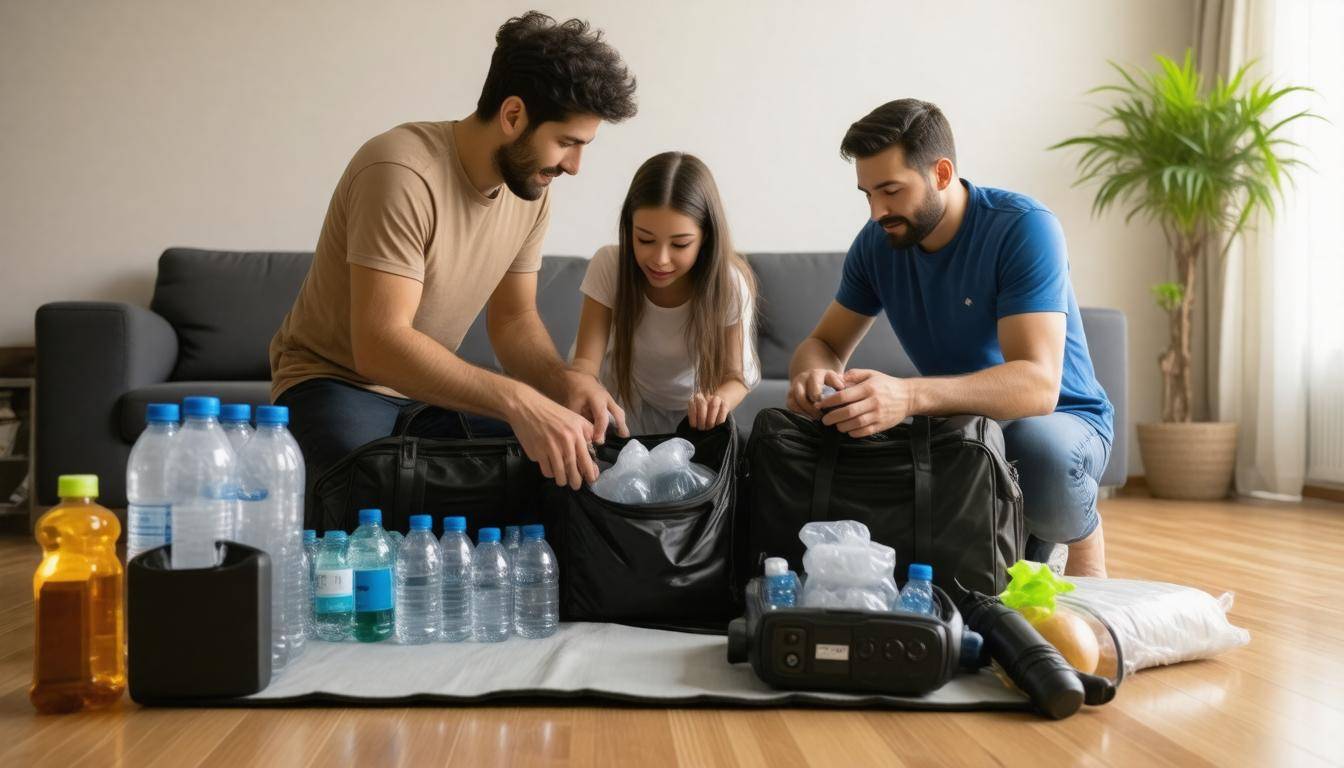
As the weather begins to shift ominously, it’s time to solidify those last-minute tasks. One of the most effective strategies is to create a comprehensive checklist, ensuring you’re not just racing through chores but methodically securing everything essential. Taking a few moments to understand each task will save you from potential headaches later.
Before leaving, evaluate the items in your emergency kit. Make sure it’s stocked with non-perishable food, clean water, and any necessary medications. Don’t forget personal documents; digital copies stored on a USB drive or cloud service can be lifesavers for insurance claims and identification. Taking photographs of valuable possessions provides an extra layer of security that combats uncertainty—documenting the “before” ensures you’re prepared for potential loss-related claims.
Having an emergency car kit ready by the door is another vital component in this process. Pack it with essentials such as a first aid kit, flashlights, battery chargers, and comfort items like blankets or snacks—all designed to make your evacuation smoother and less stressful.
If you have pets, include food, water, bowls, leashes, and any medications they might need. Your furry friends depend on you, too!
Once everything is packed up and ready to go, focus on securing your home. Locking doors and windows isn’t simply about protecting your space from theft; it also prevents damage from wind and debris. Unplugging appliances stops potential electrical hazards during severe weather while allowing you to conserve energy in a time of chaos—little things that contribute to the wellbeing of your home.
Consider leaving a note for emergency services indicating that your home has been evacuated. This communication can be pivotal in preventing unnecessary worry during an already chaotic situation. Additionally, inform a trusted neighbor about your departure and expected return; knowing someone is watching over your property can provide peace of mind.
Completing these preparations ensures that you and your loved ones are as safe as possible during the chaos of a hurricane evacuation. This level of readiness not only protects your belongings but also allows your focus to shift back where it belongs: caring for each other during uncertain times.
By following these steps, you significantly enhance your safety and peace of mind during the unpredictable events that hurricanes bring. Preparedness truly makes all the difference in navigating challenging circumstances.