
Dust storms can catch us off guard, turning clear skies into swirling clouds of dust in just moments. Imagine stepping outside one minute, only to find a thick haze enveloping your surroundings the next. These storms can create havoc not just for the environment but also for our health and safety. That’s why being prepared is key! In this guide, we’ll walk you through essential tips on dust storm safety preparation—from securing your home and vehicle to putting together an emergency kit. By taking these steps, you can feel more in control when nature throws these unpredictable storms your way. So let’s dive in and learn how to protect ourselves and our loved ones during these challenging times!
The Complete Guide on Dust Storm Safety Preparation includes essential tips on how to prepare your home and vehicle, safety measures to take while driving during a dust storm, and recommendations for emergency supplies. Additionally, it outlines the importance of staying informed about weather conditions and what steps to follow when encountering low visibility situations to ensure personal safety and reduce risks associated with dust storms.
Essential Preparation Steps
Staying informed about weather patterns is your first line of defense against dust storms. It’s essential to monitor forecasts from reliable sources like the National Weather Service (NWS). They provide timely alerts about impending storms, giving you a heads-up on dusty conditions. Regularly checking these updates helps you prepare mentally and allows for necessary adjustments to your daily plans.
Imagine this: You’re in the middle of your afternoon errands, and suddenly, an alert pops up on your phone warning of a looming dust storm. With that advance notice, you can quickly head home or seek shelter rather than get caught in hazardous conditions.
Coupled with keeping an eye on the weather is designating a safe room in your home. This interior space should ideally have no windows—think of it as your sanctuary during a storm. Minimizing exposure to airborne debris offers a sense of safety and calm amidst chaos. Consider spaces like a basement, utility room, or even a walk-in closet. You might want to make this area comfortable by adding basic supplies such as cushions or blankets, transforming it into a refuge while you wait out the storm.
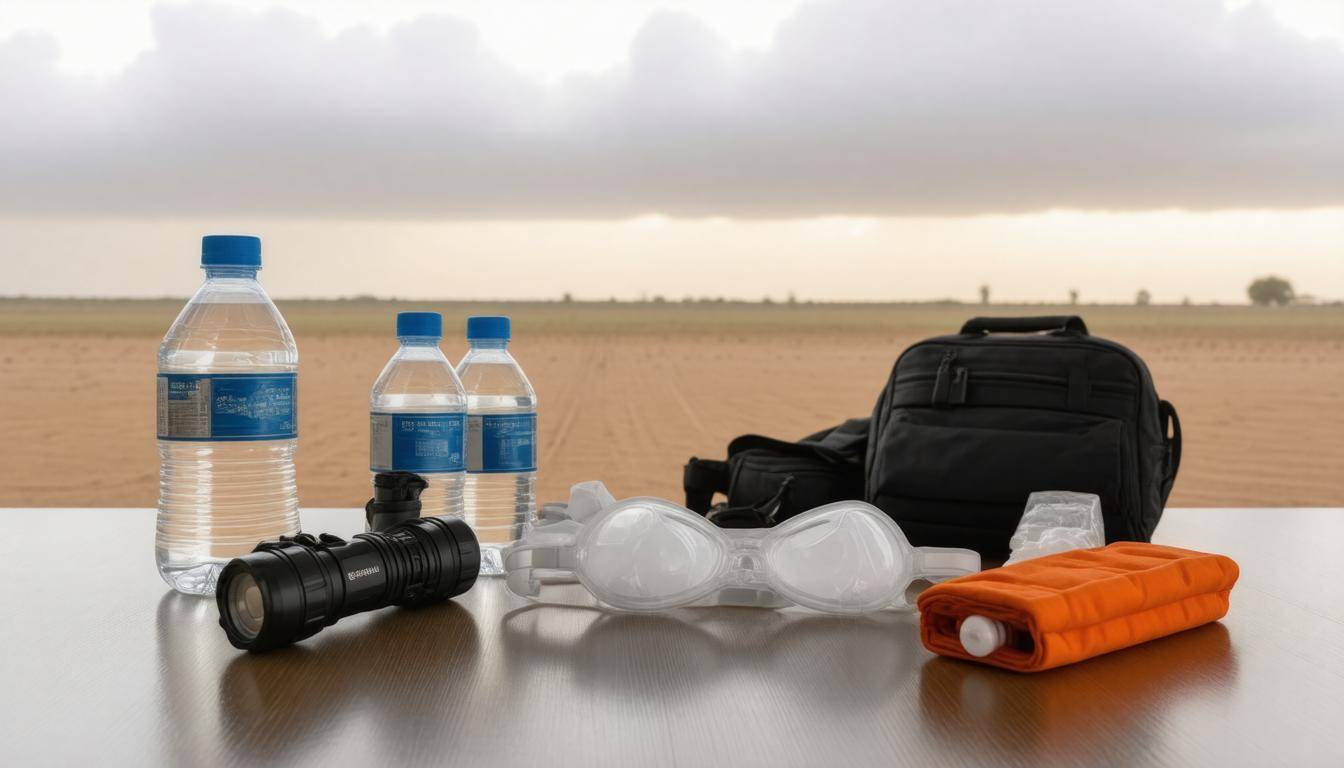
Another significant aspect of preparing for dust storms involves personal health precautions. Alongside ensuring you have access to clean water and non-perishable food, stocking medical supplies is vital. N95 masks or higher-rated respirators are indispensable items during such events as they effectively filter out harmful particles—these little guardians for your lungs can significantly reduce respiratory ailments caused by dust inhalation.
According to the Environmental Protection Agency (EPA), long-term exposure to dust can lead to chronic lung diseases, making these preparations not just wise but potentially life-saving. It’s about safeguarding your health for years to come.
Now that we’ve established essential preparation steps, let’s explore how to assemble your emergency kit with all vital supplies at hand.
Building an Emergency Dust Storm Kit
An emergency dust storm kit is your lifeline during unpredictable weather when the air becomes thick with dust and visibility drops quickly. Think of it as a safeguard—preparing for the worst so you can handle any situation calmly. Assembling your kit might seem daunting, but it’s quite straightforward if you take it step by step.
Recommended Items for Your Kit
-
N95 or higher mask: These masks filter out fine particles, helping to prevent respiratory issues caused by inhaling dust.
-
Safety goggles: Protect your eyes from irritation caused by airborne dust, which can lead to discomfort and blurred vision.
-
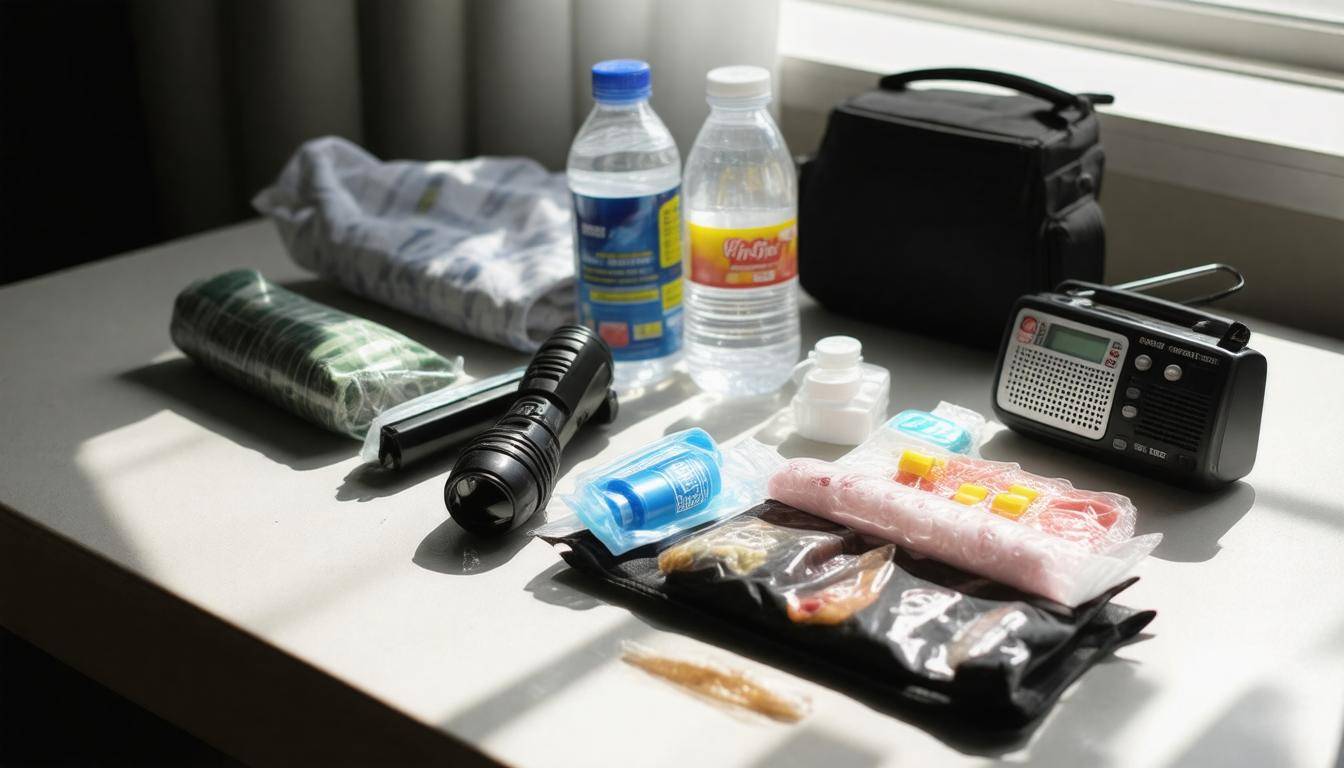
Flashlight with extra batteries: Power outages often accompany dust storms, making a reliable light source essential.
-
Non-perishable food and bottled water: It’s critical to stay hydrated and nourished; pack items like energy bars and canned goods that don’t require cooking.
-
First-aid supplies: Accidents can happen, especially during chaotic events. A well-stocked first aid kit should include bandages, antiseptics, and any necessary medications.
-
Battery-operated radio: If the power goes out, a battery-operated radio keeps you updated on weather warnings and emergency information.
-
Wet wipes and hand sanitizer: Clean hands help avoid additional health risks during stressful situations when hygiene practices are paramount.
-
Plastic sheeting and duct tape: These materials help seal windows and doors to limit dust infiltration into your home, creating a cleaner environment for you inside.
Each item plays a vital role in ensuring safety and comfort during a dust storm, allowing you to maintain some sense of normalcy amidst chaos. I remember a time my friend Sarah lived through a severe dust storm; her family had prepared their kit ahead of time. When everything outside turned orange—the sky darkened, and visibility diminished—they felt secure knowing they had essential supplies within reach.
Jessica from Arizona recalls, “Our emergency kit was a lifesaver during the last storm. The flashlight and radio were particularly useful when the power went out.” Experiences like this remind us just how instrumental preparation can be.
Assembling your emergency supplies sets a strong foundation for weathering such storms; the next step is to ensure your living space is well-protected against the elements outside.
Securing Your Home Against Dust
One of the most effective methods to minimize dust entry is by ensuring that your windows and doors are properly sealed. Start by inspecting each window and door for gaps or cracks that may allow outside air—and dust—to enter.
Applying weather stripping along the edges creates a tight seal that blocks unwanted particles. For areas with larger gaps, consider using caulk to fill those spaces before applying the stripping. This simple action not only limits dust infiltration but can also improve your home’s energy efficiency, keeping it cooler in summer and warmer in winter.
It doesn’t stop with just sealing gaps; be proactive with your home’s ventilation system as well. Covering vents in your walls using plastic sheeting secured with duct tape during a dust storm adds another layer of protection. Since vents can serve as pathways for outside air—bringing in dust—you can effectively limit its entry into your living spaces through this method. This way, when the storms hit, you can breathe easier knowing you’ve taken essential precautions against contamination.
As we consider how to secure our interior from dust, it’s crucial to think about what to do with outdoor items that could become hazardous during a storm.
Step 3: Remove Outdoor Items
Take a look around your outdoor space; wind can send unsecured items flying, turning everyday objects like lawn chairs, potted plants, or even grills into potentially dangerous projectiles during a dust storm. Make sure to gather these loose items and either bring them inside or securely tie them down if they must stay outside.
If you’re fortunate enough to have a shed or garage, utilize those spaces to store items temporarily until the storm passes. Taking these precautions minimizes risks from flying debris and ensures that these objects aren’t gathering a fresh layer of dirt that will eventually find its way into your home.
While securing your outdoor life, it’s also essential to stay informed about local weather advisories. Keep an eye on trusted sources for upcoming dust storms and alerts so you have ample time to prepare.
By taking these preventive measures indoors and outdoors, you enhance your defense against harmful dust accumulation. As we continue, we’ll explore the necessary precautions for staying safe while working or exercising outside during adverse conditions.
Outdoor Safety Tips
Being caught outdoors during a dust storm can feel overwhelming, but taking the right precautions can greatly enhance your safety. First and foremost, if you have the opportunity, seek shelter immediately. Buildings offer the best protection, especially those with sealed windows and doors, which prevent dust from infiltrating the space. When you step inside, you’re not just escaping the harsh wind; you’re giving yourself a chance to breathe without worrying about inhaling harmful particles.
It’s important to always be prepared for emergencies. Knowing what to do can save your life.
Steps to Take if Caught Outside
If seeking immediate shelter isn’t an option and a storm catches you off-guard, here are some crucial steps to take. Start by covering your nose and mouth with a cloth or mask; this simple act reduces the amount of dust you inhale, which is particularly vital for those who experience respiratory issues. You might think of it as having your own personal filter in a storm that’s anything but personal.
-
Cover Your Nose and Mouth: This prevents dust inhalation. Use any cloth you have handy—a scarf or bandana works wonders.
-
Protect Your Eyes: Dust storms can cause severe eye irritation. If you have goggles on hand, use them! If not, wrap something around your head, like a cloth or even your shirt collar, to shield your face.
-
Find Shelter: Make your way towards a safe place—stay away from trees and power lines, as these could break or fall under high winds. As nature demonstrates its raw power, safety should be your priority.
Once you’ve found shelter and are indoors, it’s crucial to consider how to protect your living space from ongoing dust exposure and hazards associated with impending storms.
Indoor Safety Measures
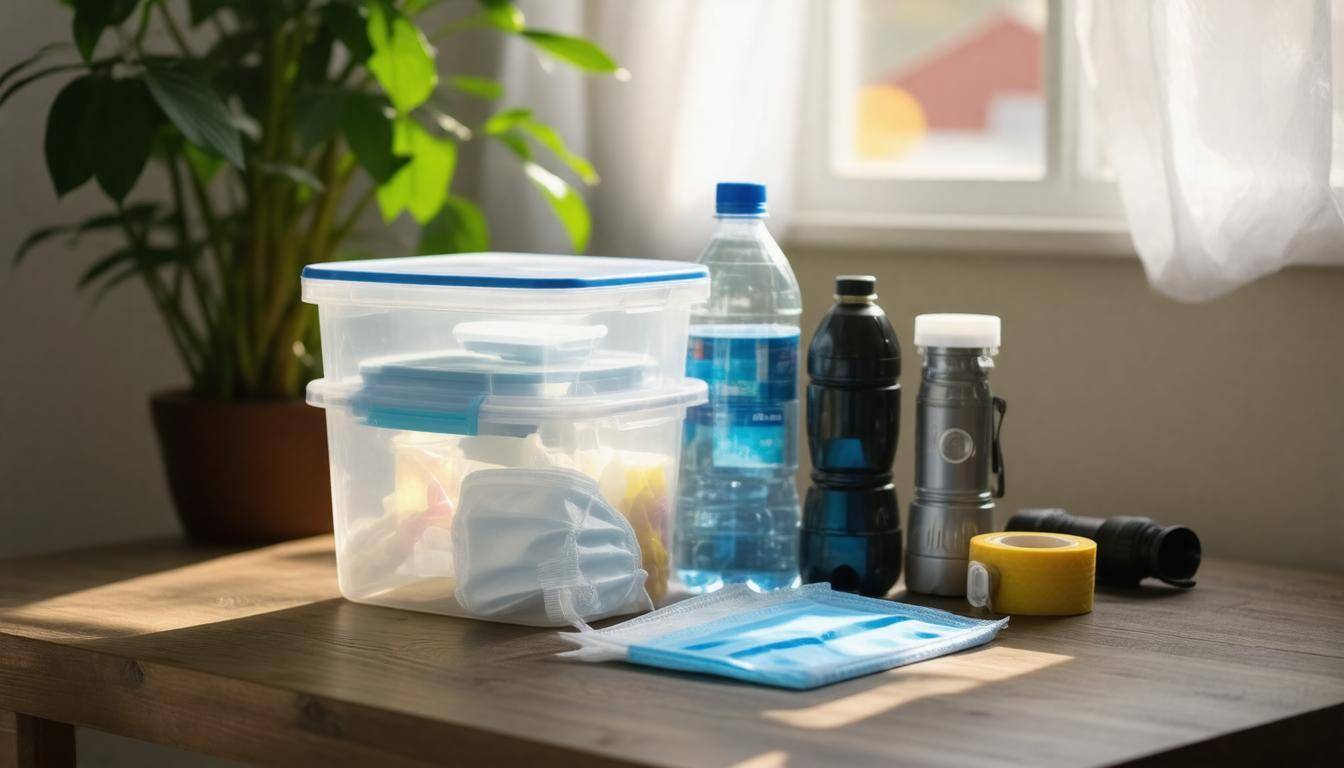
The safety of your indoors during a dust storm begins with effective air quality management. One of the most proactive steps you can undertake is to utilize an air purifier with a HEPA filter. These purifiers can significantly minimize indoor dust particles, trapping even the finest debris that tries to sneak in through any cracks or openings. With the sheer volume of dust carried by storms, controlling the air quality becomes paramount. You may notice that the air feels crisper and cleaner after running an air purifier for a while, which alleviates respiratory issues and enhances comfortable indoor living conditions.
Reducing Respiratory Risks
Now, let’s think of your home as a fortress, designed to keep you safe from external threats. Just like castles used moats to deter invaders, you can employ simple strategies to thwart unwanted dust exposure. Using wet cloths around doors and windows creates a seal that blocks fine particles from entering your living spaces. This straightforward action helps diminish the amount of dust swirling around every room, leading to fresher air and a healthier atmosphere.
Additionally, keeping windows and doors tightly shut before a storm hits is essential. While it might seem obvious, it’s often overlooked amid the chaos of impending weather. You want to make sure any airborne dust doesn’t have an easy path into your home.
Another useful tip is to monitor and maintain indoor humidity levels using a hygrometer; ideally, humidity should be between 30% and 50%. This level not only deters excessive dust buildup but also soothes your respiratory system since high humidity can help trap dust rather than allowing it to circulate freely in the air.
Furthermore, actively managing your indoor environment should include creating an emergency kit stocked with essentials—flashlights, bottled water, non-perishable food items, and first aid supplies. Keeping this kit ready ensures you’re prepared for unexpected situations caused by storm conditions.
Don’t forget that dust storms can trigger potential health concerns for those with pre-existing respiratory conditions such as asthma or COPD. It’s wise to ensure that medication is easily accessible during these times. Eliminating outdoor exposure during storms allows you to prioritize well-being over bravado.
Staying informed through local weather stations about storm severity gives you a better chance at safeguarding your indoor haven.
This combination of strategies creates a comprehensive approach to maintaining safety inside while outside chaos reigns—strengthening your fortress against nature’s whims. As we move forward, it becomes crucial to consider how best to navigate when visibility drops dramatically.
Navigating Low Visibility Scenarios
Zero visibility can be terrifying. Knowing how to navigate through it can save lives. For drivers caught in a sudden dust storm, the first instinct might be to speed up and get to safety; however, this is often the most dangerous choice you can make. Instead, if driving during a dust storm, your best option is to pull off the road immediately and set your vehicle to park. This may seem counterintuitive, but remaining stationary reduces the risk of accidents with other vehicles.
Remember, even minor improvements in visibility can change rapidly, and patience is essential.
To avoid confusion for other drivers, keep your headlights off while parked. A common mistake is to leave them on, which could lead others to think you are still moving.
When it comes to driving under these conditions, slow and steady wins the race. If you must continue, move cautiously and use your horn periodically to signal your presence to any potential hazards or other vehicles nearby. The winds during these storms can create sudden gusts; be mindful of how they might push your vehicle.
While driving presents unique difficulties, pedestrians also face their own challenges during a dust storm.
Pedestrian Safety
If walking outside when a dust storm suddenly hits, your immediate concern should be finding shelter. Ideally, seek protection inside a building or any sturdy structure where you can wait for the storm to pass. However, if this isn’t possible and you’re outdoors, crouch low to the ground in a sheltered spot; this helps minimize exposure while protecting yourself from debris and strong winds that can kick up.
It’s wise to cover your head and face with a cloth mask or scarf. These simple items can serve as effective barriers against fine particles that otherwise would irritate your lungs or eyes.
In addition to utilizing coverings, focusing on breathing calmly through the fabric will help conserve energy and reduce panic during what might feel like a chaotic scenario. Remember that in these moments of low visibility, staying vigilant about your surroundings is crucial. Your instincts will guide you towards safety.
As conditions start improving after a dust storm has passed, you’ll have important tasks ahead regarding cleanup and assessing damage.
Post-Storm Clean-Up Guide
The initial assessment is vital after a dust storm to ensure your home and loved ones are safe. As soon as it’s safe to step outside, conduct a thorough evaluation of your property. Look for signs of damage like broken windows, loose debris that may have blown against your house, or even cracks in the foundation due to shifting soil. Take notes on any issues you find because this documentation can help when contacting insurance or repair services down the line.
Once you’ve established that your home is largely intact, it’s important to move forward with cleaning. Begin with the interior: use a damp cloth to wipe surfaces throughout your home. This is crucial not just for aesthetics, but also for health—excess dust can cause allergies and respiratory issues. It’s wise to wear a mask during this cleaning process; protection from inhaling fine dust cannot be overstated.
The Environmental Protection Agency (EPA) recommends wet-cleaning methods since these are far more effective than dry cleaning techniques for dust removal. With this information in mind, keep a good spray bottle filled with water or a mild cleaner handy; mist the surfaces lightly before wiping them down. This method makes removing dust much easier and ensures you’re not just pushing it around.
To tackle dusty floors, start by sweeping or vacuuming before mopping—especially if it has been a while since you’ve cleaned. A vacuum with a HEPA filter is ideal because it captures even the smallest particles, which is incredibly important for preventing re-circulation of dust back into the air. After vacuuming, choose a damp mop rather than a dry one since damp mopping helps to trap dirt particles directly.
Don’t forget your outdoor spaces! After the storm has passed, take time to clear off patios, decks, and outdoor furniture where dust has settled. Depending on how much debris is present, you may want to use a hose or power washer to clear everything away effectively. Ensure you check your gutters and downspouts too; sometimes they can get clogged with debris carried by wind.
Completing these steps diligently lays the groundwork for both cleanliness and safety in your home while also better preparing it for future storms.
Regular maintenance checks throughout the year can make all the difference when faced with severe weather conditions again.
Formulating a Preparedness Plan
The first step in crafting an effective preparedness plan is establishing a comprehensive family communication plan. This means that every family member should be aware of the emergency steps you’ll take and where your designated safe room is located.
Imagine having a clear path in mind when chaos strikes; it makes all the difference. Discussing these details as a family allows everyone to feel more secure and ensures each person’s responsibility in a crisis is understood. Consider having a designated meeting point outside your home, or even a neighbor’s house, where everyone can regroup if communication fails.
To enhance this plan, ensure that you have contact information for each family member stored both digitally and on paper. You can use apps, smartphones, or simply write down phone numbers and addresses in an easy-to-reach spot. It’s interesting to note that families who prepare together often find they navigate emergencies with greater ease and resilience than those who don’t.
With a communication plan established, moving onto regular drills and revisions brings your preparedness to another level.
Step 2: Regular Drills and Revisions
Much like fire drills that familiarize us with safety protocols, conducting periodic dust storm drills helps reinforce your family’s readiness. I remember the first drill my family conducted—initially filled with giggles and confusion; however, there came a sense of seriousness once we imagined an actual dust storm enveloping us outside our windows.
It was intriguing how practicing made tackling it seem less daunting.
Regular drills allow everyone to rehearse their roles, ensuring reactions are fast and decisive when a real storm occurs. It also gives families the chance to pinpoint any weaknesses in the plan: perhaps someone didn’t know where the emergency supplies were kept or forgot which safe room was designated. That’s why it’s crucial to review and update your plans every few months. The world around us changes; new highways may alter routes, new individuals join the household, or family members might age out of children’s safety protocols. Keeping your plan dynamic ensures its effectiveness.
Beyond rehearsals, you can even take it a step further by involving local resources in these discussions, such as community emergency services or neighborhood groups focused on disaster readiness. Knowing they are there as resources can help ease anxieties while strengthening overall community preparedness.
Understanding the layers within a thorough preparedness plan creates a strong foundation for facing eventualities head-on; ultimately, proactive preparation transforms fear into confidence—a good thing when dealing with Mother Nature’s whims.
To truly cope with dust storms effectively, continuous education and practice within your family is key to assurance when facing unexpected challenges. Staying informed and prepared can make all the difference in ensuring safety during these severe weather events.
What are the best ways to secure windows and doors during a dust storm?
To secure windows and doors during a dust storm, use heavy curtains to block dust infiltration, seal any gaps with weather stripping, and consider applying plywood or storm shutters for added protection. Studies show that securing openings can reduce indoor dust levels by up to 80%, significantly improving air quality and minimizing respiratory issues for occupants. Additionally, reinforcing door frames can prevent wind pressure from forcing them open during intense storms.
How can local communities effectively prepare for and respond to dust storms?
Local communities can effectively prepare for and respond to dust storms by implementing proactive measures such as establishing early warning systems, creating community awareness programs, and maintaining clear communication channels. For instance, a study found that communities with well-established warning systems experienced a 30% reduction in health-related issues during dust storms. Additionally, encouraging residents to create emergency plans and stock essential supplies can significantly enhance local resilience. Engaging with local governments to enforce vegetation management can also help control dust sources, thereby reducing the severity of these storms.
How can individuals protect themselves from respiratory issues caused by dust storms?
Individuals can protect themselves from respiratory issues caused by dust storms by staying indoors during such events, using air purifiers with HEPA filters to reduce indoor dust levels, and wearing N95 respirators if they must go outside. Research indicates that exposure to fine particulate matter (PM2.5) can significantly worsen respiratory conditions; studies have shown that PM2.5 levels can rise over 300% during dust storms, making it crucial to take these precautions for health safety.
What technological tools or apps can help monitor dust storm conditions in real-time?
Technological tools like the Weather Channel app, NOAA Weather Radar Live, and AirNow provide real-time monitoring of dust storm conditions through radar imagery, air quality index (AQI) updates, and alerts. According to recent studies, using apps that integrate GPS can give personalized weather updates, helping users receive timely notifications about potential dust storms in their area. Additionally, social media platforms often serve as community-driven resources for immediate reports on local dust conditions, enhancing awareness and preparedness.
What specific items should be included in a dust storm emergency kit?
A dust storm emergency kit should include items such as N95 respirator masks to protect against inhaling fine dust particles, bottled water for hydration, non-perishable food items, a flashlight with extra batteries for visibility during power outages, a first aid kit for minor injuries, and important documents sealed in waterproof bags. According to the American Lung Association, fine particulate matter from dust storms can exacerbate respiratory issues in up to 30% of affected individuals, making protection crucial. Additionally, having an emergency blanket can help maintain body warmth if stranded.