
Dust storms can sneak up on us, turning clear skies into an eerie brown haze in just moments. Have you ever experienced driving when suddenly, you’re enveloped in a swirling mess of dust? It’s both unsettling and dangerous. Knowing how to stay safe during these storms is essential for everyone, especially those who live in dry and windy areas. The good news is that with a little preparation and understanding of what to do when these storms strike, you can protect yourself and others on the road. In this article, we’ll break down practical tips on recognizing dust storm conditions and the safety measures you should take to navigate through them confidently. So, let’s dive in and get prepared!
In the event of a dust storm, immediately pull your vehicle off the roadway as far as possible and stop. Turn off your vehicle’s lights to prevent confusion for drivers approaching from behind, set your emergency brake, and keep your foot off the brake pedal to avoid illuminating your taillights, thereby increasing the risk of accidents.
Recognizing Dust Storm Conditions
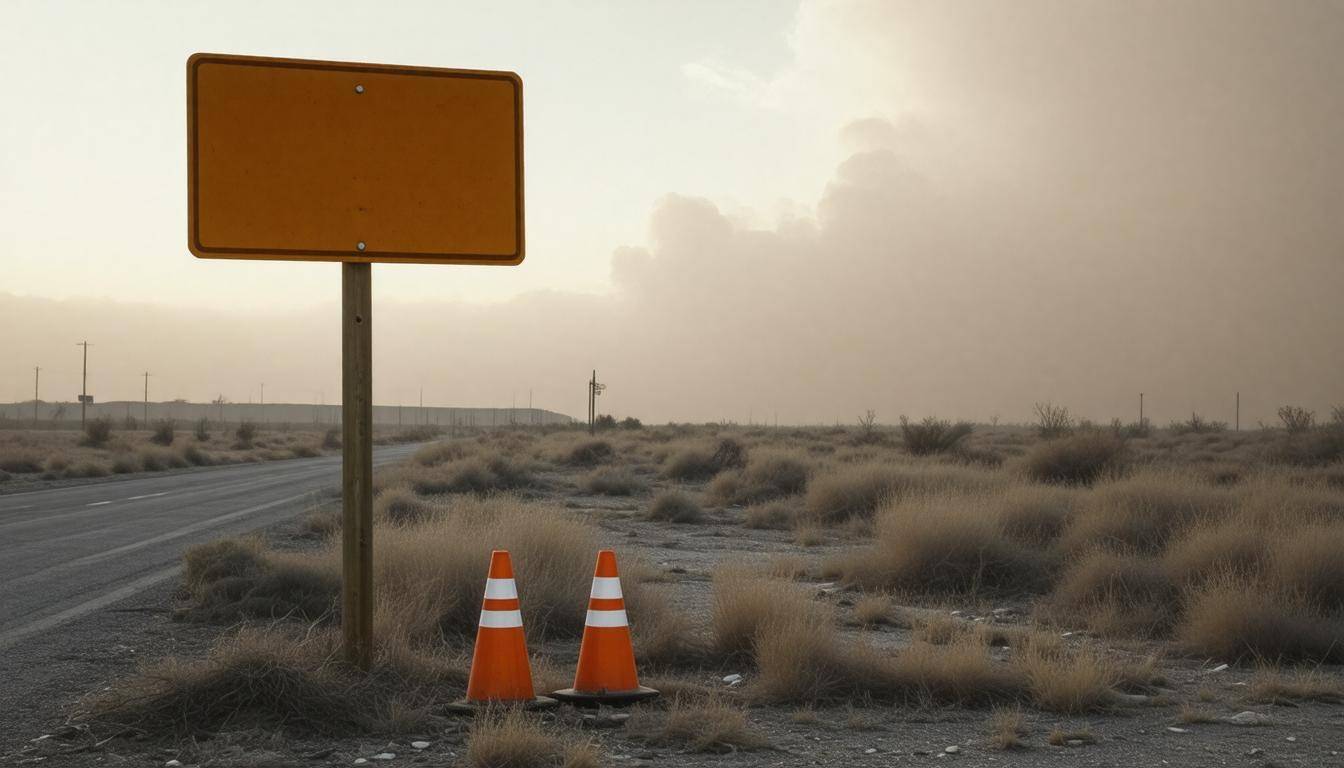
To stay ahead of a dust storm, it’s vital to be vigilant about the signs leading up to its arrival. Imagine you’re driving down an open highway when suddenly the horizon darkens; that’s often the first clue—a wall of dust advancing towards you. This wall might appear like an ominous brown curtain, looming and moving rapidly. Just before this happens, you may notice strong gusty winds beginning to pick up, creating a sense of urgency in the air.
Meteorological agencies, notably the National Weather Service (NWS), continuously monitor atmospheric conditions for patterns that might suggest a dust storm is forming. They provide crucial warnings based on these observations, typically when visibility dips below half a mile. However, maintaining your awareness of the environment around you is essential. For instance, if humidity starts dropping dramatically while wind speeds exceed 25 miles per hour, you may very well be on the verge of experiencing a dust storm.
It’s important to recognize that conditions can change rapidly; one moment you’re enjoying clear skies, and in a blink, visibility can drop to less than a quarter-mile. This drastic shift emphasizes why it’s smart to remain attentive to both technological alerts and nature’s clues.
Understanding local geography can help predict dust storms effectively. Areas known for arid conditions or those near desert regions like Arizona often experience more frequent occurrences. Familiarity with such environments equips individuals with the knowledge needed to respond proactively as storms take shape.
Interestingly, statistics show that while dust storms themselves are transitory—lasting only minutes—the disruption they cause can lead to significant hazards on the road if precautions aren’t taken promptly.
Lastly, always keep in mind that cloud formations or sudden temperature changes also serve as indicators of an impending dust storm; trusting these age-old navigation signs can be incredibly helpful during times when cell service fails. The approach of technology shouldn’t eliminate the old-school observation techniques that have served many generations so well.
Recognizing these signs prepares you not just for awareness but for taking action when necessary. Now let’s explore essential steps to ensure your safety in hazardous conditions.
Immediate Safety Measures
When a dust storm approaches, immediate safety measures become your best ally. First and foremost, seeking shelter is paramount. If you’re indoors, close all windows and doors to keep dust from entering. However, if you find yourself outside or in a vehicle, your options may vary.
For instance, if you’re on the road, it’s essential to pull over as quickly as possible. Look for a safe spot well away from traffic; stopping in an emergency lane or on the shoulder can still put you at risk.
Moving to a safe area should be your primary concern; don’t wait until visibility worsens to begin reacting. Time is of the essence.
Once you’ve found a secure location, turn off your vehicle lights. This key step prevents confusion for drivers approaching from behind who might mistake your illuminated tail lights for moving vehicles. Instead, keep the engine running while ensuring that your foot is off the brake pedal so that your lights stay off. It’s crucial not to add to the chaos by inadvertently encouraging others to drive toward you.
Setting your emergency brake also plays a vital role during this process. By applying the brake and making sure that you remain stationary, you allow the vehicle to stay in place while waiting for the storm’s intensity to diminish. Remember: visibility can drop suddenly to less than 1/4 mile (400 meters), making patience necessary until conditions improve.
About Passenger Safety
It’s not just about the driver; passenger safety matters just as much during these frantic moments. Passengers should buckle up and remain inside the vehicle until conditions stabilize. Venturing outside during a dust storm can expose you to dust particles that may cause respiratory issues or hazards associated with disorientation in low visibility situations.
The dust storm may only last minutes, wearing its fury on short bursts rather than prolonged events—but those fleeting moments when conditions change rapidly highlight how crucial these immediate actions are.
Additionally, always carry protective gear if you frequently travel through areas prone to dust storms; an N95 mask can filter out harmful particles and make your experience far more tolerable should you need to exit your vehicle for any reason.
Finally, ensure that you’ve equipped your vehicle with an emergency kit packed with essentials—water, non-perishable snacks, a flashlight, and a basic first aid kit—so that you’re ready for any unexpected incidents. Staying calm while executing these immediate safety measures can be life-saving.
Navigating through limited visibility requires focus and attention. As we shift our attention now, let’s explore practical strategies specifically designed for drivers in challenging conditions.
Visibility Tips for Drivers
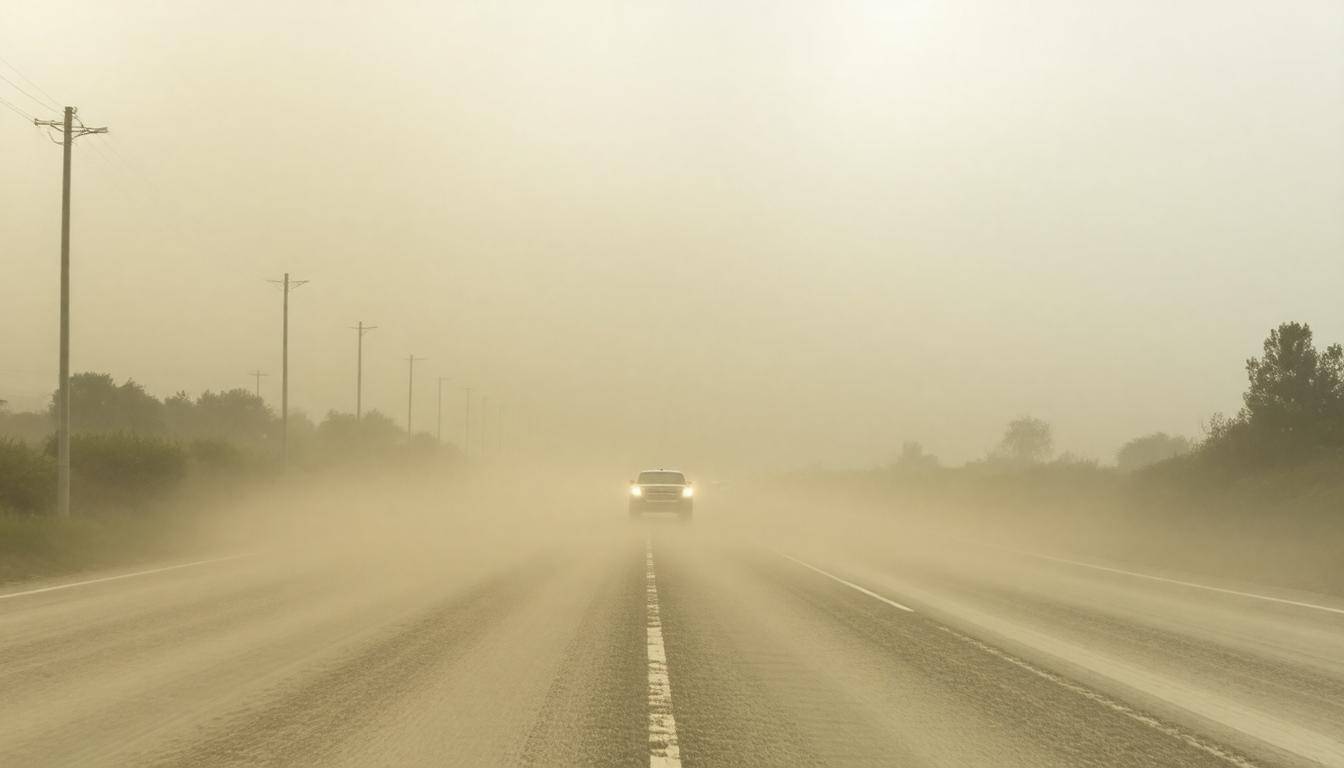
When encountering a dust storm, it’s imperative to have a clear strategy to enhance visibility—the right decisions can significantly mitigate risks. One vital action is to turn on low beam headlights as soon as you notice reduced visibility. High beams are counterproductive; they reflect off the dusty particles swirling in the air, creating an even denser fog that obscures your view. This simple act of switching to low beams allows you to cut through the murkiness more effectively, improving your chances of seeing and being seen.
As you proceed, keep an eye on painted road markings. These lines are your most reliable guides during a dust storm. They help maintain vehicle alignment on the road and can prevent accidental lane drift, especially when visibility plummets. Imagine driving in an unfamiliar environment; add a thick layer of dust, and those white lines become your lifeline. Use them wisely by steering cautiously while maintaining a steady position.
“It’s like playing a game of follow-the-leader, where the road lines lead you safely through the haze.”
Additionally, it’s crucial to sound your horn occasionally if you’re enveloped in thick dust. The auditory signal alerts other drivers in close proximity of your presence. Just as we wave our hands or call out during minor emergencies, your horn serves as a beacon in low-visibility situations; it’s your voice on the roadway.
However, even with all these precautions, adjusting your speed becomes essential. Drive at a pace that is safe given the conditions; too fast can lead to losing control, but moving too slowly can be equally hazardous as other cars approach quickly without warning. Staying fluid with traffic is about finding that sweet spot—a balance between caution and responsiveness—that allows you to navigate through the storm safely.
Each of these techniques plays an integral part in ensuring safety amidst the chaotic elements of a dust storm. Understanding how to prepare for inclement weather is equally important for effective travel in these conditions.
Vehicle Preparation Strategies
Preparing your vehicle before a dust storm can make a significant difference, not just for functionality but for your safety as well. Regular maintenance goes a long way; simple checks like air filters and tire pressure are essential components in ensuring your vehicle runs smoothly when it matters most. Clogged air filters can reduce air quality inside your car, especially vital during a dust storm where external conditions can compromise visibility and comfort. Keeping your tires adequately inflated ensures optimal handling, which is crucial if you find yourself navigating through reduced visibility.
Furthermore, consider keeping a checklist of essential items that could make a significant difference in an emergency situation. For instance, Lisa’s practice of stashing items in her car like extra water and a first-aid kit is commendable. Having these supplies on hand provides peace of mind during unexpected situations. Dust storms may immobilize vehicles temporarily; being prepared can save you from severe dehydration or other unsettling situations.
Remember, emergency kits need to be tailored to your surroundings. A flashlight with extra batteries, non-perishable snacks, or even a blanket could prove invaluable during unexpected waits.
In addition to personal items, consider investing in a dust-resistant vehicle cover. This clever solution helps protect your car’s exterior and engine components when parked outside during dust storms or windy weather. Just imagine returning to your vehicle after a storm only to find it covered in dirt and grime; it’s a nuisance that could have been avoided.
When choosing a vehicle cover, look for one that is specifically designed for dust storms—ideally lightweight and easy to handle. Ensure that it fits snugly over your car so that it remains in place amid high winds. Alongside this, regularly clean the cover itself since accumulated dust on the cover can transfer back onto the vehicle when you remove it.
As you prepare for impending storms or harsh weather conditions, don’t overlook additional aspects such as checking your windshield wipers and ensuring your headlights are in good condition. The last thing you need during decreased visibility is malfunctioning wipers that leave you straining to see the road ahead.
While these preparation strategies ensure your vehicle’s readiness during dust storms, it’s equally important to consider how to safely protect yourself once you’re behind the wheel.
Personal Protective Measures
Protecting yourself from dust storms involves more than just shielding your skin and eyes; it’s about creating a comprehensive strategy to ensure your health and well-being during these adverse weather events. The air can be filled with harmful particles that irritate your lungs and can lead to long-term health issues if left unchecked.
1. Wearing Masks and Goggles
Let’s start with one of the most effective measures: wearing protective gear. N95 masks filter out at least 95% of airborne particles, including those hazardous to your respiratory health. It’s crucial to put the mask on properly—ensure it fits snugly over your nose and mouth, preventing dust from sneaking in. On top of that, safety goggles serve as a barrier against fine dust particles entering your eyes, which can cause irritation or even injury.
In addition to the basic gear, consider layering your protection. Some masks come equipped with an additional layer of filtration or feature exhalation valves for easier breathing. Investing in quality equipment means better protection; it’s worth looking into reputable brands known for effectively blocking out small particles.
2. Covering Exposed Skin
Now let’s recap covering exposed skin because layers can actually be your best friend during a dust storm. Wearing long sleeves, pants, and gloves minimizes any risk of skin irritation caused by abrasive dust particles.
You might find lightweight clothing beneficial; breathable materials keep you comfortable while offering protection from irritating elements. Consider opting for light-colored clothing, as it will better reflect sunlight if you’re stuck outdoors for an extended period.
Additionally, treat any exposed areas with moisturizer before venturing out; this creates a protective barrier that helps minimize irritation from airborne debris settling into your skin.
3. Seeking Shielded Locations
When caught outside during a dust storm, seeking shielded locations plays a significant role in your personal safety strategy. Look for substantial structures such as buildings or vehicles that can provide a windbreak. If possible, position yourself at right angles to the incoming wind direction for better coverage against the gusts carrying dust particles.
While it might feel safer inside a car, rolling up windows isn’t always enough; using ventilation can help circulate cleaner air if you’re stationary for some time. As you navigate through reduced visibility and unsettling winds, remember that timely awareness and quick thinking are your greatest assets for staying safe.
With personal protective measures taking center stage in our safety strategies, attention must also turn to how we can better fortify our surroundings against the effects of these challenging conditions.
Protecting Your Home and Environment
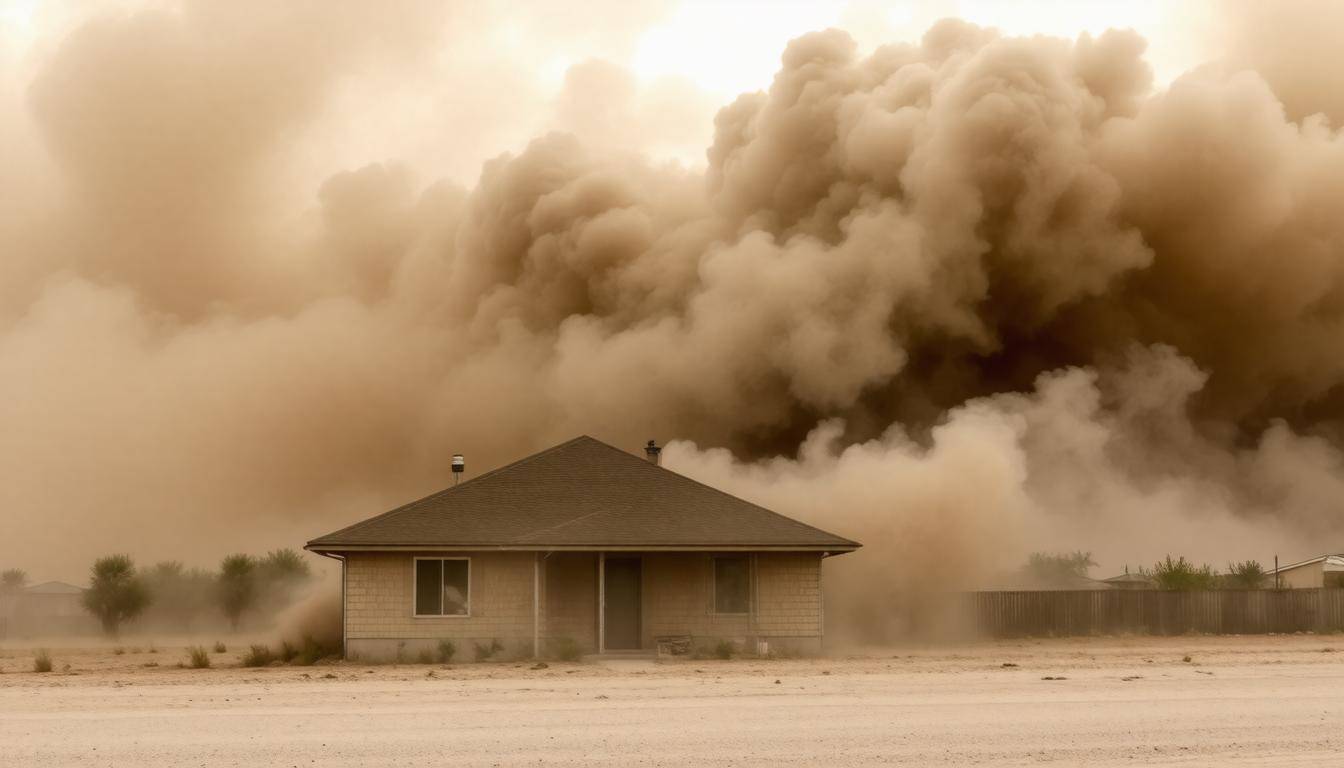
Dust storms can be relentless, but with the right strategies, you can minimize their impact on your living space. One of the simplest yet most effective actions is to tightly close all windows and doors, creating a barrier against the swirling debris outside. This serves as your first line of defense, preventing dust from infiltrating your sanctuary.
Sealing entry points is essential. Installing weather stripping around doors and windows not only helps keep your home insulated but also prevents dust from sneaking in through tiny gaps. Investing in higher-quality caulk or simple foam seals yields significant benefits with minimal effort. Take a moment to check for any cracks in walls or foundations that could let unwanted particles escape into your home.
Once you’ve secured the borders of your home, the next focus should be ensuring that the air you breathe indoors remains clean.
Utilizing air purifiers equipped with HEPA filters is one of the most effective ways to maintain indoor air quality during dust storms. These purifiers can capture up to 99.97% of airborne particles, including dust, allergens, and even pathogens. Running these units creates a refuge within your home and provides peace of mind that you are doing everything possible to protect yourself and your family from respiratory issues related to poor air quality. Additionally, employing exhaust fans when necessary helps circulate fresh air, reducing any build-up of indoor contaminants.
As we move outdoors, it’s crucial to turn our attention to how we manage our environment.
Protecting outdoor equipment is vital during dust storms as well. Covering or moving items like patio furniture and barbecue grills inside prolongs their lifespan and keeps them free from the grime that dust storms bring. Dust-covered items lead to further wear and tear, compromising their utility and requiring extensive cleaning after the storm passes.
Finally, adopt landscape strategies that enhance soil stability. Planting native vegetation beautifies your yard while helping anchor the soil in place. Deep-rooted plants are particularly adept at minimizing erosion during high winds associated with dust storms. This practice contributes positively to local ecosystems by supporting biodiversity and providing habitats for wildlife.
Implementing these preventative measures shields both your home and health from the adverse effects of dust storms, making way for further insights on how to ensure safety under such challenging conditions.
Critical Survival Recommendations
In the midst of a dust storm, actions taken can make the difference between safety and peril. First and foremost, being knowledgeable and prepared is integral to weathering the storm unscathed. For instance, having a battery-powered radio at your side can keep you connected to essential updates regarding the storm’s progression or when it’s safe to venture outside again.
In an age where technology dominates our lives, it’s easy to dismiss older devices as useless. However, in situations like these—where power may go out and cellular services may be disrupted—having this connection can give you peace of mind.
Beyond just updates, consider assembling an emergency supply kit that exceeds mere necessities. Instead of waiting for a dust storm to strike, it’s wise to compile items like one gallon of water per person per day, along with non-perishable foods such as granola bars or canned goods. Don’t forget medications too; have at least a week’s worth handy. A flashlight is critical since visibility can drop significantly during severe storms. By having these essentials ready in a durable container or backpack, you’re not merely prepared—you’re taking proactive responsibility for your well-being.
Another aspect often overlooked is establishing a communication plan. It’s crucial to inform family members about safety procedures, creating a framework everyone understands ahead of time. This could mean discussing where to meet if separated or how to check in with each other during emergencies.
If adverse conditions arise and you find yourself cut off from others, having these open conversations beforehand ensures that everyone knows exactly what steps to take.
Always remember: While preparing is key, having a quick reaction plan allows for adaptability in unexpected situations.
Understandably, high-profile vehicles need special consideration during dust storms; taller vehicles are more susceptible to wind gusts that can throw them off course more easily than lower-profile models. This means operators must exercise even greater caution and adjust their speed accordingly when conditions change.
As part of a comprehensive emergency response strategy when encountering a sudden dust storm, be sure to practice the “pull aside, stay alive” approach: slowly reduce speed and pull your vehicle off the roadway as soon as you notice visibility deteriorating. This action prevents accidents caused by abrupt stops or distractions from other drivers who might still be navigating through reduced visibility.
Lastly, it’s essential that all passengers remain buckled up inside the vehicle until visibility improves. Many people may think that exiting the vehicle could offer better shelter; unfortunately, it often increases risks as blowing debris can cause injury or misjudgment in trying to find safer ground.
These measures enhance individual safety while promoting community awareness—the next step involves diving deeper into coordinated actions and support systems that can help residents effectively respond to these challenging weather events.
Emergency Response and Support
Knowing who to contact during a dust storm can drastically change your response and improve your safety. Familiarizing yourself with local emergency numbers and services is essential. For instance, in Arizona, simply dialing 511 connects you to real-time traffic and weather updates, which can be invaluable during chaotic weather events.
Furthermore, mobile applications like RAFT (Real-time Aid For Transportation) provide specific guidance on navigating dust storms, offering alerts that can steer drivers away from dangerous areas.
Mark, an Arizona resident, found himself caught in a severe dust storm last year. He credits the quick notifications he received through these services as instrumental in safely navigating his way home without incident.
While these emergency services play a crucial role in keeping communities safe during dust storms, self-preparedness is equally important. It’s vital to have a plan that incorporates both proactive measures—like keeping your vehicle equipped with necessary supplies—and reactive strategies for when the storm hits. A robust emergency response begins with individuals understanding their community resources while also taking personal responsibility for their safety.
When faced with adverse weather conditions, maintaining communication is vital. Keep phones charged and consider packing portable chargers in your vehicle’s emergency kit. Additionally, ensure you’ve got backup emergency numbers written down somewhere easily accessible in case phone networks are slow or jammed during a storm.
To strengthen your emergency preparedness plan further, consider assembling an emergency kit tailored specifically for dust storms. This kit should include essentials such as water bottles, extra blankets, masks to filter out fine particles from the air, and flashlight batteries to navigate if visibility drops suddenly. It’s not just about having supplies but being adept at knowing when to use them.
Lastly, staying informed is your best defense against the impacts of dust storms. Regularly check weather forecasts from reputable sources and heed local advisories issued by authorities. Dust storms can arise without warning; being knowledgeable about incoming conditions allows you to prepare accordingly rather than reacting in panic.
Emphasizing both community support through established channels and individual preparedness leads to a more comprehensive strategy for facing the unpredictable nature of dust storms. Ultimately, it’s about building a culture of vigilance where every member knows how to respond effectively when the winds of change blow in quickly.
What are the signs of an approaching dust storm that indicate the need to implement visibility procedures?
Signs of an approaching dust storm include a noticeable drop in visibility, the appearance of a wall of dust on the horizon, and sudden gusts of wind carrying loose particles. The National Weather Service indicates that visibility can decrease to less than 1/4 mile during severe dust storms, making it crucial to implement safety procedures promptly. Drivers should be aware of rapidly changing conditions and should find a safe location to stop when visibility diminishes significantly.
What specific steps should I take if I encounter a dust storm while driving?
If you encounter a dust storm while driving, the safest steps are to slow down immediately, turn on your hazard lights, and pull off the road as much as possible to avoid visibility issues. According to the National Weather Service, dust storms can reduce visibility to less than a quarter of a mile in seconds, so it’s crucial to find a safe place away from other vehicles. Once stopped, keep your headlights on and remain in your vehicle until the storm passes. Statistics show that over 300 accidents occur annually in Arizona alone due to dust storms, underscoring the importance of these safety measures.
What technology or tools can help improve safety and visibility during a dust storm?
Various technologies can significantly enhance safety and visibility during a dust storm. High-quality GPS navigation systems equipped with real-time weather alerts can help travelers avoid hazardous areas, while specialized dust masks and goggles protect against inhalation and eye irritation. According to the National Weather Service, using proper visibility aids such as reflective clothing and bright vehicle lights can cut down accident rates by over 30% during low-visibility conditions. Additionally, mobile apps that provide live updates on dust storm locations empower individuals to make informed decisions, ultimately reducing risks associated with such extreme weather events.
Are there differences in visibility procedures recommended for urban versus rural areas during a dust storm?
Yes, there are differences in visibility procedures recommended for urban versus rural areas during a dust storm. In urban areas, drivers are advised to use low-beam headlights and keep their vehicles close to the side of the road to prevent collisions due to reduced visibility; urban settings also often have more obstacles and pedestrians. In contrast, rural areas may require drivers to pull off the road completely and turn off their lights to avoid being seen by other drivers, as the open spaces can exacerbate disorientation in low visibility conditions. Statistically, nearly 40% of dust storm-related accidents occur on highways, highlighting the need for tailored approaches based on local environments.
How can I prepare my home and vehicle for a dust storm to ensure visibility and safety?
To prepare your home and vehicle for a dust storm, ensure that windows and doors are tightly sealed to prevent dust infiltration, and use heavy curtains or blankets to cover them. In your vehicle, keep the windows closed, and ensure your headlights are functional; using low beams can help improve visibility in dust. It’s also wise to stock emergency supplies—such as water, food, and a first-aid kit—since dust storms can disrupt power and travel. According to the National Weather Service, visibility can drop to near zero during severe dust storms, making these precautions critical for safety.