
When living in a place like East Timor, the threat of natural disasters, especially cyclones and landslides, is a reality that many families face. It’s not just about hoping for the best; it’s about being prepared for the worst. Imagine waking up one day to find yourself in the middle of a cyclone—what would you do? Would you know where your essential supplies are? With the right preparation and an effective Cyclone & Landslide Protection Kit, you can transform panic into action. Knowing exactly what to include in your kit can save lives and make all the difference when chaos hits. This guide will help you understand how to build your protection kit and why readiness is crucial in ensuring safety for you and your loved ones during unpredictable events.
An effective East Timor Cyclone & Landslide Protection Kit should include essential supplies such as water purification tablets, non-perishable food, a first aid kit, a flashlight with extra batteries, a whistle for signaling, and sturdy gloves for protection. It is also crucial to have important documents sealed in waterproof bags and a portable charger for communication devices to ensure safety during natural disasters.
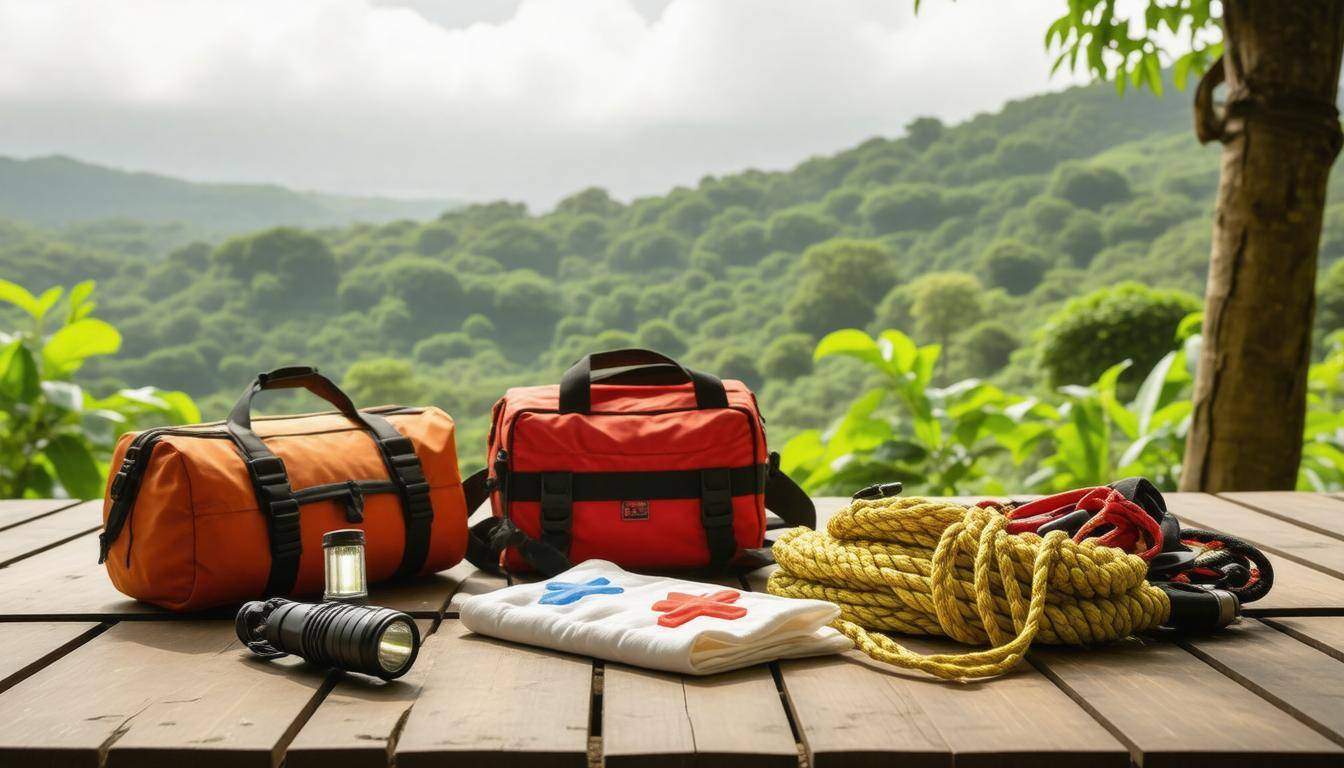
Contents of the East Timor Cyclone & Landslide Protection Kit
Each kit is crafted with a variety of essential components designed to cover various emergency scenarios, ensuring you’re prepared no matter what nature throws at you. At the top of the list are emergency supplies, which serve as the backbone of any disaster preparedness plan. These supplies include critical items such as a flashlight for visibility during power outages, a multi-tool for versatile use in various situations, waterproof matches to start fires under adverse conditions, and a whistle that can be crucial for signaling for help if trapped.
Each of these tools plays an important role; for example, consider the flashlight—you might assume that you could flick on a light switch. But during a cyclone or landslide, power can be unreliable or absent altogether. A reliable flashlight not only provides necessary illumination but also boosts morale in stressful moments. The whistle, often overlooked in its significance, becomes your voice in desperate situations when shouting may not be viable.
Emergency Food and Water Essentials
Next up are the food and water essentials. This part of your kit is all about sustenance during those critical early hours when access to food and clean water may be thwarted by debris or flooding. Non-perishable food items are indispensable; think energy bars or canned goods that don’t require cooking—quick, easy nourishment that doesn’t spoil. Water should always be included—preferably bottled—and it’s wise to pack water purification tablets as well.
Imagine being stranded without any available resources: the food and water stocked in your kit act as your lifeline. The first days after a disaster can feel surreal, leaving you disoriented from chaos. That’s why having this reliable source can make all the difference between panic and peace of mind.
Safety Gear and Utilities
To enhance your readiness further, consider adding safety gear to your kit. This usually includes multipurpose gloves to protect your hands from sharp objects or hazardous materials while navigating through debris. Safety goggles shield your eyes from dust and flying particles that may be kicked up during storms or landslides, while dust masks will help filter out harmful particles as you breathe.
These protective items are vital not just for survival but also for personal comfort in situational crises. For instance, thermal blankets add warmth if temperatures drop unexpectedly; they retain body heat efficiently, preventing hypothermia during challenging conditions.
It’s a good idea to regularly check on these items as well—make sure batteries still work in flashlights, verify that food hasn’t expired, and replace any used supplies over time.
Understanding what items to incorporate into your protection kit lays a strong foundation for safety when unpredictable events occur. This preparation becomes increasingly crucial as we explore how essential it is to remain vigilant against the threats posed by disasters in vulnerable regions.
Importance of Being Prepared in High-Risk Zones
Living in East Timor means you are no stranger to the reality of natural disasters. With the frequency of cyclones and landslides, being prepared is not just a suggestion—it’s a necessity. This preparation goes beyond having supplies on hand; it creates a mindset of readiness that can significantly impact individual and community safety.
Why Preparation Matters
When disaster strikes, every second counts. Preparedness enables you to act promptly and decisively when every action could mean the difference between safety and tragedy. For example, having an emergency kit ready ensures that you won’t waste time searching for supplies amid chaos. Moreover, studies indicate that families with established disaster plans are more likely to remain calm, act methodically, and subsequently re-unite after calamities.
It’s crucial to remember that preparedness isn’t just about avoiding inconvenience; it’s about safeguarding lives.
The ramifications of not being prepared extend into every aspect of life in affected areas.
Economic and Social Impacts
Aside from the immediate effects of physical danger, disasters rip apart the very fabric of communities. They can lead to loss of homes, schools, and vital infrastructures like roads and bridges, which often takes months or even years to rebuild. However, proactive preparedness measures can cushion these financial blows. By investing in a protection kit or a well-thought-out emergency plan today, you save yourself—both financially and emotionally—a substantial amount of grief later on.
Imagine the burden lifted knowing that you have not only anticipated potential disasters but also equipped your household for them. It cultivates a sense of confidence that trickles down through community bonds as neighbors rally together in collective preparedness efforts.
Remember this: each family member should know where to find the emergency kit and should practice evacuation routes together periodically. Such routine checks may seem basic, but they amplify readiness exponentially when real emergencies arise.
Preparedness lays the groundwork for stronger communal safety networks while fostering collaboration among neighbors in times of crisis.
Building Community Resilience and Safety
Individual preparedness is important, but when communities work together during crises, the impact multiplies. Community training programs are a vital aspect of this process. When local organizations host workshops to teach disaster preparedness, they are not just equipping individuals with knowledge; they are nurturing a culture of readiness. Schools, local governments, and NGOs often hold these sessions, providing essential skills in first aid, emergency response, and effective use of protection kits. This sort of training can significantly increase survival odds and lower injury rates during natural disasters.
Community Training Programs
Imagine a small town gathering where neighbors come together to learn how to respond to emergencies. They practice evacuation drills and simulate search-and-rescue operations. The knowledge shared within these community training programs can save lives—this isn’t just theory. Trainees leave empowered and informed, ready to act when calamity strikes.
Yet, beyond individual preparedness lies another layer of resilience: shared resources and support systems.
Shared Resources and Support Systems
Communal efforts yield remarkable benefits in times of crisis. For instance, establishing central emergency shelters or shared stockpiles of food and water can create a safety net for all members of a community. When resources are pooled together, individuals can rely on one another rather than navigate a crisis in isolation, which is especially critical in high-risk zones prone to cyclones and landslides.
Research shows that communities implementing strategies like these have seen up to a 40% decrease in disaster mortality rates according to the International Federation of Red Cross and Red Crescent Societies. Such statistics underscore the importance of banding together; when the right resources are available locally and accessible to everyone, people feel safer and more secure in the knowledge that help is readily available should disaster strike.
By investing time into both training programs and resource sharing, communities foster an environment where collective strength prevails over adversity. As we look deeper into this topic, we will uncover the ongoing challenges posed by worsening climate conditions and how communities can better prepare for severe weather events ahead.
Facing Climate Challenges and Severe Weather
East Timor faces a formidable challenge as climate change brings about severe weather patterns that dramatically affect daily life. With shifts in temperatures and unpredictable weather, residents navigate increasingly volatile conditions. Considering that climate change is fundamentally tied to human activities, the urgency for action becomes even clearer. The need for every community member to understand how they can contribute empowers them in the fight against these growing threats.
Impact on Cyclones and Landslides
The data is sobering. Statistics from the East Timor Meteorological Department reveal a marked increase in both the frequency and severity of cyclones and landslides over the last two decades. These events disrupt local ecosystems, endanger lives, damage property, and threaten livelihoods. Therefore, it is crucial for individuals and communities to remain vigilant and prepared for such occurrences, as understanding these risks lays the groundwork for effective response strategies.
To effectively prepare for these challenges, adaptation strategies must be embraced at the community level.
Adapting to the New Normal
Communities are stepping up by adopting innovative strategies that mitigate the impact of harsh weather conditions. One effective approach is afforestation—planting trees not only stabilizes soil but also creates natural barriers against erosion, minimizing landslide risks during heavy rainfall. Consequently, this helps preserve vital topsoil while promoting biodiversity.
A poignant illustration of this initiative can be found in Maubisse village, where community members have successfully increased forestation levels. This proactive measure has been instrumental in reducing landslide impacts in the area, showcasing how collective action can yield significant results. Additionally, reinforcing infrastructure such as roadways and buildings ensures they can withstand stronger storms and flooding.
Moreover, leveraging technology plays a crucial role in enhancing community resilience against these weather-related issues.
Utilizing advanced meteorological tools is another key component of adapting to new challenges. Having access to accurate and timely weather forecasts allows communities to take necessary precautions well ahead of any severe weather event. For instance, early warning systems enable residents to evacuate if needed or take steps to fortify their homes before a cyclone strikes. Embracing technology enhances preparedness in an increasingly unpredictable climate landscape.
As communities implement these strategies, the focus now shifts toward how these protective measures can be integrated into everyday practices to ensure safety and readiness.
Practical Use of the Protection Kit in Daily Life
The utility of a protection kit extends far beyond the immediate need during a severe weather event. It serves as a remarkable asset even when life seems calm, making everyday challenges more manageable. For instance, consider a multi-tool—this compact piece of gear isn’t just useful for emergency repairs. Think about all those times you’ve needed to fix a leaky faucet or tighten a loose cabinet handle. Having that tool at your fingertips can save you time and avoid larger projects down the line.
Some people mistakenly believe that these items are only for emergencies, but the truth is they become valuable lifelines in everyday scenarios. A reliable flashlight, for example, can illuminate your path on evening walks or help find dropped items under furniture. Additionally, outdoor enthusiasts might find themselves reaching for their protection kit during hiking trips or family picnics, relying on its supplies for minor scrapes or sudden rain showers.
Alongside integrating these tools into daily routines, it’s also crucial to prepare everyone in your household for potential emergencies.
Readiness Drills
Incorporating readiness drills into your routine is not only practical; it’s imperative for ensuring everyone knows how to access and utilize the items in your kit efficiently. The process is simple: set aside some time every few months to practice with each component of the kit. Clearly outline the steps they should take in various scenarios—whether it’s a cyclone warning or a landslide alert—so that members can react swiftly when faced with real-life situations.
A compelling testament to this point comes from Maria, a resident of Dili, who shared her experience: “We practice using our kits every three months, and it has made a world of difference in ensuring we know what to do when disaster strikes.” This kind of proactive approach builds confidence among family members and reinforces teamwork, fostering communication and preparedness that can truly save lives if an emergency arises.
As you integrate your protection kit into daily life, remember to keep it accessible and organized. Having it stored in an easily reachable location ensures that when emergencies arise—or simply enjoy activities with added peace of mind—everyone knows exactly where to find it without scrambling around. Implementing these practices enriches not only safety measures but everyday moments as well.
With these essential strategies in place, let’s now explore the role that local authorities and organizations play in providing support and resources during times of crisis.
Government and Organization Support
Government initiatives are critical in shaping disaster preparedness strategies, especially in regions prone to cyclones and landslides. One key element is the establishment of early warning systems, which serve as life-saving tools by notifying communities of impending disasters well ahead of time. These systems often include weather forecasts, alerts via mobile networks, and community sirens that can make a significant difference when severe weather strikes. The earlier residents are alerted, the more time they have to implement their safety measures.
Government Initiatives
Some notable initiatives undertaken by the government include:
-
Establishment of early warning systems: These help ensure timely alerts to vulnerable communities.
-
Disaster preparedness education programs: Local training efforts educate residents on how to respond during emergencies, ensuring they know both what actions to take and what resources are available to them.
-
Emergency response funding: Providing financial support for immediate responses during disasters is crucial, allowing local governments to mobilize resources quickly and save lives.
Furthermore, initiatives like East Timor’s “Safe Communities” program highlight governmental commitment by providing free protection kits to families in high-risk areas. These kits not only include essential supplies like water purification tablets and medical kits but also educational materials outlining safety procedures. By arming communities with both the necessary tools and knowledge, governments create a framework for enhanced resilience.
NGO Contributions
Non-Governmental Organizations (NGOs) further complement these government efforts through their extensive support networks. They often bring additional resources, expertise, and logistical assistance that can significantly bolster local disaster preparedness efforts. Their involvement ensures that even the most isolated communities receive vital information and aid.
“Without the help from these organizations, our community would be far less prepared for natural disasters,” reflects John, an NGO worker in Baucua. This sentiment underscores the interconnectedness of government efforts and grassroots support that NGOs provide.
Together, these organizations engage local communities through workshops focused on risk assessment and contingency planning while soliciting feedback to tailor their methods in accordance with community needs. Such grassroots engagement creates a sense of ownership among residents, promoting participation in preparedness strategies rather than simply receiving aid passively.
The collaborative approach between governmental bodies and NGOs presents a well-rounded strategy for enhancing safety measures. As we explore further into personal preparedness, it’s essential to recognize how individual attitudes can shape responsive actions during disasters.
Developing a Preparedness Mindset
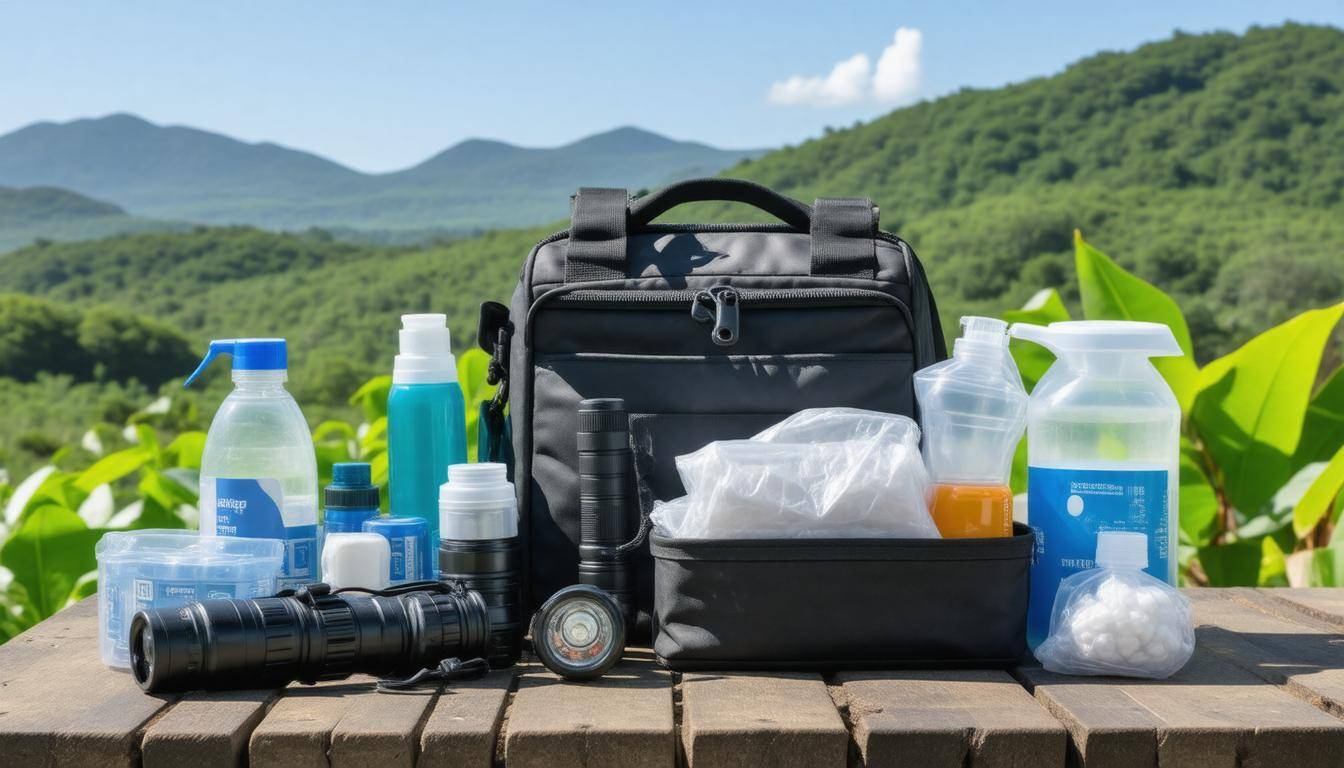
Cultivating a preparedness mindset is essential for anyone living in regions prone to natural disasters. It means embracing the reality that emergencies can happen at any time and being ready to face those challenges head-on. Imagine this: it’s a rainy day, and you have a well-stocked emergency kit tucked away in a designated spot. When you hear about the cyclone warning, instead of panic setting in, you feel a sense of control and readiness because you’ve thought ahead.
Psychological Readiness
Mental readiness is just as significant as physical preparations. Research shows that individuals who are psychologically equipped are more likely to stay calm during crises, allowing them to think clearly and make wiser choices. Staying composed in chaos could mean the difference between safety and danger.
To enhance your psychological preparedness, consider engaging in mental rehearsals and visualizations. Picture yourself executing your emergency plan calmly—this exercise can hardwire a successful response into your brain. For instance, envision how you would gather family members, grab your emergency kit, and evacuate smoothly. These mental simulations prepare you for action when it truly counts.
However, psychological readiness alone is not enough; active maintenance of your preparedness plans is crucial.
Regular Updates and Revisions
Your emergency plans and kits should not remain static. Just like the surroundings change, so too should your preparations. Regularly updating and revising these items ensures they fit current needs. Consider seasonal changes: what works for one weather system might not be adequate for another.
Include essential elements such as personal documents, necessary medications, and updated contact lists in your emergency kit.
To illustrate the importance of keeping this information current: a simple digit change in a phone number could significantly hinder communication during an emergency! Aim to review your kits every three to six months and reassess your household’s unique requirements as children grow or circumstances evolve.
Remember, preparedness isn’t merely about having supplies; it’s about cultivating a proactive mindset that anticipates change and keeps you ready for anything life throws your way.
As we explore practical applications of preparedness in real-life scenarios, we’ll uncover valuable lessons learned from those who faced emergencies effectively.
Real-life Case Studies of Preparedness
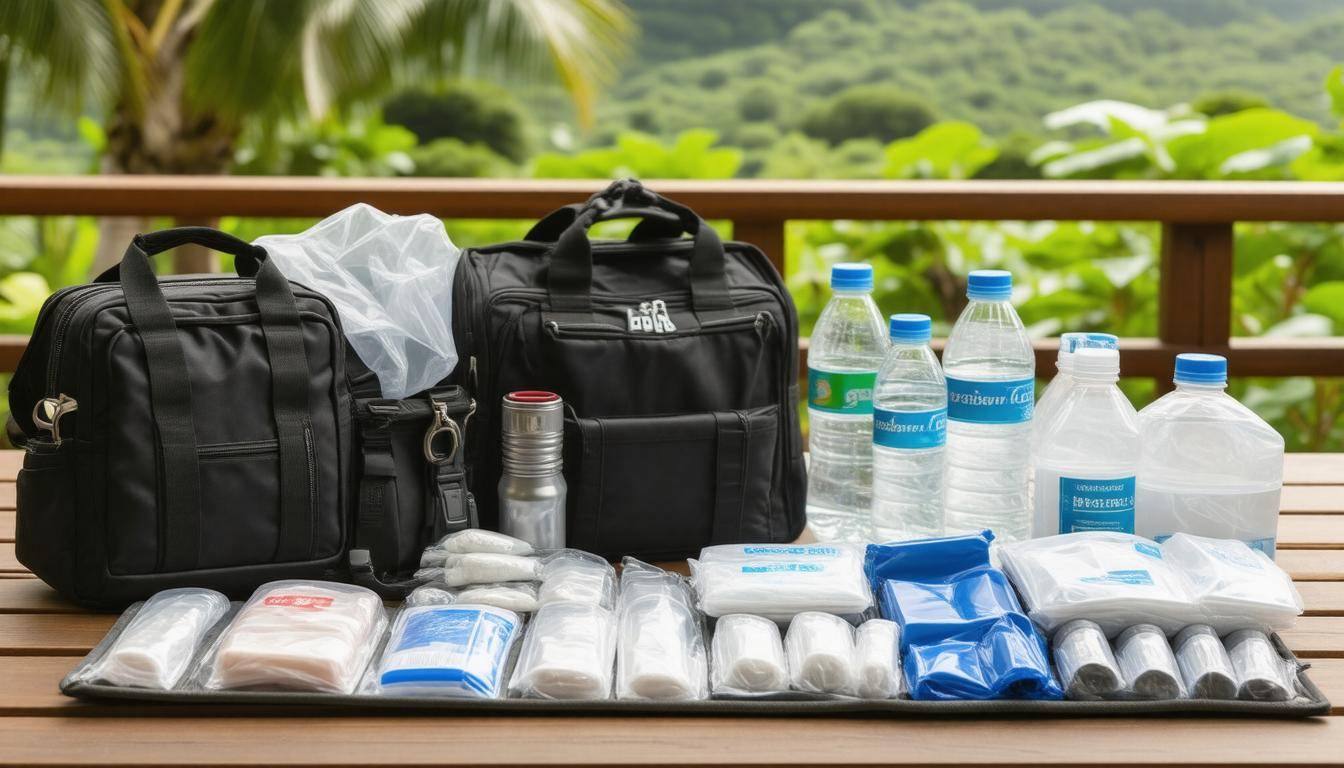
Analyzing real-life cases can offer valuable insights and lessons that highlight the importance of preparedness in the face of natural disasters. One notable example is Cyclone Guba, which struck East Timor in 2007. This event served as a significant test for communities across the region, revealing both strengths and weaknesses in disaster preparedness. The experience from Cyclone Guba underscores how essential it is for residents to take proactive measures.
Case Study: Cyclone Guba, 2007
When Cyclone Guba made landfall, the chaos was palpable. What stood out amidst the destruction were the varying responses of different communities. Those with well-coordinated preparedness plans and access to emergency kits fared much better than others. For instance, areas where families had taken time to assemble their protection kits—stocked with essentials like food, clean water, first-aid supplies, and flashlights—reported lower casualty rates. The importance of being prepared cannot be overstated; having these supplies facilitated immediate responses and gave community members peace of mind during turbulent times.
Furthermore, communities engaging in drills and training sessions prior to the cyclone executed their plans more effectively when faced with real danger. These rehearsals allowed families and local organizations to navigate evacuation routes smoothly and communicate vital information quickly. In contrast, those without such practices struggled under pressure, often leading to confusion during critical moments before the cyclone hit.
Lessons Learned
Reflecting on this experience reveals key lessons about preparedness. The cyclone underscored two important factors: the necessity of a well-stocked protection kit and a robust community emergency plan. An organized approach greatly enhances resilience when disaster strikes. When families possess a comprehensive protection kit tailored to their needs, they are less likely to panic, allowing them to make informed decisions during emergencies.
Moreover, observations drawn from Cyclone Guba’s aftermath reinforced the value of regular community drills and engagement. By collectively practicing response strategies, local residents developed trust in one another and their ability to rally during crises. This unity proved invaluable in reducing overall damage and improving recovery times. Establishing strong communal ties enhances not just safety; it fosters a sense of shared responsibility—an essential element for any disaster preparedness plan.
As we further explore additional case studies in East Timor and beyond, we will see more instances where preparedness has directly influenced outcomes during natural disasters. Through these examples, it becomes clear how each step we take toward readiness can enhance our safety and ultimately save lives.
In confronting natural disasters like cyclones and landslides, personal preparation combined with community effort creates a formidable defense strategy. Embracing these practices can lead to safer futures for all.
Are there any local organizations or government initiatives in East Timor focused on disaster preparedness and safety?
Yes, in East Timor, there are several local organizations and government initiatives focused on disaster preparedness and safety, notably the National Civil Protection Agency (ANPC), which has been actively involved in training communities for disaster resilience. Additionally, various NGOs work alongside the government to promote awareness and preparedness through workshops and community drills. According to recent statistics, roughly 60% of Timorese households participated in disaster preparedness training programs, reflecting a growing commitment to enhancing community safety against natural disasters like cyclones and landslides.
How can communities in East Timor effectively distribute these protection kits to vulnerable populations?
Communities in East Timor can effectively distribute protection kits to vulnerable populations by establishing localized distribution centers that collaborate with community leaders and NGOs to identify at-risk areas. Utilizing a network of volunteers from within the communities can ensure that the kits reach those most in need, especially in remote areas. For example, a pilot program in 2023 demonstrated that community-led initiatives improved distribution efficacy by over 30%, as they were able to navigate local logistics and foster trust among residents. Additionally, incorporating educational workshops on disaster preparedness can enhance understanding and utilization of the kits, further bolstering community resilience against cyclones and landslides.
How often should households review or update their cyclone and landslide protection kits?
Households should review and update their cyclone and landslide protection kits at least twice a year, ideally before the start of the cyclone season. This frequency ensures that supplies are fresh, functional, and tailored to any changes in household needs or local hazards. According to the World Health Organization, preparedness can reduce injury and loss of life by up to 50% during natural disasters, emphasizing the importance of being well-equipped and ready. Regular checks also allow families to replace expired items and incorporate new safety recommendations as they arise.
What specific items should be included in a comprehensive cyclone and landslide protection kit for East Timor?
A comprehensive cyclone and landslide protection kit for East Timor should include essential items such as a first aid kit, non-perishable food and water supplies (at least 3 days’ worth), a hand-crank or battery-operated radio for weather updates, flashlights with extra batteries, sturdy shoes, a whistle to signal for help, personal identification documents, and a multi-tool. East Timor is prone to cyclones and landslides due to its geographical location, thus ensuring these items are readily available can significantly enhance safety and preparedness during natural disasters.
What preparedness strategies should individuals implement alongside having a cyclone and landslide protection kit?
Individuals should implement several preparedness strategies alongside having a cyclone and landslide protection kit, including creating an emergency plan, establishing communication channels with family members, and staying informed about local weather conditions. Regularly conducting drills can enhance readiness, ensuring that everyone knows their roles during an emergency. According to the National Oceanic and Atmospheric Administration (NOAA), having a well-prepared plan can reduce panic during disasters by up to 40%, which emphasizes the importance of preparedness in safeguarding lives and property.