
As storms and floods become more frequent due to changing weather patterns, the need for proactive measures has never been more critical. Residents of the Eastern Cape are all too familiar with the chaos that heavy rains can cause, from flooded homes to disrupted lives. This article breaks down the essential Storm and Flood Protection Plan designed not just to react to these disasters but to prevent them when possible. By integrating technology, community involvement, and infrastructure improvements, we can work together to safeguard our loved ones and our neighborhoods from the unpredictable forces of nature. Let’s dive into this comprehensive plan and explore how it aims to make our region safer for everyone.
The Eastern Cape Storm & Flood Protection Plan is a strategic framework designed to mitigate the impact of severe weather events, including storms and floods, throughout the region. It includes engineering solutions, emergency response protocols, and community education initiatives aimed at enhancing resilience and safeguarding residents against natural disasters.

Eastern Cape Storm & Flood Protection Plan
The Eastern Cape’s storm and flood protection plan is built to address the acute weather challenges that the region faces. It encompasses a comprehensive set of strategies aiming to mitigate the impact of heavy rainfall and flooding, ensuring that communities can respond effectively when disasters strike.
Early warning systems are crucial; they provide residents with timely alerts about impending storms, thereby enabling them to take precautionary steps.
An essential feature of this plan is improved drainage infrastructure. Proper drainage minimizes the risk of urban flooding during heavy rains and ensures that excess water is channeled away from populated areas. Consider a recent upgrade project that integrated permeable materials into road design; this advanced method allows water to pass through, reducing surface runoff and lowering flood risks.
However, there are differing opinions on how best to allocate resources for these preventative measures. Some experts advocate for bolstering natural flood defenses, such as wetlands, which serve as natural sponges—absorbing excess water and providing ecosystems with other benefits. Conversely, others posit that investing in cutting-edge forecasting technologies could yield quicker outcomes in terms of disaster management and response.
Beyond infrastructure improvements, public education campaigns are critical in this strategy. By teaching communities about flood risks and safety measures, individuals can better prepare themselves ahead of storms. Informational workshops can foster understanding about simple actions like securing outdoor belongings or developing personal emergency plans.
Integrating advanced technology with sustainable practices, alongside community engagement, allows for a multifaceted approach to disaster preparedness. Following this, we will examine the goals and aspirations driving these efforts forward.
Objectives and Vision
The essence of the Eastern Cape Storm & Flood Protection Plan lies in its well-defined objectives, which serve as a roadmap for reducing the impact of extreme weather events. The goal is not merely to react to disasters but to take proactive steps that save lives and protect property. Each objective contributes to creating a safer environment for all communities at risk.
First and foremost is the objective of reducing flood-related casualties and property damage. This begins with tailored strategies that identify high-risk areas. For instance, local governments can focus on retrofitting homes in flood plains, improving drainage systems, or implementing flood barriers. When families know their specific risk levels, they can take concrete steps to safeguard their homes. Raising a foundation a few feet can mean the difference between a home being habitable or unlivable after a storm.
With safety as a priority, public awareness becomes the next vital component of this plan.
Enhancing public awareness and preparedness is crucial. Communities informed about potential risks tend to fare better during disasters. Schools should incorporate education about local flooding risks, how to prepare emergency kits, and what evacuation routes exist. Workshops led by local authorities can empower citizens with skills like building sandbag barriers or creating family emergency plans. A community that feels prepared is indeed less likely to panic during unforeseen circumstances.
As we explore the operational aspects of the plan, it’s essential to consider swift responses in emergencies.
The plan stresses ensuring swift and efficient emergency responses, which are only effective if communities have clear protocols in place before an event occurs. Regular drills should be scheduled so that residents understand their roles during emergencies. This might involve coordinating with local police and fire departments to ensure communication lines remain open during crises. Having easily accessible information about emergency shelters can significantly mitigate chaos when disaster strikes.
Moreover, long-term sustainability can’t be overlooked in any discussion about flood protection.
Another objective focuses on promoting sustainable land use and development practices. Urban planners must prioritize green spaces that can absorb excess water during heavy rains. By incorporating features like permeable pavements or rain gardens into new projects, we not only mitigate flooding but enhance community aesthetics. It’s about striking a balance between development and nature, considering how human activities contribute to flooding issues and seeking ways to minimize their impact.
Finally, no plan can succeed without collaboration among various stakeholders.
Effective implementation relies heavily on collaborating with multiple stakeholders, including local communities, policymakers, and scientists. Community forums encourage input from those most affected; their experiences provide critical data for policymakers. Scientists can guide evidence-based practices while advocating sustainable solutions based on weather patterns and historical data. By fostering connections among these groups, everyone works towards a common goal: safety and resilience against storms and floods.
With such multifaceted objectives set in place, we can now focus on assessing the locations most likely to face challenges during severe weather conditions.
Identifying Vulnerable Areas
Vulnerability assessments are not merely academic exercises; they are foundational steps towards building a resilient community. In the Eastern Cape, identifying vulnerable areas requires a close examination of various elements that contribute to flood risk. For starters, local geography plays a significant role—areas with low-lying topography or close proximity to water bodies are naturally more susceptible to flooding. This understanding allows us to tailor flood management strategies specifically to the needs of these regions.
The statistics speak for themselves: over 30% of the coastal regions in the Eastern Cape are classified as high-risk zones for flooding. This simple number underscores the reality facing residents and infrastructure within these areas. It’s essential that local governments and communities grasp the implications of these figures, as it directly affects their preparedness plans and resource allocation.
Assessments take into account several critical factors. Population density is key; densely populated areas, especially those without robust drainage systems, are at heightened risk during storms. Moreover, evaluating existing infrastructure reveals vulnerabilities in roads, bridges, and drainage systems that must be addressed proactively. Notably, remote sensing technology illuminates potential risk zones from a broader perspective, providing a first line of defense in identifying threats without necessitating on-the-ground assessments initially. However, while tech plays a crucial role, ground assessments are indispensable for accurately mapping high-risk zones since they offer insights that satellite images simply cannot capture.
Here’s a summary of key data points:
| Region | Flood Risk Level | Population at Risk | Key Infrastructure |
|---|---|---|---|
| Coastal Eastern Cape | High | 150,000 | Ports, residential |
| Inland River Basins | Moderate | 100,000 | Farmlands, schools |
| Urban Lowlands | High | 250,000 | Commercial centers |
Understanding this data enhances our capacity for effective planning and action. For example, regions like coastal Eastern Cape require significant investment in flood defenses and community education to raise awareness about safety protocols during storm events. On the other hand, identifying moderate risk areas enables authorities to implement targeted interventions without overwhelming resources.
Recognizing vulnerable areas paves the way for informed disaster preparedness efforts. As we continue, it becomes equally important to consider how we can effectively address the challenges that arise in monitoring these regions over time.
Mapping and Monitoring Challenges
Effective management of storms and floods hinges on the ability to accurately map vulnerable areas and monitor changing conditions. However, many obstacles stand in the way of obtaining reliable data. One significant challenge is inconsistent data availability across various regions. For example, not all areas have the same access to high-quality satellite imagery or ground-level inspections, leading to gaps in crucial information that can ultimately impact emergency preparedness.
In addition to issues with data reliability, the cost of acquiring advanced technology adds another layer of complexity. High-resolution satellites and the latest surveying instruments often come with exorbitant price tags, making them out of reach for many local governments or organizations on tight budgets. This financial barrier means that some regions may find themselves relying on outdated technology or incomplete data, putting communities at risk when disasters strike.
Consider this: inconsistent satellite imagery has led to inaccurate flood extent mapping in certain areas. Often, those who are most affected by severe weather events depend on this information for timely evacuations or resource allocation. Any errors can create chaos when families need to make split-second decisions about their safety.
To address these challenges, it’s essential to invest in high-resolution satellite technology while also emphasizing the importance of training local personnel in ground verification techniques. By equipping locals with the skills needed to gather and verify data accurately, communities can work together to ensure that they have a comprehensive understanding of their environment. This grassroots approach not only fosters better data accuracy but also enhances community resilience as residents become more engaged in disaster preparedness efforts.
Furthermore, it’s important to encourage collaboration between government agencies, research institutions, and local organizations to share resources and expertise. By pooling knowledge and technologies, regional teams can tackle mapping and monitoring challenges effectively.
As we navigate these complexities, turning our focus toward strategies that reinforce infrastructure will enhance our disaster response capabilities. Exploring how these approaches fortify our systems can pave the way for a more resilient future.
Infrastructure Resilience Strategies
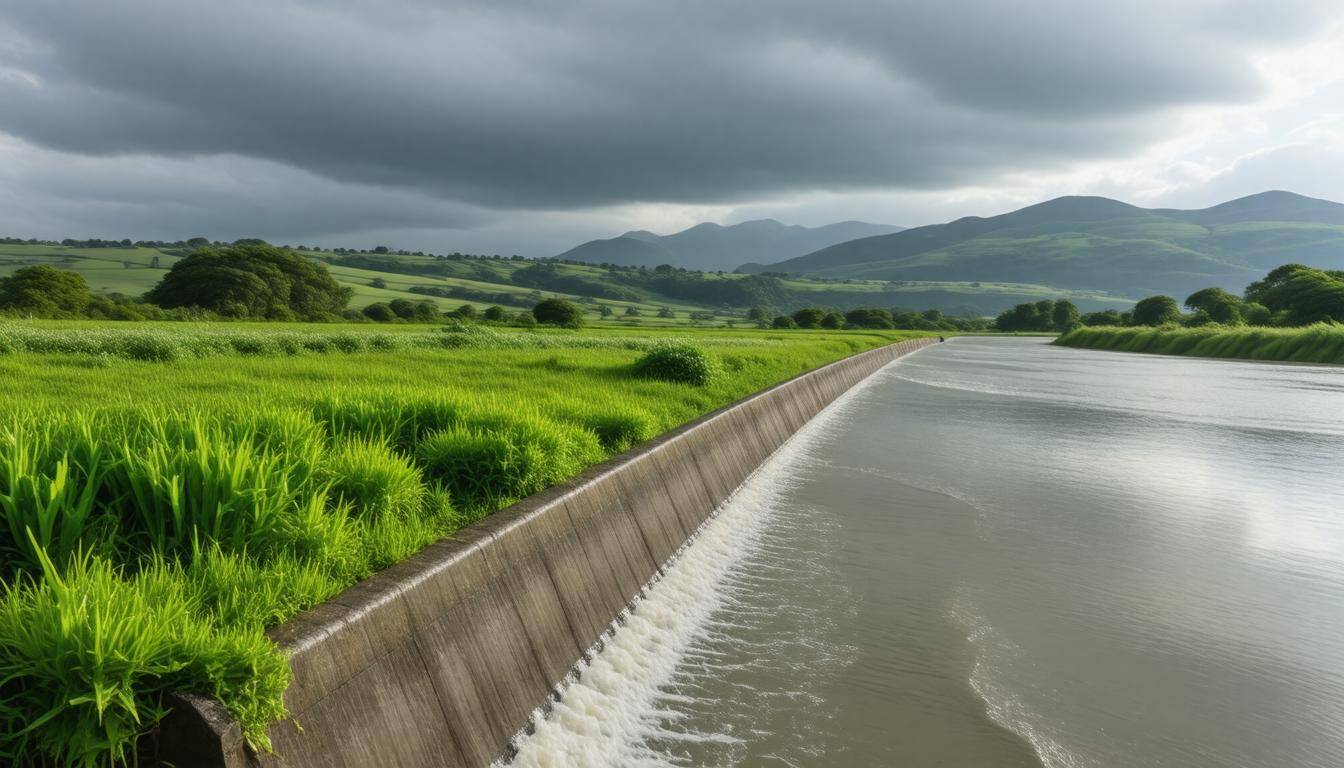
Building resilient infrastructure is not just a precaution; it’s a necessity for communities prone to extreme weather events. As we face increasingly unpredictable weather patterns, adopting strategies that can withstand the intensity of storms and mitigate flood impacts becomes vital. This involves reinforcing existing structures, including everything from shorelines to buildings, ensuring they can endure greater stress and avoid catastrophic failure during flooding.
Another integral element in this strategy is the construction of designated flood barriers. These physical barriers—be it walls or levees—serve as frontline defenses against rising waters. In many communities, these projects protect residential areas and infrastructure from the adverse effects of flooding. For instance, flood barriers can redirect water away from vulnerable zones, decreasing the risk of property damage and loss of life.
Green infrastructure has emerged as another innovative solution in the fight against flooding. By developing features like permeable pavements and green roofs, communities can promote better water absorption and significantly reduce runoff. Moreover, these solutions help in managing floodwaters while enhancing aesthetics and improving air quality.
A notable project exemplifying these principles is the Amatole Complex’s enhanced flood barriers coupled with improved drainage systems. Such initiatives are essential for long-term disaster preparedness and showcase the importance of proactive measures rather than reactive ones. Investing in resilient infrastructure now ensures safer environments for future generations.
Quick Tip
When planning for resilient infrastructure, prioritize using materials resistant to water damage—reinforced concrete, composite materials, and other advanced options are ideal choices. This focus on durability helps ensure that structures stand strong against nature’s forces over time, ultimately saving communities from costly repairs down the road.
Each of these strategies plays a vital role in building an overall system poised to protect our communities from storm-related challenges. As we explore this commitment further, understanding individual responsibilities and community involvement becomes essential.
Community Emergency Response
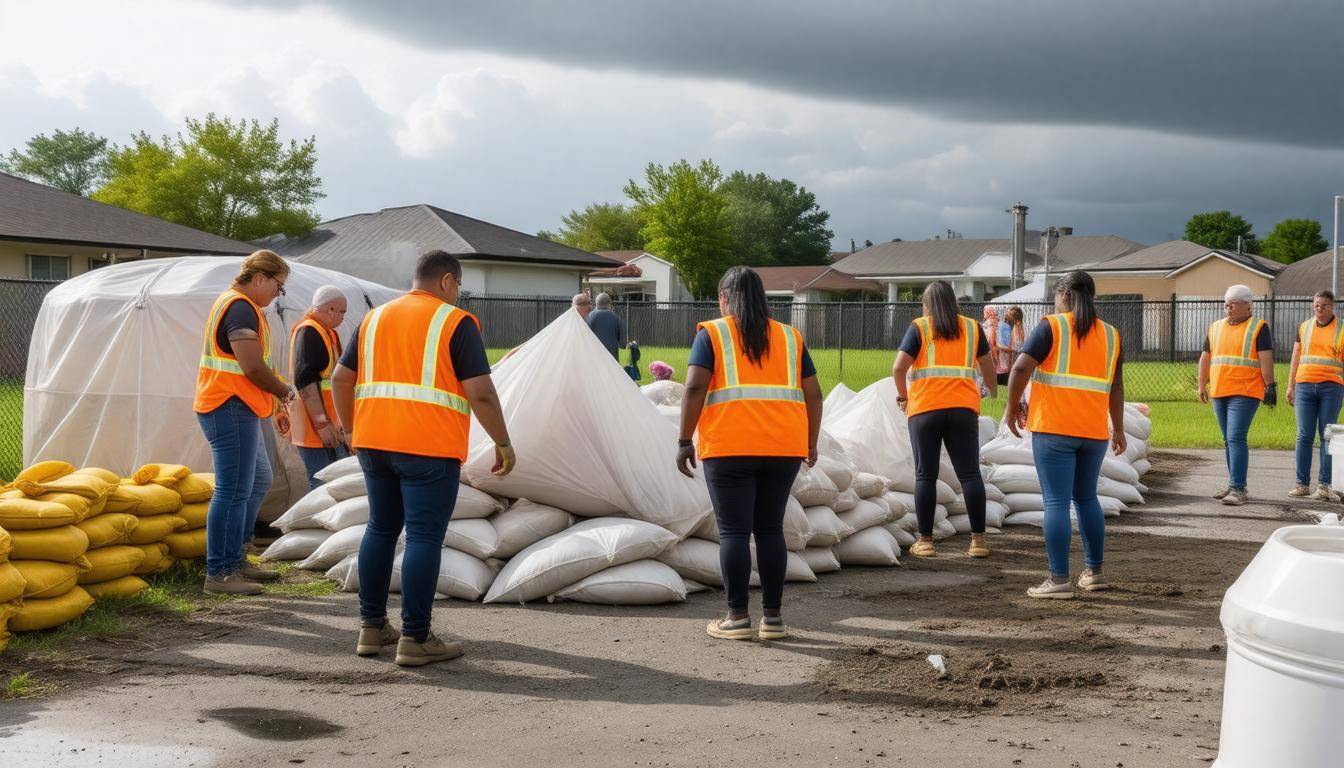
A community’s ability to respond to floods can dramatically impact the safety and well-being of its residents. By establishing a proactive approach, communities can save lives and minimize damage. The first step in effective community emergency response is organizing regular drills. These aren’t just exercises; they’re vital learning experiences that prepare citizens for real-life situations. Imagine how much calmer a group of neighbors would be during an actual flood if they had practiced their response plans together. This shared knowledge creates a sense of security and strengthens relationships among residents.
“Community drills saved us during the November floods,” shared a grateful resident from Port Elizabeth, underlining the importance of these preparations.
While drills are essential, it’s equally important to ensure that public education complements them through ongoing communication efforts.
Local media can play an invaluable role in informing residents about evacuation routes and safe zones during emergencies. Regular updates, whether through radio, social media, or community newsletters, can enhance awareness and help dispel any confusion that may arise during high-stress scenarios. Using clear and accessible language is crucial; complex jargon can leave people feeling alienated or uncertain, so keeping it simple helps everyone stay informed.
Neighborhood Response Teams
Establishing neighborhood response teams is another critical step in creating a robust emergency response plan. These teams act as the frontline defense during crises, providing immediate assistance to their neighbors while minimizing the strain on centralized government authorities. Just consider how empowering it is for residents to know they have trained individuals nearby who can offer support and guidance when time is of the essence.
Members of these teams often receive training in basic first aid, communication skills, and resource management—essential skills that fortify resilience within the community.
However, it’s not enough simply to form these teams; active participation and cohesion among team members significantly enhances their effectiveness.
As communities come together to respond effectively to emergencies, fostering camaraderie and trust among neighborhood response teams becomes paramount. Regular meetings create opportunities for planning, sharing knowledge, and conducting mock drills to further refine their effectiveness. These interactions cultivate a tight-knit group that builds mutual understanding and confidence. When people feel connected, they are more likely to engage wholeheartedly in community preparedness efforts.
Taking these steps—regular drills, informed public education campaigns, and cohesive neighborhood response teams—positions communities to better manage the challenges posed by floods and storms.
With this foundation for a strong communal response in place, it’s vital to examine the role of policy frameworks that guide implementation strategies within emergency preparedness initiatives.
Government Policy and Implementation
Effective flood protection demands not just the existence of government policies but their timely and efficient implementation. The initiatives aimed at addressing flood risk management are grounded in a comprehensive understanding of climate challenges faced by the region, yet translating these frameworks into practical solutions frequently encounters hurdles.
The government’s initiatives, such as the National Climate Change Response White Paper, underscore the urgency to prioritize flood resilience. However, bureaucratic machinery can often slow progress. As policies are drafted and approved, communities might still be waiting for tangible action—this gap between planning and execution can leave vulnerable areas inadequately safeguarded against imminent threats from nature.
To bridge this gap requires thoughtful reform that emphasizes clarity and efficiency.
Streamlining processes to fast-track flood resilience projects is vital. By simplifying approval systems for these initiatives, local governments can mobilize resources swiftly and allocate funds effectively. For example, reducing unnecessary paperwork speeds up project implementation and helps establish trust within communities—people want to see that their safety matters on a practical level. Immediate actions could include using technology to automate approvals or enhancing inter-departmental communication to eliminate redundancies.
Moreover, it’s essential for citizens to engage actively with these government policies. Understanding how these frameworks operate enables communities to advocate for quicker action and push for compliance with established policies. Awareness programs focused on citizen engagement will foster a better-informed populace that can interact constructively with policymakers. The goal is not merely to have policies sit on paper but instead to see them realized in stronger protections for every individual at risk.
By continually refining the relationship between governance and community needs, we can ensure that our policies adapt and evolve in tandem with environmental challenges presented by storms and floods.
As we transition into discussions about future strategies, it’s crucial to consider how long-term approaches can enhance resilience against such inevitable challenges.
Long-Term Sustainability and Adaptation
Long-term sustainability is more than just a buzzword; it’s a critical foundation for all regions, particularly ones like the Eastern Cape that frequently face extreme weather events. By prioritizing sustainable practices, communities can bolster their defenses against inevitable climate threats. This involves maintaining current systems while enhancing them to withstand changing conditions over time. For instance, reforestation projects restore ecosystems, improve air quality, and soak up excess rainfall, thereby reducing flood risks.
Adaptation Strategies
The integration of adaptation strategies is crucial. Initiatives like wetland restoration not only provide natural barriers against floods but also create biodiverse habitats that benefit local wildlife. Incorporating climate change forecasts into urban planning ensures that future developments are resilient to potential hazards. It’s like planning a garden by considering the seasons; you wouldn’t plant tropical flowers in winter! Designing urban spaces requires understanding water flow patterns, potential surge zones, and community needs in times of crisis.
But how do we effectively implement these strategies?
Collaboration is key—governments must work closely with local communities, environmental agencies, and stakeholders to ensure that these plans are not only viable but embraced by those they aim to protect. Engaging people through educational initiatives fosters awareness about climate impacts and encourages active participation in initiatives like tree planting days or clean-up projects along riverbanks.
As climate change intensifies, adopting these sustainable practices is necessary—not simply suggested—if we want future generations to experience safe and secure living conditions.
Consider this analogy: Updating your antivirus software regularly protects you from new threats in cybersecurity. Just as technology evolves, so do our climate-related challenges. These eco-friendly measures function as our protective software against environmental vulnerabilities.
Therefore, by focusing on key areas such as reforestation, wetland restoration, and informed urban planning strategies, we create a strong foundation for a resilient Eastern Cape prepared to tackle any storm or flood that may arise in the future.
Incorporating these approaches not only safeguards the environment but also enhances community resilience in the face of climate change. Together, we can forge a path toward sustainability and security for generations to come.