
When you think about health emergencies, especially for older adults, preparation can make a huge difference. Imagine facing a sudden health scare without the right supplies at hand—it can be overwhelming and even dangerous. An Elderly Emergency Medical Kit is not just a collection of random items; it’s a carefully curated assortment designed to address the specific needs of seniors in critical moments. Having these items ready can help ensure safety and peace of mind for both seniors and their caregivers, allowing them to focus on what really matters: getting the right help, fast. Setting up such a kit may seem like a daunting task, but with some thoughtful planning and organization, it can be done quickly and effectively—making all the difference when every second counts.
An Elderly Emergency Medical Kit should include essential items such as basic bandages, antiseptic wipes, ointments for minor injuries, common medications like pain relievers and antihistamines, a thermometer, and sanitation supplies like hand sanitizer and disposable gloves. Additionally, it is crucial to include personal medical documents, a list of medications with dosages, emergency contacts, and any specialized items tailored to the individual’s health needs.
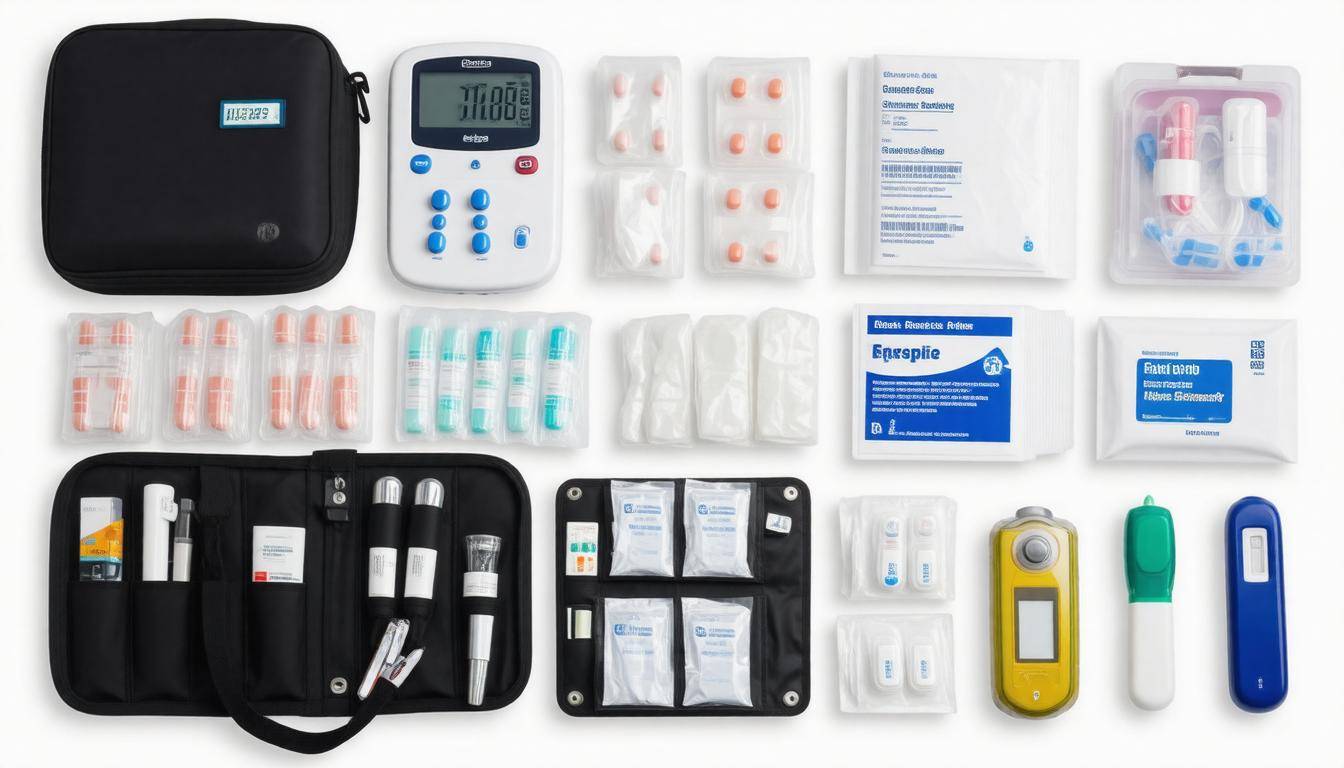
Recommended Elderly Emergency Medical Kit
A well-equipped emergency medical kit can be a lifesaver, particularly for seniors who may face unexpected health challenges. This kit should include both general first-aid essentials and specialized items tailored to meet their unique healthcare needs.
To start with, basic supplies are critical; sterile gauze pads, adhesive bandages, antiseptic wipes, and medical tape lay the foundation for treating common injuries like cuts and abrasions. Yet, beyond these common essentials, the elderly often have specific requirements—this is where thoughtful additions come into play. Think about including items such as an extra pair of glasses, which can be invaluable for those with vision impairments. Adding hearing aid batteries caters to those who rely on devices to communicate effectively. Furthermore, personal hygiene products like antibacterial wipes or adult diapers ensure that basic hygiene is maintained during emergencies—a consideration that can significantly elevate comfort levels in stressful situations.
“It’s not just what’s in the kit that matters; it’s how well it meets individual needs that truly counts.”
Merely having the tools at your disposal isn’t enough. A good idea would be to look back and tailor your kits to the preferences and health requirements of those you care for. For instance, Jane’s scenario shines a light on this point; when she revamped her first aid kit after a power outage revealed gaps in her supplies, she included over-the-counter medications that suit her family’s common issues—noting the particular importance of having antihistamines and pain relievers easily accessible.
Continuing along this line of thought emphasizes how important it is to engage proactively with healthcare requirements.
Essential Items for Seniors
In addition to basic first-aid items, essential medications play a pivotal role in any senior’s emergency kit. Having a list of current prescription medications—including dosages and instructions—provides an efficient way for caregivers or emergency responders to offer appropriate assistance. It’s smart to incorporate over-the-counter medications such as pain relievers like Tylenol or Advil, as well as allergy medications like Benadryl or EpiPens if there are allergy concerns within the household.
On top of these recommendations, consider adding:
- A Blood Pressure Monitor: Vital for managing hypertension.
- A Glucose Meter: Necessary for diabetics.
- Emergency Contact Lists: Easily accessible contacts of family members and healthcare providers are crucial during emergencies.
- Personal Health Records: Copies of individuals’ medical history or recent lab results ensure continuity of care during emergencies.
Remember that simple but necessary sanitation items—like hand sanitizer and disposable gloves—cannot be overlooked either. They help maintain hygiene while addressing any health issues and reduce potential exposure to infections.
As we shape our elderly emergency medical kits thoughtfully in line with these factors, consistency in maintenance becomes equally essential. Regular checks every six months ensure everything remains up-to-date, safe, and ready for action when needed most.
Checklist of Essential Items
Having a checklist for an elderly emergency medical kit is not just about being organized; it’s about peace of mind. When unexpected situations arise, knowing that you have the right supplies ready makes a world of difference.
The following items are crucial for any elderly emergency medical kit:
-
Anti-inflammatory medication (e.g., ibuprofen): This medication helps alleviate pain and reduce swelling, making it essential for conditions like arthritis or after minor injuries.
-
Antiseptic ointment or wipes: Vital for cleaning wounds to prevent infection, which can escalate into more severe health issues.
-
Sterile bandages and gauze: Having various sizes allows for adequate coverage of different wounds, ensuring they are protected while healing.
-
Box of disposable gloves: Maintain hygiene during medical interventions by wearing gloves when administering first aid.
-
Medical scissors and tweezers: Useful tools for removing splinters or cutting tape and dressings, ensuring a more effective treatment process.
-
Digital thermometer: A quick way to monitor any fever, so you know exactly when urgent medical attention might be needed.
-
Spare pair of glasses: Especially important for seniors with vision impairments; having an extra pair ensures everyone can see clearly in a stressful situation.
-
List of current medications with dosages: Helps caregivers or first responders manage medications accurately during emergencies.
-
Emergency contact information: A lifeline that includes doctors, family members, or nearby friends who can provide assistance when necessary.
-
Copies of medical records (DNR, advance directives): Essential legal documents provide clarity regarding the patient’s wishes in various medical situations.
-
Hydrocortisone cream for allergic reactions: Quick relief for itching or inflammation due to allergies, ensuring comfort until professional help can be reached.
-
Hand sanitizer: Maintaining a clean environment is vital before and after aiding someone; hand sanitizers ensure cleanliness efficiently.
-
EpiPen (if prescribed): Life-saving in the case of severe allergic reactions; having this readily available can make all the difference.
-
Personal medical alert system (necklace/bracelet): This wearable device provides vital health information to emergency responders when time is critical.
Remember that while this checklist provides a solid foundation, adapting it according to specific medical needs will enhance its effectiveness during an emergency. By customizing your elderly emergency medical kit, you lay the groundwork for preparedness tailored to unique health profiles—ensuring readiness as challenges arise.
Tailoring Kits to Seniors’ Needs
Personalization is essential for a well-equipped emergency medical kit, as it ensures that an individual’s specific health challenges are addressed effectively. Before assembling the kit, it’s wise to have a thorough discussion with the senior’s healthcare provider. This collaborative approach can identify any particular medications or specialized medical supplies that should be included.
Imagine a scenario where an elderly individual experiences a sudden health crisis. If their emergency kit lacks essential items such as a prescribed inhaler for asthma or critical diabetes supplies like glucose tablets and syringes, their health could be put in jeopardy. Having these items readily available can significantly improve response time during an emergency, reflecting the necessity of customization in these kits.
Take the case of Mr. Johnson, who has diabetes. His tailored kit includes glucose tablets, an extra insulin pen, and a glucometer for monitoring his blood sugar levels. By ensuring these supplies are at hand, Mr. Johnson can promptly manage any fluctuations in his health without waiting for help.
On the other hand, we have Mrs. Taylor, who battles arthritis. Her kit must cater to her unique needs by including pain management patches and easy-to-open pill bottles. These adjustments make her kit much more user-friendly, allowing her to focus on her well-being rather than struggling with difficult packaging during discomfort.
Including Unique Considerations
Beyond common items typically found in first aid kits, it’s vital to think about including certain unique items based on the individual’s lifestyle and preferences.
For instance, if a senior wears glasses, an extra pair of prescription glasses should be part of their kit. This simple addition ensures they can see clearly during emergencies, boosting their confidence in managing unexpected situations.
In addition to essential first aid supplies such as band-aids and antiseptic wipes, consider adding:
- Tweezers: Ideal for removing splinters or ticks.
- Anxiety-relieving tools: If the senior has been diagnosed with anxiety disorders, including stress balls or fidget gadgets can provide comfort during stressful moments.
Each senior’s lifestyle and daily routines contribute to their health profile; thus, kits should reflect that diversity in needs. This holistic approach ensures they remain prepared for various situations, from minor injuries to managing chronic conditions.
By carefully selecting vital components tailored to individual requirements, caregivers can ensure seniors are ready for anything life throws at them, paving the way for a more comprehensive understanding of what truly matters in first aid preparedness.
Important First Aid Supplies
A well-stocked emergency medical kit for seniors goes beyond just containing band-aids and antiseptic wipes; it encompasses specialized items that are particularly suited to address their unique health challenges.
For instance, a non-contact digital thermometer is an invaluable addition. Its ease of use eliminates the discomfort associated with traditional thermometers. Not only does this allow seniors to monitor their temperature quickly, but it also reduces the risk of cross-contamination, making it a more hygienic option.
Another practical tool that should be included is a blood pressure monitor. This device plays a critical role in allowing seniors or caregivers to monitor blood pressure regularly, especially during moments of distress or health fluctuations. The ability to gauge blood pressure in real-time can provide vital information to healthcare professionals in emergencies, ensuring timely and appropriate care. Plus, many of these monitors are designed with large displays and simplified operation, catering directly to the needs of older adults.
The importance of incorporating multifunctional tools cannot be overstated either.
Take Leatherman Raptor Shears, for example: they creatively combine medical scissors with other essential emergency tools like a seatbelt cutter and glass breaker, all within one compact unit. These shears are especially valuable because they offer versatility without taking up much room in the kit—a vital aspect since space can often be limited in an elderly emergency medical kit. Their design is user-friendly even for individuals who may struggle with grip strength or dexterity.
Consider Mr. Smith again from our earlier scenario: when he fell and hurt his leg during a family visit, having that Ace bandage on hand made all the difference. Not only did it stabilize his injury until professional help arrived, but it also exemplified how crucial it is to include items specifically designed for common injuries that seniors might face. The right tools at your fingertips can make a stressful situation far less daunting—especially when they’re easy to use and effective.
As we continue to think about what to include in these kits, let’s not forget the potential need for additional specialized supplies tailored to individual health concerns.
It’s essential that families consider personalizing their kits based on specific medical conditions or treatments relevant to their loved ones. For instance, if a senior has asthma, ensuring there are spare inhalers within reach could prove life-saving during an emergency. Similarly, those managing diabetes should have insulin kits readily available alongside high-glucose snacks in case blood sugar levels dip suddenly.
By investing time into curating a first aid kit complete with thoughtful supplies reflective of individual needs, you can significantly heighten the preparedness and safety of senior loved ones in your care.
With these essential supplies in mind, it’s crucial to focus further on medications that play a pivotal role in managing health during emergencies.
Critical Medications to Stock
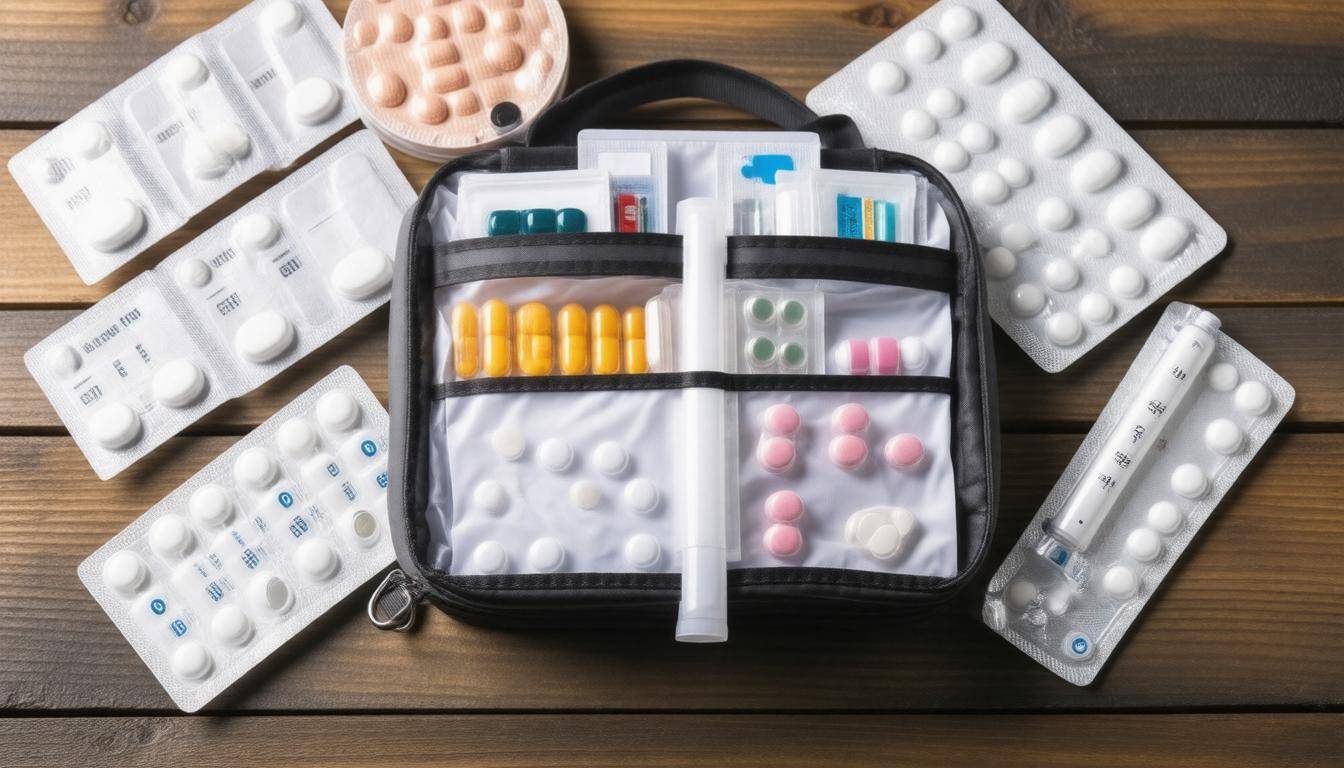
Proper medication management plays a pivotal role in elderly care, particularly because many seniors rely on multiple prescriptions for chronic conditions. According to the CDC, an astonishing 90% of seniors are prescribed at least one medication. Missing even a single dose can have serious consequences for their health. Therefore, including essential medications within a well-thought-out emergency kit is not only advisable but necessary.
To prepare for unforeseen medical emergencies, it’s prudent to keep at least two weeks’ worth of all prescription medications clearly labeled with dosage instructions and expiration dates. This foresight ensures that if a senior needs urgent care—like during an unexpected hospitalization—their essential medications are readily available and easy to access. Furthermore, combining this careful planning with clear instructions helps caregivers administer the right doses without confusion.
Understanding the delicate balance of medication—especially when many seniors are on polypharmacy regimens—can mean the difference between a minor issue and a significant health crisis.
However, there’s an ongoing debate regarding whether overstocking medications is beneficial. On one hand, critics argue that excess stock leads to waste, especially on medications that may expire before they are used. On the other hand, proponents maintain that having an extra supply accessible during emergencies can be invaluable. Imagine needing that vital heart medication during a snowstorm when pharmacies are closed—having it on hand could indeed be life-saving.
Besides prescription medications, it’s equally important to include common non-prescription drugs in your kit. Items such as aspirin, antacids, and anti-diarrheal medications should also find their way into the kit. These can address acute needs that may arise suddenly and disrupt normal routines. Nevertheless, always consult a healthcare professional about what’s best to include; after all, everyone’s medical needs can differ significantly.
Regularly reviewing the contents of your emergency medical kit is essential too. Every few months, take time to check for expired items and replace them as necessary—this keeps everything fresh and ready when you need it most. Ensuring that both prescription and non-prescription medications are part of this review maintains not just readiness but peace of mind for both seniors and caregivers alike.
Incorporating these elements into an emergency medical kit not only boosts safety but fosters a sense of security for seniors and their caregivers. Next, we’ll look at how to efficiently gather supplies for ease of use and accessibility.
Packing for Convenience
Efficient packing of the emergency kit is not merely an organizational task—it plays a vital role in ensuring that the most essential items are quickly accessible during a crisis. Imagine a situation where time is of the essence; fumbling through a disorganized bag can be detrimental when every second counts. To prevent chaos during emergencies, it’s best to create a system that allows users to locate what they need without unnecessary delays.
One effective strategy is to use small, clearly labeled ziplock bags to separate different types of items within the kit. For example, consider grouping all wound care supplies—like bandages and antiseptic wipes—together. Labeling each bag not only provides immediate clarity but also reduces stress, as caregivers can quickly see where everything is without rummaging around aimlessly. Remember to designate specific sections for items that must be on hand at all times; emergency contact cards and critical medications should be placed in the most accessible pockets of the bag. They’re your first line of defense in any emergency situation.
Additionally, larger and less frequently used items should be carefully positioned at the bottom of the bag. These could include things like spare glasses or bulky wound dressings that won’t likely be needed during everyday situations. If your kit starts becoming too heavy to carry comfortably, consider using a rolling bag as it can make transportation much easier while maintaining readiness for unexpected events.
Moreover, you might want to look into other features that enhance accessibility and organization, ensuring your first aid kit remains an effective tool for safety. This will facilitate not only ease of access but also promptness in response when unforeseen situations arise.
Routine Maintenance Tips
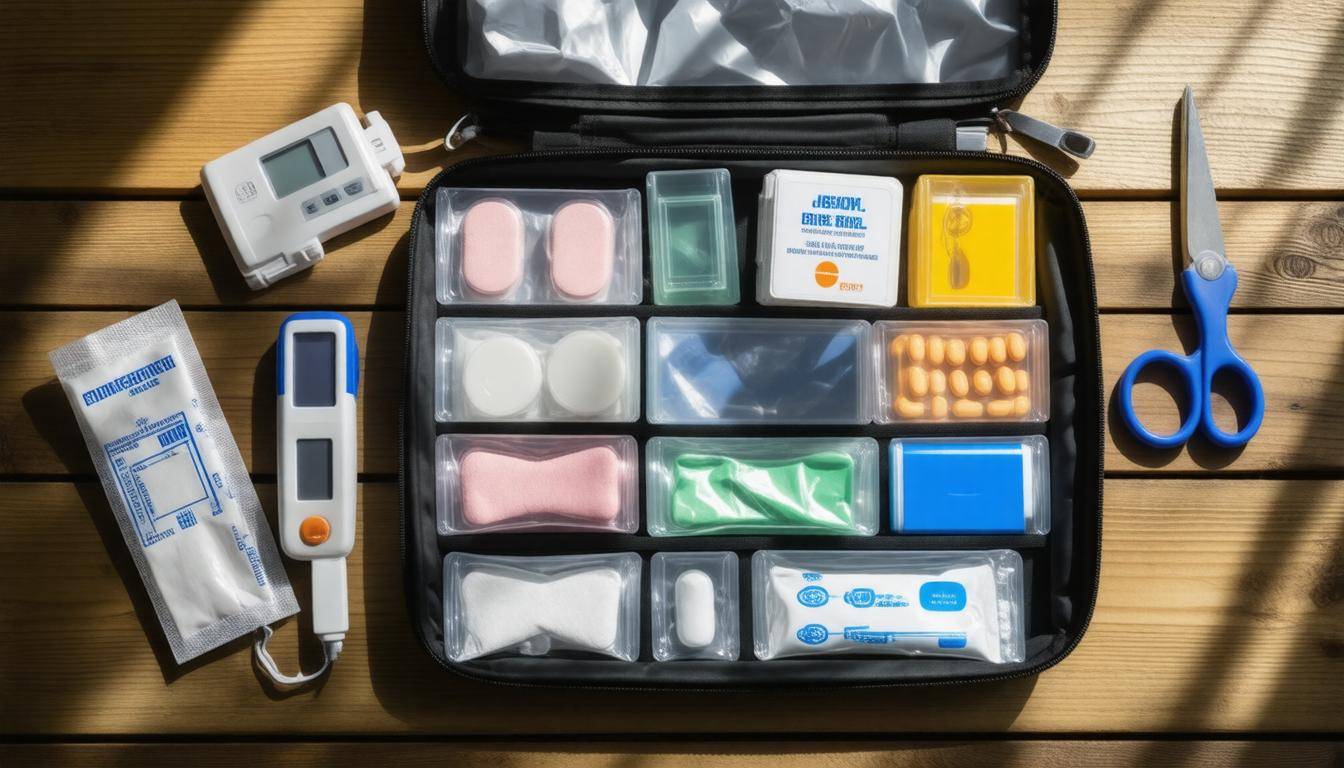
To maintain an effective emergency medical kit, it’s essential to establish a routine that keeps everything in top shape. Start by scheduling biannual checks to review the contents of your kit, as a few minutes of attention now can prevent problems later.
During these checks, pay close attention to medication expiration dates; products like antihistamines and pain relievers typically have a shelf life of 1-5 years, so note down their deadlines and replace them as needed. Imagine needing relief from discomfort only to find outdated medications when you reach for them—the disappointment could be significant!
An organized approach assists not only with tracking medications but also checking the functionality of any electronic devices within your kit.
In addition to medications, focus on the batteries of devices such as glucometers and flashlights. High-quality batteries should be replaced at least once a year or whenever you notice devices aren’t functioning optimally. A flashlight with dead batteries during an emergency can lead to chaos—a simple inconvenience that could spiral into a more dangerous situation if mixed with panic. Keeping spare batteries handy within the kit ensures you are prepared for unexpected power outages or urgent situations.
It’s also worthwhile to keep a list of essential emergency contacts and updated medical information tucked inside your first aid kit. By reviewing this list every six months, you’ll guarantee that changes in medication or therapy are accounted for, and crucial numbers are readily accessible when you need them.
Moreover, just as you would regularly check and maintain vital equipment, ensure the proper storage of your emergency medical kit.
A cool and dry environment is best—the ideal storage temperature ranges between 68°F and 77°F (20°C to 25°C). This prevents degradation of sensitive items like creams and medications. Consider storing your kit in a designated spot that’s easily accessible yet safe from extreme temperatures. Organizing your supplies in durable, clear containers will help you quickly spot what you need in times of urgency, minimizing stress while maximizing efficiency.
Lastly, remember that upkeep doesn’t stop at just checking mandated supplies or conditions; rather, adjust your kit according to the evolving needs of those you’re caring for. For instance, if there are new health conditions or medication prescriptions introduced into the lives of seniors under your care, updating the contents of the emergency medical kit accordingly becomes paramount. Having tailored items specific to individual needs—like inhalers for asthma sufferers or specialized ointments—ensures readiness when it counts.
With a commitment to regular assessment and adaptation, caregivers can prepare themselves effectively for unexpected health challenges while ensuring peace of mind. Next, we’ll focus on how to find the best locations for storing these essential supplies for easy access during critical moments.
Ideal Storage Locations
The storage location of your elderly emergency medical kit can significantly influence its effectiveness during a health crisis. Ideally, the kit should be stored in a cool, dry area that is both accessible and easily remembered by all members of the household. Paying attention to temperature and humidity levels helps ensure that the medications and supplies inside the kit remain effective over time. For instance, a kitchen pantry or a dedicated drawer in the living room are popular choices because they’re usually easily reachable when needed most.
Another practical option is to consider accessibility during nighttime emergencies. While Ms. Williams prefers a hallway closet for her kit, some individuals find that an under-bed storage box works better since it allows for quick access while in bed. Many emergencies can occur without warning; having the kit nearby at night can save precious moments—especially for seniors who might find it difficult to move quickly.
It’s not just about where you place the kit; it’s also wise to inform all family members about its location to ensure everyone understands where it is.
Take the time to create a small sign documenting the kit’s location and post it in common areas like the refrigerator or on a family bulletin board. This visual reminder helps keep awareness high, ensuring that even guests in the house are aware of where to find this essential resource.
Moreover, consistency in storage cannot be understated. Designate a specific spot and always return the kit there after use. This practice prevents scrambling during emergencies and avoids confusion about where items may have been relocated. Additionally, regularly checking items within the kit—at least every six months—offers an opportunity to familiarize everyone with its contents and reaffirm its importance.
Ultimately, by making smart choices about your emergency medical kit’s storage, you can enhance safety and responsiveness in critical situations.
In doing so, you’ll be ensuring that vital supplies are readily available when they are needed most, providing peace of mind for both seniors and caregivers.
How often should the contents of an elderly emergency medical kit be checked and updated?
The contents of an elderly emergency medical kit should be checked and updated at least every six months, or immediately after any use. Regular checks help ensure that medications are not expired, supplies are intact, and the kit is tailored to any changes in the individual’s health needs. According to studies, frequent updates can significantly reduce the risk of complications during medical emergencies, which is vital for the elderly population that often has multiple health conditions.
Are there any specific health monitoring devices that should be included in this kit?
Yes, essential health monitoring devices to include in an “Elderly Emergency Medical Kit” are a digital blood pressure monitor and a pulse oximeter. According to the CDC, nearly 47% of older adults have high blood pressure, making regular monitoring crucial for timely intervention. A pulse oximeter is also vital, especially as studies show that approximately 15% of older adults experience undiagnosed respiratory issues; this device can quickly assess oxygen levels and alert caregivers to potential emergencies.
What first aid supplies are crucial for the elderly in an emergency situation?
Crucial first aid supplies for the elderly include adhesive bandages, antiseptic wipes, a digital thermometer, sterile gauze pads, and scissors. Elderly individuals often experience skin frailty and chronic conditions that make minor injuries more complicated; according to the CDC, about 30% of seniors fall each year, highlighting the importance of quick access to these items. Additionally, including any prescribed medications and a list of allergies in the kit can significantly assist in managing emergencies effectively.
How can I customize an emergency medical kit for specific health conditions of the elderly?
To customize an emergency medical kit for specific health conditions of the elderly, start by assessing the individual’s unique health needs, such as diabetes, heart issues, or allergies. Include essential items like glucose tablets for diabetics, a blood pressure monitor for those with hypertension, and EpiPens for severe allergies. According to the CDC, approximately 80% of older adults have at least one chronic health condition; tailoring the kit not only enhances safety but also ensures peace of mind. Regularly review and update the kit to adapt to any changes in health status or medications.
What essential medications should be part of an elderly emergency medical kit?
An elderly emergency medical kit should include essential medications such as antihypertensives for blood pressure management, statins for cholesterol control, and aspirin for heart health. Additionally, it is crucial to have any prescribed medications on hand, as studies show that over 85% of older adults manage at least one chronic condition. According to the CDC, nearly 60% of seniors take five or more medications daily, making easy access to these vital drugs critical for safeguarding their health in emergencies.