
When faced with an infection, most people instinctively reach for traditional antibiotics. However, as antibiotic resistance continues to climb, alternative treatments are gaining attention in the medical community and beyond. This isn’t just about finding substitutes; it’s about uncovering the powerful healing properties found in nature that can work alongside—or even in place of—synthetic medications during emergencies. From honey’s natural antibacterial qualities to the immune-boosting prowess of garlic, these natural remedies have a long history of use and are backed by a growing body of research. In this article, we will explore several effective options that might just surprise you.
The “Emergency Antibiotic Alternatives: Complete Guide” discusses various options including the use of first-generation antibiotics derived from natural sources, bacteriophage therapy, and the application of blowfly larvae for wound disinfection. It emphasizes the importance of knowledge in chemistry and available resources for recreating effective antibiotic solutions in emergency situations.
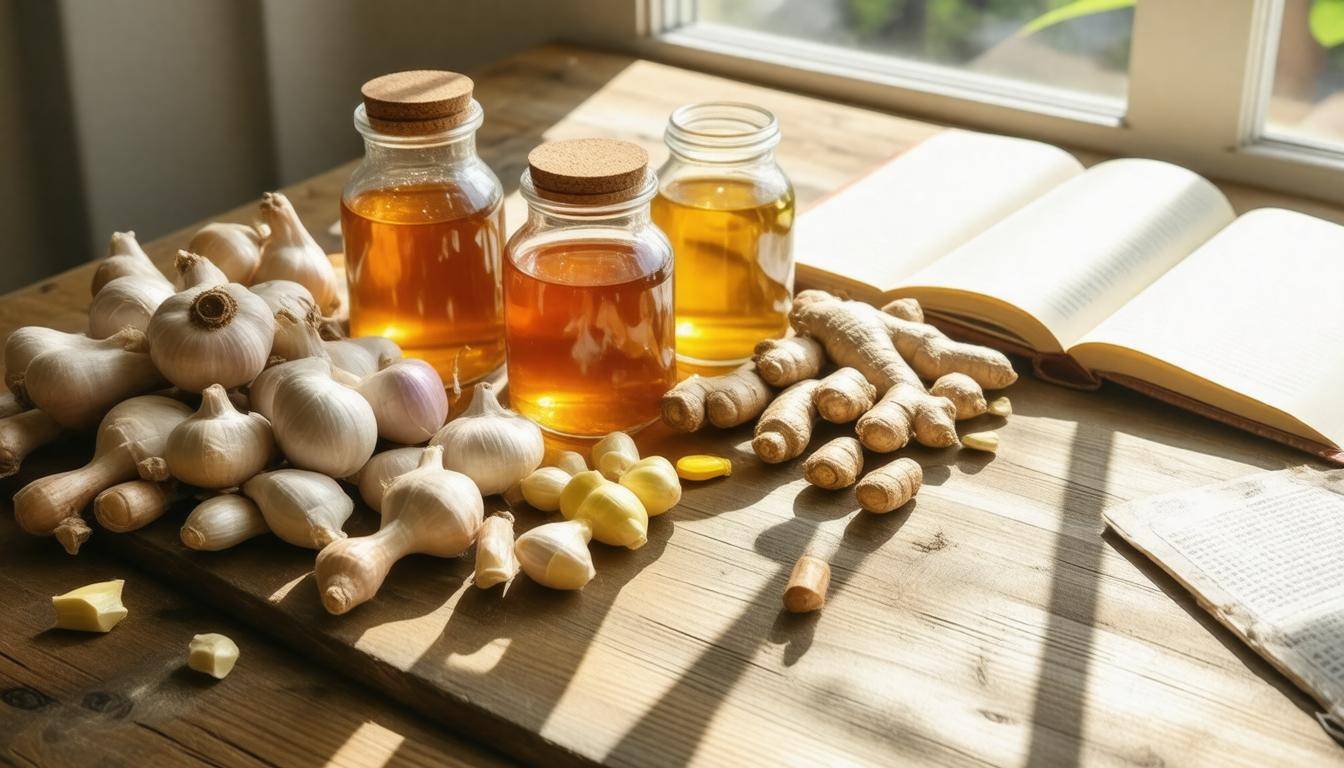
Overview of Emergency Alternatives
When considering emergency antibiotic alternatives, it’s essential to recognize the potential power embedded in nature. Areas such as herbal medicine, common kitchen ingredients, and certain lifestyle changes can act as substitutes when formal medication is unavailable. These alternatives are accessible and boast a rich history of use, often backed by anecdotal evidence and some scientific support.
Different Categories of Alternatives
To understand these alternatives better, we can categorize them into clear groups: natural remedies like honey and garlic, immune-boosting treatments such as dietary changes, anti-inflammatory options that provide additional relief, and essential oils known for their potent antibacterial properties. The beauty of these alternatives is that they target germs while contributing to overall well-being, making them invaluable during emergencies.
Take raw honey, for example. This golden syrup has been revered for centuries for its medicinal qualities. Its unique ability to produce hydrogen peroxide when diluted makes it a natural antiseptic. With a low pH, it creates an environment unfavorable for bacteria while promoting healing in wounds. Similarly, fresh garlic isn’t just an aromatic addition to your meals; it’s packed with allicin, which has strong antibacterial effects.
Research indicates that several natural substances can be 60-70% as effective as traditional antibiotics when addressing mild infections. However, effectiveness hinges on proper usage and consistency in application—understanding how to incorporate these into one’s daily routine can make all the difference.
With this foundational knowledge of emergency alternatives in mind, the next step is to examine specific antibacterial agents that may serve as effective treatments during urgent situations.
Antibacterial Natural Remedies
Natural remedies have long been hailed for their healing properties, and antibiotics derived from nature can serve as effective alternatives in emergencies. Besides garlic, numerous other natural substances offer remarkable antibacterial effects, each with a unique story and application.
Honey – The Sweet Healer
Honey, particularly Manuka honey, is another powerful natural alternative to traditional antibiotics. Known for its broad-spectrum antibacterial activity, studies show that Manuka honey can inhibit the growth of antibiotic-resistant strains of bacteria, such as MRSA. Its unique properties stem from the high concentration of methylglyoxal it contains, which contributes to its therapeutic qualities. To use it effectively, apply a thick layer directly onto wounds or sore areas, allowing the honey to create a protective barrier while it works to fend off pathogens.
Moreover, remember that not all honey is created equal; look for raw, unprocessed varieties for maximum effectiveness.
Ginger – Nature’s Spicy Defender
Ginger is known not only as a culinary favorite but also as an age-old remedy with significant antibacterial properties. Rich in gingerol, ginger has demonstrated efficacy against various pathogens, including E. coli and Salmonella spp. For those looking to harness ginger’s benefits during tough times, simply steeping fresh ginger in hot water to make a tea is one way to both soothe the stomach and fortify your defenses. Alternatively, you can crush fresh ginger and apply it topically on minor wounds after mixing it with a carrier oil like coconut oil.
Turmeric – The Golden Spice
Another powerhouse in the world of natural remedies is turmeric. The active compound curcumin has shown substantial antibacterial activity against numerous strains of bacteria, including Pseudomonas aeruginosa. By blending turmeric powder with warm water or milk, you can create a paste to apply directly on affected areas. Not only will this yellow paste help combat infection, but it also possesses anti-inflammatory properties beneficial in the recovery process from injuries.
Oregano Oil – A Potent Extract
Oregano oil stands out as a potent antibacterial champion due to its high content of carvacrol and thymol. It has been shown effective against various bacteria including E. coli and Salmonella. One practical method is to dilute oregano oil with a carrier oil, such as olive oil or coconut oil, before applying it topically on cuts or scrapes. Be mindful that essential oils are extremely concentrated; therefore, using them without dilution might irritate the skin.
Furthermore, these natural remedies illustrate how nature provides us with tools for healing and resilience.
As we recognize the value of these home-based options for supporting our health needs, it becomes essential to explore further how we can bolster our defenses through supportive treatments that enhance our immune system.
Immune-Boosting Home Treatments
One of the most accessible ways to support your immune system is through various home remedies that have stood the test of time. These remedies enhance bodily functions and play a significant role in prevention, especially during cold and flu season.
Echinacea – A Key Player
Echinacea has been a staple in herbal medicine, often touted for its immune-enhancing properties. This vibrant purple flower, native to North America, is believed to boost the production of white blood cells—our body’s primary defense mechanism against infections. By increasing our white blood cell count, we create a more formidable barrier to pathogens.
According to natural health expert Susan Smith: “Regular use of Echinacea during cold and flu season can shorten the duration of symptoms and reduce the likelihood of severe infections.” This statement resonates with many who have sought refuge in nature’s pharmacy during trying times.
When considering how to incorporate Echinacea into your routine, options abound. You might make a soothing cup of Echinacea tea, allowing its earthy notes to warm you from the inside out. Supplements are another viable route—just ensure they are from reputable sources. Don’t hesitate to start supplementing when you sense the sniffles creeping in; it could very well save you from more severe ailments later on.
Elderberry – Another Powerful Ally
We can’t discuss immune boosters without mentioning elderberry. Often found in syrups or lozenges, elderberry extract has garnered attention for its flu-fighting capabilities. Studies reveal that this dark berry can reduce the duration of flu symptoms by 3–4 days and bolster immune response due to its high antioxidant content.
Incorporating elderberry syrup into your daily routine, especially during peak flu seasons, not only tastes delicious but also fortifies your defenses against viral attacks.
Additionally, garlic deserves its own spotlight when discussing immune health. Known as a potent natural remedy, research indicates that garlic enhances immune function by increasing the number of white blood cells. Some studies report a remarkable 63% reduction in colds among those taking garlic supplements regularly.
Harnessing these natural treasures found in your kitchen can be both fun and beneficial. Why not add minced garlic into your meals? Not only will it enrich flavors, but it’ll also give your immune system that much-needed boost!
While we’ve covered some fantastic ingredients that help protect the body from infections, addressing inflammation specifically can provide additional advantages when managing health conditions.
Anti-Inflammatory Options
In the wake of an emergency or health crisis, the body’s inflammatory response can become both a friend and a foe. While inflammation is essential for initiating healing, it can also lead to discomfort and prolonged recovery times when it becomes excessive. This dual nature makes finding effective anti-inflammatory treatments crucial for anyone looking to heal quickly from infections or injuries.
Turmeric – The Golden Spice
Turmeric has long been celebrated for its vibrant yellow hue and distinctive flavor; however, it’s curcumin—the active compound within turmeric—that holds the spotlight for its remarkable anti-inflammatory properties. Numerous studies have demonstrated that curcumin can help to effectively reduce inflammation caused by various infections. In fact, its potency rivals that of some traditional non-steroidal anti-inflammatory drugs (NSAIDs), providing a natural alternative for those seeking relief without chemical additives.
But how do we harness the power of turmeric? For starters, incorporating this golden spice into your daily meals is not only simple but also delicious. You can sprinkle turmeric into soups, stir-fries, or rice dishes for an extra nutritional boost. Additionally, creating a turmeric paste—by mixing turmeric powder with water—offers a topical option that can soothe inflamed areas on the skin when applied directly.
A popular way to enjoy the benefits of turmeric is through “Golden Milk,” a soothing drink made with turmeric powder, milk (or plant-based alternatives), and honey. Not only does this drink offer comfort during illness, but it also serves as a rich source of antioxidants due to the combination of ingredients such as cinnamon and ginger often included in recipes.
Assessing Effectiveness
While turmeric provides undeniable benefits, evaluating its effectiveness—especially compared to other alternatives—is equally important.
As we explore our options for combating inflammation, additional natural remedies emerge that complement turmeric’s effects. For example, omega-3 fatty acids sourced from fish oil are known to significantly reduce inflammation throughout the body. A recommended intake ranges from 1,000 mg to 3,000 mg per day for optimal therapeutic effects. Furthermore, incorporating foods rich in omega-3s into your diet, like salmon or flaxseeds, provides similar results in a more palatable format.
And let’s not forget about ginger! This spicy root doesn’t just add zing to your dishes; it contains gingerol, which possesses powerful anti-inflammatory properties. Consuming anywhere from 1 to 3 grams of fresh ginger daily can support your body’s healing process.
Another interesting contender in the realm of natural anti-inflammatories is Boswellia serrata (also known as frankincense). Often found in supplement form, its effectiveness in reducing inflammation particularly related to conditions like arthritis showcases how nature’s remedies can still play significant roles alongside medical advancements.
By understanding and utilizing these powerful anti-inflammatory options together with each other or alongside traditional treatments when necessary, you can empower yourself further along your wellness journey.
Evaluating Effectiveness of Alternatives

When considering alternatives to traditional antibiotics, it’s important to keep in mind not only their efficacy but also the breadth of their application. Scientific studies and real-world experiences provide valuable insights into how effective these natural remedies are, especially in the context of rising antibiotic resistance. For example, Manuka honey has gained attention for its unique antibacterial properties, which have been scientifically validated across various studies.
Scientific Studies and Observations
Research has shown that natural remedies like honey and garlic possess significant antibacterial characteristics. The Journal of Antimicrobial Chemotherapy published findings demonstrating that Manuka honey can inhibit the growth of pathogenic bacteria such as MRSA, a notorious multidrug-resistant organism. Similarly, garlic has demonstrated antimicrobial properties, making it a useful adjunct in managing minor ailments. This scientific backing reinforces the notion that certain natural substances can serve as effective alternatives or complements to antibiotics.
However, while these natural options exhibit promising antibacterial effects, they come with limitations. Their effectiveness wanes when faced with severe infections or deep tissue infections where conventional antibiotics hold distinct advantages. While honey might soothe a small wound, it won’t replace needed medical intervention in more serious cases. Thus, understanding their role is vital; these remedies shine best in treating minor infections or as supplementary treatments alongside prescribed antibiotics.
With an understanding of their efficacy and limitations in treating different infection types, we can now turn our attention to exploring how specific natural substances can aid in addressing health concerns and supporting wellbeing.
Essential Oils and their Uses

The world of essential oils is vast and fascinating, offering a treasure trove of natural remedies with remarkable healing potential. Among these oils, tea tree oil stands out not just for its pleasant aroma but for its highly regarded antimicrobial properties.
Used in various cultures for centuries, tea tree oil serves as an antiseptic, particularly beneficial for minor cuts and scrapes. However, it’s essential to remember that direct application on the skin can lead to irritation—it is crucial to dilute it with a carrier oil like coconut or jojoba oil before use. This simple precaution ensures that you harness the benefits while minimizing any adverse reactions.
Users have shared their experiences of significant improvement in skin conditions such as acne and fungal infections after regularly applying diluted tea tree oil. These positive results are indicative of its effectiveness; many find themselves turning to this natural remedy instead of harsh chemical treatments that often come with a host of side effects. Imagine being able to reduce redness and irritation without leaving your skin feeling stripped or overly dry! It’s truly empowering to rely on nature’s own offerings for our health.
Moving beyond tea tree oil, it is worth noting other essential oils with formidable antibacterial properties that deserve attention.
Exploring Other Essential Oils
For instance, oregano oil has garnered attention for its ability to combat bacteria effectively. Rich in components like carvacrol and thymol, oregano oil acts as a powerful antimicrobial agent against various strains of bacteria. You might think of it as more than just a culinary herb; it can also be a valuable addition to your arsenal of natural health remedies.
Research indicates that when used appropriately, oregano oil can significantly reduce bacterial colonies, making it a beneficial choice for those looking to enhance their immune response naturally.
Additionally, there’s lavender oil, known not just for its soothing fragrance but also for its antibacterial qualities. While we often think of lavender in the context of relaxation—think bedtime rituals involving lavender sachets or infusions—its antibacterial capabilities shouldn’t be overlooked. Its gentle nature makes it suitable for skin applications as well, providing both scent and protection.
As we explore the growing body of knowledge on essential oils, it’s clear that they are not merely aromatic compounds; they represent an evolving landscape in natural medicine options that can effectively tackle resistant bacteria.
A Natural Approach To Antibiotic Alternatives
Embracing essential oils as viable antibiotic alternatives can reshape how we approach minor health concerns daily. Incorporating these oils into your routine can be as simple as adding them to homemade cleaning products or supplementing skincare regimens. For those interested in harnessing these powerful plant extracts safely and effectively, understanding proper application techniques is paramount.
Ultimately, the shift towards embracing natural solutions reflects a larger trend in society. Consumers increasingly seek healthier choices over synthetic alternatives, driven by a desire for wellness and sustainability.
Exploring the potential of essential oils opens up promising avenues for addressing bacterial concerns without reliance on traditional antibiotics.
As interest in these natural remedies continues to grow, another area worth examining is how plants contribute to alternative treatments.
Natural Antibiotics from Plants
In recent years, the spotlight has shifted to natural antibiotics, and plants are proving to be formidable contenders in this arena. Among these botanical wonders, oregano oil shines particularly bright. Not only does it add zest to our favorite dishes, but it’s also packed with carvacrol, a potent compound known for its antibacterial properties. This makes oregano oil much more than just a culinary delight; it can actually serve as a reliable ally in fighting minor infections.
Imagine reaching for a bottle of oregano oil not just for your spaghetti sauce, but also for its healing potential in your medicine cabinet.
Incorporating Oregano Oil
Understanding how to use oregano oil effectively is essential. When using it externally, always dilute it with a carrier oil like olive oil — think of it as a buddy system where the olive oil helps temper the intensity of oregano oil, making application safe and comfortable. For those brave enough to experiment, you might want to create an antibacterial mouth rinse by adding a few drops to warm water. It’s an easy way to utilize its properties while freshening your breath at the same time.
Additionally, consider incorporating diluted oregano oil into your daily meals. A few drops in salad dressings or pasta dishes not only enhance flavor but also offer the added benefit of immune support. Through this simple and delicious inclusion, you’re bolstering your body’s resistance against infections one meal at a time.
However, oregano isn’t alone in this fight; a whole garden of herbs boasts impressive natural antibiotic properties that deserve our attention.
Garlic: The Bulb with Bite
Next up is garlic — often referred to as nature’s penicillin. Its active component, allicin, is what provides garlic with its robust antibacterial action. Historically celebrated in various cultures for its medicinal traits, garlic can be easily incorporated into your diet in numerous ways.
Picture sautéing minced garlic in olive oil—an aromatic moment that doesn’t just elevate your dish but also fortifies your health defenses.
To reap the maximum benefit from garlic, crush or chop it and allow it to sit for 10-15 minutes before consumption. This waiting period activates allicin, enhancing its bioavailability and maximizing its antimicrobial effects.
If you’re grappling with a minor infection, consider infusing garlic in honey or taking raw garlic clove supplements if fresh cloves aren’t feasible. This versatility supports healthy immune function while offering flavorful culinary uses.
Ginger: The Spice of Life
Another noteworthy contender comes from ginger root. Rich in gingerol—a compound heralded for its anti-inflammatory and antibacterial properties—ginger is often seen as comfort food but can deliver serious health benefits too. Drinking ginger tea can help soothe ailments while kickstarting your immune system.
Imagine steeping fresh ginger slices in boiling water on a chilly day—it’s not only comforting but also serves as a warm hug for your insides!
Whether consumed raw or brewed into tea, ginger packs quite a punch when it comes to naturally combating minor infections. And let’s face it—when looking for alternatives to conventional antibiotics, these humble kitchen ingredients offer promising possibilities.
Through the incorporation of these potent natural antibiotics like oregano oil, garlic, and ginger into our daily routines, we pave the way for exploring other natural methods that enhance well-being and prevention against ailments.
Enhancing Health with Herbs
Basil is often thought of as an aromatic addition to dishes like pasta or pizza, but it is so much more than just a flavor enhancer. This unassuming herb boasts numerous health benefits, primarily due to its rich composition of essential oils and bioactive compounds. Among these, eugenol, citronellol, and linalool are particularly noteworthy as they exhibit strong anti-inflammatory and antibacterial properties. These beneficial compounds can help combat infections and promote overall wellness.
When you consume basil regularly—whether in your meals or through herbal tea—you are doing your body a favor. The anti-inflammatory effects can alleviate common ailments such as sore throats and even digestive issues. It’s fascinating to think about how this everyday herb can work subtly yet effectively to enhance your health. Moreover, incorporating basil into your diet doesn’t require significant lifestyle changes; simple additions in your cooking routine can yield substantial results over time.
To maximize the health benefits of basil, one effective method is brewing it into tea. Just steep fresh or dried basil leaves in hot water for several minutes. You may choose to sweeten with honey or add lemon for extra flavor. Drinking basil tea daily not only provides hydration but also serves as a natural way to fortify your immune system. Adding fresh basil to salads, soups, curries, or even smoothies can enrich your meals while providing a healthy boost.
Integrating these herbs into your daily life contributes not just to immediate improvements in well-being but also assists in preventing future infections. With consistent use, herbs like basil act as a dual-purpose remedy: they are preventive measures against disease and valuable support during treatment when needed. Understanding the role of herbs like basil can empower you as you navigate the landscape of natural remedies for health and wellness.
Incorporating basil into your diet offers both immediate benefits and long-term health improvements, making it a versatile ally in your quest for holistic well-being. As you explore natural remedies, let herbs like basil be your guide toward better health.
In which scenarios should emergency antibiotic alternatives be used instead of traditional antibiotics?
Emergency antibiotic alternatives should be considered in scenarios where traditional antibiotics are ineffective due to resistance, allergies, or when a rapid intervention is necessary in resource-limited settings. For instance, approximately 2 million people in the U.S. alone suffer from antibiotic-resistant infections annually, highlighting the urgency of exploring alternative treatments. Additionally, during outbreaks where specific pathogens are identified but immediate access to targeted antibiotics is delayed, alternatives can provide crucial treatment options to prevent complications and save lives.
What are the potential risks or side effects associated with using emergency antibiotic alternatives?
The potential risks and side effects of using emergency antibiotic alternatives include allergic reactions, toxicity, and the possibility of ineffective treatment leading to the progression of infection. Inappropriate use may also contribute to antibiotic resistance, a growing concern where approximately 700,000 deaths annually are linked to drug-resistant infections globally. Users should be aware that not all alternatives are clinically validated for every type of infection, which could result in complications or prolonged illness if a suitable treatment is not identified.
What natural remedies can effectively replace antibiotics in emergencies?
While natural remedies should not replace antibiotics in serious infections, some may offer supportive benefits in emergencies. Remedies such as garlic, known for its antimicrobial properties, and honey, particularly Manuka honey, have shown effectiveness against certain bacteria. In a study, raw honey effectively inhibited the growth of various bacteria, including Staphylococcus aureus, showcasing its potential use in wound care. However, it’s crucial to consult with a healthcare professional when considering alternatives, especially during severe infections.
How do emergency antibiotic alternatives compare in effectiveness and safety to conventional antibiotics?
Emergency antibiotic alternatives can be effective in treating certain infections, particularly when conventional antibiotics are not available or suitable due to resistance. However, their safety and efficacy often vary depending on the specific alternative used and the type of infection being treated. For instance, studies show that while some alternatives, like herbal remedies or phage therapy, have shown promise in clinical trials, they generally lack the extensive research backing that conventional antibiotics have. According to a review published in 2023, around 30-40% of patients may experience side effects from these alternatives compared to about 15-20% from established antibiotics. Therefore, while they can serve as useful options in emergencies, careful consideration of their effectiveness and safety is crucial.
Are there any specific guidelines for using herbal or alternative treatments during a medical emergency?
In medical emergencies, it’s crucial to prioritize evidence-based treatments and seek immediate professional help. While some herbal or alternative treatments may possess beneficial properties, their effectiveness and safety during critical situations often lack robust clinical evidence. For instance, a study found that only 20% of herbal remedies are backed by scientific research for emergency use. Always consult with a healthcare professional before considering alternative treatments in emergencies, as they could interfere with conventional care or worsen the situation.