
When it comes to caring for a baby during emergencies, few things create as much concern as ensuring they have enough safe nutrition. Every parent knows that a hungry baby can lead to a stressful situation, especially when supplies run low. From unpredictable weather to sudden store shortages, having an emergency baby formula storage plan is essential for keeping your little one fed and happy. With careful planning and organization, you can navigate these challenges with confidence. In this guide, we’ll explore practical strategies and protective measures for storing baby formula safely, so you’re always prepared when the unexpected strikes. Let’s dive in!
For effective emergency baby formula storage, ensure you have a reliable supply of Ready-to-Feed (RTF) formula and distilled or bottled water on hand. It’s crucial to keep your emergency kit organized, including clean bottles and extra nipples, and consider utilizing methods that provide convenience and safety, such as preparing formula with hot-water techniques when necessary.
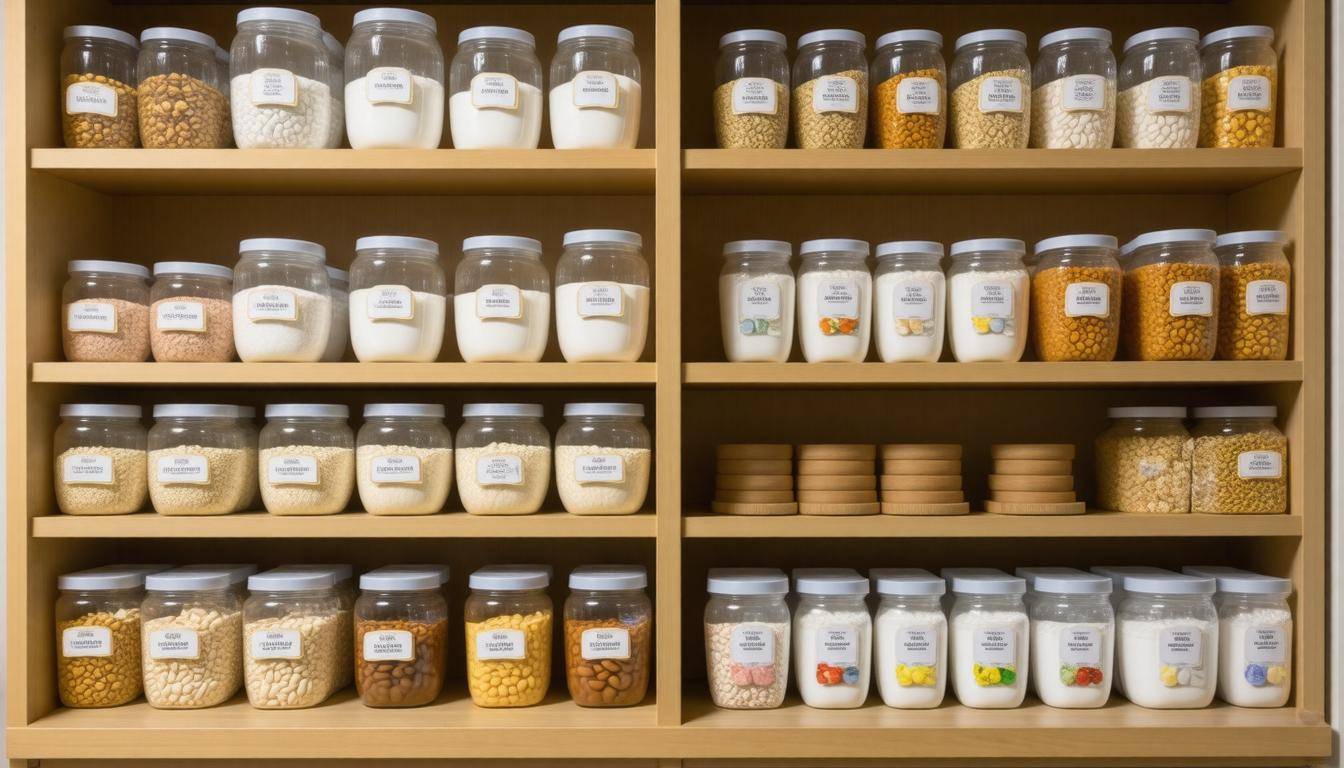
Choosing the Right Containers
When it comes to choosing containers for baby formula, parents have several options at their disposal. Among these options, BPA-free plastic containers, glass jars, and stainless steel containers frequently come up. Each material has its own set of advantages and disadvantages that affect both safety and convenience, which means it’s essential to consider what might work best for your family’s needs.
For instance, BPA-free plastic is known for being lightweight and incredibly durable, making it a popular choice. However, some plastics can absorb odors over time, which may not be ideal when preserving nutritious baby formula. On the contrary, glass jars present a non-toxic option with the added bonus of being odor-resistant. Still, the trade-off is that they can be more prone to breaking—a concern parents often weigh heavily. If you’re looking for something rugged yet functional, stainless steel emerges as another alternative: it offers durability and non-reactivity but generally comes with a higher price tag.
As we explore this important topic, one critical aspect becomes apparent: seal quality. The sealing mechanism on your chosen container is essential. Containers with tight-sealing lids prevent contamination and moisture from compromising the formula inside. Here’s where established brands like Tupperware and Oxo shine; they provide airtight seals that keep ingredients fresh longer. In addition, snap-lock or screw-top lids often deliver a stronger seal compared to simple press-on lids, ensuring that no hostile element finds its way into your carefully stored supplies.
| Container Type | Advantages | Disadvantages |
|---|---|---|
| BPA-Free Plastic | Lightweight, Durable | Can absorb odors |
| Glass Jars | Odor-resistant, Non-toxic | Breakable |
| Stainless Steel | Durable, Non-reactive | Expensive |
Choosing the right container can significantly affect the longevity and safety of baby formula.
Moreover, let’s not overlook sizes when making a selection. Opting for smaller container sizes can be advantageous—think about 4 oz (120 mL) or 8 oz (240 mL). Smaller portions allow parents to use exactly what they need without wasting any formula, especially in cases where leftovers could sit too long in storage after opening.
Beyond practicality and general safety considerations, remember to follow strict labeling recommendations by including expiration dates and opening dates on your containers. This simple practice adds an extra layer of protection against unintentional spoilage.
Careful selection ensures that the formula remains fresh while supporting your child’s nutritional needs during emergencies or store shortages. By taking these factors into account—material type, sealing mechanisms, size options, and diligent labeling practices—you empower yourself to create an effective storage solution that is not only convenient but also vital for the health and well-being of your little one.
Now that we’ve unpacked how to properly choose containers for storing vital nutrition for your infant, let’s pivot to understanding how long those formulas can last in various conditions.
Formula Shelf Life Explained
Grasping the concept of shelf life is vital for every parent who wants to ensure their baby’s nutrition is both safe and effective. Simply put, shelf life is the period during which a product, such as baby formula, remains consumable under ideal storage conditions. This often varies by brand and type, so being knowledgeable on these details can make a significant difference in your child’s health.
Most unopened powdered baby formulas generally boast a shelf life of around one year from the date they were manufactured. For instance, popular brands like Similac and Enfamil typically last 12 months, while others may vary slightly based on specific formulations. Taking the time to check labels and understand different products ensures you have the best for your little one.
However, once you’ve opened that container, it’s essential to remember that the game changes entirely. Opened powdered formula should ideally be consumed within one month. This might seem like a tight window, but it helps ensure that your baby receives all the benefits without risking any harmful bacteria growth or nutritional degradation.
Liquid Ready-to-Feed Formula
On another note, liquid ready-to-feed formulas present their own guidelines concerning freshness. These formulas are incredibly convenient because they don’t require any preparation—they’re just good to go! But beware—they only hold up for about 48 hours after opening, even when refrigerated. That means if you’re using one of these options, timing is key to preventing waste while still ensuring safety.
One common myth floating around is that you can safely use expired formula if it appears fine or smells acceptable. While this notion may seem practical at first glance, it poses risks that outweigh the convenience factor. Expired products might not only lose their nutritional value but could also become breeding grounds for bacteria. Therefore, it is imperative to adhere to expiration dates. Your child’s safety comes first.
Understanding these critical aspects of shelf life will enable you to maintain an effective emergency supply of baby formula, ensuring you are well-prepared for unexpected situations where nutrition is a priority. Now, let’s consider where best to store these essentials for optimal safety and freshness.
Best Storage Locations

The environment where you store baby formula plays a critical role in maintaining its safety and quality. Just think about it: you wouldn’t keep your prized cookies next to the stove, would you? Applying this concept to baby formula ensures that it remains effective for your little one. Aim for a cool, dry place, ideally between 55°F and 75°F. Pantries or kitchen cabinets located away from heat sources like stoves are perfect spots to keep your baby’s nutrition intact.
One major factor to consider is humidity. Moisture can wreak havoc on powdered formulas, causing clumping and spoilage. Therefore, it’s wise to avoid storing formula in humid areas such as bathrooms or near sinks. Imagine reaching for a canister only to find it has turned into a solid mass; that’s not the type of surprise any parent wants! Instead, select a space with consistent air circulation and minimal chances of moisture buildup.
Avoid Humid Areas
Humidity might seem like an afterthought, but it can significantly affect your baby formula’s shelf life. High humidity increases the risk of spoilage and alters consistency, which can make mixing formulas more challenging later on. By keeping the formula stored in rooms where humidity levels are lower, you’re doing yourself—and your baby—a huge favor!
Now, let’s discuss how refrigerated or frozen storage affects formula quality.
Storing in Fridge or Freezer
While refrigeration extends the shelf life of prepared liquid formula for up to 24 hours, it’s not advisable to store powdered formula in the fridge due to condensation risks that can lead to spoilage and nutrient loss. In contrast, freezing baby food purees is great for preserving homemade recipes but remember: freezing powdered baby formula is not recommended at all! So where should we put our unopened cans? For these items, sticking with pantry storage is key.
Think of your pantry as a fortress that shields your baby’s nutrition from unnecessary temperature fluctuations and humidity.
After all this storage talk, don’t forget about organizational strategies; keep formulas in their original sealed containers whenever possible. This practice preserves their unique sealing properties. Front-and-center display helps reduce confusion during chaotic mealtime rushes.
Having understood the best practices for optimizing storage spaces for baby formula, it becomes essential to explore alternatives that may supplement traditional feeding methods.
Substitute Options for Formula
In emergency situations, having a backup plan for feeding your baby can be lifesaving. Understanding suitable alternatives to baby formula helps parents feel prepared and confident when the unexpected happens. One of the most reliable substitutes is breast milk. Not only is it packed with nutrients, but it also contains antibodies that help protect infants from illnesses. If a mother has expressed breast milk or is able to breastfeed directly, this remains the best alternative. It’s crucial, though, to follow proper storage guidelines to maintain quality and safety.
As you explore other options, it’s essential to keep in mind that breast milk should always be prioritized when possible, since it offers unique benefits that no other substitute can fully replicate.
Should breastfeeding not be an option or available in sufficient quantities, cow’s milk may come into play. However, this substitute is only recommended for babies over one year old due to its composition—which lacks certain nutrients vital for infants under 12 months. Cow’s milk is not designed for their delicate digestive systems and doesn’t provide the balance of vitamins and fats found in infant formula. Introducing cow’s milk too early can lead to deficiencies and potential health issues.
Alternatively, goat’s milk presents another option for slightly older infants, particularly those over six months. Compared to cow’s milk, goat’s milk is often easier to digest because of its different protein structure. However, it still lacks some critical nutrients such as folic acid and iron, making it insufficient on its own as a permanent replacement for infant formula.
Above all else, it’s imperative that parents consult with a pediatrician before making changes to their baby’s diet—particularly when considering alternatives in unexpected circumstances. A healthcare provider can offer tailored advice on the appropriate substitute based on your infant’s specific needs and situation. This guidance becomes especially important if you’re considering using non-standard options or if your baby has special dietary requirements due to health conditions.
Being well-informed about these substitutes can empower parents during emergency situations while ensuring their little ones receive the nutrition they need during challenging times. On that note, understanding safe ways to prepare your baby’s food will further enhance your preparedness for any situation that might arise.
Safe Preparation Methods
Correctly preparing baby formula not only delivers essential nutrition but also safeguards your baby’s health. To start, always prioritize the cleanliness of your hands. Washing with soap and water for at least 20 seconds is critical. This ensures that any potential contaminants are eliminated, reducing the risk of infection or illness for your infant.
The Centers for Disease Control and Prevention (CDC) emphasizes that clean hands can significantly lower the chances of foodborne illnesses. Therefore, taking this extra moment to wash your hands creates a safe feeding environment.
After you’ve taken care of your hands, it’s time to sanitize the bottles and nipples. Using boiling water is one of the most effective methods to sterilize these items. Boil water and immerse the bottles and nipples for at least five minutes, ensuring all surfaces come into contact with the hot water. This method eliminates bacteria that might linger even after washing. Alternatively, many parents opt for steam sterilizers or microwavable sterilizing bags, but boiling remains reliable if those options are unavailable.
Once you’ve prepped those essentials, the next step involves choosing water wisely, as it plays a crucial role in formula preparation.
When making baby formula, it’s imperative to use distilled or boiled water that has cooled to at least 70°C. This temperature is recommended by the World Health Organization because it effectively kills any harmful bacteria present in tap water. If you’re using tap water instead, boiling is vital—let it cool down so that you won’t scald the formula powder when mixing them together!
Remember—the key to correctly mixing formula lies in precisely following the manufacturer’s instructions regarding the powder-to-water ratio. Typically, this means mixing one scoop of formula per two ounces of water; however, different formulas may have specific guidelines that must be adhered to for optimal nutrient delivery.
Lastly, ensure that once prepared, the formula should be used within two hours if left at room temperature. If stored in the refrigerator, it can last up to 24 hours, but once baby has fed from it, discard any leftovers promptly. This practice helps avoid bacterial growth that can occur after feeding.
By following these steps, parents can provide nutritious feedings while instilling confidence regardless of the situation at hand. Next, we will explore some immediate ways to handle feeding challenges during unexpected circumstances.
Emergency Feeding Solutions

A well-thought-out plan for emergency feeding can provide calm amidst chaos. When faced with unexpected situations, such as natural disasters or other disruptions, parents need viable options to ensure their little ones are adequately fed.
One key method is the use of pumped breast milk. If you have previously pumped breast milk stored in sterile containers, it can serve as a nutritious and comforting alternative in an emergency. However, it’s crucial to keep that precious fluid refrigerated; breast milk should always remain cold, ideally at or below 39°F (4°C) to maintain its nutritional value.
In moments where maintaining that cold chain is challenging or impossible, exploring alternative methods becomes essential.
Ready-to-Feed Options
While ready-to-feed (RTF) formulas are indeed beneficial, their reliance on stable packaging and shelf-life can limit availability. During emergencies, having a stockpile of RTF formulas in your pantry alleviates the stress of finding food and can dramatically shorten preparation time amid chaos.
Ensure these ready-to-feed containers are accessible and within reach. It’s advisable to set reminders every six months to check expiration dates and rotate supplies as needed. By being proactive, you’ll avoid any last-minute scrambling that could hinder your baby’s needs.
Speaking of convenience when you’re out and about…
Portable Solutions
Investing in battery-operated bottle warmers is another practical solution for emergency feeding on the go. Imagine being stranded in your vehicle during a storm—having a portable warmer enables you to heat up formula or previously chilled breast milk without searching for electricity. This small device can be a game-changer, allowing you to prepare food without the usual complications.
Remember that every second counts. The quicker you can provide nourishment, the calmer your baby—and yourself! Keeping this in mind ensures preparedness under pressure.
Alongside these solutions, always consider local resources. Community centers or organizations like Feeding America often have programs geared toward families affected by disasters, providing additional support and nourishment when stores might be running low.
Preparation and knowledge stand as indispensable allies in tackling emergency feeding solutions effectively. With steps firmly laid out and accessible tools at hand, parents can mitigate stress and focus on what truly matters—caring for their child during uncertain times.
As we shift our focus further, let’s take a closer look at how to maintain hygiene and proper care of storage containers to ensure the safety of your baby’s feeding supplies.
Container Maintenance and Hygiene
Keeping storage containers clean is imperative for the health and safety of your baby. Regular cleaning ensures that any lingering bacteria or residues from previous uses do not compromise the bottle’s integrity, especially in an emergency when supplies are limited. To make this a practice, it’s good to wash containers with hot, soapy water every few days or after each refilling. This simple action helps to prevent the buildup of harmful microorganisms that can lead to illness.
It’s essential to take a moment after each use to thoroughly rinse out all traces of soap, as any leftover residue can affect the flavor of the milk and unknowingly harm your little one. Likewise, consider sterilizing containers at least once before an emergency because it’s like giving them a fresh start—ensuring they’re completely free of contaminants.
Furthermore, pay attention to the physical condition of your containers. If you notice any scratches or cracks, it’s time to part ways. These imperfections may seem minor, but even small crevices can become breeding grounds for bacteria.
Why? Because bacteria can flourish in these tiny spaces, making it difficult to clean effectively and risking contamination of baby’s food.
By prioritizing container hygiene practices, parents will be taking proactive steps toward preventing contamination.
When storing baby formula, opt for food-safe containers made from BPA-free plastic or glass. These materials offer peace of mind while preserving the nutritional quality of the formula. As always, keep stored containers in clean, dry places away from direct sunlight and moisture to maintain their integrity over time.
Maintaining cleanliness in your storage containers is not just a routine chore; it is a critical aspect of your child’s health. With effective practices in place, you can now shift focus towards gathering essential items for unforeseen circumstances that require prompt action.
Preparing an Emergency Kit
As parents, we often think about what could go wrong during unexpected situations like natural disasters or financial setbacks. That’s why having a well-stocked emergency kit dedicated to baby formula is crucial. This kit should contain enough supplies to meet your infant’s needs for at least 72 hours without access to regular food sources. Imagine the relief of knowing you have everything in one place when chaos strikes; it’s like having a safety net ready to catch you.
-
Pre-measured formula packets are invaluable because they eliminate the hassle of measuring and mixing during a crisis. With these packets, feeding becomes a seamless task that allows you to focus on your family’s needs instead.
-
Disinfecting wipes are essential for quick clean-ups. When messes happen — and they will! — these wipes allow you to maintain hygiene even when water isn’t readily available, so you can stay focused on caring for your baby.
-
Bottled water serves two vital functions: hydration for both you and your little one and as a base for mixing formula. It’s prudent to keep at least one gallon per person per day stored, considering babies need ample hydration too.
-
Disposable bottles provide convenience since they don’t require washing and sterilizing after each use. They make late-night or early-morning feedings much easier during stressful times when every minute counts.
“During the earthquake, having an emergency kit kept us calm and prepared,” says Jane, a mother from California.
Therefore, the right kit can bring peace of mind during chaos. Assembling these items may take some time, but it pays off immensely in terms of security and preparation. When building your kit, keep in mind the unique dietary needs of your child at different ages; newborns will require different amounts and types of formula compared to older infants.
It’s also wise to revisit your emergency kit regularly — ideally every six months — to check expiration dates and rotate supplies to keep them fresh. Imagine reaching for that formula only to find it expired; it’s a heart-dropping moment that can easily be avoided with a little planning.
Creating a comprehensive emergency baby formula kit is not merely a task; it is an investment in your family’s well-being that prepares you for whatever challenges lie ahead.
What are the ideal storage conditions for different types of baby formula?
The ideal storage conditions for different types of baby formula vary slightly—powdered formula should be stored in a cool, dry place in an airtight container and used within one month of opening, as exposure to moisture can lead to bacterial growth; ready-to-feed formulas need refrigeration after opening and should be consumed within 48 hours for safety. Liquid concentrate formulas, once mixed, should also be refrigerated and used within 48 hours. These practices help prevent spoilage and maintain nutritional integrity, aligning with the American Academy of Pediatrics’ guidelines on safe infant nutrition.
What are the safety precautions to take when preparing and storing emergency baby formula?
When preparing and storing emergency baby formula, it’s crucial to follow strict hygiene standards. Always wash your hands before handling formula, sterilize bottles and nipples, and prepare the formula using safe water sources. Store prepared formula in the refrigerator and use it within 24 hours to prevent bacterial growth; according to the CDC, proper storage can reduce the risk of contamination significantly. Ensure that any leftover formula is discarded after each feeding to protect your baby’s health.
What should I do if I run out of prepared baby formula during an emergency?
If you run out of prepared baby formula during an emergency, it’s crucial to prioritize your baby’s health by using a safe alternative. Consider reconstituting powered formula with clean water if available, or use homemade formula as a last resort (consult pediatric guidelines for proportions). In dire circumstances, breast milk is the ideal substitute if the mother is nursing. According to the CDC, infants under six months should not be given cow’s milk or other milk alternatives as they do not provide adequate nutrition and can cause digestive issues. Always ensure safe storage practices are followed to prevent contamination.
How long can opened baby formula be safely stored in an emergency situation?
Opened baby formula can be safely stored in an emergency situation for up to 24 hours if kept at room temperature, according to guidelines from pediatric health organizations. After this period, harmful bacteria can multiply quickly, posing a risk to the baby’s health. If refrigerated, opened liquid formula should ideally be used within 48 hours to ensure safety and nutritional quality. Always prioritize proper storage practices to protect your child’s well-being.
How can parents identify if stored baby formula has gone bad?
Parents can identify if stored baby formula has gone bad by checking for changes in color, texture, or smell; any off odors or clumps may indicate spoilage. Additionally, if the formula has been stored beyond its expiration date or kept at improper temperatures (over 75°F), it should be discarded immediately to prevent gastrointestinal issues that can affect up to 20% of infants consuming spoiled products. Always trust your senses and err on the side of caution when it comes to your baby’s health.