
Childbirth can be one of life’s most joyful moments, but it can also catch you off-guard when you least expect it. Picture this: you’re at home, and suddenly your partner goes into labor much faster than anticipated. Panic might start to creep in, but the key to managing any surprise delivery lies in having a well-prepared emergency childbirth kit at your fingertips. This kit can be your lifeline during what seems like chaos, equipping you with the essential tools and knowledge to navigate the birthing process confidently. In this guide, we’ll walk you through what to include in your kit and how to prepare for those unexpected moments so that you feel ready for anything that comes your way.
An Emergency Childbirth Kit should include sterile gloves, clean receiving blankets, alcohol wipes, umbilical cord clamps, sterile scissors or a scalpel for cutting the cord, and gauze pads for controlling bleeding. Additionally, including a detailed guide on basic childbirth procedures and emergency contact information can significantly aid expecting parents during unexpected situations.
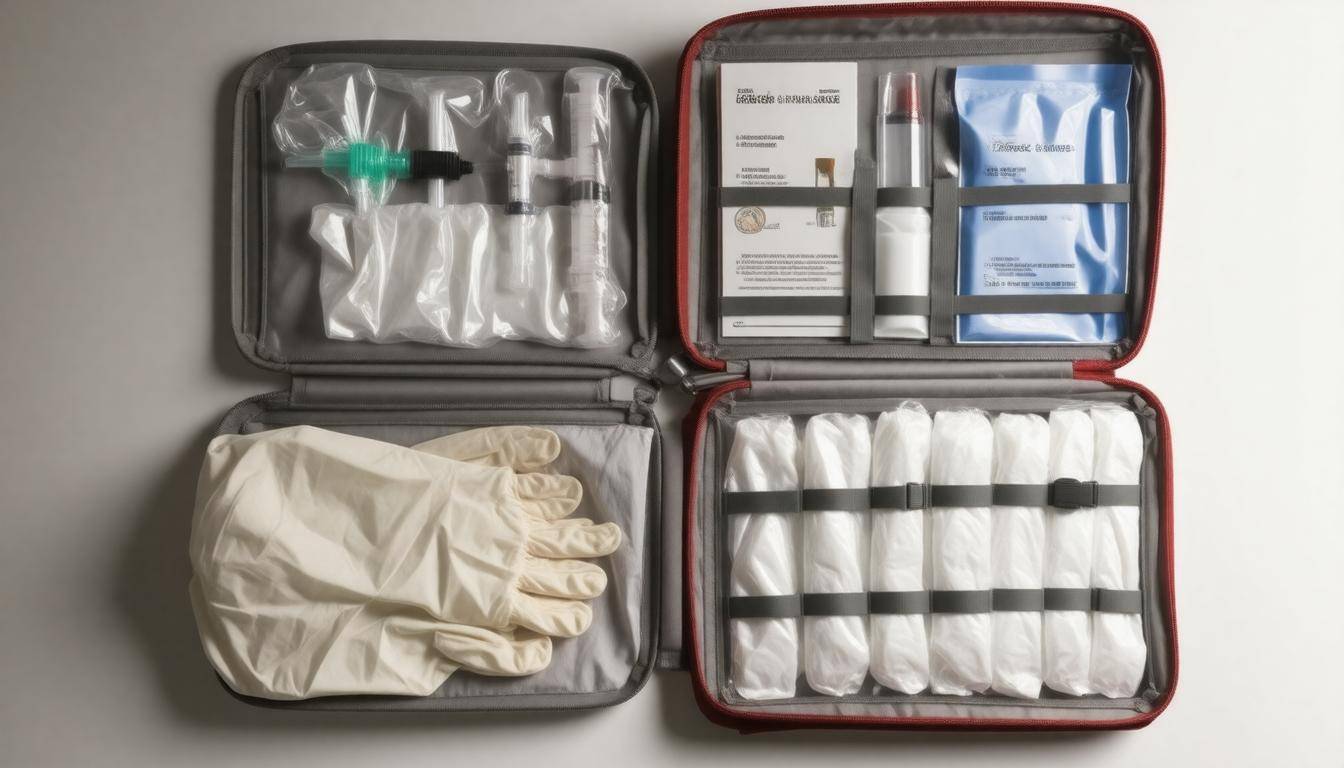
Emergency Childbirth Kit Essentials
To ensure a safe delivery in unexpected situations, every expecting parent should prepare an emergency childbirth kit. This kit should be thoughtfully curated with a combination of medical supplies and supportive tools, tailored to assist during the delivery process if professionals are unavailable.
Essential components of such a kit include sterile gloves, which come in pairs; these are vital to maintain hygiene and prevent contamination. When preparing for anything unexpected, cleanliness is key. The inclusion of a clean receiving blanket not only serves to keep the newborn warm but also provides a soft surface for first contact.
“In preparing for the unexpected, being ready isn’t just about having tools—it’s about ensuring you can provide comfort and safety at a crucial moment.”
To address situations that require immediate action, incorporating alcohol pads is indispensable as they help sanitize surfaces and instruments before use. Also, having umbilical cord clamps on hand allows you to safely manage the umbilical cord post-delivery without risking bleeding complications. It’s important to have more than one pair—two is standard—to ensure you have an extra in case something goes wrong. For cutting the umbilical cord, sterile scissors or a scalpel is needed. These must be sharp and sterile to minimize any potential risks associated with cutting the cord.
Bleeding Control Essentials
Another critical aspect of your childbirth kit is the presence of gauze pads. A pack of gauze pads will assist in controlling any bleeding that may occur during or after delivery. Having ten 4×4 inch sterile pads is advisable; these will come in handy when managing blood loss.
Apart from these core items, it’s wise to include an instant cold pack for any swelling or bruising that may occur during labor, providing comfort and reducing pain.
Surveys by health organizations indicate that approximately 1 in 3 women experience labor alone at some point—this statistic underscores the importance of being adequately equipped.
Instructional Resources
Beyond supplies, an effective emergency childbirth kit also needs to include detailed documentation. It’s crucial to have a printed guide listing basic childbirth procedures: this ensures that even in stressful situations where panic could set in, parents can follow step-by-step instructions clearly laid out before their eyes. There are many excellent resources available specifically designed for parents-to-be; some even offer illustrations to easily guide through each stage of delivery.
As expectations around childbirth evolve, so too does the relevance of being prepared with knowledge. Taking classes or studying educational materials equips parents with practical skills and adds to their confidence when facing delivery independently.
Finally, don’t forget to compile a list of emergency contacts including healthcare facilities nearby and important numbers that could provide reassurance when professional assistance is just a call away. This extra step emphasizes preparedness by ensuring you know where help resides should you find yourself needing it later on.
As you gather these essentials into your emergency childbirth kit, the next step involves making informed choices about what medical supplies you choose to include for added readiness and support.
Choosing Essential Medical Supplies
Choosing the right medical supplies for your emergency childbirth kit may seem daunting, but understanding each component’s purpose can simplify the process and ensure you’re fully prepared.
For instance, including a blood pressure cuff and stethoscope allows you to monitor the mother’s vital signs, which is crucial in any delivery scenario. Knowing her blood pressure can help assess any stress she might be under during labor and alert you to seek help if readings are outside the normal range. Remember, a calm mother can lead to a calmer birth experience.
Another essential item is a suction bulb. This small but mighty tool helps to clear the newborn’s airways immediately after birth, ensuring that they breathe freely from the very start. Just imagine the peace of mind knowing you have this in your kit: as soon as you hear that first cough or gasp from your baby, you know you’ve done everything possible to give them a healthy beginning.
Key Medical Tools
| Tool | Purpose |
|---|---|
| Blood pressure cuff and stethoscope | Track vitals for both mother and baby. |
| Suction bulb | Keep airways clear right after delivery. |
| Antiseptic solution | Clean umbilical cord area and minimize infection risk post-delivery. |
| Thermal blanket | Maintain newborn’s body temperature and provide warmth. |
In addition to these tools, don’t overlook the importance of an antiseptic solution; it plays a key role in caring for the umbilical cord area until professional medical support can be obtained.
Additionally, when holding that precious little one in your arms, having a thermal blanket ready ensures they stay warm, providing comfort and stability during those first few minutes of life outside their mother’s womb.
Lastly, I cannot stress enough the importance of compiling an emergency phone list of healthcare providers and nearby hospitals. Keep it easily accessible within your childbirth kit, ideally on a waterproof card or laminated sheet. This way, if complications arise or if you simply feel overwhelmed, you’ll have immediate access to critical contacts for assistance.
Equipped with these essential supplies not only prepares you for unforeseen challenges but also enhances your confidence as you embark on this transformative journey into parenthood.
Preparing for an Unexpected Childbirth
When it comes to preparing for childbirth, especially in an unexpected situation, it’s essential to have both knowledge and a solid plan. Imagine the scene: You’re at home, your partner’s contractions are getting closer together, and suddenly, you realize this might be it. Panic can set in quickly if you aren’t prepared. Having an emergency childbirth kit is just one part; knowing what to do when things start moving fast is crucial.
Education and Training
One of the best steps expecting parents can take is enrolling in a childbirth class focused on emergency situations. Many local hospitals or community organizations offer both online and in-person courses designed to equip parents with the knowledge they need. These classes typically cover a range of topics including signs of labor progression, how to identify when medical assistance is needed, and techniques for assisting during delivery.
For instance, a vital skill learned in these courses is recognizing the importance of timing contractions. By tracking contractions, you will not only gauge labor progression but also know when it’s time to seek help. It’s not just about timing; it’s knowing whether a contraction pattern indicates active labor or if there’s more time before it becomes critical. This knowledge transforms anxiety into action.
Emergency Protocols
Having a well-thought-out plan is another critical component of preparedness. Knowing the quickest route to your nearest hospital could be the difference between a smooth transition to professional care or facing complications at home. It’s about reducing uncertainty in those moments of stress.
While planning your route, consider potential traffic patterns at different times of day and having alternative routes mapped out in case of emergencies like road construction or accidents. Don’t forget to involve your partner in this discussion so that you’re both on the same page when the moment arrives.
Additional protocols could include:
- Making a list of emergency contacts that includes family members, friends who can offer support, and the details for local healthcare facilities.
- Storing your emergency childbirth kit in a place that’s easy to access—perhaps near your exit door so you can grab it quickly on the way out.
- Sharing your plan with those who may be around during delivery; whether it’s a neighbor, family member, or friend who might need to assist or drive you.
As you prepare to welcome your baby into the world, understanding where to go for professional help can further ease your mind during this significant moment. Let’s explore how to identify secure options for your delivery experience.
Finding a Safe Delivery Location

When emergencies arise, having a designated space for delivery can make all the difference in ensuring both comfort and safety. You want to create an environment that supports calmness and allows for efficient access to all necessary supplies.
Start by assessing your living space, scouting out areas that are both clean and spacious enough to accommodate the birthing process. Choose a spot that’s free from clutter and distractions—this will help you focus entirely on the task at hand.
A good option is to identify a room where you can lay down a large plastic sheet or disposable bed pads. These will protect surfaces from any mess and allow for easy cleanup afterward. Ideally, your chosen spot should have access to water, which is invaluable during labor for hydration as well as cleanliness. For many expecting parents, bathrooms prove to be ideal locations due to their proximity to plumbing facilities and easier cleanup options—plus you’ll have plenty of water at hand if needed.
It’s also essential to ensure this space is well-lit. A bright area not only helps with visibility but can also alleviate feelings of anxiety when delivering in an unfamiliar situation. Natural light, if available, can add a calming ambiance while electric lighting can provide needed brightness during night-time deliveries.
Consider your planned delivery area’s accessibility too. If you’re going to need assistance from family members or neighbors, make sure there’s direct access to that location without any barriers or obstructions. Accessibility is key because moving about while experiencing contractions may become challenging.
Alongside choosing an optimal setting, it’s crucial to mentally prepare yourself for potential surprises along the way. Each birth experience is unique; despite thorough planning, things may deviate slightly from what you envisioned. Thus, having calm supportive people around you who understand your preferences can be immensely beneficial.
I once spoke with an expecting mother who delivered her second child in the bathroom—despite her initial apprehension about the location. She found that having tile flooring made cleanup straightforward and accessible, allowing her to focus solely on the birthing experience while feeling more secure due to the availability of water.
Now that you’ve established a safe environment for delivery, let’s shift our focus to understanding the step-by-step procedures that will guide you through the childbirth experience effectively.
Step-by-Step Emergency Delivery Guide

Following a structured guide will instill confidence in expecting parents during what can be a chaotic time. Knowing precisely how to respond can transform a tense situation into something manageable. With that reassurance in mind, let’s begin with the initial steps to prepare for delivery.
Initial Steps
First and foremost, hygiene plays an essential role in ensuring safety during delivery. Begin by washing your hands thoroughly—this cannot be overstated. Clean hands help prevent the risk of infection, which is critical during childbirth according to the Center for Disease Control. Once your hands are squeaky clean, don sterile gloves from your emergency childbirth kit. This small act is vital; it safeguards both the mother and baby from harmful bacteria.
Now that hygiene has been prioritized, it’s time to focus on positioning the mother for comfort and optimal delivery.
Positioning is crucial. The mother should lie on her back with knees bent and feet flat on a solid surface, allowing gravity to assist in the birth process. Ensuring she is comfortable can reduce anxiety, so supportive pillows may come in handy here. As she settles in, keep an eye on contraction timing. Gently place your hand on her stomach to feel the rhythm; contractions occurring less than five minutes apart may signal that delivery is imminent.
With the initial preparations set, we can shift our attention toward the pivotal moments of labor—the delivery phase.
Delivery Phase
As the baby’s head begins to crown, it signifies an exciting yet intense moment of transition. Support the baby’s head gently but firmly with clean hands. Applying gentle pressure helps guide the head out slowly and steadily, making a significant difference in minimizing stress for both mother and child. After this first bit, as shoulders emerge, you’ll find that the rest of the baby’s body typically follows quickly—this can feel exhilarating!
Immediately following birth, lay the newborn on the mother’s chest. This skin-to-skin contact not only helps stabilize their temperature but also fosters early bonding experiences between mother and baby.
Now that the baby has arrived safely into this world, it’s essential to focus on post-delivery care to ensure both mother and child remain healthy.
After Delivery
Once you embrace this precious new life, keep an eye on the umbilical cord. Wait until it has stopped pulsating—this usually takes a couple of minutes—then use sterile scissors from your kit to clamp and cut about six inches away from the baby’s belly. Understanding its importance reassures you that you’re doing what’s best for them both.
After cutting the cord, gently clean off any blood or fluids from both mother and baby using clean cloths. Keep them wrapped warmly; babies lose heat rapidly. It also helps to monitor for any signs of excessive bleeding in the mother or distress in the newborn while comforting them until professional assistance arrives.
Navigating through these critical steps lays a foundation for nurturing well-being right from those first moments together as a family.
Immediate Newborn Care
Right after delivery, the initial care provided to a newborn can significantly influence their health outcomes. The first few moments are critical, as they transition from a warm, enclosed environment into the world. It’s important to act quickly but gently to ensure they are stable and comfortable.
Critical First Minutes
One of the first steps is to dry the baby thoroughly with a clean, warm receiving blanket or towel. This serves multiple purposes: it prevents heat loss—important because newborns are particularly susceptible to hypothermia—and it stimulates the baby’s skin, encouraging them to breathe naturally. You might visualize this moment as a precious exchange; as you dry off that tiny body, you’re not just providing warmth but also love and nurturing connection.
Remember: Maintaining the baby’s body temperature is paramount in these early moments, ideally keeping them between 97.7°F and 100.4°F (36.5°C to 38°C).
After drying the baby, it’s vital to clear any fluid from their nose and mouth using a suction bulb. This tool allows you to gently remove mucus or amniotic fluid that might obstruct their airways. A quick suction helps ensure that your newborn can take those critical first breaths without struggle; it’s truly amazing how such a small action can make a significant difference.
Next comes an essential step that fosters an emotional bond while addressing physiological needs—the power of skin-to-skin contact.
Encouraging immediate skin-to-skin contact not only benefits bonding but also supports physiological stabilization. When placed directly on the mother’s chest, the newborn experiences warmth and security from her body while being stimulated by her heartbeat and voice. This environment promotes breastfeeding initiation as well; newborns instinctively move toward breast milk, creating an opportunity for them to latch on within that golden hour post-delivery.
Breastfeeding Initiation
Starting breastfeeding right away provides crucial antibodies and nutrients that enhance the baby’s immune system. Plus, it’s a natural way to calm both the baby and mother after labor. Take a moment here—observe how those initial feeds seem almost instinctual, underscoring nature’s design in ensuring survival and well-being.
Every second counts when it comes to newborn care immediately following birth. By thoughtfully attending to the newborn’s needs—drying them off, clearing their airways, embracing them with skin-to-skin contact, and facilitating breastfeeding—you set a strong foundation for health and bonding that can support future interactions and development.
Mother’s Post-Delivery Needs
The journey of childbirth can be both exhilarating and overwhelming, and it’s crucial to remember that the mother needs just as much care and attention as her newborn. Historically, mothers were often surrounded by caregivers who offered meticulous support to minimize complications after delivery. In today’s fast-paced world, it’s easy to overlook these needs, but tending to the mother’s health is just as important.
Essential Post-Delivery Items
One of the first things to consider is providing immediate comfort through essential supplies. For example, postpartum bleeding—known as lochia—can last several weeks, so having quality pads is vital. These pads should be designed specifically for postpartum use; they’re larger and more absorbent than regular menstrual products. Along with that, clean gauze is necessary for monitoring any tears or stitches that may need attention.
Surprisingly, studies highlight that immediate hydration post-delivery plays a critical role in preventing hemorrhage. Therefore, fluids like water, herbal teas, or coconut water should be readily available for the mother.
Pain management is another significant aspect of post-delivery care; new mothers often experience discomfort during recovery. Keeping over-the-counter pain relief options handy (like ibuprofen or acetaminophen) not only provides relief but also promotes quicker healing when approved by their healthcare provider.
Beyond items for physical care, emotional support is equally essential. This stage can leave mothers feeling vulnerable as they adjust to their new identity while also navigating physical recovery and hormonal changes. Regular check-ins from family or friends can have an uplifting effect, reminding her that she’s not alone in this journey.
Taking into account both physical and emotional needs creates a strong foundation for recovery. As we transition to subsequent topics, it’s essential to consider how safety measures play a vital role after delivery.
Post-Delivery Safety Checklist
Creating a post-delivery safety checklist is not only smart but essential for new parents navigating those first moments after birth. In the flurry of emotions and tasks, having a systematic approach helps ensure that nothing critical slips through the cracks. This checklist acts as a reassuring guide in what can feel like a whirlwind situation.
| Checklist Point | Purpose |
|---|---|
| Monitor Mother’s Bleeding | To detect any signs of postpartum hemorrhage, which can be life-threatening if not addressed promptly. It’s vital to pay close attention; saturating more than two pads an hour is concerning and requires immediate medical attention. |
| Check Baby’s Breathing | Ensure the baby is breathing properly, as any difficulties must be addressed right away. If the newborn isn’t breathing or is making unusual sounds, initiate resuscitation steps immediately. |
| Warmth for Baby and Mother | Prevent hypothermia by keeping both parties warm—placing the baby skin-to-skin on the mother’s chest is highly recommended. This contact promotes bonding while stabilizing their temperature effectively. |
| Contact Emergency Services | Should anything go awry, don’t hesitate to contact emergency services right away to relay your situation accurately. Keeping emergency contact numbers readily available in your childbirth kit is crucial for easy access when needed. |
Reviewing this checklist should become a routine before, during, and after delivery: practice makes perfect. As you familiarize yourself with each point, you’ll gain confidence in handling unexpected situations calmly.
Encourage other family members who are present to assist in monitoring these aspects too—it takes a village! For instance, while one person keeps an eye on the mother’s condition, another can check on the baby, ensuring that both are safe and sound.
By actively engaging with this checklist, you transform those frantic early moments into organized action, allowing you to focus on the joy of welcoming a new life while being prepared for challenges that may arise.
With this checklist at your side, you can navigate the early stages of parenthood with clarity and confidence. Remember, preparation is key to ensuring a safe experience for both mother and child.
How can I ensure that my emergency childbirth kit remains stocked and up-to-date?
To ensure your emergency childbirth kit remains stocked and up-to-date, create a checklist of essential items and review it monthly, making sure to replace any expired components or items that have been used. According to the American Pregnancy Association, being prepared can significantly decrease stress during an unexpected delivery—having everything ready in advance increases your confidence as an expecting parent. Additionally, consider including a reminder on your calendar or using a home inventory app to keep track of what needs replenishing.
Are there any instructional materials that should be included in the kit?
Yes, including instructional materials is crucial in an emergency childbirth kit. A comprehensive guide or booklet should detail steps for delivering a baby, handling common complications, and recognizing when to seek professional help. According to the World Health Organization, having the right information can significantly improve outcomes during emergencies, as 90% of newborns survive if proper care is administered within the first few minutes post-delivery. Hence, parents equipped with clear instructions can act confidently in critical situations.
What specific items should be prioritized in an emergency childbirth kit?
An emergency childbirth kit should prioritize items such as sterile gloves, a clean cloth or towel, cord clamps or ties, antiseptic wipes, and a bulb syringe for clearing the baby’s airways. These essentials ensure that the birthing process is as hygienic as possible, significantly reducing the risk of infections, which can affect both mother and child; according to the World Health Organization, proper hygiene practices can lower maternal and neonatal mortality rates by up to 90%. Including basic resuscitation tools is also crucial, as immediate care can be vital if complications arise during delivery.
How can one prepare for a potential emergency childbirth at home?
To prepare for a potential emergency childbirth at home, expecting parents should create a well-stocked emergency childbirth kit that includes items such as clean towels, scissors, antiseptic wipes, and cord clamps. Familiarize yourself with basic childbirth procedures through books or online resources, as studies show that around 1 in 5 births can occur unexpectedly outside of a hospital setting. Additionally, having the contact information of healthcare professionals readily available can provide peace of mind and guidance if an emergency arises.
What are the signs that indicate the need to use the emergency childbirth kit?
Signs that indicate the need to use an emergency childbirth kit include strong, regular contractions occurring every 5 minutes or less, a sudden rupture of the amniotic sac (water breaking), and a desire to push. According to the American Pregnancy Association, approximately 1 in 10 births occur unexpectedly outside of a hospital setting, underscoring the importance of being prepared for rapid delivery. If you experience any of these signs and are unable to reach medical assistance in time, having an emergency childbirth kit can be crucial for ensuring safety during an unplanned home birth.