
When it comes to spending time outdoors or in remote areas, having a reliable way to communicate can make all the difference. Imagine getting stuck on a hiking trail or facing sudden bad weather without being able to reach out for help. That’s why investing in emergency communication equipment is essential. Not only can these devices help you connect with others when traditional methods fail, but they also offer peace of mind, knowing that aid is just a button push away. In this guide, we’ll walk you through important factors to consider and explore some of the best devices available to keep you safe and connected in uncertain situations. Let’s dive in!
When purchasing emergency communication equipment, consider crucial factors such as the device’s messaging capabilities, battery life, operational range, and whether it requires a subscription plan. Popular options include satellite messengers, EPIRBs (Emergency Position Indicating Radio Beacons), and PLBs (Personal Locator Beacons), each with distinct features suitable for different situations, so assess your specific needs before making a decision.
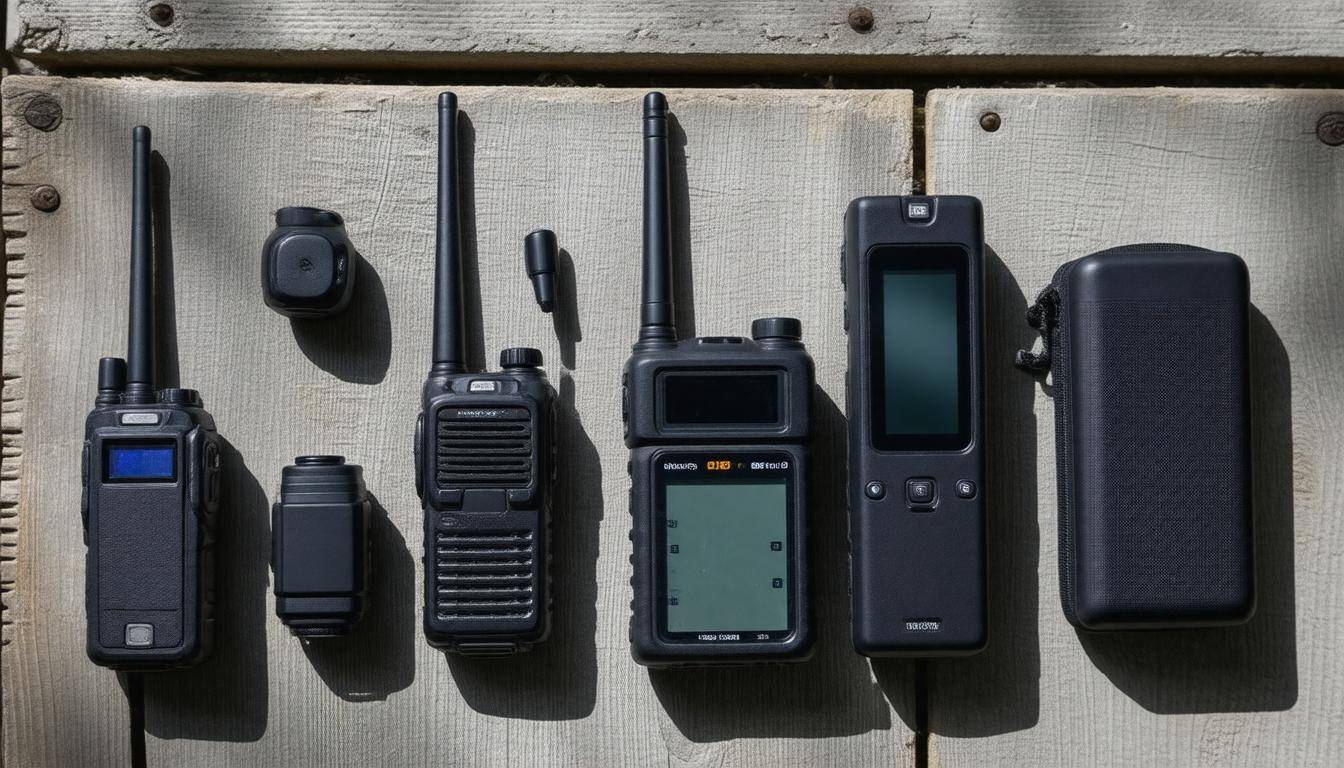
Top Emergency Communication Devices
One of the standout options in the market is the SpotX Satellite Messenger. This device goes beyond basic messaging: it provides two-way satellite communication, allowing you to send and receive messages even in areas devoid of cellular service. Utilizing the GEOS satellite network, it grants users global SOS capabilities, which is literally a lifesaver for outdoor enthusiasts venturing into isolated terrains.
The SpotX’s operational battery life stretches up to 240 hours, making it suitable for extended trips. Priced at $249.96 plus a monthly service plan starting at $11.95, it balances functionality with affordability. I remember reading a user’s account about how SpotX enabled them to maintain contact during a week-long hiking adventure in Patagonia—a perfect example of its reliability.
For those who may be more focused on water activities or spending time near oceans or lakes, the ACR GlobalFix V4 EPIRB is an excellent consideration.
This Emergency Position-Indicating Radio Beacon (EPIRB) stands out due to its impressive ten-year battery life and continuous broadcasting capability for up to 48 hours. Operating on both COSPAR-SARSAT and MEOSAR networks means it offers phenomenal coverage—best of all, there are no subscription fees involved! What makes this device particularly appealing is its automatic activation feature during water immersion, ensuring that help can be summoned even if you’re incapacitated. With a waterproof design that enhances reliability, the ACR GlobalFix V4 EPIRB is priced around $469.95—an investment worth considering for serious adventurers.
Compactness often plays a critical role in the gear we choose for outdoor excursions, which leads us to the Ocean Signal RescueMe PLB1.
This Personal Locator Beacon (PLB) shines with its portability; measuring just 2 inches wide by 3 inches tall, it easily fits into your pack without weighing you down. It boasts GPS capability alongside seven years of battery life and can broadcast for a full 24 hours when activated—ensuring rescuers can locate you quickly and accurately. Available for $299.95, registering this beacon is essential to guarantee effective rescues when needed most.
Cost Overview
| Device | Price |
|---|---|
| SpotX Satellite Messenger | $249.96 + $11.95/month |
| ACR GlobalFix V4 EPIRB | $469.95 |
| Ocean Signal RescueMe PLB1 | $299.95 |
Investing in one of these devices could very well mean the difference between safety and peril during unforeseen circumstances in remote settings. These devices enhance your confidence during outdoor adventures while simultaneously providing peace of mind for you and your loved ones back home.
As we proceed, understanding how radio waves interact in various scenarios adds another layer to your emergency safety net.
Radio Signals: What You Need to Know
At its core, radio communication relies on frequencies, which dictate how well a signal can travel under different conditions. For example, Very High Frequency (VHF) radios are popular among boaters and hikers for their efficiency in clear, direct line-of-sight situations. Operating within the range of 30 MHz to 300 MHz, VHF radios excel for communication over short distances, typically a few miles when you’re on flat terrain. However, they can be less effective when navigating mountains or densely forested areas where obstacles block the signal.
VHF vs UHF
On the other hand, Ultra High Frequency (UHF) radios operate between 300 MHz and 3 GHz and offer distinct advantages in different environments. One key benefit of UHF radios is their ability to penetrate through buildings and dense foliage more effectively than VHF signals. This makes them an excellent choice for urban scenarios or situations where you might encounter heavy cover from trees or structures.
However, as versatile as both types of radios are, they each come with unique limitations. VHF units might struggle with obstructions like hills, while UHF frequencies may not be ideal for long-distance communication because higher frequencies diminish more quickly over distance compared to lower frequencies.
It’s also important to be mindful of signal propagation—the behavior of radio waves as they move through different environments. For instance, VHF signals are primarily line-of-sight and will be disrupted by physical barriers. Conversely, while UHF signals can penetrate certain obstacles better, they can still falter in areas with significant interference, such as near tall buildings or heavy machinery that emit electromagnetic noise.
Key Considerations
-
Environmental Adaptability: Choose a device that suits your primary environment—be it mountainous terrain or urban landscapes.
-
Signal Range: Assess your typical communication needs; VHF may suffice for boaters who stay coastal but might not work well in hilly hiking trails.
-
Usage: Consider how often and in what situations you plan to use your communication device to guide your selection process.
Understanding these fundamentals will empower you as you make informed decisions about selecting the best emergency communication equipment tailored to your adventures. Let’s now explore another crucial aspect related to staying safe during unpredictable conditions.
Severe Weather Alert Systems
Severe weather alert systems are vital instruments in ensuring your safety by delivering timely warnings about hazardous weather conditions. These systems keep you informed about impending dangers like tornadoes, floods, and severe storms. By receiving real-time updates from authorized sources, you empower yourself to react quickly and appropriately when faced with adverse weather events.
When considering a weather alert system for your home or business, it’s crucial to have devices equipped with NOAA (National Oceanic and Atmospheric Administration) Weather Radio capabilities. For instance, a popular choice is the Midland WR300; this model boasts several innovative features that make it a reliable companion during severe weather episodes. It acts as a lifeline to essential information when harsh conditions arise and allows you to prepare or evacuate well ahead of time.
One important feature is the use of SAME (Specific Area Message Encoding) technology. By leveraging this technology, these devices provide location-specific alerts tailored just for your geographical area. This means that instead of receiving generic warnings for broad regions, you get direct communication relevant to your neighborhood. Consider how crucial that specificity can be—having information targeted directly to where you live can help you make decisions swiftly when seconds count.
Reports from users illustrate the unprecedented value of SAME technology in practical scenarios; many have stated they were able to gather supplies or seek shelter hours before violent weather hit due to timely alerts sent directly to them.
This proactive approach enhances personal safety and facilitates community resilience by allowing individuals to share critical information and support one another during emergencies. Regularly tuning into these alerts brings peace of mind, knowing you’re taking necessary precautions against nature’s unpredictability.
Whether you’re an individual seeking safety for your family or a business owner aiming to protect your employees and assets, incorporating a reliable severe weather alert system into your emergency plan is vital.
As we explore communication tools further, let’s turn our attention to different types of systems, focusing on their portability and installation options.
Portable vs. Fixed Systems
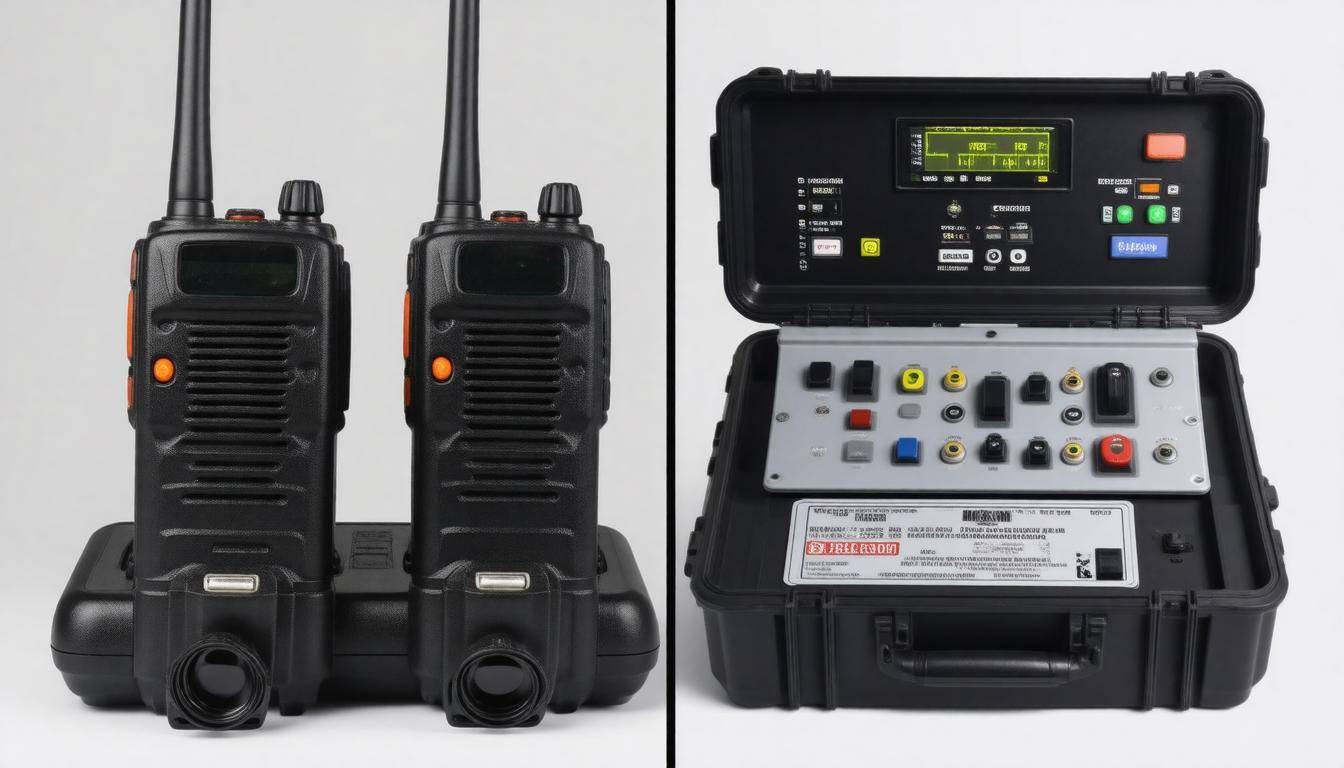
Portable systems excel in their ability to provide mobility and convenience. Imagine a solo hiker traversing the untamed wilderness, relying on a device like the Garmin inReach Mini tucked safely in their gear. These handheld devices allow for easy transport, ensuring that users have access to critical two-way communication no matter where their adventures might lead.
However, it’s important to acknowledge that while they offer incredible flexibility, they also come with limitations, such as shorter battery life—typically lasting between 8 to 24 hours depending on usage—and constrained communication range, which often spans only 1 to 10 miles.
Consider a camping trip: you may find yourself needing to communicate an urgent message or request assistance due to unforeseen circumstances. In such cases, having a portable device on hand can literally mean the difference between safety and danger. Devices like the Ocean Signal RescueMe PLB1 not only compactly fit into your pocket but also promise reliability through GPS tracking and emergency alerts when every second counts.
However, this leads us to the context of fixed systems, which take a different approach altogether.
Fixed systems are designed for permanence and stability. Picture emergency response teams or organizations operating from a central location equipped with base station radios; these systems are hardwired to a power source and often connected to external antennas, allowing for substantial coverage that can exceed 20 miles. They are ideal for collective operations requiring reliable and consistent communication capabilities.
With capable batteries that can last indefinitely when hardwired, fixed systems ensure constant readiness during emergencies without the constant worry of changing batteries.
That said, adaptability is compromised in these systems. They can’t be easily transported from one site to another without significant effort, limiting their usability compared to portable units. A key consideration when choosing between fixed and portable devices is understanding your specific communication needs—whether you require mobility for outdoor adventures or robust support for stationary operations.
Assessing the nature of your activities will guide your decision-making process. For outdoor enthusiasts who value lightweight equipment that ensures connectivity wherever they roam, portable systems prove indispensable. On the other hand, if you represent an organization where dependable communication must be established in a designated area, investing in a fixed system becomes paramount for effectiveness and reliability.
This exploration of equipment types sets the stage for examining versatile kits designed for various communication scenarios.
Handheld Communication Kits
Handheld communication kits are designed to bring convenience and reliability right to your fingertips. They’re more than just radios; they often come bundled with essential accessories that enhance their functionality in emergency situations. These kits typically include items such as extra batteries, chargers, and sometimes even upgraded antennas that improve the range and clarity of your communications.
For instance, the BaoFeng BF-F8HP is a great example of a comprehensive handheld two-way radio kit. It not only provides a reliable communication method but also includes spare batteries and an external antenna, making it perfect for the adventurous spirit who roams beyond the usual reach of cellular networks.
Imagine setting sail along a quiet coastline, the sun glinting off the waves while you easily communicate with fellow sailors miles away using your handheld radio—such was the experience of one satisfied user who reported staying connected over a 20-mile radius during their coastal trip. This emphasizes that having a good kit can profoundly impact your safety and enjoyment during recreational activities or emergencies.
In addition to being compact, these handheld kits must be rugged and durable since they might be used in unpredictable weather or challenging terrain. Look for models that are waterproof and impact-resistant to ensure longevity under adverse conditions. A product’s durability can save you from costly replacements after just a few excursions into the wilderness.
Battery life is another pivotal feature to consider when selecting a handheld kit. Depending on your usage, extended battery life can make a significant difference when you’re cut off from traditional power sources during emergencies. Opting for equipment with long-lasting power will keep you connected longer without needing frequent recharges.
Furthermore, many modern handheld radios now incorporate Bluetooth technology. This allows for hands-free communication, which can be invaluable in situations where you need to multitask or when your hands are occupied with other tasks.
As outdoor activities gain popularity, there is an increased demand for high-quality handheld communication devices. This emerging trend highlights the importance of versatility; buying customizable kits enables users to mix and match components based on their unique needs—be it farming, hiking, or emergency response.
When choosing a handheld communication kit, it’s wise to consider what type of activities you plan to engage in as this will influence not just your choice of device but also any additional accessories you might need. Whether you’re managing a busy agricultural operation or ensuring seamless communication during off-road adventures, having the right kit can determine how effectively you’ll respond to challenges that arise in emergency circumstances.
Investing in a robust handheld communication kit tailored to your specific needs prepares you for whatever situation may come your way. Now let’s explore the critical aspects of energy management that ensure your equipment stays powered when it’s needed most.
Power Options and Battery Life
The longevity and reliability of your emergency communication devices directly depend on their power sources. Some devices, such as the ACR GlobalFix V4 EPIRB, have impressive non-replaceable batteries that can last up to ten years. This long lifespan is attractive—imagine not having to think about changing batteries for nearly a decade! However, not all devices operate in the same way; for instance, the Garmin inReach Mini requires periodic recharging. You’ll need to stay on top of their charging schedules to ensure they are ready when emergencies strike.
To maximize battery efficiency, consider investing in solar chargers or portable power banks. These tools are excellent for devices with rechargeable batteries, allowing you to recharge on the go or during prolonged outages. However, relying solely on solar chargers can be a double-edged sword; they may not function as effectively in low-light conditions or inclement weather. Thus, it’s wise to stock up on these options while also considering additional methodologies.
Always carry extra batteries tailored to your device’s needs. For instance, if your device runs on AA batteries, purchase high-quality rechargeable ones. This ensures you’ll have power when you need it and extends the overall life of your devices while providing peace of mind. Knowing you have backup options can relieve much stress associated with potential outages.
An often-overlooked aspect is keeping track of battery management. Establish plans for recharging critical or frequently used devices ahead of time, especially before forecasts predict severe weather conditions like storms that could lead to outages.
Consider utilizing vehicle batteries as supplemental charging solutions if necessary; however, keep in mind that their charge may not last as long as the original equipment batteries. Proper planning around your power options truly goes hand-in-hand with managing battery life, underscoring the theme of preparedness that transcends mere device purchases.
As extreme weather events become more common, having reliable strategies in place can make all the difference in ensuring your safety and connectivity during emergencies. Let’s now explore equipment built to withstand the rigors of such situations.
Durable and Reliable Equipment
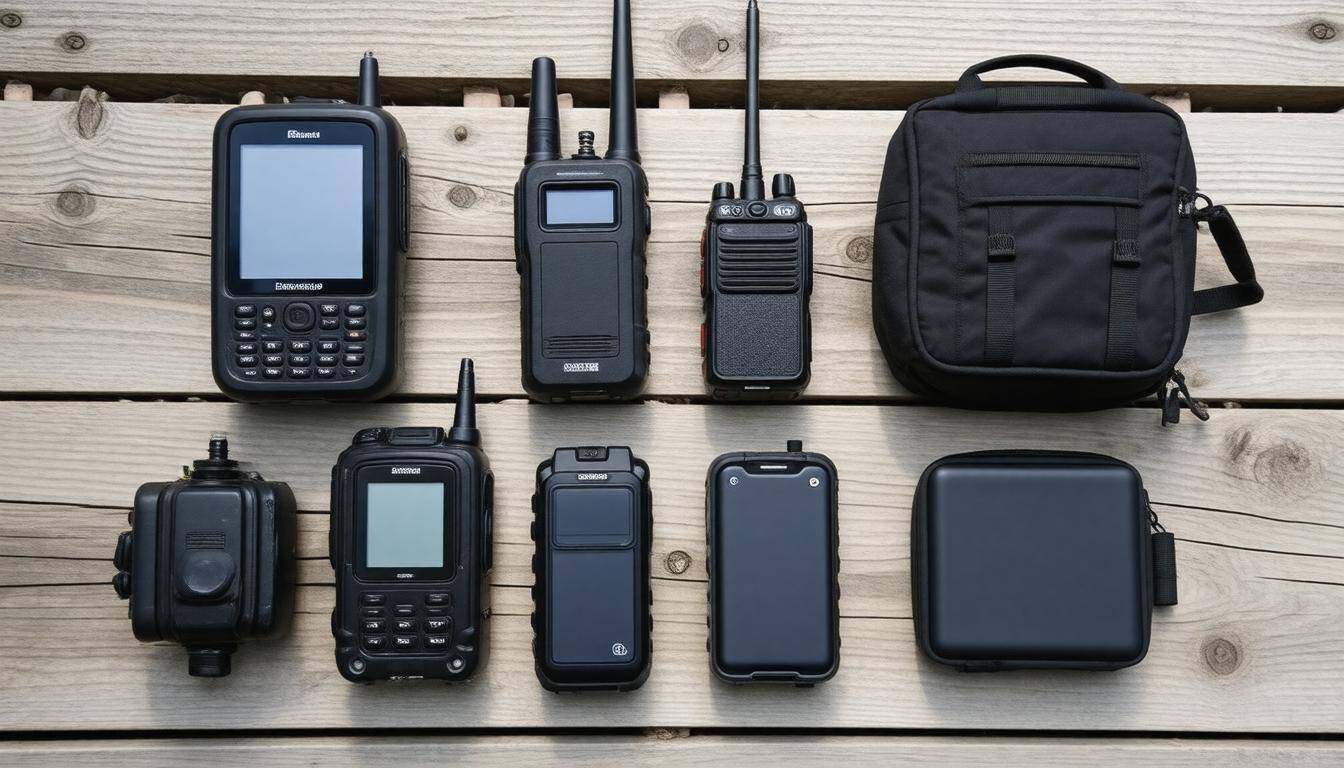
In extreme situations, your survival may hinge on the performance of your communication devices. That’s why it’s crucial to select equipment engineered for resilience. Take the ACR GlobalFix V4 EPIRB as an example; this device is specifically designed to endure harsh elements. Its waterproof design protects it from the rain and ensures functionality even when submerged.
Imagine being out at sea during a storm—knowing that your emergency beacon won’t fail you when you need it most can provide a sense of peace.
User feedback consistently supports the claim that robust devices like the GlobalFix can withstand the rugged conditions typically faced by outdoor adventurers. Many have reported their EPIRBs activating flawlessly after submersion, effectively proving their reliability under pressure.
Beyond water resistance, it’s also essential to consider other durability aspects, such as impact resistance or how well a device can function in extreme temperatures. Some handheld two-way radios boast military-grade durability ratings, meaning they’ve been tested against rigorous environmental standards. This reassures users about their device’s longevity and its unwavering performance during critical times.
Coupled with durability is the need for reliable operation in real-world situations. Devices shouldn’t just be tough; they also need to work without a hitch.
Features like extended battery life can make a substantial difference in critical moments. Emergency beacons and personal locator beacons (PLBs) are intentionally built with long-lasting batteries to ensure they remain operational when help is needed most—24 to 48 hours on continuous broadcast in some instances. The ability to function over an extended period significantly enhances rescue prospects, especially in remote regions where help could take longer to arrive.
It’s also worth noting that many modern devices come equipped with user-friendly features that enhance their reliability further. Components like automatic water activation ensure that if you find yourself incapacitated, your device will activate itself without requiring manual input. This can be invaluable in dire circumstances where every second counts.
When shopping for emergency communication equipment, always prioritize durability and reliable features together, as they go hand-in-hand in guaranteeing your safety on adventures or while boating. As we explore further, understanding the advantages of equipping yourself with dependable gear becomes paramount in preparing for unforeseen challenges.
Benefits of Emergency Communication Gear
Investing in emergency communication equipment can offer numerous advantages that go beyond mere functionality; it significantly enhances your safety while providing invaluable peace of mind during your adventures.
Take, for instance, the way two-way satellite messengers like the SpotX operate. With global coverage, these devices ensure that help is always just a button away. It’s not just about having a tool—it’s about knowing you can reach out for assistance anytime, anywhere. This capability translates into a sense of security that is often unmatched in outdoor experiences.
Hikers and boaters frequently report increased confidence and safety when equipped with reliable communication tools. Imagine you’re hiking in a remote national park, and suddenly the skies darken, and rain begins to pour down unexpectedly. Knowing that you have a device that allows you to send out an SOS or check in with loved ones can ease anxiety and keep your spirits high during otherwise stressful moments.
In fact, statistics show that the use of personal locator beacons (PLBs) has led to an increase in successful rescues by 20% over the past five years. That’s not just numbers; it’s lives saved, families reunited, and stories told around campfires instead of heartbreaking tales of loss.
| Device | Coverage | Battery Life | Activation | Price |
|---|---|---|---|---|
| SpotX Satellite Messenger | Global | Up to 240 hours | Manual | $249.96 + $11.95/month |
| ACR GlobalFix V4 EPIRB | Worldwide | 10 years | Automatic/Manual | $469.95 |
| Ocean Signal RescueMe PLB1 | Global | 7 years | Manual | $299.95 |
Additionally, effective communication gear enhances safety during operations—70% of emergency responders report that it significantly aids their efforts when responding to incidents. This statistic highlights how critical these tools are for both individual adventurers and rescue teams who depend on accurate information for timely interventions.
Furthermore, many of these devices are engineered to endure extreme conditions, boasting durability features such as water resistance and shockproof casing. The majority of users find that a well-designed emergency device remains operational even amidst harsh weather or rugged terrain, which further elevates their trust in using such equipment.
Battery life is another key benefit; many emergency devices feature impressive longevity, ranging from 12 to 48 hours depending on usage type and model specifications. Such durations ensure that users remain connected over extended periods without worrying about draining their batteries.
All these advantages combine to create more than just gadgets—they turn into essential survival tools that promote safety awareness and preparedness for unforeseen circumstances during outdoor expeditions.
In choosing the right emergency communication equipment, remember that these devices can literally be lifesavers in critical situations. Investing wisely means you’ll always be ready for adventure while keeping safety at the forefront.