
When it comes to emergencies, how prepared are your kids? Imagine if the unexpected happened—would they know what to do? Teaching children about emergency communication can make all the difference between panic and action. It’s not just a matter of knowing to call 911; it’s about instilling confidence in them so they can think clearly during stressful situations. In this guide, we’ll explore practical strategies for teaching kids essential skills like identifying safe adults, using technology wisely, and role-playing various scenarios. By investing time in their preparedness, we’re equipping them with vital tools that will serve them throughout their lives, ensuring they feel empowered rather than afraid when emergencies arise. Let’s dive into how we can make this crucial learning engaging and effective!
The Emergency Communication for Children: Teaching Guide includes structured responses, such as The Big Five plan, which outlines essential emergency protocols like “Shelter in Place” and “Evacuation,” alongside age-appropriate lesson plans and engaging materials. It is designed to equip educators and parents with the tools necessary to effectively teach children how to respond safely during emergencies.
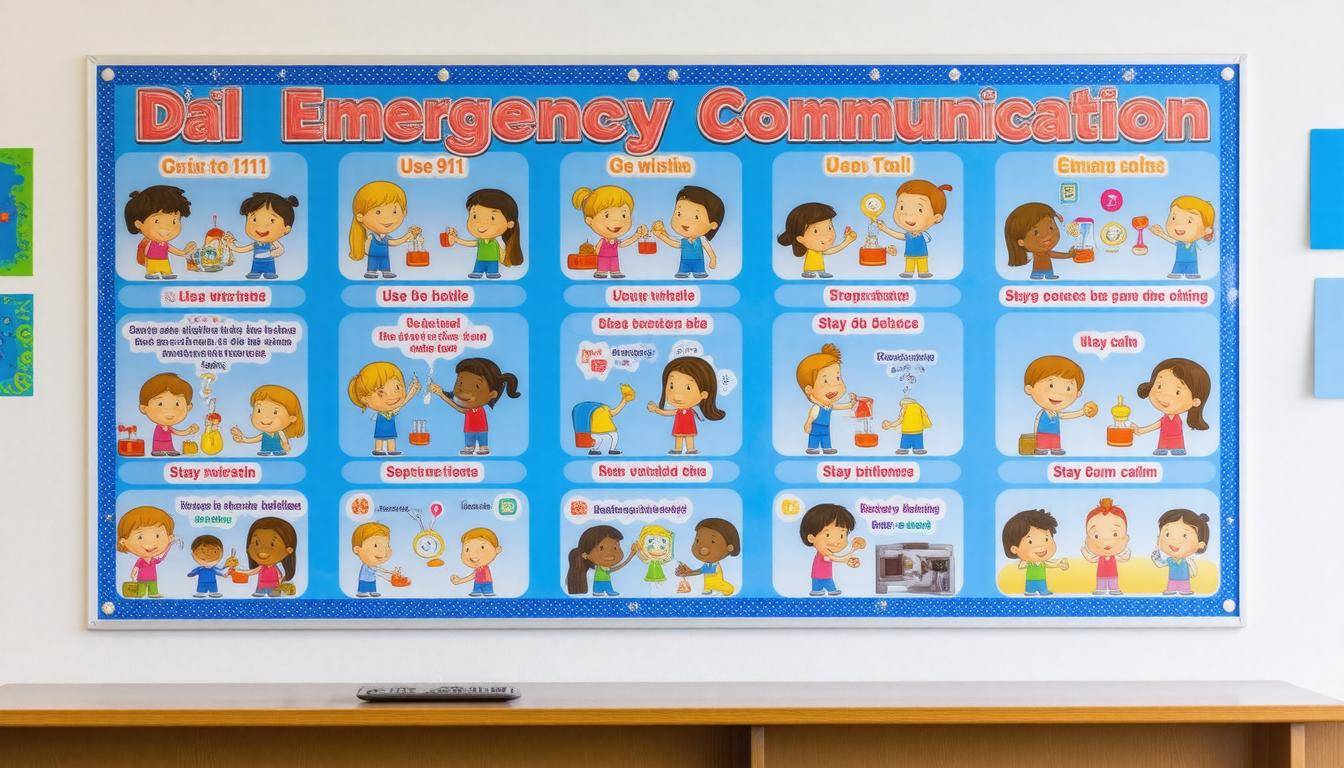
Why Teaching Emergency Communication is Important
Children are impressionable and often experience heightened anxiety during emergencies. In fact, a staggering 70% of children aged 8-12 have reported feeling anxious when faced with unexpected crises. That’s where effective education comes into play. Teaching children about emergency communication provides them with both the knowledge and confidence to respond appropriately in potentially dangerous situations. This isn’t just about dialing numbers; it’s about empowering kids to advocate for themselves and others when it counts.
Studies reveal that children who receive emergency communication training are 60% more likely to act correctly in real-life situations. This statistic underscores why parents and educators should make emergency preparedness a priority. Children learn not only how to react but also retain this essential information longer—by as much as **50%**—when they engage in practical exercises or role play scenarios that simulate emergencies.
With every moment spent learning how to communicate in emergencies, it enhances their ability to make quick decisions under pressure.
Incorporating lessons on recognizing trustworthy adults can provide children with vital decision-making skills during times of uncertainty. For instance, instructing kids on how to identify safe adults, like security personnel or police officers, helps ensure their safety if they find themselves lost or threatened. Establishing a “secret password” system within families offers additional layers of protection—enabling children to identify legitimate caregivers.
Consider the dynamics of various emergency situations: imagine a child separated from their parent in a crowded space. Without guidance on where to go or whom to trust, feelings of fear and helplessness can overwhelm them. If they have been taught the importance of returning to a predetermined safe location or approaching someone in uniform, they’ll have actionable steps rather than freezing in fear.
This proactive approach sets the foundation for resilient and responsible individuals capable of navigating uncertain circumstances effectively.
Lastly, embracing technology as part of this educational journey is essential too. Teaching kids how to use smartphones for emergency calls—even when they’re locked—can be a game-changer. The ability to dial 911 without needing to unlock a device provides reassurance and immediate access when seconds matter most. Parents can even encourage conversations around alternative plans, such as keeping an inexpensive landline as a backup capable of direct access to help.
By focusing on these core elements—practical skills for communication, situational awareness with trusted adults, and leveraging technology—we equip our children with vital survival tools that prepare them for challenges today while instilling lifelong habits that promote safety and preparedness throughout their lives.
Equipping children with these essential skills paves the way for further discussions surrounding effective strategies tailored for navigating emergencies in depth. Let’s explore how we can institutionalize these practices into comprehensive plans moving forward.
Building an Effective Emergency Plan
When it comes to creating an effective emergency plan for children, think of it as crafting a lifeline that they can grasp in times of uncertainty. The first step is to identify potential emergencies that could affect your family based on where you live. For instance, if you’re in an area prone to earthquakes, floods, or wildfires, include those scenarios in your planning. It’s essential that children understand the unique risks in their environment because it grounds them in reality and helps them take such emergencies seriously.
Once you’ve identified the emergencies, choose a safe meeting place that is familiar to everyone. This could be a nearby park or the neighbor’s house—somewhere easily recognizable. The goal here is simplicity; you want the location to be accessible and not cause confusion if panic sets in. Ensure everyone knows how to reach this location and establish that it’s off-limits until authorities give the all-clear after any crisis.
Teaching children about emergency contacts is another crucial facet of your plan. Help them memorize or keep an easily accessible list of essential phone numbers for parents, trusted neighbors, and local emergency services. A simple trick might involve using a fun rhyme or song to help younger kids remember these numbers; making it playful allows children to engage more openly with serious responsibilities.
To effectively communicate during emergencies, consider creating a communication tree. This visual tool outlines who should be contacted first when something goes wrong—perhaps starting with a parent at work, then cascading down to a second parent or trusted neighbor. Visual aids like flowcharts can help children understand the sequence better and empower them to act swiftly when needed.
Another vital component is regular practice and review of the plan itself. Reviewing the steps with your children at least bi-annually ensures that everyone remains aware and prepared. Keeping the lines of communication open encourages questions from your children about anything they don’t understand. Reinforcement through role-playing exercises, like pretending there’s an earthquake and having everyone practice finding their meeting spot, can make a world of difference for their confidence during real emergencies.
As changes in family dynamics occur—like moving homes, getting new phones, or even changes in school—it’s critical to update all components of your emergency plan to reflect those modifications. Regular reviews not only keep your plan intact but also foster conversations around safety within your family.
By focusing on clear communication strategies and regular updates, families can create a resilient foundation for handling unexpected situations while equipping children with essential skills for the future.
Key Communication Skills for Kids
Developing effective communication skills is essential not just for emergencies, but for everyday interactions as well. The goal is to equip children with the abilities they need to express themselves clearly and efficiently in high-pressure situations. Each skill plays a crucial role in ensuring that kids remain safe and feel empowered when faced with challenging circumstances.
Essential Skills
-
Dialing 911: First and foremost, teaching children how to locate and dial emergency services is vital. In today’s world of smartphones with complex interfaces, it’s invaluable to show them how to access emergency features quickly. Practice this at home; make it a fun exercise where they can pretend to call 911 while role-playing different scenarios. Reinforcing familiarity will boost their confidence.
-
Providing Information: Just as important is teaching them how to clearly communicate their location and the nature of the emergency. Young children might struggle with articulating where they are, especially during frantic moments. Encourage them to memorize their address or use landmarks as reference points. You might create a simple rhyme that includes their address or turn it into a catchy song—children often learn best through melody.
-
Staying Calm: In the chaos of an emergency, remaining composed can be a challenge for anyone, particularly for children. Here’s where some proactive strategies come into play! Incorporating deep-breathing techniques can make all the difference in calming nerves. Engage your child in regular practice—perhaps set aside time each day for mindful breathing exercises. Dr. Amanda Davis emphasizes, “Teaching children calming strategies early can significantly improve their ability to manage emergencies.” Practicing these techniques will help them internalize methods for self-soothing, which could help in startling situations.
With these essential skills under their belt, children are better prepared to face emergencies responsibly, leading them to act quickly and appropriately.
Beyond mastering individual skills, it’s important to foster an environment where open dialogue about safety is encouraged. Regular discussions about potential emergencies at home can solidify understanding and reinforce these lessons. Take advantage of family outings or trips—ask questions about what they would do if they became separated in a crowded place or if they saw something suspicious.
Engaging with them regularly allows opportunities to teach and remind them about recognizing safe adults they can approach for help—like police officers or security personnel—and grounding them in supportive connections ensures that they never feel completely alone in an emergency.
Nurturing these communication skills equips children with not just the tools necessary for emergencies but also enduring life capabilities such as negotiation, advocacy, and clarity of thought—fostering resilience that extends beyond any one moment of crisis. Every interaction contributes to their growing arsenal of knowledge, shaping confident individuals ready to engage effectively with the world around them.
As we explore practical applications of these skills through creative methods like simulation activities, it becomes clear how reinforcement can enhance children’s readiness for real-life situations.
Role-Playing Emergency Scenarios
Role-playing is more than just play; it’s a powerful educational tool that allows children to embody and practice emergency responses in a safe environment. By simulating realistic situations, kids have the chance to rehearse how they would react, understand the importance of their actions, and learn to communicate effectively during a crisis. This hands-on method fosters confidence as they gain valuable experience navigating challenging situations.
Step-by-Step Role-Playing Guide
The first step in creating engaging role-play scenarios is selecting relatable situations. You could choose emergencies like a house fire, an intruder entering the home, or perhaps someone falling and needing immediate assistance. Each scenario should be age-appropriate, ensuring children can grasp the seriousness without feeling overwhelmed. As you select these scenarios, ask yourself what they might encounter in their everyday lives—this connection will make the exercise even more impactful.
Once you’ve chosen the scenarios, it’s time for the fun part: acting it out!
Children love to use their imaginations, so don’t hesitate to incorporate props to enhance realism. For instance, if you’re simulating a fire scenario, you could use an old blanket as smoke. As kids act out their roles—maybe one child pretends to be trapped while another practices calling 911—they’ll learn to articulate essential details, like their location and what’s occurring. Encourage them to speak clearly and remain calm during this practice. Remind them that staying composed is key when speaking with emergency responders.
After you’ve wrapped up your role-play session, it’s crucial to engage in a feedback discussion.
This part helps reinforce learning and provides an opportunity for children to express their feelings about the simulated situation. Ask guiding questions like What did you feel was most difficult? or How would you change your approach next time? This constructive dialogue encourages self-reflection and reinforces positive behaviors learned during the activity.
Just as athletes improve by repeating drills under pressure, children become adept at emergency preparedness through these engaging role-play scenarios.
Role-playing transforms abstract concepts into manageable actions. As you guide your children through these exercises, remember that each rehearsal builds their confidence and readiness for real-life emergencies. By walking through various scenarios together, you’re preparing them not just to face challenges head-on but also to respond appropriately in moments that may otherwise overwhelm them.
As we explore further, let’s uncover how technology can enhance safety learning experiences for children and amplify these vital skills.
Integrating Technology in Safety Learning
Modern technology has brought exciting changes to how we teach children essential safety skills. With the right tools, kids can learn about emergencies in engaging and interactive ways, making these lessons stick in their minds. Picture this: instead of just reading from a book, children can interact with apps that simulate real-world scenarios. This hands-on approach transforms learning into an experience rather than a chore, allowing kids to grasp concepts more effectively.
Practical Applications
One highly effective tool in this realm is emergency apps tailored for children. These apps often feature fun interfaces where kids can practice making emergency calls or engage in interactive lessons on topics such as fire safety or what to do during an earthquake. By gamifying these serious topics, children are more likely to absorb vital information without feeling overwhelmed by the gravity of potential emergency situations. For instance, some apps offer quizzes that reinforce safety knowledge after they navigate through simulated scenarios.
Additionally, smart devices like GPS-enabled watches provide another layer of security. These watches not only allow parents to track their child’s location but also serve as communication tools that can be used in emergencies. Children can quickly reach out for help or receive instructions directly from their parents if something goes awry. This dual function fosters independence while ensuring peace of mind for parents, knowing they can always connect with their child.
Incorporating these technologies into regular safety drills is invaluable; creating routines around tech-savvy practices helps solidify children’s understanding of safety measures. Imagine conducting a fire drill that includes practicing how to use an app to alert authorities or check in with loved ones, integrating technology seamlessly into critical learning moments. However, it’s crucial to supervise these activities. Encouraging appropriate use ensures that children learn to navigate technology safely and responsibly.
Employing technology doesn’t substitute traditional learning methods; instead, it complements them beautifully. By balancing tech-based lessons with conventional education, you cultivate well-rounded individuals who are both knowledgeable and prepared for emergencies.
As we explore further into the intricate web of resources available for child safety education, we find support systems and community aids that play a vital role in reinforcing these teachings.
Community Resources and Support
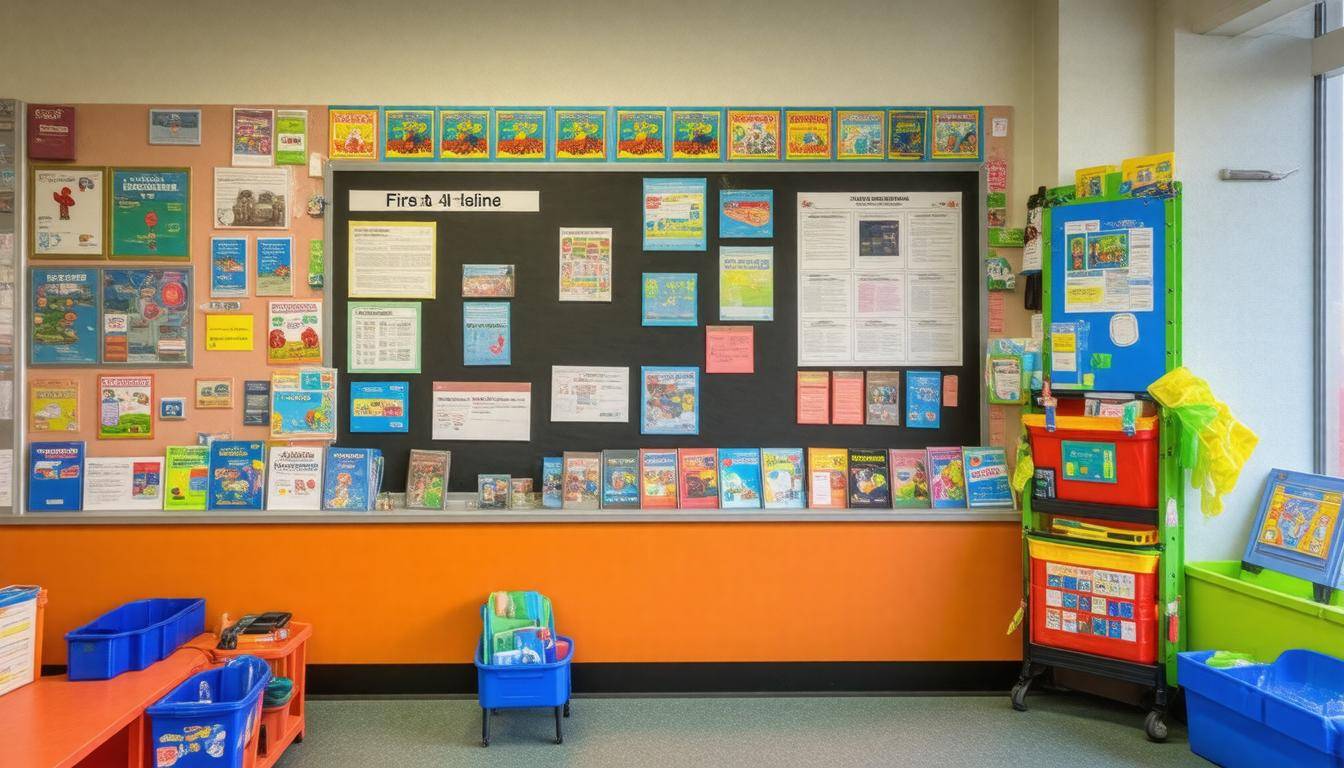
Utilizing community programs and resources can truly empower kids with vital information and skills needed during emergencies. For instance, local fire stations often host tours that provide children a firsthand look at fire trucks and equipment while educating them on crucial fire safety measures. During these visits, children learn the importance of dialing 911, recognizing smoke alarms, and understanding evacuation procedures. These experiences foster confidence, making children more comfortable and knowledgeable about how to respond in a crisis.
Beyond fire station tours, consider engaging with organizations such as the Girl Scouts or Boy Scouts. These groups offer structured programs that teach not only essential camping skills but also important emergency training, like basic first aid, CPR, and how to react during various emergencies. The lessons learned in these programs equip children with practical skills that could save lives.
“My son’s Scout program was invaluable in teaching him about first aid and emergency situations,” says Jennifer, a parent from Denver. Her experience illustrates how active participation in community organizations can reinforce learning at home, ensuring that children are prepared for unexpected events.
Additionally, many communities offer workshops focused on emergency preparedness. These workshops may include sessions on developing family communication plans or assembling an emergency kit together. Participating in such workshops not only informs parents but also allows kids to understand the family’s emergency plan thoroughly.
It might interest you to know that statistics show approximately 30% of families have discussed emergency contact plans, highlighting the need for further education and outreach within communities. Schools often participate in collaborative efforts with local organizations to deliver timely information related to emergency preparedness as well. In fact, 75% of schools in districts across the country provide programs teaching children about safety measures and communication strategies.
To continue building this foundation of knowledge, parents can take advantage of online resources that offer educational games or apps designed specifically for children. These interactive tools make learning about emergency procedures fun and engaging, reinforcing what they’ve learned through community involvement. By integrating what kids learn from community resources with online materials, you create a holistic approach to emergency preparedness that can significantly affect their readiness during real-life situations.
By tapping into community support systems and educational tools, you are paving the way for your child’s preparedness journey in emergencies. This proactive approach leads seamlessly into exploring practical simulations that enhance their readiness when it counts most.
Effective Emergency Drills at Home
Regular drills at home serve as crucial rehearsals for children, embedding the lessons and responses they need during unexpected situations. Think of it as teaching them how to ride a bike; the more they practice, the more confident and competent they’ll become when it truly matters. Conducting these drills not only prepares children but also alleviates anxiety. Children who know what to do in emergency situations are naturally calmer than those left in uncertainty, laying the foundation for effective response.
Steps to Conduct a Drill
Begin by deciding what type of emergency you want to simulate—could it be a fire drill, an earthquake scenario, or even a lockdown situation? Clarity is key; if kids know exactly what to expect, they’ll be better prepared to respond. Parents can designate specific roles for each family member. For instance, one person might gather everyone together while another checks that all exits are clear.
Once you’ve mapped out your plan, the next stage involves simulating the identified emergency scenario.
During this simulation, children should practice essential tasks like calling 911 and identifying their evacuation or lockdown procedures based on your planned actions. This could involve rolling up towels for fires or selecting safe spots away from windows during a lockdown. Repetition is vital here; try to engage the children fully and treat it seriously, much like you would if it were a real-life situation. You might say something like, “Remember, during an emergency, you don’t just panic—stay focused!”
Afterward, it’s essential to review their performance collectively as a family.
Discuss what went well and where improvements could be made. Celebrating moments of success will boost their confidence, while addressing areas that need work better prepares them for actual emergencies. A simple feedback session—just ten minutes—allows parents to reinforce valuable lessons and ensure everyone understands their responsibilities. Picture this time as a team huddle after a game; reflect on the good and build strategies for improvement.
By regularly conducting these drills, you instill muscle memory in your children, making their reactions more instinctive during actual emergencies. Consistency is key; just as with any skill, regular practice leads to proficiency.
While emergency drills can feel repetitive at times, the peace of mind generated by knowing your family is prepared makes every moment spent rehearsing worthwhile.
With this foundation laid out, let’s now turn our focus toward strategies that families can implement to further solidify these important concepts in their daily lives.
Tips for Parents to Reinforce Learning
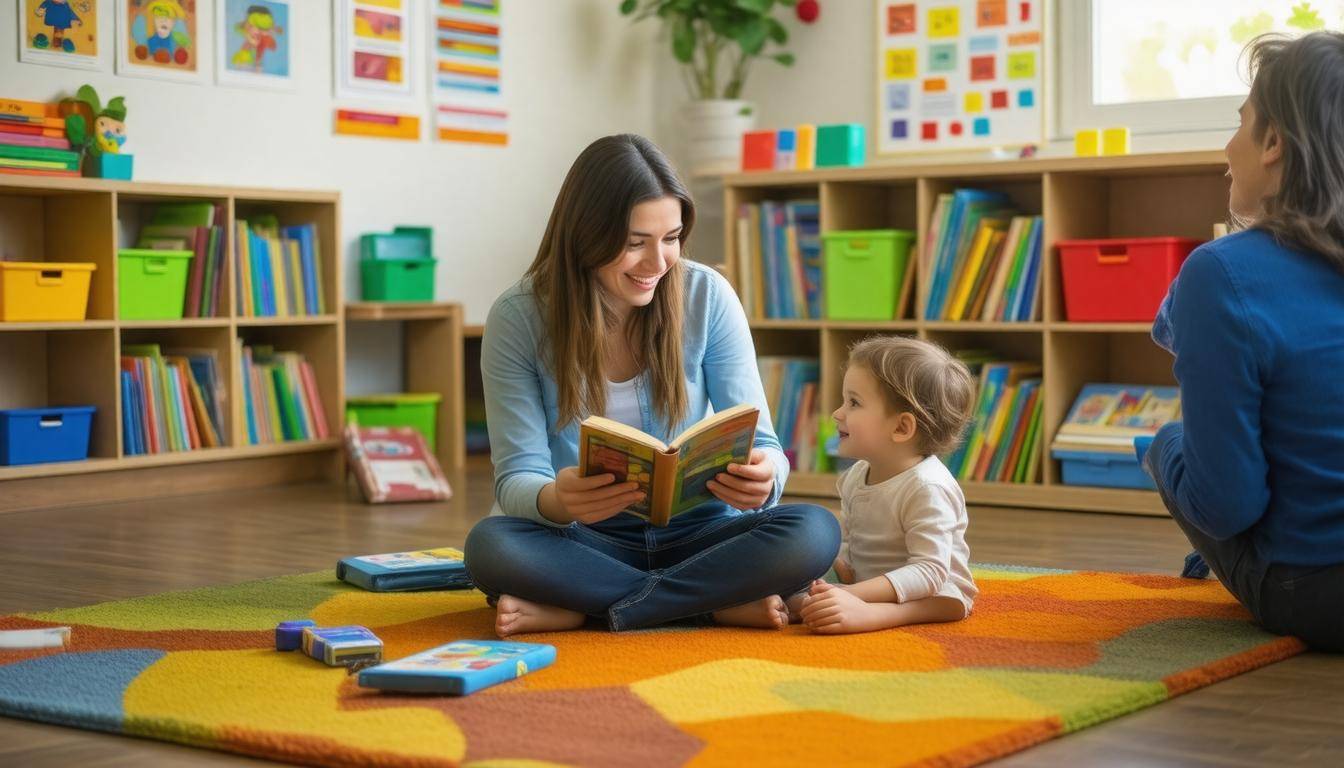
One of the most effective ways to ensure that children internalize emergency communication skills is through consistency. This means not only reviewing the emergency plan regularly but also engaging children in discussions about what they should do in different situations.
For instance, rather than just telling them to call 911, practice it together by role-playing various scenarios where dialing the number becomes necessary. Children learn best through repetition and real-life applications, so discussing how to recognize emergencies and practice responding can instill confidence.
In addition, positive reinforcement plays a significant role in a child’s learning process. When a child successfully remembers their address during practice calls or shows understanding of safe behaviors, celebrate those moments.
This could be as simple as a high-five or verbal acknowledgment, “Great job remembering your address! That’s essential if you ever need help!” Celebrating these small victories not only encourages kids but also reinforces their ability to navigate emergency situations calmly.
An avenue that can make learning enjoyable is educational media. Using resources like books or age-appropriate cartoons that depict characters facing emergencies helps normalize discussions about safety in a relatable context. As noted by Safe Kids Worldwide, children retain information better when lessons are both enjoyable and interactive.
By introducing stories centered around bravery and quick thinking, parents can spark conversations where children feel encouraged to share their feelings while learning crucial information.
Beyond media consumption, hands-on activities contribute immensely to reinforcing these important skills. Simple things such as creating a family emergency contact list together can deeply engage children while teaching them what crucial phone numbers they should memorize.
Writing down this information and placing it somewhere accessible fosters ownership of their knowledge.
Regular family drills can also solidify this foundation further; by practicing together at least once a month, children become acquainted with the procedures and develop muscle memory for specific actions during actual emergencies. Research indicates that families conducting monthly drills see noticeable increases in children’s confidence—a factor that may serve them well in panic-inducing situations.
Additionally, using visual aids can enhance comprehension; infographics or posters outlining steps to take during various emergencies can clarify protocols at a glance. Having these visual reminders around the home enables passive learning opportunities as children absorb information simply by encountering them regularly.
Encouraging storytelling about personal experiences with emergencies—whether it’s a family member handling an unexpected situation or a fictional character facing dangers—can help demystify fears surrounding emergencies. Children relate better to stories, allowing key concepts to resonate on an emotional level, ultimately making them more likely to apply what has been discussed when faced with real scenarios.
By weaving together discussions, consistent practices, positive reinforcement, fun educational media, meaningful engagement through role-playing, and regular drills into everyday activities, parents can cultivate an environment where emergency communication skills effortlessly blend into their children’s daily lives.
In summary, fostering these skills is vital for children’s safety and confidence during emergencies. Effective communication about safety starts at home and nurtures lifelong preparedness.