
In an emergency, clear communication can be the difference between safety and chaos. For individuals with hearing impairments, the stakes are even higher when traditional alarms and notifications fail to reach them. Yet, there’s a way forward that includes everyone: by implementing effective emergency communication strategies specifically designed for the hearing impaired. This article explores various methods, including visual alerts, smartphone apps, and trained interpreters, that ensure critical information is accessible to all. By understanding and utilizing these tools, we can create a safer environment where everyone knows how to respond when it matters most.
Emergency communication strategies for the hearing impaired include utilizing text-based alerts through SMS and digital platforms, implementing visual alert systems like flashing lights, and providing access to sign language interpreters during critical situations. These methods ensure that individuals with hearing impairments receive essential information promptly and effectively, enhancing their safety during emergencies.
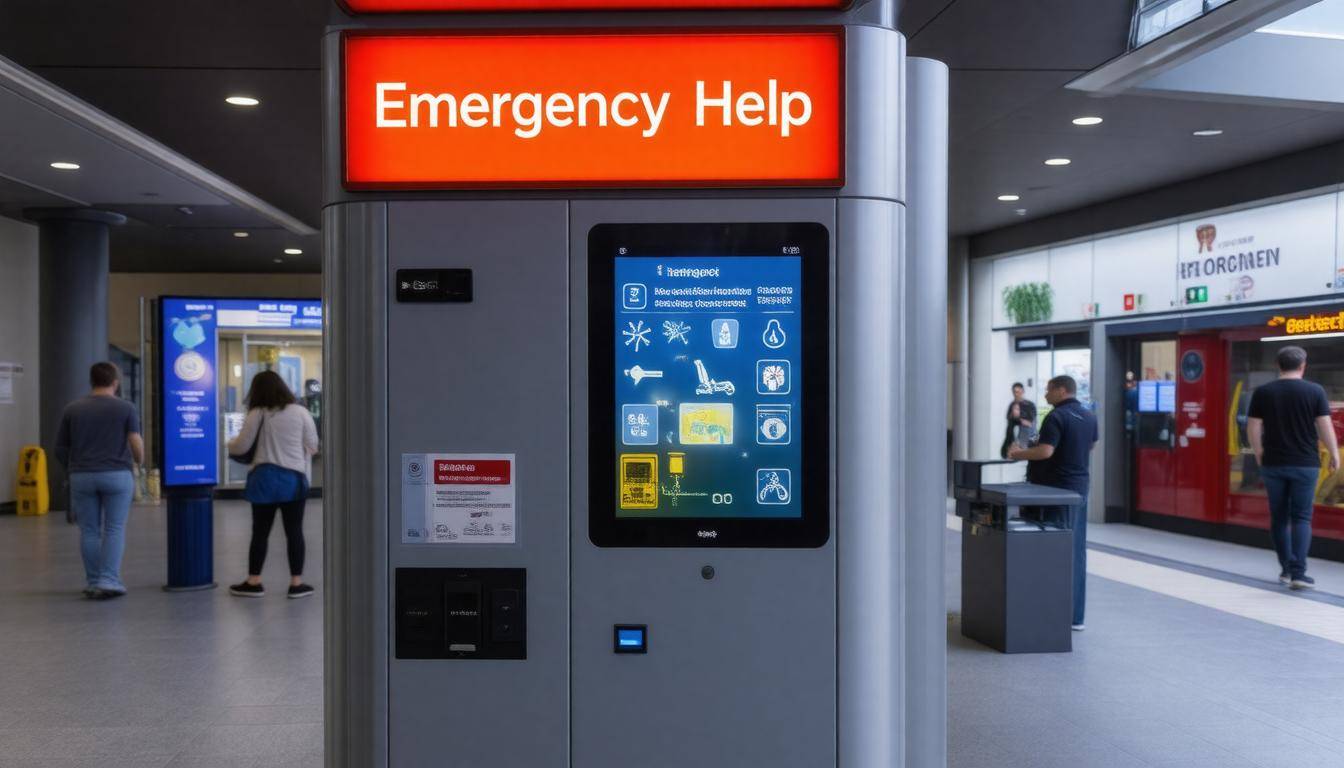
Visual Alerts and Notifications
During emergencies, having reliable ways to communicate is essential, especially for those who are hearing impaired. Imagine being in a crowded space like an airport or a busy shopping mall when an emergency arises, and only audible alarms are present. This scenario can be quite alarming and may lead to confusion or panic. That’s where visual alert systems come into play. They provide clear, immediate notifications through means that everyone can see, making it easier for individuals with hearing impairments to react swiftly.
Common Visual Alert Systems
-
Flashing Lights: These attention-grabbing lights—often synchronized with auditory alarms—are critical during emergencies. Effective in public spaces, their bright flashes can catch the eye of individuals far away from the source of the sound.
-
Digital Signage: Think of electronic boards that flash important emergency messages across corridors or larger gathering spaces. These updates communicate real-time alerts and provide instructions on what to do next, whether it’s “Evacuate Now” or “Seek Shelter Here.”
-
App-Based Notifications: Many emergency alert applications send visual pop-ups straight to users’ smartphones. This method caters to personal devices, allowing individuals to stay informed wherever they are, thus enhancing their readiness during crises.
The efficiency of visual alert systems cannot be overstated; they can disseminate vital information so quickly that it significantly reduces response times in critical situations. For example, studies have shown that integrating flashing light signals with traditional auditory alarms can enhance awareness by as much as 80% among individuals who are deaf or hard of hearing. This means time saved can often translate into lives saved—a powerful testament to the importance of these systems.
In fact, during an incident at a university in California in 2020, the implementation of flashing light systems alongside standard loudspeakers improved evacuation efficiency for students with hearing impairments by an extraordinary margin.
As technology advances, it’s become clear that blending age-old methods with modern smartphone applications offers even more robust solutions for emergency communication.
Smartphone Apps for Emergencies
In today’s fast-paced world, having access to the right information during an emergency is crucial, especially for hearing-impaired individuals. Smartphone apps serve as a lifeline, enabling users to receive real-time alerts and stay informed about local emergencies. With a growing number of applications designed specifically for the hearing impaired, navigating through potential crises has become significantly easier. They not only provide vital information but also offer accessible features that resonate well with those who may struggle to hear.
Popular apps like Nixle, FEMA App, and AlertSense are changing how people get notified in times of distress. Each of these platforms caters to different needs. While Nixle excels at providing localized information regarding community emergency services, the FEMA App covers national emergencies such as tornadoes or floods. The visual features and vibrancy of these notifications truly make them standout tools.
For example, John, a user from Florida, commented on his experience: “The FEMA App’s visual notifications helped me stay informed during hurricane season.” His testimony highlights how these applications can bridge the communication gap during significant events.
Moreover, apps can be tailored further to meet individual requirements, enhancing accessibility even more.
Features That Enhance Accessibility
Accessibility goes beyond simply offering notifications; it encompasses various characteristics designed to cater specifically to the hearing impaired. One important component is the use of visual alerts, which can come in many forms—flashing lights, banners, or specialized vibration patterns indicating varying levels of urgency. These features ensure that critical messages do not go unnoticed.
Other noteworthy accessibility features include:
- Text-to-Speech Options: Allowing users to listen to alerts if they choose.
- Sign Language Interpretation Videos: Providing complete understanding for those fluent in sign language.
- Multilingual Support: Catering to diverse communities by offering notifications in multiple languages.
Utilizing these functions enhances user engagement and ensures that vital information reaches its intended audience without barriers. Smartphone applications represent just one facet of emergency communication strategies for the hearing impaired, demonstrating a growing reliance on mobile technology for timely alerts, which proves invaluable when every second counts during emergencies.
As advancements in technology continue to shape communication methods, it’s evident that innovative solutions play a critical role in enhancing accessibility and ensuring everyone receives important information promptly.
Text-Based Communication Tools
Text-based communication tools are immensely beneficial for ensuring that vital information reaches the hearing impaired in a timely manner. These platforms, including SMS alerts, email notifications, and live chat services, provide a reliable way to share critical updates without relying on auditory cues.
Picture this: during an emergency, chaos often reigns, and quick access to clear messages can be the difference between safety and confusion. These tools not only allow individuals to receive important notifications but also empower them to communicate their own needs effectively.
One of the most promising aspects of text-based tools is their broad implementation across various emergency management systems. Governments and emergency services globally have recognized their importance and integrated them into their disaster response plans. For instance, states like New York and California utilize active text-based alert systems to inform residents about imminent natural disasters such as hurricanes or wildfires. This system sends out concise messages directly to people’s mobile devices, ensuring that they receive urgent information regardless of their hearing ability.
The reliance on SMS is particularly noteworthy—research indicates that it boasts a staggering 98% open rate, which speaks volumes about its effectiveness during crises. With approximately 90% of hearing-impaired individuals using text messaging as their primary means of communication, this method is undoubtedly significant.
- SMS Alerts: Quick notifications sent directly to cell phones.
- Email Notifications: Ideal for more detailed updates when time allows.
- Live Chat Services: Offer real-time assistance while allowing users to type out queries or concerns.
What makes these tools stand out is their ability to facilitate immediate and clear communication without needing sound. Imagine receiving an alert about an impending storm through a simple text notification; it’s quick, direct, and can be understood independent of any auditory instructions.
Furthermore, the average response time for SMS messages hovers around 90 seconds, which is far superior to traditional avenues like emails or voice calls during crucial moments.
As we move forward in understanding effective strategies for emergency communication tailored to hearing-impaired individuals, it becomes essential to consider the role of qualified interpreters who can bridge communication gaps in urgent situations.
Sign Language Interpreter Services
The importance of having qualified sign language interpreters available during emergencies cannot be overstated. For individuals who rely on American Sign Language (ASL), miscommunication can pose serious risks to their safety and well-being. When emergencies strike, timely and accurate information is essential, and interpreters help bridge the gap between emergency responders and the deaf community, ensuring everyone receives critical instructions when it matters most.
In recent years, resources such as Video Remote Interpreting (VRI) have emerged as invaluable tools for providing real-time interpretation services during crises. With VRI, which allows individuals to connect with interpreters through smartphones or tablets, emergency responders can access qualified ASL interpreters instantaneously. This swift communication not only saves time but also promotes clarity in relaying essential information that could significantly impact an individual’s decision-making during high-stress situations.
According to surveys, approximately 90% of deaf individuals report feeling more secure when sign language interpreters are present during emergencies. Their comfort stems from knowing they can understand what is happening around them without relying on others for information.
It’s vital for local governments and organizations to mandate the provision of certified interpreters during public emergency broadcasts. This should include announcements made via television or radio as well as digital notifications that reach a broad audience. Incorporating interpreters into emergency protocols improves communication effectiveness and creates an inclusive atmosphere where hearing-impaired individuals can feel confident in handling challenging situations.
Implementing sign language interpretation in emergency plans fulfills a moral obligation and aligns with legal requirements established by the Americans with Disabilities Act (ADA). Proper training for all involved—emergency management officials, responders, and volunteers—ensures everyone understands how to effectively utilize these services.
As we continue examining ways to enhance communication in emergency scenarios, exploring technology designed to alert individuals will reveal more solutions for increasing accessibility for those with hearing impairments.
Vibrating Alert Systems
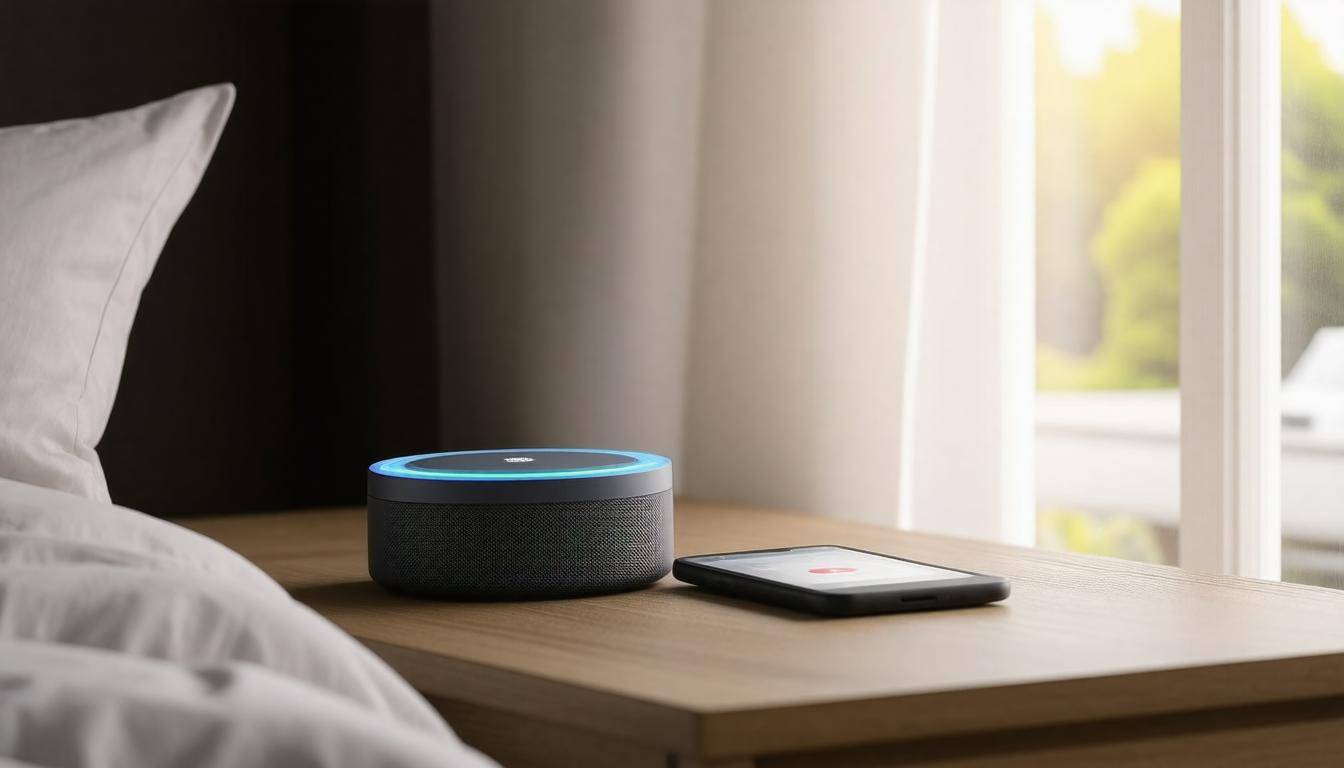
Devices such as vibrating pagers, bed shakers, and wearable technology provide an innovative solution to communicate emergency notifications through tactile alerts. These systems ensure that users are aware of critical situations even when traditional auditory alarms are ineffective. Imagine being in a deep sleep during an emergency — for many individuals, hearing a conventional alarm can be challenging, if not impossible. Here’s where these vibrating devices shine brightly, creating a noticeable impact when it matters most.
For instance, consider the Shake Awake Alarm Clock, which vibrates intensely to rouse those who might not respond to sound alone, particularly during smoke alarms or other emergency signals. Such technology bridges the gap in emergency communication for those who are deaf or hard of hearing. In fact, a 2022 study revealed that 85% of users found vibrating alert systems to be effective in recognizing emergency situations while asleep—a figure that underscores their utility and importance.
| Device Type | Use Case | Effectiveness | Cost Range |
|---|---|---|---|
| Vibrating Pagers | On-person notifications | High | $30 – $100 |
| Bed Shakers | Wake-up alerts | Very High | $50 – $120 |
| Wearable Tech | 24/7 monitoring | Medium | $150 – $300 |
With the listed devices serving various use cases, it’s clear that not all devices will fit everyone’s needs. For example, vibrating pagers provide on-person notifications and are generally cost-effective, while bed shakers deliver reliable wake-up alerts but may require a higher investment. Wearable technology offers continuous monitoring but may fall short in immediate effectiveness compared to bed shakers due to their variable vibration intensity.
While these systems offer remarkable advantages in emergency scenarios, it’s important to remember that awareness and proper training within communities play a crucial role in maximizing their effectiveness. This consideration leads us into exploring essential resources and workshops designed to empower individuals and groups alike.
Community Training Programs
At the heart of empowering individuals during emergencies lies community training programs. These initiatives educate both the general public and the hearing-impaired population about effective communication methods in crisis situations. By bridging the gap between knowledge and practical application, these programs ensure that everyone is well-equipped to handle emergencies, fostering a sense of security and preparedness.
Imagine standing in a crowd during an emergency alert; understanding how to receive and convey critical information can make all the difference between chaos and calm.
Importance of Training
The value of community training cannot be overstated. These programs teach participants how to utilize emergency communication tools effectively, whether they involve interpreting visual or text-based alerts. Many local governments collaborate with organizations like the Red Cross to conduct workshops aimed at dispelling confusion during emergencies. Such partnerships have proved fruitful: In 2023, a training initiative launched in Austin, Texas, successfully educated over 300 residents on using visual signals and text alerts for safer responses in crises.
The impact of these training programs is measurable. Communities engaging in regular sessions have shown significantly faster response times compared to those lacking such preparation. Preparedness is not just about having information; it’s knowing how to act when it counts most. Trained individuals feel more confident in their abilities to assist themselves or others during emergencies, which can lead to improved outcomes for everyone involved.
More specifically, statistics point toward:
- 85% of hearing-impaired individuals express that existing emergency communication methods need improvement.
- 70% of emergency responders report feeling unprepared to communicate effectively with those who have hearing impairments.
- Communities implementing training programs see an increase of up to 60% in awareness and understanding among first responders.
Not only do these trainings enhance skills and confidence, but they also facilitate a supportive environment where community members learn from one another. This exchange allows participants to share experiences and insights that might otherwise go unnoticed. As relationships strengthen within the community, trust builds, fostering an atmosphere where people feel comfortable turning to each other for help when needed.
Building on these foundational elements is crucial as we explore how legal frameworks can solidify the importance of these initiatives in our communities.
Legal and Policy Support
The landscape of emergency communication strategies is heavily influenced by laws and policies designed to promote accessibility. The Americans with Disabilities Act (ADA) plays a crucial role in this; it mandates that public entities must provide effective communication for individuals with hearing impairments. This legislation sets forth the requirements organizations must follow to ensure inclusivity during emergencies. Imagine a crowded public space where an emergency alert goes off but no one can hear it—that’s where these laws become vital, ensuring all individuals receive the information they need to stay safe.
Policies from the Federal Emergency Management Agency (FEMA) require emergency management plans to include provisions for individuals with disabilities. This ensures that response teams are aware of how to communicate alerts effectively. In fact, FEMA’s guidelines explicitly state that emergency services should incorporate various methods—like visual alerts and text messaging options—to be inclusive of everyone, including those who are deaf or hard of hearing.
Effective communication isn’t just about technology; it’s also about the commitment to uphold legal frameworks that protect individuals’ rights.
A notable development occurred in 2024 when New York passed new guidelines mandating visual and text-based emergency alerts in all public buildings and event venues. Such legislative changes signify progress toward ensuring safety for the hearing impaired and respond directly to advocacy efforts from dedicated groups pushing for modernization of policies.
As these laws evolve, new advancements are emerging to enhance these frameworks, creating an even more supportive environment for effective emergency communication.
Innovative Technologies
The future of emergency communication is not just about messages reaching people; it’s about ensuring these messages are understood by everyone, particularly those with hearing impairments. Leading the charge in this effort are advancements in artificial intelligence (AI) and machine learning. These technologies empower systems to personalize alerts tailored to individual needs.
Imagine an alert system that can sense when a person is nearby based on their preferences and instantly convert an emergency message into sign language through an AI-driven app. This transformation makes understanding critical information much easier for those who might otherwise miss out.
AI and Machine Learning
AI algorithms are evolving rapidly, allowing for real-time adaptations that significantly enhance communication efficacy. For example, some apps now utilize AI for the immediate translation of emergency messages into various formats, including sign language animations. This ensures clarity in chaos and gives users confidence that they won’t miss vital instructions even amid a crisis.
To take it one step further, integrating Internet of Things (IoT) devices creates a network capable of synchronized alerts across multiple platforms—whether that means a smartphone vibrating or lights flashing in conjunction with a smartwatch pinging.
According to Gartner, projections indicate that by 2030, AI-driven emergency communication tools will significantly improve response efficiencies by up to 25%. This showcases how crucial these tools will become in future infrastructures supporting safe environments for all individuals, regardless of hearing capability.
As we embrace these innovations, it invites us to consider how practical applications will further elevate safety protocols, turning mere concepts into life-saving realities that can be used today.
Additionally, we see smart wearables entering the landscape, offering yet another layer of communication options. Devices like Nuance Audio Glasses or XanderGlasses provide real-time captions and enhance speech clarity in noisy environments. These products exemplify possibilities where technology seamlessly intersects daily life with emergency support when needed most.
Investing in this technology isn’t just about convenience; it’s about creating inclusivity and ensuring no one stands alone during challenging moments.
The technological advancements occurring within the realm of emergency communications signal a profound shift towards inclusivity for the hearing impaired. By harnessing innovative solutions ranging from AI applications to smart devices, we pave the way toward more comprehensive safety strategies. With monumental shifts on the horizon, every step forward highlights not only potential improvements but also reinforces our commitment to making communication accessible for all.
How do different jurisdictions implement accessible communication systems for emergencies?
Different jurisdictions implement accessible communication systems for emergencies through a combination of visual alerts, text messaging services, and community engagement initiatives tailored to the needs of hearing-impaired individuals. For instance, many states have adopted legislation requiring emergency services to include visual notifications alongside audible alarms, while others provide real-time updates via SMS or social media platforms. According to a 2023 report, nearly 30% of municipalities have enhanced their emergency response protocols specifically for people with disabilities, significantly improving notification efficacy in critical situations.
Are there legal requirements regarding emergency communication accessibility for people with hearing impairments?
Yes, there are legal requirements regarding emergency communication accessibility for people with hearing impairments. Under the Americans with Disabilities Act (ADA) and the Rehabilitation Act, public entities must ensure effective communication, which includes providing accessible information during emergencies. According to the National Institute on Deafness and Other Communication Disorders (NIDCD), approximately 15% of American adults (37.5 million) aged 18 and over report some trouble hearing, highlighting the importance of these regulations in ensuring that emergency messages reach all individuals effectively.
What role do community organizations play in assisting the hearing impaired during emergencies?
Community organizations play a crucial role in assisting hearing-impaired individuals during emergencies by providing resources and support tailored to their specific communication needs. These organizations often conduct training sessions, distribute emergency alerts in accessible formats, and establish networks for real-time updates during crises. For instance, studies have shown that communities with well-integrated support systems significantly reduce the barriers faced by the hearing impaired; organizations facilitating access to devices like text alerts and video relay services have been linked to a 40% increase in information dissemination effectiveness during emergencies.
How can public awareness be raised about the challenges faced by the hearing impaired in an emergency?
Raising public awareness about the challenges faced by hearing impaired individuals during emergencies can be effectively achieved through community workshops, social media campaigns, and collaboration with local organizations. Utilizing statistics, such as the fact that approximately 15% of adults in the U.S. report some trouble hearing, highlights the significant portion of the population affected. Programs that include training for first responders on accessible communication methods, along with demonstrations using visual alerts and technology like vibration-based alarms, can foster a more inclusive approach to emergency preparedness.
What technologies exist to improve emergency alerts for the hearing impaired?
Various technologies enhance emergency alerts for hearing-impaired individuals, such as vibrating alarms, visual alert systems like strobe lights, and smartphone applications that convert audio notifications into text or visual signals. For instance, the National Association of the Deaf highlights that nearly 15% of adults in the U.S. report some trouble hearing, underscoring the need for inclusive technology. Furthermore, systems like Wireless Emergency Alerts (WEA) and specialized devices linked to local emergency services ensure timely and effective communication, with studies showing that such innovations significantly increase awareness among hearing-impaired users during critical situations.