
In a world filled with uncertainty, effective communication during emergencies can mean the difference between safety and chaos. Picture this: a sudden natural disaster strikes your community, alarm bells are ringing, and everyone is scrambling to get information. How will you ensure you stay connected with your loved ones? That’s where understanding various emergency communication methods becomes crucial. This guide dives into the strategies that empower you to maintain communication when it counts most—whether it’s through traditional tools like radios or modern tech like apps. We’ve put together essential tips and best practices to help you prepare for unexpected situations. Your peace of mind and safety may hinge on how well you plan ahead!
The Complete Guide to Emergency Communication Methods covers essential strategies for communicating effectively during emergencies, detailing various tools such as radios, mobile apps, and alert systems. It includes best practices for establishing a robust communication plan, identifying common pitfalls organizations face, and recommending resources for enhancing safety and connectivity during crises.
Best Emergency Communication Methods
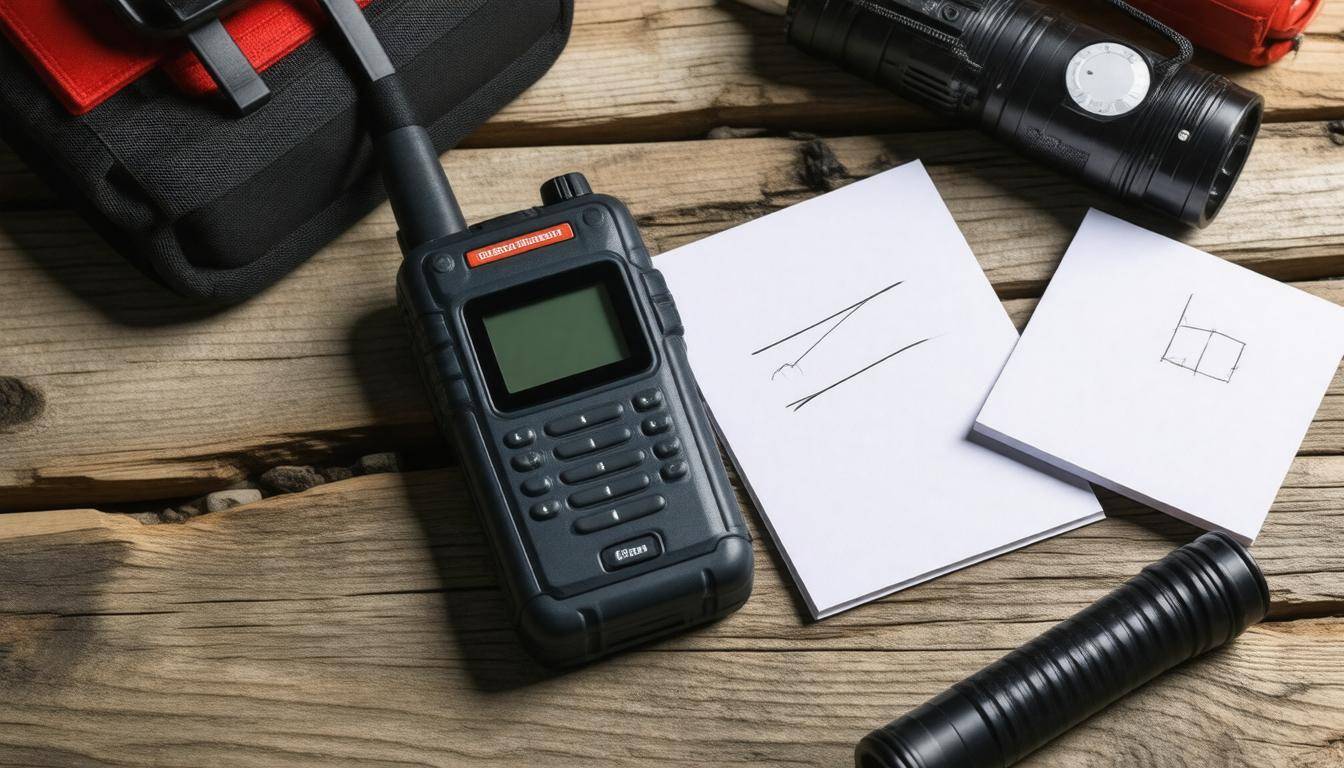
Among the top choices for reliable communication, Ham Radio stands out as a powerful tool. Ham radios are not only known for their reliability but also for their extensive range, allowing users to communicate over vast distances without relying on traditional infrastructure. In fact, as of 2023, there were more than 750,000 licensed ham radio operators in the U.S., creating a vibrant community that can be a lifeline during crises. When the wildfires swept through California in 2020, these amateur radio operators stepped up, transmitting vital information as landlines and cellular networks faltered.
Being part of this network means you have direct access to individuals who may be familiar with local conditions and resources when you need them most.
As we explore other communication methods, text messaging via SMS also emerges as an indispensable alternative.
With an incredible statistic showing that 98% of text messages are read within two minutes, this quick response time is crucial during emergencies. People often turn to texting because of how accessible it is; nearly everyone has a mobile phone these days. However, some skeptics raise concerns about text alerts being less effective in rural areas where signals may falter. Nonetheless, the sheer scope of mobile phone usage makes SMS a formidable choice for urgent communications. The immediacy with which one can send and receive information could very well be life-saving.
Now let’s consider another reliable method—Emergency Alert Systems (EAS). These systems are designed specifically for high-urgency scenarios, sending notifications directly to your mobile devices or broadcasting over local television and radio stations. They have a staggering effectiveness rate; around 90% of recipients receive alerts within ten minutes. This rapid dissemination of critical information ensures that communities remain informed about severe weather conditions, evacuation orders, or natural disasters.
But what happens if your cell service goes out entirely? That’s where two-way radios come into play.
Two-way radios provide a reliable backup communication method in situations where cellular networks are compromised. These radios allow users to communicate within a range of approximately 5 to 20 miles, depending on the terrain. Their simplicity and immediate connectivity make them exceptional tools for family gatherings or community coordination during emergencies. Investing in a couple of two-way radios can ensure you have a direct line to loved ones when conventional methods fail.
Lastly, we cannot overlook the usefulness of community warning sirens. While they might seem old-school compared to modern technology, these audible alert systems still play an essential role in emergency management. With over 100,000 sirens deployed across the U.S., they effectively reach 85% of people within a one-mile radius. Hearing a siren can prompt immediate action—be it seeking shelter or confirming safety with loved ones.
Having multiple layers of communication strategies enables families and communities to stay connected when it counts most; thus, it’s vital to understand how you can tailor these methods to meet your specific needs before an emergency arises.
Preparing Your Family with an Emergency Plan
Ensuring your family is prepared for any emergency doesn’t have to be overwhelming; rather, it can be an empowering process that brings everyone together. It all starts with a structured plan that considers your family’s unique needs and circumstances. By tailoring your approach based on potential risks in your area—such as earthquakes, floods, or even power outages—you create a solid foundation for keeping everyone safe.
Step-by-Step Guide
First up is assessing risks. Each community has its specific vulnerabilities, and it’s crucial to understand them. For example, if you live near a fault line, you’ll want to ensure your plan addresses earthquake preparedness. This may involve securing heavy furniture and knowing where to take cover during tremors. Conversely, those in hurricane-prone regions might focus on evacuation routes and how to secure their homes against high winds and flooding. Knowing what challenges lay ahead allows you to create a practical plan grounded in reality.
Once you’ve assessed the potential threats, the next integral part of your emergency plan is crafting a communication strategy.
Establishing a clear communication strategy is vital because during an emergency, efficient information exchange can save lives. Discuss and decide how you’ll receive alerts—whether through phones, weather apps, or traditional radio systems. More importantly, determine the methods family members will use to check in with one another. You could use designated channels on family walkie-talkies if cell service fails or dial into amateur radio networks if necessary. Clearly outline where you’ll regroup if separated: it could be at a neighbor’s house, a local park, or even a government-designated shelter.
With this communication strategy set in place, it’s essential that every family member understands it thoroughly. Conduct brief training sessions on using radios or other tools to empower them further.
Having developed roles and clear lines of communication, let’s pivot towards practice drills.
Regular practice drills transform preparation into peace of mind. When families know their roles and rehearsal eliminates uncertainty, hesitation fades away when emergencies strike. Schedule these drills at least twice a year; even setting reminders in the calendar can help make it routine. Practice scenarios may include what to do if you hear an alarm at home—does everyone rally at the door?—or simulating an evacuation scenario for fires or natural disasters. Such practical exercises reinforce the habit until responding becomes second nature.
As you continue to refine your family emergency plan, don’t forget that adapting your strategy over time will strengthen it even more.
Preparing your family for unexpected situations promotes safety and unity within the household. A well-prepared family demonstrates resilience against unforeseen circumstances: thorough risk assessments followed by solid communication strategies and regular drills form the core of effective emergency preparedness. Investing time in creating and practicing your emergency plan can save lives when it truly matters most.
With these foundational elements in place, we can now explore actionable techniques for efficiently transmitting messages during critical situations.
Tactical Ways to Transmit Messages
In moments of crisis, the effectiveness of communication can be the difference between safety and danger. Knowing how to broadcast a message clearly and efficiently is vital. One powerful avenue for achieving this is through two-way radios, which serve as a reliable communications medium when the cellular network may falter. These devices are particularly beneficial in urban settings where many people might be trying to connect at once—think about it, if you’re trapped amidst a crowd, a well-maintained two-way radio can cut through the chaos.
Two-Way Radios
Two-way radios, such as the Motorola Talkabout series, provide an impressive range of up to 35 miles, making them suitable for both urban and rural environments. They allow you to stay connected with family or coordinating teams without relying on cell towers which may go down due to emergencies.
It’s essential to familiarize yourself with your radio before disaster strikes; practice using it regularly by setting up test communications with family members or others in your community.
“A tool is only as good as its user.” Regular training will ensure you’re not fumbling with buttons during urgent situations.
Signal Flares and Mirrors
When circumstances lead you far away from urban assistance—think hiking or camping in isolated areas—signal flares and mirrors become invaluable tools for communication. They can signal to search-and-rescue teams or nearby individuals that you need help. The reflective surfaces of mirrors are especially useful; recall stories from WWII when downed pilots effectively utilized signal mirrors to attract attention from rescue teams over great distances. Their success was often tied to their ability to catch sunlight and create noticeable flashes.
Summary Table
| Method | Range | Best Use |
|---|---|---|
| Two-Way Radios | Up to 35 miles | Urban Areas |
| Signal Flares | Up to 3 miles | Remote Locations |
| Satellite Phones | Global | Anywhere |
While these communication methods offer vital solutions to maintain contact during crises, we cannot overlook the importance of digital tools and modern technologies that can significantly enhance our emergency preparedness and response strategies.
Digital Tools for Emergency Alerts
Digital technology has reshaped the landscape of emergency communication, offering swift and expansive tools that help keep communities informed during times of crisis. At the heart of this transformation are sophisticated systems designed to deliver critical messages in real-time, ensuring residents stay aware and prepared. Among these, government alert systems play a pivotal role in communicating vital information quickly.
Government Alert Systems
The Integrated Public Alert and Warning System (IPAWS) operates as a robust framework whereby agencies like FEMA can broadcast alerts directly to nearly all cell phones in the United States. This means that during emergencies—be it natural disasters, severe weather events, or public safety threats—alerts can reach individuals instantly, regardless of their location. For instance, during Hurricane Ida, IPAWS was notably utilized to issue timely evacuation orders, enabling millions to receive notifications almost simultaneously.
However, it’s not just about sending alerts; ensuring these systems function optimally is equally essential. Regular testing verifies the reliability of the notifications when the moment truly matters. Communities should be encouraged to familiarize themselves with these alerts—to know what they sound like, how to respond, and how often tests will occur.
Social Media
In our digital age, social media platforms have emerged as powerful tools for disseminating information in quick succession. According to Pew Research, approximately 67% of Americans turn to social media for news updates at least some of the time. This trend highlights the significant role social media plays during emergencies since platforms like Twitter and Facebook can spread alerts and updates quickly across vast networks.
Nevertheless, while social media provides immediacy, it’s critical to cross-verify any alerts with official sources. As tempting as it is to share or act on breaking news, misinformation can spread rapidly online. Therefore, having reliable communication channels beyond social media is paramount for verifying claims made during emergencies.
While digital tools enrich our emergency communication strategies, exploring how these tools integrate with various devices and systems can further enhance our preparedness during crises.
Devices and Systems for Crisis Communication
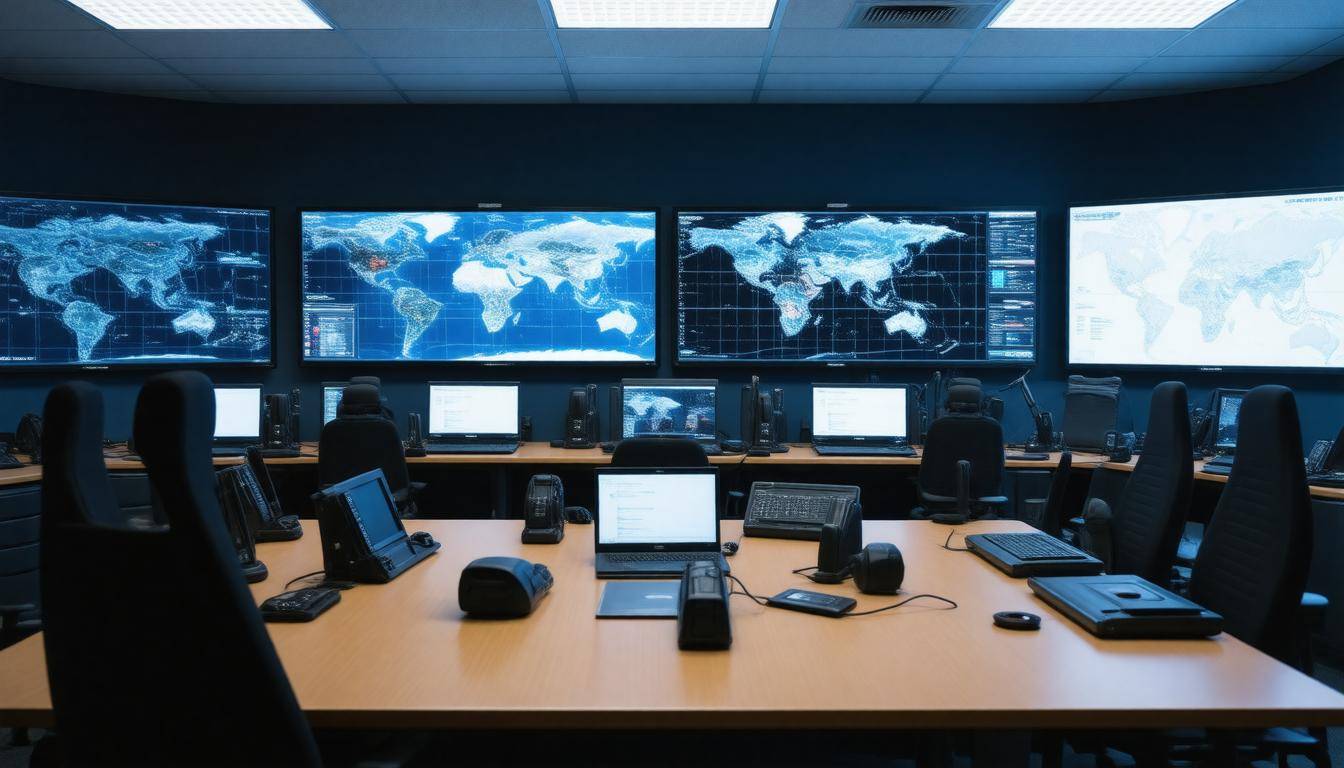
Effective crisis communication hinges on the tools you have at your disposal. Reliable devices and systems ensure that when an emergency strikes, you can disseminate vital information swiftly to minimize panic and keep everyone informed. Among these tools, satellite phones stand out, allowing for communication in even the most remote locations. These phones operate independently of local network systems, making them invaluable during natural disasters or events where infrastructure might be compromised. However, it’s important to note that they come with a hefty price tag, typically ranging from $500 to $1,500 per device, along with ongoing service charges.
Despite the costs, their reliability was highlighted during incidents like the 2015 Nepal earthquake, where they played a crucial role in coordinating rescue efforts in isolated areas.
As valuable as satellite phones are, they’re just one piece of the puzzle. Another key component in crisis communication is public address systems. Imagine a crowded airport or a large public venue; clear communication here is paramount. Public address systems allow authorities to speak directly to the crowd, efficiently disseminating critical information. Modern public address systems have evolved significantly; they now integrate with digital networks, offering redundancy should one system fail. This integration enhances the ability to communicate without interruption during emergencies, ensuring that messages reach everyone in seconds.
After ensuring you have effective devices like satellite phones and public address systems in place, it’s equally important to maintain an organized approach to emergency contacts.
As we consider how these devices enhance communication strategies, the next step involves developing a comprehensive roster of contacts essential for navigating emergencies smoothly.
Creating a List of Emergency Contacts
A well-curated list of emergency contacts can be the difference between chaos and effective communication in crises. Start by identifying key individuals who play significant roles in your life—these may include immediate family members, close friends, neighbors, and vital services like fire departments or hospitals. Think of this list as your lifeline: it’s not about the quantity but rather the quality of connections. Each contact should be someone you trust and can reach quickly in times of need.
Key Contacts
While building your list, remember to include critical local emergency services: police, fire departments, and medical facilities should definitely make the cut. Add family details such as phone numbers and their relation to you. Don’t overlook neighbors who might lend a helping hand if you’re caught off guard. For example, if you have elderly relatives nearby who might require additional assistance during emergencies, ensuring they are on your contact list will help facilitate faster support when every second counts.
Having this list printed out and easily accessible serves as an anchor during chaotic moments. Tape a copy to the fridge or keep it in a drawer near the phone—anywhere that ensures it won’t get lost amidst the storm of urgent calls and messages.
Updating Regularly
Maintaining the accuracy of your emergency contact list is just as important as compiling it in the first place. Aim to review and update this information regularly—set quarterly reminders on your calendar as a helpful nudge. It’s surprising how people’s situations change; addresses may shift, new neighbors may move in, and even doctors may retire or relocate. Taking a few moments every few months to verify that everyone’s information remains accurate can save a lot of trouble later on.
Ask yourself: Are that elderly relative or neighbor included who may need additional assistance? Keeping tabs on their needs ensures you’re ready to assist them should an emergency ever arise.
Furthermore, don’t forget about communication preferences. Document whether each contact prefers text messages, phone calls, or emails as that knowledge can make reaching out smoother during high-stress situations. You’d be amazed at how knowing exactly how someone likes to communicate can influence response times.
With a solid foundation in personal contacts established, exploring modern tools like mobile applications and timely alerts will elevate your preparedness even further.
Smartphone Apps and Text Alerts
In our fast-paced lives, the ability to receive real-time updates during emergencies has become crucial. Smartphone apps and text alerts have streamlined emergency communication, keeping us informed even when we might not have immediate access to traditional forms of communication. Imagine being caught in a sudden weather emergency—having an app that sends crucial weather updates or alerts about evacuation routes can make all the difference, providing timely information when it matters most.
The impact of these apps is amplified by their accessibility on smartphones, devices that many people carry with them every day. For instance, consider the numerous emergency apps available that cater to diverse needs. Take the FEMA app, which offers not just alerts about disasters but also vital resources for preparedness and recovery tailored specifically to your location. Meanwhile, the Red Cross Emergency app acts as a comprehensive tool providing both weather alerts and preparation tips. In fact, it was downloaded over 1 million times in 2022 alone, indicating just how popular and trusted these tools are among users looking for safety.
Each app serves its own unique purpose:
-
FEMA App: This is your go-to for disaster resources, offering real-time alerts tailored to your area.
-
Red Cross Emergency: In addition to severe weather alerts, this app supplies you with critical information on how to prepare for emergencies ahead of time.
-
Zello Walkie Talkie: A standout feature allows users to turn their phone into a walkie-talkie, enhancing group communication without relying on traditional cell service.
Embracing these tools not only ensures you’re prepared during crises but also fosters a sense of community. Family members can share alerts and stay informed about each other’s safety, bridging the connection even when separated.
Furthermore, many of these apps come equipped with live captions and other accessibility features designed specifically for individuals with disabilities. This focus on inclusivity ensures everyone remains connected during emergencies, leveling the playing field for effective communication regardless of physical capabilities.
As you explore these handy applications, remember not to overlook alternative methods—because when primary systems fail, having backup options can be pivotal in ensuring safety and connectivity.
Backup Communication Resources
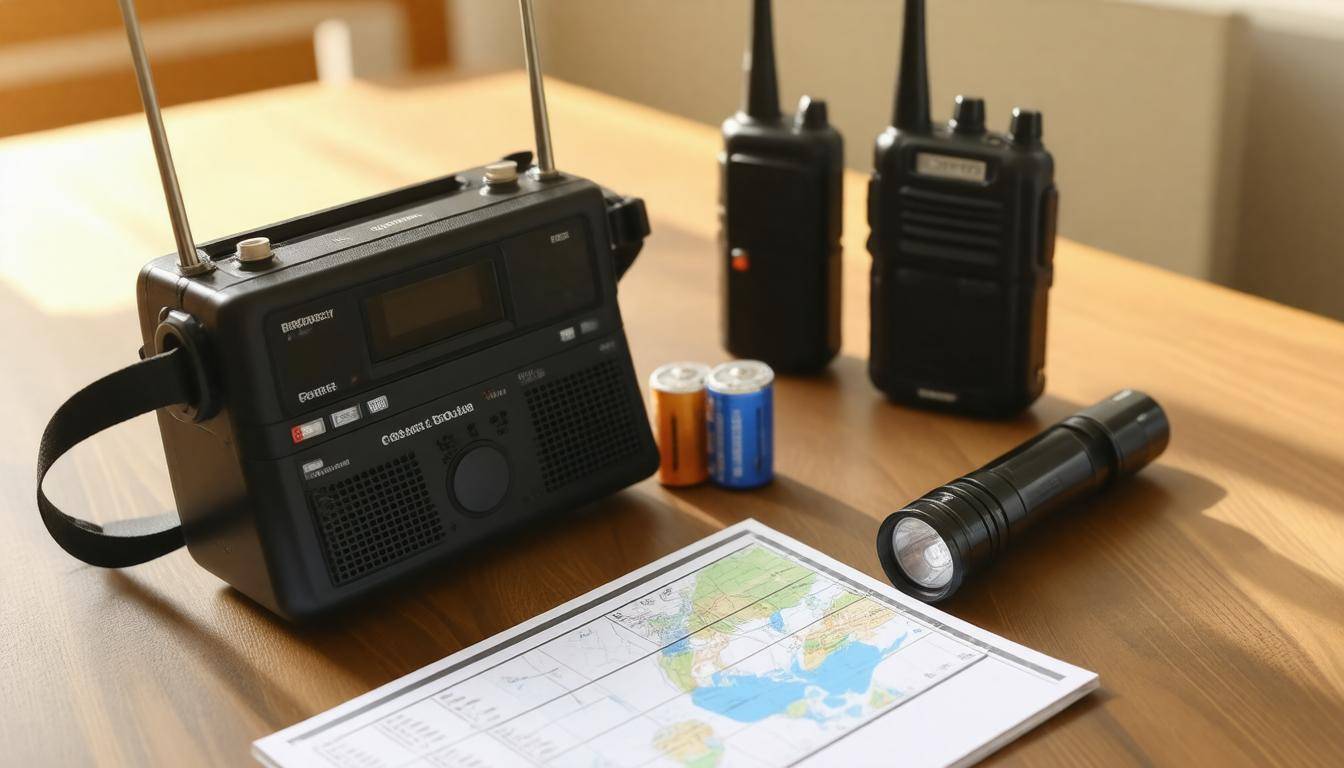
When traditional channels of communication falter during an emergency, backup resources act as lifelines that keep you connected. Imagine being caught in a disaster without means to contact your loved ones or receive important information. Investing in various forms of backup communication tools is not just wise; it’s necessary.
Power Banks and Solar Chargers
Keeping power banks and solar chargers handy is crucial for maintaining the functionality of your devices when traditional power sources are unavailable. Many people overlook the simple practice of charging their devices ahead of time; however, it can make a significant difference in a crisis.
A small power bank can recharge your smartphone once or twice, while solar chargers are great for prolonged outages, allowing you to harness sunlight anytime, anywhere. My advice? Invest in high-capacity models that are portable and easy to use—they can serve you well beyond just emergencies.
Manual Tools
In addition to digital resources, consider integrating manual tools into your communication strategy. Wind-up radios, for example, can provide you with critical news updates without needing electricity or batteries. There’s comfort in knowing you have access to real-time information that doesn’t rely on unstable technology.
Furthermore, encrypted physical messages—like those written on paper—offer secure methods of communication where electronic devices may pose risks through tracking or interception. Given our reliance on digital communications today, these old-fashioned methods can be lifesavers when technology fails us.
Offline Maps
Apps like Maps.me enable users to download maps for offline use, providing navigation assistance even without internet access. Emergency situations can lead to poor cellular connectivity; without functional GPS, finding your way becomes nearly impossible.
Having offline maps on hand ensures you can navigate accurately when it matters most. Always have an offline alternative ready—whether that’s a printed map or an app loaded with essential routes—this can empower you with direction and confidence in uncertain circumstances.
Overall, this complete guide underscores the critical methods for emergency communication, ensuring safety and preparedness during crises. Investing in a variety of reliable and straightforward methods will create a robust safety net for both yourself and your loved ones when challenges arise.
In the face of unexpected events, being equipped with diverse communication tools is paramount to staying safe and informed. Prepare today so you can effectively navigate emergencies tomorrow.