
In times of crisis, communication can be your lifeline when the power goes out and cell towers fail. It’s easy to overlook just how vital staying connected is until faced with a situation where every second matters. Whether you’re dealing with natural disasters, local emergencies, or just trying to give family members peace of mind, having a plan for communication without electricity is essential. This guide aims to walk you through practical tools and strategies to ensure you can reach out or get help exactly when you need it most, helping you feel more secure and prepared in uncertain times. Let’s dive into the nuts and bolts of keeping the conversation going, even when the lights go out!
The Emergency Communication Without Electricity Guide covers various strategies and methods for maintaining communication during power outages, including alternative communication tools like ham radios and satellite devices. Additionally, it offers crucial preparedness tips, recommended resources, and best practices for ensuring safety and connectivity in crises, emphasizing the importance of proactive planning for individuals and families.
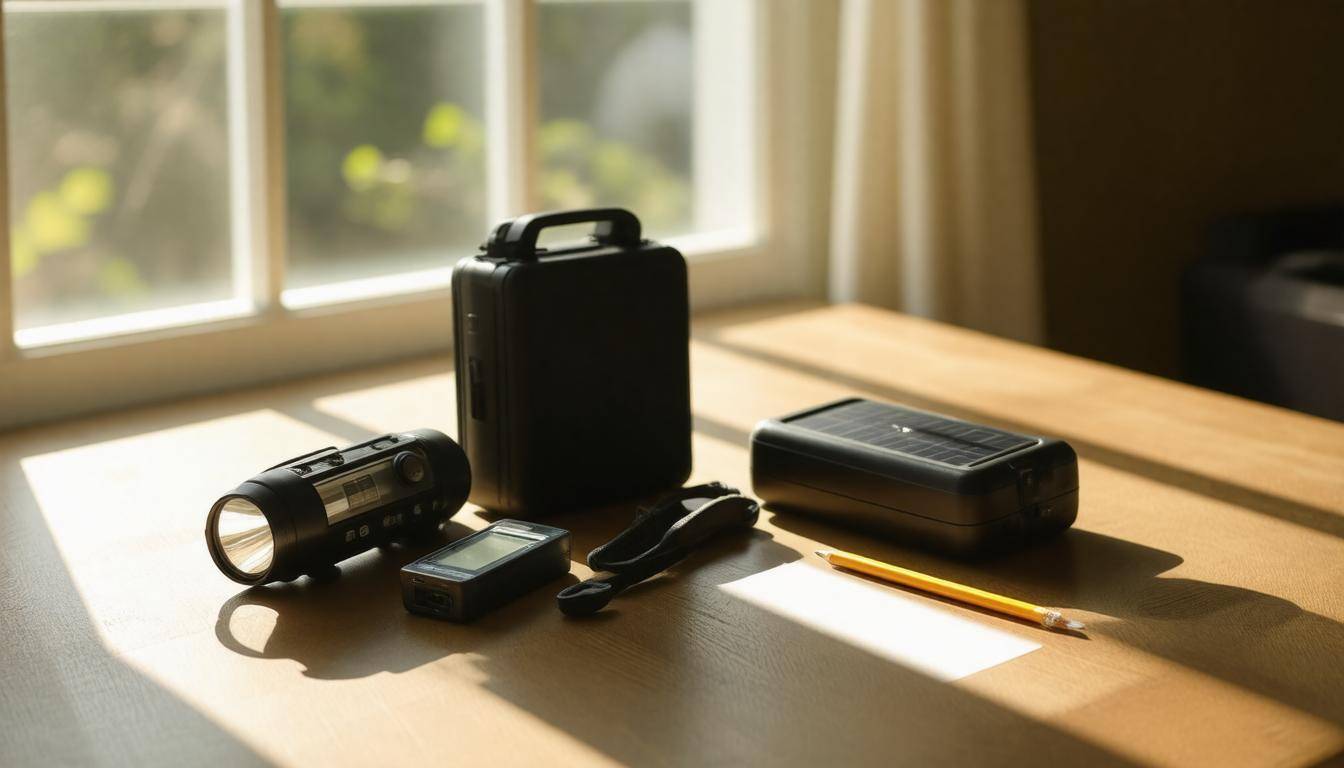
Essential Devices for Grid-Free Communication
When it comes to emergency situations where power is non-existent, having the right communication tools can be a game changer. One of your best friends in these critical moments could be a satellite phone. These phones work by connecting directly to satellites rather than relying on cellular towers or ground networks. For instance, models like the Iridium 9555 are renowned for their ability to maintain communication in even the most remote locations—where traditional networks seem to be out of reach. By simply pointing them towards the sky, you can send voice and text messages almost anywhere on the globe.
Yet satellite phones aren’t the only option; let’s examine ham radios.
Ham radios, cherished among amateur radio enthusiasts, boast both versatility and an impressive range. Devices like the Yaesu FT-857D allow users to communicate over vast distances and support various frequency bands. Their appeal lies not just in their operational breadth but also in their reliability during emergencies when every second counts. However, it’s crucial to remember that operating these radios legally requires an amateur radio license unless you’re in an emergency situation. This means preparing ahead—not only procuring the device but also learning how to operate it effectively can empower you significantly when disaster strikes.
As we step further into communication methods available without a grid, let’s consider two-way radios.
Two-way radios, often called walkie-talkies, are perfect for short-distance communication needs—ideal for family gatherings or events where coordinating without power is essential. High-quality models such as the Motorola T600 H2O feature weatherproof designs and emergency alert functions, allowing them to thrive in rugged conditions. These gadgets generally provide connectivity within ranges of up to 35 miles, reinforcing teamwork and organization when you need it most.
Beyond direct communication devices, utilizing signal tools intelligently can amplify your emergency preparedness significantly.
Signal Tools
Knowing how to employ various signaling devices can enhance your overall emergency communication strategy. Flares, whistles, or reflective mirrors serve as valuable signals that require no power source whatsoever. For example, a simple whistle can carry farther than your voice, ensuring that you capture attention even from a distance. In this way, combining these tools with communication devices creates a well-rounded approach to staying connected during emergencies.
Equipping yourself with knowledge about various signaling methods will help ensure that you’re ready to face crises effectively and maintain essential communication. As we continue exploring further innovations and techniques in emergency preparedness, let’s look at specific tools designed for optimal signaling during emergencies.
Signal Tools for Emergencies
Signal tools can be vital in emergency situations when traditional methods of communication fail. For example, whistles are a small and lightweight tool that can easily fit into your pocket or attach to your backpack. Their loud, piercing sound travels far, making them an excellent option to alert rescuers or nearby individuals. With just a few sharp blows, you can get someone’s attention in crowded or noisy environments where shouting might not suffice.
Next up are signal mirrors. These powerful tools utilize sunlight to reflect messages across vast distances, especially in open areas like mountains or fields. When used correctly, a signal mirror can attract attention even several miles away. The technique involves angling the mirror towards the sun and aiming the reflected beam at your target—a simple but effective way to communicate in daylight.
Now let’s not forget about flares. These devices shine brightly and can be seen from significant distances, especially at night. Handheld flares are compact and easy to use, while aerial flares provide an impressive display, illuminating the night sky. However, it’s essential to remember that flares should be handled with care and used according to safety regulations—as mesmerizing as they are, they can also pose fire hazards.
Each tool serves its purpose in the toolkit of emergency preparedness; however, there is something equally vital—flashlights. Not only do they illuminate dark pathways, but they also become a communication tool when you employ Morse code. By turning the light on and off in specific patterns, you can relay messages over considerable distances when voice communication is impossible. It’s a timeless skill worth learning since both the flashlight and knowledge of Morse code could one day save your life.
Alongside these versatile signal tools, it is important to imprint their use into your skill set through practice drills with family or friends so everyone knows how to use them effectively. Understanding how to utilize each tool enhances your chances of staying connected even amid chaos, ensuring that help is not just a whistle away but also clearly signaled across great distances with mirrors, flares, and lights.
Preparing for emergencies means being equipped with signal tools that enhance visibility and audibility without relying on an electrical source. As we explore more about enhancing your preparedness, consider how efficient energy sources can play a crucial role in powering these essential tools during critical moments.
Hand-Crank and Solar Chargers
Hand-crank chargers are a brilliant solution for emergencies, especially where other power sources are unavailable. Consider the Eton FRX5-BT Emergency Weather Radio; with just a few turns of the hand-crank, you can generate enough power to keep essential devices running. This isn’t just about having a charged battery; it’s about securing your access to critical information when it matters most. The smaller the device, the easier it is to transport and use effectively in various scenarios, from waiting out a storm to facing more severe natural disasters.
Imagine being in an emergency without any information about what’s happening around you. A hand-crank charger offers peace of mind. It ensures that as long as you have the physical ability to crank the handle, you can maintain connectivity.
Solar Chargers
Alternatively, solar chargers such as the BigBlue 28W Solar Charger provide a longer-term solution for maintaining power throughout the day. These solar chargers are exceptionally portable, making them easy to pack away in emergency kits or backpacks. When sunlight hits those panels, they convert light energy into electrical current, enabling you to charge your smartphones and radios effortlessly.
The beauty of solar chargers lies not just in their capacity to recharge devices but also in their sustainability. As long as the sun shines, you have a chance to harness that energy and use it whenever needed—making it a vital component for anyone serious about disaster preparedness. While some may wonder about their efficiency on cloudy days, modern solar technology means many chargers still produce usable power even in less-than-ideal conditions.
What’s often overlooked is that having a solar charger can be a game-changer if you’re ever stuck without electricity for an extended period. It’s like converting sunlight into peace of mind!
Pros and Cons of Hand-Crank and Solar Chargers
To further understand these tools’ effectiveness, let’s consider their advantages and disadvantages. Both hand-crank and solar chargers have unique features that cater to specific needs.
Hand-Crank Chargers:
- Pros: Always usable without relying on weather conditions; simple operation; provides immediate power.
- Cons: Limited energy output; requires physical effort; unsustainable over long periods without breaks.
Solar Chargers:
- Pros: Eco-friendly, self-sustaining; can charge multiple devices simultaneously; generally lightweight.
- Cons: Dependent on sunlight; performance diminishes in cloudy weather; requires planning regarding sunlight exposure.
Investing in both types of chargers ensures you’re well-prepared for various emergency scenarios. This proactive approach sets the stage for evaluating other off-grid methods and their respective strengths and weaknesses.
Strengths and Weaknesses of Off-Grid Methods
Understanding the unique strengths and weaknesses of off-grid communication methods is essential to effectively plan for emergencies. For instance, satellite phones provide incredible global coverage, making them a lifeline in remote areas or during large disasters. However, they come with a steep price tag and rely heavily on clear skies for operation. Imagine being stranded in a rural landscape where traditional networks have failed but having the ability to connect with emergency services through your satellite phone—this flexibility can be life-saving.
On the other hand, ham radios offer a wide reach and foster a sense of community among amateur radio operators, making them invaluable during local emergencies. This type of communication relies on knowledge and technique, necessitating a basic understanding of how to operate the equipment effectively. Not everyone wants to spend time learning the ins and outs of radio frequencies; that’s where the balance between accessibility and capability plays a significant role in your preparation.
** bring user-friendliness into play, making them a fantastic option for families or groups needing simple communication without much technical hassle. They are also durable, often built to withstand outdoor conditions. However, their limited range could hinder communication if individuals are separated over larger distances—a factor that can’t be overlooked when planning for emergencies in potentially expansive terrains.
As we discuss Signal tools, it’s worth mentioning that these options require absolutely no power, making them perfect for situations when electricity is compromised. However, their functionality is limited by visibility; they work effectively only over short distances or when line-of-sight is maintained between users. So here’s an important tip: keep your communications methods varied so you can adapt as conditions change.
By recognizing these strengths and weaknesses, you equip yourself with the knowledge necessary to select the best communication tools tailored to your situation. Moving forward, let’s explore practical steps that enhance your overall preparedness for unpredictable circumstances.
Steps for Emergency Preparedness
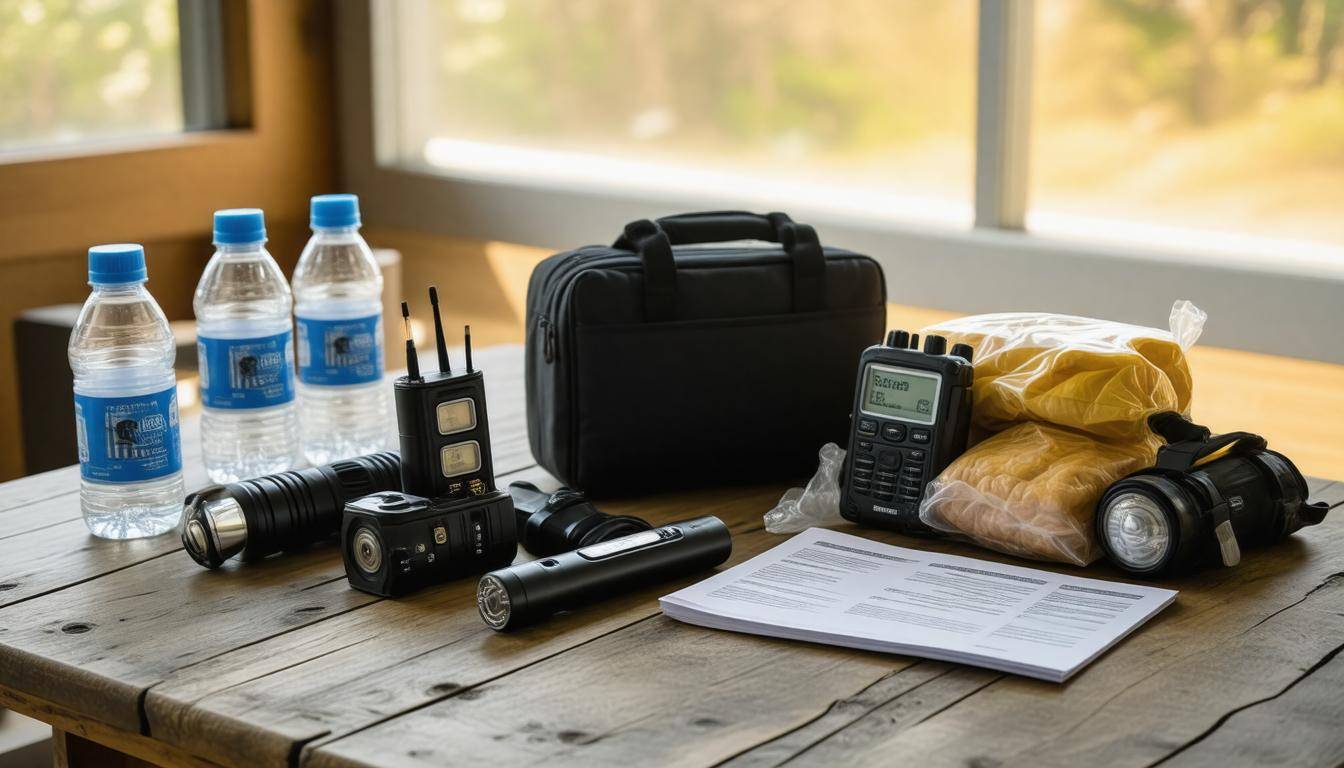
Step I – Assess Your Needs
Start by evaluating the specific types of emergencies likely to occur in your area. For instance, if you live in a region prone to wildfires or flooding, understanding potential threats can help you tailor your communication needs.
Map out scenarios: What will your family do if a natural disaster strikes? How will you communicate with loved ones who may be separated? By taking a moment to assess these needs, you set the stage for a more comprehensive preparedness plan. This approach allows you to anticipate challenges and tackle them before they arise.
Step II – Gather Supplies
Once you’ve assessed your needs, begin gathering essential supplies for effective emergency communication. Consider investing in devices such as a satellite phone, which works independently of local cellular services, or a hand-crank radio that doesn’t rely on electricity.
It’s also beneficial to include signaling tools like whistles or reflective tarps that can attract attention if you’re in need of help. Don’t forget about chargers and batteries for your devices; maintaining power sources is crucial. Depending on your means of communication, ensure any necessary licenses are secured, particularly if you’re interested in ham radio use.
Step III – Create an Emergency Kit
The next step is to compile all your gathered supplies into an organized emergency kit. Choose a waterproof, portable bag that can withstand various environmental conditions—after all, you might need to transport this kit quickly during an evacuation.
Inside the bag, place all communication devices along with instructions on how to operate them; clarity can make all the difference under stress. Additionally, include contact information for family members and emergency services.
Imagine opening this bag under duress and having everything at your fingertips instead of scrambling through misplaced items. This foresight transforms anxiety into capability.
With your communication kit consolidated and ready for action, understanding each tool’s practical uses is key for readiness as the situation evolves. Let’s explore specific scenarios where alternative communication methods shine in emergencies.
Practical Use Cases for Alternative Communication
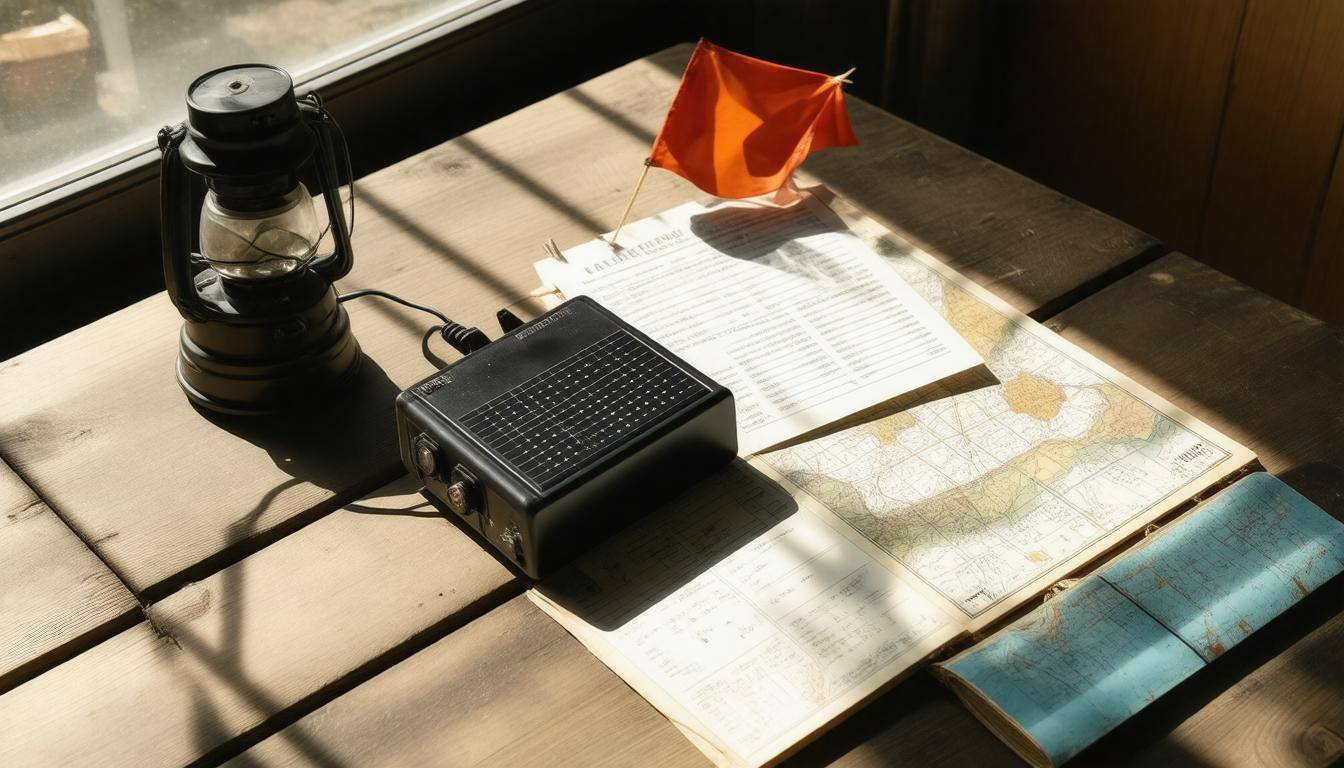
Knowing when and how to effectively use your communication devices can indeed be a matter of survival. In various scenarios, being equipped with the right tool and knowledge makes all the difference. For instance, consider natural disasters like earthquakes or hurricanes, where traditional communication methods often fail due to outages.
Here, satellite phones become invaluable; they allow you to reach out for help or check on loved ones even when cell towers are down. Imagine being trapped in a storm-hit area with no way to connect – a satellite phone could save your life by keeping you informed and connected.
Moving onto outdoor adventures, the wilderness might seem inviting, but it can quickly turn perilous without proper communication. Ham radios shine in these situations as they can link you to a network of local amateurs who are more than willing to assist if you find yourself in distress. You’re not just talking to a faceless voice; you’re engaging with community members who know the terrain well and can provide help or relay messages to those who need them most.
Similarly, when you’re traveling in remote areas, maintaining contact with your companions is crucial. This is where two-way radios come into play. They provide a reliable means of communication over short distances—ideal for hiking trips or camping excursions where cell service may not be reachable. Picture being out in the wilderness, and one group member spots a potential danger; a two-way radio allows swift communication, ensuring everyone’s safety without unnecessary delay.
Additionally, during urban emergencies—like fires, explosions, or civil disturbances—traditional channels may become chaotic, making it harder to get assistance. Signal mirrors or whistles serve as effective tools for attracting attention when needed. Not only can they be heard or seen from significant distances, but they also allow for silent signaling, which can be crucial if loud noises are prevalent.
Recognizing these diverse applications equips you with the ability to respond more efficiently during emergencies. Each situation calls for distinct solutions; knowing which device works best under what circumstances can mean the difference between panic and calm resourcefulness in trying times. As we navigate through various crises together, exploring further steps can enhance our preparedness and effectiveness.
Effective Tips for Crisis Situations
During a crisis, every second counts, and how you communicate can truly be the difference between chaos and clarity. The first step is to remain calm; panic can cloud your judgment, making it harder to think clearly about what needs to be done. This calmness allows you to assess your situation more accurately and make informed decisions on how to proceed with your communication strategy.
One essential tip is to keep your devices charged and ready at all times. Regularly testing these devices ensures they’re in working order when you need them most. Imagine preparing for a storm approaching—by ensuring your phone, radios, or other communication devices are charged and functioning smoothly, you’ll avoid unnecessary stress if the power goes out. Creating a habit of checking these devices can greatly reduce last-minute panic during an emergency.
Establishing a communication schedule with family members or emergency contacts is another crucial aspect of preparedness. It creates an understanding of when and how you will check in with one another, keeping everyone informed without overwhelming each other with messages. Whether it’s a call every few hours or a simple text at specific times, this routine fosters connectivity while minimizing confusion.
According to the FCC, 40% of successful rescues in 2024 were facilitated through effective use of satellite communication.
However, it’s vital to remember that overusing your communication tools may drain their battery life quicker than expected. Be mindful of when and how often you’re using these devices. Overheating from continuous operation or leaving them on standby can quickly diminish battery life just when you need it the most.
To ensure complete preparedness during a crisis, consider developing a comprehensive plan that includes not only what methods of communication you’ll employ but also what content you need to convey. Create an outline of essential messages that should be shared, factoring in who needs to receive this information, so there’s no confusion even as time presses on during an actual event.
Lastly, involve your community in this process. Community involvement plays a significant role in broadening knowledge bases and helps everyone feel more secure in their plans. You might organize neighborhood meetings where residents can share resources or discuss communication strategies collectively. Not only does this foster a strong community spirit, but it also enhances overall preparedness when emergencies arise.
As you consider these preparations for maintaining connections, it’s essential to develop specific protocols for effective communication during any crisis.
Making a Communication Plan
A communication plan is like having a roadmap when a storm comes. It ensures that everyone knows what steps to take and who to contact during an emergency when the usual channels may fail. To start crafting this plan, the first step is to create contact lists that capture not just immediate family members but also friends, neighbors, and local emergency services. Think of it as building your safety net: the more connections you have, the better your chances of staying informed and supported.
Step I – Create Contact Lists
Begin compiling a comprehensive list that includes primary contacts such as your immediate family but also expands to include extended family, close friends, local authorities, and community members who might be willing to help. Don’t forget service providers like your healthcare professionals or pharmacies you frequently visit. The goal is to ensure connection with as many reliable individuals as possible since these contacts could provide assistance or information during an emergency. You can write these down in a notebook or better yet—store them digitally on multiple devices.
Step II – Establish Communication Protocols
Once you have your contact list, it’s time to determine how and when you will communicate. This might involve setting specific check-in times—perhaps daily communications using devices like ham radios or Saturdays set aside for calling each other on a landline if available. For real emergencies, satellite phones come into play where they provide the necessary backup when everything else fails. Choosing preferred communication methods ahead of time minimizes confusion later on; everyone will know exactly what equipment to use without second-guessing amidst chaos.
Step III – Practice Scenarios
Just writing down a communication plan isn’t enough; practicing it regularly solidifies it in everyone’s mind. Conducting simulated scenarios can familiarize your family with both the equipment and protocols you’ve established. Take turns using different devices in your emergency kit, ensuring that every member understands how they work and feels comfortable operating them in high-pressure situations. Like any good rehearsal, repetition leads to confidence and effectiveness during actual events.
Refining your communication strategy with careful planning significantly elevates the degree of safety and connectivity during an unexpected crisis, allowing your family to remain organized in potentially chaotic surroundings. Be proactive in establishing your plan so you can face emergencies with confidence and assurance.
What are some reliable methods for communicating during a power outage?
During a power outage, reliable methods for communication include using battery-operated two-way radios, solar-powered satellite phones, and non-electric signaling devices such as whistles or mirrors. These alternatives ensure you can stay connected without relying on the grid. For instance, according to the Federal Communications Commission (FCC), during major outages, traditional cellular networks may become overloaded; therefore, having multiple communication options is crucial for effective emergency preparedness.
How can I prepare a family communication plan for emergencies?
To prepare a family communication plan for emergencies, establish a meeting point, designate an out-of-town contact, and ensure every family member has a copy of the plan. Practice the plan regularly to ensure everyone knows what to do; according to FEMA, families that practice emergency plans are 2.5 times more likely to be effective in disasters. Additionally, consider using printed cards with essential contacts and information for those who may not have access to electronic devices during power outages.
How can community resources be utilized to establish communication during crises without electricity?
Community resources can be utilized to establish communication during crises without electricity by leveraging local organizations, such as NGOs and community centers, which can serve as hubs for information dissemination. Utilizing low-tech methods such as bulletin boards, printed flyers, and community meetings can effectively spread critical messages. In fact, studies show that face-to-face communication increases message retention by 70%, ensuring that vital information reaches those in need. Additionally, establishing a network of “communication trees” where individuals share information with a predetermined number of neighbors can enhance reach and ensure that even those without direct access to physical resources remain informed.
Which devices can be used for emergency communication without electricity?
Emergency communication without electricity can be effectively achieved using devices such as hand-crank radios, walkie-talkies, and signal mirrors. Hand-crank radios allow you to access emergency broadcasts, while walkie-talkies enable instant communication over short distances. Signal mirrors can be used for visual signaling to attract attention in dire situations. According to a 2022 survey, 67% of preparedness experts recommend having at least two of these tools on hand in case of prolonged power outages, ensuring reliable communication when it matters most.
What role do two-way radios play in emergency communication strategies?
Two-way radios are crucial in emergency communication strategies as they provide reliable, instantaneous communication without relying on electricity or cell networks, which can fail during disasters. They allow for direct communication between teams and individuals, facilitating coordination and timely decision-making. According to a study by the Federal Emergency Management Agency (FEMA), 70% of emergency responders rely on two-way radios for effective communication in disaster scenarios, highlighting their significance in saving lives and managing resources efficiently.