
In a world where emergencies can strike unexpectedly, having a clear plan for who to contact and in what order is not just helpful—it’s essential. Nobody wants to be scrambling for phone numbers or trying to figure out who’s responsible when time is of the essence. Imagine the chaos of a family emergency or a workplace crisis without a solid communication strategy in place. That’s where an Emergency Contact Hierarchy comes into play! By organizing your important contacts into tiers, you can streamline communication and ensure the right people are informed when it matters most. So, let’s dive into why developing an efficient emergency contact plan can provide you with peace of mind and potentially save lives when unpredictability hits.
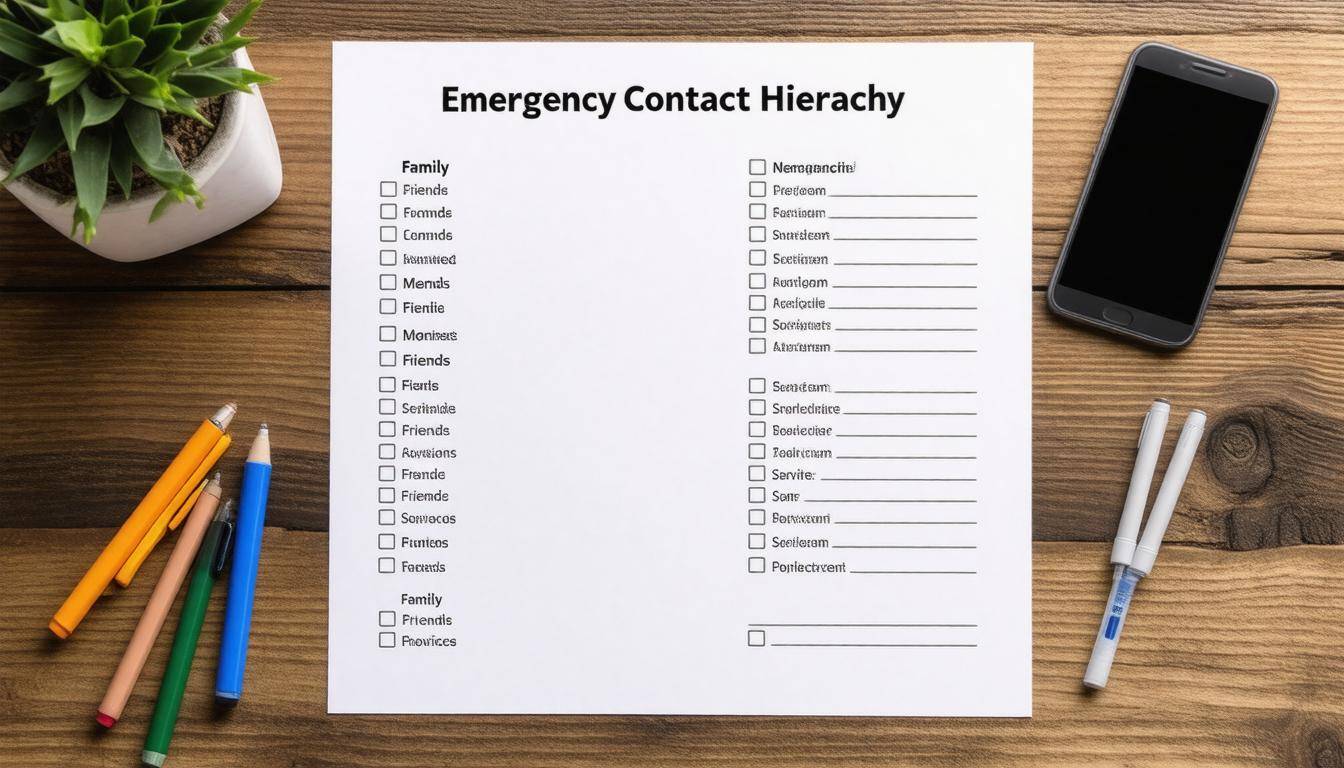
The Emergency Contact Hierarchy Template is designed to help individuals prioritize their emergency contacts based on urgency and relationship, ensuring that critical communication can happen quickly in a crisis. This template includes categorization of contacts by tiers and provides a clear format for organizing essential information, which can be crucial for effective emergency management during unforeseen events.
Importance of Emergency Contact Hierarchy
An emergency contact hierarchy serves as the backbone of effective communication during a crisis. Imagine a sudden emergency—without a clear structure, important information can easily be lost in transmission. The main advantage of having a defined hierarchy is that it ensures the right people receive information swiftly and efficiently, which is critical for taking decisive action.
For example, in workplaces, if an incident occurs, notifying designated personnel such as the safety officer first triggers immediate protocols, significantly reducing risks to everyone involved. A well-defined hierarchal structure not only improves responsiveness but also alleviates confusion and anxiety during distressing times.
Research backs up this assertion with some compelling statistics. Did you know that 70% of individuals reported feeling more secure when they have a clear emergency contact hierarchy? That’s substantial! Similarly, 85% of organizations that implement an emergency contact system experience enhanced communication during crises. These numbers highlight a strong correlation between structured emergency contacts and improved outcomes during unexpected events.
In family situations, the structure can simplify communication with external aid; assigning one primary point of contact further streamlines coordination with emergency services. This focused approach ensures that instructions are accurately relayed and that valuable time isn’t wasted in unnecessary back-and-forth conversations.
Furthermore, establishing this hierarchy demonstrates a proactive attitude toward safety and preparedness. Families who take the time to plan experience peace of mind knowing they are prepared for emergencies. Studies indicate that 90% of families with established emergency plans feel better equipped for unforeseen situations. This sense of readiness fosters resilience and confidence, vital traits in any stressful circumstance.
With this understanding of its significance in communications during emergencies, we can turn our attention to practical steps for crafting your own effective contact framework.
Steps to Building Your Contact List
The foundation of a well-structured emergency contact list begins with identifying key contacts. Start by compiling names of essential people in your life. This includes not just immediate family members, but also close friends, neighbors, medical providers, and emergency services—anyone who could provide support or assistance during a crisis. Think of it like building a safety net; each person you add is another layer of security.
Once you’ve identified these crucial individuals, the next vital step is to collect comprehensive information about them.
Gathering detailed contact information is crucial for ensuring you can reach someone when time is of the essence. For each key contact, compile their phone numbers, email addresses, and physical addresses. It’s also wise to include any notes relevant to emergencies, such as medical conditions or special skills that could be valuable in certain situations—for example, if someone has CPR certification or first aid training. By having this information all in one place, you eliminate uncertainty and increase the chances of effective communication when you need it the most.
After you’ve assembled your contacts and their details, it’s important to systematically categorize and prioritize them.
Think of organizing your contacts in tiers based on urgency and responsibility, similar to how you would prioritize spending in a budget. Top-tier contacts should include immediate family members and crucial emergency responders like paramedics or fire services—those who you’ll want to reach out to first in a crisis. Second-tier contacts may consist of extended family members, close friends, or other relevant resources who are still important but may not be needed immediately. Establishing this hierarchy not only makes it easier to access the right people quickly but also ensures that you’re directing your communication effectively when every second counts.
With these steps clearly defined—the identification of key contacts, collecting comprehensive information, and categorizing accordingly—it’s now time to explore how best to assign specific roles and responsibilities within your network for improved readiness in emergencies.
Roles and Responsibilities in Emergencies
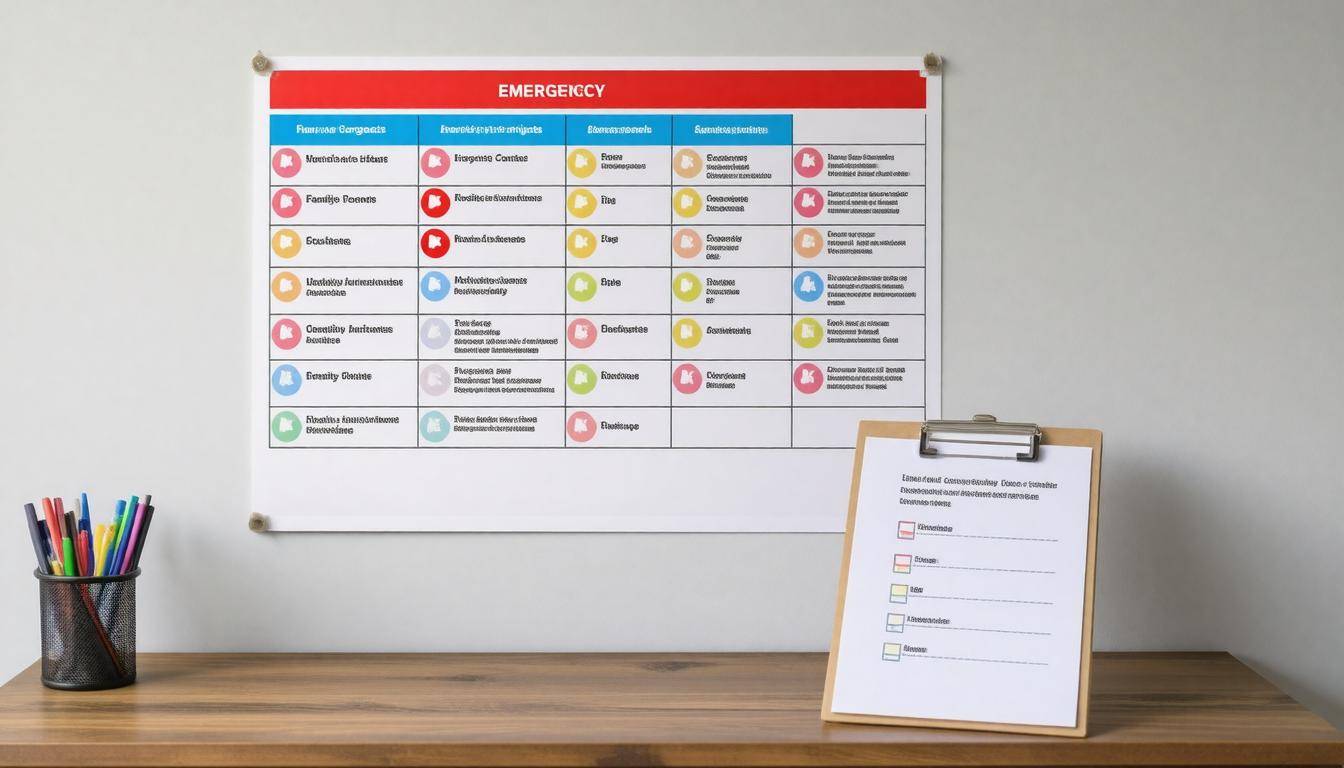
Assigning distinct roles in an emergency situation is not merely a bureaucratic exercise; it’s a strategy that facilitates swift action and minimizes confusion. In both family and workplace settings, clear expectations help ensure everyone knows their unique contributions to the overarching emergency plan. This structure is especially vital when every second counts, as it allows individuals to focus on tasks rather than wasting precious time figuring out what needs to be done.
Family Settings
Consider the dynamics of family settings during a crisis. The Primary Contact serves as the cornerstone of communication, responsible for making critical calls, such as reaching out to emergency services or coordinating with other family members about the situation at hand. Their role is pivotal because they set the tone for how the family will respond collectively. Imagine this person having a calm demeanor while others are panicking; it acts as a stabilizing force, leading to more organized responses.
Following closely is the Secondary Contact, who assumes logistical duties. This individual might handle the transportation of family members to safety or arrange temporary accommodations if needed. Their attention to practical details ensures a seamless transition from chaos to order—focusing on what resources are available, which shelters are nearby, or identifying safe routes when evacuation is necessary.
Workplace Settings
Now, let’s shift our focus to workplace environments where every position has a crucial role during emergencies. In this context, the Safety Officer takes charge as the first responder. Their responsibilities include managing immediate hazards—whether that’s a fire, flood, or other dangers—and acting as a liaison between employees and emergency services. This individual’s training in first aid and emergency protocols empowers them to make informed decisions quickly, potentially saving lives.
Meanwhile, the HR Manager holds an equally important position by ensuring that vital information flows smoothly among staff and their families. Often overlooked until needed, their tasks encompass notifying employees about evacuations while providing emotional support resources after the event. The Manager’s role ensures that employees feel cared for even amid turmoil, facilitating open lines of communication essential for recovery.
Clearly defining roles streamlines operations during emergencies and fosters an environment of preparedness. Understanding responsibilities enhances overall response effectiveness, paving the way for strategies that can help in creating customized templates for each specific scenario.
Crafting a Custom Contact Template
A well-designed template not only simplifies the process of maintaining an emergency contact list but also ensures easy access during crises. Imagine needing to relay vital information quickly; the last thing you want is to fumble with disorganized papers or outdated contacts. Therefore, establishing a robust template is indispensable, serving as your personal blueprint for emergency management.
Essential Components
When crafting your template, there are several essential components that should not be overlooked. First, ensure that primary information is consolidated in one spot. This includes the names, roles, and contact details of everyone involved in your plan—from family members to first responders. It’s about creating a network of support you can rely on.
- Primary Information: Names, roles, and contact details of all individuals will help streamline communication.
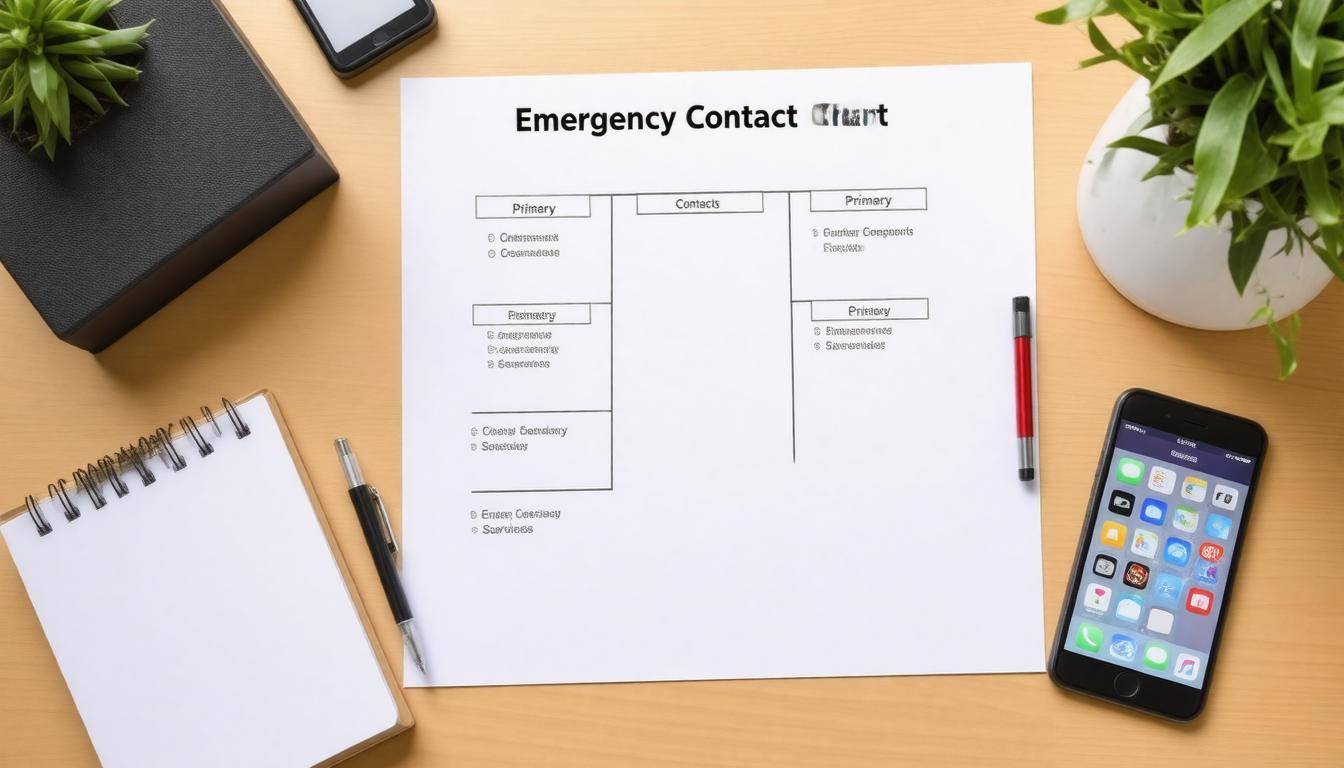
- Hierarchy Chart: Creating a visual representation clarifies who contacts whom during emergencies, reducing confusion.
- Emergency Contacts: Don’t forget to include external resources such as local emergency numbers like police or fire departments, hospitals, and utility providers. These can be invaluable in times of need.
Next, think about how you present this information. You might visualize your hierarchy chart as a simple flowchart where each line signifies who reaches out next. This helps everyone understand their role clearly and makes it easier to recall in stressful situations where memory may falter.
Template Example
| Role | Name | Phone Number | Email Address | Notes |
|---|---|---|---|---|
| Safety Officer | Jane Doe | 555-123-4567 | jane@example.com | First Aid Certified |
| Primary Contact | John Smith | 555-987-6543 | john@example.org | Family Head |
The table example above encapsulates the necessary details you’d want to have at your fingertips. By having quick reference points like “Safety Officer” or “Primary Contact,” you seamlessly guide communication during emergencies and can delegate responsibilities more effectively.
It’s crucial to remember that this template isn’t static; it should evolve alongside your life circumstances. Keeping abreast of these changes allows you to maintain an effective system that’s both relevant and reliable whenever challenges arise.
As we move forward, understanding various communication methods will further enhance your emergency preparedness strategy.
Prioritizing Communication Channels
Swift and reliable communication is key in emergencies, making the choice of channels pivotal. You want to ensure that everyone involved can access information swiftly when it matters most. This means harnessing various methods for communication while understanding their strengths and vulnerabilities.
For instance, mobile phones serve as the first line of action; they’re commonly used and generally accessible. However, during high-stress situations, such as a large-scale emergency, they can easily become overwhelmed by network congestion.
To counteract this potential pitfall, it is beneficial to implement multiple forms of communication into your emergency contact hierarchy. Emails, while not the fastest option, are excellent for conveying detailed instructions and updates. They allow for ample space to outline necessary steps and provide context surrounding the situation at hand. However, during an emergency, one must consider that emails may not be checked immediately or frequently, leaving some in your organization potentially uninformed until later.
Backup solutions are vital. Emphasizing tools like two-way radios offers reliability that mobile phones could lack. Such radios are invaluable during power outages or when other forms of communication fail; they operate independently and provide short-range communication without relying on cellular networks.
A common point of contention emerges when considering text messaging—a feature often relied upon during crises. Although texting may seem less likely to fail due to network overload compared to voice calls, it is important to note that texting inherently is slower than making a direct call. In urgent situations where time is critical, delays created by waiting for messages to send and receive can hinder response efforts.
The key takeaway is that a layered communication approach enhances your overall effectiveness in emergencies. Ensuring redundancy in your communication channels allows for seamless information flow and minimizes confusion among team members.
When establishing this hierarchy of communication channels, involve key personnel from various departments in discussions about which platforms work best. Their insight will help create a robust framework tailored to your specific needs. By creating a clear chain of command enriched with dependable communication options, you set the stage for swift responses even in chaotic scenarios.
With a structured communication hierarchy established, attention now turns to refining roles and responsibilities within your emergency management strategy.
Testing and Updating Your Plan
Regularly testing your emergency contact hierarchy isn’t just a good idea; it’s essential for ensuring everyone knows their roles and responsibilities in times of crisis. Think of it like rehearsing a play: without practice, the performance may falter at showtime. By scheduling drills at least twice a year, you help everyone familiarize themselves with their designated tasks and communication protocols. This routine builds confidence among participants and reinforces the importance of preparation in emergencies.
When planning these drills, simulate various hypothetical scenarios that could occur during an emergency. For instance, consider how your team would respond if there were a natural disaster, a medical emergency, or even a community-wide evacuation. Each scenario will require different responses and communication strategies. This makes the drill more effective because it engages participants in real-world thinking, allowing them to visualize their actions as they take place.
Gathering feedback is another crucial component of the process. After each drill, hold post-drill debriefs to discuss what went well and identify any weaknesses or areas for improvement. Encourage all participants to share their experiences and thoughts on how the drill unfolded. Their insights may reveal blind spots in your plan that you might not have considered. Understanding how each individual felt during the exercise could lead to valuable adjustments in communication styles or approaches.
Additionally, regularly verifying and updating contact information is vital for maintaining accuracy within your emergency contacts. Just as you wouldn’t make car repairs with outdated manuals, using old information during an emergency can hinder response efforts significantly. When changes occur—such as new phone numbers or job titles—update this information immediately to avoid confusion later on when it matters most.
Maintaining an effective plan is only part of the equation; understanding the resources at your disposal is equally vital for ensuring a swift response when emergencies arise.
Utilizing Emergency Resources
Leveraging existing emergency resources doesn’t just enhance your emergency preparedness; it helps to create a safer environment for you and those around you. One of the first steps is to familiarize yourself with local emergency services and organizations like FEMA, the Red Cross, and local authorities. Understanding these resources can provide invaluable support in times of crisis.
For instance, FEMA offers comprehensive guidelines on how to create effective emergency plans tailored to various scenarios. By exploring their resources, you can gain insight into what types of supplies are necessary for your specific situation. However, knowing where to find these resources is just as vital as the information itself.
Learning about the Red Cross can also be empowering. They offer training workshops on first aid and CPR, which can prepare you for unforeseen medical emergencies. Additionally, Red Cross has disaster kits that ensure you’re equipped with essentials when a crisis strikes. This is not merely about personal safety but fostering a community of prepared individuals.
Local authorities play an equally crucial role. They often provide alerts tailored to community needs, such as severe weather warnings or evacuation routes. By subscribing to local emergency alerts, you stay informed rather than relying on social media rumors or second-hand information. It’s a direct line to trustworthy communication that could save lives.
Furthermore, consider developing robust relationships with these organizations. Attend local emergency preparedness fairs, engage in community planning meetings, or volunteer with groups focused on disaster relief. Familiarity breeds trust; when a real emergency arises, knowing whom to contact and having established lines of communication can immensely improve response efforts.
As you integrate these resources into your plans, it’s important to recognize that effective preparation involves not just information but also strategies for maintaining clear communication across your network.
Tips for Effective Communication
Effective communication in emergencies is much like laying down a clear path through a dense forest; without clear markers, confusion will reign. The goal here is straightforward: to ensure everyone understands their role and can act quickly when it matters most. This begins with clarity and brevity. When sending messages, especially during stress-filled situations, aim for language that is as direct and clear as possible. Research suggests that messages comprising fewer than 20 words are up to 50% more likely to be understood. Think of it as an urgent text message; you wouldn’t use elaborate phrases—just get straight to the point.
To reinforce this clarity, eliminate jargon from your communications. Instead, rely on simple, everyday language that even someone who might not have technical expertise can understand. For instance, rather than saying “evacuate,” you could say “leave your home now.” This kind of precision can dramatically reduce response times and misunderstandings among those receiving the information.
In family settings, utilizing pre-agreed code words can serve as an effective strategy. For example, if you have kids, creating code words for specific scenarios can help them quickly comprehend the situation without causing panic.
“During the last storm, our predetermined code words helped us communicate efficiently,” recalls Sarah, a mother of three children who felt secure knowing each family member knew what to do and whom to contact.
When it comes to workplaces or larger organizations, it is equally important to ensure that emergency communication plans are integrated consistently into employee training programs. Offering regular drills not only familiarizes staff with emergency procedures but engrains these protocols in their mindset. Regular training sessions foster an environment where employees feel confident making critical decisions under pressure.
After all, no one wants to be that person caught wondering whether it’s time to “drop, cover, and roll” while everyone else has already moved to safety!
Keeping contact lists updated is also non-negotiable; it’s crucial to conduct regular reviews at least every quarter. Research indicates that organizations maintaining current contact details experience significantly fewer delays during communication—a whopping 40%. Seeing the faces of people you genuinely care about uncategorized in a list of contacts can induce instant stress at the moment of chaos.
Ultimately, effective communication revolves around accessibility and readiness. With technology advancing rapidly, consider utilizing multiple channels for reaching out—be it text messages, emails, or traditional phone calls—as data shows that employing several methods increases your chances of successfully delivering your message by 75%.
A little preparation goes a long way; by putting these strategies into practice, you will enhance your emergency contact system and create a culture of safety and readiness amongst your circles—whether at home or work.