
When the power goes out, cooking can feel like a daunting task. But don’t fret! There are plenty of ways to whip up meals without relying on electricity. In fact, many methods draw upon age-old techniques or creative solutions that connect us to simpler times. Whether you’re camping, facing an emergency at home, or simply want to enjoy some al fresco cooking, understanding different non-electric cooking methods can turn a potential crisis into a fun experience. That’s what this article aims to cover—easy and practical cooking solutions that will keep your stomach happy when modern conveniences aren’t available. So grab your cooking gear and let’s explore how to stay fed without depending on the grid!
Effective emergency cooking methods without electricity include using solar ovens, which harness sunlight for cooking, and rocket stoves, which efficiently burn small amounts of fuel like twigs or biomass. Additionally, portable camping stoves running on propane or naphtha gas can be excellent options for family meal preparations in situations where traditional cooking methods are unavailable.
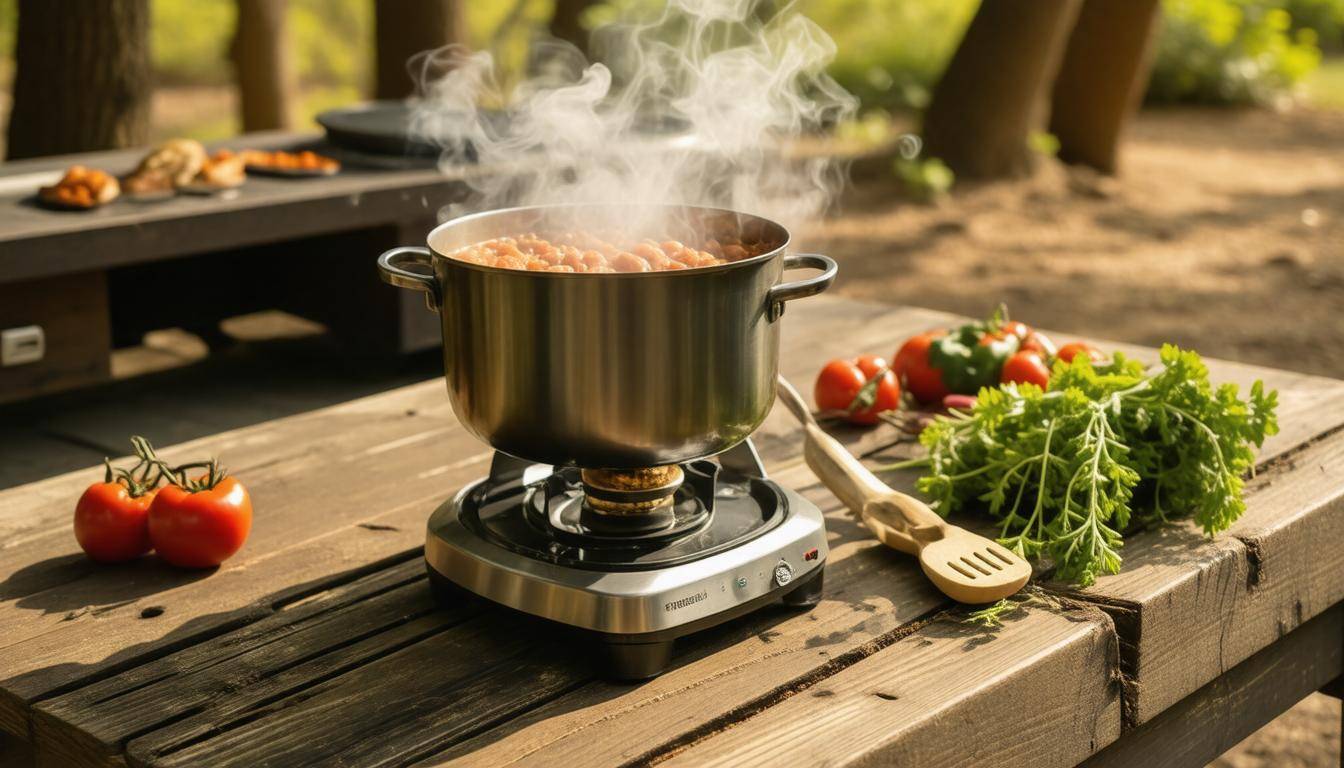
Emergency Cooking Methods Without Electricity
When considering emergency cooking options, campfire cooking is often the first method that springs to mind. This age-old technique not only fuels warmth but also serves as a practical means of meal preparation. To start, create a safe fire pit using stones or a metal ring—this helps contain the flames and prevent any stray embers from causing trouble.
For fuel, you’ll need dry wood or charcoal; both sources are effective, but ensure you have enough on hand to last through your cooking needs. Placing a grill grate over the flames allows for direct grilling while using a Dutch oven enables you to simmer stews and soups. Many people enjoy discovering how food cooked over an open flame develops a smoky flavor that simply can’t be replicated in electric ovens. This transforms the ordinary dinner into something special, infusing it with warmth that few modern appliances can achieve.
Now, while campfires are undeniably charming and efficient, they sometimes require time and effort to get started, particularly in wet or windy conditions. In such scenarios, rocket stoves present themselves as a brilliant alternative. These stoves are designed for high efficiency and use minimal fuel—an essential feature in times of crisis. You can construct one quite easily from everyday materials like bricks or metal cans, creating a small yet hot flame directed towards your cooking pot. Such direct heat makes them perfect for boiling water quickly or preparing simple meals.
A great commercial example is the EcoZoom Rocket Stove; however, those feeling crafty can build their own DIY version using basic supplies found around the home.
The beauty of rocket stoves lies in their versatility—they utilize twigs or biomass, which are often freely available in your surroundings. Not only do they provide quick heating solutions, but they also keep your response to food emergencies with minimal reliance on stored fuels.
Another modern solution within this framework of emergency cooking is the solar oven. These ovens masterfully harness sunlight to cook meals without any fuel whatsoever. Imagine placing a casserole dish inside a cleverly-designed box that captures solar energy; these devices can reach temperatures between 200°F and 300°F (93°C to 149°C). They are fantastic for preparing uncomplicated dishes while conserving energy since they don’t require electricity. Solar ovens work best on bright sunny days but remain practical year-round if you live in areas with consistent sunlight.
Just as important as understanding the tools available is knowing how to plan your meals effectively during these times. Having a selection of canned goods on hand simplifies your process considerably; foods like tuna, spam, and beans don’t require extensive prep and provide significant nutrition without breaking the bank. Additionally, consider enhancers like salt, pepper, and garlic powder; these staples will elevate even the simplest meal into something palatable—and perhaps even enjoyable!
By mastering these diverse cooking methods, you set yourself up for success during unforeseen circumstances, paving the way for crafting meals in imaginative ways that keep hunger at bay while ensuring satisfaction.
DIY Firepit Cooking
Building your own firepit transforms your outdoor space and gives you the ability to cook meals when electricity is out. The joy of gathering around a warm fire while preparing food is something many of us relish. However, it’s crucial to have a practical approach to constructing and utilizing your firepit for emergency cooking.
Step-by-Step Firepit Construction
The first thing to consider is location. Select a flat area away from trees or brush that could catch fire easily. Safety should be your top priority.
Once you’ve chosen the right spot, create a circular pit anywhere from one to two feet deep. This will contain the fire and provide thermal mass, which retains heat longer. Surround this pit with large stones—think of a robust ring to keep flames secured. This not only helps prevent fire spread but also adds an appealing element to your yard.
Nesting some dry wood or charcoal at the bottom serves as the ideal fuel source. Create a stack of kindling—a mix of dry leaves and small twigs works beautifully—to facilitate ignition. With matches or a lighter handy, enjoy the dramatic flare as the fire ignites, signaling the start of your emergency cooking experience.
Cooking Methods
Now that you’ve built your firepit, explore various methods of cooking that maximize its potential. The first technique involves grill grate cooking. By placing a metal grill grate over the firepit, you can grill meats and vegetables simply and effectively—it’s like having an outdoor kitchen when you need it most!
Another method worth mentioning is foil packet cooking. This keeps things clean and easy. Wrap your ingredients—be it fish, vegetables, or meat—in aluminum foil and place them directly onto the hot coals. You’re rewarded with delicious meals while minimizing cleanup.
Don’t overlook Dutch oven cooking. These heavy cast-iron pots are perfect for soups, stews, and casseroles when placed over glowing embers or nestled within them. The thick walls retain heat exceptionally well, providing consistent cooking temperatures. It’s comforting to prepare a hearty stew that simmers gently over an open flame while sharing stories with friends or family.
Utilizing these techniques enhances your emergency meal options while fostering connections through shared experiences of warmth and laughter offers valuable insights as we consider more portable solutions for outdoor cooking.
Portable Stoves and Grills
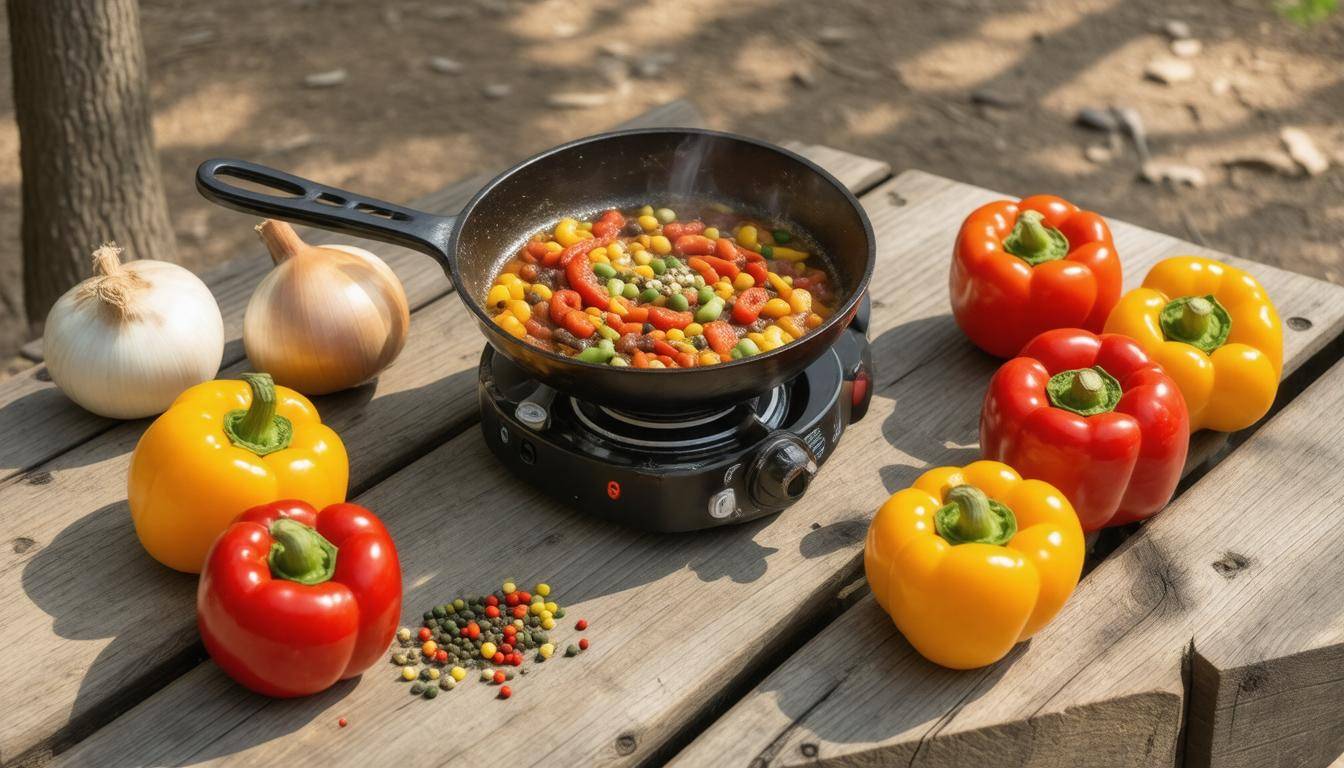
When disaster strikes or when you’re simply away from home, having a portable stove at your disposal can make all the difference. These compact devices are specifically designed to provide high heat in an emergency. Propane stoves stand out as a preferred choice for many because of their uncomplicated setup and user-friendly nature. They typically use one-pound propane tanks, which are lightweight and easy to transport. Imagine being able to cook up a warm meal, even when the power is out—that’s the magic of these little wonders.
One such model that embodies this practicality is the Coleman Classic Propane Camping Stove. This reliable option continues to perform beautifully even after numerous trips into the great outdoors. It’s not just about functionality either; it boils water faster than any other stove tested under $150—a speed that can be invaluable during emergencies.
Types of Portable Stoves
Different portable stoves cater to various cooking needs and preferences, so it’s essential to choose wisely based on what you plan to cook. For instance, while the Coleman Classic excels at boiling and quick cooking tasks, you may want something with better temperature control if you’re whipping up delicate meals like crepes or simmering sauces. Here, models like the Coleman Cascade 222 shine through with superior temperature regulation, although users should be mindful of potential durability quirks with its ignition system.
Beyond stoves, portable grills bring another layer of convenience and flexibility to outdoor cooking scenarios.
Portable Grills
A great example in this realm is the Weber Q1000, which stands out not just for its compact size but also its impressive heat distribution capabilities. While it may weigh more than some of its counterparts—27 pounds—its design makes transportation manageable. Many models run off small propane canisters, but some allow for connection to larger tanks with adapters, offering an extended cooking duration without needing frequent refuels. If you’re serving a group, this adds significant peace of mind knowing you won’t run out mid-cooking.
TABLE
| Portable Stove/Grill | Fuel Type | Weight | Cooking Capacity |
|---|---|---|---|
| Coleman Classic Stove | Propane | 4 lbs | 2 burners |
| Weber Q1000 | Propane | 27 lbs | 189 sq in |
| EcoZoom Rocket Stove | Wood/Charcoal | 10 lbs | Single pot |
Finally, understanding best practices for using these valuable tools will ensure they serve your needs efficiently and safely during critical moments, paving the way for exploring innovative cooking solutions that harness renewable energy.
Solar Ovens and Cooking
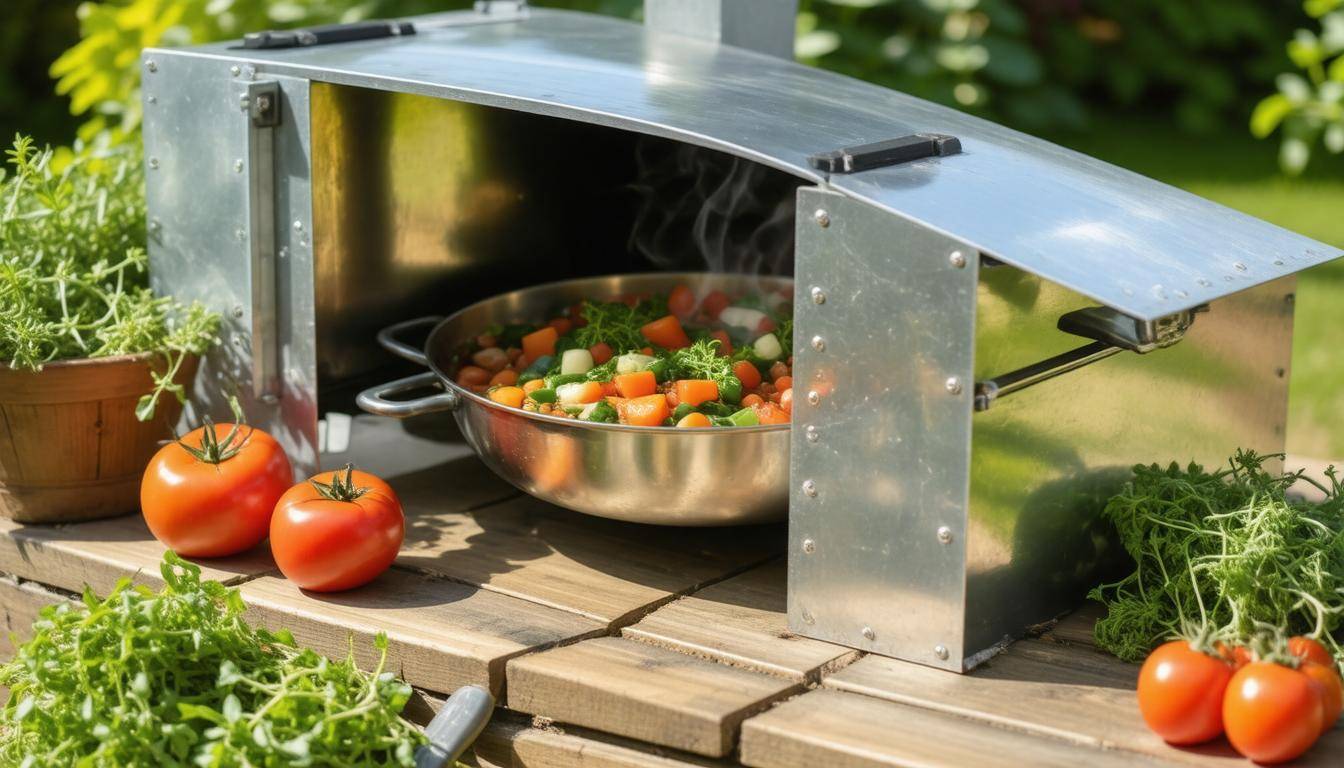
Solar ovens operate by harnessing the sun’s energy, providing an efficient and fuel-free option that’s both sustainable and reliable. When sunlight hits the reflective panels of a solar oven, it generates heat, leading to cooking temperatures typically between 200°F and 350°F. This means you can bake bread, stew vegetables, or even roast meats using just sunlight—an exciting prospect when looking for alternative cooking methods!
How Solar Ovens Work
The science behind solar ovens is quite fascinating. As sunlight strikes the reflective panels, it concentrates that light into a cooking chamber. Inside this chamber, the heat builds up and cooks your food gently. While these ovens perform best on bright sunny days, they still work effectively under slightly overcast skies because they can capture indirect sunlight. It’s like getting a cozy hug from the sun every time you cook!
While many might think these methods may not offer efficiency similar to conventional stoves, some models are surprisingly powerful. For instance, I recall friends who comfortably baked pizzas in their solar oven on a warm spring day; the crust was crispy while the toppings got perfectly melted—all without lighting up a single burner!
“Using a solar oven transformed our camping trips; we not only enjoyed delicious meals but did so sustainably.”
Products to Consider
If you’re looking to invest in a solar oven, consider the All American Sun Oven. Highly regarded for its effectiveness, it enables baking, boiling, and steaming—functionality that suits various culinary explorations. Users have shared positive experiences cooking complete meals ranging from fresh loaves of bread to savory stews and delectable cookies—each made effortlessly with nothing but renewable energy.
While the All American Sun Oven is an excellent choice for durability and performance, it’s important to explore a range of options available in today’s market. Whether you prefer something compact for an outdoor adventure or heavier-duty models designed for backyard use, there’s something for everyone.
After exploring solar ovens and their innovative uses in cooking, it’s also crucial to consider effective lighting solutions to enhance your survival experience when traditional power sources are unavailable.
Using Flashlights and Torches
When the power goes out or you’re in a situation where traditional cooking methods aren’t available, the simple flashlight, often overlooked as just a source of light, can become a utensil for emergency cooking. It may seem odd, but using these devices effectively allows you to heat water or cook small portions of food quite efficiently. Imagine finding yourself on a camping trip or during an unexpected storm; using your flashlight could turn a challenging scenario into a manageable one.
Methods of Utilization
The key to utilizing flashlights and torches is understanding how to harness that concentrated beam. A powerful LED flashlight can focus its light into a tight beam, generating enough heat to warm food over time. Positioning a metal container, such as an aluminum pot or pan, directly under the beam creates effective heat transfer. This isn’t Frying 101, but it is functional!
A trusty portable torch running on butane can be even more advantageous. It’s designed to produce high temperatures quickly and is easily controlled to help heat cookware or food items without compromising safety.
When improvising with torches, consider the type of food you’re preparing. Items that require minimal cooking, like instant noodles or soup, are perfect candidates for this method. Heat some water in an appropriate pot above the flame, stir your noodles in, and let them sit—your makeshift meal is on its way!
With these creative methods in mind, it’s also essential to think about what types of instruments and ingredients would serve you best when faced with the need for cooking without modern conveniences. Preparing for various scenarios can transform your experience into something more enjoyable.
Emergency Cooking Recipes
In emergency situations, having a few reliable recipes at hand can turn an overwhelming situation into manageable meals that nourish both body and spirit. Quick, nutritious meals are essential, especially when electricity is unavailable. It’s vital to have options that are easy to prepare while utilizing various cooking methods.
One-Pot Meals
Let’s begin with one-pot meals, which are particularly appealing during emergencies. They minimize cleanup while packing in flavor and nutrition. Take, for instance, Campfire Chili; it’s simple yet satisfying. Gather your ingredients — canned beans, tomato sauce, diced onions, ground beef, and your favorite spices. Using a Dutch oven over a campfire, combine all these ingredients and let them simmer for about 30 minutes. This method enhances the flavors and produces a hearty meal that feels like a warm hug.
Next is Solar Oven Rice, perfect for sunny days when traditional heating sources might be unavailable. With just one cup of rice, two cups of water, and a pinch of salt mixed in a covered heatproof container, you can harness the power of the sun to cook it gently over 45 minutes to an hour. While you’re waiting, you can gather around with your family or plan your next move during the crisis.
Moving on, Foil Packet Salmon is another effortless option that shines in its simplicity. Wrap a salmon fillet alongside sliced lemon, fresh herbs, and a drizzle of olive oil in aluminum foil. Once sealed tightly, this packet can cook over a fire pit or portable grill for about 15-20 minutes. Not only is it tasty and healthful, but it also helps reduce the mess since everything cooks within the foil!
Amplifying your emergency meal repertoire ensures varied dining experiences when resources are limited. Equally important is maintaining safety throughout these cooking processes.
Each method serves as a quick solution while embodying the “backup to your backup” principle—you’d never want to find yourself without alternatives when every minute counts during emergencies. Planning ahead allows you to be resourceful and cook delicious meals without electricity during uncertain times.
As we explore cooking techniques, let’s take a moment to examine essential practices that help keep you safe and prepared while navigating uncertain times.
Safety Tips and Precautions
Safety should always be your top priority when using any form of open flame or portable stove. Just as in everyday cooking, where we instinctively reach for oven mitts and ensure our kitchen is free from hazards, emergency cooking requires a similar level of caution. Establishing a secure cooking environment can prevent unfortunate accidents that could turn a survival situation into a dangerous one.
First and foremost, location matters. Setting up your cooking station in a well-ventilated, open area is crucial. This helps to mitigate the risk of carbon monoxide poisoning—an odorless, colorless gas that can quickly become lethal if inhaled in large doses. Think of it like creating a safe bubble around you; you want to avoid being enclosed by walls that can trap smoke or fumes. To illustrate, imagine trying to cook inside your garage: it’s an immediate recipe for disaster. Instead, opt for an outdoor space away from flammable materials such as dry leaves or wooden structures.
Supervision is key; never leave a fire or portable stove unattended. It only takes a moment of inattention for a small ember to ignite something else. Picture yourself stepping away to grab more supplies only to hear the crackling sound of fire—you’d wish you hadn’t left it alone. Always have someone keeping an eye on the cooking process, especially if you’re using open flames.
Another vital aspect is proper fuel storage—this isn’t just an organizational tip but an essential safety measure. Store fuels like propane and charcoal away from direct sunlight and flammable materials, ideally in a cool, dry place. For example, I once learned this the hard way when I stashed firewood too close to my grilling area during summer months; it didn’t take long before I had to deal with not just excess heat but potential flare-ups! Make sure all your fuel sources are clearly labeled and stored well out of reach of children or pets.
Finally, always keep a basic first aid kit nearby. During unexpected emergencies, even minor burns can escalate if not treated promptly. Having band-aids, antiseptic wipes, and burn gel on hand will allow you to act swiftly if an accident occurs. It’s prudent to treat each scenario as if injuries are possible. After all, nobody plans on getting hurt, but preparation practically guarantees you’ll handle surprises more effectively.
With these precautions in mind, successful emergency cooking hinges on both convenience and safety while ensuring you’re strategically equipped for future needs.
Fuel Storage and Management
Efficient fuel storage isn’t just about having enough resources; it’s about being smart with what you have. For example, propane tanks must be stored in a well-ventilated area to prevent dangerous gas accumulation. Always ensure these tanks are standing upright.
When it comes to charcoal, a waterproof container is essential because moisture can ruin its burning quality. If you’re using wood, remember that it should be seasoned properly—this means drying it out to ensure an efficient burn. However, don’t just leave it exposed to weather. Instead, store it in a sheltered space to protect it from the elements.
Storing Different Types of Fuel
Properly storing different types of fuel will significantly impact your ability to cook efficiently when the need arises. Using my own experience as a guide, I recommend creating a dedicated fuel storage space that’s neat and well-organized. Not only does this help you keep track of what you have on hand, but it also allows easy access when you’re in a pinch.
In case you decide to use alcoholic or liquid fuels, remember that they should be stored in their original containers and kept away from heat sources to avoid the risk of fire. This attention to detail may seem minor at first, yet in an emergency scenario, the last thing you want is for your fuel supplies to become a hazard.
Fuel Management Tips
Don’t underestimate the power of really paying attention to your fuel consumption rates. One method that has worked for me is keeping a simple log whenever I use any fuel type. Jotting down how much you use each time will provide insight into how long your stockpile will last during emergency situations.
As a rule of thumb, always rotate your supply: consume the older stock first while ensuring that newer fuel types don’t degrade through prolonged storage.
During any extended period without electricity, prioritize your usage wisely. Essential cooking needs are vital, but heating your home safely cannot be overlooked either. This is where balancing your fuel allocation becomes critical. For instance, if you know that lighting allows you to cook quicker meals, you could save more fuel for keeping warm overnight.
By following these storage and management tips closely, you’ll find yourself far better prepared when unforeseen emergencies hit, ensuring both safety and comfort remain within reach as you navigate life without electricity.
Taking proactive steps in managing and storing your fuel will lead to more effective cooking solutions during emergencies while safeguarding your overall safety and comfort.
What types of fuels or materials can be safely used for emergency cooking?
In emergency situations, safe fuels for cooking include wood, charcoal, propane, and solid fuel tablets. Wood is abundant and can be scavenged from the environment, while charcoal provides a consistent heat source. Propane is highly efficient and portable, with 1 gallon providing approximately 91,500 BTUs of energy, making it ideal for quick meals. Solid fuel tablets are lightweight and easy to store, ensuring you have an option that doesn’t require extensive setup. Always ensure proper ventilation when using these fuels to prevent carbon monoxide buildup.
How can I prepare meals using a camp stove or portable grill during a power outage?
During a power outage, you can prepare meals using a camp stove or portable grill by utilizing propane or charcoal as fuel sources. Ensure you have enough fuel supply to last through the outage and always cook outside to prevent carbon monoxide buildup indoors. Quick meals like soups, grilled vegetables, or meats can be prepared efficiently, with cooking times typically shortened compared to traditional methods; for instance, grilling can cut down meal prep time by nearly 30%. Always prioritize food safety by keeping perishable items cool and minimizing the time they spend at unsafe temperatures (above 40°F).
Are there specific techniques for cooking over an open flame that I should know?
Yes, there are specific techniques for cooking over an open flame that you should know. Techniques such as using a grill grate, skewering food, and creating a tripod system to suspend pots can all enhance your cooking efficiency. Additionally, factors like the type of fuel (wood, charcoal, or propane) can affect heat control; for instance, hardwoods like oak or hickory burn hotter and longer than softwoods. According to survival experts, mastering these methods can improve your success rate in food preparation during emergencies by up to 75%.
How do I ensure food safety when cooking in an emergency situation?
To ensure food safety when cooking in an emergency situation, always prioritize proper food handling: keep raw and cooked foods separate to prevent cross-contamination, cook foods to safe temperatures (for example, poultry should reach 165°F), and avoid leaving perishable items unrefrigerated for more than two hours. According to the USDA, harmful bacteria can double in number in just 20 minutes at room temperature, which increases the risk of foodborne illness. Additionally, consume canned goods or dry food that won’t spoil quickly to minimize risk.
What are the best foods to have on hand for cooking without electricity?
The best foods to have on hand for cooking without electricity include canned goods, dried beans, pasta, rice, and dehydrated fruits and vegetables. These items are shelf-stable and require minimal preparation; for instance, canned beans can be heated over a camp stove or open fire, while rice and pasta can be boiled in water. According to the USDA, canned foods can last up to 2-5 years in a pantry, making them a reliable choice for emergency situations. Additionally, having a supply of spices and cooking oil can elevate these dishes while remaining easy to store.