
In unpredictable times, being prepared can make all the difference. That’s where emergency food bars come into play, serving as handy, calorie-dense snacks to keep your energy up when the going gets tough. Imagine you’re faced with a sudden storm or a power outage; having nutritious and easy-to-pack food ready can keep you fueled without much fuss. While there are many options out there, finding the best emergency food bars means knowing what to look for—like shelf life, nutritional value, and taste. Let’s dive into some of the top choices that could help ensure you’re ready for whatever life throws at you.
Some top options for calorie-dense emergency food bars include Millennium Survival Energy Bars, which provide 2,400 calories per pound with a minimum shelf life of 5 years; SOS Emergency Food Rations, offering 3,600 calories in a compact form; and Survival Tabs, known for their portability with 960 calories at half a pound. Each bar is designed for optimal energy retention during emergencies while ensuring an extended shelf life.
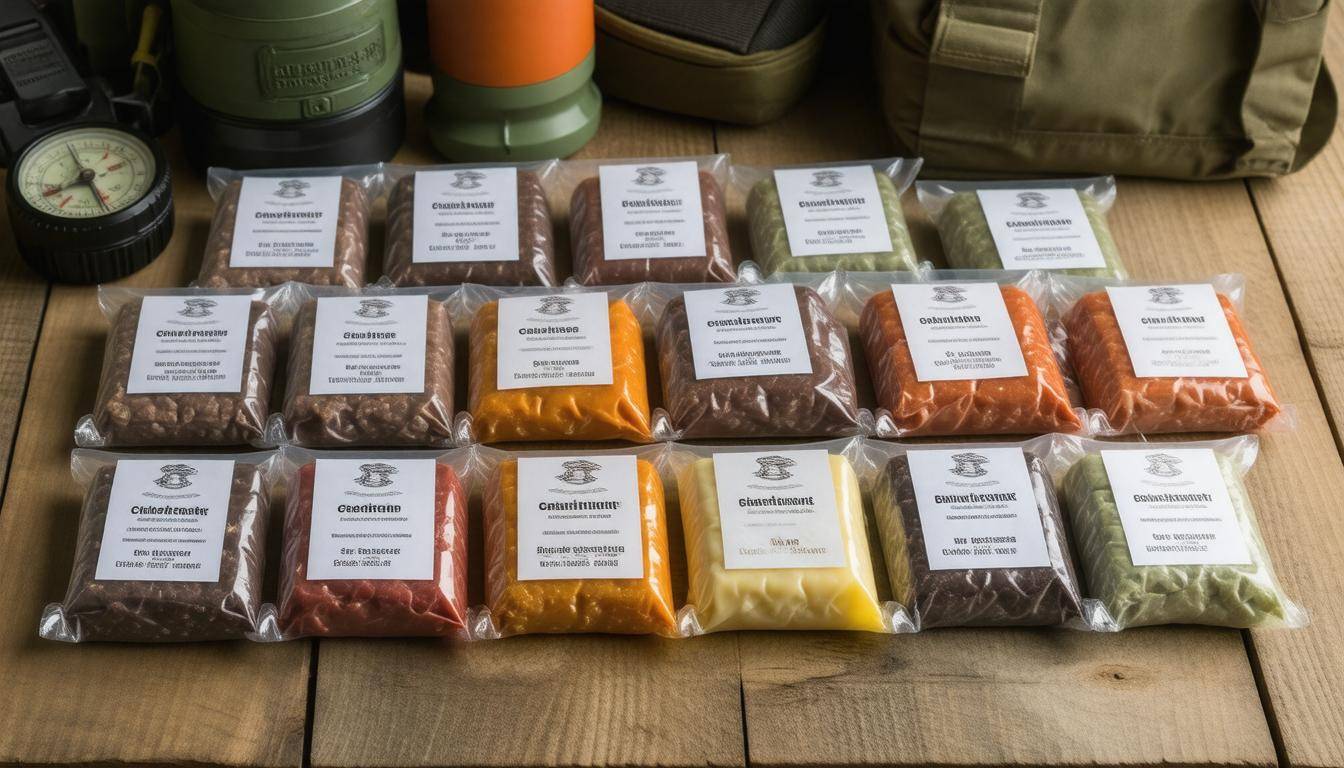
Top Calorie-Dense Emergency Food Bars
One product that consistently receives high marks is the Millennium Survival Energy Bar. Not only do these bars pack a punch with about 400 calories each, but they also come in a delightful assortment of flavors such as lemon, coconut, and vanilla. This variety can be a psychological boost during emergencies, where comfort foods may feel like a lifeline. With a shelf life of five years, these bars are a wise investment for any preparedness kit. The combination of flavor and longevity makes them a favorite among survival prep enthusiasts.
Another noteworthy option is the SOS Emergency Food Rations. Imagine having 3,600 calories neatly packed into a compact 1.6-pound bar; this rare balance of caloric density and utility makes it extremely convenient in situations where every ounce matters. These bars are U.S. Coast Guard-approved, ensuring their reliability when it counts the most. An added benefit is their design to be non-thirst provoking; this can prove essential when water sources are limited. Having such options means you can focus on staying hydrated rather than worrying about your rations.
If you’re looking for something that doesn’t sacrifice flavor for nutrition, check out Datrex Emergency Food Bars. A common sentiment among users is that they have a slightly better flavor profile compared to their competitors, resembling the taste of a shortbread cookie—a comforting choice in harsh circumstances. These bars offer an impressive caloric value at around 2,400 calories per pound, making them not only palatable but also efficient in terms of energy content per weight.
As we explore these products further, it’s important to consider factors like availability and shelf life when making your choice.
It’s also worth highlighting brands like ReadyWise, which produces emergency food bars offering around 400 calories with substantial protein content—10 grams per bar—and a remarkable shelf life of 25 years; that’s an investment in long-term preparedness. Similarly, Mountain House stands out for its savory bars enhanced with herbal notes, providing another delicious alternative for your survival stash.
Understanding what suits your specific needs—be it portability, flavor preferences, or nutritional requirements—will help you make informed decisions as you stock up on essentials perfect for unforeseen circumstances.
Popular Brands and Varieties
Several brands stand out in the landscape of emergency food bars, each catering to unique needs and offering an array of options. For example, ReadyWise Emergency Food Supply is notable not just for its 25-year shelf life but also its impressive variety of meals spanning breakfast, lunch, dinner, and desserts. This versatility ensures you’re not limited to just bland survival food; instead, you can enjoy different flavors and meal types even in an emergency situation. With 124 servings packed into a compact 11-pound package, it offers great caloric density, which is crucial during prolonged emergencies.
Another strong contender in the market is Augason Farms Lunch & Dinner Emergency Food Supply. Its shelf life ranges between 10 and 30 years, providing plenty of flexibility depending on how long you plan to store it. The kit offers 92 servings with 11 meal options that are easy to prepare. One of its biggest strengths lies in the flavorful meals it offers, making it an appealing choice for those concerned about taste. However, it’s worth noting that this option does not include breakfast meals—so careful planning is necessary if breakfast foods are a priority for your emergency kits.
“The true value of any emergency food supply isn’t just the shelf life or variety; it’s how it meets your family’s specific dietary needs.”
We can’t overlook the Mountain House 3-Day Emergency Food Supply, which thrives on simplicity. Not only does it boast a remarkable 30-year shelf life, but it also wins points for ease of preparation. The meals can be made using room-temperature water and come in resealable pouches—allowing for portion control and minimization of waste. However, do keep in mind that this kit doesn’t come in a weather-proof bucket, which could be an important consideration if you’re storing supplies outdoors or in less than ideal conditions.
Nutritional Insights
Understanding calorie content and nutritional value becomes critical when selecting these products. For instance, while The Survival Tabs provide around 20 calories per tab, each one is packed with essential vitamins and minerals. These tabs can serve as a supplementary option that complements other food sources in your storage plan. The idea here is not to rely solely on them but to balance your provisions with various foods that meet both energy needs and dietary requirements.
In all cases, knowing the caloric density of the food bars is vital; energy-rich foods sustain longer periods without nourishment. That’s why options like Wise Company’s 1 Month Emergency Food Supply, offering 240 servings with a shelf life of up to 25 years and including meals across all major times of day—breakfast, lunch, and dinner—are alluring choices for those looking to create complete meal plans.
As we continue our examination of these products, it’s essential to focus on their nutritional aspects to ensure they meet your health needs efficiently during critical times.
Nutritional Profiles
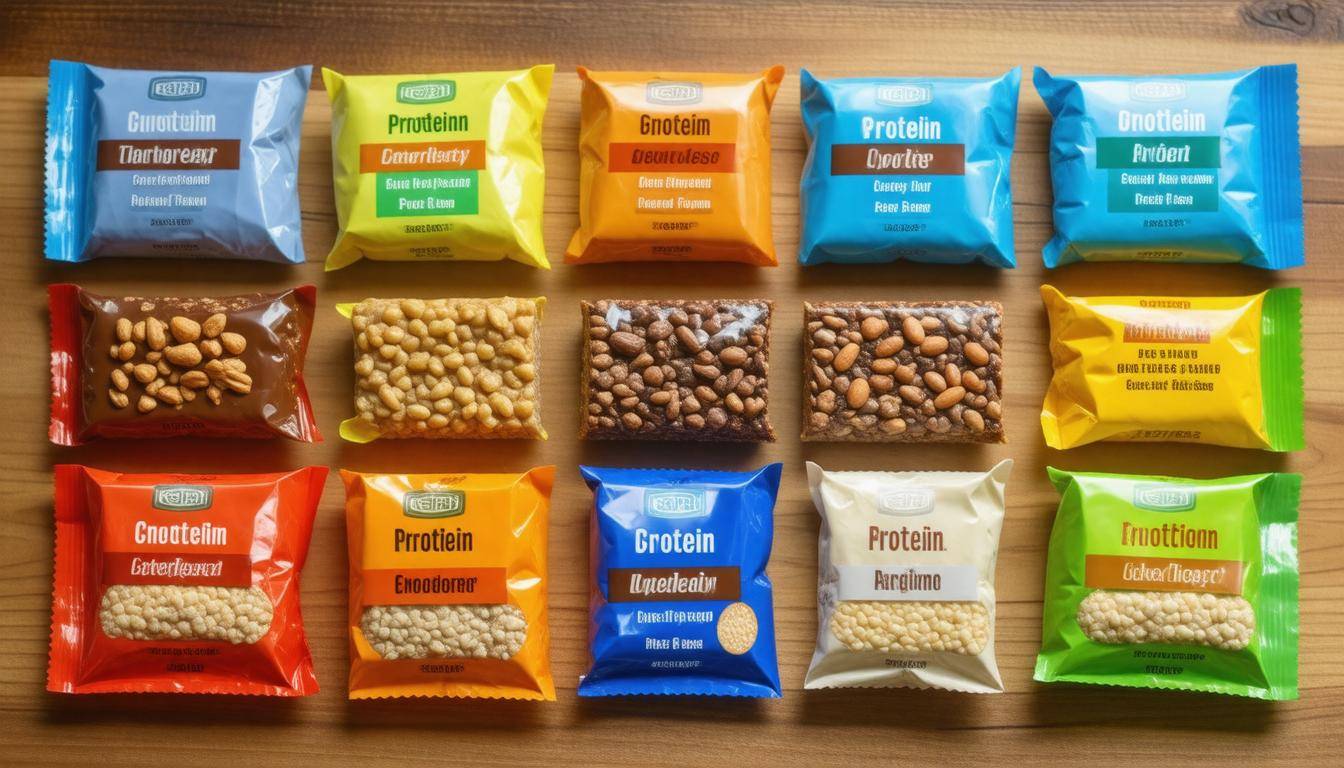
Knowing what goes into our emergency food bars can be a real game changer when you’re faced with survival situations. One significant aspect is the macronutrient composition of these bars, which determines how they will sustain your energy levels.
For example, many of them, like the SOS bars, provide a balanced blend of carbohydrates, fats, and proteins. With around 47% carbohydrates for quick energy, 30% fats for long-lasting fuel, and 23% proteins for muscle repair and satiety, they create a nutritional profile that keeps you functioning at your best when it matters most.
Macronutrients
This balance in macronutrients not only provides immediate energy but also ensures sustained performance throughout the day. In stressful situations where maintaining energy is crucial, having access to a bar like this can prove invaluable.
When your body is low on energy, fatigue sets in quickly, which isn’t something you want when trying to navigate through an emergency.
Now let’s shift gears to another critical aspect of nutrition: micronutrients.
Micronutrients
Contrary to popular belief, calories alone don’t tell the whole story; micronutrients are equally vital. Bars like Survival Tabs focus on key vitamins such as Vitamin A, B12, and C. These vitamins play essential roles in immune function and overall health. They also include trace minerals like magnesium, important for muscle function and energy production, while being careful to keep sodium levels lower—crucial when your body might already be under stress from high temperatures or dehydration.
With the emphasis on both macros and micros established, let’s explore the metric that often gets folks talking: caloric efficiency.
Caloric Efficiency
Caloric efficiency is where things get particularly interesting. High-calorie bars like Datrex and SOS pack over 400 calories per serving into small packages, meaning weight and size remain minimal while maximizing energy output.
This feature not only makes carrying them easier but also guarantees that they can keep you energized for hours without filling you up too much or weighing down your pack. In an emergency scenario where mobility is vital and carrying additional weight can be burdensome, these bars shine brilliantly as an excellent option.
As we consider these impressive nutritional profiles, it becomes clear that there are even more advantages to these bars that further elevate their value in survival situations.
Key Benefits
Beyond mere sustenance, emergency food bars provide an array of advantages that elevate their role in survival preparedness. One of the most significant benefits is ease of storage. Vacuum-sealed packaging keeps these bars compact and ensures they remain fresh for extended periods. Imagine having a few bars stored away in the glove compartment of your car or the back of a closet without worrying about them getting squished or spoiled.
Long Shelf-Life
Another appealing trait is their long shelf-life. Many emergency food bars tout a minimum of 5 years, with some products even promising longevity well beyond that. This longevity eases concerns about rotational stocking. You don’t have to constantly check expiration dates or worry about wasting food. Instead, you’ll know those bars are ready when you need them most—be it during an unexpected power outage or natural disaster—that peace of mind can be priceless.
Adding to their value, portability plays a significant role in making emergency food bars an excellent option for anyone preparing for emergencies.
Portability
These bars are designed with portability in mind. Their lightweight construction allows you to easily carry several without feeling weighed down. Whether packing a go-bag for outdoor adventures or preparing your car emergency kit, these compact rations are easy to integrate into your plans. Consider how convenient it is to keep a few in your backpack while hiking or cycling; they become fuel for both your body and spirit when challenges arise in the great outdoors.
Quick Consumption
Lastly, one cannot overlook the advantage of quick consumption. In dire scenarios, every second counts. Emergency food bars require no preparation—simply grab one and eat on the go. This ability to consume essential nutrition straight out of the package eliminates any hesitation or wasted time during emergencies. Picture yourself in a stressful situation, perhaps stuck waiting for help—having quick access to sustaining energy can be incredibly comforting amidst chaos.
While understanding these key benefits is essential, the overall experience often hinges on factors like flavor and texture, which can ultimately affect their usability in critical situations.
Taste and Texture
The flavor profile of emergency food bars significantly influences their appeal during stressful situations. After all, when you’re relying on these rations for sustenance, palatable options are a must. One standout choice in the market is the Millennium Bars. They often receive high praise due to their more enjoyable taste with flavors like vanilla and coconut. However, it’s important to note that some users feel these bars may lean too sweet for their liking, demonstrating how personal tastes can vary widely. This emphasizes the necessity of sampling different types before an emergency arises.
Datrex Bars
Moving on, let’s consider Datrex Bars. While they may not win culinary awards for texture—often described as gritty—they offer a flavor reminiscent of shortbread cookies. For those who appreciate a touch of sweetness with a crumbly bite, these could be a decent option. It’s fascinating how this combination results in a bar that is both functional and somewhat comforting in its taste. Yet, those who prefer smoother textures might find them less appealing.
SOS Rations
Then there are SOS Rations, which provide an interesting contrast. Typically characterized by their neutral flavor profile, many describe these bars as mildly sweet. This quality makes them easier to consume repeatedly without causing taste fatigue compared to options that are overly rich or heavy on the palate. Think of them as the plain bread of emergency food bars; while they may not excite your taste buds as much, they serve their purpose effectively by being bland enough not to become tiresome.
As we explore how best to keep these essential supplies viable over time, it’s crucial to understand effective storage practices that maximize their shelf life and ensure you’re fully prepared for any situation.
Long-Term Storage Tips
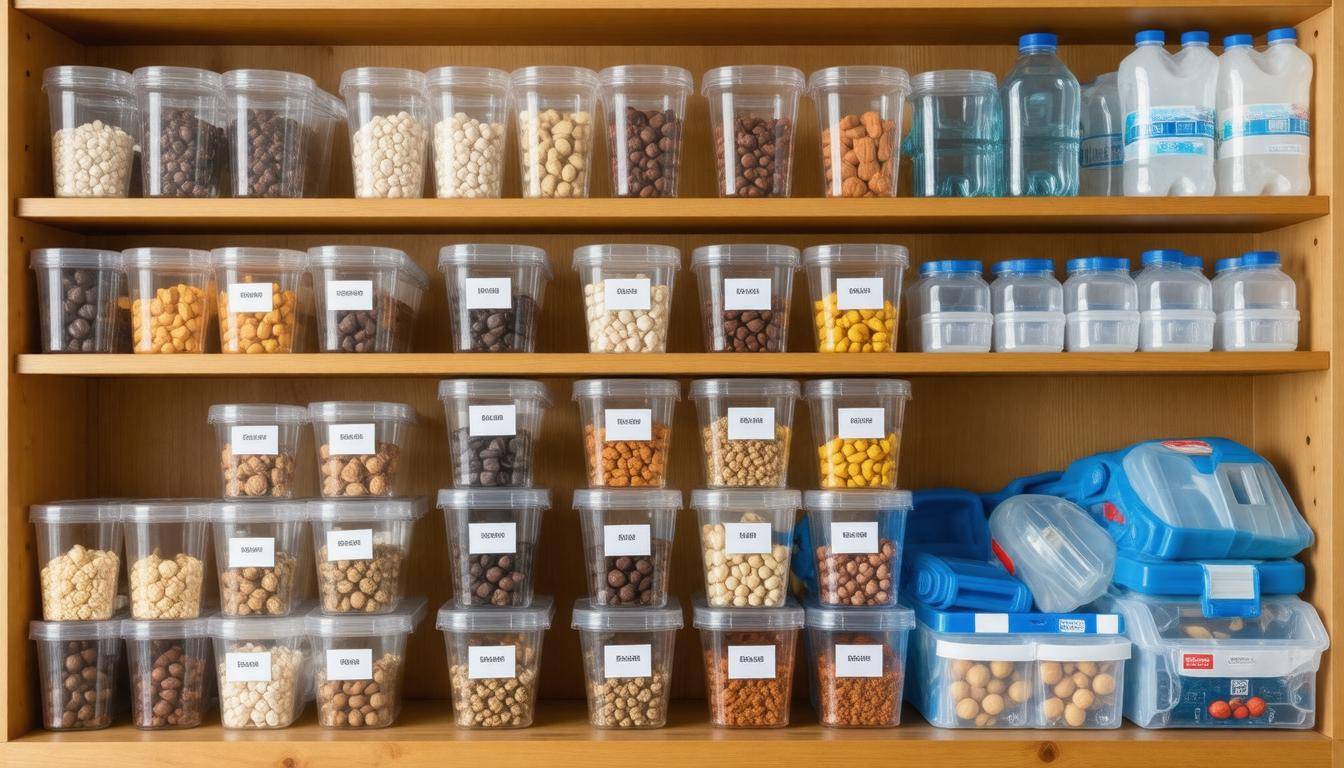
One of the key factors in ensuring that your emergency food bars maintain their quality is temperature.
Ideally, store them in a cool, dry environment where temperatures consistently stay below 75°F (24°C). Heat can cause the oils in these bars to go rancid, affecting taste and nutritional value. It’s also worth noting that fluctuation in temperature can lead to moisture build-up inside packaging, creating an environment ripe for spoilage. Therefore, avoid placing them near heat sources like ovens or in areas prone to direct sunlight.
To make things more secure, consider how you store the bars. Using airtight containers or vacuum-sealed bags can drastically reduce exposure to moisture and oxygen, both of which are detrimental to food preservation.
If you’re the kind of person who likes a little extra assurance, think about using desiccants, which help absorb any moisture trapped inside those containers. This extra layer of protection can offer you peace of mind when it comes to the shelf life of your supplies.
Another smart practice is to implement a system for rotating your stock. This means utilizing older items first while replacing them with newer ones.
Establishing a routine of checking your emergency supply every six months allows you to ensure nothing has exceeded its shelf life and keeps your emergency kit up-to-date with fresh provisions. It’s akin to maintaining a pantry—using what you have before replenishing it ensures that nothing goes to waste.
Remember: Properly stored emergency food bars can last five years or more, depending on their specific packaging and ingredients.
Additionally, keep an eye on expiration dates and inspect seals upon receiving products. It’s vital since about one in ten items may arrive with compromised vacuum seals, making them less safe for consumption. If you discover such issues, don’t hesitate to reach out for refunds or exchanges; this is all about ensuring your safety during emergencies.
Equipped with these effective storage tips, you’re not only enhancing the longevity of your emergency food bars but also preparing yourself more thoroughly for unexpected challenges ahead.
Choosing the Best Option for You
A crucial first step in selecting your emergency food bars is to examine any dietary restrictions you or your loved ones might have. For those with allergies or specific dietary needs, considering options like the ER Bar can make all the difference. This brand stands out because it offers simple ingredient lists free from common allergens such as gluten, nuts, or dairy, ensuring that everyone in an emergency scenario can find something safe to consume. It’s a little comfort amid the chaos.
Next, evaluate your caloric needs based on your usual activity levels. If you lead an active lifestyle or anticipate needing extra energy during emergencies, you’ll want bars with a higher caloric density. For instance, the SOS Food Rations provide a substantial 3,600 calories packed into a manageable weight, making them an excellent choice for physically demanding situations. High-calorie bars ensure you have enough sustenance without having to carry an excessive amount of weight.
Following that, consider the storage conditions available to you. If space is limited—such as in an urban apartment or a small vehicle—it’s best to choose compact options like Survival Tabs, known for their clever packaging that allows them to fit virtually anywhere. They offer convenience without sacrificing nutrition; each tab contains ample calories while being easy to stash in a bag or drawer. The more easily accessible your supplies are, the better prepared you’ll be when crisis strikes.
Lastly, don’t overlook the value of real-world user reviews when deciding on the right product for you. Hearing about firsthand experiences provides valuable insights that can inform your purchase and prevent potential disappointments down the line. Whether it’s a review mentioning exceptional taste during stressful times or highlighting how well a particular brand stored over years, these testimonials can help you make informed choices regarding which bars truly deliver on their promises in an emergency situation.
As we consider these practical details about emergency food bars, it’s also important to hear directly from those who have used them during critical moments, providing a personal touch to our understanding of these survival necessities.
User Reviews and Experiences
When it comes to emergency food bars, hearing experiences from fellow consumers can shed light on their true qualities—taste, texture, and practicality.
For instance, one user raved about the Millennium Bars, stating, “I’ve kept Millennium Bars in my car for years. They’re incredibly handy during breakdowns and taste much better than I ever expected.” This kind of feedback highlights both convenience and the fact that effective emergency supplies can be enjoyable.
Similarly, a family shared their experience with Datrex Bars, noting, “Datrex bars have been a staple in our family’s emergency kit. The kids love the shortbread taste, and they don’t get thirsty after eating them.” This review reflects how important it is to choose something appealing to all ages—especially during emergencies when temptation may lean towards less healthy options.
Another noteworthy mention comes from a hiking enthusiast who tested SOS Food Rations: “We used SOS rations during a hiking trip. They provided the energy we needed without needing gallons of water.” This underlines how these bars can play an essential role as not just survival foods but also functional snacks for outdoor activities, enhancing your adventures in the wild.
Summary Table of User Experiences
| Bar Type          | Calories     | Shelf Life            | Special Features                      |
|-------------------|-------------|----------------------|--------------------------------------|
| Millennium Bars   | 400/bar     | 5 years               | Variety of flavors                   |
| SOS Food Rations  | 3,600/pack  | 5 years               | Non-thirst provoking                 |
| Datrex Bars       | 2,400/pound | 5 years               | Slightly better taste, shortbread-like|
User reviews are insightful; they provide real-world perspectives on how these bars perform under pressure.
Understanding these experiences will help you make an informed decision tailored to your individual needs, knowing fully well what to expect from each option available on the market.
Ultimately, having reliable emergency food bars on hand ensures preparedness for life’s unexpected moments. Their positive attributes not only support survival but also contribute to enjoyable experiences in challenging situations.
What are the shelf life and storage requirements for maintaining the effectiveness of emergency food bars?
Emergency food bars typically have a shelf life ranging from 5 to 10 years when stored properly, depending on the brand and ingredients used. To maintain their effectiveness, it’s crucial to store them in a cool, dry place, away from direct sunlight and extreme temperatures. Research indicates that high temperatures can significantly shorten their shelf life, as heat accelerates the degradation of nutrients and fats, which can lead to rancidity. For optimal longevity, keeping the bars in airtight containers can also help prevent moisture penetration and insect infestations.
What factors should consumers consider when selecting a calorie-dense emergency food bar for their preparedness kit?
When selecting a calorie-dense emergency food bar for your preparedness kit, consumers should consider factors such as calorie content per serving, shelf life, nutritional balance (including protein, carbohydrates, and fats), taste, and packaging durability. For instance, bars that provide at least 400-500 calories per serving are ideal for sustaining energy in survival situations. Additionally, choosing options with a shelf life of at least 5 years ensures longevity. A good balance of macronutrients enhances overall nutrition during emergencies, making products like those with a protein-to-carb ratio of around 1:2 particularly beneficial.
How do emergency food bars compare nutritionally to other survival food options like freeze-dried meals or canned goods?
Emergency food bars generally offer a compact and calorie-dense option for survival, typically containing around 400-500 calories per bar and rich in carbohydrates and essential nutrients. In contrast, freeze-dried meals often have more diverse nutrient profiles but can be bulkier and require water for preparation. Canned goods provide good protein sources and shelf stability but usually lack the caloric density of food bars. Overall, while emergency food bars are convenient and portable, they may not provide the variety found in other survival food options; however, their ease of use makes them an excellent choice for quick energy in critical situations.
Are there any specific brands known for producing higher-quality emergency food bars with optimal calorie-density?
Yes, several brands are recognized for producing higher-quality emergency food bars with optimal calorie density. Brands like SOS Food Labs and Epicurean Emergency Food provide bars that typically offer around 400-500 calories per serving, with ingredients designed to be shelf-stable for years while ensuring a good balance of carbohydrates, fats, and proteins. For instance, the SOS Emergency Food Ration Bar contains 410 calories per bar and is formulated to be nutritionally complete, making it a popular choice among survival enthusiasts.
What ingredients commonly contribute to the calorie density of emergency food bars?
Common ingredients that contribute to the calorie density of emergency food bars include high-fat substances like nuts, seeds, and nut butters, which provide around 9 calories per gram, compared to carbohydrates and proteins at approximately 4 calories per gram. Additionally, sweeteners such as honey or maple syrup, which can add significant calories while enhancing flavor, are often included. This combination not only ensures a high-calorie content but also provides essential nutrients and energy sources crucial during emergencies. For instance, a typical emergency food bar can contain between 200-400 calories per serving, with a substantial portion derived from fats and sugars for optimal energy output.