
In today’s world, preparing for emergencies means more than just having extra canned soup and bottled water on hand. For many people, especially those with special diets, it’s crucial to build a food supply that meets their specific nutritional needs while still being practical for uncertain times. Whether you’re gluten-free, vegan, or have allergies, the right planning can make all the difference in maintaining your health during a crisis. This guide dives into how to seamlessly integrate your dietary restrictions into your emergency food preparations so that you can feel confident and secure, no matter what challenges come your way. Let’s take a closer look at how to choose the best options tailored to your unique requirements for those unexpected situations.
The “Emergency Food for Special Diets: Complete Guide” offers thorough insights into selecting, preparing, and storing emergency food options tailored to various dietary restrictions such as gluten-free, vegetarian, or allergy-sensitive. Additionally, it includes product recommendations, meal preparation tips, and advice on creating custom emergency food kits to meet individual health requirements during crises.
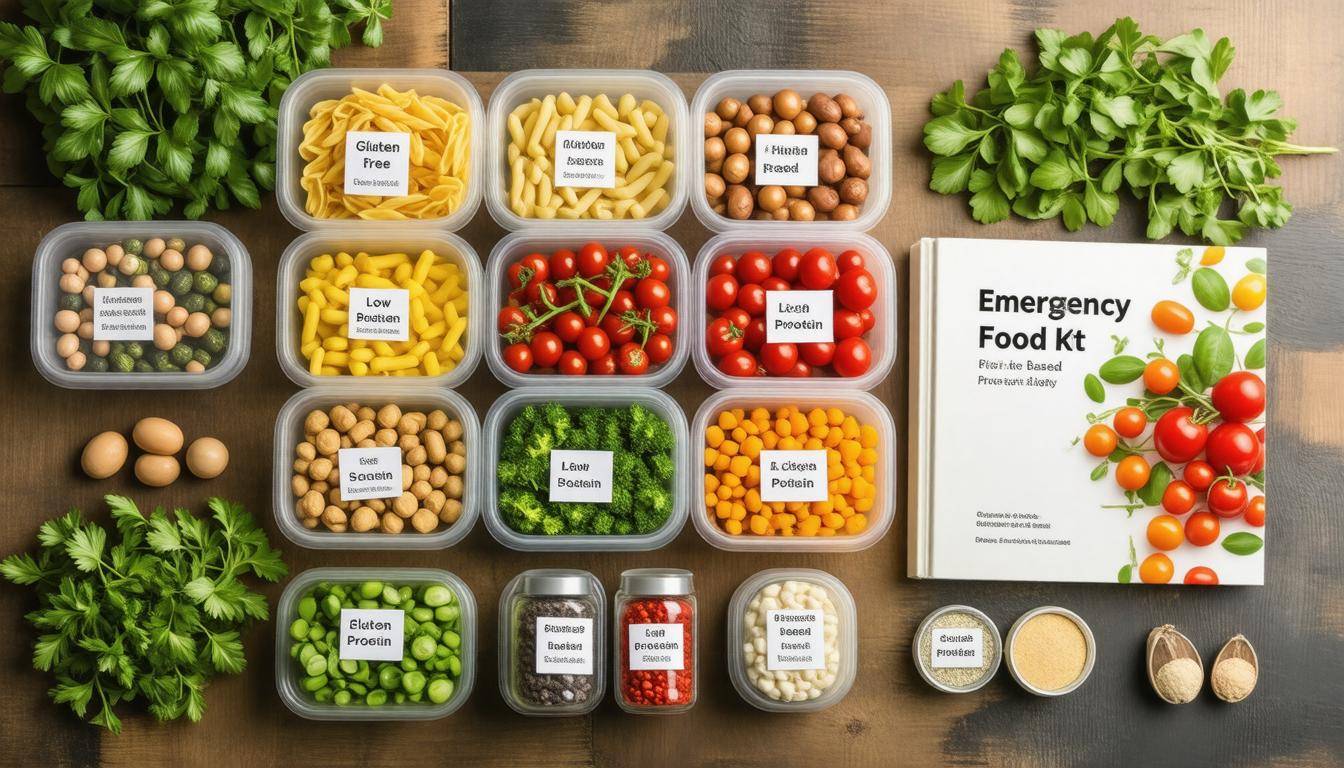
Choosing Emergency Foods for Dietary Requirements
For those facing dietary restrictions such as gluten intolerance or diabetes, the stakes can be high when selecting emergency food supplies. It’s not just about storing any available meal; it’s about identifying options that will keep your body healthy and functioning optimally, even in challenging situations. The first step is to make a comprehensive list of your dietary restrictions, a method that can streamline the selection process significantly. By pinpointing what you can’t eat, you can focus on food choices that align perfectly with your individual requirements, eliminating guesswork and potential health risks.
After you’ve established your specific needs, it’s time to conduct thorough research on suitable food products.
Identify Specific Needs
This involves exploring brands renowned for catering to specialized diets. Many suppliers recognize the growing demand for gluten-free, low-carb, or allergy-friendly options, enhancing their product offerings accordingly. Brands like ReadyWise, Mountain House, and Augason Farms have developed meals tailored specifically for various dietary needs.
When choosing from these brands, take the time to review ingredient lists carefully. Having this awareness helps you avoid hidden allergens or questionable additives that could trigger unwanted reactions.
Once you’ve narrowed down potential food options, it’s essential to consider nutritional balance.
Research Suitable Food Options
Ensuring that your emergency food stock offers balanced nutrition cannot be overstated. In times of crisis, maintaining energy levels and overall health can be incredibly challenging yet vital. Aim for a mix of proteins, fats, and carbohydrates in your selections. High-protein foods like canned tuna and legumes can help sustain energy, while healthy fats from nut butters or oils provide additional calorie density and customization options based on personal preferences.
It’s wise to remember that highly processed foods often found in emergency kits might lack vital nutrients. Thus, aim for products fortified with vitamins and minerals where possible.
Striking the right balance between convenience and nutrition in your emergency food planning will pay off significantly during an actual event.
Balance Nutrition
Furthermore, don’t overlook practical aspects such as preparation time and required equipment. Remember that during emergencies, access to cooking facilities may be limited. Lightweight options that require minimal water or heat can be lifesavers. Dehydrated meals might seem appealing but ensure they’re suitable for backpacking.
Recognizing the importance of tailored food preparations is a critical step toward readiness for unforeseen situations.
Gluten-Free Food Storage
For those with celiac disease or gluten sensitivity, proper gluten-free food storage is essential for ensuring that your emergency supplies remain safe and consumable. It goes beyond simply stashing items; you need to prevent cross-contamination and optimize the shelf life of these critical resources. Therefore, your storage practices should be as intentional as the foods you select.
Selecting Gluten-Free Options
The first step is to choose only foods certified by recognized gluten-free certification organizations such as the Gluten-Free Certification Organization (GFCO). This not only ensures safety but also gives you peace of mind. When reviewing options, look for package labels that clearly display this certification; it’s a quick visual check that can save you from potential issues down the line.
Once you’ve chosen your gluten-free foods, it’s time to focus on how to store them effectively.
Storage Tips
Storing gluten-free foods separately from non-gluten options is crucial to prevent cross-contamination. This could mean dedicating a specific shelf or container solely for gluten-free products. To make this easier, consider color-coding your containers or labeling them clearly so that anyone in your household understands where gluten-sensitive items are kept.
“Prevention is better than cure.” This adage rings especially true for maintaining a gluten-free diet during emergencies.
Utilizing airtight containers is one of the best ways to ensure long-term shelf life while guarding against moisture and pests. Proper sealing helps retain freshness and protect against elements that might degrade your emergency stockpile over time. Clear containers allow you to quickly see what you have on hand, preventing accidental mixing with non-gluten items. Additionally, certain foods—like grains or flours—benefit even more from vacuum sealing, which removes air and keeps out humidity effectively.
Taking the time to store gluten-free foods correctly secures a safe food supply that meets your dietary needs when it matters most. Whether preparing for natural disasters or simply having reliable meals on hand, proper storage ensures you’ll never have to sacrifice your health for convenience.
As we examine ways to diversify dietary options further, consider exploring selections with lower carbohydrate content that cater to specific nutritional preferences.
Low-Carb and Keto Selections
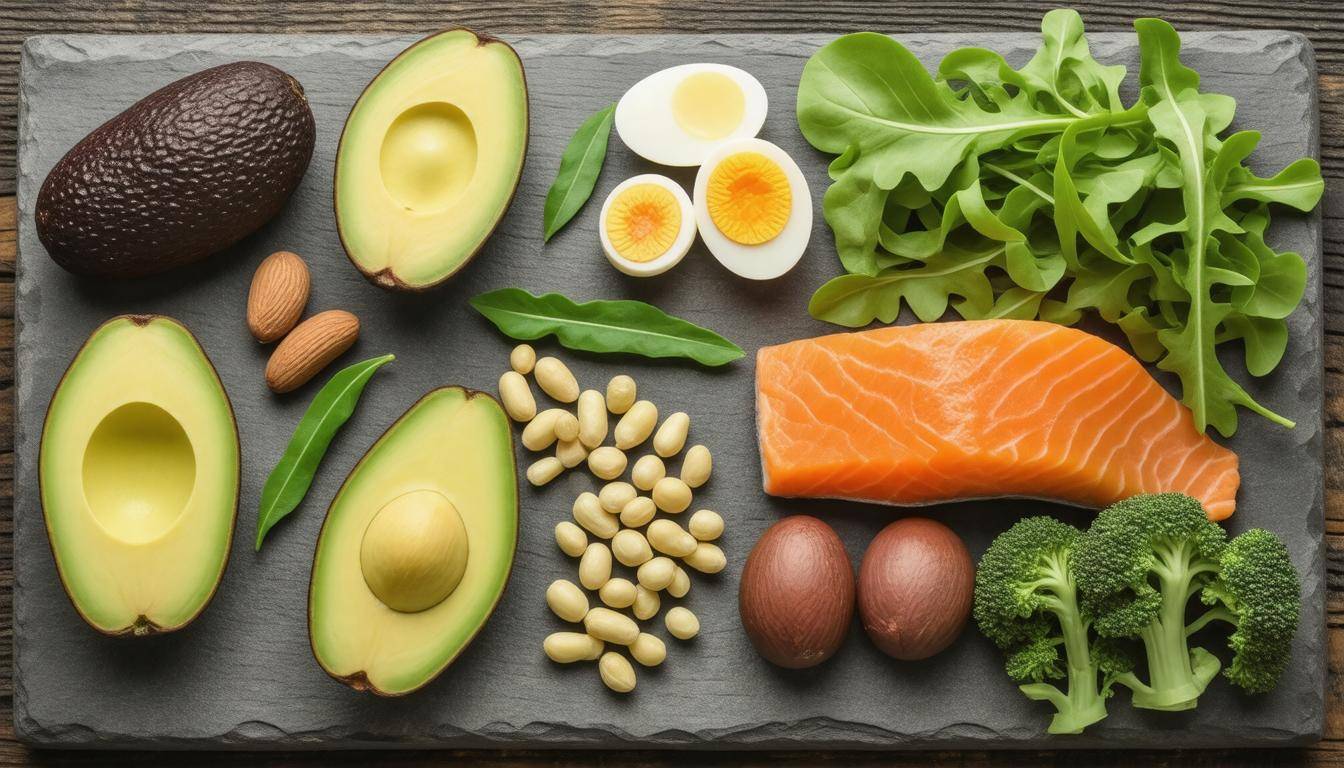
If you’re following a low-carb or ketogenic diet, your emergency food supply should not only be practical but also aligned with your health goals. At the heart of these diets is maintaining ketosis, where the body burns fat for energy instead of carbs. It’s essential to stock up on flavorful and nutrient-dense foods that fulfill your dietary requirements while providing convenience during emergencies.
Protein-Rich Choices
When it comes to protein sources, opt for freeze-dried meats, jerky, and canned fish. These foods not only pack a protein punch but also have long shelf lives—perfect for an emergency kit. Imagine biting into tender jerky during a camping trip; it’s satisfying and helps keep hunger at bay. Moreover, incorporating heavy cream powder adds richness to your meals without spiking your carb intake. It’s versatile too—you can mix it into soups or use it in coffee for a creamy texture. And let’s not forget about cheese crisps! These crunchy snacks offer flavor and healthy fats without the guilt of traditional snacks loaded with carbs.
Be cautious with sauces or dressings as many can be sugar-laden, which goes against the principles of keto. Always check labels or create your own simple sides using olive oil and vinegar.
Vegetables
Low-carb vegetables such as broccoli, cauliflower, and spinach should definitely be part of your pantry staples—they’re inherently low in carbohydrates while being rich in vitamins and minerals. These vegetables can often be found freeze-dried, making them easy to store without worrying about spoilage.
Picture this: adding dried broccoli to a hearty soup brings layers of flavor alongside essential nutrients. Not only do they satisfy a craving for greens, but they also keep you in line with your dietary goals.
Growing your own herbs like basil or oregano can also enhance flavor profiles in your meals without adding extra carbs.
When thoughtfully selecting your food supplies, you’ll find there are effective ways to ensure their longevity so you can stay prepared for any situation life throws at you. Understanding how to preserve these options will further augment your readiness and culinary experience during emergencies.
Long-Term Storage Tips
Proper storage is paramount when it comes to extending the shelf life of your emergency food and ensuring its availability during critical times. One key aspect to remember is that food isn’t invincible; it has specific requirements that, if met, can keep it fresh for extended periods.
Environmental Conditions
One fundamental strategy is to keep your foods in a cool, dark, and dry place. The ideal temperature range for most stored food is between 50°F to 70°F (10°C to 21°C). Fluctuating temperatures can cause moisture to develop, while high humidity levels may promote mold growth or spoilage. Imagine reaching for your emergency food supply during an unexpected event only to discover that heat and humidity have altered their integrity. A stable environment helps maintain shelf life and ensures you don’t face unwelcome surprises later.
As you consider where to store your supplies, remember that regular checks are equally important in maintaining quality.
Rotation System
Implementing a rotation system is another crucial recommendation. With this approach, older stock gets used first while newer items are pushed back into storage. This method not only keeps your emergency food fresh but also allows you to track expiration dates more effectively. Just think about how often products at the store use this strategy—it’s a time-tested method used because it works!
“A good rule of thumb is to inspect your stored goods every six months, using this opportunity for inventory management.”
Now let’s move ahead and explore even more effective ways to preserve and protect your food.
Vacuum Sealing
Consider vacuum sealing as a favored technique for long-term storage. By reducing oxygen exposure, vacuum sealing preserves the nutrients of your food while preventing spoilage and freezer burn. It’s a straightforward process—simply use a vacuum sealer to remove air from packaging before sealing. This protocol doesn’t just reserve space; it also protects the quality of your meals over time.
In many cases, purchasing bulk foods or prepping them yourself benefits significantly from vacuum sealing. It provides an effective barrier against moisture and pests that could compromise your precious supply. Such techniques prove invaluable for those serious about preparedness.
With these storage strategies firmly in place, we can now transition into examining how different meal preparations compare and what options might best suit your needs during any unforeseen circumstances.
Comparing Pre-Packaged Meals and Homemade Options
Let’s begin with pre-packaged meals, as they have become a staple for many preparing for emergencies. The clear benefit here is convenience. With just a few clicks or a pit stop at the store, you can stock up on meals that are ready to go whenever you need them. This ease of access means less time spent in the kitchen when you’re already juggling the stress of preparedness.
Additionally, these meals offer consistency; you can trust that each package provides standardized nutritional data and reliable serving sizes, making meal planning much simpler. Finally, many pre-packaged foods are designed with a longer shelf life, which makes them perfect for stashing away without the worry of spoilage.
However, as appealing as pre-packaged meals may be, they often come at a cost—not just financially but also in terms of customization. Many people have dietary restrictions or preferences that can be challenging to accommodate with store-bought options. This is where homemade meals shine. They allow you to tailor your food to fit your specific needs; whether you’re gluten-free, vegetarian, or follow another dietary plan, you can adjust every ingredient based on what works for you.
One distinct advantage of cooking from home is its cost-effectiveness. Preparing meals in bulk often means lower expenses compared to purchasing multiple pre-packaged items. You can streamline costs by buying staples like rice and beans in larger quantities while incorporating seasonal produce. Also, since you’re using ingredients purchased for their freshness and quality rather than mass-produced alternatives, your meals can boast incredibly nutritious outcomes without unnecessary preservatives.
A little preparation can make all the difference; imagine blending dried fruits into oatmeal or enhancing your soup with fresh herbs from your garden.
Moreover, by using fresh ingredients or even home-preserved foods, you can enjoy flavors and nutritional values that simply aren’t found in commercial options. This opportunity not only helps maintain a balanced diet during emergencies but also brings a sense of comfort in knowing exactly what you’re consuming during uncertain times.
Navigating these choices empowers you to ensure both practicality and taste when it comes to emergency food planning. With this knowledge in hand, we can now examine strategies for efficiently assembling essential supplies for unexpected situations.
Stocking Emergency Supplies Efficiently
Efficiency in stocking ensures you have everything you need without overcrowding. It’s tempting to gather more items than necessary during preparation, but thoughtful organization can make all the difference when an emergency strikes. The goal is to create a well-structured system where essentials are easily accessible, so you’re not fumbling around when time is critical.
Use Vertical Space
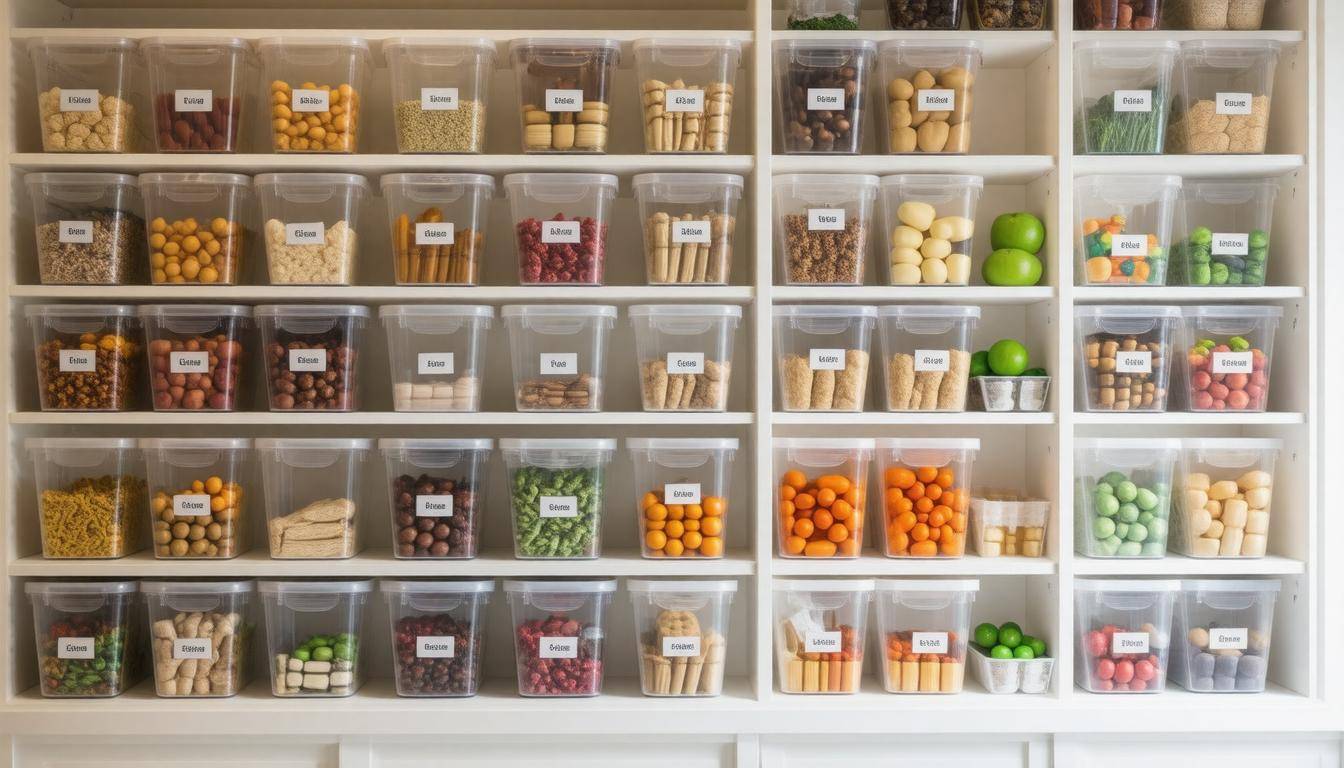
One effective strategy to maximize your storage capacity is to take advantage of vertical space. Think of adding sturdy storage shelves that reach up towards the ceiling, allowing you to store more items without consuming valuable floor space. This layered approach keeps your supplies organized and offers a clear view of everything available at eye level and higher shelves.
When arranging groceries, always position the most-used items at the best-reachable spots and tuck away less frequently accessed goods higher up. This way, it’s both functional and aesthetically appealing—a neat pantry translates into a lower chance that something essential will be forgotten.
However, merely putting items onto shelves doesn’t complete the picture; clear labeling plays a crucial role in quick access.
Label Clearly
A well-organized emergency supply area includes clearly labeled containers with their contents and expiration dates visible. Taking the time to label ensures that in times of stress, like during a weather emergency or healthcare crisis, you can immediately grab what you need without wasting precious moments.
Consider using bold letters for easy reading and color-coding labels based on dietary needs. For example, gluten-free options could have blue labels while nut-free items could be marked in green; this adds an additional layer of context that can save time and reduce confusion amidst a potential crisis.
Remember, thorough preparation means having a clear plan for food storage that complies with local health regulations as laid out by public health guidelines.
Implementing these organizational strategies will not only enhance your readiness but also lay the groundwork for understanding additional measures needed to ensure everyone’s dietary needs are met during emergencies.
Essential Tips for Dietary Restrictions
Managing dietary restrictions in an emergency can feel daunting, but with thoughtful planning and preparation, it is manageable. Start with the fundamental step of creating a detailed emergency plan. This should not just be a list of food items but also include specific meal preparation instructions tailored to your dietary needs. For instance, if you are gluten-free, make sure to distinguish between gluten-free grains like quinoa and those that contain gluten, such as barley or wheat. Additionally, consider what kitchen tools you’ll need—having a manual can opener can be invaluable, especially if you rely on canned goods.
It’s also wise to have an emergency card listing your dietary restrictions. You might think this is a bit overboard; however, imagine being in a crisis situation where you’re too agitated to clearly articulate your needs. This card can help ensure that others understand what you can and cannot consume. Keep it in your first aid kit or with your stored food supplies so it’s easily accessible.
Once your plan is in place, the next essential element is communication.
In situations where you may share living spaces or food resources with others—like shelters during disasters—it’s paramount to articulate your dietary needs clearly. Be proactive about informing those around you about your restrictions to avoid any potential cross-contamination and ensure safety. Whether that means asking someone not to cook common allergens in shared cookware or simply explaining your needs to avoid confusion, effective communication will help protect your health.
Furthermore, if you have friends or family who join you in disaster prep discussions, don’t hesitate to ask for their support. Communal preparedness efforts can actually lead to a stronger safety net when everyone understands their roles and the restrictions at play. Sharing recipes or meal prep tips can contribute positively to a collaborative environment while respecting individual dietary needs.
By carefully planning and communicating effectively, managing dietary restrictions during emergencies transforms from an overwhelming task into a structured approach that promotes safety and well-being. With these tips in mind, you’ll be more confident that every member of your household—including those with specific dietary needs—will remain safe and nourished even in challenging situations.
As we move forward, let’s explore how medical considerations play a pivotal role in ensuring everyone’s nutritional needs are met during emergencies.
Planning for Medical Dietary Needs
Understanding and addressing specific medical dietary needs requires careful consideration and proactive planning. It’s not just about grabbing any snack; it’s about ensuring that the foods you keep on hand genuinely support your health requirements.
Whether you have hypertension, diabetes, or celiac disease, each condition has unique needs that must be met to avoid complications during emergencies. In essence, having a thoughtful approach towards food choices can safeguard your wellbeing under stressful conditions.
Medically Necessary Foods
Begin by identifying and curating foods that align directly with your medical requirements. For instance, those with hypertension should focus on low-sodium options that help maintain balanced blood pressure levels. Meanwhile, individuals managing diabetes need to stock up on sugar-free items that will keep their glucose levels stable. It’s crucial to find foods that not only meet these dietary restrictions but also provide adequate nutrition to keep your strength up during challenging times.
An effective strategy is to create a list of suitable foods tailored to your needs. Consider shopping from this list when stocking your emergency supplies to ensure compliance with your dietary goals.
Consult Healthcare Professionals
Don’t underestimate the importance of consulting healthcare professionals. They can offer invaluable advice for tailoring an emergency diet plan that meets your medical needs while guiding you on nutrient balance and food selection. During consultations, discuss specifics such as portion sizes, necessary food preferences, and meal timing techniques.
Storage Tips Table
| Dietary Need | Recommended Foods | Storage Tips |
|---|---|---|
| Hypertension | Low-sodium veggies, lean proteins | Store in cool, dry places |
| Diabetes | Sugar-free options, whole grains | Airtight containers |
| Celiac | Gluten-free grains, fruits | Separate storage |
The table above illustrates just a few examples of dietary requirements—with corresponding suggested foods and practical storage tips. Storing these foods properly becomes essential for maintaining their quality, particularly during emergencies when access may be compromised. For best results, integrate these storage practices into your routine either at home or on-the-go.
Accessibility
Beyond simply storing these items, ensure that medically necessary foods are easily accessible within your emergency kit. If these vital supplies are buried deep under layers of other items, it could waste precious time when they are most needed. Designate a specific section or container in your emergency supply area solely for medical dietary needs—this way everything is streamlined and right at your fingertips during an emergency.
This level of preparedness not only promotes safety but offers peace of mind knowing that you are equipped to handle any situation while respecting your unique dietary requirements.
Ensuring that you are well-prepared for emergencies takes thoughtfulness and planning, especially when managing special dietary needs. By staying ahead of potential crises, you can uphold both health and well-being effectively during unforeseen challenges.
Are there ready-made emergency food kits available that cater to specific dietary needs?
Yes, there are ready-made emergency food kits available that cater to specific dietary needs, including gluten-free, vegan, paleo, and diabetic options. Many brands now recognize the importance of accommodating diverse dietary requirements; for instance, a survey indicated that about 30% of households in the U.S. have at least one member with dietary restrictions. These specialized kits ensure that individuals with unique nutritional needs can be prepared for emergencies without compromising their health or dietary preferences.
How should I store and rotate emergency food supplies tailored for special diets?
To store and rotate emergency food supplies tailored for special diets, ensure you keep them in a cool, dry place and in airtight containers to prolong shelf life. Label items with purchase dates and rotate stock every six months to avoid spoilage; studies show that proper rotation can prevent up to 50% of food waste. Additionally, consider the specific storage requirements for your diet—like refrigeration for certain non-perishables or gluten-free options—ensuring you have accessible alternatives during emergencies.
How can I ensure my emergency food supply is safe for people with allergies?
To ensure your emergency food supply is safe for people with allergies, start by clearly labeling all food items with their ingredient lists and potential allergens. Opt for certified allergen-free products when possible. According to the Food Allergy Research & Education (FARE), about 32 million Americans are affected by food allergies, making it crucial to carefully select and store items that avoid common allergens like peanuts, tree nuts, dairy, and gluten. Additionally, maintain a separate storage area for allergen-free foods to prevent cross-contamination. Regularly check expiration dates and replace any outdated items to ensure freshness and safety.
What types of food items are best suited for special diets in an emergency situation?
In an emergency situation, food items best suited for special diets include gluten-free grains like quinoa and brown rice, canned beans for protein, shelf-stable nut butters for healthy fats, and freeze-dried fruits and vegetables for essential vitamins. For those with dietary restrictions, it’s crucial to have non-perishable options that meet their needs; according to a survey from the Academy of Nutrition and Dietetics, 60% of individuals on special diets reported difficulty finding suitable emergency food supplies. Always check labels for allergens and nutritional information to ensure compatibility with individual dietary requirements.
What are the common dietary restrictions that should be considered in an emergency food plan?
Common dietary restrictions to consider in an emergency food plan include gluten-free, dairy-free, vegetarian, vegan, nut-free, and low-sodium diets. According to the Centers for Disease Control and Prevention (CDC), about 3 million Americans have celiac disease, necessitating gluten-free options, while approximately 6% of the population identifies as having a food allergy, many of which can be nut-related. Additionally, accommodating vegetarian or vegan diets is important, as they represent around 5% of the population. Ensuring a variety of food options addresses these restrictions while promoting inclusivity and preparedness in emergency situations.