
When disaster strikes, the last thing you want to worry about is your next meal. Being prepared with a solid emergency food plan can make all the difference in maintaining comfort and nutrition during power outages. Imagine navigating through uncertainty with a pantry packed full of easy-to-prepare meals that require no electricity—sounds reassuring, right? In this guide, you’ll discover practical tips for stocking up on the right non-perishable foods, alternative cooking methods that keep mealtime stress-free, and innovative tools to aid in the process. Let’s dive into essential strategies that empower you to stay nourished and ready for whatever comes your way.
In your Emergency Food Preparation plan for no electricity, it is essential to stockpile non-perishable food items such as canned goods, MREs (Meals Ready-to-Eat), and shelf-stable snacks that require no cooking. Additionally, ensure you have a reliable water supply for drinking and food preparation, and consider incorporating easy-to-eat options like peanut butter, trail mix, and ready-to-eat cereals for convenience during an outage.

Emergency Food Options Without Electricity
Foods that require no power to prepare are invaluable during an outage. These foods not only provide essential nutrition but also offer convenience and peace of mind when uncertainty looms. Among these options, canned goods stand out as reliable staples. Most canned foods are already pre-cooked, making them safe to eat right out of the can. However, it’s crucial to remember that some cans can harbor risks if they are old or improperly stored; be on the lookout for swollen or rusted cans, which can indicate botulinum toxins.
In addition to canned foods, MREs (Meals Ready-to-Eat) are a fantastic choice for emergency situations. They come with the advantage of requiring minimal effort: simply open and consume. While they often include an optional flameless heater activated by water—ideal if you prefer a warm meal—they’re perfectly safe and tasty when eaten cold. This versatility makes MREs a go-to option when the electricity is cut off.
Moving beyond MREs, let’s explore additional practical options useful in an emergency scenario.
Freeze-dried meals also find their place in the survival food pantry; however, it’s important to note that these typically require water and heating for full preparation, making them less ideal for situations where cooking resources are nonexistent or limited. On the other hand, survival bars emerge as convenient yet compact snacks that may lack flavor but effectively fill a hungry stomach in times of crisis.
Recommended Options
-
Peanut Butter and Crackers: This combination delivers protein and essential calories while requiring no special preparation.
-
Trail Mix: A mix of nuts, dried fruits, and possibly chocolate offers energy on-the-go for individuals needing quick sustenance.
-
Instant Oatmeal: Enjoyable with just hot water, that’s often easy to access even without an electric stove.
Transitioning from these easy-to-eat options reminds us how vital it is to have methods for preparing our food safely.
Adequate hydration is another key consideration during power outages; always ensure you stock up on fresh drinking water since it proves necessary for both hydration and food preparation. For instance, many dehydrated foods require water before consumption, adding another layer of complexity when power isn’t available. Being proactive helps ensure you’re ready should an emergency strike.
Another handy approach involves using solar stoves or rocket stoves outdoors, which can enable you to heat food using sunlight or efficiently burned wood. These tools extend your cooking options without relying strictly on electrical appliances.
Preparing for emergencies involving long-term outages means you need foods designed for extended storage durations. Jerky, high in protein and lightweight, can be a great source of energy while being easy to pack. Likewise, nut butters have a decent shelf life and cover both healthy fats and proteins—both essential nutrients during times of limited food supply.
By carefully selecting food items suited for no-power scenarios, you’re laying the groundwork for effective meal preparation even amidst unexpected challenges ahead.
Cooking Methods in Power Outages
When the lights go out, the kitchen doesn’t have to be a no-go zone. Instead, imagine yourself gathering around a warm stove with family, creating delicious meals even during tough times. Several effective cooking methods can make this entirely possible and perhaps even enjoyable.
Alternative Cooking Methods
One of the most dependable options is portable gas stoves. These handy devices heat up quickly and allow you to cook meals just like on a conventional stove. Brands such as Camp Chef and Coleman offer reliable models that many have found useful. It’s important to ensure proper ventilation when using these stoves indoors to avoid dangerous fumes.
But if outdoor cooking suits you better, consider using charcoal or propane grills. These are perfect for grilling meats and vegetables, getting a smoky flavor you can’t quite replicate indoors. Fire up the grill outside and enjoy barbecuing delicious meals under the open sky while avoiding carbon monoxide build-up—a simple but crucial safety tip.
Another option unexpectedly effective for many families during emergencies is using Sterno canisters. These small fuel cans heat up food efficiently and safely, making them great for warming pre-cooked meals or canned goods. They’re frequently used in catering for their practicality and ease of use in small spaces.
When you need to take it slow, turning to candles and chafing dishes can provide a cozy alternative. While definitely slower than other methods, they gently warm already cooked or canned foods, leveraging just a few candles’ worth of heat. This approach creates warmth and comfort on those chilly nights when everything else feels uncertain.
For sunny days when the weather cooperates, think outside the traditional kitchen setup with DIY solar cookers. Using materials as simple as cardboard and aluminum foil, you can harness the sun’s energy to prepare meals. Although it may take longer than conventional methods, the satisfaction of cooking with nature’s heat has its unique charm.
Having the right tools isn’t just about making meals; it’s about ensuring that your family stays nourished and happy during tough times. Familiarizing yourself with these alternatives now will prepare you for stepping into a world of power-free culinary creativity when an emergency arises.
As we consider practical solutions for thriving during outages, there are essential strategies for keeping your food supply safe and effective without power.
Food Storage Techniques Without Power
When the lights go out, your food storage strategies need to step in and take charge. First on the list are coolers packed with ice. This technique can be a real lifesaver; a well-insulated cooler can keep perishables like dairy and meat cool for three to five days if packed properly with ice or ice packs. Brands like Yeti and Coleman offer durable coolers designed specifically to maintain low temperatures for extended periods. Imagine opening a cooler after several days and finding your snacks still refreshingly cold—it’s quite the morale booster during tough times!
Another savvy method is utilizing a root cellar. By digging underground or using a basement area, you can create an environment that harnesses the earth’s natural temperature to preserve foods such as potatoes, carrots, and apples. These vegetables can remain fresh for several months! The consistent coolness and humidity of a root cellar slow down spoilage—all while keeping your harvest safe from pesky pests.
Preservation techniques are worth mentioning because they have stood the test of time. Salting, smoking, or pickling are methods that not only add flavor but also transform perishable foods into shelf-stable options. Salt draws moisture out, creating an inhospitable environment for bacteria. On the other hand, smoking infuses longevity through antimicrobial properties found in smoke, while pickling preserves by creating an acidic environment unfavorable for spoilage organisms.
Managing your canned goods rotation is crucial as well. Every now and then, take stock of what you have—check those expiration dates! Not only does this avoid waste, but it ensures you’re always ready when disaster strikes. Relatively low maintenance, canned foods can last anywhere from one to two years when stored appropriately.
| Method | Suitable For | Duration |
|---|---|---|
| Coolers & Ice | Dairy, meats | 3-5 days |
| Root Cellar | Vegetables | Months |
| Salting/Smoking | Meats, fish | Months |
| Pickling | Vegetables, fruits | 6-12 months |
| Canned Foods | Various | 1-2 years |
Now that food storage is under control, let’s seamlessly transition into how to prepare nourishing meals without relying on electricity—ensuring you stay well-fed regardless of the circumstances.
Meal Prep Strategies Without Electricity
Preparing meals when there’s no power can feel daunting, but with some simple strategies, you can turn it into an efficient and enjoyable process.
One of the most effective methods is batch cooking. Imagine starting your day by making a large pot of chili or stew on a portable stove. These hearty meals not only provide nourishment but can also be safely stored and enjoyed over several days. You’ll find that flavors deepen over time, making leftover chili even more delicious.
- Batch Cooking: Whether you use a camping stove or a grill, preparing larger quantities means less effort later on, saving you valuable time and resources.
With batch cooking, you’re not just cooking once; you’re cooking smart. Now think of the beauty of cold meals. You’d be surprised at how satisfying these can be! Picture vibrant salads topped with canned tuna or beans—a delightful protein boost with little fuss involved. Wraps filled with fresh veggies, deli meats, or cheese serve as quick bites that are both convenient and nutritious.
As I noticed in my own experience, the use of Mason jar meals can take this convenience one step further.
These prepped meals are versatile and easy to store. Consider layering ingredients like oats for breakfast, instant noodles for lunch, or soup made from your favorite canned veggies for dinner. All you need is hot water to bring them to life. Just imagine waking up to a wholesome breakfast ready in minutes—no kitchen chaos required.
This strategy highlights the charm of simplicity: You don’t have to compromise on flavor or nutrition just because you’re without power.
Another indispensable approach involves creating one-pot meals.
Utilizing a single pot simplifies everything. When you mix ingredients like grains, vegetables, and proteins in one pot, cleanup becomes effortless, leaving you more time to relax. Stews and soups cooked this way often taste even better the next day after the flavors meld together harmoniously.
Not only do these cook efficiently over small gas burners or camp stoves, but they also provide warmth during those colder nights without power.
Honestly, who doesn’t love the hearty satisfaction of a warm stew after a long day?
Overall, whether through batch cooking larger meals, enjoying cold options for their ease, utilizing Mason jars for instant meal prep, or embracing one-pot wonders for warmth and flavor—these strategies enable anyone to thrive even when power takes a break.
With these strategies in hand, it becomes important to consider how to equip yourself effectively for successful meal preparation amidst challenges ahead. Exploring suitable tools will ensure your culinary experiences remain enjoyable and productive.
Essential Tools for Cooking in Emergencies
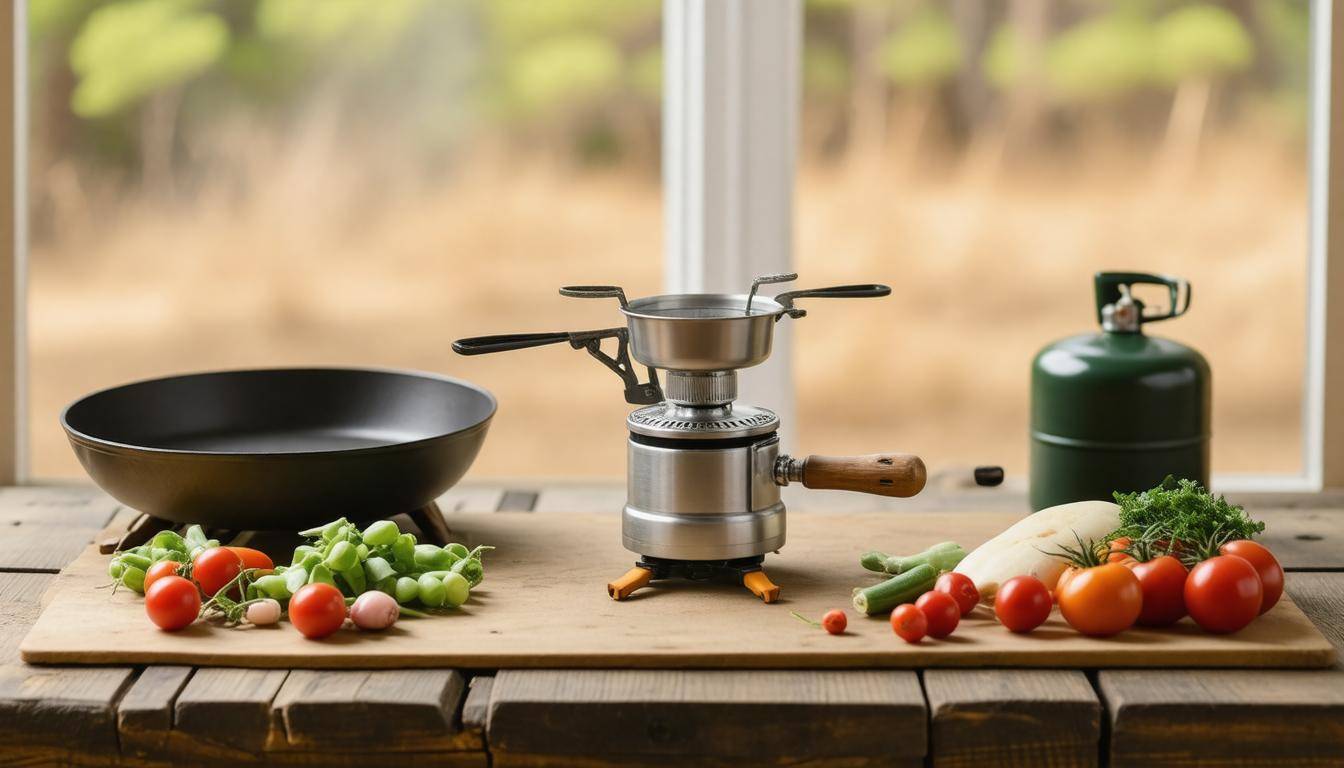
The first tool you’ll want in your emergency cooking arsenal is a manual can opener. Imagine having an entire stash of canned goods but no way to access them; it would be frustrating, to say the least. A reliable can opener ensures that when the time comes, those canned meats and vegetables are at your fingertips without any hassle. It’s not just a convenience; it’s a necessity that often gets overlooked.
Next up is the portable stove, which can be your best friend when electricity isn’t an option.
Compact and efficient, these stoves typically run on propane or butane. They allow you to prepare meals quickly while being lightweight enough to store easily. Just remember to stock up on fuel canisters beforehand; there’s nothing worse than being ready to cook but lacking the energy source! When selecting a portable stove, consider how many burners you’ll need based on your cooking style.
In conjunction with the portable stove, another indispensable tool is a cast iron skillet.
Cast iron skillets are renowned for their durability and versatility—they can be used on open flames, charcoals, or even in your oven if you have one available. Their heat retention properties ensure that whatever you’re cooking stays warm longer, making them great for slow-cooked meals. Imagine frying up some eggs over a campfire or tossing in some pre-chopped veggies for a quick stir-fry—this skillet has got you covered!
Now while we’re talking about versatility, let’s not forget about the Dutch oven.
Perfect for whipping up hearty meals like stews or baked dishes, Dutch ovens are designed to withstand direct heat from coals or flames. Their thick walls retain heat exceptionally well, allowing you to cook slowly and evenly. You can also use them for baking bread while camping! Picture this: after stirring up a rich stew with fresh ingredients gathered locally, you set it over the fire and let it bubble away—comfort food at its finest during tough times.
As we think about efficiency in emergency scenarios, consider investing in a thermal cooker.
Much like a slow cooker but without needing electricity, thermal cookers insulate food with retained heat so your meal cooks gradually over time. Simply bring your ingredients to a boil on your portable stove before placing everything inside the thermal cooker—then you can go about other tasks until it’s time to enjoy that warm meal hours later. This method not only conserves fuel but allows you to multitask during preparations.
Water safety is pivotal, especially when utility services are disrupted; that’s where water purification tablets come into play.
These tablets give you peace of mind in ensuring that any water sourced from questionable locations can be sanitized effectively before consumption or use in cooking. It’s crucial always to prioritize safety when accessing water supplies during emergencies. Keeping a stash of these tablets handy means you’ll never have to gamble on whether potentially contaminated water could affect your health.
Remember that having these tools isn’t just about getting through an emergency; it’s about ensuring you’re equipped to nourish yourself and your family effectively when times are tough.
After gathering your indispensable cooking tools for emergencies, the next step is to consider how you’ll manage visibility while preparing meals in challenging conditions.
Lighting Sources for a Darkened Kitchen
When the lights go out, having reliable lighting can be the difference between a safe meal preparation and a chaotic experience. The right sources of light not only illuminate your workspace but ensure that you can perform tasks safely without unnecessary mishaps.
Battery-operated lanterns shine brightly among your options, providing portable illumination that can fill a room or light up a specific area as needed. Brands like Goal Zero and Energizer offer battery-operated lanterns that have proven effective, with many even featuring settings to adjust brightness based on your needs.
- Battery-Operated Lanterns: Ideal for bright, wide coverage.
- Headlamps: Perfect if you need both hands free to chop vegetables or stir a pot.
- Solar-Powered Lights: Eco-friendly and excellent for prolonged outages; just ensure they’re fully charged during the day.
- Candles: While traditional and charming, they require careful handling to avoid fire hazards; always place them securely away from anything flammable.
- Flashlights: Keep several within reach—these compact devices are quick to grab when you’re in a pinch.
It’s worth remembering that good lighting not only prevents accidents but also enhances the cooking experience itself; you’ll see colors, textures, and details more clearly, which could result in better meal presentation.
When assessing each option, consider factors like how long the source will last, its portability, and how safely it can be used around food and other kitchen equipment.
Taking headlamps into consideration offers another layer of flexibility. They allow you to move around while keeping your hands free—an important feature for cooking tasks where both hands are often needed. Adjustable brightness settings mean you can conserve battery life when less light is necessary or brighten things up when you’re chopping and measuring ingredients.
On the other hand, solar-powered lights are an environmentally friendly alternative. They’re particularly useful during extended power outages because they charge during the day and provide a steady light source by night. LuminAID’s inflatable solar lanterns are fantastic as they are compact and waterproof, making them easy to store and safe to use in various locations.
But regardless of which lighting method you choose, combine safety with practicality when preparing meals in such conditions.
Candles certainly evoke warmth and comfort; however, they need to be placed thoughtfully to avoid fires. Never leave lit candles unattended and always keep them away from drafts or flammable surfaces such as paper towels or curtains.
Finally, let’s not forget flashlights—a classic yet essential tool for any emergency kit. They’re portable, can be directed exactly where needed, and most importantly, they don’t require setting up or charging in advance. Having multiple flashlights readily available ensures that you won’t be left in complete darkness if one fails.
This selection of lighting sources provides a solid foundation for maintaining control over your cooking environment when electricity is absent. As we explore further into preparing meals under these conditions, it’s crucial to consider your food options as well.
Emergency Food Options Without Electricity
Foods that require no power to prepare are invaluable during an outage. These foods not only provide essential nutrition but also offer convenience and peace of mind when uncertainty looms. Among these options, canned goods stand out as reliable staples. Most canned foods are already pre-cooked, making them safe to eat right out of the can. However, it’s crucial to remember that some cans can harbor risks if they are old or improperly stored; be on the lookout for swollen or rusted cans, which can indicate botulinum toxins.
In addition to canned foods, MREs (Meals Ready-to-Eat) are a fantastic choice for emergency situations. They come with the advantage of requiring minimal effort: simply open and consume. While they often include an optional flameless heater activated by water—ideal if you prefer a warm meal—they’re perfectly safe and tasty when eaten cold. This versatility makes MREs a go-to option when the electricity is cut off.
Moving beyond MREs, let’s explore additional practical options useful in an emergency scenario.
Freeze-dried meals also find their place in the survival food pantry; however, it’s important to note that these typically require water and heating for full preparation, making them less ideal for situations where cooking resources are nonexistent or limited. On the other hand, survival bars emerge as convenient yet compact snacks that may lack flavor but effectively fill a hungry stomach in times of crisis.
Recommended Options
-
Peanut Butter and Crackers: This combination delivers protein and essential calories while requiring no special preparation.
-
Trail Mix: A mix of nuts, dried fruits, and possibly chocolate offers energy on-the-go for individuals needing quick sustenance.
-
Instant Oatmeal: Enjoyable with just hot water, that’s often easy to access even without an electric stove.
Transitioning from these easy-to-eat options reminds us how vital it is to have methods for preparing our food safely.
Adequate hydration is another key consideration during power outages; always ensure you stock up on fresh drinking water since it proves necessary for both hydration and food preparation. For instance, many dehydrated foods require water before consumption, adding another layer of complexity when power isn’t available. Being proactive helps ensure you’re ready should an emergency strike.
Another handy approach involves using solar stoves or rocket stoves outdoors, which can enable you to heat food using sunlight or efficiently burned wood. These tools extend your cooking options without relying strictly on electrical appliances.
Preparing for emergencies involving long-term outages means you need foods designed for extended storage durations. Jerky, high in protein and lightweight, can be a great source of energy while being easy to pack. Likewise, nut butters have a decent shelf life and cover both healthy fats and proteins—both essential nutrients during times of limited food supply.
By carefully selecting food items suited for no-power scenarios, you’re laying the groundwork for effective meal preparation even amidst unexpected challenges ahead.
Practical Cooking Methods in Power Outages
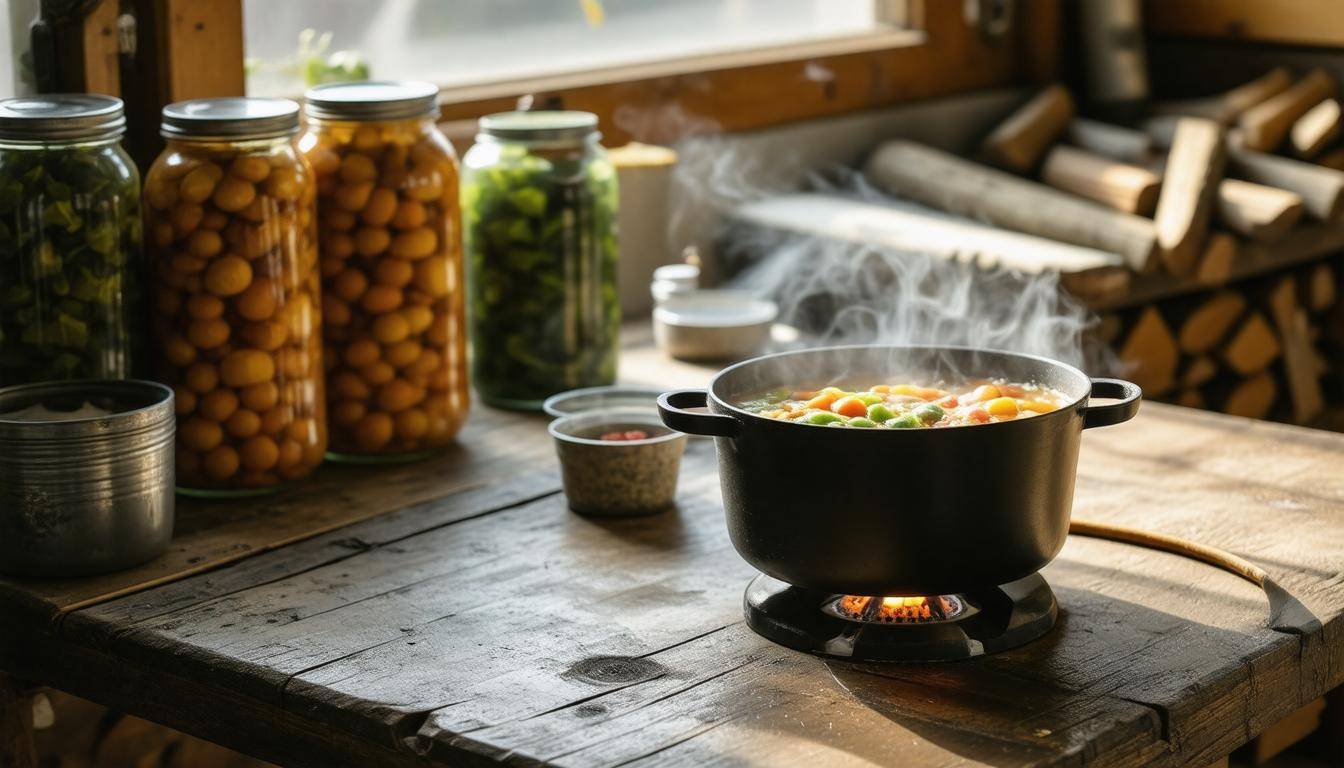
When the lights go out, knowing how to prepare meals becomes essential for survival. Luckily, there are several practical cooking methods that can function effectively without electricity. It’s important to explore these alternatives, as they not only provide nourishment but also offer comfort during stressful times.
Stove Types
One of the best options is butane stoves. These compact devices are light and affordable, making them favorites among campers and emergency preppers alike. Butane stoves heat quickly and are easy to set up, allowing you to warm up soups or boil water without hassle. It’s like having a little campfire on your kitchen counter! Just remember to use it in well-ventilated spaces to avoid any buildup of fumes.
Another handy option is the portable induction cooktop, particularly suited for those with a portable power station. Although they need a power source, they don’t require a traditional electrical outlet. These cooktops perform efficiently by heating pots directly through electromagnetic energy, which is an excellent approach if you’re anticipating a longer outage where safe storage of propane or butane might be a concern.
Additionally, consider using camp stoves powered by propane or even firewood. Camp stoves are versatile and can reach high temperatures quickly, making them ideal for cooking all types of meals outdoors. If you have some safe space outside, lighting up a camp stove could be an enjoyable way to prepare a warm meal while enjoying fresh air.
A key point to keep in mind is safety while cooking—especially over an open flame. Ensure that you keep a fire extinguisher nearby and monitor young children closely.
For those with more resourceful instincts, solar cookers present a fantastic opportunity. Utilizing sunlight to heat food means there’s no fuel or power source needed beyond clear weather. They operate by trapping sunlight in a reflective box and can reach reasonable cooking temperatures; however, the effectiveness largely depends on weather conditions and your location.
Additional Tips
Regardless of which method you choose, always experiment beforehand to understand how each one works. Knowing how long certain items will take to cook could prevent frustration during actual emergencies when your focus needs to be on utilizing resources wisely.
Also, make sure to stock up on essentials such as utensils designed for outdoor cooking, sturdy cookware that can withstand higher temperatures, and portable containers for transporting water if needed. Each item plays a role in facilitating efficient meal preparation without reliance on conventional electricity.
Equipped with these practical cooking techniques and preparations, you’ll be ready to face unexpected situations with confidence as we move forward into discussing the best practices for preserving food safely during power outages.
Storing Food Safely Without Power
The art of food preservation becomes crucial when power is out, and effective techniques can mean the difference between a well-fed family and wasted groceries. Let’s explore some actionable mindsets for proper food storage.
When handling perishables in an ice box, it’s essential to understand how to manage what you’ve got. Ice Box Management is key: ensure the items that spoil quickly, such as dairy products or fresh meats, are placed closest to the ice source.
However, don’t forget to rotate these items frequently; it helps to keep them cool, but also minimizes the risk of everything thawing out at once if inconsistent temperatures arise. If possible, wrap your ice packs or bags in a cloth to slow down melting while using them efficiently.
You might be looking for options that don’t rely on any cooling agent at all. That’s where Salt Preservation comes into play. Salt is a powerful preservative—by coating meats in coarse salt and storing them in a cool, dry place, you can significantly prolong their shelf life.
This method reduces moisture and cracks open the natural juices of the meat which mingle with the salt, creating an environment inhospitable for bacteria. Keep in mind, this is not just any salt; you’ll want to use coarse salt or sea salt to get the best results.
After considering salted meats, let’s move on to vegetables—another staple that deserves proper care.
The Acid Bath method offers another effective strategy for preserving vegetables during a power outage. By submerging your veggies in a vinegar-based pickling solution, they’re protected from spoilage thanks to the acidic environment created by the vinegar.
Not only does this process keep your vegetables fresh longer, but it also transforms them into delicious pickled treats that can provide surprising flavor in future meals. Be sure to experiment with spices in your pickling solution for varied taste!
While these methods provide strong foundations for food preservation without refrigeration, it’s equally important to consider your overall inventory. Regular checks of stored food items are necessary—not just for keeping awareness of expiration dates, but also for inspecting signs of spoilage or improper seals in jars.
When time permits, engage your family members in these inspections as this cultivates awareness about what’s available and encourages thriftiness.
Knowing how to handle emergency food supplies reflects a broader commitment to preparedness and resilience during unforeseen circumstances like power outages. As we explore further, we’ll turn our attention toward creating nourishing dishes that sustain you without the need for electricity.
Preparing Nutritious Meals Without Electricity
When the lights go out and modern appliances become inoperable, knowing how to whip up a meal using non-perishable options becomes essential. Preparing nutritious meals without electricity isn’t just about survival; it’s about maintaining health and morale during tough times. With a little creativity and foresight, you can create meals that are both satisfying and nourishing, even when conventional cooking methods aren’t available.
One of the most versatile ingredients you can work with is canned food. Canned goods like vegetables, fruits, and proteins are pre-cooked, which means they can be eaten cold directly from the can. For example, mixing canned tuna with canned beans provides a protein-rich meal that requires no heating. With just a sprinkle of pepper or a dash of hot sauce, you can transform it from ordinary to delightful while ensuring it’s still nutritious.
Another great option is preparing overnight oats. Simply soak oatmeal in shelf-stable milk alternatives or water overnight. Adding dried fruits and nuts boosts nutritional value. Oats are rich in fiber, keeping you full longer and providing energy to face any challenges that come your way.
It’s remarkable how simple pantry staples can transform into various meals when you know what to do with them.
If you’re seeking something different, consider making bean dip. Combining mashed canned beans with olive oil, salt, and spices such as paprika creates a flavorful dish that pairs beautifully with crackers. This dip packs protein, making it an efficient snack for quick energy when you’re on the move or an appetizer to share with family during a challenging time.
Having a few essential tools will also make meal preparation smoother. A good can opener is indispensable; there’s nothing worse than finding a can of food but not being able to access it! Incorporating compact utensils like portable knives or multi-tools can help with food prep without taking up much space.
In addition, investing in sturdy containers for food storage ensures your ingredients remain secure and accessible when required.
By exploring the right recipes and tools, you can turn emergency meals into simple yet enjoyable experiences.
Lastly, don’t forget that hydration plays a key role in nutrition too. Having ample water aids in preparing some foods and is vital for overall health. Always keep extra bottled water in your emergency supply kit – it’s one less worry during uncertain situations.
With these strategies for preparing meals without electricity, you ensure your family’s well-being while keeping spirits high despite challenges ahead. It’s essential to equip yourself properly for what’s coming next.
Crucial Tools for Emergency Cooking
When preparing for a situation where electricity is unavailable, it is essential to have specific tools that can help you efficiently and safely cook your meals.
Let’s take a closer look at these crucial items that would not just sustain you but also enhance your overall cooking experience during an emergency.
One of the most versatile tools you can have in your arsenal is a portable camping stove. These stoves typically use propane or butane and can weigh anywhere from 3 to 5 pounds, making them easy to transport. With the ability to boil water in about 5 to 10 minutes, they are invaluable when you need hot meals or warm beverages quickly. If you’re strategic with pots and pans, you can create complete meals. Just think about that cozy taste of homemade soup during a chilly night without power.
Beyond heating capabilities, having proper cookware is equally important.
Durable utensils such as a cast iron skillet or a Dutch oven should be a staple in your emergency preparation. Cast iron skillets are robust and possess excellent heat retention properties, allowing for even cooking. Weighing approximately 5 to 10 pounds, they’re resilient enough for open flames or hot coals while yielding delicious results, whether for sautéing vegetables or frying savory dishes. Dutch ovens weigh around 10 to 15 pounds and are perfect for stewing and baking—a true game changer when it comes to nourishing meals in challenging conditions.
Moreover, don’t overlook the importance of high-quality firestarter kits. This could be as simple as waterproof matches or a flint striker. Weighing less than a pound, they’re often overlooked but crucial for igniting fires safely in survival scenarios. You never know when you might find yourself dependent on nature’s heat sources; consider this the lifeblood of your outdoor kitchen!
It’s also wise to consider methods for utilizing available solar energy.
You might find yourself intrigued by the possibilities of a solar oven. Lightweight and portable (weighing about 5-10 pounds), these ovens leverage sunlight to cook food, reaching temperatures between 200°F and 300°F. They are particularly useful during daylight hours and effectively utilize natural resources, giving you an eco-friendly option to complement your emergency prep routine.
Finally, let’s not forget the advantages of convenience in food preparation.
Investing in a hand-crank food processor can make meal prep much easier without any reliance on electricity. Weighing only 1-3 pounds, this handy device allows you to chop and mix ingredients effortlessly. Imagine sprucing up that canned stew with freshly chopped veggies or herbs—tasks made simpler with this tool at your side.
This thoughtful selection of equipment lays a strong foundation for effective emergency cooking while boosting confidence when faced with unexpected challenges.
As we explore these strategies for managing food preparation during outages, it’s also crucial to consider how we’ll light our kitchen environments effectively amidst unforeseen circumstances.
Reliable Lighting for Kitchen Use
When the power goes out, having good lighting in your kitchen becomes crucial. Imagine standing in a dark room, searching for ingredients or trying to read cooking instructions; it can be frustrating. Investing in reliable lighting sources can transform your cooking experience during emergencies.
Portable lanterns are fantastic tools because they illuminate a wide area, allowing you to work comfortably without straining your eyes. Additionally, headlamps can be incredibly practical as they keep your hands free while providing targeted light right where you need it most.
One of the best features of modern lanterns is their versatility. Many models now come with various brightness settings and emergency features like flashing red lights to signal distress. This adaptability is particularly useful when juggling multiple tasks in a dimly lit environment. Moreover, don’t overlook candle options, which create a warm ambiance and provide some light. However, always exercise caution and keep them away from flammable materials to avoid fire hazards.
As you consider your options, it’s wise to prepare for various scenarios by stockpiling both battery-operated and rechargeable lights.
Relying solely on one type of lighting isn’t the best plan—think redundancy. For example, an electric flashlight is great when power is available, but what happens when the batteries die? Solar-powered lights are gaining traction as valuable additions to any emergency kit. While they may not be as efficient today compared to traditional methods, their convenience cannot be overstated.
As you set up your kitchen for food preparation without electricity, plan for adequate lighting sources throughout the space. Place lanterns or lamps at different heights to reduce shadows and cover walkways with light. An even distribution will help prevent accidents around hot stoves or sharp utensils.
Don’t forget about maintaining your lighting equipment! Regularly check the batteries in your lanterns and flashlights; nothing is more disappointing than reaching for a light only to find it dead. By taking these simple steps now, you set yourself up for successful cooking experiences later when the lights go out.
Reliable lighting not only improves safety; it also makes preparing meals feel less like a chore and more like an adventure. With everything properly organized, you’re better equipped for any situation life throws your way.
How can I safely store perishable foods if the power goes out for an extended period?
To safely store perishable foods during an extended power outage, keep the refrigerator and freezer doors closed as much as possible to maintain the cold temperature; a full freezer can hold its temperature for approximately 48 hours, while a half-full one lasts about 24 hours. Consider using ice or dry ice to keep these appliances cold longer, and transfer perishable items like meat and dairy to a cooler packed with ice if necessary. Additionally, use thermometers to monitor temperatures; food should be discarded if it rises above 40°F for more than two hours to prevent foodborne illness.
What non-perishable food options are best for emergencies without electricity?
The best non-perishable food options for emergencies without electricity include canned goods (like beans, vegetables, and meats), dried fruits, nuts, rice, pasta, and freeze-dried meals. Canned foods provide a long shelf life—typically 2-5 years—and require no refrigeration, making them ideal during power outages. Additionally, combining these foods can yield a variety of nutritious meals; for example, a can of beans mixed with rice offers protein and carbohydrates to sustain energy. It’s important to have an adequate supply on hand since studies suggest that having an emergency food stock can reduce stress during crises by up to 60%.
What are some alternative cooking methods for preparing meals without electricity?
Alternative cooking methods for preparing meals without electricity include using a solar oven, which can reach temperatures of up to 350°F in direct sunlight, making it a viable option for baking and cooking. Additionally, open fire cooking using wood or charcoal is highly effective; studies show that over 70% of outdoor enthusiasts prefer this method for its flavor and simplicity. Other methods include using a camp stove fueled by propane or butane, and the use of Dutch ovens, which can retain heat for long periods while cooking food evenly. These methods not only promote self-sufficiency but also offer tasty alternatives during an emergency.
What tools or supplies should I keep on hand for emergency food preparation without power?
For emergency food preparation without power, you should keep essential tools like a hand-crank can opener, portable camp stove or rocket stove, non-perishable food items (such as canned goods and dried grains), a reliable knife for cutting, and storage containers. A survey found that 60% of families lack basic preparedness supplies, making such tools vital for survival. Additionally, having a manual water filter can ensure access to safe drinking water, which is crucial when electricity is unavailable.
How can I ensure clean drinking water in the event of an electricity outage?
In the event of an electricity outage, you can ensure clean drinking water by using methods such as boiling, which kills harmful pathogens; or by utilizing water purification tablets that can remove contaminants. It’s essential to store enough water before emergencies arise—aim for at least one gallon per person per day for at least three days, as recommended by FEMA. Additionally, consider sourcing water from safe places, like stored rainwater or sealed drinking water supplies, and always filter it through a clean cloth or improvised filter to remove larger impurities before treating it further.