
When it comes to emergencies, one of the most overlooked essentials is food that doesn’t need refrigeration. You might be thinking, “But what do I eat when the power goes out or a natural disaster strikes?” The good news is, you have plenty of options! From canned goods to dried foods and ready-to-eat meals, there are numerous non-perishable choices that can keep you nourished during tough times. This article will guide you through 50 essential emergency food options that require no refrigeration, ensuring you’re well-prepared and can focus on what really matters—staying safe and healthy. Let’s dive into the pantry basics that will help you weather any storm!
Some excellent emergency food options without refrigeration include canned goods like beans and soups, dried foods such as rice and pasta, and ready-to-eat items like granola bars and nut butter. It’s crucial to have a variety of food groups to ensure balanced nutrition during emergencies, so consider including proteins, carbohydrates, and fruits or vegetables in your supply.
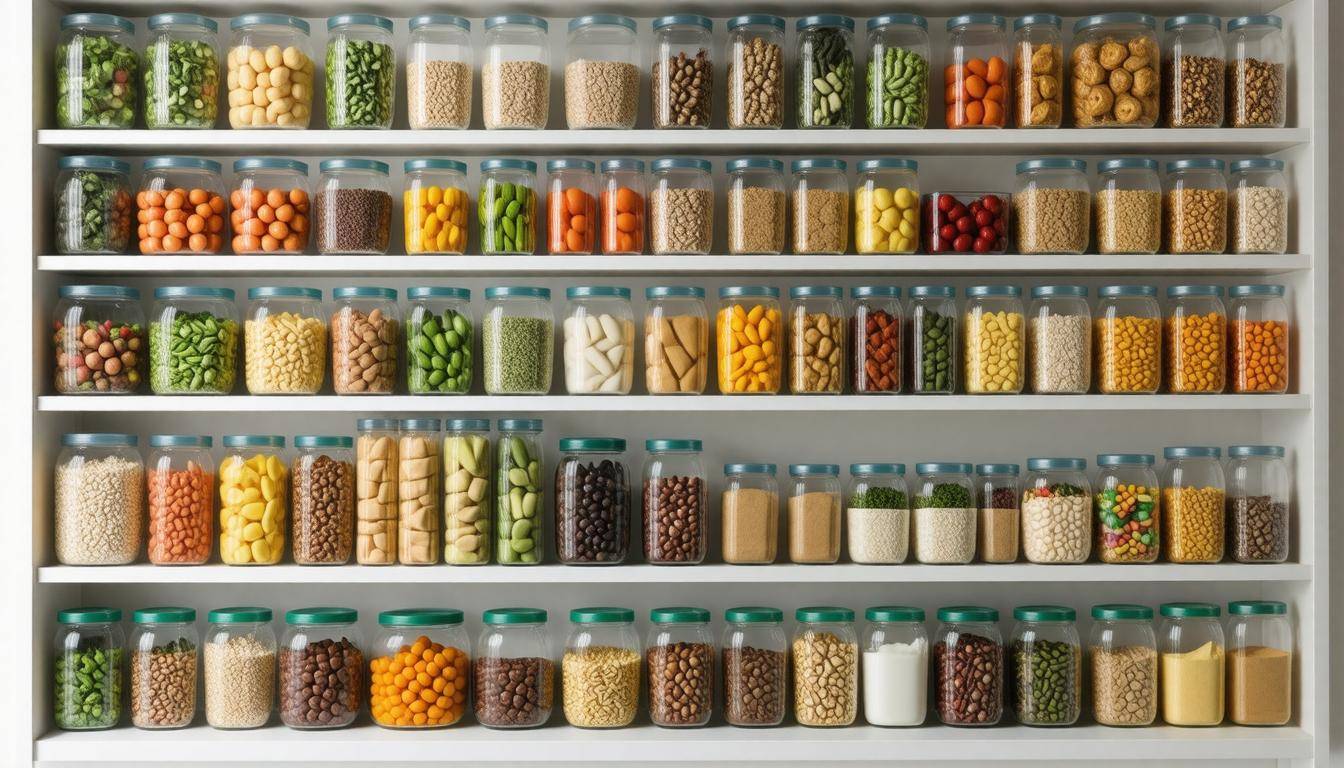
Essential Non-Refrigerated Foods
In the realm of emergency preparedness, having a selection of essential non-perishable foods can make all the difference. These foods sustain you in challenging times while providing comfort and some degree of normalcy. Consider investing in durable staples such as rice, pasta, and legumes. They are cost-effective and remarkably versatile. For example, dried beans enrich your meals with protein and fiber. A 25-pound bag of white rice—when stored in an airtight container—can last up to 30 years. That’s long enough for you to forget it’s even there until you need it!
Moreover, it’s essential to remember that variety is key. You don’t want to find yourself staring at a pantry full of one type of food. Adding items like canned vegetables—think green beans or corn—into your emergency kit can be incredibly beneficial. These canned goods don’t just add texture and flavor; they also pack in nutrients that enhance your overall diet.
Now let’s explore the importance of including versatile proteins in your non-refrigerated food supply.
Versatile Proteins
Including proteins like canned tuna, chicken, and Spam is indispensable for maintaining energy levels and muscle health during emergencies. These options are portable and provide essential amino acids that our bodies require daily. Imagine opening a can of tuna after a long day without power; the protein boost is immediate. It evokes the comfort of a meal rather than just functional sustenance.
As an insider tip, when incorporating canned meats into your emergency supplies, consider opting for lower-sodium versions to maintain better health long-term.
Another noteworthy aspect of versatile proteins is their adaptability in meal preparation. Canned meats can easily mix with staples like rice or pasta to create a hearty dish—or simply be eaten straight from the can without any cooking facilities required. This simple practice becomes incredibly valuable when you’re running on limited resources.
While discussing essential non-refrigerated foods, don’t forget about hydration, which plays an equally important role in overall health and well-being during emergencies.
Importance of Hydration
Be sure to always keep a sufficient supply of clean water or hydration packs alongside your food stash. Proper hydration prevents fatigue and helps your body function optimally under stress. Remember the golden rule: one gallon per person per day for at least three days. This ensures that everyone in your household remains robust during unpredictable moments.
As we unpack the various components of an effective emergency food plan, we’ll next focus on specific options that involve preservation techniques.
Canned and Dried Food Options
Canned and dried foods serve as excellent choices for emergency situations given their durability and ease of storage. When you reach into your pantry, you’ll find that these options not only provide sustenance but do so with remarkable convenience, making them indispensable during times of need. For instance, imagine a scenario where a storm causes a power outage—having a stockpile of canned goods could mean the difference between an empty stomach and a warm meal.
Benefits of Canned Goods
Canned goods offer variety while retaining most of their nutrients and flavor because the canning process locks in freshness. This means that staples like canned vegetables or meats can keep putting food on the table long after their packaging date has expired.
Take, for example, a can of Chunky Soup: it might have a shelf life of about two years, but it still provides a hearty meal packed with essential vitamins and proteins. One can be practical while enjoying good meals—even in dire circumstances.
| Food Type | Example Items | Shelf Life |
|---|---|---|
| Canned Vegetables | Green Beans, Corn | 1-2 years |
| Canned Proteins | Tuna, Chicken | 3-5 years |
| Canned Meals | Stews, Soups | 1-2 years |
Dried foods are just as viable, bringing unique advantages to your inventory.
Dried Food Selection
Dried foods like beans, rice, oats, and pasta can last anywhere from 10 to 30 years when stored properly in #10 cans equipped with oxygen absorbers. This longevity makes them invaluable for long-term emergency food strategies. Imagine having those supplies at your disposal for several years without worry—they’re not just space savers but lifesavers too!
Additionally, dried foods are lightweight, which is advantageous if you ever need to be mobile during an emergency situation. Nutrient retention is another significant factor, as many dried legumes and grains retain nearly all their original vitamins and minerals. They pack in protein—24 grams per cup for dried beans—and carbohydrates that are essential for energy during trying times. By including these options in your preparedness plan, you’re ensuring access to nourishing meals no matter the event.
And let’s not forget: should zombies rise from the dead (as we all secretly fear), those packs of rice will hold you over until the last movie marathon ends!
As we explore various methods of ensuring food security during emergencies, it’s essential to consider ready-to-eat options that simplify meal preparation and improve convenience.
Ready-To-Eat Packaged Meals
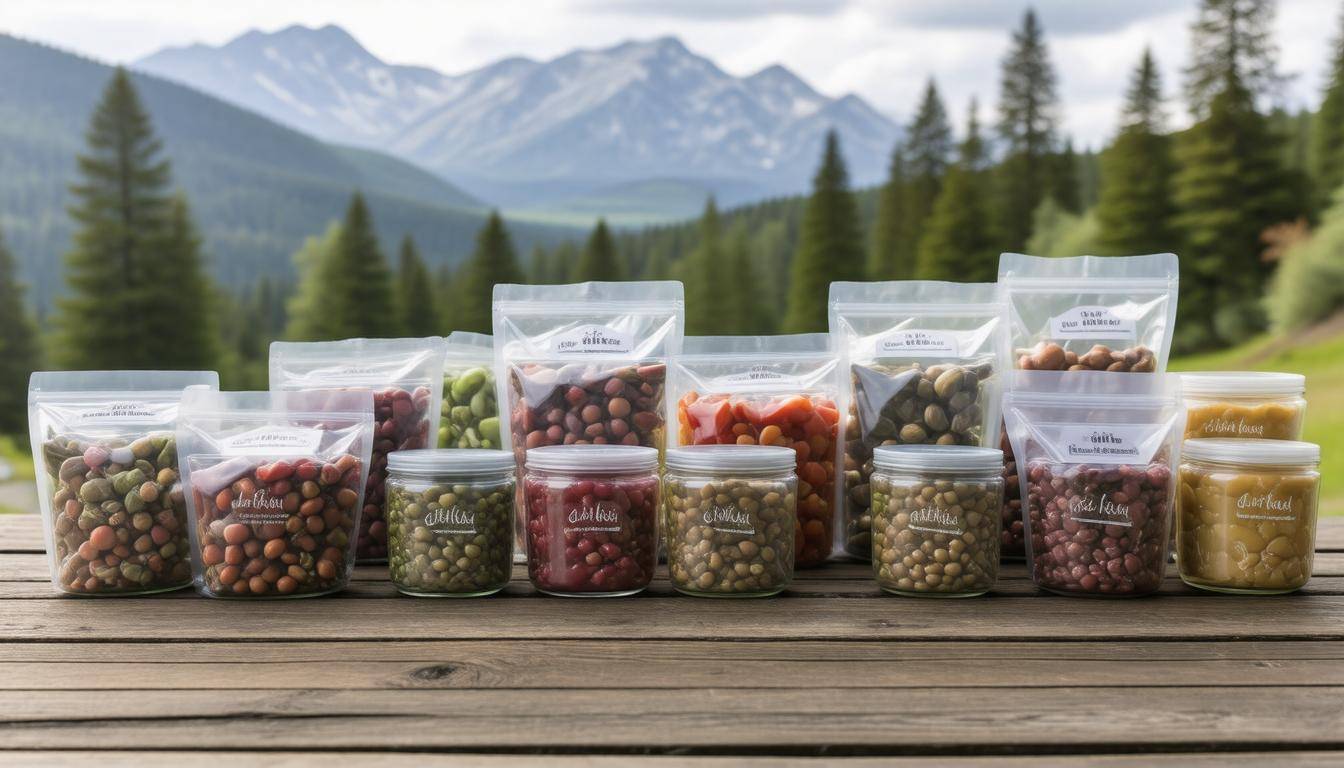
Among the various food options available for emergencies, ready-to-eat packaged meals shine thanks to their effortless preparation. MREs (Meals Ready-to-Eat) were originally designed for military personnel who need quick sustenance without any fuss. They have become a favorite among civilians as well. Each MRE is a self-contained unit, packed with nutrients and flavor to sustain you in tough times. Picture this: you’re deep into an unexpected power outage or caught in a natural disaster—having a meal that just needs opening can feel like a blessing.
MREs
MREs come loaded with everything needed for a complete meal, offering not only versatility but also decent nutrition. The variety can be impressive; instead of relying on bland options, you might find dishes ranging from spicy beef stew to chicken fried rice—all neatly packaged with sides, condiments, and even dessert. On some packs, you might uncover a flameless heater that allows you to warm your food without needing electricity or an open flame, making it versatile and perfect for emergencies.
A well-stocked pantry can make all the difference when facing uncertainty—knowing you have these dependable meals ready to go provides peace of mind.
Retail Packaged Meals
In addition to MREs, many outdoor and camping brands like Mountain House and Backpacker’s Pantry offer freeze-dried meals designed specifically for adventurers but are valuable for emergency preparedness as well. These meals require little more than hot water to prepare, which can be especially useful if cooking facilities aren’t accessible. However, they also have the flexibility to be consumed cold—which isn’t the most appealing option but does ensure their usability during diverse conditions.
What’s remarkable about these meals is their long shelf life; many can last up to 30 years if stored correctly. Imagine grabbing one of those pouches years after purchasing, adding water, and still enjoying a tasty meal! It’s this kind of reliability that makes them attractive for long-term storage.
Investing in stored meals isn’t just about immediate sustenance; it’s about planning ahead and safeguarding your family’s nutritional needs during challenging times.
Keep an eye on the nutritional information too! Although many get carried away by flavors, remember that balancing proteins, carbohydrates, and fats is essential—even in emergency scenarios—to maintain energy levels during stressful periods.
As you consider building your stockpile of ready-to-eat meals, think about both nutrition and convenience. Always try a few options to discover what you enjoy most before the need arises—and don’t shy away from rotating through your supplies regularly so nothing goes to waste. This will keep your pantry fresh while ensuring you’re prepared whenever life throws a curveball at you.
With such dependable choices available, expanding your food options becomes an essential part of preparedness planning—next, we’ll explore more about foods that stand the test of time and nourish your family effectively.
Long-Lasting Natural Foods
Some natural foods inherently have long shelf lives and require no refrigeration, making them ideal for emergency stockpiles. Among these, let’s explore several nutritious options that can provide comfort and sustenance during those unpredictable times.
Nuts and Seeds
Nuts, seeds, and nut butters stand out as exceptional choices for emergency preparedness. Not only do they boast a lengthy shelf life—up to two years for peanut butter—but they are also rich in healthy fats and proteins. Imagine having a jar of creamy almond butter at your disposal; it’s not just a quick snack solution but also an excellent source of energy. The added bonus? These tasty morsels can be combined with many other items to diversify your meals, such as adding sunflower seeds to oatmeal or mixing walnuts into a trail mix with dried fruit or chocolate chips.
These foods tend to be nutrient-dense, meaning you get a lot of vitamins, minerals, and energy out of each serving—perfect when you need more from your food during emergencies.
Dried Fruits
Dried fruits like raisins, apricots, and apples should also find their way into your emergency food stash. Not only are they delightful little snacks, but they’re also packed with essential vitamins. They can last for months without refrigeration, giving them both versatility and durability. Whether you toss some dried cranberries into a salad for a pop of flavor or munch on dried mango slices during movie night, these fruits are both practical and enjoyable. Moreover, these treats offer an emotional comfort factor; having familiar flavors on hand helps create a sense of normalcy during difficult times.
When incorporating dried fruits into your stockpile, consider storing them in airtight containers to maximize their longevity.
By ensuring that you include these long-lasting natural foods in your emergency supplies, you set yourself up for nutritional success when the situation becomes challenging. In addition to their impressive shelf lives, foods like nuts, seeds, and dried fruits contribute significantly to balanced nutrition without requiring any refrigeration at all.
As we deepen our understanding of how to maintain sustenance without relying on refrigeration, the next steps focus on effective strategies for ensuring food preservation in challenging conditions.
Preserving Foods Without Refrigeration
Proper preservation techniques are indispensable not only for maintaining the quality of your food but also for ensuring its safety during extended periods without refrigeration. By choosing the right methods, you can significantly extend the shelf life of a variety of items, allowing you to stock up in advance and minimize waste. Each method has its unique benefits, making them all valuable for anyone serious about emergency preparedness.
Vacuum Sealing
Utilizing vacuum sealing is one of the most effective methods for preserving food. It involves removing air from food packages, which dramatically reduces the risk of mold and bacteria growth. For instance, a vacuum-sealed pack of dried beans can last several years longer compared to one stored in a typical plastic bag, which exposes it to the air and moisture in your pantry. This method works wonderfully for grains and nuts as well since they also benefit from being free of air exposure.
Imagine opening up a package of vacuum-sealed rice years later and seeing it just as fresh as the day you sealed it.
Another effective method is dehydration, which complements vacuum sealing perfectly.
Dehydration
Dehydrating foods like fruits and vegetables is a great way to prolong their shelf life by removing moisture—something that bacteria and mold need to thrive. This technique can be accomplished with a dehydrator or even by using your oven at low temperatures. The key here is patience; while dehydrating takes time, the results are immensely rewarding. You can expect your favorite fruits—think apples, mangoes, or strawberries—to sweeten in flavor even as their water content diminishes.
- When you dehydrate cherries and store them correctly, they can last for years and offer delightful bursts of flavor in your trail mix or baking projects.
- This preservation method retains most nutrients, making dried fruits an excellent addition to your emergency supplies.
Both vacuum sealing and dehydration exemplify practical strategies that empower you to enjoy seasonal foods long after their peak freshness has faded away.
Beyond these two techniques, exploring methods such as canning, fermentation, and salt curing can diversify your preserved food options even further. Each technique brings its own flavor profile and texture to the table while emphasizing quality nutrition during emergencies when perishable items might not be available. Understanding how these methods work helps anyone become adept at emergency preparedness, ensuring you’re ready when the unexpected arises.
With these preservation techniques under your belt, you’re well on your way to mastering the art of stocking up wisely and avoiding waste. Now, let’s consider how to assemble nourishing combinations that elevate those essentials into satisfying meals.
Creating Balanced Emergency Meals
Ensuring your emergency meals are nutritionally balanced can make a significant difference, especially during stressful situations. This involves covering the basic macronutrient ratios and including a variety of food groups. The cornerstone of every meal should ideally combine proteins, carbohydrates, and fats. For instance, imagine a meal made up of canned chicken for protein, rice as your carbohydrate source, and a drizzle of olive oil for healthy fats. This not only provides energy but also keeps you satiated.
Macronutrient Balance
It’s a good idea to maintain a ratio close to 40% carbohydrates, 30% protein, and 30% fats in your meals. Using this framework helps ensure your body has what it needs to function well.
When stocking up on food, consider:
| Food Item | Protein (g) per serving | Carbs (g) per serving |
|---|---|---|
| Canned beans | ~15 | |
| Brown rice | ~45 | |
| Peanut butter | ~8 | ~6 |
Even peanut butter is helpful; just two tablespoons can give you roughly 8 grams of protein alongside healthy fats—so feel free to enjoy it with whole wheat crackers or bread.
To keep these emergency meals engaging and enjoyable, it’s vital to think about variety and flavor.
Variety and Flavor
Nothing dampens spirits faster than a monotonous menu. That’s where spices and seasonings come into play! A little creativity can turn plain ingredients into delightful meals that lift your mood. Dried herbs like oregano or basil can transform a simple rice dish while making it aromatic and appetizing. Similarly, spice mixes—such as taco seasoning or curry powder—can add a burst of flavor to whatever you’re preparing.
I recommend stocking up on versatile staples like garlic powder, paprika, or even chili flakes that cater to various palates while providing an inviting aroma.
In times of stress, food serves not just to nourish the body but also to comfort the soul. Having flavorful meals can substantially elevate any situation.
Incorporating different textures and tastes through fruits or nuts adds another layer to your meals. For example, throw in some dried fruits such as raisins or cranberries into your oatmeal for sweetness that pairs well with hearty grains. Nuts add crunch—providing healthy fats along with extra nutrients—while acting as an easy snack on their own.
Planning how you’ll prepare these meals matters just as much as understanding the nutritional aspects.
Meal Preparation Tips
Preparing small batches in advance can save time during emergencies when stress levels run high. Consider creating pre-packaged containers with measured portions: this simplifies meal assembly and minimizes decision fatigue when you need quick nourishment.
And remember, keep water stored adequately—it’s critical not just for hydration but also for rehydrating dried foods if needed.
By focusing on balance, variety, and preparation methods suitable for emergencies, you’ll equip yourself with nutrition and peace of mind—all essential ingredients for handling whatever circumstances may arise.
With nutritional planning firmly in place, attention now turns to securing another vital resource for emergency preparedness.
Ensuring a Safe Water Supply
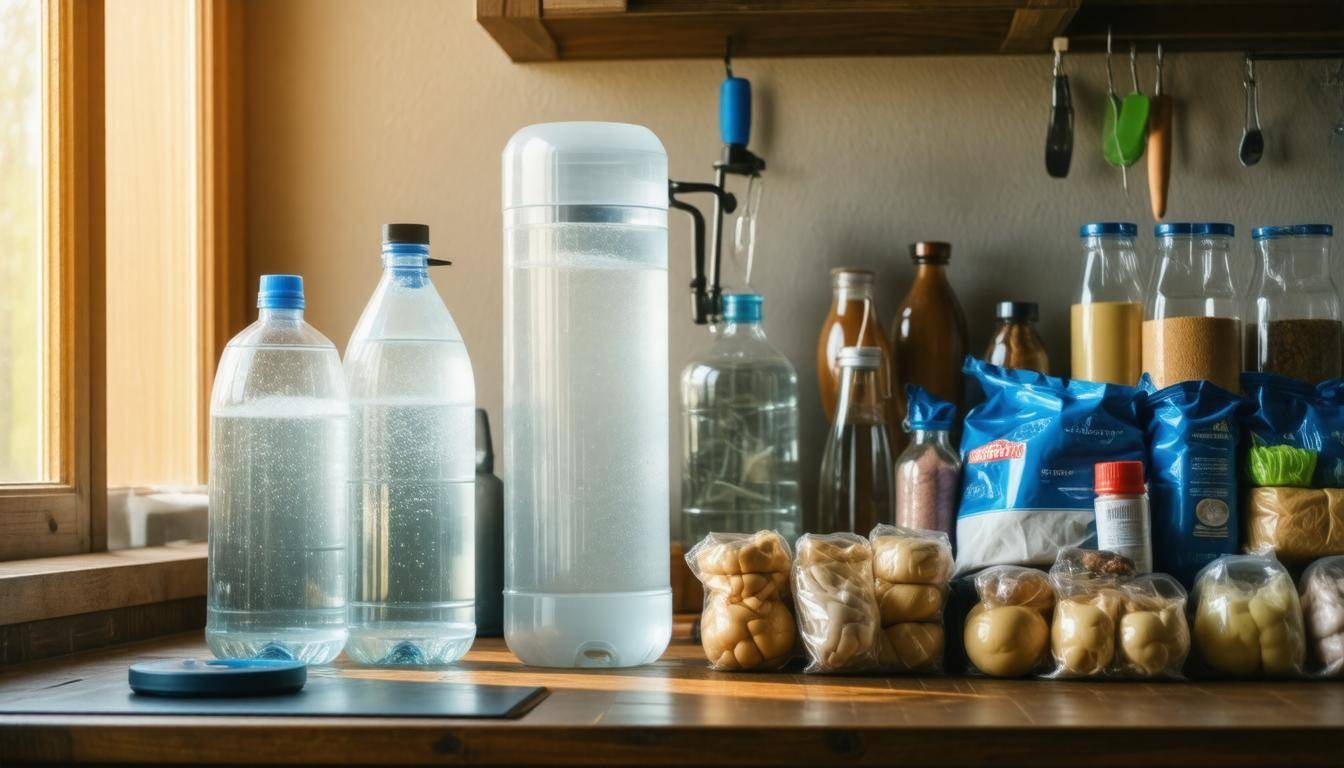
Water is fundamental to life, yet its importance often gets overshadowed by food supplies in emergency preparedness discussions. When planning for emergencies, it’s recommended that you store at least one gallon of water per person per day. This amount accommodates not only drinking but also sanitation needs. Maintaining hygiene and staying hydrated can directly impact your ability to cope with a crisis.
Water Storage Techniques
How you store water is just as essential as knowing how much to store. Using food-grade containers that are cleaned thoroughly before use is imperative. Avoid using containers that held non-food substances, as they might leach harmful chemicals into the water.
To keep your stored water fresh, it’s wise to replace it every six months; this practice helps eliminate potential contaminants that could form over time. If you’re particularly cautious, consider using jugs or even potable water storage bags designed specifically for this purpose.
A clear sign of good practices includes regularly rotating your supply, so old water makes its way out as new comes in.
Water Purification Options
When it comes to ensuring that the stored water remains safe for consumption during an emergency, purification methods become necessary. Investing in water purification options should be part of your preparedness strategy. Techniques like boiling water for at least one minute (or three minutes at higher altitudes) can effectively kill pathogens.
Filtering dirty water through a portable filter designed to meet EPA standards or using iodine tablets offers additional security against contamination.
For instance, items like Lifestraws can filter up to 1,000 gallons of contaminated water into safe drinking water effortlessly—perfect for an emergency where other options may not be available.
There’s also the chemical treatment route if you lack boiling capabilities. Simply add eight drops (or about 1/8 teaspoon) of unscented liquid bleach per gallon of water, stir well, and allow it to sit for a minimum of 30 minutes before using it for drinking or cooking—you’d be surprised at how effective this simple technique can be!
Remember, treating your water supply is a proactive step that can save lives in critical situations.
As you continue to assemble your emergency essentials, remember that having effective strategies for storing and purifying water is equally crucial to complement your food supplies.
Emergency Food Storage Tips
How you store your emergency food can significantly impact both its longevity and nutritional value. The right storage techniques help maintain the taste and nutrients of your food, prevent waste, and ensure you’re ready for any unexpected situation. With a few key practices, this task can become second nature.
Proper Storage Conditions
To start, ensure that your food is kept in a cool, dry place away from direct sunlight. Ideally, the temperature should remain stable between 50°F and 70°F (10°C to 21°C).
Dealing with heat? That’s a recipe for rapid spoilage! Temperature fluctuations can compromise the integrity of food packaging over time, leading to potential leaks or contamination. Even placing a simple thermometer in your pantry can help you monitor the temperature effectively.
Pro Tip: Consider using airtight containers for foods like rice, beans, and pasta; these containers keep moisture and pests at bay. Glass jars, Mylar bags, and vacuum-sealed bags are all excellent choices for extending shelf life!
Now let’s consider another aspect: organization. A well-planned approach goes a long way in maintaining your stockpile. This brings us to the importance of knowing what you have on hand.
Rotation System
Adopting a “first in, first out” (FIFO) rotation system is essential to use older items before they expire. Imagine opening your pantry one day to find nearly expired cans pushed to the back while new items sit untouched in front. It’s frustrating! Instead, aim for a streamlined process where incoming products go on one side and outgoing ones come out on the other.
Keeping a comprehensive list of expiration dates helps too; a simple notepad or an app can serve this purpose beautifully. Periodically checking your supplies refreshes your memory about what you have and allows you to replace items as necessary. When I conduct my inventory checks every six months, I often discover hidden gems—canned goods I forgot about that could easily become dinner on short notice!
So remember: proper storage conditions paired with an effective rotation system creates a resilient food supply that sustains you even when challenges arise.
In conclusion, these practices are essential for maximizing the potential of your emergency food supply while ensuring it remains safe and nutritious over time. Effective planning can make all the difference when unexpected situations arise.
What storage methods can maximize the shelf life of emergency food supplies?
To maximize the shelf life of emergency food supplies, utilize methods such as vacuum sealing, storing in airtight containers, and using desiccants to reduce moisture. Vacuum sealing can increase the shelf life of foods by up to 5 times compared to conventional storage methods, while maintaining their nutritional value and flavor. Additionally, keeping your supplies in a cool, dark place—ideally with a temperature below 70°F—can significantly extend longevity; for example, canned goods stored under optimal conditions can last 2-5 years or longer.
How long do different types of non-refrigerated foods typically last before they expire?
Non-refrigerated foods vary widely in shelf life; for instance, canned goods can last anywhere from 2 to 5 years, while dry grains like rice and pasta may remain usable for up to 30 years if stored properly. Dehydrated fruits and vegetables typically have a shelf life of 1 to 2 years, while honey can last indefinitely due to its low moisture content. These durations depend largely on storage conditions—cool, dark, and dry environments significantly enhance longevity. It’s essential to check specific labels for guidance, as expiration dates can differ based on product formulation and packaging.
What are the nutritional considerations when selecting non-refrigerated emergency food options?
When selecting non-refrigerated emergency food options, it’s crucial to consider nutritional density, shelf-life, and versatility. Aim for foods that provide a balance of macronutrients—proteins, healthy fats, and carbohydrates—as well as essential vitamins and minerals. For instance, items like canned beans offer protein and fiber while having a long shelf life of 2-5 years. Moreover, fortified foods can help meet daily nutrient needs during crises; for example, total caloric intake should ideally average around 2,000-2,500 calories per day for adults to maintain energy levels during stressful situations.
How can I balance variety and quantity in my emergency food stockpile to ensure it’s effective?
To balance variety and quantity in your emergency food stockpile, aim for at least a 70/30 ratio of staples to diverse items; this means stocking up on essential foods like grains, legumes, and dried fruits while incorporating a range of flavors through spices, sauces, and ready-to-eat meals. Research suggests that having approximately 10 different food categories can provide both nutrition and morale during emergencies. Additionally, consider the shelf life of items—canned goods typically last 2 to 5 years, while dry staples can exceed 20 years—ensuring you have both short- and long-term options.
Are there any specific brands or products recommended for emergency food kits without refrigeration?
While specific brands may vary, several highly regarded options for emergency food kits without refrigeration include Mountain House, Wise Company, and Augason Farms. These brands are known for their long shelf life, with products that can last 25 years or more when stored properly. For example, Mountain House freeze-dried meals often come with over 10 servings per package and have a history of positive reviews for taste and ease of preparation. Choosing these well-established brands ensures not just longevity but also a reliable source of nutrition in times of need.