
In today’s unpredictable world, having an emergency fund is more important than ever. Imagine facing unexpected expenses like car repairs or medical bills without a financial safety net—it’s enough to make anyone anxious. Building this vital cushion can feel overwhelming, but it doesn’t have to be. By breaking the process down into manageable steps, you can create a solid plan that not only helps cover those little surprises life throws at you but also gives you peace of mind. Let’s dive into a straightforward guide to emergency fund planning that will help shield you from financial stress and keep you on track for better money management!
To effectively plan your emergency fund, start by determining your target amount, which should ideally cover three to six months of living expenses. Next, allocate a portion of your income towards this fund regularly, utilizing a high-yield savings account or money market account for optimal interest earnings, and automate contributions to ensure consistent saving.

Emergency Fund Planning Blueprint
Step I – Identify Essential Expenses
The first step to building your emergency fund is to accurately assess your basic monthly expenses. Think about the necessities you can’t live without—these are your essential expenses. Start by listing out items like rent or mortgage payments, utilities, groceries, and any insurance premiums. It might be helpful to gather recent bills and bank statements as you build this list, ensuring you’ve captured every essential cost you have.
It’s worth mentioning that being thorough sets the groundwork for everything that follows. You want to know exactly what you’re working with. For instance, if you typically pay $1,200 for rent, $300 for utilities, and around $500 for groceries each month, those numbers will significantly help when calculating your financial safety net later on.
Step II – Calculate Your Target Amount
Once you’ve got a solid list of your essential expenses, it’s time to determine how much money you’ll need in your emergency fund. A widely accepted guideline suggests saving enough to cover three to six months’ worth of these costs. This range provides flexibility: three months can suffice for stable jobs while six months can offer more security in uncertain employment situations.
Let’s put this into perspective. If your monthly expenses total $3,000, aim for an emergency fund totaling between $9,000 and $18,000. This target range not only offers protection from common financial disasters but also provides peace of mind during turbulent times.
To give you a clearer picture of estimating your needs, here’s an example calculation based on common expenses:
- Rent/Mortgage: $1,200
- Utilities: $300
- Groceries: $500
- Insurance: $200
- Transportation: $300
- Miscellaneous: $500
Total Monthly Expenses: $3,000
So ideally, you’re looking at that range of $9,000 to $18,000 in savings tucked away somewhere safe.
Step III – Set Up a Separate Account
After determining how much you need to save, the next logical step is to set up a dedicated account for your emergency fund. Choose a high-yield savings account so that your money can earn interest while remaining easily accessible when needed.
This separates your emergency savings from daily spending accounts and reduces the likelihood of accidentally dipping into it for non-emergency purchases—a significant risk many savvy savers face. Remember, this account is foundational; it’s designed to provide security when life throws a curveball.
Having established solid essential expense figures and created a separate space for your money sets you up nicely for moving forward. Next, we’ll explore how setting specific objectives can bolster your path toward greater financial resilience.
Setting Clear Financial Goals
Goals give your emergency fund a sense of purpose, motivating you to save consistently. Without concrete goals, saving can feel like an endless chore, lacking direction. When you understand what you’re working toward, it’s easier to resist the temptation of last-minute purchases or unnecessary expenses. It’s almost like embarking on a journey: wouldn’t you rather have a map than aimlessly wander?
SMART Goals
To create effective and motivating goals, utilize the SMART criteria—Specific, Measurable, Achievable, Relevant, and Time-bound. For instance, instead of saying, “I want to save money,” refine that thought into something precise like, “Save $5,000 in 10 months by setting aside $500 each month.” This clarity allows you to track your progress effectively and holds you accountable.
Additionally, while it’s important to set ambitious targets that challenge your saving capacity, ensure those targets are realistic. If you normally face tight financial constraints due to other obligations, aiming for an astronomical figure might derail your efforts entirely. Instead of being inspired, you could easily feel overwhelmed by the perceived impossibility of achieving such lofty goals.
It’s equally vital to review these goals regularly. As circumstances change—perhaps you’ve received a pay raise or unexpected expenses have cropped up—you will want to adjust your goals accordingly. Think of this as fine-tuning your approach; perhaps your monthly savings target needs adjusting based on new bills or financial commitments. Flexibility in your planning is critical because it allows you to remain committed even when life throws curveballs.
Keeping all these elements in mind will not only strengthen your sense of purpose in saving but also build resilience against setbacks that may occur along the way.
Prioritize Your Savings
After establishing SMART goals, prioritize achieving them over discretionary spending. Life often tosses us opportunities to indulge and splurge on things we don’t particularly need, but reminding ourselves why we’re saving helps maintain focus.
The act of allocating funds directly towards your emergency savings before dipping into entertainment budgets is wise; it fosters a habit of saving first and spending later. Many successful savers develop this mindset early, transforming what initially feels like a sacrifice into a norm that leads to greater financial security.
“A well-thought-out plan acts as a guiding light during tough times.”
Each consistent contribution reinforces the foundation of financial stability you’re attempting to build—a structure meant to weather unexpected storms in life.
Crafting clear financial goals not only encourages disciplined saving but also enhances overall financial literacy—an important foundation before moving on to understand how best to allocate your resources efficiently.
Establishing Your Budget
A well-structured budget serves as the foundation of your financial health, acting much like a roadmap guiding you toward your financial aspirations. It provides you with a clear picture of your income and expenses, revealing how much surplus you have to allocate towards your emergency fund. To kick-start the budgeting process, begin by listing all of your income sources. This includes your salary, bonuses, freelance earnings, and any other forms of revenue. Documenting each source gives you a stronger grasp on what you’re working with financially.
Once you’ve identified your income, it’s time to categorize your expenses. Understanding the difference between fixed and variable expenses is crucial here. Fixed expenses are costs that remain constant each month, such as rent or mortgage payments and insurance premiums. On the other hand, variable expenses can fluctuate, including groceries, entertainment outings, and dining out costs. Categorizing your expenses in this way allows for a clearer understanding of where your money is going and helps you identify areas where you can cut back if necessary.
With your income and expenses outlined, it’s time to take advantage of technology.
Budgeting Tools
Utilizing budgeting tools can make the entire process easier and more efficient. Programs like Mint or You Need A Budget (YNAB) offer user-friendly interfaces that allow you to seamlessly track your spending while ensuring adherence to your defined financial plan. These apps not only keep everything organized but also provide insights into your spending habits over time. For instance, Mint categorizes transactions automatically and even alerts you when you’re nearing the limits set on certain categories—this nudges us to stick to our budgets more closely.
Additionally, many budgeting tools allow for goal-setting features where you can earmark funds specifically for your emergency fund. This visual representation can serve as an additional motivator; watching the balance rise towards your target amount feels rewarding! Remember that automating contributions to your emergency fund through these platforms is beneficial too; setting up automatic transfers right after payday ensures consistent saving without thought.
Just as important as setting up an effective budget is regularly reviewing it, which brings us closer to achieving our financial security goals.
Lastly, don’t forget about regularly reviewing your budget to ensure it still fits within your financial reality. Maintaining flexibility is vital because life changes—loss of a job, a raise, a new expense—can impact how you should approach budgeting. Periodically reassessing allows for adjustments based on any shifts in income or new bills that arise so you’ll never find yourself caught off guard again.
With a solid budgeting strategy in place and tools at your disposal, understanding unexpected costs will pave the way towards better financial preparedness.
Estimating Unexpected Expenses
Anticipating unexpected expenses is a vital part of securing your financial future. Life has a way of throwing curveballs at us when we least expect it, and those surprises can be financially devastating if you’re not prepared. It’s important to assess the common challenges many individuals face, which often include job loss, medical emergencies, major car repairs, and even sudden travel requirements. Each of these categories can lead to potentially significant costs that you may not have planned for.
In fact, many people build their emergency savings around specific thresholds based on these types of expenses. By gauging how much each could potentially cost, you begin forming a clearer picture of your financial needs.
Categories of Unexpected Expenses
Let’s explore the various categories of unexpected expenses.
For instance, losing a job can be emotionally taxing and financially challenging. It means dealing with lost income while searching for new employment. The reality is that unemployment benefits might not cover all bills, as they typically provide only a portion of previous earnings. Thus, preparing for several months’ worth of expenses during such tough times is essential.
Medical emergencies are another area where costs can spiral unexpectedly. A sudden illness or injury can lead to hospital visits, treatments, or unplanned prescription costs that aren’t typically covered by insurance. On average, an unforeseen medical event can set individuals back thousands of dollars, resulting in debt if not accounted for in advance.
Similarly, when it comes to car issues, major repairs can drain your savings quickly. Whether it’s replacing an engine or fixing transmission problems, these repairs can easily reach thousands of dollars overnight.
Finally, sudden travel requirements, such as needing to visit family during a crisis or going on an unexpected business trip, also hit our wallets hard. Airline tickets and hotel accommodations can accumulate rapidly if you’re not financially ready.
Recognizing these potential expenses arms you with the knowledge you need to prepare your emergency fund effectively.
Historical Data
According to a 2024 survey, over 60% of Americans have faced an unexpected expense in the last year, with an average cost of about $2,500. This statistic underscores how prevalent financial surprises are within our society and stresses the importance of being proactive rather than reactive in building savings.
By taking these statistics to heart and evaluating how these types of unexpected expenses align with your own financial habits, you can better grasp the amount you’ll need in your emergency fund. Establishing a fund aimed at covering three to six months’ worth of living expenses will create a buffer that allows you not just to survive but thrive in the face of adversity. This preparation empowers you while leading to greater peace of mind knowing that you’re ready for whatever life throws your way next.
With a well-prepared safety net in place for life’s unpredictable turns, the next step involves diving into how best to manage and allocate your income efficiently.
Effective Income Allocation

The heart of financial security lies in how wisely you manage your income. Effective allocation prioritizes building your emergency fund while ensuring that essential expenses are met.
One popular method to consider is the 50/30/20 rule. This simple framework divides your after-tax income into three categories: 50% for necessities, which includes rent, utilities, and groceries; 30% for discretionary spending, covering things like dining out and entertainment; and finally, 20% for savings or debt repayment. By following this straightforward strategy, you create a balanced approach toward managing your finances, allowing you to cover your immediate needs while investing in your future.
Although this structure works well for many, real-life situations can change, especially during emergencies.
When unexpected expenses arise—such as a medical bill or urgent home repair—you might find it necessary to temporarily shift priorities. In such cases, dynamically adjusting your allocations becomes essential. For example, if an emergency strikes, consider reducing discretionary spending from 30% to maybe 10%, allowing you to funnel more money into that crucial 20% savings category. This flexibility will help keep your emergency fund growing even during challenging times.
Taking the time to establish a budgeting system using this or a similar approach can make all the difference.
Moreover, automating your savings ensures that you contribute regularly without thinking about it. Setting up automatic transfers from checking to your high-yield savings account means that you’re consistently working towards building that financial cushion without feeling tempted to spend what should go toward savings.
A high-yield savings account or a money market fund can be excellent options for storing those emergency funds too. They often provide better interest rates than traditional savings accounts, helping your money work harder for you over time. The key is accessibility; ensure you keep this separate from your everyday finances so it’s not dwindled away on impulse purchases.
Remember that everyone’s financial situation is unique, so regularly reviewing and adjusting your income allocation based on life changes is vital. Celebrate small milestones as you build up your emergency fund—recognizing progress keeps you motivated. Effective income allocation is about framing habits that lead to financial resilience and securing peace of mind when life throws you those unpredictable curveballs.
With an understanding of how to allocate your income effectively, you’ll now be ready to explore practical strategies for enhancing and nurturing that essential resource.
Building and Growing Your Fund
Starting an emergency fund can feel like a mountainside climb, especially when you stare at the hefty goal of three to six months’ worth of living expenses. Yet, breaking it down into bite-sized steps makes this journey manageable and even rewarding. The first step often involves setting realistic savings targets that fit within your budget without causing undue stress on your day-to-day finances.
Automate Savings
One of the most effective strategies to ensure consistent contributions is automation. By setting up automatic transfers from your checking account to your savings account each payday, you can eliminate the need for willpower. This method minimizes the temptation to spend that cash before it reaches its designated “home.” Automation acts as a silent aid in your financial planning, working quietly behind the scenes to bolster your savings each month.
When I set this up in my own life, I found that I barely missed the money; it became like paying a monthly subscription—only instead of Netflix, I was investing in my future security.
You might think that a mere $50 each week isn’t impactful, but over the course of a year, it sums up to $2,600. Soon enough, small amounts turn into significant savings for emergencies or unexpected expenses.
Regular contributions are paramount, but don’t forget to consider where you’re saving too. Opting for high-yield savings accounts or money market funds can earn you interest while still allowing access when needed. This approach gives you a double benefit: growing your fund faster due to interest while keeping it fluid enough for emergencies.
However, building an emergency fund isn’t just about automating deposits; it also involves regularly reviewing your goals as circumstances change.
Adjust Contributions
Keep in mind that personal financial situations fluctuate—a raise at work means more disposable income, while unexpected expenses might require adjusting contributions temporarily. Thus, it’s wise to revisit and adjust your savings plan regularly. Are you still contributing the same amount each month? If you receive bonuses or extra income, consider funneling those directly into your emergency fund rather than letting them slip into daily spending habits.
The frequency at which you review these allocations can make a difference in helping you stay on track with your goals. Use budgeting tools or apps that provide visual insights into where your money goes. They can be invaluable allies in keeping these crucial elements front-of-mind.
Engaging with this financial habit not only fosters peace of mind but also builds resilience against life’s inevitable surprises—transforming what once seemed arduous into a feasible and controlled process. Now let’s explore effective ways to determine how much you should aim for and the strategies that best support achieving those targets.
Optimal Fund Size and Strategies
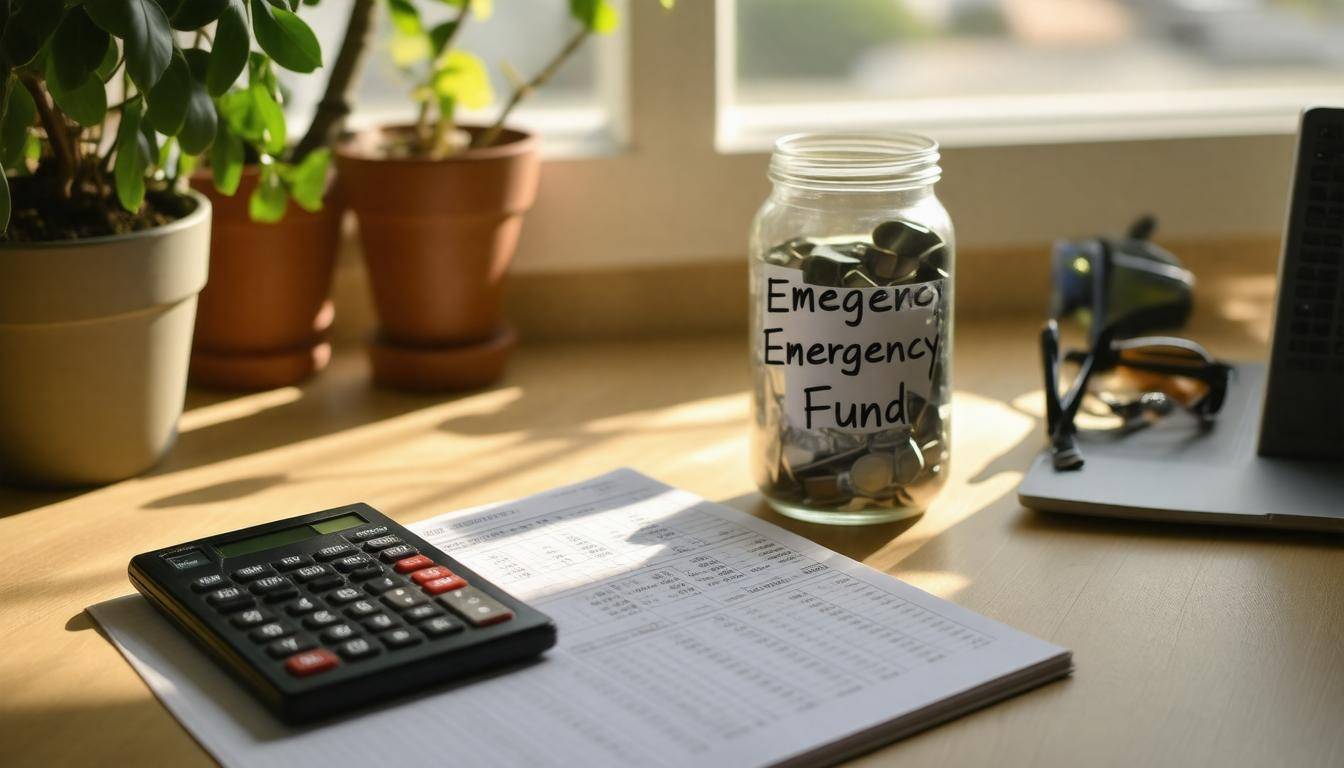
The right size for your emergency fund isn’t one-size-fits-all; it’s crucial to consider your personal circumstances. A common recommendation is to aim for three to six months’ worth of living expenses. This amount serves as a safety net during unexpected events—like medical emergencies or sudden job loss.
For instance, if you have a steady income and fewer dependents, aiming for the lower end of this range might suffice. Conversely, if you’re self-employed or in a variable income situation, extending that target to six months can provide a necessary buffer.
Key Factors
Several factors play into deciding how big your fund should be. Start by evaluating the stability of your job; if you work in a field susceptible to layoffs, lean towards saving more. The number of dependents also impacts your needed savings—having children or caring for family members requires more resources during emergencies.
Additionally, take stock of all your monthly obligations like rent, utilities, and groceries; what do you genuinely need to cover should the unexpected arise?
Always remember that an emergency fund is meant to be used during true emergencies—your vacation plans don’t quite fit that bill!
Once you’ve established a baseline for your fund size, treat it like a living document—regularly revisiting and adjusting it as life circumstances change. When you earn more or take on new financial responsibilities, reassess whether your current fund still meets your needs.
Regular Reviews
Just as critical as establishing the right amount is ensuring that your savings strategy aligns with your goals.
It’s not enough to just set and forget your fund; regular reviews can help ensure it continues meeting your needs over time. As life evolves and encounters happen, such as job changes or moving homes, these adjustments require understanding how they affect your financial landscape. By staying engaged with your emergency fund’s status, you’ll be better positioned to make informed decisions about when and how much to save.
This proactive approach not only fosters financial security but also instills a sense of confidence in managing life’s unpredictability.
Maintaining this vigilance sets the stage for effective planning in other areas of your finances, ensuring you’re well-prepared for any shifts that may arise in the future. Let’s now explore how to make those updates seamlessly and efficiently.
Regular Reviews and Adjustments
Consistently reviewing your emergency fund is essential to ensure that it meets your evolving needs. When you think about it, life is constantly changing; your expenses can fluctuate based on your job status, family dynamics, or unexpected emergencies. Regular evaluations help keep your emergency fund aligned with these changes, so you won’t find yourself caught off guard when an unanticipated expense arises.
Review Frequency
To maintain an effective emergency fund, aim to check it at least quarterly. However, you should always be prepared to make adjustments following major life events. For instance, if you switch jobs or welcome a new member into your family, take those moments as cues to reevaluate the adequacy of your savings. It’s these pivotal life shifts that often require a reassessment of financial priorities, including how much you should have saved up for emergencies.
According to Bankrate’s 2024 Annual Emergency Fund Report, nearly 40% of Americans struggle to cover even small unexpected expenses. This statistic underscores the importance of ongoing evaluation: Is your emergency fund truly sufficient? It’s a question worth asking regularly.
As we discuss personal finance planning, it’s helpful to remember that flexibility is a crucial element in managing savings effectively. You might find yourself needing more or less than the typical recommendation to save three to six months’ worth of living expenses based on your unique circumstances. Perhaps you’ve recently moved to a city with a higher cost of living or incurred new debts—being aware of such factors can allow you to adjust your contributions accordingly.
Life Changes and Contributions
- Job Change: When starting a new position, consider how it affects your income and job stability.
- Family Dynamics: Adding family members can significantly shift both everyday expenses and long-term financial planning.
- Health Concerns: Unexpected medical issues can create additional costs that may need factoring into your budget and funds.
- Economic Shifts: Changes in the economy can affect job security and inflation rates, influencing how much you need saved.
Furthermore, automating contributions to your emergency fund can help ensure consistency in saving—this means establishing direct deposits or automatic transfers in line with each paycheck. The beauty of automation is that it removes the temptation to skip contributions simply because life gets busy or distracting.
Incorporating routine checks into your financial habits will bolster your preparedness against unexpected challenges while improving the overall confidence you have in your financial situation. With this proactive approach, let’s explore how to make certain that the funds you’ve set aside remain readily available when needed most.
Ensuring Accessibility of Funds
Accessibility is crucial for your emergency fund because having quick access to cash mitigates the stress of sudden financial setbacks. The last thing you want during a crisis, whether it’s a car breakdown or an unexpected medical bill, is to be scrambling around, unable to tap into your savings easily. It’s reassuring to know your funds are readily available—this sense of security allows you to focus on resolving the issue at hand rather than worrying about money.
Liquidity
When planning your emergency fund, prioritizing liquidity should be at the forefront of your mind. This means opting for accounts designed with quick and easy access, such as high-yield savings or money market accounts. These types of accounts offer competitive interest rates while ensuring that your cash is liquid enough to withdraw swiftly when needed.
Quick Tip: Aim to keep at least three to six months’ worth of living expenses saved in these accessible accounts. This way, if trouble arises, you’ll be prepared without second-guessing where those funds are hidden away.
You should avoid locking away your emergency funds in assets that can’t be quickly converted into cash—think stocks or real estate. While these might serve as smart investments over time, they can present significant barriers during an immediate need for liquidity. Imagine trying to sell property in a hurry or waiting weeks for stock trades to finalize; the last thing you want is financial strain piling up further while you wait for accessible resources.
Tying up your cash limits flexibility and leaves you vulnerable during emergencies. For example, imagine having a health-related expense arise unexpectedly but finding yourself stuck in lengthy withdrawal processes from inaccessible accounts—you’d want to immediately address the situation rather than fret about finding funds.
By emphasizing liquidity in your emergency fund strategy, you create a financial safety net that’s not just a theoretical concept; it becomes a practical and actionable reserve poised to support you through life’s unpredictable turns. Each step builds upon the last, reinforcing the structure of a well-rounded financial plan that offers true peace of mind.
In summary, preparing an emergency fund with accessible and liquid assets can shield you from unexpected financial challenges. Take control of your financial future by implementing these strategies now.
What types of accounts are best suited for storing an emergency fund?
The best types of accounts for storing an emergency fund are high-yield savings accounts or money market accounts. These options typically offer higher interest rates than traditional savings accounts, allowing your funds to grow while remaining easily accessible. According to recent statistics, high-yield savings accounts can yield interest rates around 0.5% to 2%, which is significantly better than the national average of 0.05% for standard savings accounts. This growth potential, paired with the liquidity offered by these accounts, makes them ideal for emergency savings.
How much money should I aim to save in my emergency fund?
Aim to save three to six months’ worth of living expenses in your emergency fund. This range is widely recommended by financial experts as it provides a sufficient buffer to cover unexpected events like job loss, medical emergencies, or urgent home repairs. According to a 2022 survey by Bankrate, only 39% of Americans could cover an unexpected $1,000 expense with savings, highlighting the importance of building an adequate emergency fund for financial security.
How can I effectively prioritize building an emergency fund alongside other financial goals?
To effectively prioritize building an emergency fund alongside other financial goals, allocate a specific percentage of your monthly income to your emergency fund while setting short-term deadlines for achieving it. Aim for 3-6 months’ worth of living expenses as a cushion, which can significantly reduce financial stress—studies indicate that only about 40% of Americans have enough savings to cover a $1,000 emergency. By automating transfers to your emergency savings account, you ensure consistent contributions, allowing you to balance this goal with other priorities like debt repayment or retirement savings without feeling overwhelmed.
What common mistakes should I avoid when planning my emergency fund?
When planning your emergency fund, avoid underestimating your expenses and neglecting to account for unexpected circumstances. Many individuals aim for a mere one-month cushion, but financial experts recommend saving three to six months’ worth of living expenses. According to a 2022 survey, 43% of Americans could not cover a $400 emergency expense, underscoring the need for a robust safety net. Skimping on this crucial financial buffer can lead to reliance on high-interest debt and increased stress during unforeseen situations.
How often should I review and adjust my emergency fund based on changing circumstances?
You should review and adjust your emergency fund at least annually or whenever there’s a significant change in your financial situation, such as a job change, major purchase, or life event like marriage or children. Regular check-ups ensure that your fund reflects your current living expenses; ideally, it should cover three to six months’ worth of expenses. Studies show that 40% of Americans couldn’t cover a $400 emergency with cash, highlighting the importance of regularly assessing and adapting your financial safety net to avoid falling into this statistic.