
Finding yourself in a housing crisis can feel like being lost in a maze without a map. It’s a stressful experience that many people don’t expect to face, and the feelings of uncertainty and fear can be overwhelming. But there is hope! Emergency housing assistance programs exist to provide support and resources for individuals and families navigating these tough times. Understanding how these programs work and knowing where to find the help you need can make all the difference. This guide will walk you through various emergency housing assistance options available, offering valuable insights into programs at the national, state, and local levels. No matter your circumstances, you’re not alone, and there are steps you can take to find safety and stability in your housing situation.
The Emergency Housing Assistance Program Directory provides detailed listings of various programs available to support individuals and families facing housing crises, including eligibility requirements, application processes, and contact information for local service providers. This directory serves as an essential resource for understanding the different forms of assistance available in your area and how to access them effectively.

Comprehensive Program Directory
Emergency housing assistance programs are not one-size-fits-all; they can significantly vary based on location and the specific needs of individuals or families seeking help. Understanding the full range of resources available is crucial for those facing housing instability. Each program has its unique eligibility criteria, funding structure, and services offered, so it’s essential to familiarize yourself with the options that align with your particular situation.
National Programs
-
HUD Emergency Solutions Grants (ESG): This program is pivotal for communities across the nation as it provides funding to engage homeless individuals and prevent homelessness. The ESG program often plays a vital role in connecting people with essential social services, including case management and access to healthcare.
-
Continuum of Care (CoC) Programs: These initiatives focus on improving coordination among local organizations working to tackle homelessness. CoC programs create tailored solutions that address specific needs within communities, ensuring that no one falls through the cracks.
-
Housing Assistance Council (HAC): Serving rural areas in particular, HAC provides grants specifically aimed at creating low-income housing opportunities. This can be especially important for families living in less populated regions who may not have access to more mainstream housing support systems.
As beneficial as national programs are, many state and local initiatives add an important layer of support tailored to meet regional challenges and specific community needs.
State and Local Programs
In Massachusetts, the Emergency Housing Assistance program offers shelter solutions designed with families, individuals, and youth in mind. These shelters are not just temporary fixes; they often provide various support services that help clients transition into stable housing situations.
Similarly, New York’s Emergency Rent Assistance Program (ERAP) serves as a lifeline for individuals facing eviction due to financial hardships. This program provides short-term rent subsidies that enable families to remain in their homes during tough times, thus promoting housing stability while they work toward recovering financially.
By leveraging both national programs and localized initiatives like these, residents can find the right assistance to prevent homelessness and maintain stable living conditions. It’s vital not only to understand what funding exists but also how these programs can be accessed efficiently. Whether it’s providing documentation for applications or understanding income requirements, getting informed can greatly facilitate the process of securing much-needed assistance.
With an array of resources available at your fingertips, it’s also essential to explore immediate options for shelter in times of crisis. The next section will guide you through various avenues available for emergency accommodations when you need them most.
Emergency Shelter Options
When faced with homelessness or an urgent need for shelter, it’s essential to know what options are available to you. Washington County has developed various categories of shelters designed to cater to different needs, ensuring that anyone facing such a crisis can find a safe place to stay. Each type of shelter serves a unique purpose and offers various amenities to meet the specific requirements of their guests.
Types of Shelters
Family shelters are among the most common, focusing on families with children. These facilities typically provide private rooms where families can stay together. Not only do they often come equipped with communal dining areas and play spaces, but they also help foster a supportive community atmosphere. Feeling safe and secure is crucial for families trying to reclaim their lives; these spaces exist as havens of hope and recovery.
Meanwhile, individual shelters are tailored for single adults, typically offering bunk-style accommodations. These shelters prioritize efficiency and create a structure that encourages individuals to focus on rebuilding their lives without distraction. It’s essential to remember that these communal living arrangements can foster connections between residents, allowing them to support one another through shared experiences.
Additionally, domestic violence shelters play an incredibly vital role in our community. They provide secure and confidential housing for individuals escaping dangerous situations. Such shelters not only offer physical safety but often include comprehensive support services like legal advocacy, counseling, and access to resources for finding long-term housing solutions.
“Finding a domestic violence shelter saved my life. I had a safe space to regroup while receiving legal and emotional support,” said Jane Doe, a survivor who experienced the transformative power of these critical resources.
While immediate shelter is crucial during times of crisis, understanding the financial tools available can lead individuals toward more stable living situations in the future.
Financial Assistance for Rent
Financial strains can feel overwhelming, especially when faced with the prospect of eviction or homelessness. The good news is that various programs exist to provide timely and effective rent assistance. These programs are designed not just to alleviate immediate financial burdens but to foster long-term housing stability, offering hope to countless families navigating challenging circumstances.
Key Programs
One of the cornerstone initiatives in this arena is the Section 8 Housing Choice Voucher Program. This program allows low-income families to receive rental subsidies, making it more feasible for them to afford stable housing. By covering a portion of rent payments directly to landlords, it gives families breathing room and alleviates economic stress, enabling them to redirect resources toward other necessities like food and healthcare.
Another significant program is the Emergency Rental Assistance Program (ERAP), which emerged in response to the economic upheaval caused by the COVID-19 pandemic. This program specifically targets individuals and families who’ve lost income due to unforeseen circumstances such as job loss or medical emergencies. ERAP was crucial during the peak of the crisis, as it provided immediate financial support precisely when people needed it most.
According to the National Low Income Housing Coalition, these rent assistance programs have made a tangible difference; in 2023 alone, they helped prevent 300,000 evictions nationwide. That figure speaks volumes about the impact of timely financial assistance and the safety net it provides for vulnerable communities.
Understanding where this aid comes from can be crucial for those seeking assistance; help often flows through a mix of government agencies and nonprofit organizations.
Many local nonprofits partner with state and federal entities to ensure that assistance reaches those who need it most. For example, local community action groups may administer outreach efforts and help applicants fill out forms accurately. Moreover, cities often have dedicated programs that work directly alongside tenants and landlords to mediate disputes over unpaid rent, helping to foster communication between both parties before situations escalate into evictions.
This collaborative approach ensures that various resources are tapped efficiently, increasing accessibility to much-needed aid. Here’s where things get interesting: some organizations even offer financial literacy workshops alongside their funding opportunities, empowering individuals not only with cash aid but also knowledge on budgeting and managing finances—skills that can help avoid future crises.
If you find yourself contemplating whether you qualify for these programs or how to access them, knowing these key details will arm you with information that can change your living situation significantly.
Maintaining continuous communication with local assistance providers and being informed about eligibility requirements can greatly enhance one’s ability to secure funding when needed. These essential insights pave the way for discovering additional support mechanisms available in your community.
With these resources in mind, let’s explore additional avenues for support offered by various agencies committed to assisting those in need.
Government and Non-Profit Aid Providers
The landscape of housing assistance can seem vast and daunting, but there are several key players making a significant impact. On the federal level, the U.S. Department of Housing and Urban Development (HUD) stands out as a primary resource for those in need of emergency housing support. Their programs address housing insecurity and provide valuable information about rights and options available to individuals and families.
Along with HUD, FEMA comes into play often during significant disasters, offering temporary housing and assistance for recovery. These agencies provide extensive disaster relief resources, making them essential contacts in times of crisis.
However, it isn’t just large federal organizations that offer support; many local and national non-profits also play an integral part in this ecosystem. For example, organizations such as the Salvation Army and United Way operate numerous programs designed to help those struggling financially. They provide not just shelter but also food, utility assistance, and medical services. The combination of these services exemplifies the comprehensive approach many non-profits take towards tackling homelessness and housing insecurity.
“The Salvation Army, for instance, operates emergency shelters while also offering food and medical services.” This breadth of services highlights the importance of leveraging these programs for comprehensive support.
As you consider your options, it’s worth noting that local support networks serve as vital connectors between larger organizations and individual needs. These networks simplify access to resources and provide personalized help tailored to specific situations.
Many communities have established coalitions that offer guidance on navigating housing options. Such support can include counseling for individuals facing eviction or financial instability and can help you understand what assistance may be available in your area. It’s one thing to know about resources like HUD or FEMA; it’s another entirely to have a dedicated team locally helping you fill out applications or connect with necessary services.
Here are some vital aspects to look for when engaging with local housing aid providers:
- Personalized Attention: Look for organizations that take the time to understand your unique situation.
- Comprehensive Services: Find networks that don’t just focus on one issue but address multiple aspects of housing sustainability.
- Accessibility: Ensure that providers are available in your community and easy to reach.
Furthermore, connecting with these local services not only facilitates easier access to emergency housing assistance but also opens doors for other community resources that might be instrumental in achieving independence and security.
Understanding these various forms of support helps form a solid foundation before exploring the localized alliances available in your area. These connections can be critical lifelines when navigating challenges related to housing assistance.
Local Support Networks
Local support networks play a vital role in providing immediate, on-the-ground assistance when individuals and families face housing instability. These networks consist of community organizations, nonprofits, and grassroots initiatives that understand the unique challenges of their communities. Their goal is to offer practical resources and emotional support through tough times, often tailored to the specific needs of those they serve.
Community Organizations
Among these community organizations, local churches are often at the forefront, offering not just spiritual guidance but also crucial services like temporary shelters and meals for those in need. The warmth of a welcoming environment can be life-changing for individuals facing homelessness or hovering on the brink of financial distress. Many churches collaborate with local food banks to ensure that meals are consistently available, fostering a sense of community while ensuring that no one goes hungry.
Another significant player in these networks is community action agencies. These organizations serve as a lifeline by helping residents gain access to various services, including vital housing assistance programs. They can guide citizens through the maze of entitlements and emergency relief systems, making it easier for them to navigate their options. By focusing on empowering individuals with knowledge and resources, these agencies work tirelessly to bridge gaps within social service infrastructures.
Taking the example of ABCD (Action for Boston Community Development), this Boston-based organization exemplifies how community organizations can offer comprehensive support. They provide everything from housing services that assist with finding affordable homes to job training programs that equip individuals with necessary skills for stable employment. The nexus between housing stability and economic opportunity cannot be overstated; having a roof over one’s head significantly improves one’s chance at gaining meaningful employment.
With so many organizations committed to providing shelter and support, understanding the nuances of these resources becomes essential to successfully maneuver through challenging situations. It’s important to consider how best to approach such crises for effective resolution.
Navigating Housing Crises
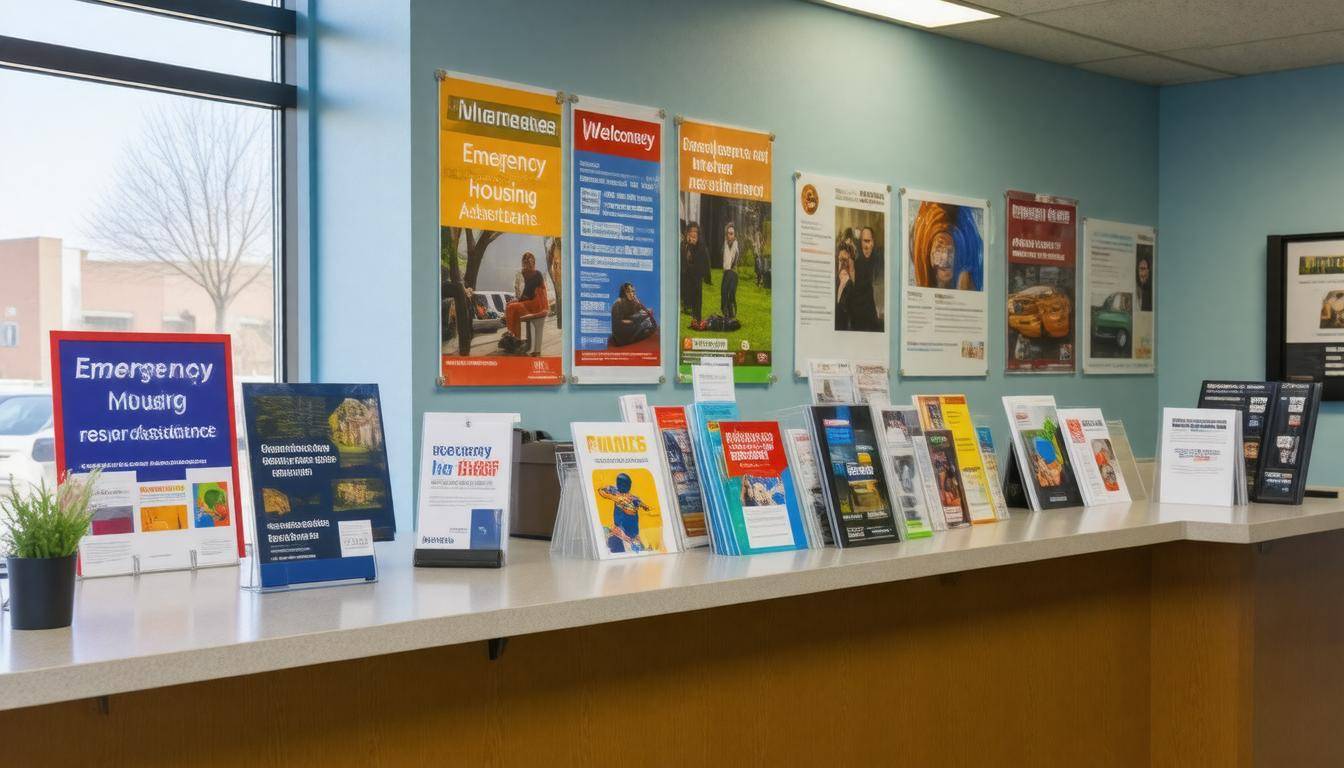
During turbulent times, knowing how to navigate a housing crisis effectively can be overwhelming, but having a clear plan helps. The first crucial step is to contact local services. This means reaching out to shelters, hotlines, and organizations specializing in emergency assistance. They often have resources designed specifically for individuals and families facing urgent housing needs. Don’t hesitate; the sooner you get in touch with these services, the quicker you’ll access essential support.
Once you’ve connected with these resources, the next step involves gathering key documentation. Being organized will pay off here. You’ll likely need to collect identification, eviction notices, and proof of income. These documents demonstrate your situation clearly to service providers and expedite your application process. Each piece of paper represents an important part of your story and can significantly impact the assistance you receive.
Having your documents ready leads naturally into the next phase: applying for assistance programs.
After assembling your paperwork, it’s time to submit applications for various rent assistance programs and emergency housing resources. There are numerous options available depending on your circumstances, such as Emergency Housing Vouchers (EHVs) or the Emergency Family Shelter program for families with children. These programs aim to secure both temporary shelter and long-term housing solutions. When filling out these applications, provide detailed information about your current situation; this context can bolster your chances of receiving aid.
Remember that persistence pays off. If an application is denied or delayed, don’t lose heart—reaching out for help multiple times might be necessary, as funding and availability fluctuate frequently due to demand.
As you work through applications, keep in mind that temporary housing solutions can act as a bridge while you seek more stable arrangements.
Utilizing temporary housing options is not just about having a roof over your head; it’s about creating a space where you can regroup and plan for the future. These solutions include short-term shelters, transitional housing programs, or even staying with friends or family if possible. Temporary accommodations offer relief while providing a platform to prioritize longer-term strategies like securing permanent housing. Availability varies by region, so understanding your options can give you peace of mind during this stressful period.
Taking proactive steps at each stage—from contacting services to applying for assistance—will empower you as you work toward stability amidst uncertainty.
With this knowledge in hand, it’s time to explore how to effectively reach out for immediate shelter solutions.
Accessing Temporary Housing
Temporary housing serves as a lifeline, providing crucial support when individuals and families face immediate challenges such as homelessness or displacement. While it can’t replace a permanent home, it offers a much-needed stopgap while you search for longer-term solutions. Seeking out these resources can feel overwhelming, but knowing the available options makes the process smoother and more manageable.
Options Available
When it comes to securing temporary housing, several options cater to different needs and circumstances.
First up is Transitional Housing. These programs offer not only a roof over your head but also valuable support services that help you regain stability. Many transitional housing programs can accommodate residents for up to 24 months, allowing ample time to develop skills, find employment, or work through personal challenges. They often provide case management services to assist clients in setting goals and building a plan for achieving them.
Another popular option is Hotel Vouchers. Issued by organizations like FEMA or local charities, these vouchers allow families to stay in hotels temporarily while they sort out other arrangements. It’s an invaluable resource during emergencies, offering immediate relief. For instance, during natural disasters, groups like the American Red Cross step in to distribute hotel vouchers quickly, helping displaced families secure a safe place to stay without the burdens of immediate payments.
However, accessing these resources often requires knowing whom to contact and where to apply.
That’s where having key contacts plays a critical role in expediting access to emergency housing services. The San Francisco Homeless Outreach Team (SFHOT) is a prime example where individuals can call for assistance and get directed toward potential shelters readily available in their area. Just dialing (628) 652-8000 can open doors that may otherwise seem closed.
In addition, self-referrals through walk-up admissions provide flexibility for those who may not be able to wait for appointments or specific hours of operation. This accessibility is important because it allows individuals facing urgent crises to seek help when they need it most.
Navigating these processes might come with its own complexities, but taking one step at a time makes them manageable. You don’t have to feel lost; there’s support designed specifically to assist you during challenging times. Understanding and utilizing these temporary housing options effectively will significantly aid you on your journey toward stability.
By familiarizing yourself with contacts that can guide you further along this path, you’ll be better equipped to access essential services that can truly make a difference.
Contacts and Helpful Links

Quick access to the right contacts can be your lifeline when navigating emergency housing assistance. It’s crucial to have a well-organized list of numbers and websites ready at your fingertips, especially in times of need. Each organization plays a unique role in providing support, guidance, and access to important services.
Essential Contacts
| Organization | Contact Information |
|---|---|
| HUD (U.S. Department of Housing and Urban Development) | www.hud.gov |
| National Domestic Violence Hotline | 1-800-799-SAFE (7233) |
| Continuum of Care | www.hudexchange.info/programs/coc/ |
These organizations are vital players in your quest for help. The U.S. Department of Housing and Urban Development (HUD) manages federal housing initiatives and provides information about local programs. If you need immediate safety from domestic violence, call the National Domestic Violence Hotline—this resource connects individuals with shelters and support networks.
In addition to these direct contacts, having access to online resources can streamline the process of finding assistance.
Helpful Links
Explore additional links that can provide invaluable support during difficult times. Websites are often equipped with tools to direct you toward services based on your specific situation:
- 211.org: This comprehensive directory connects users with local services including housing assistance, food banks, healthcare, and more. Enter your zip code to find tailored resources near you.
- Legal Aid: Seek legal guidance if you’re facing eviction or uncertain about tenant rights. Legal Aid offers knowledge and may assist at no cost.
With these contacts in hand, you empower yourself and significantly improve your chances of receiving timely assistance. Preparation goes a long way in securing help and easing the stress of challenging situations.
By utilizing these essential resources, you’ll be better equipped to navigate the complexities of emergency housing assistance and find the support you deserve during tough times.
What documentation do I need to apply for emergency housing assistance?
To apply for emergency housing assistance, you typically need to provide documentation such as proof of income (like pay stubs or tax returns), identification (such as a driver’s license or social security card), and details about your current housing situation (lease agreements, eviction notices). According to recent statistics, around 50% of applicants face delays due to incomplete documentation, highlighting the importance of having your paperwork in order to expedite the process.
How can I find local organizations or agencies that provide emergency housing support in my area?
To find local organizations or agencies that provide emergency housing support in your area, start by visiting websites like the National Alliance to End Homelessness or HUD’s Resource Locator, which can help you connect with community resources based on your zip code. Additionally, reach out to local nonprofits, churches, or government social services that often have listings of available assistance programs. According to recent studies, nearly 30% of individuals facing housing instability found crucial support through these local channels, making them valuable first stops in your search for help.
Are there any time limits for how long I can receive assistance from these programs?
Yes, there are often time limits on how long you can receive assistance from emergency housing programs, which can vary by state or program. Many programs provide aid for a fixed duration, such as 3 to 12 months, depending on funding and specific eligibility criteria. For instance, the Emergency Solutions Grants (ESG) program typically limits rental assistance to 24 months over any three-year period. It’s essential to check your local program guidelines for exact timelines and conditions, as they can greatly affect your access to resources during a housing crisis.
What eligibility criteria must I meet to qualify for emergency housing assistance programs?
To qualify for emergency housing assistance programs, applicants typically must demonstrate a sudden financial crisis, such as job loss or medical emergencies, and meet specific income thresholds usually set at or below 30-50% of the area median income (AMI). Additional criteria may include residency status, homelessness risk, and household composition. For instance, in many programs across the U.S., about 80% of households served fall below the poverty line, highlighting the critical support these initiatives provide to those most in need.
What types of financial aid are typically offered through emergency housing assistance programs?
Emergency housing assistance programs typically offer a variety of financial aid options, including rental assistance, utility payments, and short-term housing subsidies. These programs aim to prevent homelessness and stabilize families in crisis, with many states reporting that financial assistance has helped over 80% of recipients maintain their housing for at least six months. Moreover, programs like the Emergency Rental Assistance Program (ERAP) have distributed billions nationwide, showcasing the critical role of financial aid in addressing urgent housing needs.