
In the fast-paced world of emergency medicine, every second counts, and accurate documentation can be a lifesaver—literally. Imagine a paramedic rushing to a scene where every detail about a patient’s condition needs to be recorded, not just for immediate treatment but also for future care and legal reasons. Without proper forms, vital information could slip through the cracks, putting patients at risk. This is where emergency medical documentation comes into play. It’s not just paperwork; it’s an essential part of delivering safe and effective healthcare. In this article, we’ll explore each key form that healthcare professionals rely on to ensure comprehensive and accurate patient care during emergencies.
Essential forms in Emergency Medical Documentation typically include the Patient Care Report (PCR), Consent to Treatment forms, and the Incident Report. These documents are vital for ensuring accurate patient information, compliance with regulations, and proper reimbursement for services rendered.
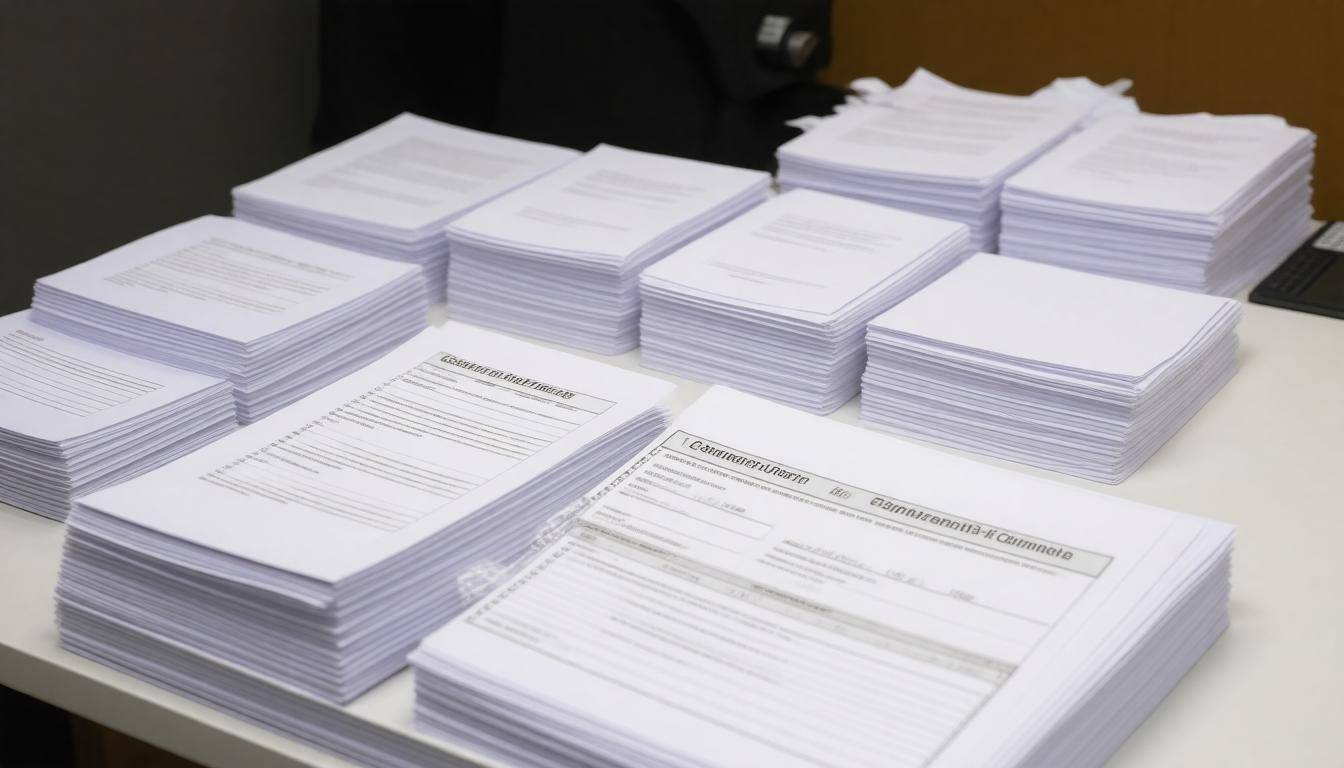
Essential Forms for Emergency Medical Documentation
1. Patient Care Report (PCR)
The Patient Care Report (PCR) is not just a form; it’s the backbone of emergency medical documentation. This document meticulously captures everything from vital signs and medical history to the treatment administered and patient outcomes. For instance, imagine a frantic scene where a paramedic arrives and finds a patient with elevated heart rates and significant distress. The PCR allows the medic to jot down critical stats, like a blood pressure of 140/90 or noting any allergies the patient may have. This detailed account serves two primary purposes: it provides immediate context for ongoing patient care and functions as a legal record of the treatment provided in case questions arise later.
However, a complete picture of patient care goes beyond the PCR.
2. Consent Forms
Another vital component is Consent Forms, which ensure transparency and respect for patient autonomy before any treatment is initiated. These forms document that patients or their guardians have been fully informed about the procedures being performed. The language used must be clear to avoid confusion. In some scenarios, such as when a patient is unconscious or unable to give explicit consent, healthcare providers operate under implied consent, assuming that an informed person would want life-saving measures taken. Capturing consent accurately safeguards both ethical practice and legal protection for healthcare professionals.
Just as important as obtaining consent is ensuring continuity of care through proper documentation.
3. Transfer of Care Forms
When patients move between healthcare facilities, Transfer of Care Forms come into play. These documents act as a bridge in the continuum of care, providing essential data about the patient’s condition, prior treatments, and ongoing medical needs to the receiving facility. For example, if an ambulance transports a heart attack victim from one hospital to another specialized cardiac unit, this form ensures that critical information like medication details and recent test results travels with them. Without such documentation, miscommunication could lead to inadequate care or delays in treatment, potentially jeopardizing patient health.
Moreover, there are other forms that complement these foundational documents to further enhance effective emergency medical management.
4. Incident Reports
An often overlooked but crucial document is the Incident Report. This form serves to record unusual occurrences or adverse events that arise during patient care—think complications or equipment failures. It’s essential for compliance and quality improvement initiatives within healthcare settings. By documenting these incidents accurately and promptly, healthcare organizations can identify patterns that lead to systemic improvements while also creating an accountability framework.
With comprehensive forms in place such as PCRs, Consent Forms, Transfer of Care Forms, and Incident Reports, practitioners can maintain high standards of care while fulfilling legal obligations efficiently. Each plays a unique role in painting an accurate picture of patient interactions within emergency medical services, ensuring safety, continuity, and accountability in all actions taken by healthcare professionals.
Building upon these essential documents leads us to explore critical elements every healthcare professional should include in their records.
Key Information to Include
One of the most important aspects of emergency medical documentation is capturing vital signs accurately and promptly. Vital signs offer a window into a patient’s current health status and can drastically change your approach during treatment. Because of their significance, it’s crucial to document initial and subsequent vital signs such as heart rate, blood pressure, respiratory rate, and oxygen saturation levels. This data is not just numbers—it’s a narrative about the patient’s condition that can inform healthcare decisions. In fact, studies indicate that incorrect or missed vital sign entries account for 15% of documentation errors, which can lead to detrimental consequences if not addressed diligently.
Additionally, keeping track of changes in vital signs over time can help healthcare professionals gauge a patient’s response to interventions, guiding future actions. The importance of these records cannot be overstated; they are the bedrock upon which effective emergency care is built.
Moving from vital signs, we turn our attention to patient history, another significant component of effective emergency medical documentation.
Recording a patient’s comprehensive medical history is fundamental in offering personalized treatment. This includes documenting key elements such as past medical conditions, allergies, and current medications. Having this information allows practitioners to tailor their treatment plans accordingly. For instance, consider an asthmatic patient who may require immediate intervention with bronchodilators; knowing their condition ahead of time will influence the choice of medication and dosage used in the field. Furthermore, understanding existing allergies helps avoid potential adverse reactions during treatment.
Your goal should always be to ensure that every piece of relevant information is collected and documented accurately—as these details can profoundly impact outcomes.
After establishing a solid background with vital signs and patient history, it’s now necessary to focus on the methods used during treatment.
Next comes the critical task of documenting the treatment provided, including all medications administered, dosages given, and techniques employed. This meticulous record-keeping plays a pivotal role in continuity of care—particularly during patient transfers between facilities or healthcare providers. Not only does it serve as a valuable resource for those who take over the patient’s care, but it also protects healthcare professionals legally should any questions arise regarding treatment decisions made during an emergency.
To enhance clarity, ensure that every entry is precise and unambiguous. For example, instead of writing “administered medication,” specify “administered 5mg of Albuterol via nebulizer.” It’s the difference between a vague guideline and an actionable directive.
With these elements outlined, we can move toward understanding how to meet regulatory requirements effectively.
Ensuring Regulatory Compliance
Complying with regulations is not only about adhering to laws and guidelines—it’s about building a healthcare environment where patient rights are respected and the integrity of information is upheld. This means making sure that all forms used in emergency medical documentation strictly follow established protocols. The Health Insurance Portability and Accountability Act (HIPAA) is one of the cornerstones of this compliance, ensuring that patient confidentiality is maintained at every level of documentation.
Just imagine being a patient who is uncertain about how your medical records are being handled. When healthcare professionals uphold HIPAA guidelines, they reassure patients that their private information is respected and secure.
Understanding the various layers of regulatory frameworks—including local, state, and federal requirements—is crucial for every healthcare professional. Certain states may have specific documentation norms that must be adhered to, reflecting the unique healthcare landscape in those regions. It’s essential to remain updated with these varying requirements as they frequently change based on local legislation or public health needs.
Key Documentation Norms
-
State-Specific Documentation Norms: Always familiarize yourself with the specific guidelines for the state you practice in; doing so may protect you from legal repercussions.
-
Centers for Medicare & Medicaid Services (CMS) Guidelines: Whether you’re treating a Medicare or Medicaid patient, knowing what paperwork is needed for reimbursement can streamline your processes.
-
Joint Commission Standards: Adhering to these standards for quality and safety can significantly improve not only compliance but also patient outcomes.
Each of these requirements serves a purpose beyond mere adherence—it emphasizes quality care and accountability. By following CMS guidelines, for example, you can ensure that you’re providing care that meets national standards while also facilitating efficient reimbursements for services rendered. Similarly, aligning with Joint Commission standards tends to elevate the overall quality of healthcare service delivery—something that benefits everyone involved.
Ultimately, causing disruption in regulatory compliance doesn’t just affect paperwork; it can lead to tangible risks such as decreased quality of care or even legal issues down the line. Having a structure in place for regular audits and training can mitigate these risks significantly.
Transitioning from understanding compliance, it’s vital to explore available tools and resources that can assist healthcare professionals in maintaining accurate documentation practices.
Available Templates and Resources
Utilizing pre-designed templates is an effective way to simplify the documentation process while ensuring consistency across various cases. For healthcare professionals navigating the complex world of medical leave protocols, these templates not only save time but also help prevent potential oversights in capturing essential information.
One invaluable resource available is the National Emergency Medical Services Information System (NEMSIS), which offers standardized templates specifically designed for emergency medical services reporting. Such templates promote uniformity and accuracy, allowing for seamless communication between healthcare providers.
Another great tool at your disposal is EMS1, an online platform offering a variety of free templates tailored to different emergency situations. Whether you’re documenting an incident report or detailing patient care, these templates provide a solid framework that you can easily customize to fit specific needs. Just imagine how much smoother it would be to fill out a pre-formatted document during those high-stress moments—every second matters in emergencies!
| Resource | Description | Link |
|---|---|---|
| NEMSIS | Standardized reporting for EMS data | www.nemsis.org |
| EMS1 | Free templates and guides for various EMS situations | www.ems1.com |
| JotForm | Customizable medical form templates | www.jotform.com |
Additionally, platforms like JotForm allow healthcare professionals to create customizable medical form templates that suit their unique requirements. Imagine having the ability to modify fields based on specific criteria or add new sections as protocols shift; this flexibility ensures you always have a relevant document ready for use.
With these innovative resources at hand, it’s clear that the right tools can streamline your documentation processes and enhance care delivery. Now let’s shift our focus to vital educational programs that can further empower healthcare professionals in their roles.
Training and Education Programs
Proper training is essential for healthcare professionals, particularly those in emergency medical services (EMS). It ensures that staff are adept at accurate documentation while maintaining high standards of care. Most importantly, training empowers responders to provide timely and effective interventions during critical moments.
As our emergency situations evolve, so too do the challenges faced by EMS personnel; this necessitates ongoing education that blends skills with knowledge.
Fortunately, there are numerous educational avenues available to meet these needs. Many institutions offer Continuing Medical Education (CME) courses specifically tailored to emergency medical documentation. For instance, organizations like the American College of Emergency Physicians (ACEP) provide comprehensive training modules on effective record-keeping. These courses cover topics ranging from legal requirements of documentation to ensuring clarity and concision under stress.
However, obtaining certification or completing a course isn’t just about checking a box; it’s about staying informed and adaptable.
Regular training sessions, workshops, and webinars play a vital role in keeping staff updated on best practices and new regulations that impact their work. By engaging in interactive training environments, professionals can learn from real-life case studies and share experiences with colleagues. This collaborative approach enhances understanding and fosters a culture of continuous improvement within teams.
One paramedic noted how attending an annual documentation workshop not only honed their skills but also greatly improved their efficiency. They observed a remarkable reduction in report errors—by 20%, to be exact—after implementing techniques learned during the session. This real-world impact exemplifies the effectiveness of well-structured training programs.
Above all, quality education transcends the classroom setting; it remains an ongoing journey. As laws and guidelines shift—like the recent updates effective January 10, 2025—individuals in the field must adapt accordingly to ensure compliance and uphold high standards of patient care.
Prioritizing ongoing education alongside technological advancements equips healthcare professionals to refine their responses and optimize outcomes for patients. What follows next examines important legal considerations that influence documentation practices crucial for providing quality care.
Legal Aspects in Documentation
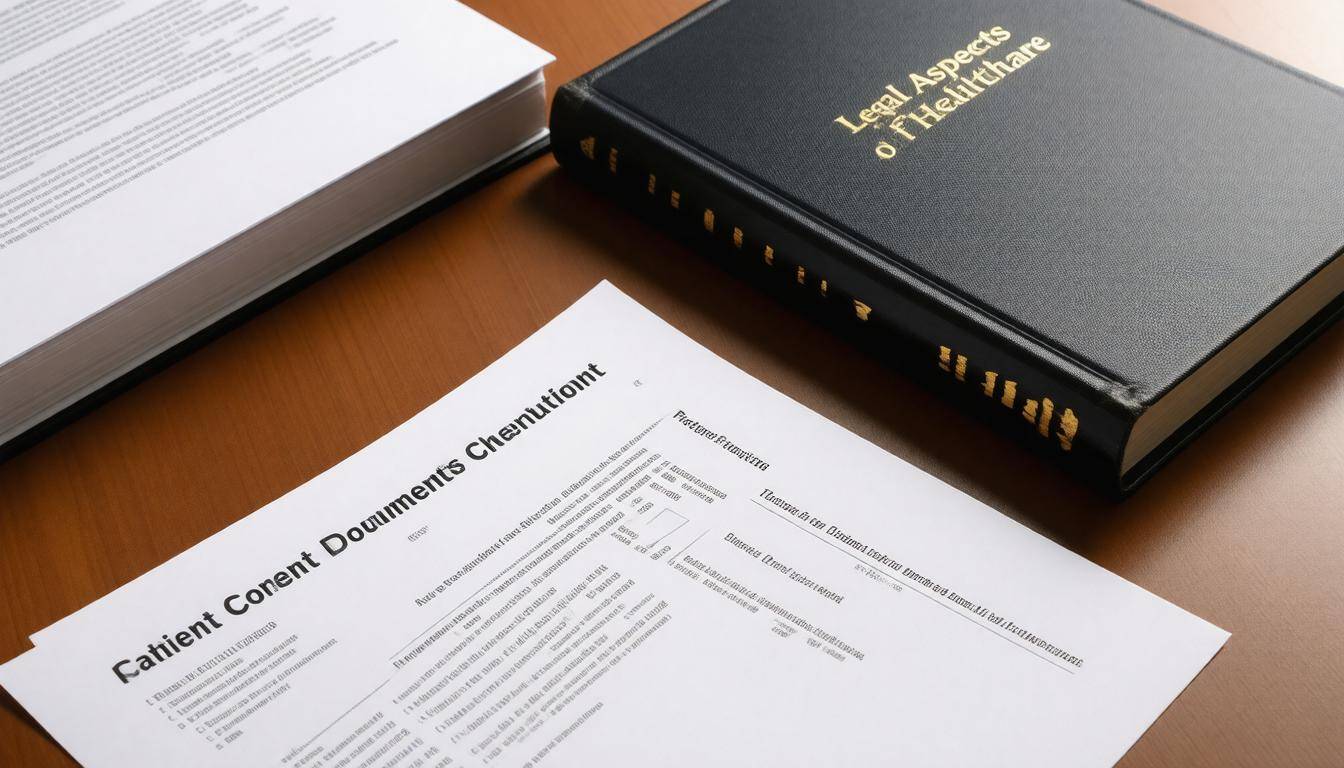
Understanding the legal implications of medical documentation is not just a good practice; it’s essential for safeguarding both healthcare providers and patients. Accurate and comprehensive records serve as a crucial line of defense in potential litigation or compliance issues. Precise documentation is about accountability and clarity in the care provided.
To ensure yourself against possible repercussions, maintain accurate and complete records. Consider the details included in patient charts—such as medications administered, treatments rendered, and observed symptoms. These entries help provide better care and serve as vital evidence in legal disputes. Clear documentation can often make or break a case, especially in malpractice claims where the burden of proof lies heavily on demonstrating that appropriate care was delivered.
It’s worth noting that detailed records enhance communication among healthcare professionals during emergencies. When everyone has access to consistent information, it minimizes the risk of errors in critical situations.
On the flip side, it’s necessary to be aware of the risks associated with inaccurate or incomplete documentation. Negligence can lead to severe legal consequences, including penalties from regulatory bodies or even loss of licensure. Imagine being called into court to defend your actions, only to find that your records do not accurately reflect the patient’s condition or treatment provided. The liability could be daunting.
In particular, cases where documentation fails to meet standards can result in legal action against practitioners and affect the overall reputation of their medical facility. Maintaining high standards for documentation becomes not just a personal responsibility but an organizational mandate.
- Essential Elements: When documenting patient care, certain crucial information must be captured:
- Patient identification information (e.g., name, date of birth)
- Reason for visit or complaint
- Detailed treatment history
- Any medications prescribed
- Follow-up instructions given
By ensuring these elements are consistently included in every record, medical professionals create a solid foundation for legal protection while improving patient care.
Recognizing and prioritizing the legal aspects of medical documentation fosters a culture where excellent patient care is coupled with professional accountability. This culture promotes better health outcomes while strengthening the integrity of emergency medical services.
By committing to diligent documentation practices, healthcare professionals can confidently navigate the complexities of legal requirements while focusing on what truly matters—the health and well-being of their patients.
Best Practices for Consistent Standards
Consistency in documentation is vital in emergency medicine because it aids in maintaining data reliability and profoundly impacts patient outcomes. When a team adheres to standardized practices, they create a well-oiled machine; everyone knows their role, and no piece of crucial information gets lost in translation.
Using uniform forms isn’t just helpful; it’s essential. A recent study found that employing standardized formats can reduce error rates by an astonishing 30%. That’s significant when lives literally hang in the balance.
Standardized Formats
By adopting standardized forms across your team, you can ensure that data entry remains uniform. This uniformity eliminates confusion among team members and fosters clear communication—key components in high-stress situations like emergency care. Imagine each member bringing their own style of reporting; it could lead to misinterpretations or important details slipping through the cracks.
Standardization not only streamlines the process but ensures everyone is on the same page.
Think about it: in an emergency, patients need clarity and precision. When every healthcare professional uses the same documentation system, it minimizes discrepancies and allows for better-informed decision-making.
While standardization forms the backbone of reliable documentation, regular audits serve as its necessary companion—helping refine processes and identify weaknesses.
Regular Audits
Conducting regular audits of Emergency Medical Services (EMS) reports is another cornerstone practice for enhancing documentation standards. These audits play a crucial role in exposing areas ripe for improvement and revealing any training needs among staff members. The process acts like a health check-up for your procedures: checking their effectiveness, pinpointing inefficiencies, and ensuring all personnel are adhering to established protocols.
Several intriguing benefits arise from this practice; audits can help provide insights into patterns or common errors that might arise during documentation. For example, if there’s a trend of incomplete patient histories being submitted, targeted training or additional resources can be provided to address that gap directly.
Involving your entire team in the audit process not only builds a sense of shared responsibility but also promotes collaboration towards achieving consistent standards.
Embracing both standardized formats and routine audits cultivates an environment where quality documentation flourishes—therefore enhancing safety, reliability, and exceptional patient care prepares the ground for further improvements in documentation processes.
Enhancing Documentation Quality
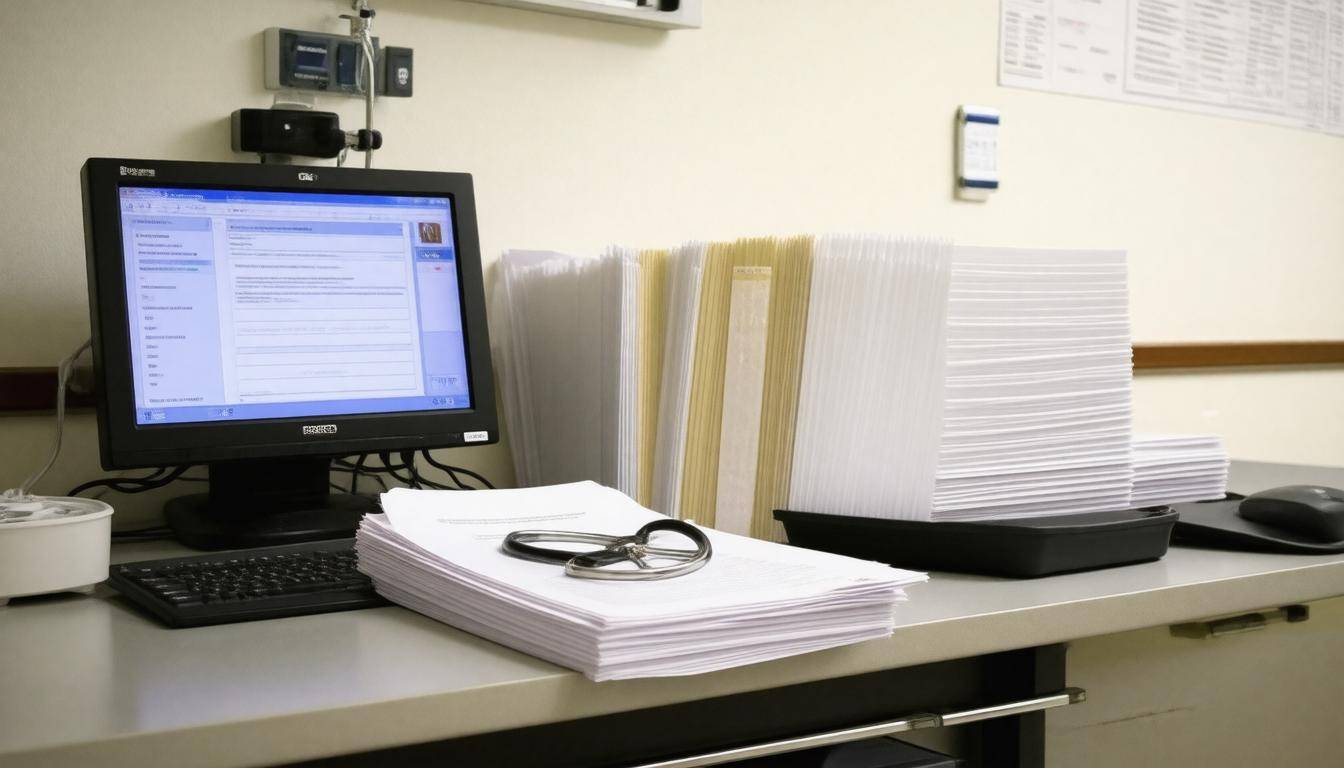
The foundation of effective emergency medical documentation lies in a systematic approach to recording patient information, treatment decisions, and clinical outcomes. High-quality documentation not only improves patient care but also streamlines operational efficiency in high-pressure environments. This is especially critical in emergency settings where timely and accurate information can make the difference between life and death.
One of the most powerful tools in improving documentation quality today is the adoption of digital solutions. Electronic documentation systems have transformed how healthcare professionals manage patient data. Many organizations recognize that implementing an Electronic Medical Record (EMR) system can enhance efficiency and reduce errors.
Adopting EMR systems facilitates streamlined data collection, minimizes manual errors, and ensures quicker access to essential patient history, enabling critical decision-making.
Popular software choices like EPIC and MEDITECH include specialized modules designed specifically for EMS documentation. These platforms empower healthcare providers by allowing them to capture comprehensive records seamlessly. By integrating features such as automated prompts and standardized templates, these systems help maintain consistency while documenting vital information.
Beyond digital tools, creating a culture of continuous improvement through feedback plays an equally crucial role in enhancing documentation quality.
Actively soliciting feedback from staff can open pathways for refining documentation processes. When healthcare workers feel encouraged to voice their experiences and suggest improvements, it creates a collaborative environment focused on better healthcare outcomes. For instance, a hospital that implemented a structured feedback loop for its EMS documentation noted impressive results—a 25% increase in report accuracy within six months.
It’s essential to establish regular channels for this feedback—whether through surveys, focus groups, or one-on-one interviews—with staff who contribute to the documentation process. This helps identify areas needing adjustment and empowers clinicians by involving them in the enhancement of their workflows.
Incorporating these strategies into your emergency medical documentation practices can significantly elevate the quality of care delivered while ensuring operational efficiency. By embracing digital solutions alongside an active feedback culture, healthcare organizations can aspire to create a framework that consistently champions improvement and excellence in patient care.
As a result, investing in both technology and collaboration will ultimately lead to better patient outcomes and a more efficient healthcare system.