
In an emergency, every second counts. Imagine a loved one suddenly needing help, but their critical medical information is locked away in their mind or hidden in paperwork—time lost could mean a difference in lifesaving treatment. That’s where Emergency Medical ID Systems come in. These tools provide quick access to crucial health details like allergies, chronic conditions, and emergency contacts. Whether through wearable devices or mobile apps, these systems can change lives by ensuring that first responders have the right information at the right time. In this guide, we will explore how these systems work, their key features, and the best options available to keep you and your loved ones safe when it matters most.
The complete guide on Emergency Medical ID Systems offers an extensive overview of how these systems work, including their key features such as immediate access to medical history, allergies, and emergency contacts. Additionally, it discusses the various implementation methods like wearable devices and mobile apps, along with the benefits they provide in critical situations to improve health outcomes and enhance safety.
Top Emergency Medical ID Devices
When it comes to ensuring safety, several devices stand out due to their advanced features and user-friendly designs. One of the top-rated options is Medical Guardian, which not only offers an alert system but also includes advanced fall detection, GPS tracking, and 24/7 monitoring services. This comprehensive approach means that assistance is always just a button press away, making it ideal for seniors or anyone at risk of falls. Users appreciate the peace of mind knowing there’s immediate access to help if they need it.
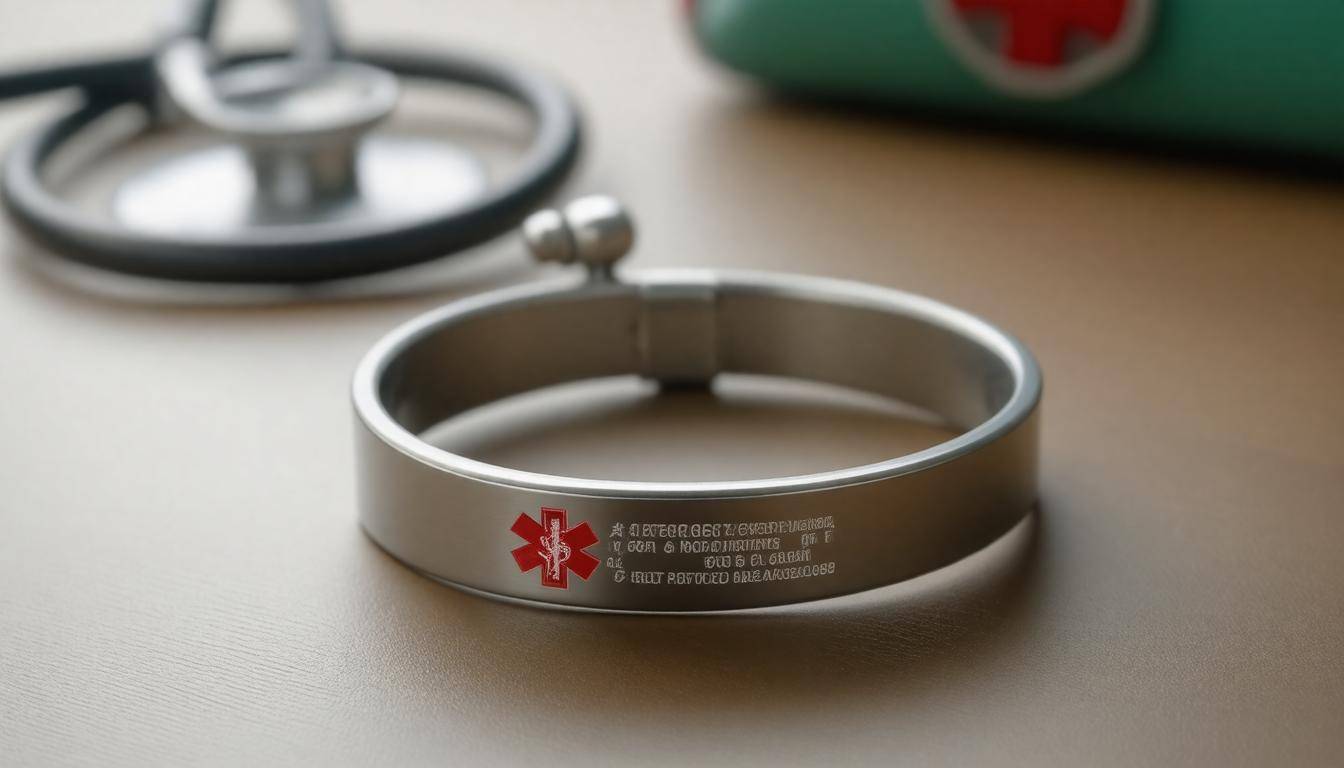
Another noteworthy device is the Road iD bracelet. Unlike traditional alert systems, this simple yet effective tool allows users to engrave customizable medical information directly onto the band. The waterproof design ensures durability, making it suitable for active individuals. This can be invaluable during physical activities such as hiking or cycling. Many have shared that having their medical details readily available on their wrist has made them feel considerably safer while engaging in adventurous pursuits.
Then there’s the Apple Watch, which has earned its place as a reliable emergency alert device through its integrated Emergency SOS capabilities. With heart monitoring features and GPS functionality, the Apple Watch is not just a smartwatch but a potentially life-saving gadget. Early reports from users highlight that initiating an emergency call can be done with a simple button press and holding, providing rapid access to help in high-pressure situations.
Comparison
| Device | Key Features | Price Range |
|---|---|---|
| Medical Guardian | Fall detection, GPS, 24/7 monitoring | $29.99/month |
| Road iD | Customizable engraving, waterproof | $29.99 – $49.99 |
| Apple Watch | Emergency SOS, heart monitoring, GPS | $399 – $799 |
Each of these devices brings unique benefits and serves different needs based on lifestyle and personal preference. By weighing features like fall detection against costs and the types of activities you commonly engage in, you can determine how best to combine technology with health management for yourself or your loved ones. The next evolution in health tech offers exciting advancements worth exploring further.
Wearables and Smart Accessories
Wearable technology has dramatically transformed the way we think about personal health and safety. Gone are the days when a simple metal bracelet or necklace was the only form of identification. Now, wearables such as smartwatches have turbocharged traditional medical IDs, providing features that can save lives by ensuring critical health information is always at hand.
Types of Wearables
Some of the most popular wearables on the market today include smartwatches like the Apple Watch and Fitbit Sense. These devices not only function as stylish timepieces but also offer integrated emergency alerts and health monitoring features that can notify first responders or emergency contacts in case you need assistance. Knowing that your smartwatch can recognize irregular heart rates, for instance, and immediately alert someone provides peace of mind—a crucial factor for those with chronic conditions or serious allergies.
This leads us to think more critically about how everyday devices double as life-saving tools.
Wearable Discussion
Devices like the Garmin Vivosmart take this a step further with features such as incident detection. If you’re out for a run or even just moving about your day-to-day life and you fall, this device can automatically send alerts to designated emergency contacts. This is particularly useful because it removes any delay in seeking help—one second can make all the difference during an emergency.
Thus, these wearables serve two critical roles: they actively monitor ongoing health metrics like heart rate and activity levels while being prepared to send immediate alerts during emergencies.
The synergy between health tracking and emergency notification systems makes wearables indispensable for users managing chronic conditions. Imagine a diabetic who wears a smartwatch that monitors blood glucose levels throughout the day. If their levels become dangerously low, not only can they receive an alert to act quickly, but their device could also notify a family member to check in on them. This proactive approach helps mitigate risks and potentially averts dangerous situations.
As we’ve seen, integrating wearable technology into emergency medical ID systems expands their functionality well beyond mere identification. This sets the stage for exploring key attributes that define effective medical identification tools.
Essential Features of Medical IDs
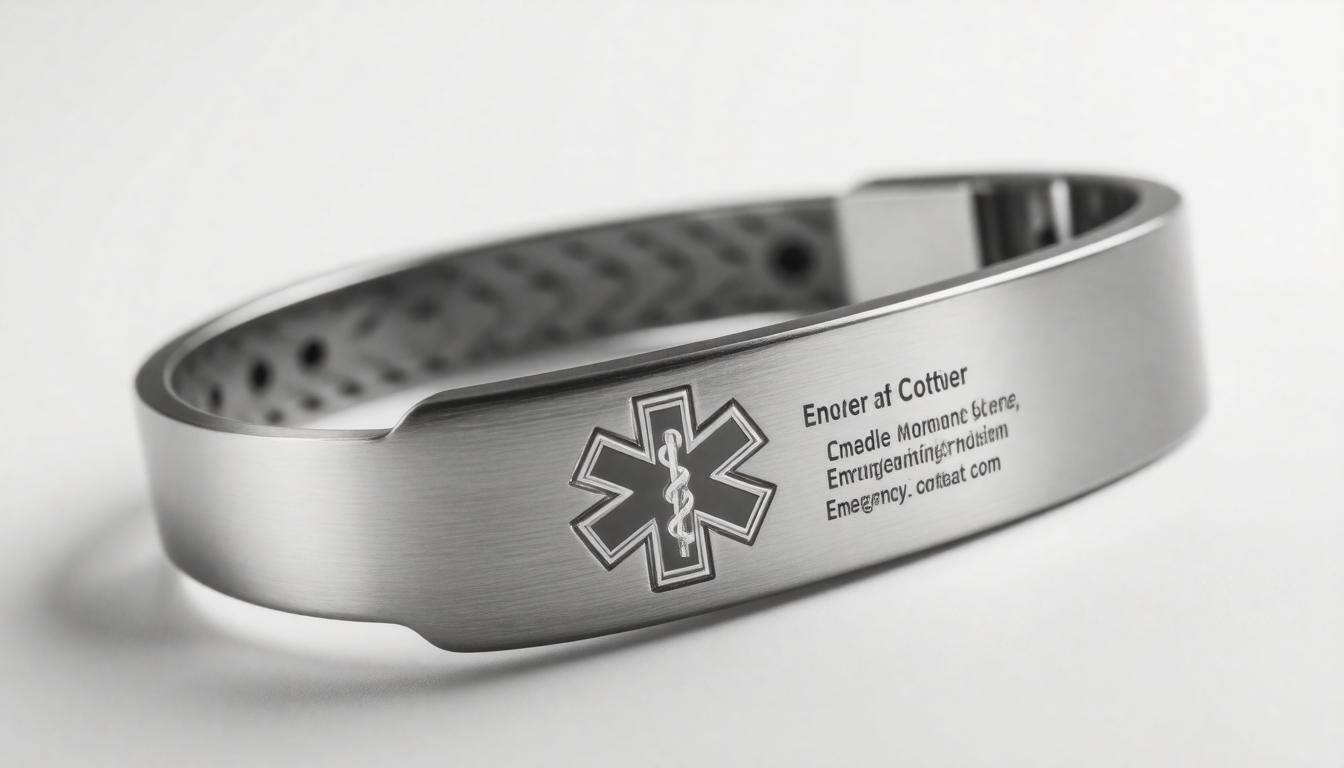
When evaluating emergency medical ID systems, several features should take priority to ensure that they serve their intended purpose effectively. A key aspect is ensuring that the personalized medical information engraved or stored on the device embodies all critical details, like allergies, chronic medical conditions, and emergency contact numbers. This personalized touch makes it easy for first responders to understand what actions to take immediately, eliminating guesswork during a crisis. Imagine being in an emergency; having precise information shared quickly can mean the difference between effective treatment and a delay that could complicate health outcomes.
Another essential feature is water resistance. In the world we live in today, where weather can turn unexpectedly, and situations can arise outside of our control, it’s crucial that your medical ID remains functional under all conditions, whether you’re enjoying a rainy day outdoors or engaging in water sports. A durable material helps ensure that the ID won’t malfunction or degrade over time due to exposure to moisture. Not using water-resistant materials could lead to malfunctioning devices when they are most needed – which might not be a risk many people consider until it’s too late.
Alongside water resistance, consider the ease of access inherent in your medical ID system. First responders need to retrieve vital information quickly; therefore, designs that allow for fast access are paramount. This means choosing IDs with clearly visible symbols—such as the recognized caduceus—or options with modern technology like QR codes or NFC functionality. Both allow responders to scan and retrieve detailed information without delay.
In a recent analysis, it was found that rapid access to accurate medical data can substantially decrease response times and improve patient outcomes in emergencies.
Furthermore, comfort shouldn’t be overlooked when selecting a medical ID. Wearable technology must cater to users’ needs without sacrificing style or ease of wear. IDs designed from stainless steel or comfortable silicone can lend themselves easily to daily wear, making it more likely for individuals to remember their medical ID when an emergency strikes.
Finally, organizations often encourage customizability in their medical IDs. Users want the ability to personalize their information and present it in a way that’s meaningful for them—for instance, engraving specific medications they may need while also including any life-threatening allergies. This ensures that everyone involved has the best possible context for care and attention during emergencies.
Focusing on these essential features when selecting your emergency medical ID will help build a robust safeguard for you and your loved ones as you take steps toward ensuring safety and preparedness.
Setting Up and Configuring Your ID
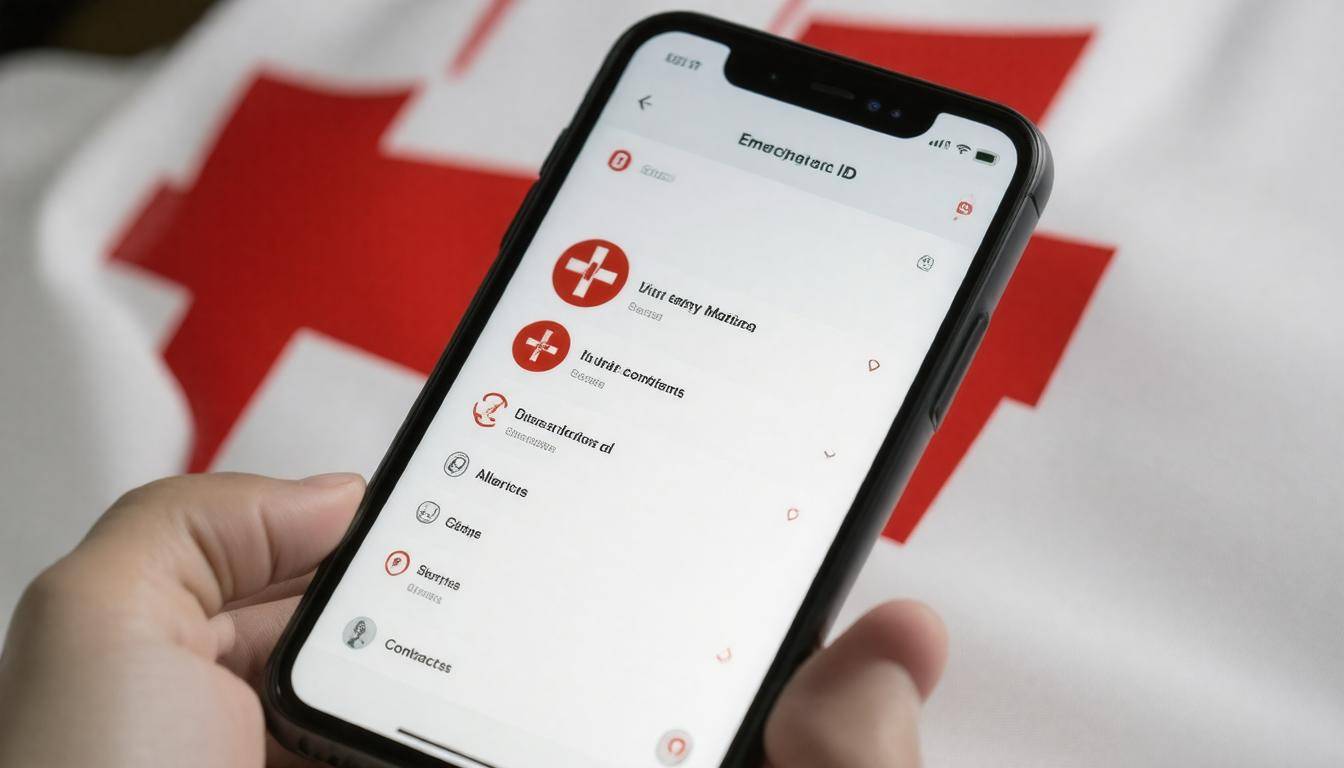
Proper setup and configuration are vital for the effective use of an emergency medical ID device. It’s not just about having a flashy gadget or app; it’s about ensuring that lifesaving information is accessible when it matters most. Think of it as preparing for the unexpected—making sure that first responders have everything they need to assist you or your loved ones, right at their fingertips.
Step-by-Step Guide
The first step in this process begins with initial setup. As simple as it may sound, reading the user manual thoroughly is essential, especially if you’re using multiple devices or apps. These guides typically provide specific instructions tailored to each system’s features and integrations. For example, if your medical ID integrates with a smartphone app, understanding how to connect the two can set you on the right path. You might find compatibility options or even tips for troubleshooting connections, which can save time when urgency strikes.
Once you’ve familiarized yourself with your device, the next step unfolds naturally: inputting personal information.
Inputting accurate medical information into your system cannot be overstated. This act goes beyond simply filling in forms; it involves curating essential data that could save your life or someone else’s. Common elements to include are blood type, allergies, medications currently taken, and chronic conditions like diabetes or asthma. These details must be regularly updated—if there’s a change in medication or health status, ensure that this information reflects accurately. A common pitfall many face is neglecting to update this crucial data, which can turn a helpful tool into a potential problem during emergencies.
With your health information securely entered, it’s now time to focus on who will be contacted in case of any emergency situations.
Programming emergency contacts into your device adds another layer of safety. This isn’t just about listing names and numbers; it’s about choosing reliable individuals who understand their role during crises. Begin by selecting family members or close friends who are likely to be available when help is needed. Take the extra moment to double-check each entry for correctness since a single digit off can lead to delays when seconds count. Involving your contacts in this plan can also foster communication about their responsibilities should an emergency arise, ensuring they feel prepared and empowered.
Key Considerations
Beyond these steps, several key considerations will enhance overall effectiveness. Always test your system after configuration to ensure it functions properly—this could involve triggering alerts or sending test messages to your contacts. Providing your contacts with reminders to review their own profiles and ensure response protocols match their availability is also beneficial.
As we move forward, focusing on maintaining security within these systems becomes crucial.
Furthermore, consider privacy measures such as enabling data encryption and carefully managing sharing preferences with first responders. This helps protect sensitive information while ensuring it remains accessible during emergencies. The ultimate goal here is not just preparedness but also confidence that your medical ID system will work seamlessly when called upon.
By investing time now in creating and configuring these systems successfully, you pave the way for a safer future—one where health information can reach those who need it quickly and effectively.
Now that we have outlined the essential setup processes and considerations involved, let’s shift our attention towards exploring practical applications and tangible benefits that enhance these systems’ usefulness in everyday life.
Real-World Applications and Benefits
Emergency medical ID systems have shown remarkable effectiveness during critical situations, often providing vital information necessary for first responders to offer timely assistance. Imagine a scenario where someone collapses on the street. In moments of panic, their medical history and conditions might be inaccessible to others. This is where emergency medical IDs come into play, offering immediate access to crucial health information that could mean the difference between life and death.
Practical Use Cases
One particularly poignant example involves a diabetic patient suffering from severe hypoglycemia. As they collapsed, first responders were able to locate their emergency medical ID, which was a Road iD bracelet. Upon reviewing the information presented, they quickly garnered insights regarding the patient’s condition and medication requirements. This swift reaction allowed them to provide the appropriate treatment without delay.
The American Heart Association notes that medical IDs can reduce response time by up to 33% during emergencies. In fast-paced situations, every second counts, and quicker access to a patient’s medical background not only influences the time it takes to diagnose their situation but also enhances the accuracy of treatment provided. When first responders know what medications a patient is on or if they have allergies, they can make informed choices about the care they dispense.
Beyond individual tragedies, we also see a broader impact in communities embracing emergency medical ID systems. Legislators and state governments are championing these initiatives as part of their efforts to enhance public safety. By encouraging residents to adopt such technologies, cities can cultivate safer environments where emergency resources are used most effectively.
In homes with elderly individuals or those who live alone, having an emergency medical ID system becomes even more essential. The integration of wearable technology alongside traditional IDs provides an additional sense of security, especially for seniors at risk of falls. Features like automatic fall detection can trigger an emergency call with no input needed from the user—offering much-needed peace of mind for families.
Given that 70% of emergency responders believe access to a patient’s medical ID significantly improves treatment outcomes, it’s evident that these systems play a crucial role in maintaining health and safety in emergencies. However, as we consider the benefits, it’s equally essential to examine the considerations surrounding confidentiality and data integrity within these life-saving tools.
Privacy and Security Concerns
While these devices are designed to enhance safety, they also raise notable privacy and security issues. One major concern revolves around unauthorized access to personal data. With many emergency medical ID systems collecting sensitive health information, it becomes imperative that users understand the potential risks associated with them. After all, data breaches can have far-reaching consequences—not just for individuals but for healthcare systems as a whole.
Potential Risks
As technology continues to evolve, so do the methods employed by malicious actors seeking unauthorized access. For instance, hacking risks can expose personal data not only from the device itself but also from connected apps or cloud services. This is alarming because health data can reveal much more than a list of allergies; it can provide insights into a person’s entire medical history and daily habits. Therefore, ensuring that any device you choose incorporates robust security protocols should be your top priority.
Statistics indicate that 70% of consumers express concerns about the privacy of their health data when using emergency medical ID systems.
Furthermore, the risk of data misuse by third parties can lead to devastating consequences. Some applications may share user information with advertisers or even insurance companies without consent, which raises serious moral and ethical questions regarding user autonomy and control over personal health data. This is where understanding your rights as a consumer comes into play—having clear knowledge of how your information will be used can alleviate some anxiety surrounding its protection.
Lessons from Experience
A striking anecdote highlights these vulnerabilities. Recently, a user shared how their medical data retrieved from a smartwatch was accessed during a brief hack. This incident underscored why it’s essential for emergency medical ID systems to employ effective data encryption. Secure encryption shields sensitive information from prying eyes and provides peace of mind for users worried about potential breaches.
Thus, transparency around privacy policies is indispensable. With about 90% of users believing that emergency medical ID systems should offer clear information on data usage and sharing practices, companies need to prioritize effective communication with their clients.
As we navigate the complexities of these technologies, understanding how to choose the right system for individual needs becomes crucial in maximizing their benefits while ensuring safety and compliance.
How to Select the Best Medical ID for Your Needs
When embarking on the journey to find an effective medical ID system, it is essential first to evaluate your individual health conditions. Consider specifics of your situation—do you have allergies or chronic conditions that necessitate immediate notification for first responders? For example, if you experience severe allergic reactions, look for systems that not only display this information prominently but can also send alerts in a crisis. This straightforward feature could potentially save a life by ensuring that emergency personnel have quick access to critical medical data.
Once you’ve assessed your health needs, it’s time to move on to how these systems fit into your daily lifestyle.
The next factor revolves around lifestyle compatibility. If you lead an active life, perhaps enjoying outdoor activities or sports, seek out options that offer rugged designs or waterproof features. Devices designed for durability can withstand physical stresses and environmental factors like water exposure. Wearing a fragile medical ID bracelet during a hike would be counterproductive; thus, a sturdy, weather-resistant model might be the ideal choice.
Now, while durability is important, having real-time capabilities can provide an even higher level of safety.
Real-time monitoring can be a game-changer when selecting a medical ID system. In situations where every second counts, being able to alert family members or healthcare providers about your status instantly is invaluable. Some devices integrate GPS technology to pinpoint your location quickly and reliably when emergencies arise. This way, if you find yourself immobilized from a fall or medical event, your loved ones won’t have to guess where you are—they’ll know exactly how to reach you.
As you’re considering all these factors, it’s also wise to think through the setup process of the medical ID system. Inputting personal information should feel seamless; thus, explore how easy it is to customize each device according to your preferences. A user-friendly interface and clear instructions can significantly reduce frustration, enabling peace of mind during setup.
Finally, don’t underestimate the power of community feedback and reviews; they can guide your choice significantly.
Peer experiences often tell more than specifications alone. Searching for user reviews on various platforms can reveal how effective and reliable different systems are in real-life scenarios. You might find testimonials indicating whether a specific product successfully alerted emergency services timely or how durable it proved under heavy use. Letting other customers’ experiences shape your decision helps ensure you’re making an informed choice tailored specifically for your needs.
Selecting an ideal medical ID system isn’t merely about picking a random piece of equipment; rather, it is about investing in peace of mind that prioritizes safety without compromising comfort or style.
With so many options available and the rapid evolution of technology in this field, understanding what’s ahead can further empower your decision-making process regarding these essential tools.
Future Trends in Medical ID Technology
Emerging trends within the realm of emergency medical ID systems cannot be overlooked. A significant shift is occurring as technology evolves; we are witnessing the integration of artificial intelligence (AI) for predictive analysis of health data becoming increasingly prevalent. This means that instead of merely reacting to emergencies, medical ID systems may soon proactively anticipate health issues before they escalate. Imagine wearing a device that monitors vital signs and alerts you, as well as your healthcare provider, about irregularities in your heart rate or blood pressure. This proactive approach could lead to early intervention, ultimately saving lives.
Emerging Trends
As more healthcare organizations recognize the need for this innovation, we can expect a surge in adoption rates. Experts project a staggering 20% increase in the adoption rate of AI-enhanced medical IDs over the next three years. Such devices will not only track health metrics but will also utilize algorithms to discern patterns in an individual’s health history. Through machine learning, they can provide insights tailored to personal needs—transforming emergency responses from reactive to preventive care.
Speculative Future
Looking ahead, it is plausible to consider that future medical devices will offer real-time alerts for potential health issues, which could prevent emergencies from occurring. For instance, if a patient experiences an abnormal spike in glucose levels, their device may notify them and their physician instantly, allowing for timely management before complications arise. This shift towards preventative care signifies a remarkable evolution in how we view our health and wellness.
Moreover, the trend towards mobile access technology is set to revolutionize user experiences in critical scenarios. By leveraging innovations such as HID Mobile Access, healthcare providers can secure their networks by allowing mobile devices to serve as credentials. Imagine swinging by a hospital and seamlessly accessing essential services just through your phone—reducing wait times and streamlining patient navigation within healthcare facilities.
These innovations promise greater convenience and enhanced security and efficiency within medical contexts. As these trends develop further, they will likely intertwine with ongoing advancements in biometrics and AI integration into medical response protocols—creating an unfolding narrative about what it truly means to ensure the health and safety of individuals in emergency situations.
In summary, embracing these technological advancements represents a paradigm shift in how emergency medical systems operate, paving the way for a healthier future.
How can I choose the best emergency medical ID system for my needs?
To choose the best emergency medical ID system for your needs, assess factors such as ease of use, accessibility, and the ability to store essential health information. Look for systems that are widely recognized by first responders and hospitals, which can significantly reduce response time during emergencies—statistics show that timely access to medical history can improve patient outcomes by up to 30%. Additionally, consider options that offer customizable alerts and user-friendly interfaces, ensuring that your critical data is easily understandable in stressful situations.
What advancements have been made in technology for emergency medical IDs in recent years?
Recent advancements in technology for emergency medical IDs have seen the integration of smart technologies such as QR codes, NFC chip technology, and mobile applications that allow users to store and share critical health information instantly. For instance, a 2023 survey indicated that over 60% of individuals now use digital medical IDs compared to just 30% in 2018, highlighting a significant shift towards modern solutions. These systems enhance accessibility for first responders, ensuring that vital medical history is readily available in emergencies, thus potentially improving patient outcomes.
What types of information should be included on an emergency medical ID?
An emergency medical ID should include critical information such as the individual’s name, allergies (especially to medications), underlying medical conditions, emergency contact numbers, and any current medications being taken. This information is vital for first responders to deliver safe and effective care quickly. According to studies, having readily accessible medical information can reduce treatment delays by up to 30%, potentially saving lives in emergencies where every second counts.
Are there any legal considerations related to using emergency medical ID systems?
Yes, there are several legal considerations related to using emergency medical ID systems, including data privacy laws such as HIPAA in the U.S., which mandates the protection of patient health information. Users must ensure that their personal health data is securely stored and accessed only by authorized personnel in emergencies. A study found that about 70% of individuals are concerned about the misuse of their medical information in emergency situations, highlighting the importance of adhering to legal guidelines for both user safety and compliance.
How can family members ensure that an individual’s emergency medical ID is kept updated?
Family members can ensure that an individual’s emergency medical ID is kept updated by regularly reviewing and verifying the information, such as allergies, medications, and medical conditions, at least once every six months. Establishing reminders or designated check-ins can also help maintain accuracy. Studies indicate that up to 30% of emergency medical IDs may contain outdated or incorrect information, which could significantly impact treatment during emergencies. Keeping this data current enhances the effectiveness of emergency responses and ensures that healthcare providers have critical information readily available.