
When emergencies strike, having the right medical supplies can be a game changer. Picture yourself in a situation where a small injury could escalate into something more serious simply because you weren’t prepared. It’s surprising how often people think, “It will never happen to me,” only to find themselves wishing they had taken the time to assemble a solid emergency kit. As someone who’s spent considerable time researching and refining what belongs in these kits, I’ve learned that it’s not just about what items you have, but understanding how to use them effectively. Join me as we dive into a comprehensive checklist that ensures you’re ready for anything life throws your way.
The Emergency Medical Supplies Complete Checklist should include critical items such as first aid kits, personal medications, non-perishable food, clean drinking water, and hygiene products. Additionally, key components like absorbent compress dressings, adhesive bandages, antiseptic wipes, and other medical supplies are vital for effectively managing injuries and health incidents during emergencies.
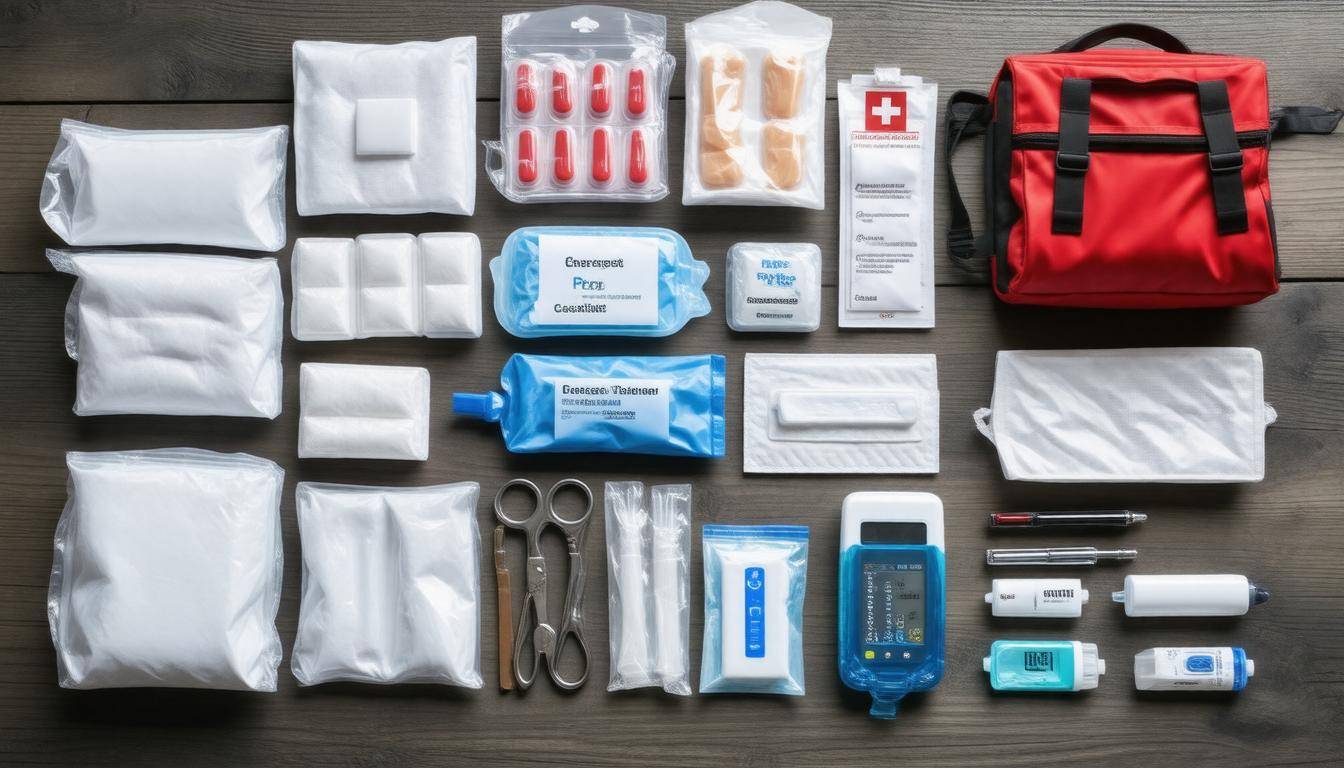
Complete Emergency Medical Supplies Checklist
An emergency medical kit can be a life-saver, but having just the right items makes all the difference when every second counts. This is a chance to equip yourself with essential tools that not only address injuries but provide peace of mind during chaotic times. As we explore this checklist, consider what each item brings to the table—a chance for safety and comfort in moments of distress.
Essential Items
Let’s start with the basics. The foundation of your kit must include items that are versatile yet crucial. For instance, absorbent compress dressings are paramount; they hold immense power in staunching heavy bleeding. Imagine being in a situation where someone has suffered a deep cut during a hike—having these dressings can mean the difference between ensuring safety and enduring further complications until help arrives.
Next, don’t overlook adhesive bandages—the tiny heroes in many minor injury scenarios. Think about it: whether it’s a scraped knee from rough play or a paper cut while working, having a variety of sizes at your disposal will allow for quick treatment and keep morale high in both adults and children alike.
First Aid Supplies
Moving beyond immediate injuries, let’s talk about essentials that target hygiene and preventive care.
Your kit should definitely include antiseptic wipe packets to disinfect wounds, making sure infection doesn’t rear its ugly head after an injury occurs. It’s essential to stop germs in their tracks! You wouldn’t want to underestimate the impact of keeping a clean environment, especially in emergencies.
Additionally, pain relief should not be neglected, which is where aspirin comes into play. This multipurpose medication not only alleviates pain but can also reduce inflammation during an allergic reaction or joint injury. Having aspirin handy adds another layer of preparedness.
Lifesaving Tools
A critical component of any emergency kit is the breathing barrier with valve, designed for administering CPR safely. Good CPR techniques can save lives, but being caught unprepared to perform them can haunt you. You need to ensure that your first responders—or even yourself—can act quickly without hesitation.
As we transition into less common but equally important items, let’s keep considering unique scenarios that can arise.
An instant cold compress offers immediate relief for swelling or bruising and can distract from more severe pain during an incident. Just think about how useful it would be during a sprained ankle from stepping incorrectly while trying to escape danger.
Completing Your Kit
Lastly, let’s round off our list with vital accessories that enhance your emergency response capabilities.
Always remember to include non-latex gloves—keeping hygienic barriers during treatment is paramount for both your safety and that of the injured party. And while we often avoid thinking about them, tweezers will be invaluable when removing splinters or foreign debris lodged in skin after an accident.
| Item | Purpose |
|---|---|
| Oral Thermometer | Monitor body temperature |
| Triangular Bandages | Immobilize limbs or create slings |
| Sterile Gauze Pads | Dress various wound sizes |
With all these supplies meticulously checked off your list, you’ll want to consider tailoring your kit according to specific family needs or regional risks—this customization is crucial as we continue exploring the necessary components for optimal preparedness!
Essential Kit Contents
When creating your emergency medical supplies kit, it’s not just about throwing in random items; you need a carefully curated selection that specifically addresses potential health emergencies. This means considering both common scenarios and unique needs based on your lifestyle or environment. If you live in a bustling city with its share of accidents, being prepared for injuries like cuts and burns is especially crucial.
Core Medical Items
In putting together this arsenal of essential items, it’s vital to focus on tools that not only address wounds and injuries but also help treat various ailments promptly and effectively. When I think back to my own experiences, I’ve often found certain items truly invaluable during unexpected circumstances, allowing me to act swiftly instead of scrambling under pressure. Here are some core items you should thoughtfully include:
- Tourniquet: This device can be pivotal in controlling severe bleeding, particularly in traumatic injuries where every moment counts.
- Burn Cream: Perfect for treating minor burns or scalds quickly before they become more serious.
- Scissors: Useful not just for cutting bandages but also for handling clothing or other materials when the situation demands it.
- Prescription Medications: Having your daily medications on hand ensures continuity of care and avoids complications during emergencies.
- Hydrocortisone Ointment: Vital for managing allergic reactions or skin irritations that can flare up from environmental factors or insect bites.
- Eyewash: Flushing out irritants with sterile saline can prevent significant discomfort and damage to the eyes.
While these essentials provide a solid foundation for any kit, it’s important to recognize that no two individuals are exactly alike; therefore, your first-aid provisions should be personalized further. You might need to consider including specialized items such as diabetes supplies, asthma inhalers, or items specifically for dealing with allergies if those apply to you or your family.
Moreover, having these medical supplies is critical, but being familiar with how and when to use each item is equally important. Knowing how to apply a tourniquet effectively or administer burn cream can make the difference between effective first aid and a frustrating attempt at remedying an injury.
As you assess personal requirements while constructing your emergency kit, it’s essential to keep in mind the value of tailored additions based on unique situations. Moving forward, we will explore specific supplies that cater to distinct medical needs and conditions.
Specialized Items for Unique Needs

Not everyone has the same medical requirements, and recognizing this diversity is crucial when preparing your emergency medical supplies. It’s about more than just generic band-aids or antiseptic wipes; personalized additions can be lifesaving for those with chronic conditions or unique situations. Think of it as tailoring a suit—your essentials must fit each individual’s lifestyle and health profile perfectly.
Customizing the Kit
When building an emergency kit for someone with conditions like asthma or diabetes, consider adding specialized items that cater directly to their needs. This customization is vital because what works for one person may not suffice for another.
For Asthma Patients:
For those battling asthma, the routine inhaler might become the lifeline during an attack. Therefore, ensure extra inhalers are tucked away in the kit so they are always at hand. Additionally, don’t forget to add a spacer. This simple device helps deliver medication more effectively by increasing its absorption into the lungs. Think of it as an app that optimizes your phone’s performance—it boosts your inhaler’s effectiveness.
For Diabetics:
Diabetes management requires diligence and preparation. Glucose tablets or gels should definitely find their way into the kit, offering a quick solution to manage dropping blood sugar levels. Insulin is non-negotiable, along with spare syringes or pens to administer it.
A personal account comes to mind: I once had a friend experience a sudden drop in blood sugar while out on a hike. Luckily, he had a stash of glucose gels in his backpack; that small gesture made all the difference in keeping him safe and sound until he got back home.
Animal Care
While you’re gathering supplies for humans, don’t forget about our furry friends who also deserve special consideration in emergencies. Pets are part of the family, so including pet-specific supplies is key—think of their needs as an extension of your own preparation efforts.
In particular, keep water and food on hand—enough to last several days in case circumstances prevent regular access to supplies. A pet first aid book can also be invaluable; it offers guidance on treating minor injuries specific to animals and gives us peace of mind knowing we can handle their emergencies too.
With these specialized items established, the next focus will be on organizing everything effectively into a bag that positions you for readiness in any situation.
Assembling the Ultimate Emergency Bag
When it comes to emergencies, the efficiency of your bag matters as much as its contents. A chaotic assortment of items won’t do you any good when time is of the essence. Picture this: you’re in a stressful situation, and every second counts. With a well-organized emergency bag, you can quickly locate what you need, rather than fumbling through a haphazard pile of supplies. Thus, crafting an organized and easy-to-navigate bag should be your first goal.
Step-by-Step Bag Assembly
The first step in creating your emergency bag involves selecting a sturdy container that can withstand the rigors of travel. Consider using a durable, waterproof bag with compartments for easy categorization. A backpack may offer comfort for carrying, while a duffel bag allows for more fluid space; either way, ensure it’s reliable enough to protect your items from the elements.
After you have your bag, it’s essential to think about how to organize its contents effectively. Utilize clear, labeled bags for various categories such as wounds, medications, and tools. This not only helps keep similar items together but also aids in quick retrieval during moments of stress. When faced with a cut or scrape, you’ll want to grab your bandage kit swiftly without having to sift through miscellaneous items.
Another important consideration is the weight distribution within the bag. Place heavier items like bottled water and canned food at the bottom to ensure stability, so your bag doesn’t become top-heavy and awkward to carry. Conversely, lighter items such as flashlights or small first aid tools should be stored towards the top or in easy-access pockets to help you reach them quickly when needed.
Take John’s experience as a reference: one evening during a power outage caused by a storm, he experienced panic at first but then remembered his well-prepared emergency bag. He was able to retrieve flashlights and candles without hesitation thanks to his organized system. His family felt calm knowing they didn’t have to search frantically for essential supplies—everything was right there at their fingertips.
Lastly, take a moment to include a laminated list of contents tucked inside your bag. This ensures that you’re aware of what you have readily available and serves as an instant checklist if you ever need to replace items after use. Easily refer back to this list whenever necessary; you’ll find it increases both confidence and preparedness.
In these stressful moments, having a well-packed emergency bag means everything—you lose valuable seconds searching for what you need as opposed to focusing on what truly matters: ensuring safety and care for those around you.
While assembling an organized bag sets the foundation, incorporating specialized tools designed for trauma management will greatly enhance your readiness during critical situations.
Vital Trauma and Survival Tools
Beyond just having basic supplies, possessing the right trauma and survival tools can indeed make the difference between life and death. Picture this: you’re in a situation where someone has suffered major injuries due to an accident. The seconds count, and basic first aid just won’t suffice. This is when key trauma tools become essential.
Key Trauma Tools
Among these items, hemostatic agents stand out as crucial lifesavers. These special materials are designed to rapidly assist in the clotting of severe wounds, significantly reducing blood loss during emergencies. Imagine applying a hemostatic dressing on a wound; it can often halt bleeding within minutes—a critical factor that could stabilize a victim until further medical intervention arrives.
Next, we have trauma shears. You may think all scissors are created equal, but that’s far from the truth in an emergency context. Trauma shears are explicitly designed to cut through tough materials like clothing, tape, or even seatbelts with ease. Their multi-functional design allows for quick removal of obstacles—saving precious moments when time is of the essence.
Then there’s the tactical flashlight, a must-have for any emergency medical bag. Operating with one hand in dark or low-light conditions makes it indispensable. Working on a patient while struggling to hold a standard flashlight is inefficient at best and unsafe at worst. A tactical flashlight ensures you illuminate wounds and navigate challenging environments efficiently and safely.
Lastly, don’t overlook splints. Immobilizing fractured or sprained limbs is essential to prevent further injury while awaiting professional medical assistance. Whether it’s a simple wrist fracture or complications from a fall, splints provide stability and comfort to the injured area, allowing you to transport affected individuals more easily.
Keep in mind that these items are especially crucial in scenarios involving accidents or natural disasters where injuries are more likely to occur.
It’s important to remember that simply having these tools isn’t enough; timely replacements and regular inspections are essential to ensure everything functions properly when you need it most. Medical supplies have expiration dates, and their effectiveness diminishes over time if neglected. Developing a routine for checking your emergency supplies ensures that every item is up to date and ready for action whenever required.
With an understanding of these vital tools, we now shift our focus toward ensuring your emergency kit remains in prime condition for any situation that may arise.
Regular Kit Maintenance
An out-of-date kit can be as dangerous as having no kit at all. When you’re in a situation where every second counts, you don’t want to be fumbling with expired medications or broken tools. This is why establishing a regular maintenance routine for your kits is essential, not just a one-time chore. Think of it like tending to a garden; regular care ensures it thrives instead of becoming overrun with weeds.
Maintenance Cycle
Creating a systematic approach to checking and maintaining your kits can save you from potential crises during outdoor adventures or emergencies. Each month, set aside time to check expiration dates on all medications. Many folks underestimate how quickly these items can expire—an expired pain reliever won’t do you any good when the adrenaline kicks in after an unexpected injury. If you notice something is nearing its expiration date, replace it immediately.
After using any item, make it a habit to restock right away. Whether it’s adhesive bandages or antiseptic wipes, your kit should always be ready for action. There’s nothing worse than realizing you used the last piece during an adventure without having replacements on hand.
To further ensure everything remains in top shape:
-
Ensure batteries in devices like flashlights are functioning and replace them if they’re low.
-
Review and update emergency contact information quarterly, including family members, friends, and any medical professionals that might be needed.
Perhaps most importantly, take time occasionally to practice using the contents of your kits. Familiarizing yourself with essential tools helps banish panic and confusion when it’s most critical. Knowing how to properly dress a wound or use an emergency splint can empower you during an unforeseen incident.
A friend of mine named Julie swears by her regular kit maintenance schedule. During a recent power outage caused by severe weather, her preparedness shone through. She confidently gathered what she needed from her well-maintained kit without hesitation, which not only helped her but also offered support to her neighbors who found themselves unprepared.
Maintaining your kit is crucial, but ensuring its accessibility and knowing where it’s located is equally important. Once you’ve established this routine, make sure everyone in your household is aware of where these kits are stored for quick access during emergencies.
Ensuring Kit Accessibility and Safety

Your emergency medical supplies should not only be packed well but also be in locations that are both easy to access and safe from potential hazards. Imagine it’s the middle of the night and you’ve just gotten a call about a minor accident; you don’t want to fumble around looking for your kit! Therefore, choosing the right spots for your kits is crucial.
Key Placement Tips
Start by identifying areas within your home where your kit can be stored safely yet remain accessible. Common suggestions include the bedroom closet or the trunk of your car—places that are often less crowded than storage spaces like attics or basements. It’s equally important that every household member knows exactly where these kits are located. When the clock is ticking, clear communication can save valuable time.
Additionally, consider having portable emergency kits in both vehicles and workplaces. However, remember to secure these kits properly to reduce the risk of theft or loss—after all, there’s no point in preparing if someone else can get to those supplies before you do! Storing kits in bags that can withstand accidental spills or rough handling makes them more resilient.
For quick recognition during emergencies, using color-coded labels on your kit can provide an instant visual cue—a simple yet effective way to distinguish between first aid supplies, resuscitation tools, and personal protective equipment when time is of the essence.
With thoughtful placements and labeling strategies in mind, you’ll cultivate an environment that prioritizes safety while promoting readiness for any unexpected situations.
In essence, ensuring your emergency medical supplies are accessible and organized is vital in managing emergencies effectively. Preparedness can turn a potential crisis into a more manageable situation.
Are there any specialized supplies needed for certain health conditions or emergencies?
Yes, specialized supplies are essential for specific health conditions and emergencies. For instance, individuals with diabetes should have access to insulin and glucose monitoring devices, while those prone to anaphylaxis need epinephrine auto-injectors readily available. According to the CDC, about 1 in 50 Americans has a food allergy, emphasizing the importance of carrying these lifesaving tools. Additionally, people with asthma should keep inhalers on hand; approximately 25 million adults in the U.S. are affected by this condition, highlighting the critical role of tailored medical supplies in emergency preparedness.
How often should I check and update my emergency medical supplies?
It is advisable to check and update your emergency medical supplies at least twice a year, ideally every six months. Regular checks ensure that items are not expired, missing, or no longer functioning properly; studies indicate that 30% of home first aid kits contain expired medications or supplies. Additionally, seasonal changes in activities may require different supplies, such as allergy medication in spring or cold remedies in winter, so updating accordingly can enhance preparedness during emergencies.
Where can I purchase or assemble a complete emergency medical supply kit?
You can purchase or assemble a complete emergency medical supply kit from various sources, including online retailers like Amazon and specialized websites such as MyMedic or First Aid Only. Many local pharmacies also offer pre-packaged kits. According to the American Red Cross, having an emergency kit can significantly improve your response in crisis situations, as 60% of participants in a survey reported feeling more prepared after assembling one. Assembling your own allows for customization based on specific needs and preferences, ensuring that essential items are readily available when needed.
Which specific items are essential for a basic emergency medical supply kit?
A basic emergency medical supply kit should include essential items such as adhesive bandages, a sterile gauze pad, antiseptic wipes, tweezers, scissors, a digital thermometer, instant cold packs, and a CPR face shield. These supplies are crucial for addressing common injuries and medical emergencies; for instance, studies show that quick access to first aid supplies can reduce the severity of injuries by up to 50%. Having these items readily available empowers individuals to act swiftly in emergencies, potentially saving lives.
What first aid skills should I learn to effectively use the supplies in my emergency kit?
To effectively use the supplies in your emergency kit, you should learn essential first aid skills such as CPR, wound care, the Heimlich maneuver, and basic bandaging techniques. Knowing how to perform CPR can double a victim’s chance of survival during cardiac arrest (American Heart Association), while proper wound care can significantly reduce infection risks. Statistics show that having at least one person trained in first aid in a household can make a vital difference during emergencies, ensuring prompt and effective response until professional medical help arrives.