
In any emergency, being prepared can truly make all the difference between a minor mishap and a serious crisis. You may think that first aid kits are just for camping trips or family vacation disasters, but the truth is, you never know when an unexpected situation might arise—whether at home, during sports, or on your hiking adventures. Having a well-stocked first aid kit is not just about having supplies; it’s about being ready to handle whatever life throws at you. After all, knowing what tools to include and how to use them can dramatically improve outcomes during those tense moments when every second counts. Let’s dive into the essential emergency medical tools that everyone should have in their first aid kit.
Essential emergency medical tools include a comprehensive first aid kit containing bandages and antiseptics, a multi-tool for various tasks, clean drinking water with a filter, firemaking tools for warmth, and duct tape for multiple applications. Additionally, consider including personal medications, extra hiking socks for comfort, and a sturdy backpack to conveniently carry all items.
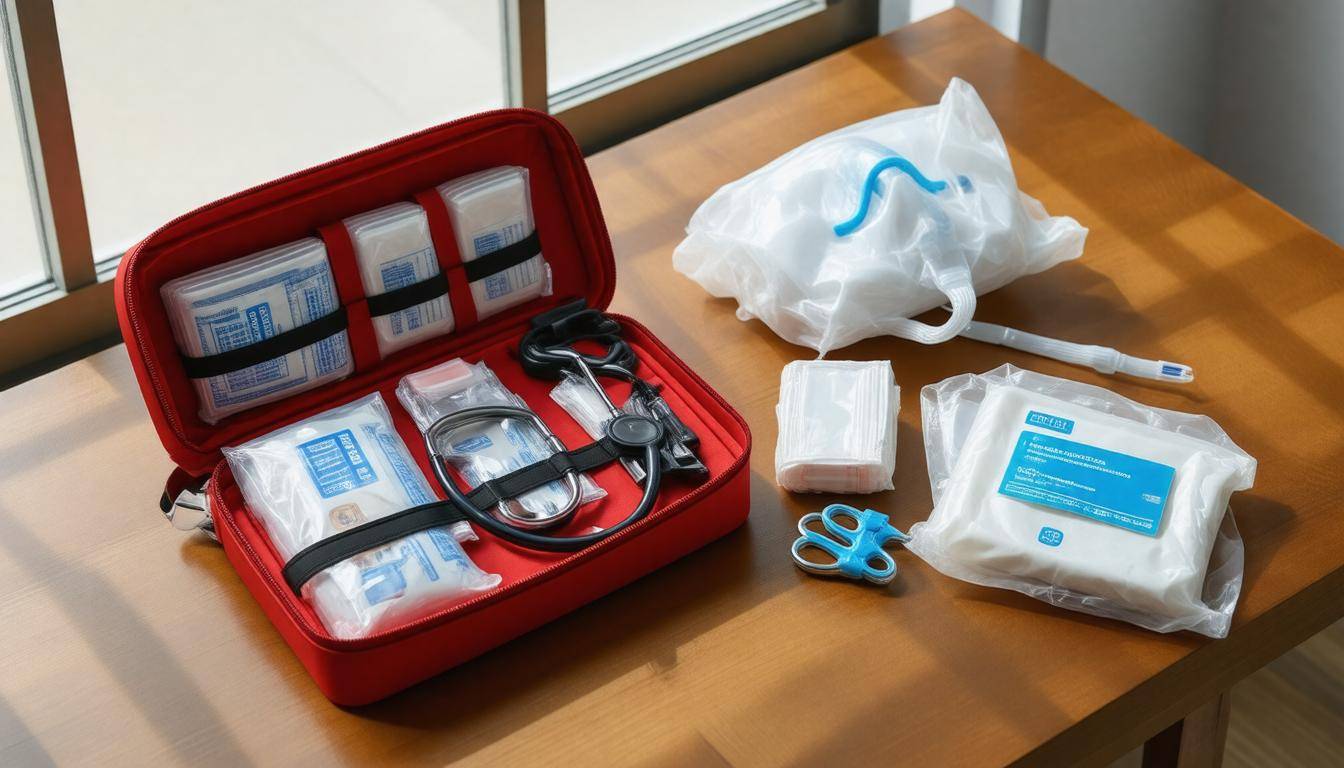
Essential Medical Tools for First Aid Kits
One of the cornerstones of any first aid kit is bandages and dressings. It’s crucial to stock a variety of sizes—from small adhesive bandages designed for minor cuts to larger gauze pads that can absorb more significant bleeding. The versatility of these items allows you to cater not only to those small scrapes your little ones might incur during playtime but also to deeper wounds that require immediate attention.
For instance, having both adhesive tape and roller bandages ensures that any dressing you apply stays put until professional help can be reached, thereby minimizing the risk of further injury or infection.
Moving beyond just covering wounds, the next vital category addresses cleaning: antiseptic solutions.
Step II – Antiseptic Solutions
These should not be overlooked in your kit. Including antiseptic wipes or solutions like hydrogen peroxide and iodine can be incredibly beneficial. When you clean a wound properly, you stand a better chance of preventing infections—a fact supported by statistics from the CDC, which report that effective cleaning can reduce infection rates by up to 35%.
Imagine a simple skinned knee from playing outside turning into an infected sore simply because it wasn’t cleaned correctly. Such situations underline the importance of ensuring that antiseptics are always available in your first aid arsenal.
After dealing with wounds and cleanliness, pain management becomes another critical aspect we must consider.
Step III – Pain Relief Medication
Having some form of pain relief medication readily available can make a world of difference in emergency situations. Items like aspirin, ibuprofen, or acetaminophen aren’t just about alleviating discomfort; they can also minimize inflammation and assist during unexpected moments when pain arises, whether from an injury or even just muscle soreness after an intense workout.
It’s wise to note dosages and keep an eye on expiration dates as well; expired medications lose potency, which could affect their effectiveness when needed most.
As we consider these essential components, we see how they lay the groundwork for addressing various medical situations effectively. This foundation leads us to explore even more specialized tools that enhance our preparedness for serious injuries.
Specialized Equipment for Serious Injuries
When faced with a severe injury, having the right tools on hand can indeed mean the difference between life and death. Understanding these specialized tools is just as vital as knowing how to use them. Each item plays a crucial role, and integrating them into your first aid kit elevates your preparedness level significantly.
Step I – Tourniquets
Let’s start with tourniquets. These are not just any piece of equipment; they can be lifesavers when dealing with arterial bleeding. The CAT (Combat Application Tourniquet) has gained recognition for its rigorous testing and effectiveness in emergency situations. Many medical professionals recommend it because of its ease of application and reliability under pressure. The importance of knowing how to apply a tourniquet cannot be overstated, as studies have shown that proper use can reduce mortality from massive bleeding by an astonishing 90%. Imagine being in a situation where every second counts—this tool becomes essential.
But while a tourniquet is invaluable during extreme cases of blood loss, there are other tools designed to stop bleeding almost instantly.
Step II – Hemostatic Agents
Enter hemostatic agents like Celox or QuikClot. These products work by promoting clotting directly at the site of the wound. Their ability to be applied swiftly in the heat of the moment allows you to focus on getting help rather than struggling with traditional methods that may take longer. Their efficacy stems from specially formulated materials that react chemically when they come into contact with blood, accelerating the body’s natural healing processes in high-stress environments. In fact, many emergency responders now include these in their kits because they can literally turn a potential catastrophe into manageable care; it’s smart preparation.
While hemostatic agents can effectively address severe wounds immediately, there’s still a need for reliable dressings that provide comprehensive coverage and stability.
Step III – Emergency Trauma Dressing
This brings us to Emergency Trauma Dressings, such as the Israeli Bandage. These dressings are designed for one purpose: to control severe bleeding through significant pressure application. The Israeli Bandage includes a built-in pressure bar which helps to compress the wound effectively while keeping it covered, thus preventing contamination. In emergencies where time and accuracy matter most, these dressings streamline the treatment process, ensuring that even novice caregivers can provide effective support without extensive training.
Including these specialized tools in your first aid kit empowers you to handle serious incidents confidently and competently. It’s not about being a hero; it’s about being prepared—because when accidents happen, every moment counts.
With such critical instruments established, let’s explore versatile tools that also add considerable value to safety and preparedness in emergency situations.
Multi-Purpose Utility Tools
In emergency situations, utility tools can be absolute lifesavers, offering a range of functions all in one device. Imagine being in a scenario where you need to stop bleeding, build a shelter, or even light a fire—having the right tools on hand can make all the difference. A good multi-tool is like a Swiss army knife of first aid: compact yet incredibly effective for various tasks.
One staple that should be in every first aid kit is a reliable multi-tool equipped with pliers, scissors, and a knife. These tools are not just handy for opening packages or tightening screws; they can also help in more pressing situations like cutting bandages or applying pressure to stop bleeding. Having scissors handy means you won’t waste precious time searching for something sharp when every second counts.
As an example, I once had a situation where I needed to cut gauze quickly while camping; having those scissors saved me from digging through my bag for what felt like an eternity.
Essential Components of the Multi-Tool
Beyond the basic components like pliers and scissors, think about including features specific to your needs. For instance, consider a utility tool with a built-in Phillips screwdriver or can opener. This might seem unnecessary at first glance, but you could find yourself needing these extras when dealing with first aid supplies or personal items that require repairs in an emergency setting.
Another critical component is waterproof matches or a lighter. Not only are they essential for starting fires—which can provide warmth or signal for help—but can also be used to sterilize tools if facing a wound that requires stitching or advanced care. Thin metal instruments like needles can quickly and easily be sterilized this way.
- Multi-tool with pliers: Great for gripping objects securely.
- Scissors: Ideal for cutting through clothing or bandages without causing further injury.
- Knife: Useful for various applications beyond first aid—from cutting rope to preparing food.
- Waterproof matches/lighter: Double up as fire starters and tool sterilizers.
- Duct tape: The universal fixer! It’s incredibly versatile—use it for anything from makeshift splints to securing dressings on wounds.
Lastly, duct tape deserves special recognition due to its almost magical properties for makeshift repairs or splinting broken bones. When you have this tool available, you remove some of the guesswork from improvising solutions under stress; it’s as simple as tearing off a piece and sticking it down where it’s needed.
Equipping your first aid kit with these multifaceted tools lays the groundwork for safety; understanding how crucial protective equipment can be enhances your readiness even further.
Personal Protective Gear
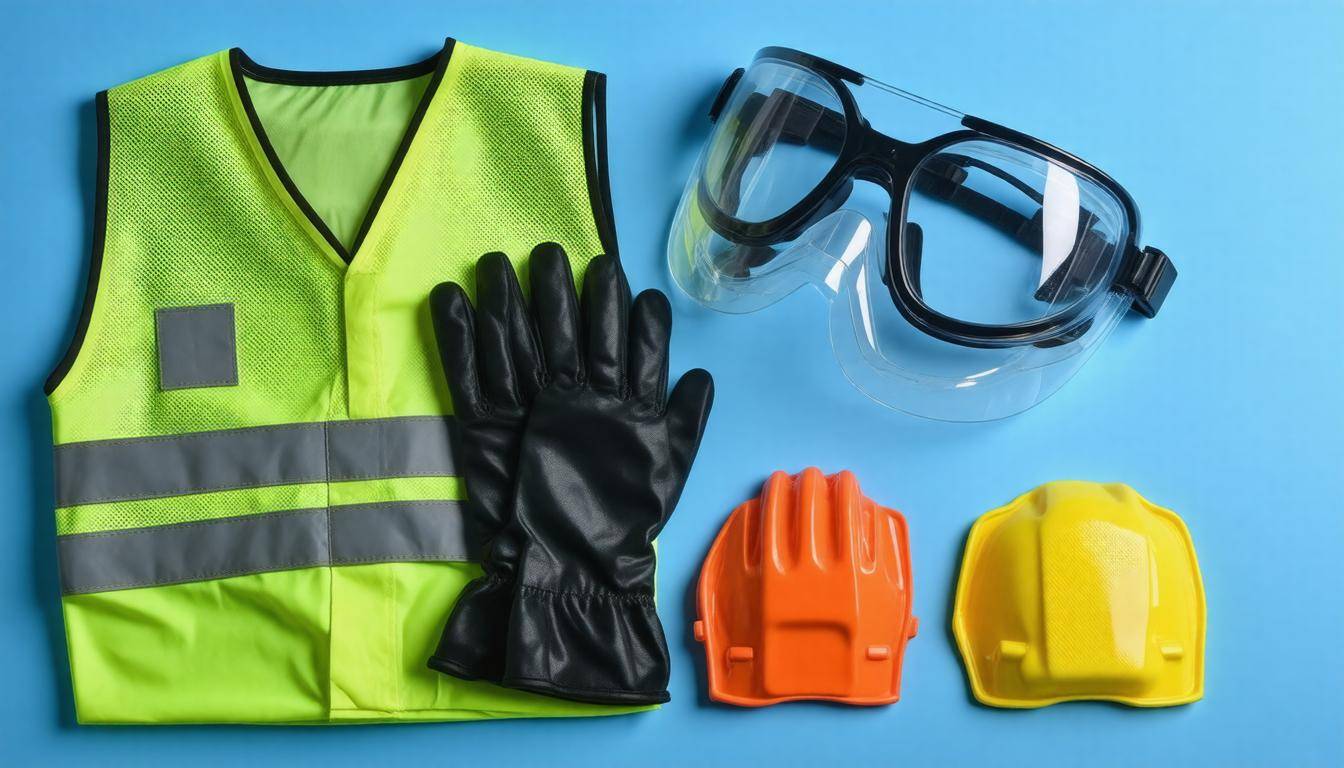
Equipping yourself with personal protective gear when administering first aid is crucial. When faced with an emergency, ensuring your safety is just as important as the care you provide. One of the fundamental items in any first aid kit should be gloves, particularly nitrile gloves. These are preferred over latex due to allergy concerns and outperform them in puncture resistance. This characteristic makes them a formidable barrier against bloodborne pathogens, which could pose serious health risks during treatment.
Always keep a pair of nitrile gloves readily available; it’s an essential protective measure.
Once you’ve safeguarded your hands, think about your respiratory safety.
The next layer of protection involves masks. Surgical masks or N95 respirators can act as your defense against respiratory infections not just for you but also for the injured person you’re assisting. According to WHO guidelines, wearing N95 masks can reduce the transmission of airborne diseases by up to 95%, making it an indispensable addition to your first aid gear. When you put on a mask, you not only protect yourself from potential pathogens, but you also create a safer environment for everyone involved.
Taking these precautions allows you to focus on providing aid without compromising your health.
Another crucial item in your personal protective gear is eye protection. Safety goggles may not always seem necessary, especially in minor injuries, but they become essential in situations where blood or other bodily fluids may splatter. By using safety goggles, you significantly lower the risk of contaminants reaching your eyes, thus helping to prevent infections.
It’s worth noting that these selections allow you to remain composed and effective during emergencies.
Each piece of protective equipment plays a vital role in fostering an environment conducive to effective first aid administration. Personal protective gear such as gloves, masks, and goggles empowers you to act confidently even in dire conditions. Moreover, regularly inspecting and replacing these items is crucial since expired or worn-out equipment can hinder their effectiveness when you need them most. Be proactive; keep your first aid kit stocked and ready to ensure every piece serves its purpose when emergencies arise.
With these essential tools at your disposal, you’re one step closer to being fully equipped for any situation. As we move forward, understanding how to effectively transport these items becomes key in maintaining preparedness.
Choosing a Medical Backpack
Selecting the right medical backpack is more than just picking something off the shelf; it’s about ensuring that every tool and supply you might need is easily accessible in high-pressure situations. A well-organized medical backpack can significantly impact how effectively you respond to emergencies. Think of it like a toolbelt for medical emergencies—everything you need, neatly organized and at your fingertips.
Step I – Compartments
One of the foundational aspects to consider when choosing a medical backpack is its layout, particularly the number of compartments it offers. A backpack with multiple compartments helps you categorize different items so that you can find what you need quickly. For example, some segments could be designated for basic supplies, wound management tools, and medications. Clear labeling inside each compartment will also save precious seconds when you’re working under stress or in poor visibility conditions.
Imagine being in an outdoor setting where quick access to bandages could stave off infection in a scraped knee. If you have your supplies well-organized, you can spend more time treating the injury instead of rummaging through a jumbled bag.
Step II – Durability
The next thing to think about is durability. You’ll want a backpack made from tough, water-resistant materials such as nylon or polyester. This ensures that your supplies remain protected from wet conditions and the bag can withstand rough handling during hikes or while moving swiftly in emergencies.
However, when selecting a durable pack, remember that sturdiness shouldn’t compromise the weight of the bag itself. It’s important to strike a balance between having a backpack that feels reliable yet is light enough for you to carry over long distances without unnecessary strain. Lightening your load can be critical when you’re navigating rugged terrain or needing sudden agility.
Another important factor is comfort—make sure your choice includes padded shoulder straps and perhaps even a hip belt for support during prolonged use. A comfortable bag allows you to keep focus on helping others rather than finding relief from shoulder pain.
Step III – Accessibility Features
Lastly, consider backpacks with external pockets or quick-access features that allow you to grab frequently used items without opening the entire bag. These pockets should ideally be positioned at angles that are easy to reach. For instance, having a side pocket dedicated to gloves or antiseptics can streamline your efforts when time is of the essence.
It’s all about creating a system that complements decisiveness and efficiency; every second counts in an emergency.
By thoughtfully selecting a medical backpack based on these aspects—compartments, durability, and accessibility—you create a responsive system designed to handle emergencies effectively. The next step involves equipping yourself with specialized tools necessary for managing severe injuries in critical situations.
Critical Care Tools for Severe Trauma
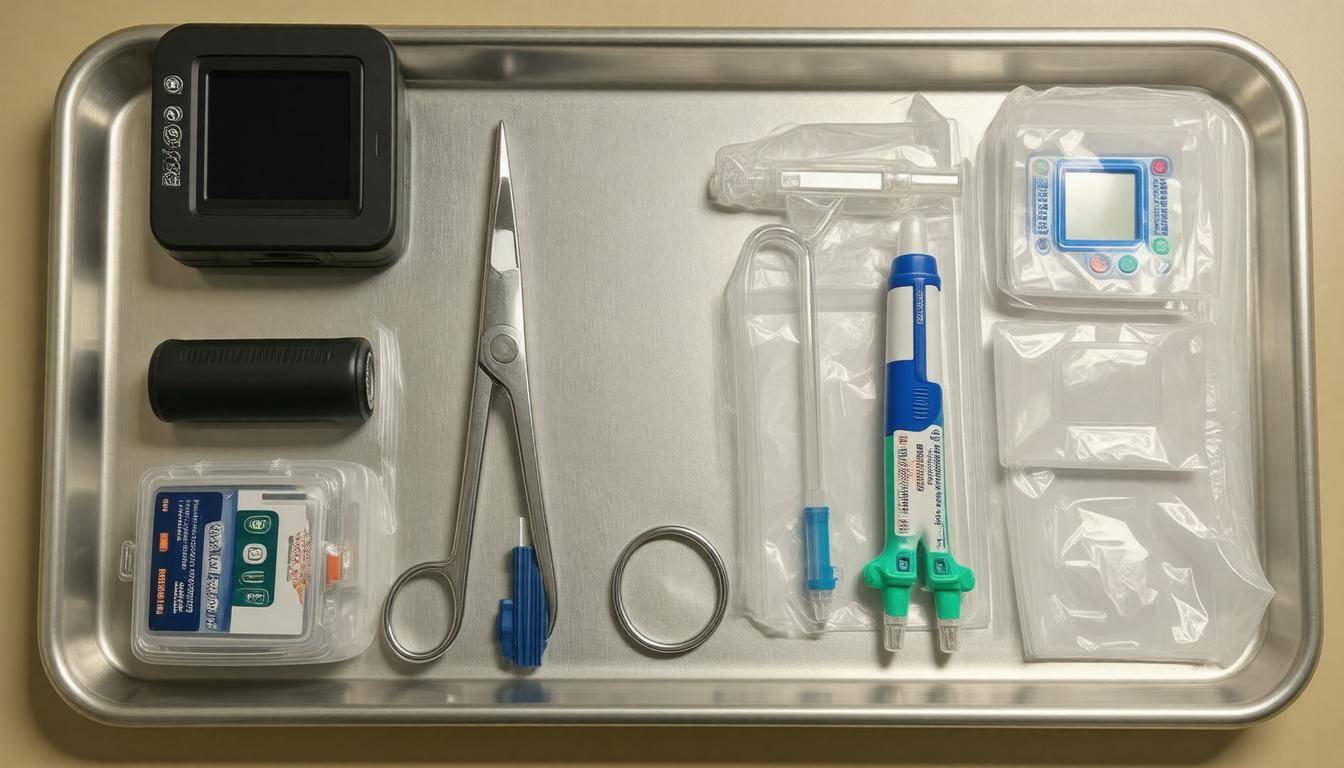
In emergency situations, quick and effective intervention is crucial. The first set of critical care tools we address are those designed to manage life-threatening injuries, ensuring you’re prepared for any worst-case scenario that may arise. Understanding how to use these tools properly is just as important as having them in your first aid kit.
Step I – Specialized Trauma Shears
One of the most essential tools in a first aid kit is specialized trauma shears. Unlike regular scissors, these shears are specifically designed with features that enhance efficiency during emergencies. With strong stainless steel blades and blunt tips, they can cut through various materials like clothing or seatbelts without risking injury to the victim.
Imagine a car accident where time is of the essence; trauma shears allow you to quickly access an injured person by removing barriers without additional harm.
Moreover, their design often includes a built-in ruler and a curved blade for easier maneuverability around delicate areas. Instead of fumbling with everyday scissors that might not withstand the pressure, you have dependable shears that are practical and potentially lifesaving.
Step II – Cervical Collars
Another vital component for managing severe trauma is the cervical collar. This tool is essential for stabilizing a patient’s neck in situations where spinal injuries might be present. If someone has suffered a fall or been involved in a vehicular crash, swift stabilization is crucial, as any unnecessary movement can exacerbate existing injuries.
Cervical collars serve both to prevent further damage and to provide support when moving the victim. Imagine attending to someone who appears unconscious after a fall—putting on a cervical collar helps immobilize the spine effectively while ensuring they can be safely transported without risking further injury. By applying this supportive measure, you not only demonstrate care but also gain peace of mind knowing you’re doing everything possible to secure their wellbeing.
Now that we’ve covered critical tools essential for trauma management, let’s explore items that can adapt to various emergencies, providing even broader support in unexpected situations.
Versatile Items for Various Emergencies
Having items that serve multiple purposes can be immensely beneficial in uncertain situations. You might not think a simple towel or bandana can be a game-changer, but these items can transform into crucial tools. They can act as cleaning cloths for spills, dressings for wounds, or even makeshift tourniquets if a more serious injury occurs. Their adaptability makes them indispensable in a first aid kit, enabling you to address various scenarios without overcomplicating your supplies.
Furthermore, an instant cold pack is another versatile addition. It’s fantastic for reducing swelling and alleviating pain from sprains, but that’s just scratching the surface. Whether it’s a bruise from a fall or discomfort from an insect bite, this cold pack provides immediate relief and can help prevent further injury.
Step I – Flashlight
A high-quality, battery-operated flashlight can be essential in low-light conditions. Imagine being in a situation where you need to treat an injury during a power outage or when camping under the stars; suddenly, clarity becomes critical. Choose one that is easy to operate and doesn’t come with complicated settings—nothing frustrates more than struggling with buttons when every second counts.
When considering flashlights, opt for LED options since they tend to last longer and provide brighter illumination while consuming less battery power. And don’t forget to keep extra batteries on hand! This little foresight ensures that your light source won’t fail you when you need it most.
These versatile tools not only function effectively but also enhance your preparedness during emergencies. As we proceed, let’s explore another critical aspect of emergency readiness focusing on ensuring safety in respiratory situations.
Medical Tools for Respiratory Safety
When it comes to maintaining respiratory safety, having the right tools in your first aid kit can make all the difference. One of the most important items to consider is a breathing mask. Specifically, a CPR mask is vital because it protects both the rescuer and the individual receiving help from harmful fluid transmission during resuscitation. Statistics show that using CPR masks can boost the effectiveness of resuscitation efforts by up to 30%. This simple yet crucial tool not only facilitates breaths to a victim but also ensures you’re shielded against potential pathogens, making it an essential component of any emergency response.
Step I – Breathing Masks
Beyond just a CPR mask, it’s wise to include a selection of breathing masks tailored for different scenarios, such as N95 respirators, which filter out at least 95% of airborne particles and are critical during situations where airborne pathogens present significant health risks. Remember, these respirators must fit snugly against the face to provide effective protection; otherwise, they won’t serve their purpose well.
Always carry different types of masks to ensure preparedness for various emergencies. A surgical mask can serve as a physical barrier against larger droplets, while an N95 protects against smaller particles as well.
However, merely possessing respiratory tools doesn’t guarantee their effective use; proper training on how to wear and maintain them is equally important. Understanding when and how to utilize these masks can empower you in an emergency, contributing significantly to your safety and that of others.
Step II – Inhalers
If you or someone in your household has known respiratory conditions, adding a spare inhaler becomes even more critical. Personal stories emphasize how unexpected asthma attacks can occur during stressful circumstances; I remember one time when my friend started wheezing during a long hike. After realizing she had left her inhaler at home, panic washed over us. Without her medication, an entire day could have quickly turned dangerous.
Keeping spare inhalers easily accessible can alleviate anxiety and provide immediate relief when necessary. When stored in an easily identifiable location within your first aid kit, these inhalers not only become more practical but could also save precious moments in a crisis.
Tip: Set reminders to check the expiration date regularly and replace them as needed; knowing you have working equipment on hand offers peace of mind.
As we explore these two critical components—breathing masks and inhalers—it’s clear that prioritizing respiratory safety can significantly impact emergency outcomes. With these tools ready for action in your first-aid kit, you pave the way for effective intervention when every second counts.
Incorporating these medical tools into your resources not only enhances your preparedness but also reinforces the confidence needed to tackle emergencies with a measured response.
Are there specific brands or models of emergency medical tools that are highly recommended?
While there are many reputable brands for emergency medical tools, some highly recommended names include Sam Splint for immobilization, QuickClot for hemorrhage control, and the Adventure Medical Kits line for comprehensive first aid supplies. Statistics from the American Red Cross indicate that having high-quality tools can significantly increase survival rates in emergencies—using effective blood clotting agents can reduce trauma-related deaths by up to 30%. Always consider your specific needs and local recommendations when selecting tools for your first aid kit.
What specific medical tools are considered essential for first responders in emergencies?
Essential medical tools for first responders in emergencies include a tourniquet, sterile gauze and dressings, adhesive tape, scissors, gloves, and a CPR face shield. The use of a tourniquet can significantly reduce mortality rates in traumatic bleeding situations, with studies showing that timely application can improve survival by up to 60%. Additionally, having the right supplies like gauze and tape can help control bleeding and protect wounds from infection, making them crucial for immediate care before advanced medical assistance arrives.
How does the type of emergency influence the selection of medical tools?
The type of emergency significantly influences the selection of medical tools because different situations require specific interventions; for example, a choking incident necessitates airway clearance tools like suction devices, while severe bleeding calls for hemostatic agents or pressure dressings. Statistics show that 70% of first aid situations involve minor injuries, but being equipped with specialized tools for critical emergencies—such as defibrillators for cardiac arrests, which have a survival rate increase of up to 30% when used promptly—can drastically affect outcomes. Tailoring first aid kits to anticipated emergencies ensures readiness and efficacy in life-saving measures.
What training is necessary to effectively use emergency medical tools?
To effectively use emergency medical tools, training in basic first aid and CPR (Cardiopulmonary Resuscitation) is essential, as studies show that trained individuals are significantly more likely to successfully manage emergencies. According to the American Heart Association, bystanders who perform CPR can double or triple a victim’s chance of survival. Additionally, understanding how to use specific tools, such as tourniquets and defibrillators, can substantially impact patient outcomes during critical situations. Regular refresher courses and hands-on practice further enhance preparedness and confidence in using emergency medical tools.
How often should an emergency medical kit be updated or checked for supplies?
An emergency medical kit should be checked and updated at least every six months to ensure that supplies are current and effective. This frequency is recommended because items such as medications and sterile products can expire, while usage rates can change based on activity levels or the needs of your household. According to a survey by the American Red Cross, 1 in 5 people reported having expired items in their first aid kits, underscoring the importance of regular checks to maintain preparedness in emergencies.