
In times of crisis, having the right medications on hand can make a world of difference. Imagine a scenario where someone in your family suddenly falls ill or has an allergic reaction. What you have stored away could dictate how quickly they get the help they need. Creating a well-thought-out emergency medication list isn’t just about being cautious; it’s about equipping yourself with the tools necessary to handle unexpected health situations. This article will guide you through what essential items should be included in your emergency kit, ensuring that when life throws those curveballs, you’re ready to catch them.
An emergency medications list should include essential items such as prescription medications for chronic conditions (e.g., insulin, blood pressure medication), non-prescription pain relievers (like ibuprofen or acetaminophen), allergy medications (such as antihistamines), and any necessary personal care items, particularly for infants or pets if applicable. It’s crucial to regularly check expiration dates and adjust your list based on the needs of all household members.
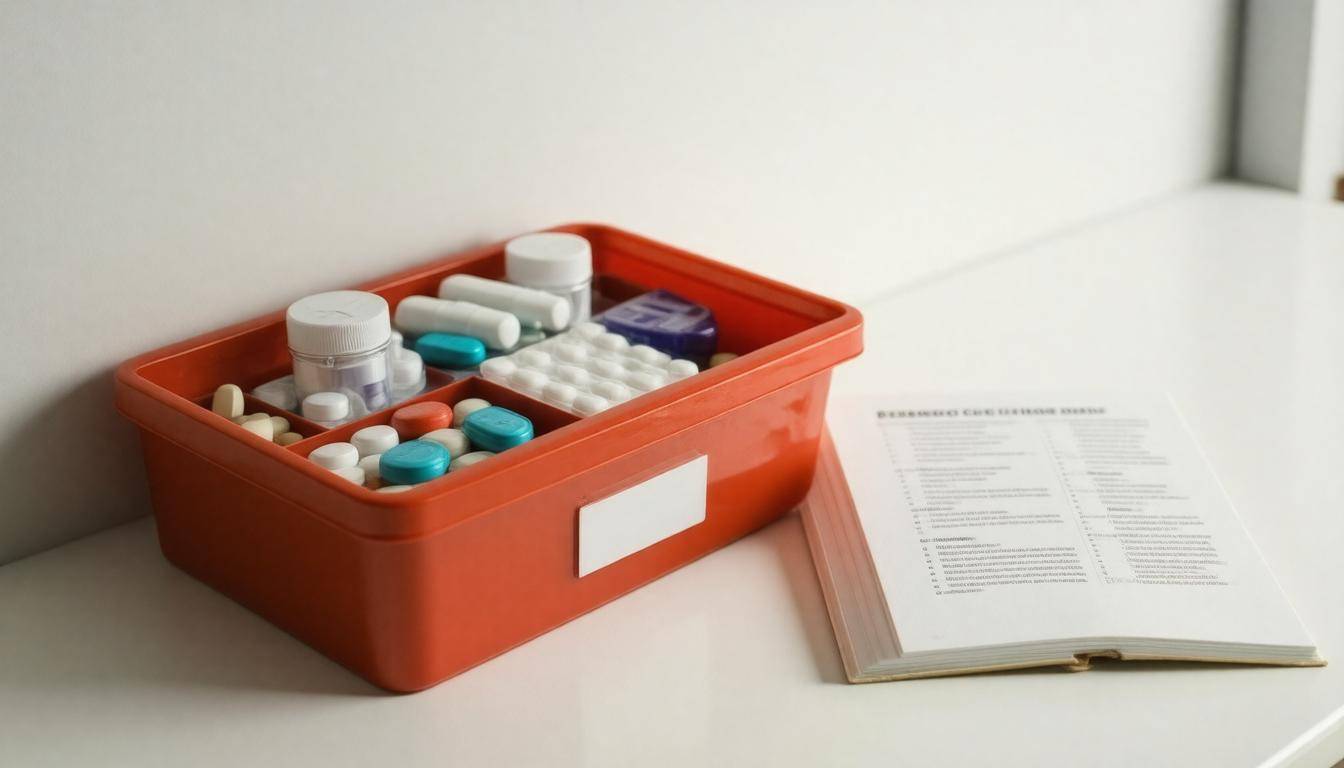
Essential Emergency Medications
Keeping a varied stock of essential medications is not just a smart practice; it’s an essential part of being prepared for unexpected health issues. During emergencies, access to the right medicines can mean the difference between a manageable situation and a crisis. For instance, pain relievers are foundational allies that should be at the top of your list. Over-the-counter options like ibuprofen, acetaminophen, and aspirin help manage everything from headaches to muscle pain. Their ability to reduce fever is crucial during illness outbreaks, making them vital as they provide broad utility with minimal side effects when used as directed.
Moving on, we have antihistamines, such as diphenhydramine (Benadryl). Allergies can strike unexpectedly, turning a pleasant day into a struggle against sneezing, itching, and swelling. Having antihistamines on hand ensures you’re ready to combat these sudden allergies effectively. Just imagine attending an outdoor event when pollen levels spike or encountering pet dander at someone’s home—having these medications within reach can turn a potentially miserable experience into a manageable inconvenience.
Moreover, don’t overlook the importance of antibiotics. While options like amoxicillin can be lifesavers for bacterial infections, using them requires caution; they should only be taken under the guidance of a healthcare professional to ensure they are appropriate for the specific infection and to avoid contributing to antibiotic resistance.
It’s essential to remember that not all conditions require medication. In cases where gastrointestinal distress strikes—think food poisoning or stomach flu—a reliable option would be antidiarrheals like loperamide (Imodium). This effective remedy can lessen debilitating symptoms and prevent dehydration that often accompanies diarrhea, allowing individuals to regain their strength more quickly.
Finally, let’s consider electrolyte solutions. These oral rehydration solutions are indispensable for maintaining hydration during illnesses or after extreme physical activity. They replenish lost fluids and electrolytes, helping stabilize overall health after episodes of vomiting or diarrhea. Having these solutions readily available not only aids recovery but also prevents complications stemming from dehydration.
Understanding which medications are vital in emergencies lays the groundwork for handling various health situations effectively. Next, we’ll explore specific treatments designed to address sudden allergic reactions.
Medications for Allergic Reactions
Allergic reactions can escalate quickly; therefore, having the right medications is critical. These medicines act as a first line of defense, and knowing how to use them properly can be life-saving in a crisis.
| Medication | Use Case | Notes |
|---|---|---|
| Epinephrine | Severe allergies (anaphylaxis) | Available in auto-injectors like EpiPen |
| Antihistamines | Mild to moderate allergies | Benadryl, Claritin, Zyrtec |
| Corticosteroids | Severe inflammation | Prednisone, usually requires prescription |
Epinephrine auto-injectors are vital for individuals with severe allergies. In the event of an anaphylactic reaction, these can provide the crucial minutes needed before emergency services arrive.
When discussing epinephrine, also known as adrenaline, it’s important to highlight its pivotal role in combatting anaphylaxis. This medication should be easily accessible to anyone diagnosed with severe food allergies or pollen sensitivities. The beauty of the auto-injector is its design for quick administration; you simply remove the cap and press it against your thigh for immediate relief. Even if symptoms seem to subside, a visit to the hospital is warranted since a second wave of reaction may occur.
Understanding the need for immediate action is vital when handling emergencies; however, not all allergic reactions are that severe.
For milder symptoms such as itching or hives, antihistamines are often effective. Over-the-counter options like Benadryl or Zyrtec can provide quick relief by blocking histamine production in your body—this substance leads to those pesky allergy symptoms. While they won’t stop anaphylaxis, they’re invaluable in managing less severe issues. Regularly keeping these on hand is prudent; after all, nobody enjoys itchy eyes or a runny nose.
Sometimes, however, allergic reactions can lead to significant swelling and inflammation.
This is where corticosteroids come into play. Medications like prednisone reduce inflammation significantly but often require a prescription. Corticosteroids work by suppressing your immune response, which helps alleviate signs of inflammation and irritation when antihistamines might not suffice. Understanding when to use each medication allows you to tailor your approach effectively.
With the rise in food allergies—with approximately 33 million Americans affected—it’s essential that everyone understands their preparedness.
Having these medications accessible and knowing how to use them could be life-altering for someone facing an allergic reaction. Being prepared and educated is necessary for ensuring safety at home and when out and about.
As we explore these critical medications further, it becomes evident that treatments for serious conditions demand equal attention and understanding as they directly check our health well-being.
Treatment for Severe Conditions
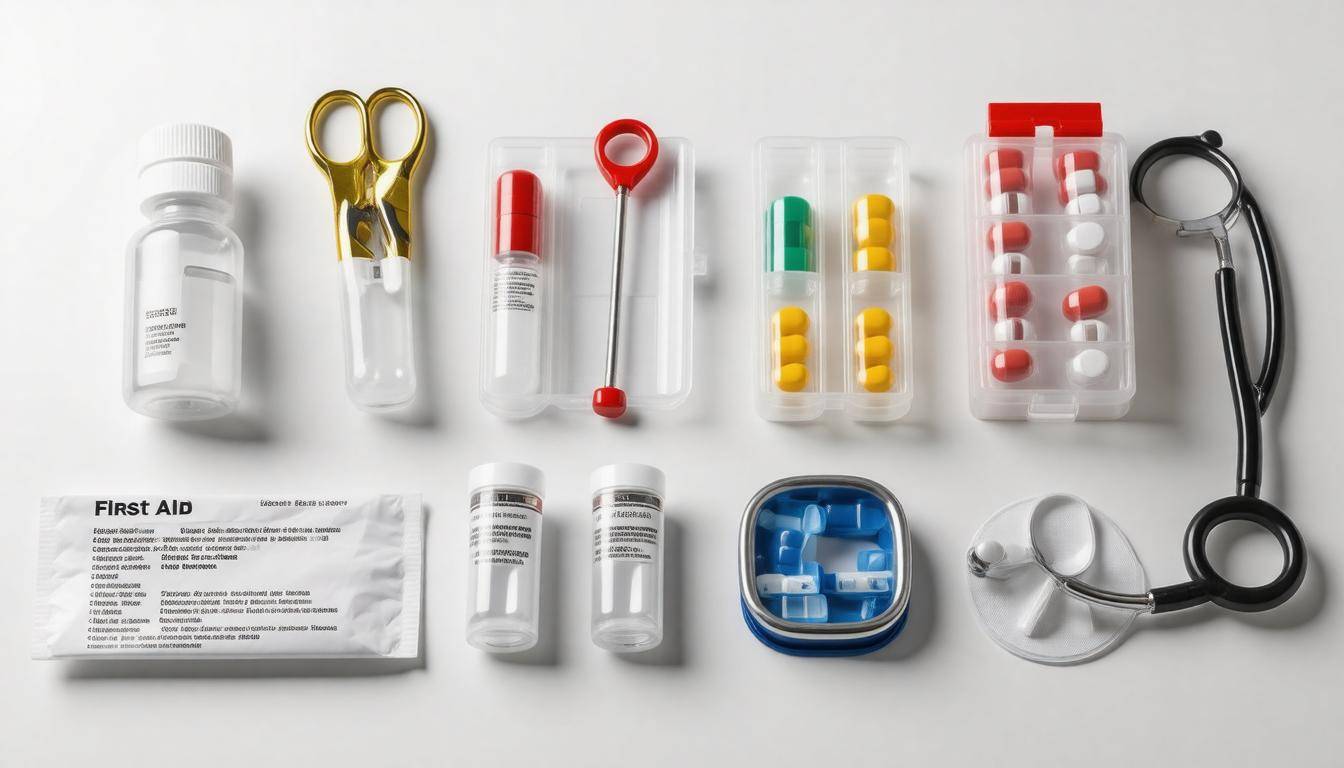
Managing chronic health issues like asthma, diabetes, or heart conditions calls for preparedness. These are not just casual illnesses; they can escalate quickly and demand immediate attention. Therefore, having specific medications readily accessible is crucial, as any delay in treatment could lead to serious complications or even dangerous situations.
Asthma-Inhalers and Nebulizers
For those living with asthma, having a supply of rescue inhalers, such as albuterol, is essential. This medication works rapidly to open your airways during an asthma attack. Additionally, considering a nebulizer as part of your emergency stash can provide significant relief if an attack becomes severe. A nebulizer converts medication into mist, allowing you to inhale it more easily and effectively than through a standard inhaler during high-stress situations.
It’s important to regularly check the expiration dates on your inhalers and nebulizer solutions, ensuring that they are potent and effective when you need them most.
Similarly, those with heart conditions must prepare adequately, as every second counts when it comes to cardiac events.
Heart Conditions
When dealing with heart disease, certain medications can be lifesavers. Nitroglycerin tablets should be included in your emergency medication list. These tablets work by relaxing and widening blood vessels, providing relief from chest pain (angina). Furthermore, stocking up on low-dose aspirin can be critical, as it helps thin the blood and can prevent a heart attack when taken at the first sign of chest discomfort.
It’s also essential to understand how to use these medications correctly. Be familiar with the dosage schedules and recognize when it’s urgent to take them versus routine management, especially with nitroglycerin as its effectiveness diminishes if used too close together.
- Asthma Medications: Albuterol inhalers, nebulizer medication
- Heart Condition Medications: Nitroglycerin tablets, low-dose aspirin
- General Tips: Monitor medication expiration dates.
Keeping these essentials in your emergency medication kit ensures peace of mind and could quite literally save a life in a moment of crisis. As you focus on these preparations, consider how you can build a comprehensive kit tailored to your unique health needs.
Building Your Emergency Medications Kit
When it comes to constructing a comprehensive emergency medications kit, it’s crucial to understand that each family member’s needs are unique. You can’t approach this task with a one-size-fits-all mentality; instead, think about the specific requirements that may arise during an emergency situation. That means you’ll want to have not just the basics, but also items tailored for those who rely on specific medications or have particular health concerns.
Step-by-Step Guide
Identify Needs: Begin by listing down medications that family members require on a daily basis. Consider essentials such as blood pressure medicines, diabetes management supplies, and any other necessary prescriptions. Don’t overlook supplements and over-the-counter medications that could alleviate common issues like headaches or allergies, especially during times of stress.
Next, it’s time to ensure that everything in your kit is effective.
Check Expiry Dates: For medications to be useful in a crisis, they must be within their shelf life. Regularly checking expiry dates allows you to replace outdated items before they become unusable. The last thing you’d want in an emergency is to discover that vital medication has lost its potency.
Keeping a simple spreadsheet can help track these dates and remind you when it’s time to refresh your kit.
Now that you’ve got your foundations laid out, let’s add some variety.
Diversify: Don’t limit your kit to just prescription drugs. Incorporate a range of both prescription and over-the-counter options. This should include items like pain relievers, antihistamines, and any necessary topical treatments. A well-rounded selection ensures you’re prepared for various scenarios and ailments during emergencies or evacuations.
Of course, it’s important how you store these essential items.
Packaging: Packaging plays a pivotal role in preserving medication integrity during emergencies. Invest in waterproof and durable containers—this will shield your supply from elements like moisture and temperature fluctuations. Clear labeling also helps everyone in your household quickly find what they need. You might even consider organizing them by category—prescriptions in one container, OTC medications in another—for easy navigation.
Finally, to maintain an effective emergency medications kit…
Periodic Review: An emergency preparedness plan is not a once-off exercise. Regularly revisit your kit to check its contents and update as necessary. Whether it’s replenishing supplies after use or adding new medications following doctor recommendations during routine visits, maintaining vigilance ensures your kit stays relevant and useful when the time arises.
By focusing on these key steps to build a resilient collection of medical essentials, you’ll be better equipped for the unexpected challenges ahead. Let’s shift gears next and explore practical strategies for effectively storing these vital items.
Storage Tips and Location
It is essential to know that most medications thrive in a cool, dry environment. Ideally, your medications should be kept between 20°C to 25°C (68°F to 77°F), away from sources of heat and direct sunlight. This means avoiding places like windowsills that bathe in sunbeams or near radiators that warm up a room. When it comes to storage, areas with stable temperatures are your best bet. Designating a specific drawer or cabinet for this purpose can be very effective.
Remember, some medications have unique demands; for example, certain vaccines require refrigeration from 2°C to 8°C (35°F to 46°F). It’s essential to read the storage instructions provided by your pharmacist or manufacturer. If your medications need refrigeration, find a spot in your fridge that isn’t too crowded. Avoid the door shelf where temperatures fluctuate more frequently when opened and closed. Instead, place them toward the back where it’s cooler and more stable.
As you organize your medications, labeling becomes crucial. Each container should be clearly marked with expiration dates and any specific usage instructions. This practice helps avoid confusion during an emergency and supports timely medication management. A quick glance at a label allows anyone accessing the emergency kit to understand what each item is for and when it expires. Clarity here cannot be overstated—when seconds count, finding the right medication quickly can make all the difference.
Avoid common pitfalls by steering clear of kitchen and bathroom areas where humidity often lingers. High humidity can compromise the efficacy of medications even before they expire, turning your efforts into wasted resources. Instead, pick a location that’s consistently dry—perhaps a closet in a guest room or a hall cabinet that maintains an even temperature through the seasons.
All of these practices can help maintain medication integrity over time.
Lastly, regularly check the contents of your emergency medication kit for expired items and replacements needed. Set just one reminder on your calendar every six months, marking it as an “Medication Audit.” This simple action keeps everything current and reassures you that you’re prepared for whatever life throws your way.
Having established the importance of proper storage and organization, let’s now turn our attention to ensuring you know how to effectively manage and utilize these critical items during emergencies.
Labeling and Using Medications
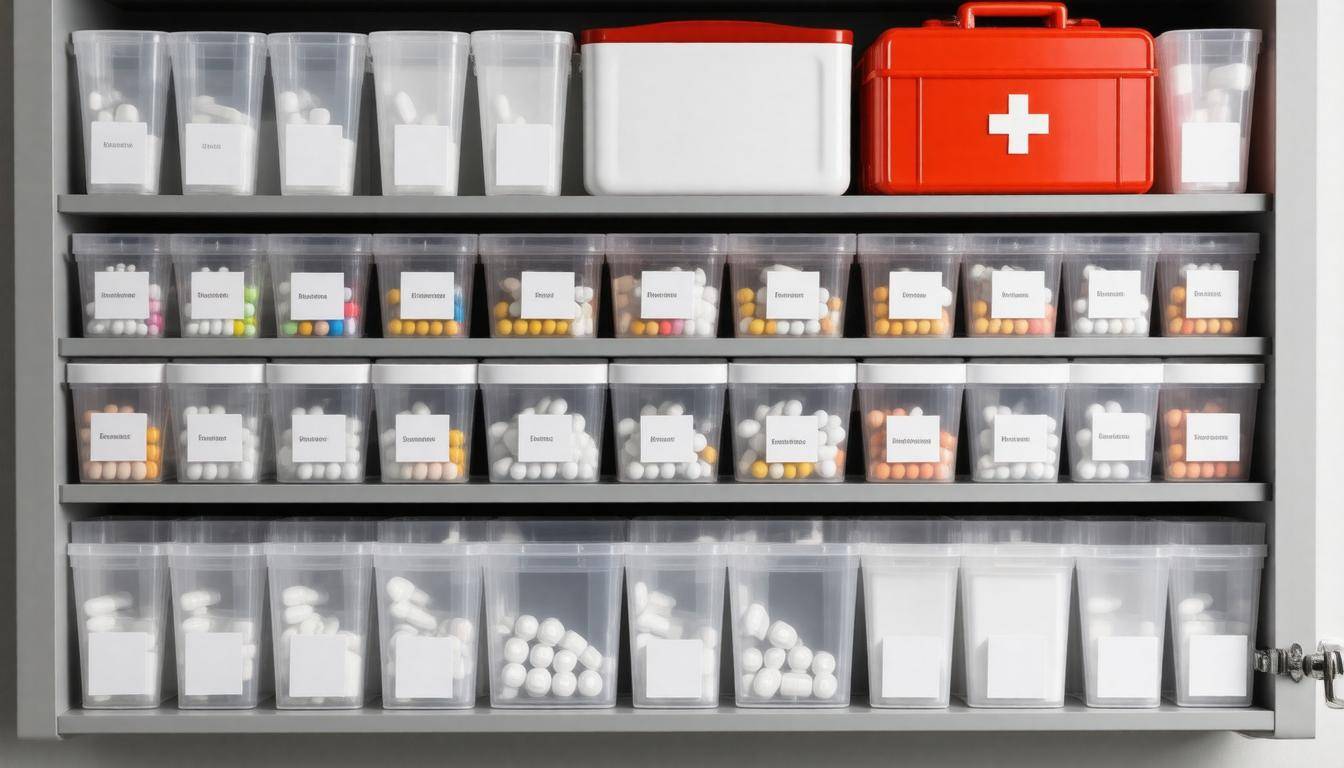
Clear labels are not just an organizational tool; they are a safeguard against potential misusage that could lead to dire consequences. Imagine in the throes of an emergency—perhaps a loved one is having an allergic reaction or a child is experiencing an asthma attack. Every second counts. Without clear labels, you risk fumbling with bottles, trying to decipher what each medication is meant for and compromising the speed at which assistance can be provided.
Labeling Details
One of the most critical aspects is ensuring that Drug Name is prominently displayed on each container. Whether it’s an antihistamine or an albuterol inhaler, knowing precisely what you’re working with can save precious time when every moment is crucial.
Following that, indicating the correct Dosage per use is equally vital. How many times have you heard stories where confusion arose from unclear dosing instructions? By simply writing down the appropriate dosage next to the drug name, you eliminate guesswork. It offers clarity and prevents potentially dangerous overdoses or underdoses.
Special Instructions should also find their way onto your labels. This includes directives like “Take with food” or “Shake well before use.” Sometimes these seemingly minor details can drastically alter treatment effectiveness, particularly when urgency clouds judgment.
One user noted that well-labeled medications prevented confusion during a power outage when quick action was vital. They shared their experience of racing against time only to find everything clearly labeled and accessible, allowing for decisive action instead of frantic searching.
With adequate attention toward labeling medications, it becomes essential to consider how first aid essentials complement these efforts, thereby enhancing preparedness for various emergencies.
First Aid Additions and Supplies
A well-rounded emergency kit isn’t just about the basics; it requires thoughtful selection of items that cater to a variety of situations. For instance, let’s start with bandages. Assorted sizes are essential, from small adhesive bandages for minor cuts to larger, cushioned varieties for tougher situations. Having the right size within arm’s reach can make all the difference in quickly addressing an injury before it becomes infected or worse.
The Role of Antiseptics
Next up is antiseptics, vital for keeping wounds clean. It’s useful to have a range of options, from alcohol wipes and hydrogen peroxide to iodine swabs. Always check expiration dates and replace any expired items promptly; using ineffective products during an emergency can be counterproductive.
The use of sterile dressings cannot be overstated either. These foundational supplies are crucial for managing larger wounds, protecting them from contaminants and minimizing infection risk. Investing in quality sterile dressings creates an effective barrier while being gentle on the skin to promote healing.
Don’t Forget Splints!
If we venture beyond basic needs, splints come into play. Though they might not seem essential for everyday first aid, they are indispensable in emergencies involving fractures or severe sprains. Having simple splinting materials—from pre-manufactured splints to improvised ones made from cardboard—can stabilize an injury until professional help is available. Knowing how to correctly apply a splint could really make a difference in someone’s recovery.
Another critical element includes gloves—specifically non-latex options for those with sensitivities or allergies. This item protects both the caregiver and the injured party during treatment while ensuring hygiene throughout the process. Consider keeping several pairs handy for various scenarios.
It’s crucial to view these supplies as more than mere safety items; they serve as your first line of defense in medical emergencies, transforming panic into action through preparedness.
By incorporating these essential first aid supplies into your kit, you empower yourself—and others—to respond effectively in situations where medical professionals might not be immediately available.
With a clear grasp of these vital supplies, we can now explore how specific medications can further enhance the effectiveness of your emergency kit.
Consulting Your Doctor for Prescriptions
When it comes to emergency preparedness, your personal physician plays a critical role in shaping the contents of your medication kit. With their expertise, they can guide you on which prescriptions are important to have on hand and how to safely store them. By scheduling a consultation, you open up a valuable opportunity to review your current medications. This discussion allows for insights into any additional prescriptions you might need in case of emergencies.
It’s essential to approach your doctor with a clear list of questions regarding both regular and emergency medications. Discussing the pros and cons of medications you rely on is vital; for example, a person diagnosed with asthma may benefit from an extra inhaler when anticipating seasonal triggers. A well-informed conversation can lead to securing essential items like Epinephrine auto-injectors for those with severe allergies or Naloxone for opioid users.
Always remember: Some medications have shelf lives, meaning the ‘emergency supplies’ must be rotated regularly. Share these details with your doctor so you can establish a practical plan.
Requesting two copies of each prescription is another smart strategy. Having one for daily use ensures you’re prepared at all times, while keeping the second stored away means you’re ready for unforeseen circumstances. This practice reflects proactive healthcare management, showing that you’re serious about maintaining not just health but safety.
Furthermore, the Centers for Medicare & Medicaid Services (CMS) have emphasized training caregivers and expanding telehealth services for emergency care consultations. These advancements create a more supportive framework for managing medication safety and ensuring all members—especially at-risk individuals—are adequately prepared.
Regular reviews of first aid supplies and emergency medications can significantly enhance your preparedness level. While discussing updates to prescriptions, consider checking on the general state of your medical supplies as well. Is anything expiring soon? Do you have an ample supply of antiseptics and bandages? Addressing these aspects during your consultation will cultivate a stronger sense of readiness within your household.
Take charge of your health by making time for this important dialogue with your healthcare provider; it will fortify your peace of mind and ensure that when emergencies arise, you’re truly ready to handle them effectively.
In summary, staying proactive about your health and understanding emergency medications ensures that you are always prepared for unexpected situations that may arise.
How should emergency medications be stored to ensure their effectiveness?
Emergency medications should be stored in a cool, dry place away from direct sunlight, as extreme temperatures and humidity can degrade their effectiveness. According to the FDA, some medications can lose potency when exposed to temperatures above 77°F (25°C) for prolonged periods. Utilizing a designated emergency kit that maintains stable conditions not only preserves medication efficacy but also ensures quick accessibility during emergencies, which is crucial for timely medical interventions.
How can one determine which emergency medications are necessary for different family members?
To determine which emergency medications are necessary for different family members, assess each individual’s health conditions, allergies, and any ongoing treatments. Consult with healthcare professionals to create a personalized list and ensure that you account for common emergencies; for instance, statistics show that about 45% of adults have at least one chronic condition that may require emergency medication. Regularly reviewing and updating this list can help accommodate changes in health status or family dynamics, thereby enhancing safety and preparedness.
What types of emergency medications are essential for a household?
Essential emergency medications for a household typically include pain relievers like ibuprofen or acetaminophen, antihistamines for allergic reactions, and antiseptics for wound care. Additionally, having a supply of adhesive bandages, gauze, and prescription medications for chronic conditions can be crucial. According to the CDC, nearly 20% of emergency room visits are due to allergic reactions or minor injuries that can often be treated at home with the right medications. Being prepared not only ensures safety but also reduces unnecessary panic during emergencies.
What additional supplies or equipment should accompany an emergency medication list?
In addition to an emergency medication list, it’s crucial to have a well-stocked first aid kit that includes supplies such as bandages, antiseptics, and scissors, as well as an emergency contact list with important medical information. Research indicates that roughly 1 in 5 individuals will experience a medical emergency in their lifetime; having these additional supplies can significantly enhance preparedness and potentially save lives during critical situations.
Are there specific expiration dates or shelf-life considerations for emergency medications?
Yes, emergency medications do have specific expiration dates and shelf-life considerations. Most medications will retain their potency until their expiration date if stored properly, usually between 1 to 5 years from the date of manufacture. However, certain factors like temperature, humidity, and light can accelerate degradation. For example, studies have shown that some common medications may still be effective for months or even years past their expiration dates, but this is not guaranteed and can vary greatly among different drugs. It’s essential to regularly check and update your emergency medication supplies to ensure safety and efficacy.