
When it comes to hitting the open road on your motorcycle, being ready for anything can make or break your adventure. Whether you’re cruising through winding mountain passes or exploring hidden backroads, having an emergency preparation plan is just as vital as your bike itself. Trust me; I learned the hard way how unpredictable riding can be. From flat tires to sudden downpours, having a solid toolkit and a clear understanding of what to pack can turn potential nightmares into mere bumps in the road. And honestly, who wants to ruin a great ride with avoidable stress? This guide to emergency motorcycle preparations will ensure you’re fully equipped for whatever the journey throws your way, so you can focus on enjoying the ride.
Your emergency motorcycle preparation plan should include crucial items such as first aid kits, basic tools for minor repairs, a reliable means of communication, and knowledge of emergency procedures. Additionally, familiarize yourself with your bike’s maintenance requirements and ensure you have an updated map or GPS system to navigate unfamiliar areas effectively.
Essential Tools for Emergencies
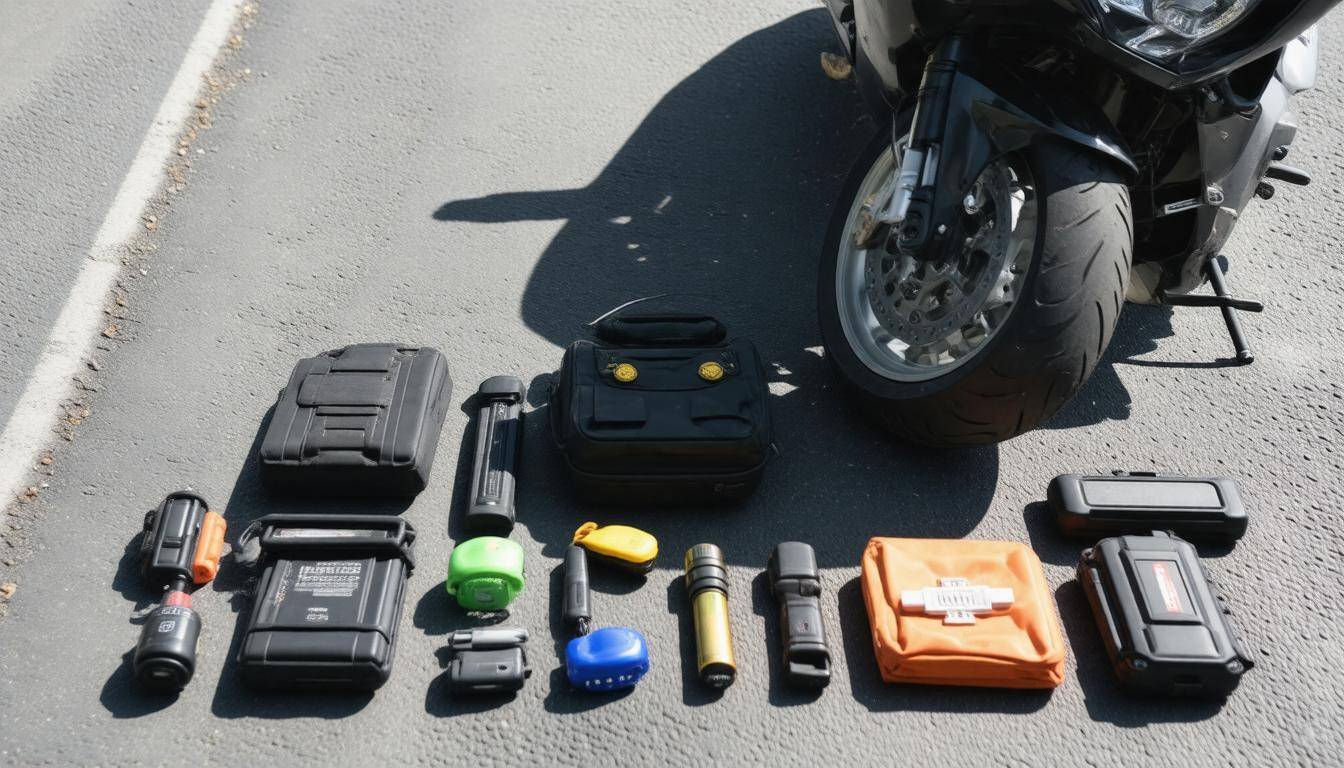
Every motorcycle journey, especially in challenging terrains like the Himalayas, calls for preparedness. A solid toolkit serves as a safety net against unplanned breakdowns and mishaps. Among the most crucial items to carry are basic maintenance tools like wrenches, screwdrivers, pliers, and a multi-tool. These tools are essential for handling minor repairs or adjustments on the go. Whether it’s tightening a loose bolt or fixing a malfunctioning light—having these basics at hand can turn what could be a major inconvenience into a minor hiccup.
Specialized Equipment
In addition to your basic tools, consider packing specialized equipment designed for motorcycle emergencies. For instance, a tire pressure gauge is invaluable; keeping your tires inflated to optimal levels enhances performance and reduces the risk of flats—a common issue on long rides. Coupling that with a portable air compressor allows you to quickly reinflate a tire and offers versatile utility when you need to inflate anything from sleeping pads to sports balls.
A chain breaker is another critical tool that often goes overlooked. If you find yourself with a broken chain while out on the road, this compact device can make all the difference, allowing you to repair or replace it and get back on your way without undue delay.
Essential Spares
Now let’s talk about spare parts—sometimes those little items make the biggest impact. Pack spare fuses and bulbs; they may seem trivial at first glance, yet these items can save you from being stranded due to electrical faults. Imagine riding through the stunning landscapes of Ladakh when suddenly your headlight goes dead at dusk—it’s not just an inconvenience; it could be dangerous. Having spare bulbs on hand means you’re prepared for unexpected situations.
Additionally, zip ties might seem simplistic but they are extraordinarily useful for dealing with many roadside fixes. From holding components together temporarily to securing loose cables, zip ties can be a lifesaver. They can wrap up gear messily until you reach civilization again or help you manage broken parts that didn’t want to cooperate.
By ensuring that you’re equipped with these essential tools and parts, you’ll not only enhance your confidence but also create a solid foundation for tackling any challenges ahead. Next, we will look closely at a critical component of your emergency toolkit: how to effectively assemble a puncture repair kit.
Packing a Puncture Repair Kit
A well-equipped puncture repair kit is your best ally on the road, especially during an adrenaline-fueled motorcycle journey through challenging terrains like the Himalayas. Each component of this kit plays a crucial role in transforming a potentially trip-ruining situation into merely a minor inconvenience. Think of it as a safety net, providing confidence that you can tackle tire issues swiftly and effectively.
The essential items you’ll want to include in your kit are not just random tools; each serves a specific purpose that contributes to efficient tire repairs.
Essential Kit Items
-
Repair plugs: These little wonders work to seal puncture holes effectively, giving you the peace of mind that your tire will hold air once again.
-
Reamer tool: This tool helps clean and prep the puncture hole, ensuring that the repair plug binds tightly to the tire material.
-
Insertion tool: Used to insert plugs into punctures, this tool is vital for getting the repair done quickly and accurately.
-
Portable air compressor: This handy device reinflates your tire after you’ve completed the repair, which is critical for getting back on the road quickly.
-
Pressure gauge: Ensuring that your tire is inflated to the correct pressure is key, as under or over-inflation can lead to more problems down the line.
-
Tire sealant for tubeless tires: Adding an extra layer of security, tire sealant can prevent small leaks from becoming bigger headaches.
When packing these components, it’s important to ensure they are organized and easily accessible. Using a waterproof bag or container will protect them against moisture and dust, allowing you to pull out exactly what you need when facing roadside challenges. Additionally, check your kit every six months for any missing or expired components—you don’t want to be caught without a tool when disaster strikes!
Now that we’ve covered what needs to be in your kit, let’s explore more about utilizing these tools effectively when faced with unexpected situations on your ride.
Critical Safety Gear to Carry
Safety gear is your first line of defense in case of an accident or unexpected mishap. A high-quality helmet that meets safety standards such as DOT or Snell is not just a basic requirement; it’s a vital necessity. Think about it: this piece of gear acts as your shield, protecting your head from potential impacts and including features like visors that shield your eyes from flying debris or harsh sunlight. Trust me, you’ll appreciate that visor when dust storms roll through the Himalayas!
Beyond helmets, investing in protective clothing is equally crucial. A robust jacket made of leather or durable textile material with CE-rated armor in areas like shoulders and elbows can dramatically reduce the risk of injury from road rash or impact. Similarly, wearing riding gloves made from abrasion-resistant materials will provide palm protection and enhance your grip on the handlebars. Wearing riding pants reinforced with Kevlar or similar material, featuring knee armor for added defense, is also advisable.
It’s wise to remember that every piece of gear serves a specific purpose—choosing gear with adequate protection can easily make the difference between a minor scrape and a serious injury.
When visibility is concerned, reflective vests or tape become indispensable. These elements increase your visibility to motorists, especially in low-light conditions like early morning rides or dusk descents through winding valleys. You want to be sure other drivers see you—not only for their safety but also for yours.
Another critical component of safety gear is the riding boots.
Boots specifically designed for motorcycling go beyond fashion; they provide essential ankle support and slide protection. High boots (ideally at least 6 inches) made from tough leather or synthetic materials can effectively protect your feet and ankles during falls. They often come with reinforced toes and ankles, providing extra stability when navigating rugged terrains.
Additionally, carrying a first aid kit is non-negotiable. In remote areas like the Himalayas where medical assistance may be hours away, having a compact first aid kit stocked with essentials—adhesive bandages, antiseptic wipes, and gauze pads—is crucial for addressing minor injuries right away. It’s essentially your own little insurance policy against unpredictable adventures ahead.
Remember, preparing well means equipping yourself not just with high-quality gear but also having the right mindset. Chain these components thoughtfully together, and you’ll significantly enhance your safety journeying through challenging terrains.
As we transition into our focus on health and safety while on the road, understanding the essentials for medical preparedness will ensure you’re not only equipped for riding but also for managing any emergencies that might arise.
First Aid Essentials for Riders
Being prepared for medical emergencies is just as important as mechanical ones when you hit the open road. A well-stocked first aid kit can mean the difference between a minor inconvenience and a serious health issue if an accident occurs. It’s crucial to equip yourself with items that patch up cuts and bruises and those that cater to potential emergencies—because every second counts during an incident.
A first aid kit should include foundational items like adhesive bandages in different sizes, sterile gauze pads for larger wounds, and consistent access to antibacterial ointment to help prevent infections. These basic supplies will come in handy when you encounter scrapes or minor injuries that could otherwise lead to bigger issues if left untreated. Additionally, think about pain management too. Having over-the-counter pain relievers like ibuprofen ensures you can handle any discomfort after a long ride.
Tweezers are invaluable, especially for removing any debris that may become lodged in scrapes or cuts. You might also want to consider packing a CPR face shield; it’s a small yet mighty tool for emergencies where resuscitation might be needed. Remember that having the right tools isn’t just about treating injuries; it’s about doing so effectively and efficiently.
Additionally, consider adding a compact survival blanket to your kit. These lightweight, reflective blankets can keep you warm if you’re immobilized in cold conditions, reducing the risk of hypothermia. The last thing you want while stranded on a mountain road is to lose body heat rapidly. Pair this with a whistle—another surprisingly effective tool. In an emergency situation, a whistle can serve as your voice when you might not be able to shout for help.
If you have existing medical conditions or take specific medications, include those in your first aid kit as well. Carrying your prescribed medication ensures you’re covered in case of flare-ups or emergencies related to those conditions. It’s always better to be safe than sorry when it comes to managing health concerns while out riding.
Finally, remember that knowledge is power. Simply having these supplies isn’t enough; knowing how to use them effectively is equally important. Consider taking a first aid course, perhaps through organizations like the American Red Cross, which can help boost your confidence and preparedness as a rider significantly.
As we move forward, let’s explore essential checks that ensure your bike is ready for those thrilling rides ahead.
Pre-Trip Bike Inspection Checklist
A pre-trip inspection can catch potential issues before they spiral into major problems, making it an essential step in preparing for any ride. Consider it a routine health check-up for your motorcycle—just as you wouldn’t head out for a long journey without verifying your own well-being, the same principle applies to your bike.
To start, always check tire pressure and tread depth. Proper tire pressure affects handling and fuel efficiency. The recommended PSI typically falls between 30-40 PSI, depending on your bike’s specifications. Inspect the tires for any visible signs of wear or damage, such as cracks or bulges. An easy trick I learned is the penny test: inserting a penny into the tread should ideally show part of Lincoln’s head. If you can see all of his head, it’s time to replace those tires.
Next up, we cannot underestimate the brakes.
Step-by-Step Pre-Trip Inspection
For our second step, the brake check is crucial for safety and confidence while riding. To conduct this check, squeeze the brake levers and press the foot pedal. They should engage smoothly without any sticking or grinding sounds. Visually inspect the brake pads; a minimum thickness of 1/8 inch is ideal. If they look thin or if braking feels spongy, it’s a clear sign that they need attention.
Now that we’ve ensured stopping power is reliable, let’s turn our attention to fluid levels.
Checking and topping off essential fluids—like oil, coolant, and brake fluid—is not just a chore but a necessity. Using a dipstick for oil ensures you’re within the marked range; low oil can lead to severe engine problems while on the road. Lastly, don’t forget coolant levels! Keeping them within specified limits is vital—especially in extreme weather conditions when overheating can occur.
With fluids sorted out, now it’s time to confirm that all systems are electrifyingly functional.
Electrical systems can sometimes be overlooked but are critical for safe riding. Once you’ve flipped the ignition switch to “on,” check your headlights, turn signals, and brake lights. Each light should illuminate brightly without flickering. A tip from an experienced rider is to ask someone to help during this check; they can watch each light while you activate them, ensuring no bulbs are burnt out.
Lastly, we arrive at an often-overlooked element: the battery and charging system.
Test your battery voltage with a multimeter before hitting the road because a weak battery can leave you stranded miles away from home. Ideally, give it a quick scan; anything below 12 volts generally indicates that it needs attention or replacement before embarking on your journey.
By adhering to this straightforward pre-trip inspection checklist—essentially giving your motorcycle thorough care—you not only ensure personal safety but also extend its lifespan significantly. Riding confidently starts with being proactive about maintenance!
With these preparations behind you, it’s time to strategize what you’ll pack to optimize your experience on the open road.
Packing Guide for Motorcycle Trips
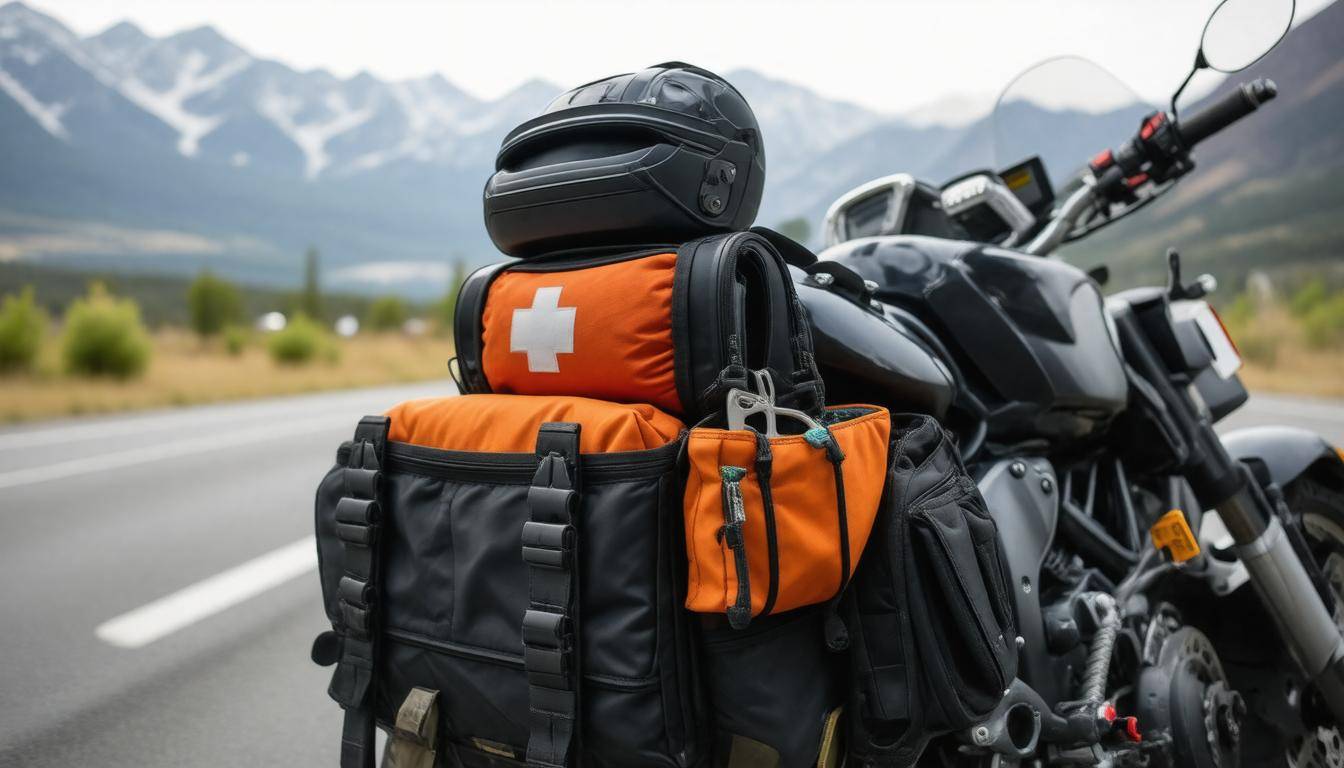
Efficient packing can make all the difference in the world when it comes to your motorcycle journey. You want to enjoy the ride, not stress about forgetting something vital or having a cumbersome load. Start with the essentials: identification, credit cards, cash, phone, and chargers. These items are non-negotiable—and when you’re on the road, every item has its place in your adventure.
Optimizing Space
One of the best packing strategies involves using compression bags for your clothing. These handy bags are not only excellent for minimizing space but also keep your clothes dry and protected from leaks. To maximize efficiency even further, roll your clothes instead of folding them; this method saves space and helps reduce wrinkles, leaving you looking fresh upon arrival at your destinations.
Besides optimizing clothing storage, consider the benefits of utilizing saddle bags and tank bags effectively. Saddle bags work wonders for stashing heavier items or gear you won’t need immediate access to—like extra layers or tools—while tank bags provide a prime location for frequently accessed necessities such as maps, snacks, or small gadgets. It’s those easy-to-reach items that can save you time and effort while on a break.
As you pack, balance the weight evenly across both sides of the motorcycle. This may seem like a minor detail, yet it plays a crucial role in maintaining stability during your ride. A well-balanced motorcycle ensures better handling and safer journeys, preventing unwanted tilting or strain on your vehicle.
Safety Considerations
Don’t forget about essential safety gear! Equip yourself with a DOT-approved helmet, protective gloves, a jacket with armor, riding pants with armor, and waterproof boots. Each of these items serves a purpose beyond mere comfort; they protect you from unforeseen events on the road.
Beyond clothes and safety gear, think about packing emergency supplies as well. A basic survival kit—including water, non-perishable food, a flashlight with extra batteries, a tire repair kit, and a multi-tool—could make a significant difference in case of an unexpected situation on remote roads.
Packing efficiently is not just about convenience; it’s about enhancing your overall experience while riding by ensuring that you have everything you need while keeping your load manageable. Take the time to plan out what to bring carefully; it will pay off while you’re navigating those winding mountain roads or setting up camp under the stars.
With your packing sorted, it’s time to shift our focus toward how to handle any unexpected bumps along the road.
Roadside Emergency Tips
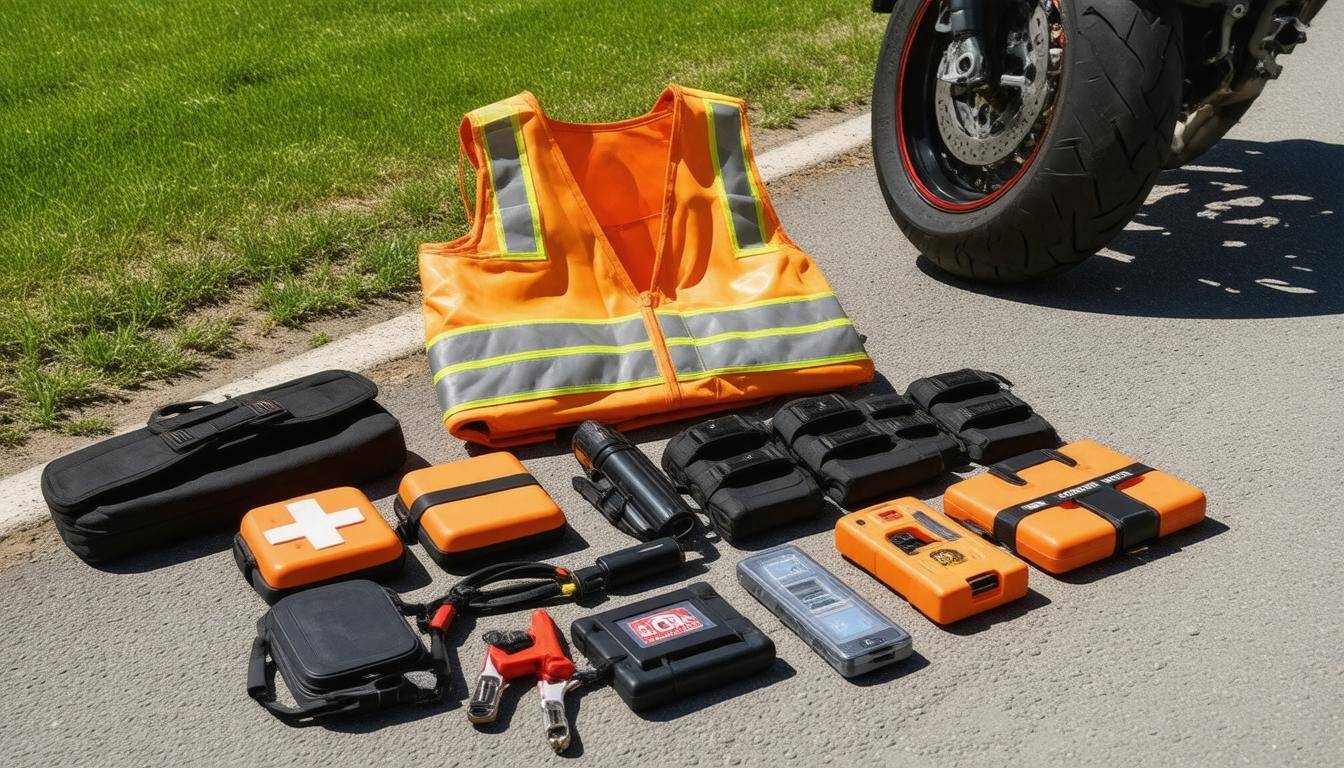
It’s remarkable how quickly a perfect ride can turn into a stressful emergency. Knowing exactly what to do when disaster strikes can ease your mind and help you regain control. The first step if something goes awry is always to move your motorcycle safely off the road. Staying where traffic is whizzing by puts you at risk and can also endanger others. Look for a wide shoulder, parking lot, or any safe spot away from the hustle of vehicles. This simple act of prioritizing safety lays the foundation for effective problem-solving.
Common Emergencies
One of the most dreaded situations for any motorcyclist is facing a dead battery. Thankfully, with a portable jump-starter in your toolkit, this worry can be easily tackled. These handy devices are compact and easy to use—just follow the instructions, connect it properly, and you’ll be back on the road in no time.
Another common issue is running out of fuel, especially in remote areas where gas stations may be sparse. To avoid this predicament, always carry a small fuel canister. It’s astonishing how much peace of mind such a minor detail can provide. Did you know many modern motorcycles come equipped with an auxiliary tank? Familiarizing yourself with its operation could save you from long walks in search of fuel.
Make it a habit to keep essential contact numbers within easy reach at all times. This should include local roadside assistance services and your insurance company’s contact information. When you’re stuck and feeling flustered, having these numbers ready means less time scrambling through your phone or wallet to find help.
Always remember: Preparation is the best defense against roadside emergencies.
Taking proactive measures allows you to tackle unforeseen challenges more easily on the road while also boosting your confidence as a rider. Next, we’ll cover strategies to ensure you stay ready for whatever comes your way during longer trips.
Staying Prepared on Long Journeys
Long trips can offer a sense of freedom and adventure, but they also require attention to detail to ensure a smooth experience. Hydration and nutrition are paramount; you’ll want to carry plenty of water in a durable container that fits snugly in your saddlebags. A hydration pack is an excellent choice because it allows you to sip water on the go without stopping. Additionally, packing energy bars provides quick nutrition breaks that can sustain your energy levels. Dehydration diminishes your focus and puts you at risk for fatigue, making it harder to react to sudden obstacles on the road.
Comfort Items
To enhance your riding experience further, consider adding specific items for comfort. A comfortable seat pad can be a game changer for those long hours on the bike. It helps reduce pressure points, so your ride feels enjoyable instead of torturous. Likewise, earplugs can significantly diminish wind noise, preventing fatigue from constant exposure to roaring winds. This little bit of added comfort allows riders to focus on the journey ahead rather than fighting discomfort.
Many bikers have shared how small comforts made an enormous difference during their trips. For instance, one rider noted how adding a gel seat pad enabled them to extend their daily ride time without suffering from aches and pains, allowing them more time to take in scenic views along the route.
Routine Stops
Establishing a routine of brief stops every 100-150 miles is essential not just for your body but also for the health of your motorcycle. These breaks give you the chance to stretch your legs, hydrate properly, and inspect your bike for any signs of wear or malfunction. By utilizing these moments as a mental reset, you ensure that both you and your machine remain in peak condition over long stretches of open road.
Incorporating this consistent routine into your itinerary helps maintain alertness. Frequent stops translate into safer riding experiences; think of these breaks as vital fuel stations—not just for your bike but for your spirit.
Taking the time to prepare effectively will enhance your enjoyment while riding. Balancing hydration with comfort and establishing a rhythm through routine stops sets the foundation for a memorable motorcycle journey.
With these guidelines in mind, you’re ready to embark on an exhilarating adventure that combines safety, comfort, and unforgettable landscapes.