
In a world where emergencies can strike without warning, the safety of our children at school is more crucial than ever. Parents and educators alike understand that preparation is key when it comes to keeping kids safe during potential crises. Our article offers essential guidelines on how to create an effective emergency plan designed specifically for schools. This plan not only involves detailed procedures but also emphasizes communication, roles, and regular drills to ensure that everyone—students and staff—know their responsibilities when the unexpected occurs. By implementing these proactive measures, we can build an environment where learning continues safely, even amidst uncertainty.
You can find a comprehensive template for an emergency plan for children at school on our website, which includes essential sections such as communication protocols, initial response options, and training requirements. This customizable template is designed to help schools effectively prepare for various emergencies while ensuring the safety and well-being of students.
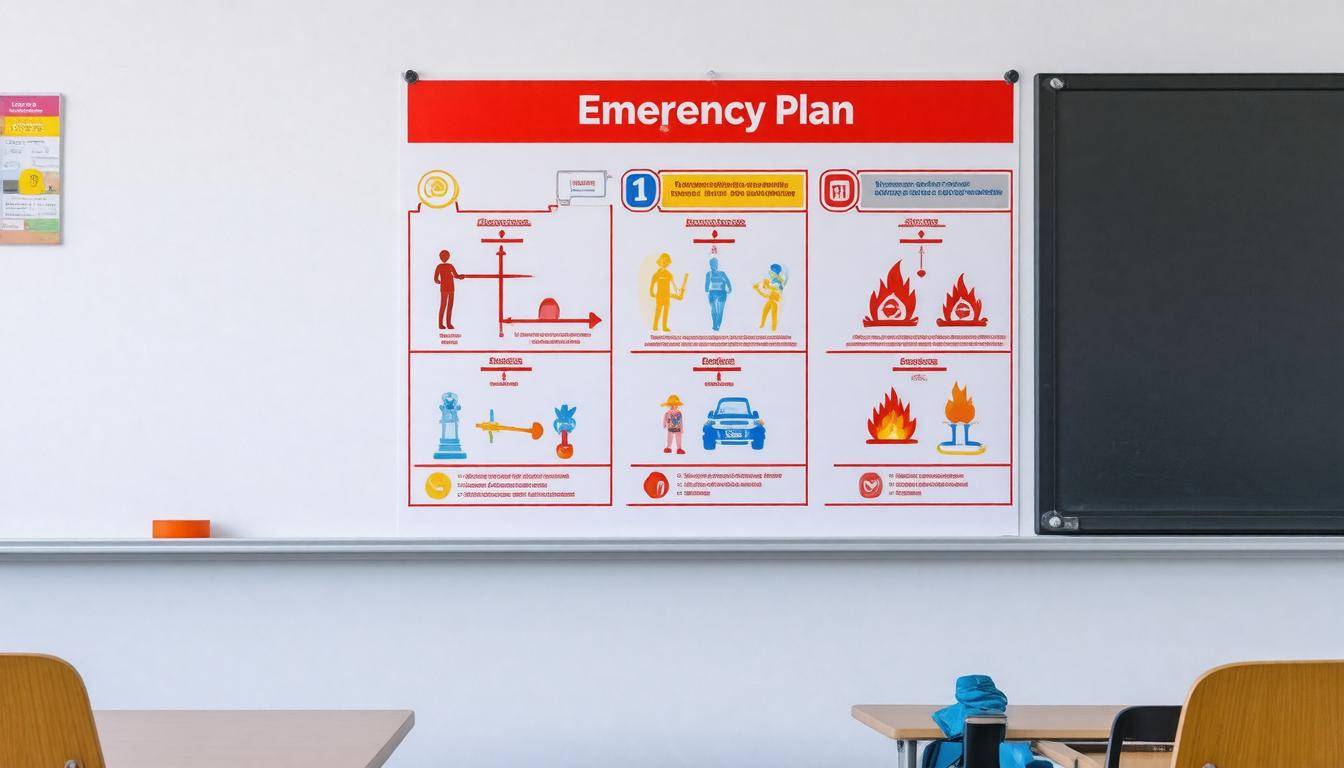
Sample Emergency Plan Template for Schools
An effective emergency plan is more than just a document; it’s a lifeline that can protect lives in critical situations. The template for such a plan should encompass various emergencies, detailing procedures so that everyone knows exactly what to do when chaos strikes. It all begins with an introduction that sets out the purpose of the plan, making it clear that the ultimate goal is to keep children safe.
From there, you can list out potential emergencies—think fires, severe weather events, and even the unfortunately necessary active shooter scenarios. By anticipating these threats, you prepare the whole school community in advance.
Communication Protocols
Establishing robust communication protocols is vital to an effective emergency response. This section should outline who communicates what, when, and how. For example, parents must be informed promptly during crises to avoid panic. It’s useful to include details about various methods—text alerts, emails, website updates—because ensuring timely information reaches families is crucial.
Next up are the evacuation procedures. Picture this: a school bell ringing loudly as children evacuate calmly towards designated safe areas outside the building. Clarity is key; provide step-by-step instructions on how each classroom will leave and where they will regroup afterward. Mapping out primary and secondary routes ensures all students can exit safely, regardless of their starting location in the school.
Lockdown Protocols
Moving on, consider your lockdown protocols. According to recent studies, schools implementing practiced lockdown drills experienced a 40% increase in student preparedness during actual emergencies. This section should articulate procedures to secure classrooms and emphasize regularly scheduled drills that help students understand what a lockdown looks like in practice.
In addition to these sections, it’s imperative to have clear medical emergency procedures laid out too. Knowing how to respond immediately when someone gets hurt or falls ill can save lives. This can include everything from basic first aid actions to identifying resources for contacting emergency medical services.
Post-Incident Recovery
Finally, when the threat has passed and normalcy returns, detail your post-incident recovery plans. Consider these essential components:
- Counseling services for students affected by traumatic events.
- Debriefs with faculty and administration to evaluate what went well and what didn’t.
- Physical repairs needed after any damage incurred during the emergency.
Once your template articulates these foundational elements clearly, it’s time to focus on identifying unique challenges unique to your school’s environment—addressing this aspect will further enhance safety preparedness.
Identifying Potential Hazards
Each school exists within a unique geographical and environmental context, and recognizing this diversity is the first step toward effective emergency planning. Potential hazards can encompass a wide array of threats, ranging from natural disasters to human-caused events.
For instance, in regions prone to environmental shifts—like coastal areas at risk of hurricanes or communities near fault lines where earthquakes frequently occur—schools must prioritize preparation with tailored drills and safety measures.
Consider natural disasters such as earthquakes, floods, and hurricanes; these can strike unpredictably but typically leave behind evidence of their severity in victim testimonies and historical records.
Similarly, technological hazards are significant. Schools may face power outages that disrupt learning or endanger students in emergencies. An alarming rise in chemical spills occurring near educational facilities also poses risks necessitating immediate evacuation procedures. The need for heightened awareness about these risks cannot be overstated, especially given that 35% of schools reported experiencing some form of natural disaster, while 20% encountered technological hazards, according to a 2023 survey by the National School Safety Center.
Human-caused incidents add another layer of complexity to potential hazards. Events such as active shooter situations, bomb threats, and vandalism jeopardize not only the physical safety of students but can also invoke long-term psychological effects. These events highlight the necessity for thorough planning and training sessions so that students and faculty feel prepared to respond effectively should such crises arise.
Schools situated near specific risk zones should focus on proactive measures. For instance, schools in earthquake-prone areas would do well to create structural safety plans while conducting routine earthquake drills every year. In contrast, those close to industrial sites need a robust protocol tailored to handle possible chemical spills effectively. Identifying these specific hazards means schools aren’t just reacting but are strategically preparing for potential emergencies.
With a firm understanding of potential hazards established, it becomes essential for schools to channel their efforts into creating structured protocols that guide responses during various emergencies.
Emergency Response Procedures
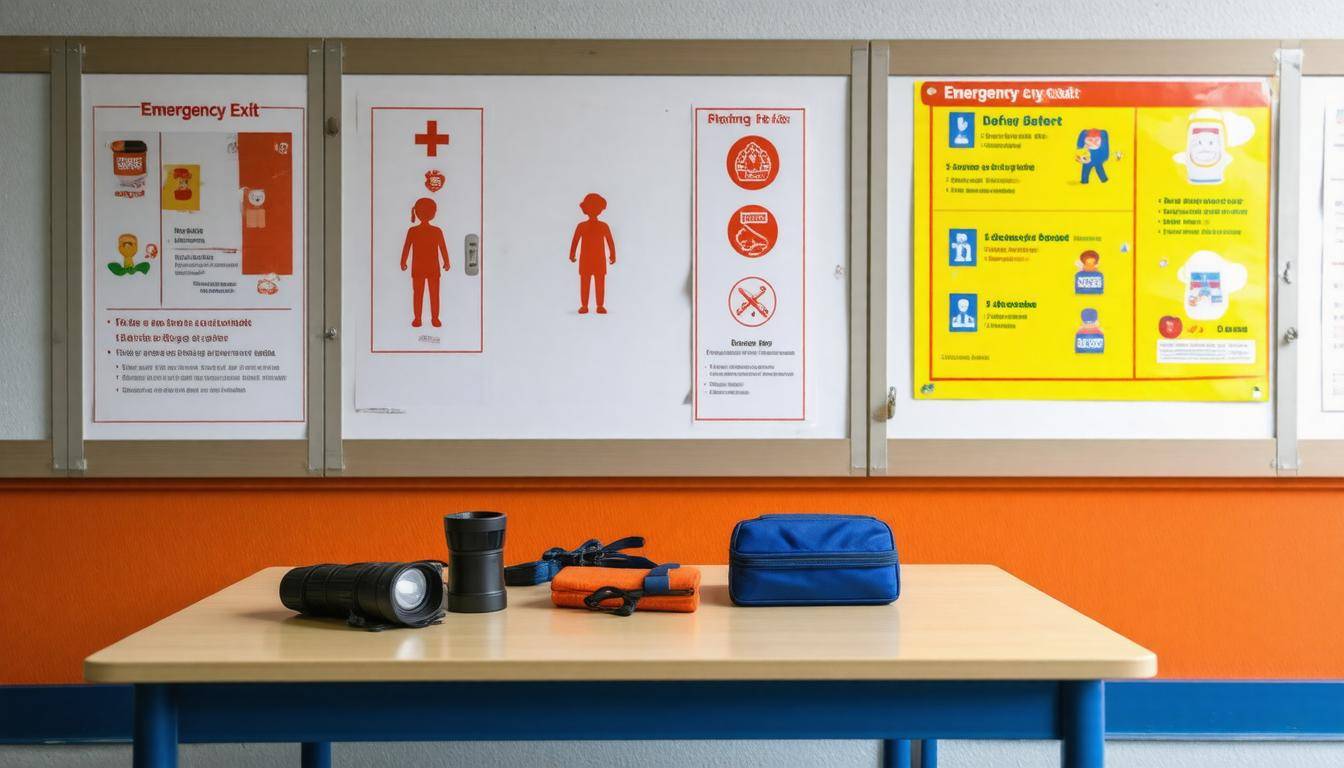
Emergency response procedures are vital for ensuring that every faculty and staff member knows their role during a crisis. These procedures should be simple enough for anyone to follow without hesitation under pressure. Having such clarity can make all the difference when minutes count. Each school should craft these protocols with input from local emergency services, aligning them with best practices and community resources.
Immediate Actions
A critical element of any emergency plan is the immediate actions that must be taken. These include calling 911, implementing lockdowns when necessary, or executing evacuation protocols. For example, during a fire alarm, the procedure should clearly outline the safest and swiftest routes out of the building. Knowing where to go reduces panic—people can effectively lead students to safety instead of scrambling around unsure of what to do next. Establishing a code word for emergencies can communicate urgency quickly, eliminating ambiguity.
Having clear signage throughout the building helps significantly; arrows pointing towards exits allow for swift identification even in chaotic situations.
Medical Emergencies
Addressing medical emergencies is another hallmark of effective emergency response. Schools need comprehensive procedures detailing how to administer first aid and call paramedics—a two-pronged approach that maximizes immediate care while ensuring expert help is on the way.
Each classroom should be equipped with a map marking emergency exits alongside a list of essential phone numbers. This keeps critical information at hand and ensures staff can coordinate responses more efficiently—think about it: in a stress-filled moment, clarity is key!
Furthermore, regular drills ensure that both staff and students understand these emergency response procedures inside and out. Conducting scenario-based training allows faculty to engage with established protocols while adjusting strategies based on feedback from real-life drills.
Engaging students in discussions about emergency responses fosters an environment where everyone feels involved in their safety strategy. After all, it’s not just about protecting them; it’s empowering them to respond effectively in emergencies.
Incorporating these robust emergency plans into everyday school life strengthens the foundation for safety, creating a secure atmosphere where learning can thrive. Next, let’s explore how governance structures support effective strategies during unexpected events.
Evacuation Planning
An effective evacuation plan goes beyond just knowing which exit to use; it intricately weaves together routes, assembly points, and clear communication to ensure safety. Imagine a bustling school where chaos can arise during an emergency. By having designated leaders in each classroom, we can ensure that students are guided along predetermined paths to safety. These leaders play an essential role, directing footsteps while teachers line the path, ensuring that no child is left behind. This collaborative effort minimizes confusion and enhances safety, making every second count.
Creating Detailed Maps
A crucial aspect of evacuation planning is to create detailed maps that illustrate primary and secondary escape routes. Displaying these maps prominently in classrooms and common areas allows both students and staff to familiarize themselves with the safest ways to exit the building. It’s not enough just to have a map hanging on the wall; staff members must know these routes well enough to guide students effectively during emergencies. Regular reviews of these maps help reinforce them in staff and students’ minds, ensuring everyone is prepared when the unexpected occurs.
Accountability plays a pivotal role in maintaining order during evacuations.
Accounting for All Students
To further enhance security during evacuations, implementing a roll-call system at assembly points can be invaluable. This method allows for a quick headcount to confirm that all students have exited the building safely. By keeping track of absences ahead of time, teachers can be sure to account for every child under their care, swiftly identifying any missing individuals amid the chaos following an emergency exit.
Using this system ensures the safety of every child while streamlining the evacuation process by providing clarity to first responders about who remains inside.
In today’s increasingly uncertain world, it’s vital that schools take proactive measures to protect their most precious asset: our children. Regularly updating evacuation plans and practices documents as necessary builds community trust while equipping staff with essential tools required for a smooth evacuation. Embracing a culture of preparedness helps pave the way for more structured simulations and readiness exercises, allowing everyone involved to respond confidently in real situations.
As we consider how best to prepare for emergencies, understanding the importance of repetitive practice becomes paramount in ensuring everyone knows their roles and responsibilities.
Drills and Practice
Regular drills are essential for cultivating an environment of readiness among both staff and students. When children participate in frequent practice sessions, they develop a sense of familiarity with emergency procedures, which helps them remain calm and collected in real emergencies. A study published in 2023 found that schools conducting monthly drills achieved evacuation times that were, on average, 50% faster than those who practiced less often. This significant improvement illustrates just how impactful these drill routines can be.
For example, consider the diverse types of drills possible. Schools can implement:
- Fire drills, where students learn to exit the building quickly and safely.
- Earthquake drills, which guide them on how to drop, cover, and hold on.
- Lockdown drills focused on securing classrooms during dangerous situations.
Each of these drills is tailored to specific emergencies, ensuring everyone understands their roles and responsibilities.
Frequency of Drills
To maximize effectiveness, schools should schedule drills quarterly, incorporating varied scenarios throughout the year. This approach allows for the inclusion of different emergency situations like severe weather alerts or active shooter incidents, ensuring comprehensive training that reflects potential real-world challenges. By practicing frequently, students become more adept at recognizing alarms and other emergency signals—key elements for successful evacuations.
After each drill, it’s vital to conduct a debriefing session. This time allows teachers and students to discuss what worked well and what areas may require improvements or adjustments. The feedback gathered during these debriefs can lead to actionable insights that continuously refine the school’s approach to emergency preparedness.
Engaging parents in this dialogue about drills can further strengthen community ties as families better understand school policies and can help reinforce safety discussions at home.
In addition to regular feedback and discussions:
- Incorporate age-appropriate adaptations for younger children who may need more visual aids or hands-on practice.
- Facilitate simulations that put students in “real-life” scenarios, enabling them to think critically under pressure.
- Monitor participation rates, since studies indicate that 95% of students engage in these important exercises; this high level of involvement highlights the value of practice in enhancing confidence and readiness.
With ongoing commitment to this drill regimen, schools will not only cultivate a culture of safety but also significantly improve their overall crisis management capabilities—making everyone involved feel more secure in their environment.
Understanding the importance of these practices lays a solid foundation for addressing another crucial aspect: creating effective channels for communication during emergencies.
Establishing Communication Protocols
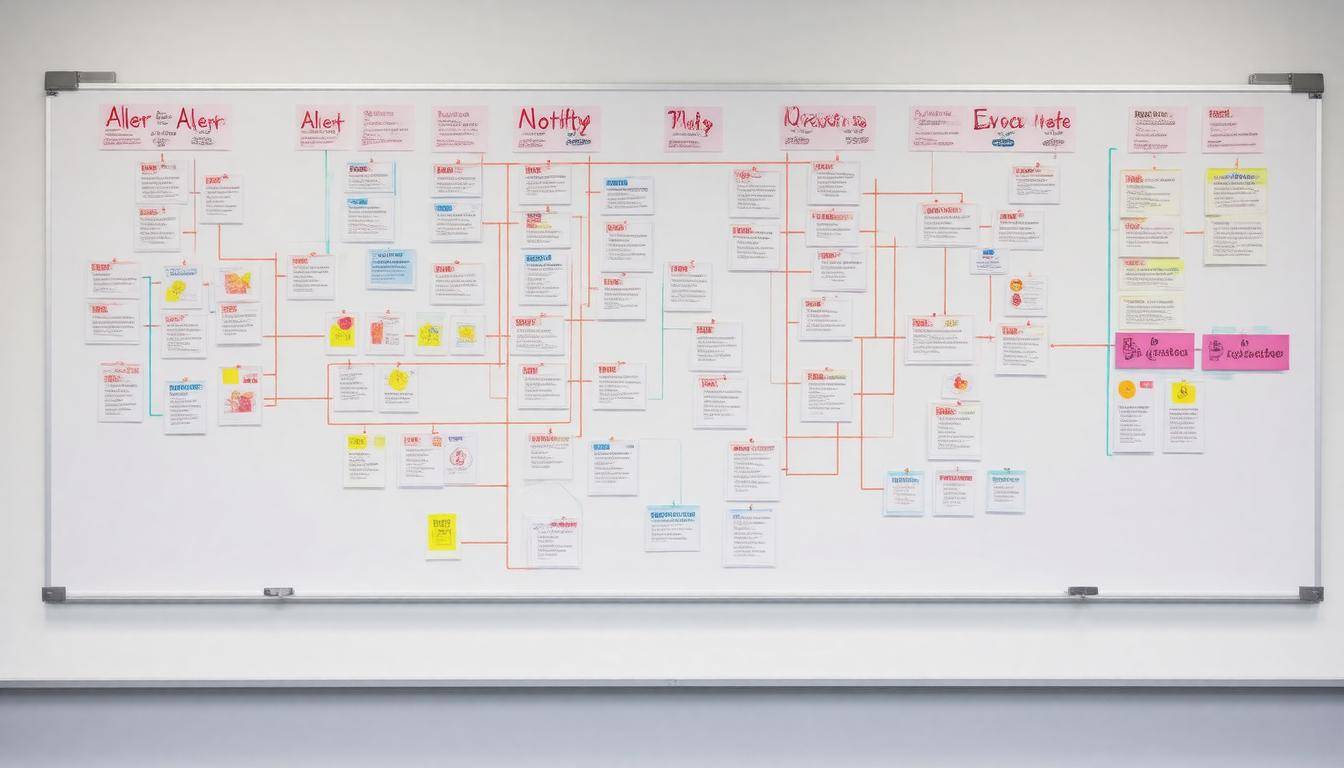
In the heat of an emergency, clear and timely communication can make all the difference. This is especially critical in schools, where numerous students and staff need to be guided swiftly and calmly. Establishing a multi-tiered communication system becomes paramount to ensure that everyone—students, parents, and staff—is informed efficiently about what is happening and what actions to take.
Internal Communication
A well-structured internal communication system can utilize tools such as public address (PA) systems, radios, and text alerts. Imagine a scenario where an unexpected incident occurs; within moments, a coded announcement over the PA system can relay crucial information without igniting panic among students. Such a method maintains order while providing necessary guidance. Clear protocols should also include how teachers can communicate internally during an emergency with walkie-talkies or direct lines to administration, allowing for real-time updates on classroom situations.
This approach emphasizes that every adult in the building knows their role—from who is responsible for calling for help to how information is relayed throughout the building.
External Communication
While internal communication ensures safety within the school, external communication plays an equally vital role in keeping parents and local authorities informed. Prompt notifications were noted by one principal during a lockdown scenario through a dedicated school app. This proactive measure served not only to inform but also to reassure worried parents anxious about their children’s safety. The key here is ensuring parents receive accurate, timely updates so they know exactly what’s happening and how they can respond appropriately.
An effective external communication protocol must account for various scenarios including notifying local emergency services when necessary, liaising with law enforcement if there’s a threat, and working closely with health departments if any medical emergencies arise. Consider establishing an emergency communications tree; this way, teachers can promptly alert designated coordinators who will further disseminate information down the line.
Assigning specific roles—like who handles parental notifications or interacts with media—will significantly streamline efforts and minimize confusion during crises.
By prioritizing both internal and external communications, schools can significantly enhance their preparedness for emergencies. This framework sets the stage for evaluating how responsibilities are allocated among staff members in these situations.
Assigning Responsibilities
When the unexpected happens, having a well-organized team with defined roles can mean the difference between chaos and order. Clearly delineated responsibilities enable schools to respond swiftly and effectively during emergencies, ensuring that everyone knows not only what to do but also their specific role in maintaining safety. For instance, how reassuring would it be for parents to know there’s a designated Incident Commander who oversees the entire emergency response? Having someone in charge helps create a sense of security among staff and students alike.
Role Assignments
Common roles within the emergency response team often include:
-
Incident Commander: This individual has the overarching responsibility of managing the situation. They are tasked with making critical decisions and coordinating actions among various teams. Their leadership drives the overall effectiveness of the response.
-
Safety Officers: These team members ensure that all safety protocols are adhered to during the emergency. They monitor the environment and make recommendations to keep everyone safe.
-
Communication Officers: It’s crucial for someone to act as a bridge between internal staff and external entities like parents or local authorities. Communication Officers handle all correspondence, ensuring accurate information flows without delay.
-
Medical Officers: In emergencies where injuries may occur, having dedicated Medical Officers is paramount. They provide first aid as needed and connect with professional medical responders to bolster support.
Now that we’ve highlighted some essential roles, let’s discuss how proper training complements these assignments.
Training
Conducting regular training sessions for each assigned role ensures that staff members remain prepared and confident when an emergency arises. Knowing what to do is one thing; knowing how to execute it effectively under pressure is quite another.
It’s recommended that these training sessions cover aspects such as CPR, first aid responses, and evacuation drills tailored to the school’s unique circumstances. Training isn’t just about locking down procedures; it’s about creating muscle memory in intense situations. Regular practice can help decrease anxiety levels among staff and empower them to take decisive action when time is of the essence.
Additionally, schools should adapt their training templates based on feedback received after drills or real-life incidents. This adaptability fosters a responsive culture where improvements are continuously integrated into emergency plans—this way, nothing feels too rigid or out of sync with reality. By embracing these essential elements of role assignment and training within their emergency operations plans, schools can enhance overall preparedness while instilling confidence in staff and parents alike.
With established roles and thorough training in place, it’s crucial to explore ways to customize these strategies specifically for your institution’s unique needs.
Adapting the Template to Your School
When considering how to tailor a standardized emergency plan template for your school, recognize that there is no universal solution. A one-size-fits-all approach simply won’t suffice because each school has its own specific needs based on factors like size, location, and inherent risks.
For instance, a larger school might require multiple evacuation routes due to its sprawling layout, while a smaller facility might have a more straightforward escape plan.
Start this customization process by conducting a comprehensive risk assessment tailored to your school’s specific characteristics. This means identifying local hazards—such as floods, earthquakes, or violent incidents—and evaluating the available resources at your disposal.
Consider aspects like nearby hospitals, community support services, and local law enforcement availability when drafting your plan. Each of these elements plays a role in shaping your responses during emergencies.
After you’ve gathered relevant data about potential risks and resources, engage with local emergency services. Forming partnerships can provide critical insights into best practices for crisis management based on their firsthand experiences responding to real-life situations.
For example, a school situated near a coastline may need to develop comprehensive tsunami evacuation procedures. In contrast, urban schools must prioritize protocols addressing active shooter situations. Understanding whether your geographical area is prone to natural disasters or manmade threats directly influences the types of measures you’ll need to implement.
Customization Steps
Once you’ve gathered information and collaborated with emergency responders, shift focus toward effective communication within the school. Ensure that all staff members understand their roles in implementing the emergency procedures. Regular training sessions will ensure everyone knows what actions to take in times of crisis.
It’s also wise to establish clear lines of communication between the school and families. Keeping parents informed during emergencies builds trust and reassurance among them.
This can involve setting up dedicated channels for notifications or even holding informational sessions so that families know what to expect should a situation arise.
Finally, remember that an emergency plan requires continuous evaluation to remain pertinent and actionable. Aim for annual reviews or updates following any major changes within the school or surrounding community, such as renovations or shifts in student enrollment numbers. An adaptable emergency response plan emphasizes both resilience and preparedness, ensuring safety remains a priority every single day.
By taking these thoughtful steps, your school can create an emergency response framework that not only reflects its unique circumstances but also enhances the overall safety of its students and staff alike.
The dedication to crafting a profound and flexible safety plan promises heightened security and peace of mind for everyone involved in the educational journey.
How often should the emergency plan be reviewed and practiced with students?
The emergency plan should be reviewed and practiced with students at least twice a year. Regular reviews ensure that students are familiar with the procedures and can respond effectively in case of an emergency. Statistics show that schools that conduct routine drills increase student preparedness by up to 75%, significantly enhancing overall safety and confidence during real-life situations.
How can parents effectively communicate the emergency plan to their children and school staff?
Parents can effectively communicate the emergency plan to their children and school staff by utilizing engaging methods such as interactive workshops, role-playing scenarios, and visual aids like maps and posters. Research shows that children retain information better when it is presented in a practical context; for instance, practicing fire drills can increase recall by 75%. Additionally, regular reminders through newsletters or school meetings ensure that both parents and staff stay informed and involved, fostering a community safety culture that benefits everyone.
What are the key roles and responsibilities of school personnel during an emergency?
The key roles and responsibilities of school personnel during an emergency include the establishment of a clear chain of command, ensuring the safety and well-being of students, and effective communication with both parents and emergency services. Teachers are responsible for accountably taking attendance and leading evacuation procedures, while administrative staff should manage communications and coordinate with first responders. According to recent studies, schools with clearly defined roles reduced response times by up to 30%, emphasizing the importance of trained personnel in managing emergencies effectively.
What resources are available to help schools create or improve their emergency plans?
Schools can enhance their emergency plans by utilizing resources such as the Federal Emergency Management Agency (FEMA) guidelines, which provide comprehensive frameworks and templates tailored for educational settings. Additionally, organizations like the National Association of School Psychologists (NASP) offer training and materials on crisis management. Statistics show that schools with well-defined emergency plans see a 30% reduction in response times during incidents, significantly improving safety outcomes for students and staff. Engaging local first responders for simulation exercises also ensures that school staff are familiar with practical applications of these plans.
What specific types of emergencies should the plan address (e.g., natural disasters, lockdown situations, medical emergencies)?
The emergency plan should address a range of situations including natural disasters (e.g., earthquakes, floods, hurricanes), lockdown situations due to threats or intruders, and medical emergencies such as severe allergic reactions or injuries. According to FEMA, approximately 26% of American schools are located in areas at risk for tornadoes, while the CDC highlights that about 20% of children experience a medical condition that could require urgent care during school hours. Ensuring that children are prepared for these scenarios not only enhances safety but also instills resilience and readiness in young minds.