
When faced with an unexpected power outage or a sudden need for tools while camping, the last thing you want to worry about is your equipment running out of juice. Having reliable emergency power tools can make all the difference between feeling prepared and being left in the dark—literally and figuratively. This guide dives into battery life comparison for these essential tools, helping you navigate the various options available, from battery chemistry like lithium-ion to lifespans that could shape your choices. We’ll explore what makes each type unique, so you can find the power solution that best fits your needs when it matters most.
When comparing battery life for emergency power tools, consider the type of battery chemistry used, such as lithium-ion or LiFePo4, as these significantly affect longevity and performance. Additionally, assess how usage patterns and frequency impact overall battery health to ensure you select a tool that meets your backup power needs effectively.
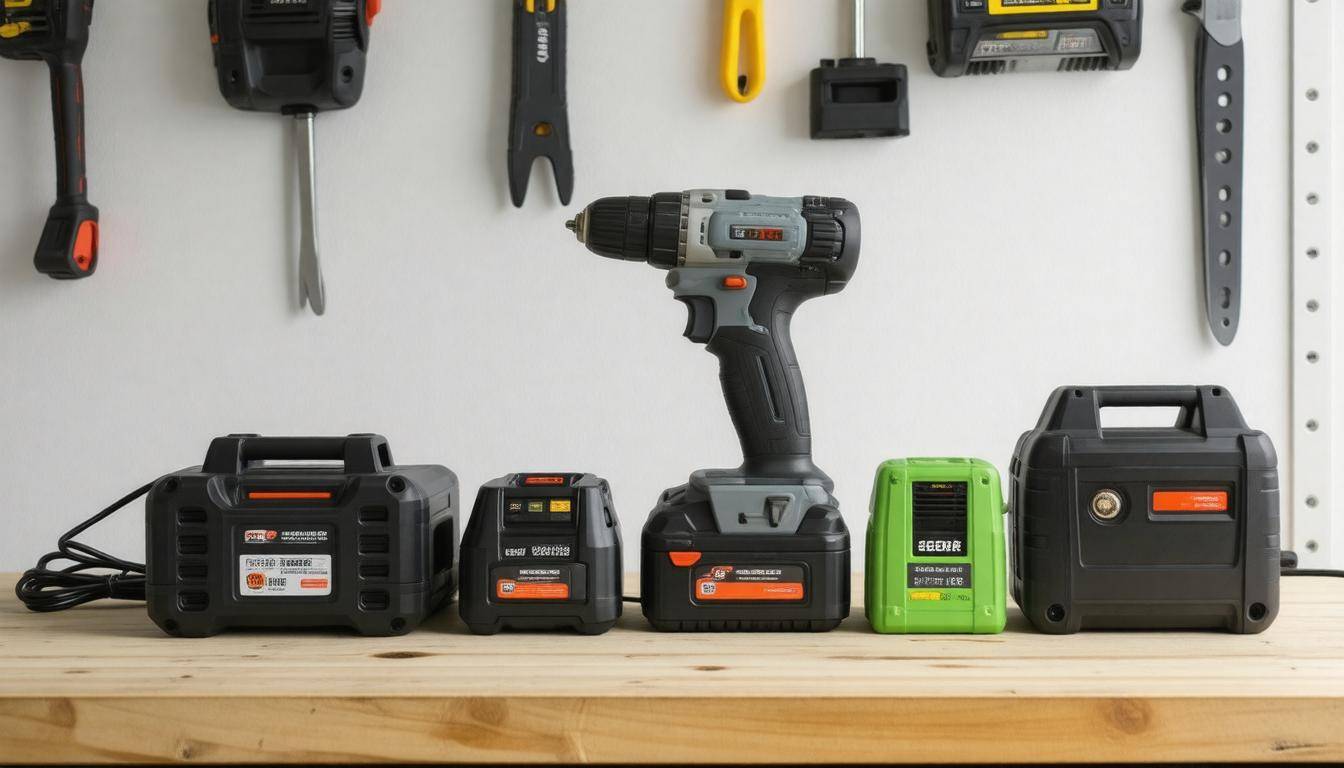
Comparing Batteries for Emergency Power Tools
At the heart of every effective emergency power tool lies its battery, and knowing what you’ll end up with requires a closer look at how these batteries measure up in terms of both performance and longevity. Lithium-ion (Li-ion) and lithium iron phosphate (LiFePo4) represent the leading contenders in this space.
Where Li-ion batteries shine in compactness and portability, they often come with shorter lifespans—a reality that can be worrisome during emergencies.
For instance, consider those camping trips or power outages—when you need reliable energy the most. The fact that LiFePo4 batteries can last up to fifteen years translates directly into peace of mind. This longer lifespan means fewer battery replacements over time, reducing waste while optimizing your investment, making them a smarter choice for users requiring consistent reliability.
It’s worth noting that LiFePo4 batteries might be larger, but their stability distinguishes them from their Li-ion counterparts. In critical situations where fluctuating temperatures or physical shock may play a role, having a stable battery can prevent unexpected failures.
Cycle Life: The Heartbeat of Your Battery
Every battery operates on a cycle life system—that is, they have a certain number of charge cycles before their capacity becomes significantly diminished. Standard testing suggests that typical Li-ion batteries hold strong through about 500 to 1,500 charge cycles. Comparatively, a LiFePo4 unit can deliver around 5,000 cycles with little to no noticeable drop in efficiency.
This statistic underscores why users looking into emergency power solutions should heavily weigh their options concerning longevity when it comes to battery chemistry.
Take a moment to visualize this: Imagine investing in a good quality appliance that runs smoothly for years versus one that sputters out right at the moment you need it the most. If your goal is reliability amid uncertainty—a common scenario faced by outdoor enthusiasts or anyone living through unpredictable weather patterns—choosing batteries that promise higher durability pays off.
Cost Considerations and Usability
There’s also the question of cost versus usability. Pre-packaged systems like Jackery may encourage easy setup and use for non-experts, while Bluetti opens doors for custom solutions catering to serious users who fully understand their power needs.
Convenience is invaluable when navigating emergent situations; however, allocating time now for customization could mean better performance down the line.
Balancing these considerations informs a smarter purchasing decision. Whether someone opts for Jackery’s user-friendly setups or ventures into the more complex realm of Bluetti or EcoFlow products, understanding the underlying chemistry and expected lifespan will make all the difference when essential moments arise—after all, reliable backup power isn’t just about convenience; it’s about preparedness.
Examining these critical aspects sets the stage for evaluating specific products that lead in performance and reliability within the emergency power landscape.
Leading Brands and Models
When it comes to emergency power tools, Jackery and Bluetti consistently lead the pack. Jackery is celebrated for its user-friendly design, making it a favorite among beginners. Their Explorer series is particularly known for its easy-to-navigate interface, which appeals to those who might not be as tech-savvy. However, while it’s highly approachable, many users have noted that the average battery life falls short compared to Bluetti’s flagship models.
In contrast, Bluetti’s EB series is often hailed for high performance and efficiency, especially in demanding environments. With extended battery life and robust charging capabilities, this brand turns heads with its powerful offerings. Many professionals prefer Bluetti when they require a reliable energy source during extensive outdoor projects or in emergencies.
But Jackery and Bluetti aren’t alone in this competitive market; there are other brands worth considering too.
Other Notable Names
One such brand is EcoFlow, particularly its River series. EcoFlow has carved out a niche by offering balanced performance that performs well in rugged conditions without sacrificing ease of use. This makes it an appealing choice for outdoor enthusiasts who need dependable power on their adventures but don’t want bulky equipment weighing them down.
It’s essential to assess how these brands align with your specific needs and usage scenarios since performance can differ dramatically depending on how and where you use these tools.
Furthermore, lesser-known brands like Anker and Rockpals also provide solid options at competitive prices, particularly for light-duty applications. While they may not boast the same capacity or longevity as industry leaders, they offer remarkable affordability that can be hard to beat for casual users or less intense applications.
Choosing the right brand truly hinges on understanding your unique requirements as a user. Knowing what you need will guide you toward the best tools for any situation that arises.
Importance of Battery Life in Emergencies
In emergency situations, it’s fascinating to consider how prolonged battery life can be a lifeline. When the lights go out, especially during prolonged outages caused by severe weather or other disruptions, having reliable tools that can operate for extended periods without needing a recharge is essential. As reported by NOAA, the average length of power outages during these events has increased by 20% over the last decade, emphasizing the need for durable emergency power solutions.
Think about it: when disaster strikes, every minute counts. For instance, a study from the National Fire Protection Association revealed that an astonishing 70% of emergency responders depend on battery-operated tools to efficiently handle crisis situations, highlighting just how crucial these devices are. Battery-operated power tools often need to keep essential devices running, whether it’s medical equipment or communication devices. If you’re tethered to a low-capacity power tool with a short battery life, the implications could be dire.
Imagine you are in a scenario where your loved ones rely on medical devices that must remain powered at all times. A fleeting battery life could mean not only inconvenience but also dangerous risks for those depending on vital machinery like ventilators or heart monitors. The more batteries last, the longer they can keep crucial systems functioning during emergencies.
This reliance underscores the importance of selecting tools with robust battery technology. When choosing between brands like Jackery and Bluetti, for example, reviewing their battery chemistry can offer insight into longevity—each brand’s unique offerings create different user experiences. Jackery may provide ease of use for beginners but lacks in long-term battery durability compared to Bluetti’s LiFePo4 batteries, which can last up to 10-15 years.
Understanding various battery types plays a pivotal role in making informed purchasing decisions. Those interested in emergency power should know that lithium-ion batteries typically outperform nickel-cadmium options by offering 20-30% longer runtimes under similar conditions. This difference is vital when every second matters during unforeseen circumstances.
Prioritize battery longevity not only for the sake of convenience but also with an eye toward safety—which is paramount when emergencies arise. Investing in power tools designed for extended use and familiarizing yourself with their specifications flattens the learning curve you’ll face during high-stakes situations and empowers you to make choices that protect both life and property.
As we consider these important factors, it’s equally vital to examine how quickly these devices can be charged when needed most.
Time to Full Charge
The time it takes to fully charge a battery determines how quickly you can be back in action when emergencies arise. As technology progresses, manufacturers continue to innovate their charging systems. For instance, while some models, like the Jackery Explorer 240, may take about 6-7 hours to reach full capacity, others like the Bluetti AC200P achieve this in a much shorter 3.5 hours. This variability is crucial when you’re relying on these devices for backup during unexpected situations.
It’s essential to weigh speed against battery health. Fast charging technologies can be tempting because they reduce downtime, allowing users to stay prepared for any situation that requires immediate power. Yet, charging too quickly might lead to accelerated degradation of battery health. In fact, experts suggest that repeated exposure to high-voltage environments hastens many batteries’ wear and tear.
| Brand | Model | Full Charge Time |
|---|---|---|
| Jackery | Explorer 240 | 6-7 hours |
| Bluetti | AC200P | 3.5 hours |
| EcoFlow | River Pro | 5 hours |
While faster charging provides immediate benefits, it may compromise long-term durability and capacity retention. Users must carefully consider their specific needs: Are you prioritizing a quick turnaround during emergencies or seeking a battery solution that will last through multiple uses without significant decline?
To help extend the lifespan of batteries, consider using moderate charging methods whenever possible. This approach may not only enhance performance but also save you money in replacements over time.
Understanding these nuances surrounding charge times allows you to select battery-powered tools that align with your requirements effectively. Next, we explore how different conditions can impact the runtime of these power tools.
Runtime Under Different Conditions
Battery performance can fluctuate significantly based on the environment in which it operates. Factors such as temperature, load on the battery, and humidity levels can affect how long your power source will sustain your devices.
For example, during a mild summer day, using a portable generator may allow you to power appliances and tools for extensive periods. However, drop that temperature to near freezing, and you might find the battery struggles to keep up with the tasks you demand of it.
A small fridge might run for a full 10 hours under ideal, warm conditions, but that time could shrink to just 6 hours when the mercury dips.
This phenomenon occurs because colder temperatures can cause the chemical reactions necessary for charging and discharging batteries to slow down, leading to less efficient power usage. On the other end of the spectrum, excessively high temperatures can also harm battery efficiency by causing overheating. Such conditions not only decrease performance but could also result in permanent damage to the battery. Considering this unpredictability is crucial in emergency scenarios when every minute counts.
Some users may think that a high-capacity battery guarantees extended running times irrespective of external factors; however, it’s essential to examine specific product claims. Take Bluetti’s products as an example; they utilize LiFePo4 batteries known for their reliability and efficiency across various conditions. These batteries maintain around 80% efficiency even at lower temperatures, providing peace of mind when utilizing them in cooler climates or during winter storms.
Understanding these performance metrics aids in making informed decisions about power solutions tailored to personal needs and environmental conditions. This awareness serves as a stepping stone toward further exploration of various energy technologies that influence battery performance.
Lithium-ion vs. Other Technologies
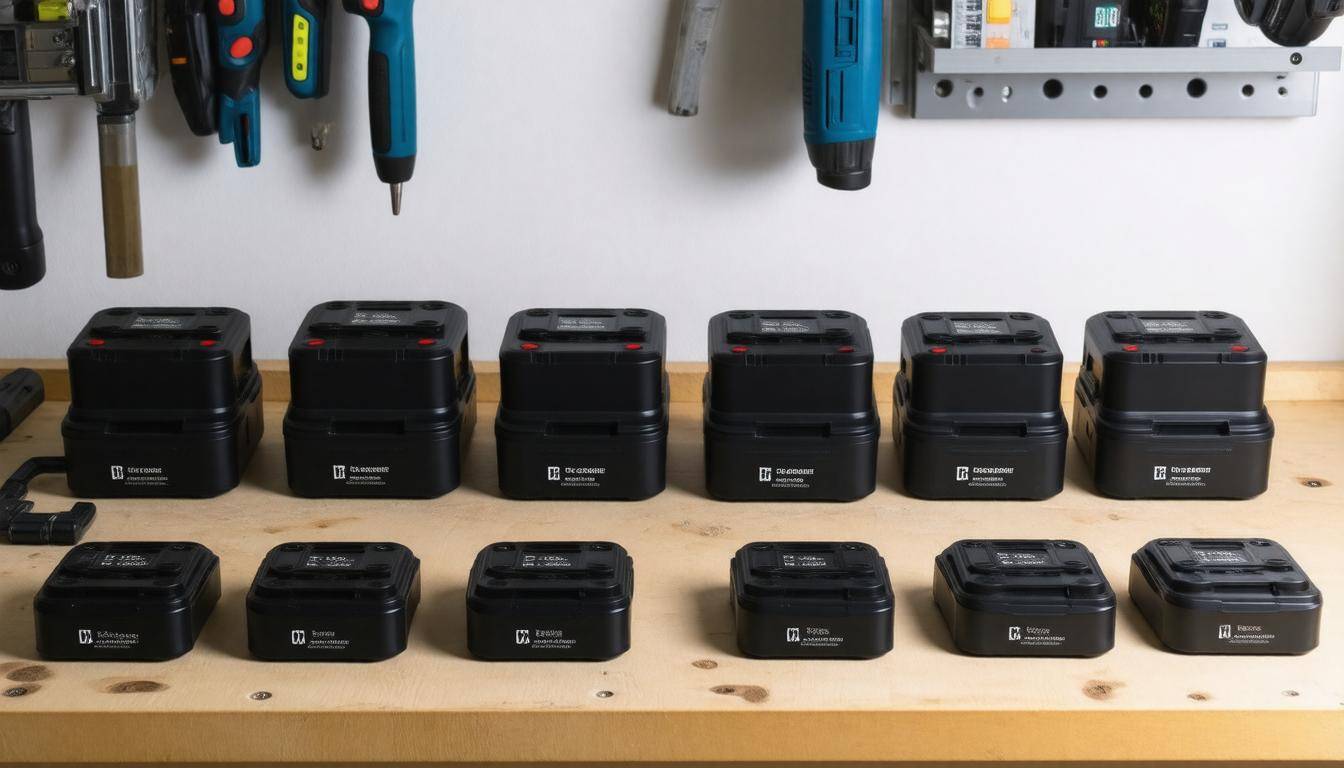
At the forefront of energy storage solutions, lithium-ion (Li-ion) batteries are renowned for their lightweight design and compact form factor. However, they come with challenges. Li-ion batteries can degrade relatively quickly, losing around 20% of their capacity within just two years of use. This degradation becomes significant when relying on these batteries for backup in emergencies or outdoor activities.
Lithium Iron Phosphate (LiFePo4)
Now, let’s consider Lithium Iron Phosphate (LiFePo4) batteries. While they might not have the high energy density of typical lithium-ion models, they shine when it comes to longevity. Remarkably, LiFePo4 batteries experience only about a 10% loss in capacity over five years—a testament to their durability and robust thermal stability. In scenarios where long-term reliability is essential, such as in remote areas or during extended power outages, LiFePo4 often comes out on top.
Yet, while LiFePo4 excels in lifespan, it’s worth considering additional battery technologies when making a well-rounded decision for your emergency power needs.
Understanding Alternative Battery Technologies
Let’s explore a few other common battery types:
-
Lead-acid Batteries: Often seen as the traditional choice for many power solutions, lead-acid batteries offer substantial durability but at the cost of being bulkier and heavier. They’re cheaper upfront but have significantly lower energy density compared to lithium-based options. If you’re looking for something straightforward and cost-effective for stationary applications, this might suit your needs.
-
Nickel-Metal Hydride (NiMH): These batteries boast moderate weight and are generally more affordable than lithium types. However, they come with a caveat—higher self-discharge rates, causing them to lose their charge much faster when not in use compared to both lithium-ion and LiFePo4 variants.
Taking all these factors into consideration reveals that while lithium-ion has its place for portability and immediate power needs, alternatives like LiFePo4 clearly present more advantages for users seeking reliability and longevity in emergency situations.
By understanding the nuances between battery chemistries and their respective benefits and drawbacks, users can make informed decisions that best fit their specific requirements for emergency power tools. The right balance of cost, weight, efficiency, and longevity will depend on individual circumstances and expected usage patterns.
With this framework for assessing different battery technologies established, let’s explore the recommendations most suited for optimal performance in critical situations.
Recommendations for Best Emergency Power Tools
Among the myriad choices available today, the Bluetti AC200P emerges as a standout due to its impressive capacity of 2,000 Wh and versatility. This model is highly rated for long-term reliability and user-friendliness. Whether you’re powering small devices during a weekend camping trip or running essentials in a home emergency, this portable power station can effortlessly manage various appliances, making it an invaluable addition to your emergency toolkit. The ease with which you can use it right out of the box simplifies the often-daunting task of preparing for power outages.
But maybe you need something that excels in simplicity?
Enter the Jackery Explorer 1000, which is celebrated for being incredibly user-friendly. With a capacity of 1,000 Wh, this model offers a plug-and-play solution perfect for users who might not be tech-savvy but still want reliable backup power. It delivers powerful output without unnecessary complexities, making it an excellent choice for those needing quick access to electricity during emergencies. Its portability means you can easily take it along for road trips or outdoor activities while ensuring you’re prepared for any unexpected circumstances.
For those who seek balance without compromising on performance, there’s also a perfect contender.
The EcoFlow River Pro presents an optimal blend between high functionality and user convenience. With a capacity of 768 Wh, it’s agile enough for moderate needs while providing versatility that larger units may lack. This makes it ideal if you’re looking to power smaller devices but don’t want to overspend on excessive capacity. The River Pro’s unique fast charging feature means you can replenish the battery significantly faster than many competitors—a huge plus when every minute counts during an emergency.
Selecting the right emergency power tool will depend on your specific needs—be it capacity, portability, or ease of use—but having robust options like Bluetti, Jackery, and EcoFlow ensures that you’re well-equipped for most scenarios.
As we consider how to enhance our preparedness further, examining additional solutions that provide extended power capabilities may lead to even greater peace of mind in uncertain times.
Options for Extended Power Supply
One effective way to extend the life of your emergency power supply system is by harnessing the sun’s energy through solar panels. By integrating solar technology, you can recharge portable power stations even during extended outages. Imagine being able to effortlessly maintain a power supply just by setting up a few solar panels outside during daylight hours—this not only keeps your gadgets charged but also contributes to a more sustainable approach.
Some models from Bluetti come with solar panel compatibility, capable of fully recharging their systems in as little as eight hours of direct sunlight. This dramatically enhances the usability of your portable power station. For instance, if you’re facing an unexpected storm that knocks out power for days, you can position your solar panels to soak up the sun while ensuring that your essential devices remain powered and functional.
In alignment with these trends, it’s clear that integrating renewable sources like solar panels into emergency power solutions will continue to gain traction over time. Many users appreciate the peace of mind that comes with knowing they can generate energy sustainably.
However, solar isn’t the only option available. Another common supplementary source is having a generator on hand. While generators typically run on gasoline or propane, they can provide substantial backup power when the situation demands it. They’re particularly advantageous in severe weather situations where prolonged blackouts may occur. Just remember that while generators can offer immediate relief, they require fuel and proper maintenance to keep running efficiently.
Of course, there’s always the classic “buy extra batteries” method! It may not be as glamorous as some high-tech solutions, but let’s face it: there’s nothing like having a stash of fresh batteries stored away for emergencies.
Understanding Your Power Needs
When choosing between solar panels and generators—or perhaps both—it’s important to evaluate your specific energy needs and the conditions of your environment. A well-calibrated plan considers how much energy you consume during outages and factors in potential energy production from both solar and generator sources.
Depending on usage patterns, understanding battery chemistry is also essential when selecting compatible components for longer-lasting efficiency. For instance, investing in LiFePo4 batteries extends overall lifespan significantly compared to standard lithium-ion options.
Ultimately, extending power availability isn’t just about keeping devices charged; it’s about creating a reliable ecosystem within which each element works together harmoniously to provide peace of mind during emergencies. By combining sustainable practices with traditional backup methods, you’ll ensure you’re prepared no matter what life throws your way.