
When it comes to preparing for emergencies, many people think they need to spend a fortune on fancy gear and supplies. But the truth is, you can create a solid emergency kit without breaking the bank. With a budget of just $100, you can gather essential items like food, water, first aid supplies, and tools that will serve you well when things get tough. I’ve spent time researching and compiling practical solutions that ensure you’re ready for unexpected situations while keeping your finances intact. Let’s dive into how you can build an effective emergency preparation plan on a budget.
For emergency preparation under $100, prioritize acquiring key supplies such as a Sawyer Mini Filter for water purification, non-perishable food items like rice and beans, and a basic family first aid kit. This approach ensures you cover immediate needs without overspending while building a foundation for your emergency preparedness plan.

Essential Budget Items for Emergency Preparedness
The cornerstone of any effective emergency preparedness plan lies in the selection of essential supplies that are both practical and economical. When the crunch comes, having a few key items can mean the difference between chaos and control.
Think about it – while many may overlook the need for certain tools until they find themselves in an emergency, others recognize their importance and equip themselves ahead of time.
Water Filtration
One pivotal piece of equipment to consider is a water filtration system, like the Sawyer Mini Filter. Priced at around $20, it’s a wise investment that offers significant benefits. This compact device has the remarkable capability of filtering up to 100,000 gallons of water, ensuring that you have access to clean drinking water when necessary.
During emergencies such as natural disasters, having a reliable source of drinkable water cannot be overstated. Imagine being able to fill your canteen from a creek or river without worrying about contaminants – that peace of mind is invaluable.
First Aid Supplies
Next on the list is a first aid kit. You might think these stray from what you often think of as “emergency preparation,” but a well-stocked first aid kit is essential. Ranging from $15 to $20, retailers offer several budget-friendly options packed with bandages, antiseptics, and basic medications.
These supplies could provide quick relief in situations ranging from minor injuries to sudden ailments. Picture yourself tending to a scrape or surprising headache with ease – it certainly adds comfort in chaotic times.
Flashlight and Batteries
Let’s not overlook illumination; power outages can strike unexpectedly. That’s where a dependable flashlight comes in handy, like an Energizer Tactical Light, which generally costs around $10.
Further adding to this purchase, a pack of AA batteries priced at approximately $5 ensures that your flashlight remains operational when it’s needed most. This combo not only enhances visibility during dark nights or storms but also lends reassurance that you can navigate your space safely.
Once you have these essentials in place, it’s crucial to focus on food supplies and other immediate necessities that will sustain you and your loved ones during tough times.
Planning Your Affordable Emergency Kit
Creating an emergency kit is not just about tossing random supplies into a bag—it’s about thoughtful organization that meets your immediate needs. Start by prioritizing what you will absolutely need in times of crisis. This might seem simple, but it’s essential: think of the most vital items first. You’ll want to keep your focus on immediate survival essentials such as water, non-perishable food, first aid supplies, and communication tools. Think of how you would survive for at least three days if you had nothing else.
Once you’ve determined your priorities, move on to the nitty-gritty of budget allocation. Let’s break it down. Imagine setting aside $20-30 for water filtration because clean drinking water is crucial—right? A product like the Sawyer Mini Filter can be a game changer here. You can follow up with another $20-30 for a basic first aid kit, ensuring you have adhesive bandages, antiseptic wipes, and some pain relievers ready. What remains could then be allocated toward food items—think canned goods or energy bars—to sustain you during an emergency.
It’s important to remember that budgeting doesn’t mean sacrificing quality. Investing in functional items will pay off when you need them most.
After figuring out how much to spend on each category, consider buying these supplies in phases if upfront costs stretch your budget too thin. Maybe this means setting aside $100 over four months instead of all at once. This method makes the task easier and allows you the chance to shop around for deals without stress. Plus, many wonderful resources are available online for bulk purchases or clearance items—take advantage of these opportunities!
Some might argue that preparing for emergencies should be done in one fell swoop and that piecemeal purchasing is inefficient. However, consider the mental and financial strain alleviated by spreading the cost over time. You’ll not only feel less overwhelmed but also become familiar with local prices and brands rather than hastily grabbing whatever’s available.
With these keys in mind—prioritizing essentials, allocating funds wisely, and being open to phased purchasing—you’re well-positioned to build a robust emergency kit tailored to your needs. Each step taken brings you closer to being prepared for any unforeseen circumstances that may arise. Now let’s turn our attention to supplies that cater specifically to home and family needs.
Home and Family Specific Supplies
When it comes to emergency preparations, tailoring your supplies to reflect the unique circumstances of your household is essential. Instead of a one-size-fits-all approach, think about the specific needs of each person and pet in your home. Whether this means stocking up on baby supplies or ensuring your pets have adequate provisions, it’s all part of a thoughtful strategy.
Baby and Child Supplies
For families with infants or young children, including diaper packs and baby formula in your emergency kit should be a top priority. Look for budget brands that offer bulk packs; this way, you can ensure you have enough essential items without breaking the bank. Consider the age and needs of your child—if they have specific dietary restrictions or preferences, make sure to include age-appropriate snacks or specialty items. The goal here is to create a sense of normalcy and comfort for your little ones, which can reduce anxiety during a crisis.
While you’re at it, don’t forget to pack a few items for playtime. Having coloring books or small toys on hand can serve as an excellent distraction for children during stressful situations. It’s those little touches that help keep spirits high when things get tough.
Pet Supplies
Let’s not overlook our furry friends! Pets are integral members of many households, so plan accordingly by allocating around $10 for basic pet food and first aid supplies. This small investment can make a significant difference if you need to leave home quickly or find yourself stuck for an extended period.
Be sure to include any specific food that your pet requires, taking into account their dietary restrictions. Additionally, consider including collapsible bowls for food and water, as well as pet-safe first aid essentials such as bandages or antiseptic wipes. Love from a furry companion can bring comfort during emergencies, but having what they need will ease your mind too.
Having these tailored supplies reflects your family’s needs while building confidence in facing unexpected situations together. As we prepare for unforeseen events, let’s explore even more economical options that provide effective support without stretching budgets.
Cheap and Effective Gear
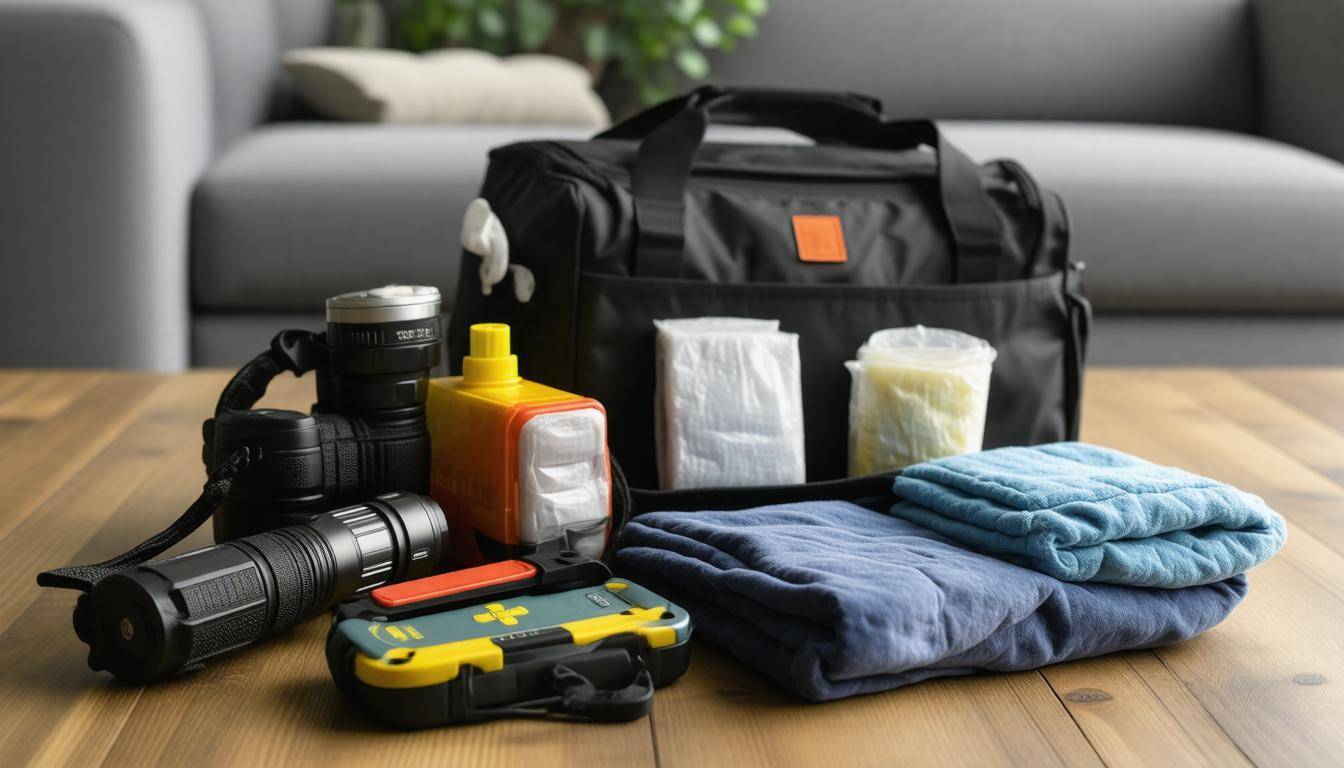
When it comes to preparing for emergencies, having the right gear doesn’t have to drain your wallet. A few key items can elevate your preparedness without costing you a fortune.
Take a look at the multi-tool; purchasing an affordable multi-tool like the Gerber Dime Mini for around $15 is essential. This compact device offers versatility across many tasks, whether you need to tighten a screw or open a can.
As someone who’s accumulated a fair share of outdoor experiences, I’ve found that having a reliable multi-tool means being ready for nearly anything. From repairing gear when you’re miles away from home to opening packages in emergencies, this small investment truly pays off.
Speaking of warmth and comfort, let’s discuss another crucial item: the emergency blanket.
An emergency thermal blanket, which you can find for as little as $5, is lightweight yet incredibly effective in retaining body heat during critical situations. It’s remarkable how something so small can make such a significant difference!
In fact, I’ve always kept several of these blankets stashed in various kits around my home and car—after all, you never know when an unexpected cold snap might hit. Moreover, their reflective surface not only helps keep you warm but can also double as a signaling device if you’re in need of help.
These two inexpensive tools offer just a glimpse into how easy it is to boost your emergency readiness without breaking the bank.
But there’s more to effective emergency preparedness than just choosing low-cost solutions; consistency and planning are also key components.
Regularly revisiting your emergency gear ensures it stays relevant and functional. I recommend conducting routine checks every few months to confirm that your supplies are intact and nothing has expired, especially with food and first aid items.
This helps create a habit of attentiveness to your safety needs while fostering teamwork among family members who should be familiar with the contents of your emergency kits. In family drills, everyone learns where these cheap yet effective tools are located and how to use them—making them more than mere supplies; they become part of your overall preparedness strategy.
With such a focus on cost-effective gear, it’s essential to turn our attention to how we can further strengthen our readiness with thoughtful planning and strategy.
Crafting an Emergency Plan
A well-structured emergency plan can be the difference between chaos and calm in a crisis. It doesn’t just involve knowing where your supplies are; it means understanding what you might face and how to effectively respond.
Start by identifying the common emergencies that could affect your area. For instance, if you live in a region prone to earthquakes, familiarize yourself with safety protocols specific to that scenario. Alternatively, if severe storms or flooding are frequent, consider routes to evacuate quickly. By tailoring your emergency plan to reflect your local risks, you lay the groundwork for a more effective response.
Next, having a robust communication strategy is crucial because in times of panic, clear lines of communication can save lives.
Step I – Identify Types of Emergencies
Each community has unique challenges, so take some time to research and understand exactly what types of emergencies could arise in your neighborhood. Are wildfires a concern? What about winter storms? Understanding these risks enables you to prepare tailored responses. You might find statistics from local emergency management agencies or simple online searches helpful. This knowledge allows you to think ahead and minimizes the likelihood of being caught off guard.
Once you’ve identified potential emergencies, turn your focus to how everyone in your household can communicate effectively during one.
Step II – Communication Plan
Establishing a communication plan involves deciding who will be responsible for what during an emergency. Designate an out-of-town contact—a family member or friend—who can help coordinate communications if local phone lines are overloaded. This person can relay messages and make sure everyone is accounted for.
Furthermore, create a firm meeting point where everyone agrees to go after evacuating—this could be as simple as the neighbor’s house or a nearby park. Ensuring that every family member understands this plan helps reduce anxiety when disaster strikes.
Preparation should not stop at creating plans; practicing them reinforces learning and instills confidence.
Step III – Drill Regularly
Conducting emergency drills every few months is an excellent way to keep the process fresh in everyone’s mind. Have family members practice how to react during different scenarios, whether it’s gathering supplies quickly or executing an evacuation route. These drills should not feel like burdens but rather opportunities to empower everyone involved through collaboration and practice. Most importantly, debrief after each drill: discuss what went well and what could improve without finger-pointing—remember that preparation is about teamwork.
In addition to your planning and rehearsals, keeping updated on your supplies and strategies ensures readiness when it truly matters. As we continue this discussion on budget preparedness, let’s explore some cost-effective options that don’t compromise on safety.
Budget-Friendly Alternatives
Sometimes, standard emergency supplies can be expensive, but there are budget-friendly alternatives that can keep you well-equipped without breaking the bank.
The first of these is water storage. Instead of relying on pre-packaged bottled water, you can store tap water in clean, repurposed soda bottles. This method not only saves you money but also reduces plastic waste. Simply wash out the bottles thoroughly to remove any residue, fill them with tap water, and label them with the date. Remember to rotate your stock every six months to keep things fresh.
Water Storage
To ensure cleanliness and safety, it’s essential to use food-grade containers. Soda bottles work remarkably well due to their airtight seals and durability, making them perfect for long-term storage. You can also keep a designated cooler or bucket in your emergency kit for easy access during a power outage. Having enough water is critical since it’s often overlooked; it supports hydration and cooking.
Next up is creating your own food packs.
DIY Food Packs
Assembling your own non-perishable food packs is another great way to stay within budget while maintaining variety in your emergency supply kit. Bulk foods like rice, beans, and canned goods from discount stores make for a cost-effective choice. Consider packaging different combinations of dried sources like oatmeal or pasta along with canned vegetables and proteins in sealable bags or containers for easy access. The beauty of this approach lies in its adaptability: you can tailor the contents based on dietary preferences or restrictions while ensuring you pile on energy-rich foods!
Additionally, don’t forget about the affordability factor; purchasing items in bulk can significantly reduce costs per unit. For example, a large bag of rice might cost less than buying multiple smaller bags at a conventional grocery store. Create varied meals inside your kits by combining those bulk items with some bouillon cubes or seasoning packets bought at bargain prices.
Lastly, keep an eye out for practical tools that fit into the budget.
Investing in multipurpose utensils such as a collapsible cup or portable stove can enhance your preparedness without excessive spending. By strategically choosing where to cut costs, you can create a comprehensive emergency preparation kit tailored to fit your needs while staying within a reasonable financial limit.
As you navigate through these practical solutions and strategies for budget-friendly readiness, there’s more to consider when it comes to maintaining preparedness efficiently without sacrificing quality or quantity.
Tips for Staying Ready on a Budget

Ongoing readiness doesn’t have to strain your wallet; in fact, small steps and consistent habits can make a remarkable difference. One of the simplest yet effective tips is to replenish regularly. This involves rotating your supplies approximately every six months. By doing so, you ensure that nothing expires and keep your kit current with whatever supplies you need most. An outdated kit can put you at risk rather than shield you from it.
As you replenish, take time to inventory what you have and what needs replacing. It’s like a mini stocktake of your resources. For example, if you’ve had an emergency water filtration system sitting unused for a while, familiarize yourself with it again so it’s fresh in your mind when needed. This process not only makes sure everything is viable but also cultivates familiarity with each item in your kit, ensuring you’re better prepared to use them effectively.
Speaking of saving money while preparing, another strategy is to look for sales. Whenever national sales events roll around—like Black Friday or back-to-school sales—it can be an opportune time to stock up on emergency supplies.
Additionally consider:
- Using coupons: Many stores offer discounts if you join their mailing lists, providing notifications on upcoming promotions.
- Shopping discount stores: These can often have basics like flashlights, batteries, and first aid kits at significantly lower prices.
By strategically purchasing during these times, you can stretch your budget further, allowing for more items in your emergency kit or upgrades to existing supplies that may need replacing.
And don’t overlook the power of community! Engaging in local resources can be invaluable; many communities offer free or discounted emergency preparedness workshops and even supplies.
Participating in these programs not only provides essential guidance but also nurtures a support system among fellow preppers. Not all knowledge comes from purchasing items; sharing ideas within the community fosters improved strategies for staying ready without incurring extra costs.
Imagine attending a workshop where they teach you essential first-aid skills—you might even gain access to discounted first-aid kits as part of the program. There’s power in unity when it comes to preparedness that cannot be overlooked.
Through these practices—regular replenishing, savvy shopping, and community engagement—you can cultivate an effective emergency plan without overspending.
This proactive approach sets the stage for creating a well-rounded supply list focused on essential resources that sustain you through emergencies without breaking the bank. Now let’s shift focus to explore crucial components that ensure you remain nourished and safe in any situation.
Food, Water, and First Aid on a Budget
Ensuring that you have enough food, water, and medical supplies doesn’t have to break the bank. With a little planning and smart shopping, you can stockpile essential items without stretching your budget too thin. Starting with food, consider purchasing canned goods, which are not only affordable—often at just $1 each—but also boast impressive shelf lives of several years. A mix of different items is crucial; after all, variety not only keeps your meals interesting but also ensures that you’re getting a range of nutrients.
For example, canned beans are a great source of protein and can last for up to three years. Similarly, rice, priced around $2 per pound, can sustain your family for an extended period as it lasts about two years when stored properly. Canned tuna is another excellent choice; though slightly pricier at $1.50, its durability makes it a solid option for emergency situations. Stocking up on these essentials means you’re prepared for anything mother nature throws your way.
| Item | Cost | Duration |
|---|---|---|
| Canned beans | $1 | 3 years |
| Rice | $2/lb | 2 years |
| Canned tuna | $1.50 | 2 years |
Transitioning to water—arguably the most critical supply in any emergency—it’s tempting to buy pre-packaged cases of bottled water. However, this can quickly add up in cost without offering significant benefits. Instead, I suggest investing in a Sawyer Mini filter for around $20. This compact device effectively filters out harmful pathogens and chemicals from local tap water sources so that you can fill reused bottles with peace of mind. It’s efficient and saves both money and resources in the long run.
Now let’s not overlook the importance of first aid supplies; they are vital for ensuring everyone’s health during emergencies.
Basic first aid kits are widely available and provide immediate care options in various situations. Stores like Walmart often sell these kits ranging from $10 to $20, making them highly accessible for anyone on a budget. However, savvy shoppers take it a step further by keeping an eye out for sales or special promotions that might offer bulk value packs containing additional supplies at reduced prices. You might be surprised at how many essential items you can gather with just a minimal investment.
Investing in your preparedness doesn’t have to involve extravagant expenditures. Emphasizing practicality and what is essential can significantly streamline the process of gathering supplies. By ensuring you have adequate food and water along with a reliable first aid kit, you’ll protect yourself and your loved ones from unforeseen emergencies while staying within your financial limits.
The knowledge that simple steps can lead to comprehensive preparedness empowers everyone to take charge of their safety amidst uncertainty.
In summary, effective emergency preparation on a budget is not only achievable but essential for safeguarding yourself and your family. By prioritizing food, water, and first aid supplies, you can ensure you are ready for whatever challenges may come your way.
How often should someone reassess or update their budget emergency kit?
It is recommended to reassess or update your budget emergency kit at least twice a year, ideally during seasonal changes or when a significant life event occurs (like moving or adding family members). This frequency ensures that all items are up-to-date, functional, and relevant to your current needs and circumstances. A survey conducted by the American Red Cross indicated that nearly 60% of Americans do not have an emergency preparedness plan, highlighting the importance of regular reviews to ensure safety and readiness in case of unexpected situations.
How can individuals prioritize their spending when preparing for different types of emergencies?
Individuals can prioritize their spending for emergency preparation by evaluating the most likely risks they face, such as natural disasters, health emergencies, or economic downturns. According to FEMA, 60% of Americans have not created an emergency plan, highlighting a crucial area for investment. Begin by allocating funds to essential supplies like food, water, first aid kits, and emergency communication devices. Ideally, the first half of your budget should cover basic survival needs, while the remainder can be spent on enhancing your gear or addressing specific threats relevant to your region, ensuring that your preparations are both practical and efficient on a budget.
What DIY solutions can help maximize the effectiveness of an emergency plan while staying within a budget?
DIY solutions like creating a multi-purpose emergency kit using household items can significantly enhance your emergency plan without breaking the bank. For example, repurposing plastic containers as storage for food, water purification methods such as boiling or using solar stills, and building a simple first-aid kit from bandages, antiseptics, and over-the-counter medications can all be done for under $100. According to recent studies, households that develop their own preparedness plans are 50% more likely to respond effectively during emergencies, making these budget-friendly strategies invaluable.
What essential items can be included in an emergency preparedness kit for under
An effective emergency preparedness kit for under $100 can include essential items such as a first aid kit, non-perishable food items (like energy bars or canned goods), bottled water (at least one gallon per person per day), a flashlight with extra batteries, a multi-tool, and a portable phone charger. According to FEMA, having these basics can significantly enhance your survival rate during unexpected emergencies, as staying hydrated and having medical supplies on hand are crucial. Prioritizing lightweight and durable items ensures you’re prepared without exceeding your budget.
Are there specific resources or organizations that offer guidance on budget-friendly emergency preparedness?
Yes, several organizations provide valuable guidance on budget-friendly emergency preparedness. The Federal Emergency Management Agency (FEMA) offers resources and toolkits designed for low-cost planning. Additionally, local community organizations often run workshops and information sessions aimed at educating individuals on preparedness without breaking the bank. According to a 2022 survey by the National Association of Counties, nearly 58% of counties have implemented programs to assist residents in developing affordable emergency plans, highlighting a growing trend toward accessible emergency readiness.