
When life throws unexpected stressors your way, it can feel like you’re caught in a whirlwind of tension and worry. Whether it’s a looming deadline, an important presentation, or just the chaos of daily life, finding ways to calm yourself quickly is crucial. Thankfully, emergency relaxation techniques are here to help you regain control in those intense moments. These simple methods are easy to learn and can be practiced nearly anywhere—think of them as quick-fix tools that fit right into your pocket. Let’s dive into some effective strategies that will keep you grounded and composed when the going gets tough!
Some effective emergency relaxation techniques include deep breathing, progressive muscle relaxation, mindfulness meditation, visualization, and grounding techniques, such as employing the 5-4-3-2-1 method to anchor yourself in the present moment. These methods can help you quickly regain composure and alleviate feelings of anxiety or stress during urgent situations.
Rapid Deep Breathing Technique
Rapid deep breathing is an incredibly effective method for increasing oxygen flow while simultaneously calming your nervous system during high-stress situations. It works on the principle that our breath directly influences our emotional state. When you’re anxious or fearful, your breathing often becomes shallow and rapid, which reinforces feelings of panic. By consciously switching to deeper breaths, you can literally change your body’s physiological reaction to stress.
Imagine being stuck in traffic before an important meeting, your heart racing and thoughts spiraling. Rapid deep breathing becomes not just a tool; it transforms into a lifeline that settles your mind and prepares you to face whatever comes next.
Technique Breakdown: 4-6-8 Breathing
Let’s break down the Rapid Deep Breathing technique into simple steps, specifically using a modified version known as 4-6-8 breathing:
-
Find Your Space: Begin by locating a quiet, comfortable spot where you won’t be disturbed. This could be your office, a car, or even a peaceful corner at home.
-
Settle In: Sit down with your back straight. Ground yourself to the moment by focusing on how your body feels against the chair or floor.
-
Close Your Eyes: If you feel comfortable doing so, close your eyes to eliminate distractions. Paying attention to your breath will come easier this way.
-
Inhale Deeply: Take a deep breath in through your nose for 4 seconds, making sure you fill your lungs entirely. Feel the air expand your belly, not just your chest.
-
Hold Your Breath: Pause and hold that breath for 6 seconds. This step is crucial as it allows your body to experience the fullness of oxygen and helps reset any anxiety-induced patterns in your body.
-
Exhale Completely: Release the air through your mouth for 8 seconds, letting go of all tension and any built-up stress. Picture each worry leaving your body during this expiration.
-
Repeat: Cycle through this method four times for optimal results.
Studies show that practicing this rapid deep breathing can lower heart rates by 3-5 beats per minute almost instantly and is effective in reducing cortisol levels significantly after just a short session.
The beauty of this technique lies not just in its simplicity but also in its versatility. You can utilize it before big presentations like Sarah did or during moments when anxiety tries to creep in unexpectedly. By mastering this technique and becoming familiar with how it feels in different scenarios, you’ll develop reliability on it just like brushing your teeth every morning—routine yet profoundly impactful.
Equipped with these breathing techniques, you’ll find yourself better prepared to tackle various stressors head-on, enhancing both focus and calmness as you navigate through life’s challenges ahead.
Quick Muscle Relaxation
Progressive Muscle Relaxation (PMR) is a highly effective method designed to ease muscle tension and promote tranquility in moments of high stress. This technique capitalizes on the simple principle of alternating tension and relaxation within muscle groups, allowing you to gain awareness of where you hold stress in your body. It’s as if you’re tuning into your own physical instrument, helping to identify and release the tightness that anxiety brings.
James, a college student, deftly employs PMR during exam seasons when nerves threaten to derail him. By systematically tensing and relaxing his muscles—from his feet up to his head—he effectively combats physical symptoms of anxiety and maintains mental clarity.
To practice PMR, find a comfortable space where you won’t be disturbed. You may sit or lie down—just ensure you’re at ease. Begin by taking a deep breath, inhaling slowly through your nose, and letting your abdomen fill with air before exhaling gently. Then, follow the structured approach below to guide you through each muscle group.
Step-by-Step Guide
Start with your feet. Clench the muscles tightly for five seconds; feel the strain growing in your toes and arch. And then, release—let all that tightness wash away as if you’re releasing a balloon full of air.
Next, shift focus to your calves. Repeat the process: tense for five seconds, then relax. Notice how significant it feels when you let go.
Progressively move upward through your thighs, abdomen, chest, hands, arms, shoulders, and finally your face. Each time you tense a group of muscles, concentrate on what that tension feels like so you can better recognize it when it occurs due to stress.
As you release each muscle group, take note of how relaxation spreads through that part of your body. It’s like a wave flowing from your head to your toes—it reinforces the connection between physical sensations and emotional states.
Establishing this routine not only delivers immediate relief but also fosters resilience against the ongoing challenges of daily life. With these techniques in place, we can now turn our attention to another form of relief that visually captivates the mind.
Visual Soothing Distractions
Utilizing imagery as a soothing distraction taps into the power of our mind’s eye. By conjuring up calming visualizations, you can shift your focus from anxiety-inducing thoughts to more pleasant images. This technique is extremely valuable; for instance, when you’re stuck in a mundane meeting or navigating through a crowded airport, these mental retreats serve as instant relief from tension. Imagining peaceful scenery not only provides a quick form of mental relaxation but also helps disrupt negative thought patterns that often spiral out of control.
Think of it like switching the radio station from static to your favorite song. Your brain’s response shifts from discomfort to delight almost instantaneously, setting the tone for a much calmer experience.
Picture the warm sun setting over tranquil waters at your favorite beach. Try to visualize every detail: the gentle sound of waves lapping against the shore, the feel of soft sand beneath your feet and the smell of salt in the air. This experience can be deeply immersive; really take time to feel everything associated with that scene—it’s like taking a mini-vacation without actually going anywhere. Immersing yourself in these sensations creates an effective mental bubble that shields you from stressors.
Whenever possible, make it a habit to practice this visualization technique daily, even if just for a minute or two. Find a quiet spot, close your eyes, and breathe deeply, allowing your body to relax fully. Then picture a serene landscape, whether it’s a lush forest brimming with vibrant colors or an expansive meadow filled with wildflowers swaying in the breeze. The more vivid you can make this image in your mind, the more powerful its effects will be on your ability to alleviate stress.
This visualization method doesn’t limit itself to specific scenarios and can be adapted seamlessly into any environment; whether you are waiting for an appointment or feeling anxious before giving a presentation, you can escape mentally and find tranquility within yourself. Each time you practice this technique, you strengthen your ability to tap into these calming images whenever you need them most.
Learning how to engage with soothing visualizations serves as one essential aspect of nurturing inner peace amid life’s challenges. Alongside these techniques, understanding how external factors can influence our sense of calm sets the stage for more profound transformations.
Immediate Environmental Adjustments
Sometimes, the state of your surroundings can have a profound effect on how you feel, often more than you might realize.
Creating a calming atmosphere can be as simple as a few thoughtful adjustments.
For instance, dimming the lights not only sets a serene mood, but it also signals to your brain that it’s time to relax. Studies show that soft lighting can significantly reduce stress by lowering cortisol levels, which are often heightened by harsh, bright environments.
Picture this: You come home after a long day. The lights are bright overhead, the television is blaring, and everything feels chaotic. Just by dimming those lights—preferably to a warm hue—you invite tranquility into your space almost instantly.
Noise can serve as another source of unease; reducing ambient sounds proves essential for cultivating calm. Whether it’s the distraction of traffic or loud conversations nearby, these noises can keep your mind in a constant state of alertness. One proven method is donning noise-canceling headphones or simply selecting soft instrumental music that resonates with you—something to help drown out distractions and invite stillness.
Practical Adjustments
When making these adjustments, think about sensory engagement too. A great way to enhance your interior serenity is through scent:
-
Adjust Lighting: Opt for softer tones using lamps with dimmers or shaded bulbs instead of overhead fluorescents.
-
Reduce Ambient Noise: Utilize noise-canceling headphones to block disturbances or create a soothing playlist that helps center your focus.
-
Use Essential Oils: Scents like lavender or chamomile can dramatically impact mood. An essential oil diffuser or a candle with calming aromas can make your space feel more inviting and peaceful.
-
Integrate Nature: Natural elements, such as houseplants, contribute positively to air quality while providing natural beauty that promotes relaxation.
Making these modifications should become part of your routine whenever stress becomes overwhelming; you’re essentially crafting an oasis that suits your needs with little effort.
Each small adjustment fosters an environment conducive to solace, creating a solid foundation for deeper relaxation techniques ahead.
Mindful Focus Practices
At its core, mindfulness is about immersing yourself in the present moment, allowing you to step outside the whirlwind of anxiety and stress. Think of it as finding an oasis in your thoughts; you intentionally shift your focus away from the noise swirling around you and instead tune into what is right in front of you.
This tuning-in process can take many forms, but one of the simplest yet highly effective techniques is the Five Senses Exercise.
The Five Senses Exercise
The beauty of this exercise lies in its accessibility; it’s something you can do almost anywhere, whether you’re at home, on public transport, or even at work during a busy day.
-
Identify five things you can see: Take a moment to observe your surroundings—notice colors, shapes, and textures without letting your mind wander to that ever-growing to-do list.
-
Name four things you can touch: Run your hands over various surfaces—maybe the coolness of your desk or the fabric of your clothing. Pay attention to their textures and temperatures; this tactile awareness can help bring your focus back into alignment with the present.
-
List three things you can hear: It might be the hum of traffic outside or perhaps even someone’s distant laughter. Engaging with these sounds can momentarily distract you from negative thought patterns while reconnecting you with reality.
-
Mention two things you can smell: Perhaps it’s the aroma of coffee wafting through the air or the fresh scent of spring flowers if you’re outside. Smells evoke memories and feelings, often anchoring us further into our surroundings.
-
Note one thing you can taste: Whether it’s a sip of water or a lingering flavor from your last meal, allowing your taste buds to engage fully adds another sensory layer that enhances your mindful moment.
By grounding yourself through these sensory experiences, you shift your focus away from stress-triggering thoughts and cultivate a profound sense of here-and-now awareness.
Embracing these mindful focus practices not only quiets anxious thoughts but also reinforces mental resilience over time. Consistency in practicing mindfulness—like any skill—can lead to improved emotional regulation and clarity in decision-making during stressful situations.
As we explore ways to enhance our relaxation techniques, moving beyond mindfulness opens doors to other methods that can offer immediate alleviation from tension and discomfort.
Instant Relief via Physical Movement
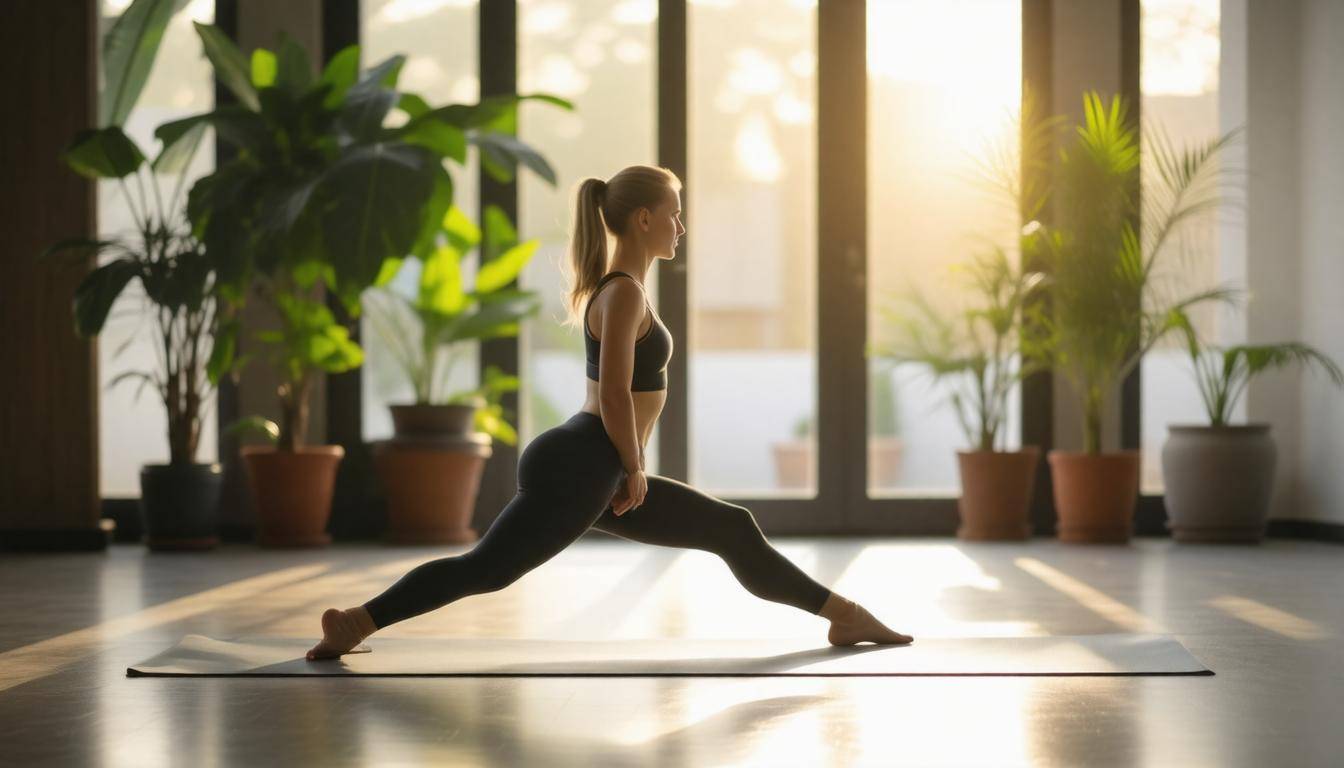
Quick physical movement can serve as an excellent way to release built-up tension, almost like flipping a switch on your stress levels.
Imagine this: you’re sitting at your desk, and suddenly the pressure starts weighing down on you. It happens to many of us, especially during those intense workweeks. Instead of succumbing to that feeling of being overwhelmed, take action! A brisk walk around the office or a few minutes spent stretching can dramatically shift your mood. Just ask John, a software developer who swears by stepping outside for a quick lap around his building whenever he feels pressured.
Effective Movements for Immediate Relief
To harness the power of physical activity, try incorporating some simple movements into your routine. Consider doing 10 quick jumping jacks; they’re not only effective for getting your blood pumping but also increase oxygen flow to your brain to help combat feelings of fatigue.
Another great option is to jog in place for a minute. It might sound trivial, but the act of elevating your heart rate can trigger positive hormones like endorphins—the body’s natural mood lifters.
If you prefer something less vigorous, performing simple stretches focusing on major muscle groups can be equally beneficial. Stretching loosens tight muscles and can help clear mental fog. Just think about how refreshing it feels to take a moment and unwind any tightness in your neck or shoulders.
- Do 10 quick jumping jacks.
- Jog in place for a minute.
- Perform simple stretches focusing on major muscle groups.
- Shake your hands and legs to release muscle tension.
You might also consider playful engagement—like shaking out your hands and legs. It sounds silly, but this kind of movement helps release muscle tension and brings your focus back to the present moment. Incorporating any of these activities five minutes into your day could drastically improve not just how you feel during stressful moments but also revitalizes your entire mindset.
By embracing these movements throughout your day, you open doors to practical strategies that elevate both mood and mental clarity. Now let’s pivot toward exploring even quicker techniques aimed at immediate stress relief.
Fast-Acting Stress Relief Techniques
As life throws challenges at us, having a toolkit of fast-acting stress relief techniques becomes essential. One powerful method is known as deep breathing. By focusing on each breath, you dive into a calming experience that activates your body’s relaxation response. Techniques like square breathing—where you inhale for four counts, hold for four, exhale for four, and then pause again for four—can quickly bring down heart rates and ground you in the present moment. In just a few minutes, you might notice the world feeling a little less overwhelming.
Remember, the art of breathing isn’t just about air; it’s about inviting calm into your chaotic life.
Mindfulness Techniques
Another effective technique is mindfulness, which teaches you to check in with your thoughts and feelings without judgment. Imagine taking a two-minute break during your hectic day to mindfully eat an apple or brush your teeth. Concentrate on the sensations—the crispness of the apple or the refreshing taste of toothpaste—as you engage fully with the activity at hand. This simple exercise trains your brain to return to calm when it feels stressed.
The beauty of these methods lies in their flexibility, allowing you to practice them practically anytime and anywhere.
Progressive Muscle Relaxation
Then there’s Progressive Muscle Relaxation (PMR), a technique designed to alleviate both physical and mental tension. Picture this: sitting comfortably in your chair, you gradually tense and then relax different muscle groups starting from your toes all the way up to your head. With each release, visualize stress melting away, which can reduce anxiety by 30% within just ten minutes of practice. Think of PMR as a reset button for your body after a taxing day.
Studies suggest regular practice helps improve effectiveness, so consider making it part of your weekly routine.
Visualization Techniques
Pairing visualization with mindfulness amplifies its power further. When you’re feeling overwhelmed, take a moment to imagine being in a serene place—a beach at sunset or a quiet forest glade may come to mind. This mental imagery not only distracts from immediate stressors but also can lower cortisol levels significantly, fostering relaxation and comfort in those challenging moments.
It’s akin to taking a mini-vacation without leaving your seat!
Grounding Techniques
Lastly, grounding techniques like the 5-4-3-2-1 method help anchor you back to reality when anxiety creeps in. Identify five things you can see around you, four sounds that reach your ears, three sensations on your skin—such as the fabric of your clothes—two smells wafting through the air, and one taste lingering on your tongue. This quick strategy redirects your focus outward, bringing clarity and calm amidst chaos.
Integrating these quick techniques into your daily life can empower you to face challenges with greater resilience and steadiness.
By keeping these essential tools close at hand, you’re not only prepared for immediate pressures but also laying a foundation for enduring mental health during life’s journey.
Creative Stress-Relief Outlets
Creativity acts as a powerful antidote to stress, allowing us to express feelings that might otherwise feel overwhelming. Whether it’s painting something that reflects your mood or doodling while on hold, these tangible forms of expression can ground you and shift your focus away from immediate worries.
For instance, Mary, who turns to her notebook, finds that simple doodles channel her anxiety, transforming it into something visual and relaxing. This illustrates how easy it is to reclaim your mental space through creativity.
One of the easiest ways to start this journey of creative stress relief is by incorporating small activities into your routine. You don’t need to be a professional artist or musician; creating for the sake of creating can work wonders.
Consider exploring activities like adult coloring books filled with intricate designs. Not only is this therapeutic, but it also allows you to immerse yourself in each stroke and curve. In addition, writing a short story or reflecting in a journal for a few minutes can help clarify chaotic thoughts and give them shape on paper.
Playing a musical instrument—even for just a few moments—can do wonders for your mental state. The act of making music engages both mind and body, letting you lose yourself in the rhythm while simultaneously elevating your mood.
Even more than the sounds themselves, the process of creating something beautiful connects you intimately with the moment, providing an escape from negativity.
Simple DIY crafts like knitting or assembling small projects also come highly recommended. As you’re busy with your hands, working on tactile tasks takes your mind off stressors. Crafting has a wonderful way of tying together intention and creativity while giving you the satisfaction of accomplishing something tangible.
By blending these techniques into your life, you can turn emergency relaxation from an abstract concept into an accessible, practical toolset for everyday calm. With each stroke of color or note played, you create not only art but also a moment’s peace—a necessary respite amidst life’s chaos.
Incorporating these creative outlets into your daily routine may significantly impact your overall well-being and stress levels. Embracing creativity as a tool for relaxation opens up new pathways for maintaining mental health and achieving balance in life.
Are there any specific physical exercises that can act as emergency relaxation techniques?
Yes, specific physical exercises such as deep breathing, progressive muscle relaxation, and gentle stretching can serve as emergency relaxation techniques. For instance, engaging in deep diaphragmatic breathing can lower stress hormone levels by up to 20%, effectively activating the body’s relaxation response within moments. Additionally, studies indicate that just a few minutes of stretching can reduce tension and improve mood, making these simple physical exercises quick and effective solutions in high-pressure situations.
How can breathing exercises help alleviate anxiety on-the-spot?
Breathing exercises can significantly alleviate anxiety on-the-spot by activating the body’s relaxation response, which counteracts the fight-or-flight reaction associated with anxiety. Techniques such as deep diaphragmatic breathing increase oxygen flow and stimulate the parasympathetic nervous system, leading to reduced heart rate and lower stress hormone levels. Research suggests that practicing these techniques can reduce anxiety symptoms by up to 50% in just a few minutes, making them a powerful tool for instant relief.
How do emergency relaxation techniques differ from long-term stress management strategies?
Emergency relaxation techniques are designed for immediate relief from acute stress, providing quick methods like deep breathing or visualization that can be employed in real-time to alleviate tension. In contrast, long-term stress management strategies involve consistent practices such as regular exercise, mindfulness meditation, and healthy lifestyle changes aimed at reducing overall stress levels over time. Studies show that while emergency techniques can decrease perceived stress by up to 40% in the moment, effective long-term strategies can lead to a 50% reduction in chronic stress levels when practiced regularly.
What are some quick methods for achieving relaxation in high-stress situations?
In high-stress situations, quick methods for achieving relaxation include deep breathing exercises, progressive muscle relaxation, and visualization techniques. For instance, studies show that taking just a few deep breaths can lower cortisol levels—by up to 30%—helping you regain composure. Engaging in mindful breathing for even three minutes can enhance your focus and calm the nervous system, making it a practical tool to quickly diffuse tension in demanding moments.
Can mindfulness or meditation practices be adapted for emergency use, and if so, how?
Yes, mindfulness and meditation practices can be effectively adapted for emergency use by focusing on rapid techniques such as deep-breathing exercises or a quick body scan. These methods can be executed in just a few minutes and help lower stress levels quickly; research indicates that just 5 minutes of mindful breathing can reduce cortisol levels by up to 20%. Additionally, grounding techniques—like the “5-4-3-2-1” exercise—help individuals reconnect with their senses, promoting immediate calm in high-stress situations.