
When you’re faced with an emergency, the right gear can make all the difference. Among the essentials is rope—an often overlooked yet incredibly versatile tool that can save lives in critical situations. Whether you’re camping in the wilderness, navigating rocky terrains, or dealing with unexpected weather, knowing how to pick and use the right cordage is essential. In this article, we’ll explore key factors to consider when choosing emergency rope and cordage, from material strength to environmental resistance. By understanding your options better, you’ll ensure that you’re well-equipped for any challenges that come your way in tough times.
When selecting emergency rope and cordage, it is crucial to evaluate the specific application needs, such as the environment in which it will be used (e.g., wet conditions or high temperatures) and the required strength and durability. Familiarizing yourself with different materials like nylon for heavy loads or polypropylene for marine applications will help ensure you choose the best option for your survival kit.
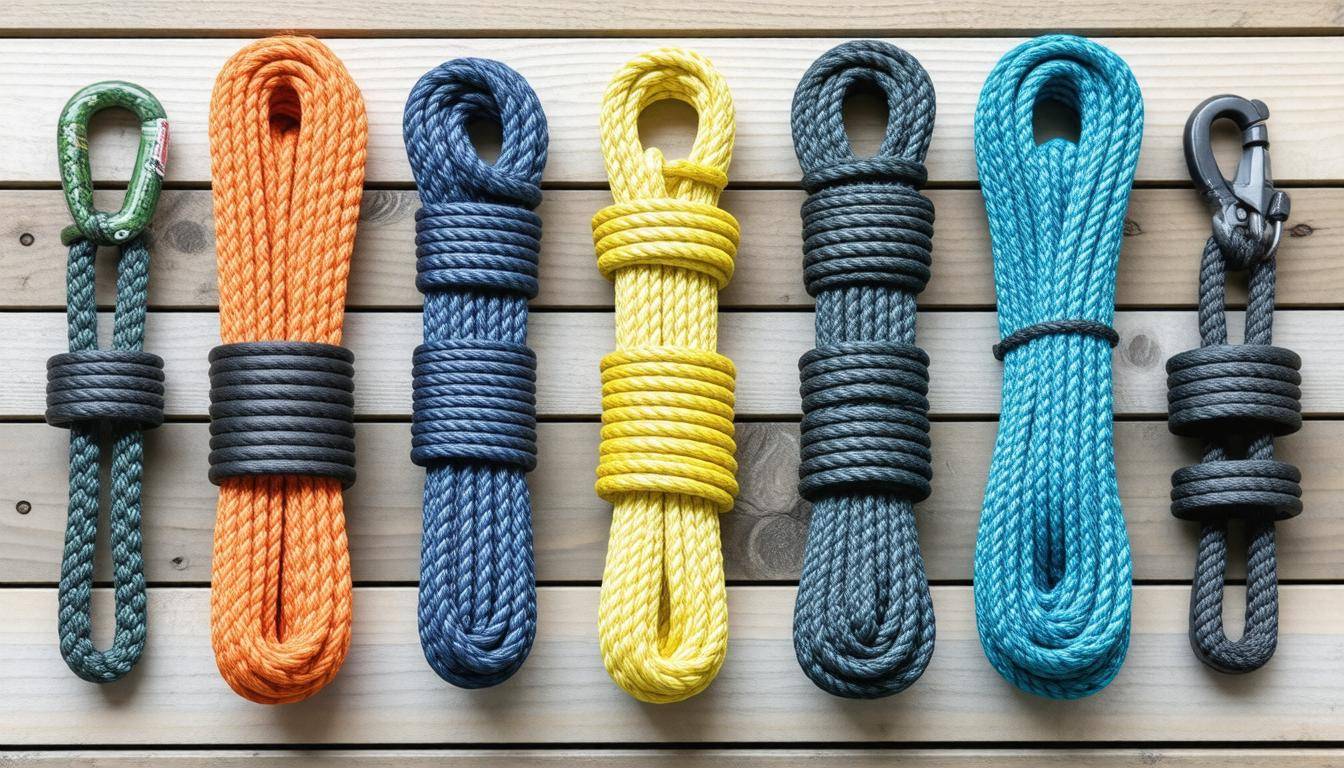
Emergency Rope Essentials
When it comes to choosing the right rope for emergencies, certain characteristics stand out that could make or break your situation. Initially, consider tensile strength; this refers to the amount of weight a rope can endure before breaking. Ideally, you want a rope with a tensile strength that meets or surpasses your needs—climbing ropes often boast a strength of around 5,000 pounds or even more. This is vitally important in rescue operations where every ounce of stress counts.
But strength alone isn’t sufficient. The rope must also be durable and flexible.
Durability ensures that your rope will withstand harsh conditions, whether it’s cold, wet environments or extreme heat. Having robust cordage prevents it from fraying or breaking when you rely on it the most.
Flexibility is equally critical because it allows for easy knot tying. In emergencies, being able to secure loads effectively or construct makeshift shelters quickly can be lifesaving. A rigid rope can’t provide the same functionality.
Beyond these core characteristics, it’s equally essential to think about how environmental factors can impact your choice.
Environmental resistance plays a significant role too—the best emergency ropes resist damage from UV rays, moisture, and mildew. For instance, Nylon ropes shine in strength but absorb water, which can compromise their integrity over time if not dried properly. On the other hand, Polyester ropes do well in damp conditions and retain their strength when wet. Being aware of these properties allows you to choose a rope that will hold up against the elements you might encounter in survival scenarios.
Lastly, always remember the versatility of your cordage choice. Different situations might require different types of knots. Mastering knot-tying skills increases the utility of any rope you carry.
Whether it’s using a bowline for securing items or a figure-eight loop for climbing safety, knowing how to handle your rope opens up new possibilities for its use in various emergencies.
With these considerations in mind, it’s time to explore the different kinds of ropes and cords available that can meet your specific needs in critical situations.
Types of Ropes and Cords
Varied situations demand different types of rope, each with unique properties that make them suitable for specific applications. Understanding these distinctions is crucial for making an informed choice that ensures safety and efficacy. For instance, Polypropylene rope is lightweight and floats on water, making it a popular choice in marine settings. While it is useful for tasks like securing mooring lines or using as a floating tether, its strength is less than that of Nylon or Polyester options. In emergency scenarios, you might find it beneficial for quick tie-offs, but relying on it for heavy lifting isn’t advisable.
Next up is Manila rope, crafted from natural hemp fibers. This type of cordage offers an excellent grip that many prefer during climbing or tug of war events. However, a significant drawback to consider is its susceptibility to rot and mildew when exposed to moisture over time. If you’re thinking about using it outdoors or in humidity-prone conditions, just be aware; it may not hold up as well as synthetic options.
When we talk about strength and longevity, Nylon rope comes into play. It’s incredibly robust, allowing for significant stretch—up to 30% of its length—which makes it ideal for dynamic loads like towing or rescue operations. That elasticity can help absorb shocks, reducing strain on both the rope and the anchor points. However, while Nylon provides superior strength, it also absorbs water, potentially weakening its integrity if left wet too long.
Polyester rope emerges as another strong contender worth discussing. This type boasts impressive resistance to UV rays and rot while retaining around 80% of its strength even when wet. It’s relatively rigid compared to Nylon, making it an exceptional choice for static applications like winching or dock rigging. If your activities involve prolonged exposure to outdoor elements, Polyester might serve as your go-to option.
Then there’s Kevlar™ rope; this remarkable cordage can withstand extreme temperatures and continues to perform under high stress—surpassing steel in strength! This makes Kevlar invaluable in specialized fields like aerospace or oil rig mooring lines. However, tread carefully with its vulnerability to cuts and abrasions despite its incredible tensile strength. Although it appears intact visually when damaged, it could compromise integrity significantly if not regularly inspected.
Selecting the right type of rope is not simply about the material but also understanding the scenarios in which they excel or falter. This understanding sets the stage for a deeper discussion on the merits and drawbacks of different cordage materials.
Synthetic vs. Natural Cordage
The ongoing debate between synthetic and natural cordage often boils down to your specific needs and personal judgments.
Synthetic ropes, crafted from materials like nylon or polyester, shine in terms of strength and durability. These modern materials resist abrasion and environmental wear, gaining popularity among survivalists and outdoor enthusiasts because they hold up well even in adverse conditions. Think about it—if you’re out in a storm or securing equipment near water, synthetic cordage is likely going to be your best bet.
While synthetic ropes have many advantages, it’s important to recognize what natural ropes bring to the table.
On the other hand, natural ropes, such as those made from Manila or hemp fibers, possess an intrinsic beauty and offer a tactile quality that’s simply unmatched. These fibers lend a classic touch to a project while providing excellent grip during activities like climbing or rigging. However, natural cordage has its vulnerabilities; it can easily succumb to moisture and deterioration over time if not properly cared for. This makes them less suitable for harsh or wet environments, where their lifespan might be drastically shortened due to rot.
| Type | Advantages | Disadvantages |
|---|---|---|
| Synthetic | High strength, weather-resistant | Can be more expensive, less eco-friendly |
| Natural | Eco-friendly, good for aesthetics | Prone to rot, less durable |
When deciding which type of rope to carry in your emergency kit, consider how you plan to use it.
If your applications frequently involve wet conditions or intense physical strain on the gear—like rescue operations or towing—investing in synthetic options may be wise. They tend to have higher tensile strengths and impressive resistance against UV rays, with some high-quality synthetics maintaining integrity for several years of exposure. However, if you’re looking for an aesthetically pleasing option for decorative uses or scenarios where biodegradability is essential, natural fiber ropes might serve you better despite their shorter lifespan.
Moreover, caring for your chosen cordage can significantly extend its life. For instance, storing synthetic ropes away from direct sunlight can reduce UV degradation while regularly inspecting natural ropes for signs of mold or damage can help maintain their form and function longer.
Understanding these distinctions equips you for future selections when considering various types of specialty cordage designed for specific tasks in diverse environments.
Specialized Rope Types
Specialized ropes are tailored for specific tasks and scenarios, offering unique benefits that general-purpose ropes simply can’t match. These ropes excel in critical situations where performance and reliability are paramount.
One standout is static rope, a robust choice primarily used in rappelling and rescue operations. Its defining feature is its lack of stretch under load, making it perfect for belaying and lowering people safely. Imagine a rescue team descending into a rugged canyon; with static rope, they need not worry about the unpredictable give of a stretchy cord, allowing them to focus solely on the task at hand.
On the flip side, we have dynamic rope, which plays an indispensable role in climbing endeavors. Unlike its static counterpart, dynamic rope is designed to stretch upon impact, effectively absorbing the shock from a fall. This characteristic can be the difference between a minor mishap and serious injury while scaling rocks. Climbers rely on the elasticity of these ropes to provide that extra measure of protection—a key factor when considering gear for climbing adventures or mountaineering expeditions.
Next up in our exploration of specialized ropes is paracord, often regarded as a survival kit staple due to its remarkable versatility and lightweight nature.
Paracord can serve multiple purposes—ranging from securing shelters in camping scenarios to creating snares for trapping small game during survival situations. Just picture yourself in the wilderness: you’ve managed to find dry wood for shelter but need something strong to tie it all together. With paracord handy, you can confidently build your refuge without compromising strength or durability.
Each specialized rope has its ideal use case based on environmental factors and intended tasks. Whether you choose static or dynamic rope, or rely on the adaptability of paracord, understanding their distinct properties ensures you’re prepared for any situation life throws your way.
For instance, fire starting during wet weather might require a paracord setup that allows you to secure tinder effectively. In contrast, should you find yourself engaged in rescue operations after a natural disaster, having both static and dynamic ropes at your disposal could be lifesaving.
Understanding which specialized rope type to harness in different scenarios not only boosts your confidence but can also mean the difference between safety and danger as you prepare to evaluate critical aspects like strength and durability next.
Rope Strength and Durability
A rope’s strength and durability are not just about raw power—they’re about the combination of various aspects, including material and construction techniques.
For instance, when you think of Kevlar™ ropes, which boast an impressive tensile strength exceeding 4,000 pounds, it’s important to remember that this strength can diminish drastically if the rope isn’t handled with care. In high-stress scenarios such as rescue operations or secure mooring lines, understanding that Kevlar™ can be susceptible to damage despite its might is crucial.
Now let’s talk about construction. Braided ropes generally offer superior strength and durability compared to their twisted counterparts. This is because the interwoven strands distribute stress over a larger surface area, reducing the likelihood of failure under tension. So, when selecting a rope for your emergency kit, looking for intricately braided options can pay off in terms of reliability.
It’s worth noting that the average tensile strength varies significantly across different materials. For example, while nylon can handle between 1,500 to 3,000 pounds (680 to 1,360 kg), polyester offers a range from 1,200 to 2,500 pounds (544 to 1,134 kg).
This brings us to another crucial point: when you choose a rope, consider not just what you need it for today but also the potential loads you’ll be putting on it down the road.
Of course, it’s not all about what materials the ropes are made from; environmental factors play a vital role too. While manufacturers often label certain ropes as weather-resistant—like polypropylene which is ideal for marine applications—substances such as saltwater can compromise their integrity over time. Even UV-resistant materials can fade under prolonged exposure if you leave them outside.
As you prepare your emergency gear, keep in mind that every factor counts—from choosing the right material to considering long-term exposure. A nuanced understanding will serve you well as we explore how to select cordage tailored to specific activities.
Selecting Cordage for Different Activities
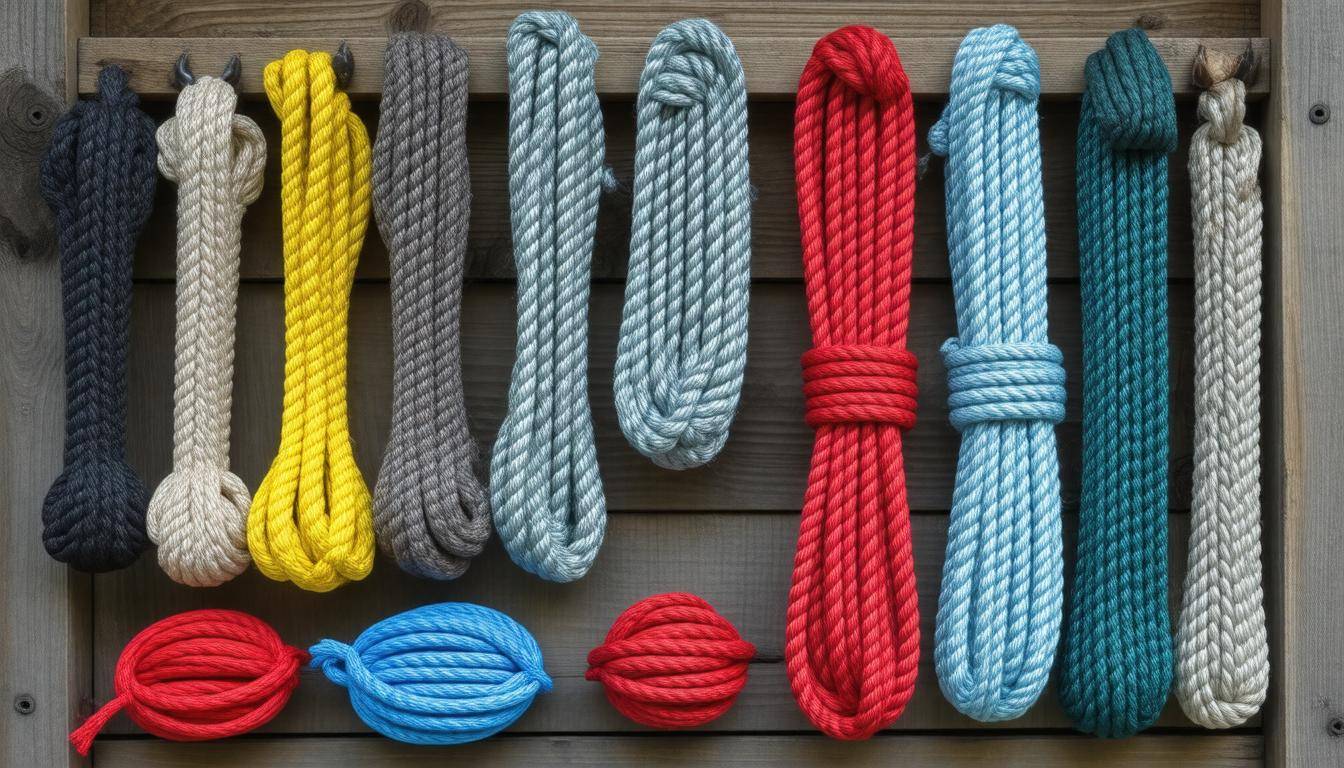
Choosing the right cordage is not just a matter of convenience; it’s a matter of safety and efficiency. Each activity demands its own unique type of rope to ensure you are equipped for whatever challenges might arise.
For instance, when it comes to climbing, using dynamic ropes is essential. These ropes are designed to stretch under load, effectively absorbing the impact if a climber were to fall. This characteristic greatly reduces the risk of injury by distributing the forces involved in a fall.
Similarly, different activities demand distinct materials that suit their particular environments and tasks.
In marine environments, polypropylene rope takes precedence due to its water-resistant properties and lightweight nature. It’s remarkable how this type of rope floats, making it ideal for applications both on boats and at the beach. Whether securing a boat or using it for swimming lane markers, polypropylene delivers reliability while resisting mildew—essential qualities in a wet setting. Plus, its low cost makes it an accessible choice for many outdoor enthusiasts.
As we move from water environments to camping scenarios, versatility becomes the name of the game.
For camping, many adventurers swear by paracord. Known for its incredible strength despite being lightweight, paracord shines in various roles—from lashing down gear to creating makeshift shelters. Its composition allows it to handle heavy loads without fraying or breaking easily, which is crucial when you’re out in nature and need reliable support. Its multi-functional nature means it can also be used for everything from tying packs together to securing firewood.
In situations where lives are literally at stake, such as during rescue operations, selecting the right equipment takes on even greater importance.
Here, static ropes become indispensable. Unlike dynamic ropes designed to stretch, static ropes offer unwavering reliability during load-bearing operations such as technical rescues. Their minimal stretch ensures that rescuers have complete control over their movements and those they are helping, significantly enhancing safety throughout the operation. Knowing this essential difference can make all the difference in life-or-death situations.
Understanding these specific applications highlights just how crucial it is to choose wisely based on your needs.
By assessing the requirements of your activities—be it climbing, marine work, camping or rescue—you gain insight into which cordage will best meet your expectations. Remember that being equipped with the right type of cordage enhances your effectiveness and serves as your lifeline in critical moments.
With this knowledge about selecting the appropriate gear, let’s explore how best to maintain and care for your rope to ensure longevity and reliability during those high-stakes moments.
Maintenance and Care Tips
Proper maintenance extends the lifespan of your rope, ensuring it remains reliable when you need it most. Just like a trusty tool, taking care of your cordage can significantly impact its performance in emergency situations.
The first step in effective rope management is regular inspection. Make it a routine to critically examine your ropes before every use. Look for signs of wear, such as fraying, cuts, or discoloration. If you notice any damage, don’t hesitate to replace those sections immediately; failing to do so could lead to failure at critical moments.
Regular inspections become even more vital after intense use or exposure to harsh environmental conditions. Remember, even the most durable ropes can develop issues over time.
Cleaning your cordage is another important aspect of maintenance. This can be done easily with mild soap and warm water; simply soak the rope and gently scrub it with a cloth to remove embedded dirt or grime, followed by a thorough rinse. Importantly, avoid using harsh chemicals—it’s tempting to want an all-purpose cleaner for stubborn stains, but such substances can weaken the fibers and diminish strength.
“Cleaning your cordage not only enhances its longevity but also ensures reliability when put to the test.”
Once cleaned, storing your ropes correctly is crucial. Ensure they are kept in a cool, dry place away from direct sunlight; prolonged UV exposure can significantly deteriorate their structure and integrity. A rope bag can protect them from dirt and abrasion while transporting or storing them.
Here’s a quick reference on storage:
- Ideal Storage Conditions: Cool, dry areas.
- Avoid: Direct sunlight and damp environments.
Additionally, during storage make sure to avoid knotting or tangling, as these can create weak points along the rope where failures are likely to occur later on. Lay your ropes flat or coil them neatly; this simple act goes a long way in preserving their strength and functionality.
Lastly, periodically checking knots and connections before each use adds an additional layer of precaution. With proper care and handling, your emergency ropes will be ready when you need them, making all the difference between safety and chaos in high-stakes situations.
As we prepare for more detailed exploration of valuable tools and guides available for interested adventurers, it’s essential to keep our gear maintained and ready for action.
Useful Resources and Guides
Numerous resources can provide you with deeper insights into selecting and using emergency ropes, helping you make informed decisions. Books serve as a solid foundation, especially those that explore various types of knots and their applications. One standout is “The Complete Ropes & Knots Guide” by Geoffrey Budworth, which details everything from basic usage to advanced techniques for specific scenarios. Reading through this guide could feel like having a seasoned expert sitting right next to you, guiding you through the nuances of rope work.
Alongside books, don’t underestimate the wealth of information found on reputable websites. For instance, REI’s expert advice section is packed with tips tailored specifically to outdoor enthusiasts and survivalists. Here, you’ll find user-generated content discussing their experiences with different rope types, providing practical advice based on real situations. Forums such as Survivalist Boards can also be invaluable for connecting with fellow enthusiasts who share their hard-earned wisdom and recommendations about rope and cordage.
Videos are another excellent way to learn effectively because they visually demonstrate techniques that can sometimes be hard to grasp just through reading. Channels on platforms like YouTube can be particularly helpful; for example, Survival Lilly features practical how-to videos and showcases real-world applications of diverse ropes alongside knot-tying processes. These videos not only demonstrate effective ways to utilize cords but also highlight common pitfalls that beginner users often encounter.
Supplementing your learning experience with a mix of these resources can foster a well-rounded understanding of rope selection and usage, ultimately preparing you better for any unexpected situation in the wilderness or your own backyard.
In conclusion, investing time in gathering knowledge on ropes and cordage will enhance your preparedness for emergencies while ensuring that you’re well-equipped for various outdoor adventures.