
In the chaos of an emergency, your health can quickly feel like a fragile thread hanging by a whisper, especially when basic sanitation is compromised. When disasters strike, we often think about protecting our homes and loved ones, but how many of us consider the importance of hygiene in keeping everyone safe? Effective sanitation management might not be the most glamorous topic, yet it’s crucial for preventing sickness in these critical times. With my exploration into this subject, I discovered just how vital good sanitation practices are during crises, and I hope to share insights that can make a real difference when life gets unpredictable. This guide aims to equip you with essential knowledge to navigate through emergencies while ensuring that health remains a priority for yourself and your community.
The Emergency Sanitation Management: Complete Guide offers detailed insights into best practices for managing sanitation during emergencies, including strategies for rapid response, essential protocols for infection control, and effective waste management techniques. Additionally, it covers the roles of various agencies involved in emergency sanitation efforts and provides resources for training and compliance to ensure safety in critical situations.
The Importance of Emergency Sanitation Management
In any emergency situation, maintaining sanitation becomes not just important but essential in preventing disease outbreaks and ensuring public health. When disasters strike, whether natural calamities like earthquakes or man-made crises such as chemical spills, inadequate sanitation can lead to catastrophic health outcomes. The World Health Organization (WHO) has emphasized this reality, reporting that over 2 billion people globally face inadequate sanitation during emergencies each year, contributing directly to numerous infectious disease outbreaks.
The statistics are staggering: poor sanitation can amplify health hazards exponentially. For instance, during Hurricane Katrina, inadequate waste disposal and contaminated water supplies worsened the public health crisis, leading to outbreaks of illnesses ranging from gastrointestinal infections to leptospirosis. These historical instances underscore the critical nature of promptly addressing sanitation needs.
When we discuss emergency sanitation management, it’s easy to focus on immediate actions—like distributing clean water or providing hand sanitizers—but it’s just as crucial to consider ongoing sanitation efforts that protect community health in the long run.
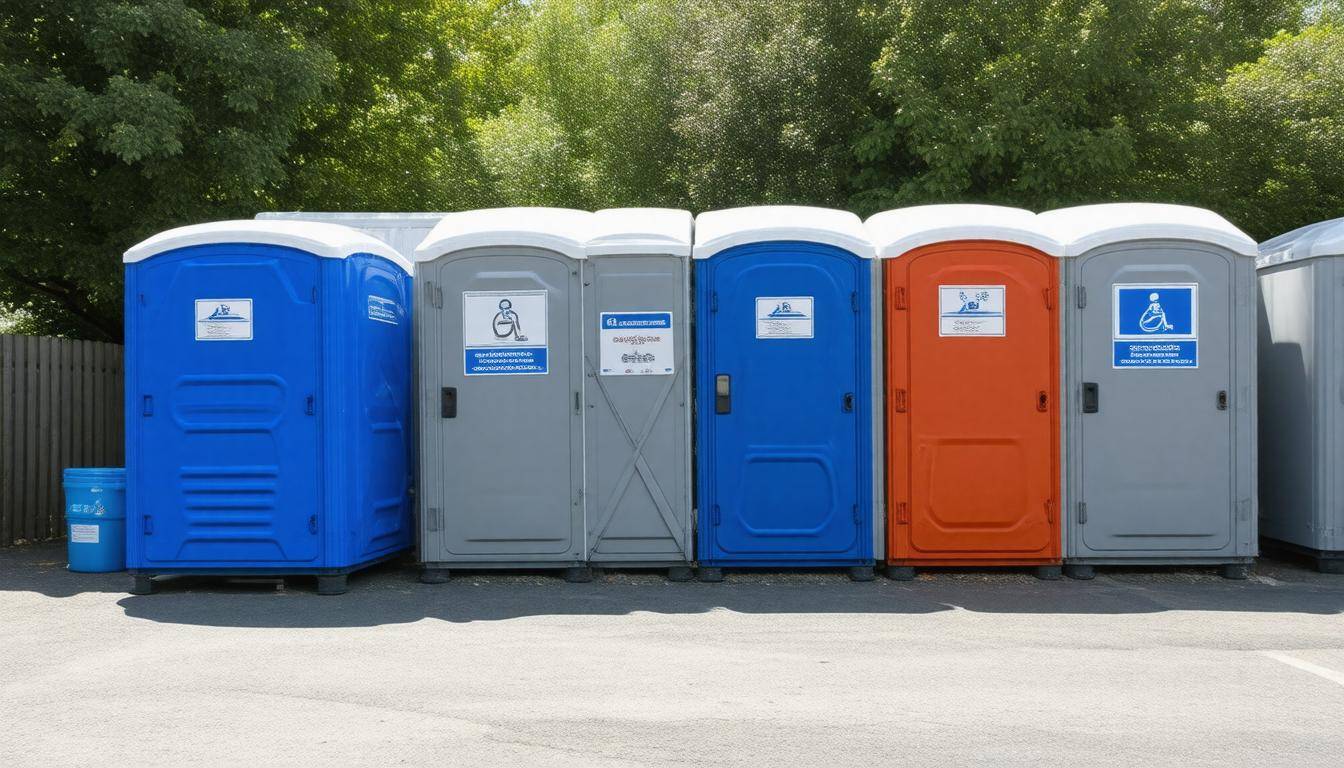
For example, a well-designed sanitation strategy might incorporate mobile toilets and handwashing stations strategically placed to serve affected populations effectively. Imagine the impact of deploying such resources within 48 hours of an incident; lives could be saved simply by prioritizing sanitary conditions.
As we evaluate this importance, we must acknowledge that effective emergency sanitation management goes beyond merely providing facilities; it involves comprehensive planning and training for responders on how to implement these strategies efficiently.
Organizations like FEMA and local governments collaborate with groups such as the U.S. Public Health Service (USPHS) to harness resources and knowledge for optimal environmental health practices during emergencies.
Furthermore, professionals involved in emergency sanitation management often rely on specific educational backgrounds and certifications to navigate challenges encountered in fieldwork effectively. Common qualifications include Registered Environmental Health Specialists (REHS) and Certified Public Health credentials, equipping individuals with practical knowledge about health regulations and sanitation protocols necessary for acute response scenarios.
This well-rounded approach—combining education, resource allocation, and active response—reinforces our understanding of why sanitation matters in emergencies. As conditions fluctuate after disasters, specialized sanitation kits tailored to specific environments and situations become increasingly important for communities striving to maintain dignity while safeguarding health.
Choosing Emergency Sanitation Kits
Understanding the importance of having effective sanitation kits is key, especially when it comes to personal health during crises. A well-chosen emergency sanitation kit can make a significant difference in maintaining your health and reducing serious risks. These kits should be thoughtfully curated to meet the specific needs of those impacted.
When selecting a kit for emergency situations, prioritize essentials that promote hygiene and functionality, such as portable toilets and sanitation supplies.
Essential Components of a Good Sanitation Kit
Navigating through an emergency situation can be overwhelming, but having the right components in your sanitation kit can bring you peace of mind. The essential elements to look for include:
-
Portable Toilet: This is perhaps the centerpiece of any sanitation kit. Many models are designed for comfort and ease, allowing you to relieve yourself without needing traditional facilities. Look for options that come with privacy enclosures or are compact enough for easy transport.
-
Biohazard Bags: These bags ensure that waste is properly contained until disposal, minimizing health risks associated with exposure to human waste. They play a crucial role in preventing contamination within your environment.
-
Sanitizing Wipes and Hand Sanitizer: Maintaining cleanliness is essential. Antibiotic wipes help clean hands and surfaces quickly when necessary, while hand sanitizer effectively eliminates germs when soap and water aren’t available.
-
Shovel: Often overlooked, a shovel can assist with proper waste disposal in the absence of municipal services or specific waste management systems, equipping you to maintain cleanliness in your temporary living conditions.
Companies like CleanWaste and Reliance have developed comprehensive kits that provide these essentials along with user-friendly instructions for setup and use during crises. Their kits offer durability meant to withstand harsh weather conditions and repeated usage—critical when juggling multiple challenges.
Real-Life Impact
To illustrate the significance of a dependable sanitation kit, consider Sarah’s story from Hurricane Irma who shared how her CleanWaste kit was indispensable when local services collapsed. Facing the chaos of a hurricane without access to proper sanitation, Sarah emphasized that her kit provided not just practical support but also mental relief during such turbulent times.
As you work on assembling your sanitation package, remember that investing in organized, high-quality items can notably enhance your experience in managing emergencies effectively. This preparation allows you to maintain your health, making it easier to navigate challenging situations ahead.
Portable Toilets and Alternatives
When it comes to emergency sanitation management, portable toilets provide convenience and hygiene in situations where traditional facilities are inaccessible. Different models cater to varying needs, ensuring everyone can find a suitable option for outdoor activities or emergency responses.
For instance, the Reliance Luggable Loo is popular among campers and military personnel alike due to its straightforward design. Not only is it user-friendly, but its compact form makes it easy to transport without sacrificing function. This model embodies what it means to combine simplicity with practicality, making it a favorite for those who need a dependable sanitary solution on the go.
In contrast to this basic structure, you might also consider foldable options like the TripTips folding toilet seat, designed for lightness and space-saving attributes. This option provides essential support while being significantly easier to carry, especially for those venturing long distances or packing lightly.
Alternatives to Portable Toilets
Despite the presence of portable toilets, there may be situations when such conveniences are not available. In these cases, understanding viable alternatives can make all the difference. One common solution is using a 5-gallon bucket lined with heavy-duty garbage bags. This method allows for quick disposal while maintaining sanitation standards if executed correctly. However, it’s crucial to ensure that these bags are sealed tightly to prevent leaks or contamination that could compromise health safety.
Consider adding a layer of absorbent material, such as cat litter or sawdust, at the bottom of the bucket before lining it with a bag. This will help manage odors and solids, enhancing overall comfort during usage. Once filled, carefully seal the bag before disposal; this ensures that waste doesn’t spread and maintains hygiene.
Understanding the array of options available for waste disposal emphasizes how preparedness can dramatically affect your quality of life during unexpected circumstances. Not having a dedicated toilet may feel inconvenient, but having these alternatives ready can alleviate stress and facilitate a more organized approach to sanitation management in emergencies.
Being equipped with both portable toilets and their alternatives prepares you for whatever situation arises—making an uncomfortable experience much more manageable.
As we navigate through different methods of maintaining sanitation in crises, it’s essential to explore reliable strategies for waste management that keep our environment clean and safe.
Effective Waste Disposal Methods
Properly disposing of waste ensures that contamination and health hazards are minimized, especially in situations where sanitation services may be limited. The method of disposal can vary significantly depending on the environment, whether urban areas or more remote wilderness settings. Understanding these distinctions is vital for effective sanitation management during an emergency.
In a wilderness setting, one highly recommended approach is to bury waste correctly. By digging a hole at least 6-8 inches deep and ensuring it’s located 200 feet away from any water source, you can mitigate the risk of contaminating vital water supplies. This method prevents pathogens in human waste from leaching into groundwater, which could pose serious health risks to others who rely on that water. It’s essential to cover the waste immediately after burial to avoid attracting scavengers and ensure proper decomposition.
Urban and Camp Settings
In urban or camp environments, biodegradable bags offer another effective solution. These bags allow for secure containment of human waste without the negative environmental impact typically associated with plastic disposables. After sealing the bags tightly, residents should dispose of them at designated community drop-off sites. This step not only helps manage sanitary conditions but also supports local waste management systems designed to handle organic matter sustainably.
The use of biodegradable bags illustrates a growing trend towards eco-friendliness while enhancing sanitation practices. They serve as a bridge between convenience and responsibility, promoting better waste management behavior.
Chemical Toilets
Another option that serves well in both urban and wilderness areas is chemical toilets. These compact systems utilize specialized chemicals to break down waste effectively while controlling odor. Users simply need to follow manufacturer instructions meticulously while ensuring regular maintenance of the units. Regular treatment with chemicals not only aids bacterial breakdown but also helps prevent spills or overflows—serious considerations when working to foster sanitary conditions during emergencies.
Alongside these approaches, adopting disciplined hygiene practices reinforces sanitation strategies, protecting communities from disease transmission—an aspect equally essential in managing public health amidst environmental crises. As we explore further, developing a comprehensive understanding of hygiene techniques becomes imperative to sustaining health and safety during emergencies.
Essential Hygiene Practices
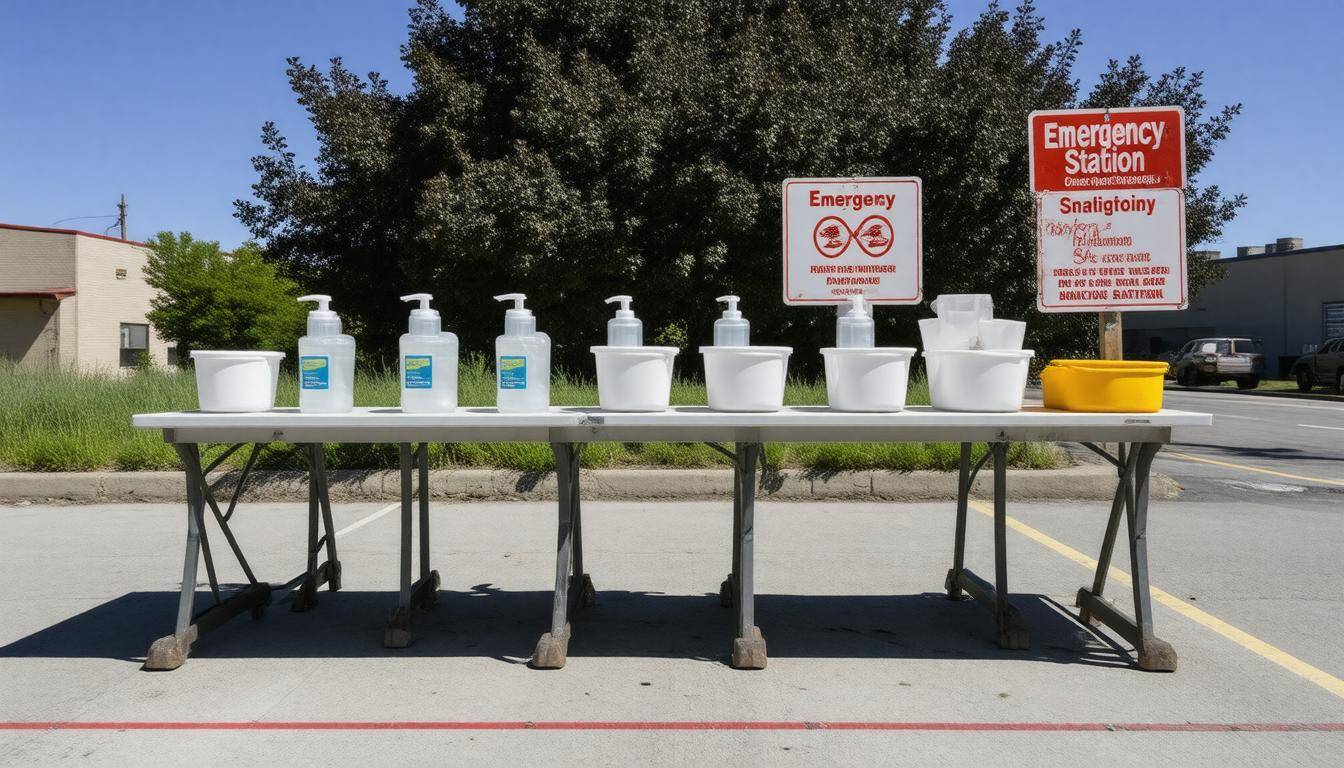
Good hygiene practices serve as the backbone of disease prevention, particularly in situations where quick action is vital to protect both healthcare workers and patients. Imagine being thrown into an emergency scenario—chaos surrounds you, the stakes are high, and the last thing on your mind is often how clean your hands are. Yet, this simple act can be the difference between health and sickness.
Regularly washing your hands with soap and water for at least 20 seconds is crucial; if access to water is limited, an alcohol-based sanitizer becomes your best friend. These habits aren’t just good practice; they save lives.
The impact of proper hand hygiene cannot be overstated. For instance, data from the CDC following the catastrophic 2010 Haiti earthquake revealed that effective handwashing led to a staggering 40% reduction in cholera cases. Picture that – a simple act of soap and water had a monumental effect in saving lives amidst a disaster. This highlights the necessity and effectiveness of hygiene measures in protecting public health.
Beyond hand hygiene alone lies a broader scope of practices that play pivotal roles in controlling infections—let’s explore them.
The use of personal protective equipment (PPE) like gloves should not overshadow the need for consistent hand hygiene. It’s important to remember that gloves don’t replace thorough washing; proper glove usage guidelines emphasize that they should be used when providing care to protect oneself and others while still adhering to hand hygiene protocols afterward. This dual-layer of protection ensures that residents and healthcare workers remain safe, especially when handling hazardous materials.
Additionally, facilities must establish a culture where monitoring compliance with these basic sanitation principles becomes routine. By 2026, nations are encouraged to make hand hygiene compliance monitoring a crucial national health indicator. Currently, around 68% of countries report active compliance measures—why not become part of this movement? Fostering an environment where these practices become second nature is key.
As we focus on hygiene, it’s important to consider our environmental footprint too. Alarmingly beneficial, excessive glove use during emergencies can lead to incredible waste—reports indicate that between February and August 2020 alone, over 3 billion pieces of personal protective equipment contributed to about 591 tonnes of daily waste! This urgent call for responsible consumption emphasizes that while protecting health is priority number one, safeguarding our planet shouldn’t take a back seat either.
Next, let’s shift our focus toward effectively managing waste generated by these hygiene practices, intertwining safety with sustainability efforts for a healthier future for all.
Managing Odor and Composting

In emergency situations, managing unpleasant odors often feels like an uphill battle, especially when waste management systems are compromised. Creating a more bearable living environment involves utilizing effective odor control techniques to ensure that everyone remains as comfortable as possible under trying circumstances. Think about it: the last thing you want while handling an emergency sanitation scenario is a situation where bad smells compound anxiety and discomfort.
To combat these issues, practical solutions such as deodorizers or absorbent materials like peat moss, sawdust, or kitty litter can be invaluable. These substances work wonders by absorbing moisture and neutralizing unpleasant smells. Imagine opening a small package of absorbent powder and watching it soak up moisture like a sponge; the transformation is almost immediate. These powders can also be sprinkled atop waste materials, allowing for efficient breakdown and odor control.
A particularly interesting aspect arises with the use of composting toilets, which leverage these materials to break down waste biologically. By integrating these natural additives, composting toilets reduce not only the volume of waste but also the accompanying odors that might otherwise permeate a space. Think of it as nature’s recycling system at work—turning waste into something useful while simultaneously addressing the issue of smell.
The beauty of composting toilets lies in their ability to transform what would traditionally be considered waste into rich soil content through biological processes. The addition of wood chips or sawdust helps to aerate the mix, providing adequate oxygen for microbes to thrive. During this process, the beneficial bacteria and fungi go to work, breaking down the organic material while consuming the very compounds responsible for foul odors—effectively creating a cleaner environment.
However, it’s vital to recognize that while these methods are effective, remaining vigilant in monitoring conditions is just as important. Regular checks ensure that the materials do not reach saturation points and that the overall system remains efficient in both breaking down waste and controlling odors. This two-fold approach not only addresses immediate needs but also promotes long-term sustainability in emergency sanitation management.
As we explore further, it’s crucial to understand how various health risks can emerge during such crises and what measures can be implemented to safeguard communities effectively.
Addressing Health Risks in a Crisis
When emergencies arise, whether due to natural disasters, pandemic outbreaks, or community health crises, the risk of disease transmission significantly heightens. Acute respiratory infections, like those caused by influenza or human metapneumovirus (hMPV), surge particularly during winter months, putting tremendous pressure on health systems. It’s crucial to recognize these dangers and act before they escalate into full-blown outbreaks.
The Centers for Disease Control and Prevention (CDC) indicates that a robust rapid response—one that swiftly identifies symptoms and provides essential sanitation services—can prevent up to 70% of potential outbreaks. This statistic underscores how timely intervention is critical; proactive management not only reduces illness but also conserves resources and bolsters overall community resilience.
For instance, look at the challenges posed by norovirus or hepatitis A outbreaks. These infections can rapidly spread through contaminated food and water, exacerbated by inadequate sanitation facilities during emergencies. With clean sanitation practices and prompt response protocols in place, communities can curtail the spread of these illnesses significantly.
Therefore, preparation must be tailored to each unique environment. In urban settings, ensuring adequate access to clean water becomes paramount as dense populations can facilitate rapid disease transmission. Meanwhile, rural areas may need to focus more on establishing proper waste disposal systems and sanitation services that are readily accessible during emergencies.
Equipping stakeholders with effective training and resources lays the groundwork for effective management strategies that address multiple health risks simultaneously.
Additionally, public health messages become vital in these situations. Encouraging individuals to stay home when exhibiting mild symptoms, using masks in crowded spaces, and regularly practicing hand hygiene can all help minimize disease transmission. Following vaccination guidelines further strengthens community immunity against circulating pathogens.
An understanding of emergency sanitation management should focus on integrating preparedness and response efforts. Rather than playing catch-up after an outbreak occurs, communities must build resilient systems that prioritize regular surveillance and readiness—not just for seasonal viruses but for any emergent health threats.
As best practices in managing crises continue to evolve, it’s essential to understand how to adapt protocols for different settings to enhance our preparedness against future challenges.
Preparing for Various Environments
When it comes to emergency sanitation management, one size does not fit all. Different environments present unique challenges and requirements, which means preparing specific strategies for each setting is crucial. By understanding the distinctions between urban, wilderness, and mobile settings, we can ensure that sanitation practices effectively maintain hygiene and safety during crises.
Urban Settings
In busy cities, the sheer number of people increases waste production, making sanitation efforts more complex. Stockpiling essential supplies like trash bags, disinfectants, gloves, and portable handwashing stations is critical. However, these materials can be cumbersome to store and distribute.
That’s where community drop-off points become invaluable. Residents can contribute by disposing of their waste at designated locations, ensuring that waste management services remain efficient even in emergencies.
Imagine a bustling urban neighborhood when disaster strikes; timely communication about these drop-off points empowers residents to act swiftly for their community’s cleanliness and wellbeing.
Wilderness Settings
Nature offers a different set of challenges altogether. In wilderness areas, human activity can disrupt delicate ecosystems, so disposal methods must be respectful of nature. Focus on burying human waste at least 200 feet from any water source to prevent contamination. Makeshift latrines can be constructed using natural materials such as fallen branches and leaves. Maintaining proper distance from water sources isn’t just necessary for compliance; it’s vital for preserving the environment around us.
- Use biodegradable bags where possible to minimize environmental impact.
- Ensure everyone knows how to construct a latrine properly—this education is paramount in wilderness survival situations.
Mobile Settings
If you find yourself in a vehicle during an emergency—whether evacuating or providing relief—portable and collapsible toilets are essential tools for your emergency kit. These toilets make it easier to maintain sanitary conditions on the go. Having a designated container for waste not only keeps things tidy but also allows you to manage odors effectively until you can dispose of them properly.
Consider creating a compact sanitation kit that includes strong plastic bags for easy cleanup along with toilet paper and disinfectant wipes.
By addressing the unique needs of each environment with tailored approaches, individuals and communities can significantly improve their sanitary conditions during emergencies. Being prepared for whatever challenges arise ensures that everyone’s safety and health remain top priorities.
Incorporating these strategies into your preparedness plan will enhance resilience against potential threats while safeguarding public health.
How can individuals contribute to sanitation efforts during an emergency situation?
Individuals can contribute to sanitation efforts during an emergency by volunteering for local hygiene promotion activities, assisting in waste management, and helping to distribute essential sanitation supplies such as soap and hand sanitizers. Engaging with community organizations can amplify outreach, as studies have shown that proper hygiene practices can reduce the spread of diseases by up to 45%. Furthermore, simple actions like encouraging handwashing and maintaining clean environments can significantly mitigate public health risks in crisis scenarios.
What types of resources and training are necessary for effective sanitation management in emergencies?
Effective sanitation management in emergencies requires a combination of human, material, and informational resources. Essential training includes skills in waste management, hygiene promotion, and the setup of temporary sanitation facilities. According to the World Health Organization, proper emergency sanitation can reduce disease transmission by up to 75%, making it crucial for responders to be equipped with knowledge on local context, resource allocation, and community engagement techniques. Adequate supplies such as portable toilets, handwashing stations, and personal protective equipment must also be readily available to ensure rapid response capability.
What role do local governments play in coordinating emergency sanitation efforts?
Local governments play a crucial role in coordinating emergency sanitation efforts by establishing effective communication channels, mobilizing resources, and implementing rapid response strategies tailored to community needs. They are responsible for assessing the situation on the ground, directing necessary personnel and equipment to impacted areas, and ensuring compliance with health and safety regulations. For instance, during emergencies like floods or pandemics, studies have shown that well-coordinated local efforts can reduce disease transmission rates by up to 50%, highlighting the importance of timely and efficient sanitation management deployed by local authorities.
How can communities prepare for potential sanitation challenges following a disaster?
Communities can prepare for potential sanitation challenges following a disaster by establishing an emergency sanitation plan that includes pre-positioning essential supplies like portable toilets, handwashing stations, and waste disposal bags. Training local response teams and engaging residents in awareness programs boosts readiness—research shows that timely access to sanitation can reduce disease outbreaks by up to 70%. Additionally, maintaining clear communication channels ensures rapid dissemination of information on hygiene practices, crucial when resources are strained after a disaster.
What are the key components of an effective emergency sanitation management plan?
An effective emergency sanitation management plan should include key components such as rapid assessment of sanitation needs, the establishment of temporary sanitation facilities, waste management protocols, communication strategies for public health messaging, and training for responders. Statistics indicate that inadequate sanitation in emergencies can lead to outbreaks of waterborne diseases, with a 30% increased risk of gastrointestinal illnesses in affected populations. Ensuring immediate access to safe sanitation options can significantly mitigate health risks during crises.