
When faced with unexpected survival situations, the first question that often comes to mind is, “How do I stay safe and warm?” Crafting a reliable emergency shelter can be the difference between comfort and despair in the wild. Not only does it shield you from nature’s harsh elements, but it also provides a sense of security when everything around you feels uncertain. Think of a time when you’ve sought refuge from the storm—your shelter needs to offer that kind of sanctuary. In this guide, we’ll walk through practical techniques for building effective shelters using simple methods and readily available materials, so that you’re prepared no matter what challenges come your way. Let’s get started on creating your protective haven!
The Emergency Shelter Construction Step-by-Step Guide covers essential techniques for building effective survival shelters using available materials, emphasizing crucial aspects such as location selection, insulation methods, and structural integrity. Each step is designed to help you create a safe and comfortable haven that protects against the elements during unexpected crises.

Selecting the Right Shelter Spot
When you’re out in the wild and facing unexpected situations, finding the perfect location for your shelter can make all the difference. Just think about it: the right spot holds the power to keep you warm during long nights and safe from inclement weather. It’s not just a matter of convenience; it could mean the difference between life and death in a crisis.
Assessing Terrain Stability
First and foremost, you’ll want to ensure that the ground beneath your feet is stable. Rocky or overly sandy soils can shift unpredictably, creating dangerous conditions for your newly constructed shelter.
Take a moment to do a quick assessment—walk around and test how the ground feels underfoot. If it sinks or gives way, that’s your cue to look for an alternative location. Remember, stability is key. Imagine trying to sleep with every rustle of leaves sending you into a panic because you fear your shelter might collapse any minute.
Proximity to Resources
While it’s important to consider stability, don’t overlook the treasure hunt for essential resources. You’ll want to find a convenient spot close to firewood and fresh water, which could save you valuable time and energy in survival situations.
This easily becomes a balancing act; ideally, set your shelter at least 200 feet away from water sources. Getting too close can attract unwelcome insect threats and wildlife eager for an easy meal.
Think of it this way: setting up camp near a water source may seem appealing at first glance, but remember that what seems like a small comfort can lead to bigger problems down the line.
As you search for that ideal location, take note of these critical factors:
-
High ground: Seek areas that aren’t prone to flooding and ensure you’re away from low-lying regions. This little piece of wisdom could save you during heavy rains; just like one instance at a forest survival workshop where those who chose high ground experienced no issues, while others suffered.
-
Stable terrain: A solid foundation means fewer worries when strong winds blow or rain pours unexpectedly.
-
Resource access: Being within reach of firewood and water simplifies things tremendously when everything feels chaotic.
With these considerations in mind, you’re well-prepared to identify prime spots for your emergency construction efforts as we turn our attention toward sourcing eco-friendly materials suitable for your build.
Gathering Sustainable Building Materials
Sustainability is paramount when constructing your emergency shelter. Using renewable resources ensures that you’re being environmentally friendly while crafting a sturdy structure without leaving significant ecological impact. When venturing into the wilderness, pay attention to your surroundings; most of what you’ll need for shelter construction can be found naturally right where you are.
Types of Material
First and foremost, fallen branches should be at the top of your list for structural support. Choosing branches that have already fallen helps maintain ecological balance since you’re avoiding live trees that serve vital roles in their ecosystems.
Once you’ve gathered enough fallen branches, think about where you can find dry leaves, grass, and pine needles. These natural materials will serve as excellent insulation, preventing heat loss on chilly nights. In fact, dried foliage provides substantial thermal insulation, making a world of difference in those first few hours of sleep.
It’s fascinating how nature offers solutions if we know where to look.
To give you a practical approach, here’s a breakdown of additional materials you might come across and their uses:
| Material | Source | Use |
|---|---|---|
| Fallen Branches | Forest Floor | Structural support |
| Dry Leaves | Ground, Under Trees | Insulation |
| Pine Needles | Forest Floor | Insulation, Bedding |
| Stones | Nearby Surface | Foundation, Heat Retention |
Each type of material plays a specific role in ensuring that your shelter is both functional and protective. For instance, stones sourced from nearby surfaces create a solid foundation while helping retain heat as they absorb warmth from the fire or sunlight.
With these materials at hand, the focus shifts to preparing the site effectively to ensure your hard work results in a safe haven for survival needs.
Site Preparation Essentials
Your emergency shelter’s success starts with meticulous site preparation. First, let’s discuss clearing the ground. Begin by removing any unwanted debris and vegetation from your selected area. This involves raking back leaves, pulling up roots, and clearing away branches and rocks that could puncture or damage your shelter’s base. Think of this step as creating a clean canvas for your shelter—without it, you’re risking moisture retention that can lead to mold or dampness within your shelter walls.
I’ve seen firsthand how many survival enthusiasts struggle with damp conditions simply because they didn’t take the time to clear their surface properly. In one memorable challenge, a group of participants faced discomfort from lingering moisture due to poorly prepared sites. A little diligence here goes a long way.
Next comes leveling the ground. Using a shovel or even a sturdy stick, start to flatten the area where you plan to build. A level surface is essential because it provides stable support for your shelter’s foundation, making it less susceptible to collapse during adverse weather conditions. An uneven surface not only compromises structural integrity but can also make sleeping uncomfortable; no one wants to wake up sore after a rough night spent on an incline.
Assessing Surroundings
Once you’ve cleared and leveled the ground, it’s time to assess your surroundings. Look for natural barriers like trees or hills that can shield your shelter from strong winds and harsh weather. Ideally, you want your shelter to be at least 200 feet away from water sources to avoid flooding and potential contamination—remember that muddy footing can make all the difference in survival situations.
As part of this assessment, check for wildlife activity as well. Pay attention to animal tracks or droppings in the area; these seemingly minor indicators can help you avoid potential dangers like predators seeking shelter of their own.
Always remember: Nature has its rhythms, and respecting them is key when setting up camp. Seeing a fresh footprint nearby might just save you from an unexpected encounter later on!
After gauging potential hazards and stability factors in the vicinity, it’s time to ensure that natural resources are readily available for future use. This means ensuring you have access to materials such as wood for construction, branches for insulation, or foliage for coverage—all vital components of effective emergency shelters.
With this groundwork established, you’re ready to transition into the specifics of building techniques that will optimize your shelter’s effectiveness against the elements.
Step-by-Step Construction Guide
Step 1 – Foundation
The first crucial element in building your emergency shelter is creating a sturdy foundation. To achieve this, lay down a layer of stones or a thick mat of leaves and grass. This not only provides an immediate buffering barrier against ground moisture but also adds insulation. The importance of this insulating layer cannot be overstated—keeping you dry is fundamental for maintaining body heat, especially during the cold nights that can follow an unexpected adventure. Imagine laying down after a long day, knowing that you have prepared well; comfort begins with this very foundation.
Once your foundation is prepared, it’s time to move on to constructing the framework.
Step 2 – Framework
In this stage, you’ll construct a basic frame using robust branches. Start by securing the main support ridgepole firmly between two strong anchor points—these could be trees or deep-set posts if you’re in a wooded area. Think of the ridgepole as the backbone of your shelter; it needs to be strong enough to support whatever roofing material you plan to use.
While some survivalists prefer employing complex joints and lashings for added stability, others opt for the traditional method of simply stacking and leaning branches together. For short-term shelters, both methods can yield viable results, but if you anticipate staying longer, investing in secure joints will enhance your shelter’s longevity and ability to withstand harsh weather.
With the framework securely in place, we can now focus on ensuring the shelter remains water-resistant.
Step 3 – Roofing
The next step involves creating a waterproof roof over your framework. Cover the structure with layers of branches and foliage—this isn’t just aesthetics; it’s critical for keeping rain out. Ensure that you thatch the roof tightly and look for any gaps where moisture might sneak through. Pointing the angle of the roof downward helps channel water away from the interior, while thick foliage can act as excellent insulation against colder temperatures overhead.
Once the roofing is complete and securely in place, take a step back to assess your work. Make sure everything feels stable; you want your shelter to provide peace of mind rather than an invitation for leaks or collapse when challenged by wind and rain.
Now that we’ve constructed a solid structure, we can transition our focus towards implementing useful tools and techniques that will further enhance our emergency shelter setup.
Tools and Techniques for Building
To construct a reliable emergency shelter, having the right tools on hand can significantly streamline the process. While it’s possible to build a sturdy structure with just a few basic items, it’s highly beneficial to equip yourself with essential tools. A hatchet or machete serves as your trusty companion for cutting branches—these are indispensable in shaping your materials quickly, especially when time is of the essence.
Additionally, a multi-tool is like having an entire toolbox at your fingertips; it offers versatility that can be invaluable in unpredictable situations. Think about it: you may need to tighten something, slice through a stubborn rope, or even remove debris—all tasks made simpler with a multi-tool.
Essential Tools
Among the myriad of tools available, some stand out as absolute necessities. Alongside your hatchet and multi-tool, carrying paracord is wise—it’s strong, lightweight, and can hold substantial weight. Aim for at least 50 feet; you’ll often find it comes in handy from building frameworks to tying things down securely.
Meanwhile, don’t underestimate the power of simple items like duct tape—yes, duct tape! It’s surprisingly effective for joining materials or making quick repairs.
Beyond tools, mastering specific techniques is equally crucial.
Building Techniques
Familiarizing yourself with various building techniques will boost your ability to create durable shelters. Start with knot-tying skills—clove hitches, square lashings, and even basic weaving can greatly enhance the stability of your construction. These knots allow you to secure branches together effectively, ensuring they remain sturdy even under stress.
Using natural cordage made from vines or roots might require a bit more effort, but the payoff is worth it; you’re utilizing what nature provides while improving your wilderness skills.
When erecting your shelter, consider not just structural integrity but also how to waterproof it effectively. Incorporate an insulating layer over the top that channels rainwater away. Remember, a well-built shelter isn’t worth much if you’re drenched inside.
Now that you’ve equipped yourself with the necessary tools and techniques to build effectively, think about how to further enhance your shelter’s resilience against environmental challenges.
Ensuring Shelter Waterproofing

Waterproofing is not merely an additional step in building your emergency shelter; it is essential for survival, especially in adverse conditions. Rain can seem harmless in fair weather, but it transforms dramatically when temperatures dip. One heavy rain can soak your makeshift home and chill you to the bone, resulting in hypothermia. To effectively combat this, prioritize waterproofing every aspect of your shelter.
Start with the roof because it’s your first line of defense against the elements. Using natural materials like leaves, pine needles, and grass, construct a thick layer that acts as a barrier. Think about using overlapping techniques, akin to shingles on a traditional roof, so that water flows smoothly off the sides instead of pooling atop. The thicker the layers you pile on, the more effective they will be at keeping you dry.
Sealing Gaps
Once your roof is solidly in place, address any gaps in your shelter’s structure. Even minor openings can allow water infiltration during heavy rain or storms. A quick remedy is to pack these smaller gaps with moss or mud. Moss, particularly effective due to its moisture-wicking properties, acts as an excellent natural barrier. Mud may take longer to set, but once it hardens, it forms a durable seal.
Don’t underestimate the importance of the entrance to your shelter—this point requires special attention. Consider attaching a flap of material—whether it’s old plastic sheeting or durable fabric—that can easily close off this opening before any storm approaches. This simple addition not only guards against wind gusts but also ensures that raindrops won’t sweep inside while you rest.
With proper waterproofing achieved for both the roof and gaps, it’s important to consider methods to enhance protection from other environmental factors that could compromise your safety and comfort within the shelter.
Maximizing Shelter Protection
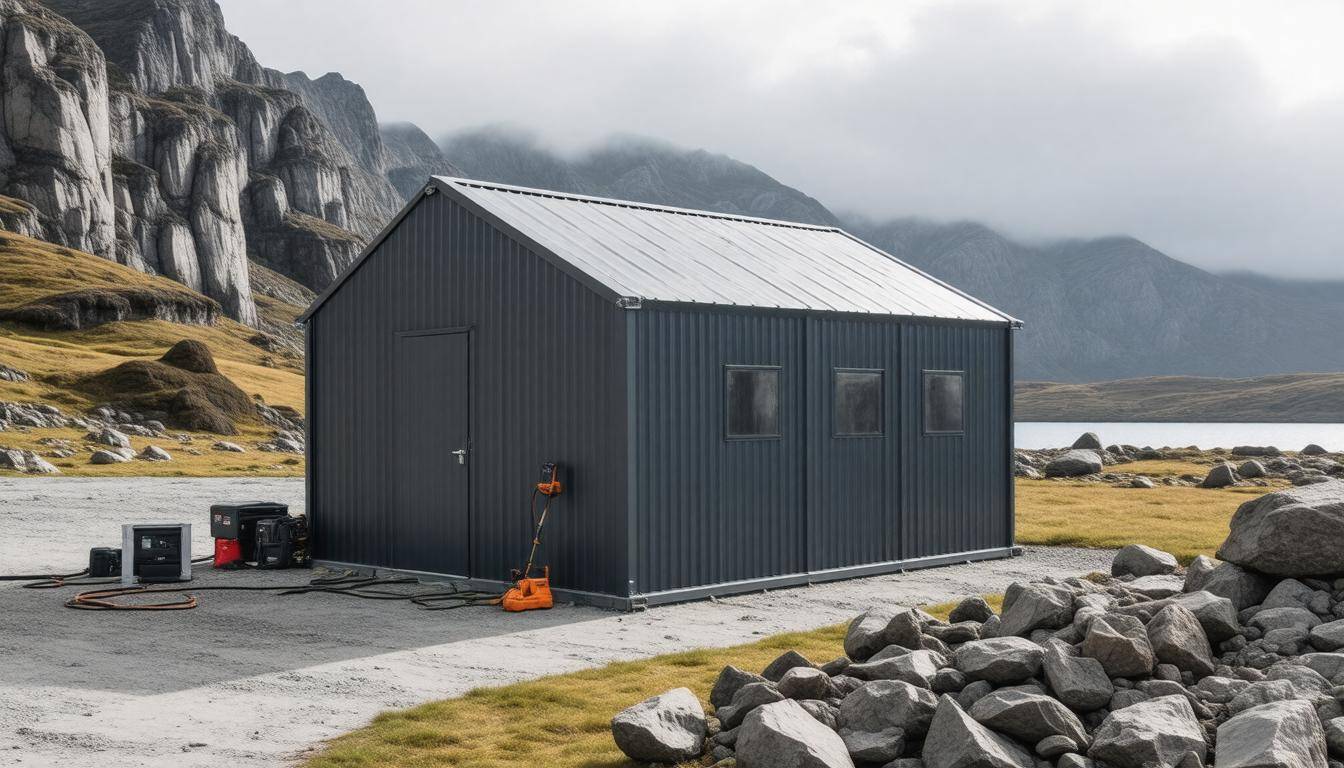
The construction of an effective emergency shelter is only half the battle; what you do next can enhance its resilience against nature’s elements. By thoughtfully positioning your shelter and utilizing accessible materials, you can create a fortified environment that will guard against wind, water, and cold.
Wind Protection
Positioning your shelter strategically is crucial. Ideally, place it with its back against prevailing winds to reduce direct exposure. Imagine using nature as your ally; large rocks or dense clusters of trees can serve as formidable windbreaks. Seeking out hollows or depressions where the earth naturally provides cover is also advantageous, as these natural formations offer further shelter from gusty conditions.
Once you’ve accounted for wind resistance, let’s explore insulation strategies.
Insulation Strategies
Insulation plays a critical role in trapping warmth within your shelter, making a profound difference in maintaining comfort during cold nights. Reflective insulation—like an emergency blanket—can work wonders by reflecting your body heat back toward you. Place this blanket on the internal walls of your shelter to create a warm bubble.
Additionally, consider lining the walls with dry leaves or pine needles. They not only add thermal insulation but also help absorb moisture from the surrounding environment. Utilize any available debris; anything from grass to moss can contribute to insulating your structure. Aim for a thickness of at least 6-12 inches in your insulation layer for significant improvement in heat retention.
Fortifying against the elements requires thinking ahead; thus, let’s consider how to integrate waterproofing techniques effectively.
Waterproofing Techniques
Ensuring that your shelter stands resilient against rain is just as vital as protecting it from wind and cold. Look towards tarps or plastic sheeting if available; these materials can be draped over and secured top-down, creating an effective barrier against drizzle and downpours. Make sure to overlap seams by at least six inches to minimize leaks caused by pooling water—a small step that guarantees big results.
Remember: Regularly checking for vulnerabilities during storms allows you to patch up gaps before they turn into bigger problems.
Each choice made while constructing and fortifying your shelter contributes to its strength and reliability. Whether it’s strategic location selection or creative use of materials, these steps are key in crafting a haven that protects you from the elements while navigating tough times.
With a well-fortified structure in place, the time has come to explore the best practices for living comfortably within your safe space.
Surviving with Your Completed Shelter
Once you’ve established your refuge, it becomes critical to create a livable environment. Maintaining shelter integrity is key, but ensuring that the space is comfortable enough for you to endure is equally important. Regular inspections are essential; check for cracks or weak spots in your structure, and patch them promptly. A small opening can become a weakness that jeopardizes the entire shelter when exposed to harsh elements, which could be dangerous in survival scenarios.
Maintaining Shelter Integrity
It’s vital to remain vigilant. Each time you return to your shelter after venturing out, take a moment to look for signs of wear. Damage can accumulate quickly due to environmental factors like wind, rain, or snow load, especially if your shelter was constructed from natural materials such as branches and leaves. Reinforce areas where stress is visible using whatever materials are at hand. Remember: even small repairs can prevent larger issues down the line.
As you work on the structural aspects of your shelter, don’t forget about comfort—this will enhance your morale and help preserve energy.
Comfortable Living Tips
Creating a cozy atmosphere can make a significant difference during challenging times. Use soft, dry materials for bedding—think leaves or pine boughs—to insulate yourself from the cold ground. This not only keeps you warmer but also provides restorative rest. While keeping a small fire outside the entrance of your shelter can offer warmth and an opportunity for cooking food, it’s paramount to manage smoke effectively by ensuring proper ventilation. This reduces the risk of suffocation while protecting valuables from smoke damage.
Many survival experiences recount how simple comforts like warmth and rest provide resilience. The constant heat source allows for cooking meals and boiling water for drinking, which can be life-saving in unexpected situations. However, fire safety should never be overlooked; too much smoke indoors can lead to serious breathing problems or worse. Position your fire away from flammable materials and have adequate drainage around it to prevent accidents.
Adopting these living tips not only enhances physical endurance but significantly boosts psychological strength—a crucial factor while waiting for rescue or maintaining sustained survival.
By focusing on both structural integrity and comfort, you’ve created not just a shelter but a haven amidst uncertainty.
In essence, ensuring both comfort and protection within your emergency shelter will greatly enhance your chances of survival until help arrives. With attention to detail and mindfulness about your environment, you are better equipped to navigate challenging situations successfully.