
When disaster strikes, the importance of having access to emergency shelters cannot be overstated. Imagine the sudden chaos of a storm or fire forcing you from your home—your immediate need for safety and support becomes paramount. This article outlines how you can effortlessly locate nearby shelters that are prepared to assist during such crises. With comprehensive information provided in a regional directory format, you’ll find shelter listings complete with addresses, contact details, and available services to ensure you know exactly where to turn for help. Being prepared can mean the difference between feeling lost and knowing where to find refuge when every second counts.
You can find emergency shelter locations in your area by accessing our regional directory, which is continuously updated to reflect the current availability of shelters during disasters and emergencies. This directory includes essential details such as addresses, contact information, and services provided at each location to help you navigate through emergencies effectively.
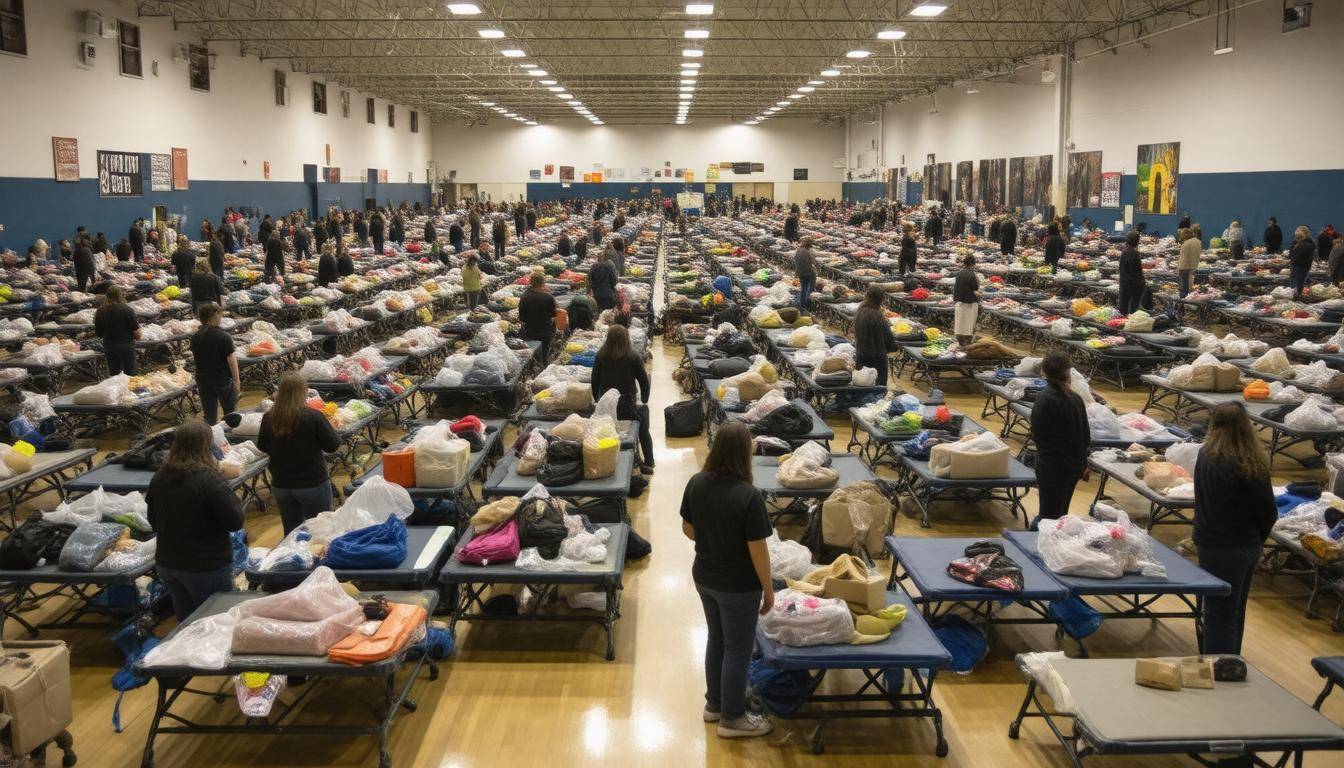
Regional Emergency Shelter Listings
Each region has its unique challenges and resources, but a well-organized directory of emergency shelters can significantly streamline your access to vital support. Understanding what’s available to you, such as capacity and services offered, can make all the difference during times of crisis.
For example, consider this typical regional directory, which serves as a guide for individuals seeking assistance:
| Region | Shelter Name | Contact Number | Capacity | Pet-Friendly | Services |
|---|---|---|---|---|---|
| Northeast | Haven House | 123-456-7890 | 150 | Yes | Meals, Medical Services, Mental Health |
| Southwest | Safe Haven Shelter | 987-654-3210 | 200 | No | Meals, First Aid, Case Management |
| Midwest | Helping Hands Home | 456-789-0123 | 175 | Yes | Meals, Prescription Refills, Childcare |
| Southeast | Comfort Zone | 789-012-3456 | 100 | No | Meals, Emotional Support, Device Charging |
Knowing how many people a shelter can accommodate helps in planning your arrival. If you’re part of a family or have pets, it’s crucial to choose a place that not only fits your needs but also allows your loved ones—pets included—to join you. In instances where shelters do not allow animals, it’s essential to have alternative arrangements ready.
The listed services can vary greatly among different shelters and regions; some might provide meals and first aid while others might offer emotional support or childcare assistance. Many shelters also work with local organizations to provide more comprehensive care, including partnerships with healthcare providers for medical needs or mental health professionals to support emotional wellness.
Seek out shelters that also offer additional resources like case management, which can help guide you toward stable housing solutions after the immediate crisis is addressed.
Furthermore, contact numbers are not just for emergencies but also serve as a point of contact for inquiries before you need to make a decision quickly. Engaging with the shelters ahead of time can ease feelings of uncertainty during critical moments.
Once you’ve gathered this essential information about local resources, the next step involves determining exact routes and locations to ensure prompt access during urgent situations.
Addresses and Maps of Shelters
When the urgency of a crisis unfolds, knowing where to go can make all the difference. Each emergency shelter must be clearly identified not only by address but also by characteristics that set them apart. Every person should easily comprehend directions to these shelters, especially during heightened panic or stress. As temperatures may rise and fires rage on, the last thing anyone wants to do is fumble around attempting to decipher complex instructions or unclear locations.
Digital Map Integration
Utilizing services such as Google Maps or Apple Maps is a modern necessity for navigating to emergency locations. Many shelters are now integrated with these platforms, allowing for real-time updates about accessibility and traffic conditions. This way, you can receive turn-by-turn directions directly on your mobile device. As an added bonus, you might discover alternate routes to evade potential hazards, like unexpected road closures due to fires or flooding. A few taps on your phone can significantly improve your access to vital help when it’s needed most.
While digital navigation is helpful, it’s essential to recognize that technology isn’t always reliable in emergencies.
Printable Maps
Emergencies frequently strip individuals of access to power or connectivity; therefore, having physical copies of maps is crucial. Directories should provide printable maps that include detailed routes along with significant landmarks—landmarks serve as solid navigational references that remain constant even when technology fails. Imagine scanning a printed map; you’ll have an immediate visual reference point that can guide you effectively through chaos.
These printable maps can also indicate shelter hours, contact information, and any special instructions unique to each location, such as accessibility options or specific items residents should bring with them when arriving at the shelter. Providing clear labels on highways and main roads ensures everyone has a good understanding of the areas surrounding shelters.
“Preparation before a disaster strikes empowers individuals and communities. Being knowledgeable about shelter locations literally saves lives.”
It’s important that these maps are disseminated widely throughout communities ahead of time. Local organizations and offices should ensure that residents know where they can find these valuable resources prior to any threats emerging.
Creating a culture of preparedness not only strengthens community ties but also enhances our ability to act swiftly when danger approaches. Up next, we will explore how specific criteria determine which shelters are included in these essential directories.
Criteria for Shelter Inclusion
Not every building can serve as a refuge during an emergency; specific standards must be met to ensure that these shelters are not only accessible but also safe and equipped with essential services. First and foremost, shelters must provide basic amenities like food, clean drinking water, and sanitation facilities. These immediate needs must be addressed to maintain dignity and well-being.
But it goes beyond simple provisions. Here’s a deeper look at the critical criteria involved:
-
Capacity: Shelters must have a minimum capacity of 50 individuals, ensuring they can effectively manage a larger group during emergencies.
-
Accessibility: All facilities should comply with the Americans with Disabilities Act (ADA) to accommodate individuals who may require additional assistance. This includes having wheelchair access and appropriate accommodations for service animals.
-
Medical Support: On-site medical services or referral systems must be available to address health concerns promptly. This is vital as emergencies can exacerbate existing health issues or create new ones.
These fundamental criteria form the backbone of a reliable shelter, yet we cannot overlook the crucial aspect of certification and accreditation.
Certification and Accreditation
To build trust in these emergency services, shelters should possess certifications from reputable organizations such as the American Red Cross or local health departments. These credentials ensure that the shelter adheres to quality and safety standards that are crucial during crises when lives may depend on their reliability.
“I felt a lot safer knowing the shelter I went to was certified by the Red Cross,” recounts Maria, a survivor of Hurricane Maria, who found comfort in knowing her shelter met stringent safety protocols.
The emphasis on achieving such certifications isn’t just bureaucratic red tape—it represents a promise to those seeking refuge. It assures individuals that they will receive not only adequate space but also professional support during some of their most challenging moments.
With this understanding of criteria and accreditation in mind, we can now look closer at the myriad of services that are essential in addressing emergency situations adequately.
Emergency Needs and Services
Emergencies create a plethora of demands that must be met swiftly and effectively. When disaster strikes, people often find themselves overwhelmed, facing immediate threats to their well-being.
That’s why having a well-organized emergency shelter system is vital; it serves as a cornerstone for delivering urgent assistance and ongoing care during difficult times.
Immediate Services
The first wave of support focuses on immediate needs, ensuring that those impacted by emergencies receive prompt attention and resources to stabilize their situation.
Access to medical aid is paramount. Many emergency shelters employ on-site nurses or doctors ready to provide immediate care for injuries or health issues that arise during chaotic circumstances. This professional support can prevent small medical problems from escalating into more significant complications.
Another critical service provided is access to nutritious food and clean drinking water. Shelters work diligently to stock these essentials, preparing meals that are not just edible but also nutritionally balanced. During dire situations, food might be scarce, making the availability of proper sustenance even more crucial for maintaining health and energy among those seeking refuge.
Furthermore, mental health services play an indispensable role in emergencies. Emotional turmoil often accompanies catastrophic events, impacting individuals differently based on their experiences. Shelters typically offer counselors or trained support staff to help residents navigate feelings of anxiety, grief, or trauma. This aspect underscores the importance of addressing psychological recovery alongside physical well-being.
Once immediate needs are addressed, the focus transitions to sustained support systems that empower individuals to rebuild their lives after experiencing hardship. Understanding what options exist in shelter types is essential for future preparedness and safety.
Types of Shelters Available
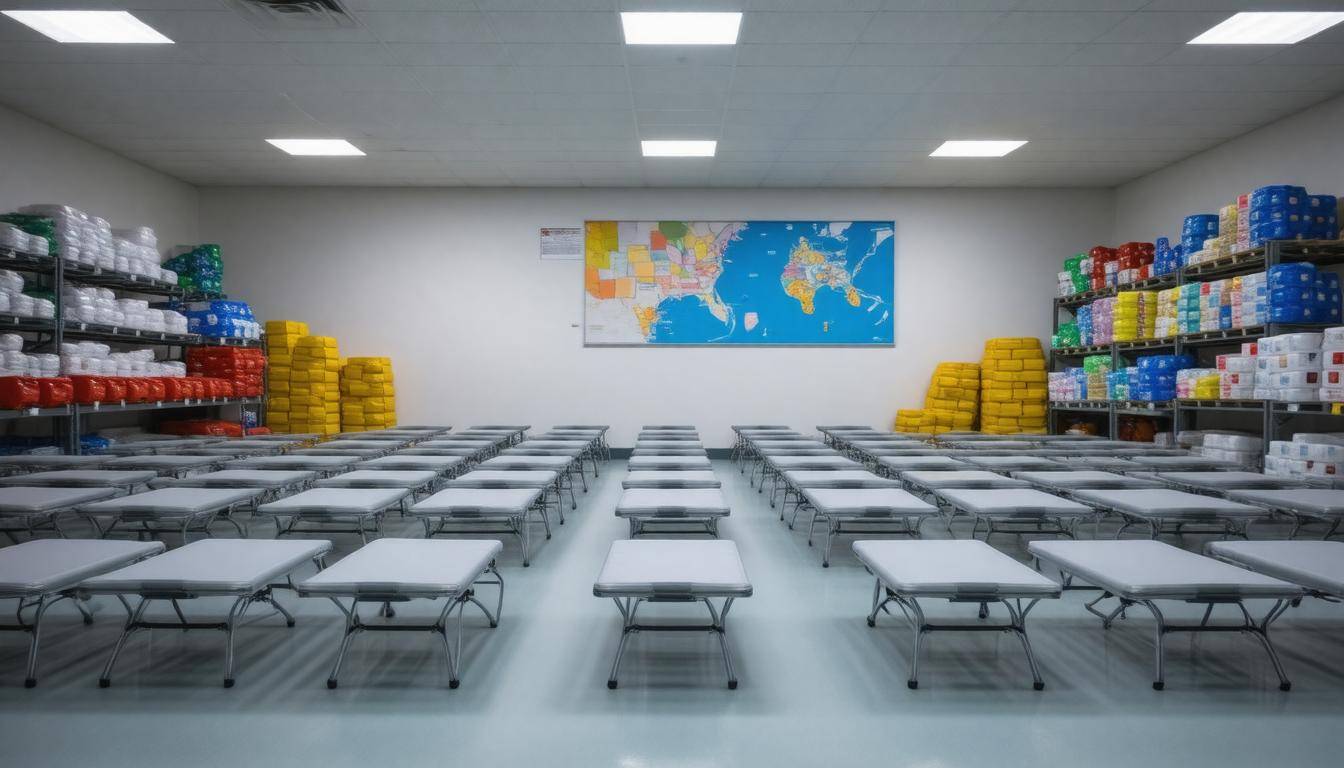
Different crises require different types of shelters, each uniquely equipped to handle specific needs. Knowing what options are available helps ensure safety during emergencies and tailors assistance for a diverse range of situations.
Evacuation Shelters
Evacuation shelters are primarily set up for short-term stays and typically found in schools or community centers. They serve as immediate safe havens when disasters strike, offering basic necessities like food, water, and a warm place to sleep. These shelters are crucial during sudden emergencies—like floods or fires—when families may need to leave their homes quickly.
While they offer essential services, individuals should keep in mind that these locations can be crowded and may lack privacy. On the bright side, emotional support is often readily available here through trained professionals who understand the stresses associated with such emergencies.
It’s important to note that evacuation shelters usually do not require identification for entry; simply providing your name and previous address is sufficient.
Rapid Re-Housing Programs
On the other hand, rapid re-housing programs cater specifically to those impacted by long-term crises like natural disasters or economic downturns. These programs offer longer-term accommodations while helping individuals secure stable and permanent homes. They focus on more than just housing; they guide individuals through navigating challenges such as job searches and accessing essential services like medical care. Participants can expect caseworkers to assist them in an individualized recovery plan tailored to their unique circumstances.
Furthermore, many rapid re-housing programs assure accessibility for individuals with disabilities, reinforcing that everyone deserves a safe place to call home.
Transitional Shelters
Transitional shelters are another key resource designed for individuals who need a little more time to get back on their feet. Unlike quick evacuation shelters, transitional shelters often provide a supportive environment where residents can stay from weeks to months while they work toward securing permanent housing. These facilities frequently offer onsite services like job training, childcare assistance, and financial counseling, ensuring that people receive comprehensive support during their recovery journey.
Living in a transitional shelter might feel temporary, but it’s designed with hope in mind – it’s the stepping stone for many toward a brighter future.
Pet-Friendly Shelters
It’s worth noting that many emergency shelters recognize the bond between pet owners and their animals. Thus, pet-friendly shelters have emerged as essential resources during crises. These shelters allow individuals to stay with their beloved pets, helping alleviate some emotional stress that separation can cause. While rules about pets vary among shelters, service animals are always welcome.
Each of these shelter types serves its purpose during a time of need. Understanding the nuances helps you identify which type best suits your situation and can pave the way towards additional forms of housing that may be available.
Short-term vs. Long-term Housing

Short-term Housing
Short-term housing is all about immediate relief, providing quick shelter in response to emergencies such as natural disasters. It’s commonly found in locations like gymnasiums, community halls, or other public facilities repurposed to create temporary shelters. These places are crucial during initial evacuations, serving as a rapid mobilization point for those in need.
The experience is often basic, focusing on urgent requirements such as food and safety, offering essentials like meals, snacks, and sometimes even emergency medical services. It’s not luxurious, but it fulfills an important function: keeping you safe and secure until more permanent arrangements can be made.
However, as you might expect, short-term solutions aren’t meant to last forever.
Long-term Housing
In contrast, long-term housing caters to those who require extended stays, often stretching over several months or even years. These shelters generally have better infrastructure and provide more than just the basics—they can offer amenities that significantly improve quality of life. Transitional housing units might come with private rooms, shared living areas, and access to supportive services such as job training and counseling.
This environment allows individuals and families to settle in while they regain their footing. It’s about helping them not only survive but start rebuilding their lives after experiencing homelessness or displacement.
The shift from short-term to long-term housing reflects a critical transition from urgency to stability. By embracing this journey, residents can slowly regain independence while finding resources tailored specifically for their needs.
Understanding these differences in housing options lays the groundwork for recognizing the vital support provided to help individuals and families navigate through challenging times. Next, we will look at the various assistance programs available to ensure that everyone has access to necessary resources in their time of need.
Support Services for Families and Individuals
Different demographics face distinct challenges during times of housing instability, and effective shelters adapt to these needs. Single adults may require swift re-employment services to regain stability. Families, on the other hand, often have additional concerns—especially regarding their children. Having access to childcare options and educational resources can significantly enhance circumstances for families seeking shelter.
Family Units
It’s essential that shelters provide designated family units to maintain privacy and safety. This arrangement fosters a sense of security and creates an environment where families can feel more at home during turbulent times. Consider this: if you’re a parent trying to soothe a distressed child amid unfamiliar surroundings, you’d want the assurance that you could close a door, breathe easy, and regain some semblance of normalcy.
Services such as childcare and educational programs in shelters are not just helpful; they are imperative. These support systems allow parents to focus on finding long-term solutions while ensuring their children remain engaged and receive necessary support for their development.
Individual Counseling
Many individuals find themselves grappling with emotional distress during emergencies. Access to professional counseling services becomes a crucial pillar of support amidst such uncertainty. Emotional turmoil can be overwhelming when faced with the threat of homelessness or immediate displacement. Ensuring that individuals have outlets for expressing their feelings and processing experiences is an important aspect of holistic support.
This emotional component cannot be overstated; mental health plays a vital role in overall well-being, especially during challenging times. A simple chat with a counselor can provide perspective, helping individuals navigate their situations more clearly, allowing them to approach immediate issues with renewed strength.
Recognizing that not all needs are created equal allows emergency housing services to forge stronger connections within the communities they serve. This understanding sets the stage for exploring efficient strategies designed to enhance accessibility to relevant resources.
Navigating the Shelter Directory
A comprehensive shelter directory is designed to help individuals in distress locate necessary resources quickly and efficiently. It serves as a crucial roadmap during emergencies, whether you’re looking for shelters online or in print. When using this directory, keep in mind that ease of use is key to maximizing its effectiveness.
Digital Search Options
For those who choose to navigate the directory online, digital options can significantly enhance your experience. Features such as filters allow you to refine your search based on essential criteria, including:
- The capacity of shelters
- Their pet-friendliness
- Proximity to your current location
By narrowing down your choices, you save time and reduce stress during an already difficult situation. Imagine being able to quickly identify which shelters can accommodate your family and pets—this makes a world of difference when every minute counts.
In addition, user reviews can provide valuable insights into each shelter’s environment and services offered. Feedback from others in similar situations can guide you towards facilities that best suit your needs. A well-informed decision elevates your comfort level amidst chaos.
Offline Access
Not everyone may have immediate access to the internet, making printed directories equally important. These should contain clear instructions on how to find shelters along with key contact numbers for further inquiries. Accessibility is paramount; printed materials need to be widely available at community centers and public libraries so that anyone can access them during an emergency.
Keeping printed directories on hand ensures that those without digital access are not left vulnerable or unsupported. Just as digital platforms aim for user-friendliness, printed resources should maintain similar clarity in presentation and information layout.
Overall, whether online or offline, navigating a shelter directory becomes significantly easier when resources are both accessible and user-friendly. Taking advantage of these various options allows individuals facing emergencies to focus on what truly matters: securing safety and stability for themselves and their loved ones.
Remember, having the right information at your fingertips can make all the difference when it comes to finding support during a crisis. Stay prepared and informed to ensure you have the necessary resources available when you need them most.