
In an emergency, your shelter can be a lifesaver, but without the right tools and preparation, it might not provide the safety you need. Think of assembling your emergency toolkit like getting ready for a school project; you wouldn’t want to show up without all your supplies. A well-stocked emergency shelter toolkit allows you to tackle unexpected challenges calmly and effectively. Over the years, I’ve learned that it’s not just about having the right gear; it’s about knowing how to use it when circumstances get tough. In this article, we’ll explore essential items you should include in your emergency shelter checklist, ensuring that you’re ready for anything that comes your way.
The Emergency Shelter Tools Complete Checklist should include essential items such as a metal tape measure for dimensions, a digital or bubble level to check slopes, a door pressure gauge for assessing usability, and a camera for documenting any physical barriers. Additionally, having copies of both the checklist and Quick-Check Survey is critical to ensure thorough evaluations of accessibility and functionality within the shelter.
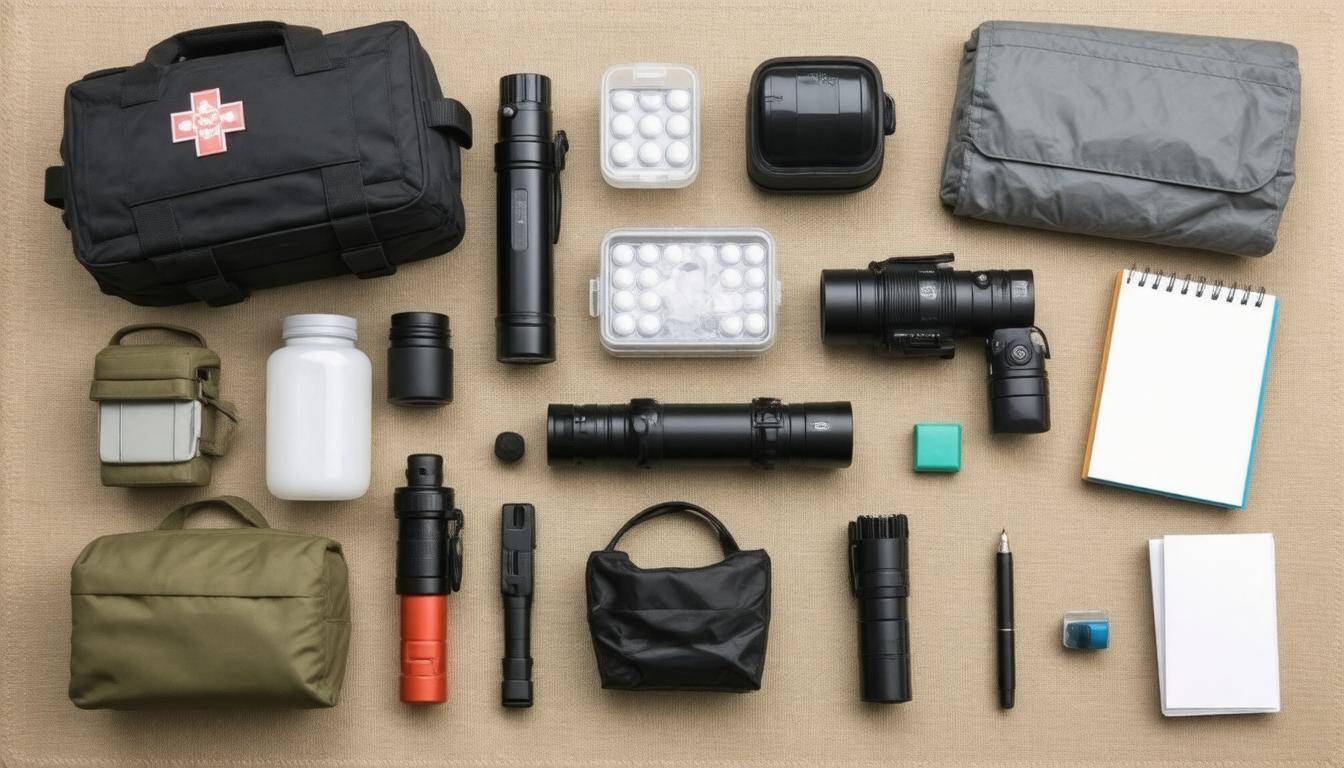
Essential Items in Your Emergency Shelter Toolkit
When assembling your emergency shelter tools, consider practicality and durability as the cornerstones of your selections. A reliable multi-tool stands out at the forefront of this toolkit. Imagine it as not just another tool but a lifeline—it combines multiple functions, like pliers, knives, and screwdrivers, which are invaluable in various scenarios you might face in the field. Whether you’re securing a tent flap or preparing kindling for warmth, having versatility is essential.
Often referred to as the “Swiss Army knife” of survival kits, these tools can mean the difference between frustration and efficiency in a survival situation.
Next on your must-have list is a magnesium fire starter. In emergency scenarios, being able to produce fire can be crucial for warmth, cooking, or signaling for help. The reliability of a magnesium starter shines when traditional ignitions fail, such as during inclement weather conditions where wind or rain could douse matches or lighters just when you need them most.
Studies have shown that survival rates improve significantly when individuals have access to reliable fire-starting tools—during the California wildfires of 2018, for instance, families equipped with magnesium starters were able to prevail where conventional methods faltered.
Moving on from tools for ignition, let’s examine another indispensable item: duct tape. This adhesive material is often humorously dubbed “the universe’s best fix-it tool”.
| Essential Item | Reason for Inclusion |
|---|---|
| Multi-tool | Versatility for various tasks |
| Magnesium Fire Starter | Reliable ignition source in adverse conditions |
| Duct Tape | Universally useful for repairs and securing items |
The true genius of duct tape lies in its sterile simplicity; it can hold things together when other fastening methods fail. From repairing gear to patching up canvas tents, this versatile tape can salvage potentially disastrous situations into manageable ones.
Past experiences during emergencies consistently reveal that individuals carrying even a basic toolkit fare far better than those without. It’s imperative to remember that while these seemingly simple tools may often be overlooked, their presence in your emergency shelter toolkit can dramatically ease your path through adversity.
With these essentials meticulously examined, let’s transition to explore specific tools designed to create a secure and effective shelter.
Tools for Shelter Building
The act of building a shelter might seem daunting, but having the right tools transforms the process into a more manageable—and even enjoyable—task. Think of your hatchet or axe; this isn’t merely a tool for chopping wood—it’s your gateway to effective construction. With it, you can cut branches for framing, create stakes for securing tarps, and gather kindling for that all-important fire. In frigid conditions, this versatile instrument becomes invaluable as it allows you to break through layers of ice to access crucial firewood hidden beneath.
It doesn’t stop there. Paracord plays a crucial role in your toolkit due to its remarkable strength and elasticity. This lightweight rope can bind branches together effortlessly or hold down tarps against strong winds. Moreover, its versatility extends beyond shelter making: it can be turned into makeshift clotheslines for drying wet gear or fashioned into an emergency tourniquet if the need arises. It’s like carrying a mini recovery kit in your pocket.
Every successful shelter needs a solid foundation, and this is where a shovel becomes indispensable. Beyond digging out a fire pit to keep warm during cold nights, it can help you create trenches around your shelter to divert rainwater away from your living area. You wouldn’t want to wake up in a puddle after a storm, would you? A shovel gives you the power to control your environment.
Finally, let’s not overlook the importance of a tarp. This item isn’t just an instant roof; it’s multi-functional. Use it as ground cover to insulate yourself from the cold earth or as a windbreak while preparing food outside. Plus, when strung up correctly, it can provide excellent protection from both rain and UV rays. A tarp truly allows you to connect with nature while keeping discomfort at bay.
Remember, just as you wouldn’t attempt to bake without essential kitchen tools—like mixing bowls—you shouldn’t venture into the wilderness without these vital instruments for constructing your sanctuary. Once you’ve secured your shelter against the elements, it will be essential to set up an effective way to see and navigate during the nighttime hours.
Lighting and Visibility Gear
In addition to proper lighting, having the right visibility gear can be a game changer in emergency situations. Think about it: no matter how bright your headlamp or lantern is, if you aren’t dressed appropriately, you could still find yourself in danger. Visibility gear helps ensure that you are seen—by fellow campers or anyone passing through the area—especially in low-light conditions or during inclement weather.
Reflective clothing is an essential part of this equation. Wearing vibrant colors during the day will catch the eye; however, when the sun goes down, reflective materials allow you to stand out against darker backgrounds. For example, if you’re wearing a jacket with reflective strips while navigating rough terrain at night, it’ll significantly reduce the chances of being overlooked. I once heard a story about a hiker who was nearly missed by a group of passing campers because they were dressed in dark attire; thankfully they turned their flashlight on just in time.
To maximize your visibility, consider donning a high-visibility vest or jacket that’s adorned with retro-reflective material. It’s also wise to have additional pieces on hand such as wristbands or ankle bands made of similar fabric which can be particularly useful when signaling for help.
Additionally, utilizing LED clip-on lights can enhance your visibility even further. These tiny lights can easily attach to your backpack or clothing and make it much easier for others to notice you from a distance during night-time outings.
Keeping extra batteries for these devices is crucial since nothing undermines visibility like a dead flashlight. During one camping trip, I learned the hard way that having a backup power source is not just smart—it’s essential!
Moreover, the effectiveness of all this gear relies heavily on proper maintenance. Regularly check your equipment to ensure that there are no dead batteries or damaged reflectors before venturing into the wilderness. An old headlamp may not serve you well when you really need it. Clean off any dirt buildup on reflective materials and replace batteries based on usage rather than waiting for them to fail. You’ll thank yourself for taking this proactive approach when emergencies arise.
Lastly, don’t overlook communication tools as part of your visibility strategy. Carrying flares or other signaling devices can greatly improve your chances of being spotted in an emergency situation. Combining clever lighting solutions with quality visibility gear creates a comprehensive safety protocol that protects not only yourself but also adds peace of mind for those around you.
With visibility secured, it’s equally important to focus on strategies that enhance safety and personal security in challenging environments. This next section will explore various measures designed to keep you protected against potential threats and hazards.
Protection and Security Measures
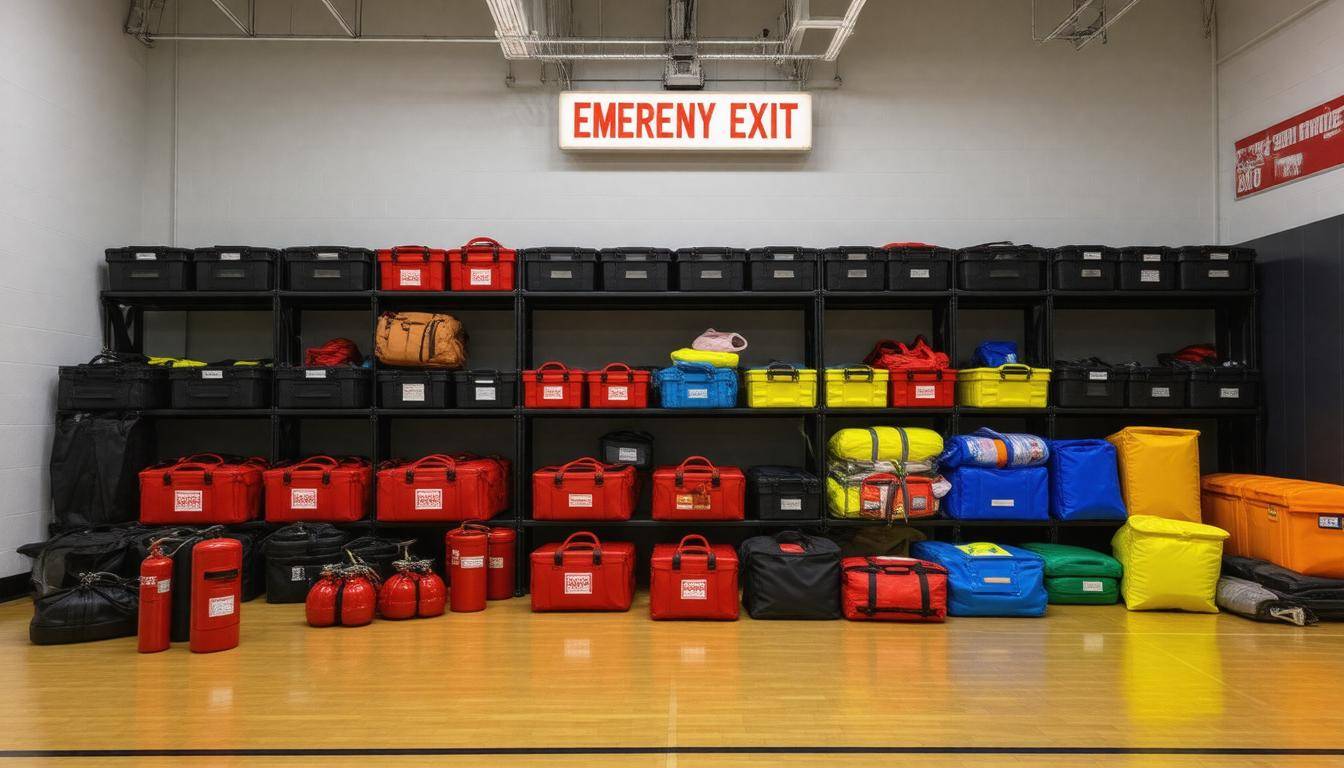
Ensuring the security of your emergency shelter is not just a detail; it is a fundamental part of your safety plan. It protects both the people seeking refuge and the supplies that are critical for survival. When you’re in an emergency situation, the last thing you want to worry about is whether someone might break in or if wildlife might pose a threat. This is where effective security measures come into play.
One essential element for enhancing security is the use of portable alarm systems. These systems are tailored for mobility and efficiency. For instance, a basic tripwire alarm system can provide instant alerts when someone crosses an invisible wire, producing a loud noise that will deter any potential threats. Their simplicity—affordable, lightweight, and easy to set up in various environments—can save lives in critical moments.
Surprisingly, many households skip implementing these vital security steps; however, data from a 2024 FEMA report reveals that shelters equipped with basic security measures experience 30% fewer intrusions compared to those without. This statistic underscores how proactive security can make a significant difference in your overall safety strategy. Why take the chance? Incorporating these systems into your emergency preparations can prevent dangerous situations before they even arise.
You might wonder, “Why assume danger won’t find you in an emergency?” During crises, danger often creeps up unexpectedly. Basic security measures not only deter threats but also offer peace of mind. Imagine knowing that you have taken every precaution possible to protect yourself and your loved ones. That sense of security can calm nerves and allow you to focus on what truly matters—surviving and managing through tough times.
While implementing security measures can significantly bolster your defense against threats, integrating adaptable shelter options prepares you for whatever challenges may come your way.
Versatile Portable Shelters
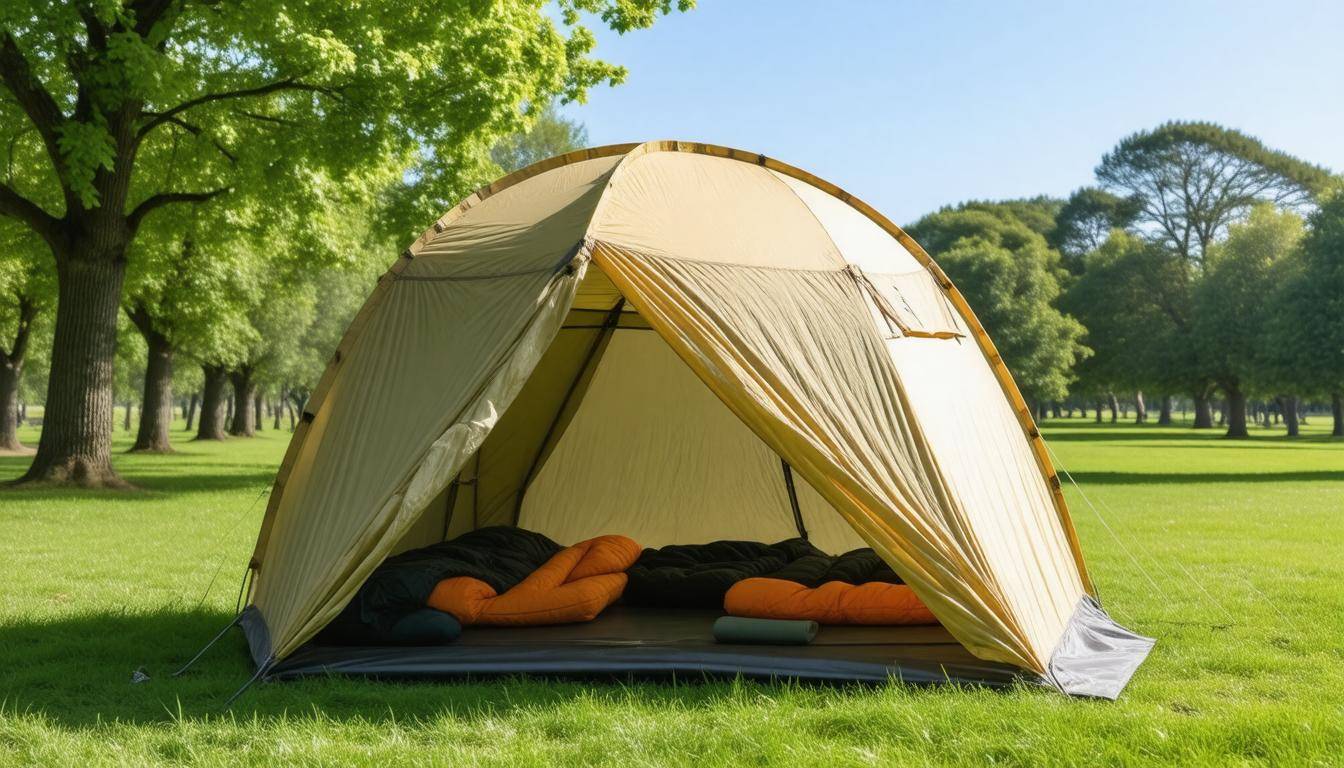
Versatility in shelter options is your best ally when preparing for unpredictable situations. Imagine being in a remote location where weather conditions can shift dramatically; having multiple reliable shelter options can determine your comfort and safety. The three main types of portable shelters that often stand out are pop-up tents, bivouac bags, and tarps equipped with paracord.
Types of Portable Shelters
Starting with pop-up tents, these are an essential tool in any survival gear repertoire. They are designed for quick setup and typically boast weather-resistant features that keep you dry and protected during sudden rain or snow. Their usability is straightforward—just toss them into the air, and they automatically expand, giving you shelter within seconds. This design is particularly beneficial when every moment counts, as there’s no fumbling with poles or complicated instructions.
Next up are bivouac bags, which are lightweight yet exceptional in terms of insulation and protection from the elements. They’re perfect when unexpected overnight stays arise, especially if you’re caught off guard by changes in weather. Bivouac bags provide warmth and shield against moisture while taking up minimal space in your pack, making them ideal companions for backpackers and adventurers alike.
Lastly, let’s not overlook the simplicity of tarps combined with paracord. While they may seem basic at first glance, their versatility can accommodate various configurations—whether you want a simple lean-to shelter or a fully enclosed space to ward off wind and rain. With a bit of ingenuity, tarps can be modified to serve many purposes beyond mere shelter, such as gathering water or providing shade during a hot day.
In fact, Sarah, an outdoor enthusiast I once met, shared how she survived a flash flood thanks to her trusty bivouac bag. It kept her dry overnight on higher ground when everything around her was submerged. Her experience highlights how crucial the right gear is under dire circumstances.
Once you’ve selected the type of portable shelter that fits your needs, effective storage and transport become paramount to ensuring its usefulness during emergencies.
Properly storing your portable shelters not only prolongs their lifespan but also ensures that they are ready for immediate deployment without hassle. A few tips to consider: roll tents neatly instead of folding to keep them compact and functional; store bivouac bags in waterproof containers; and use stuff sacks for tarps to avoid tangling the paracord—these small habits encourage efficiency when time is critical.
With the right techniques in place for managing your gear effectively, you can ensure that you’re well-prepared when emergencies arise.
Storing and Carrying Your Kit
An efficiently organized kit not only ensures quick response times but also increases your chances of staying calm and collected in an emergency. Consider the impact of a disheveled kit filled with items scattered haphazardly; it could mean fumbling through random bits while precious seconds tick away. Instead, think of your first aid kit as a crucial tool—a well-tuned instrument needing to be at the ready the moment it’s called into service.
To ensure your gear is protected against the elements, utilize waterproof backpacks or storage systems designed specifically for survival gear. Brands like Osprey and North Face don’t just offer durability; they provide ample space to accommodate essential items without compromising on accessibility.
Organizing your kit starts with placing lighter items, such as first aid supplies, near the top for swift access when urgency strikes. Imagine reaching into your bag: a cleanly organized setup means grabbing what you need without hesitation. Conversely, heavier items—like tools or emergency blankets—should rest at the bottom. This balance eases transport and helps maintain comfort while carrying.
Think about this: “How quickly can you grab your kit and go?” In a real emergency, seconds can make a significant difference between safety and chaos, so preparing thoughtfully will pay off.
As you arrange your supplies, consider integrating some additional items that enhance functionality. For example, including multi-tools can combine several essential functions in one device, thus saving space while adding versatility. Furthermore, it’s wise to label compartments or use color-coded bags for different kits to add another layer of efficiency.
Now that we’ve explored how to properly store and carry your survival essentials, let’s shift our focus to some specific additions that can further enhance your preparedness for any situation.
Items to Consider Adding
When building your emergency preparedness kit, it’s not just about the essentials like food and water; it’s about thinking ahead and being ready for any situation. Water purification tablets are a prime example of a small but mighty addition. They transform uncertain water sources—rivers, lakes, even muddy puddles—into safe drinking water. This simple step can make a significant difference when clean water isn’t readily available.
As we consider other vital additions, think about your specific environment and potential emergencies.
Additional Items
First on our list are solar chargers, a fantastic way to keep your electronic devices powered even in the absence of electricity. Imagine needing to contact family or access critical information only to find your phone’s battery dead! These chargers harness the power of the sun, ensuring that you have a reliable energy source anywhere you might be. Lightweight and portable, they can recharge laptops, phones, and even small appliances.
Next is the space blanket, an often-overlooked gem due to its compact size and impressive insulation power. These thin yet effective blankets reflect body heat back towards you, helping to maintain warmth in cold conditions. They’re versatile too; whether you need extra warmth at night or protection from wind and rain during the day, a space blanket can be a game-changer in survival situations.
Don’t forget a weather radio. Staying informed during an emergency is crucial for your safety. A weather radio keeps you updated on weather alerts and critical communications from local authorities. Consider one that is hand-crank or solar-powered to ensure it remains operational when batteries run out—this could literally save your life when disaster strikes.
The key takeaway here is that accumulating these tools enhances your preparedness, but careful selection is imperative. You want to equip yourself adequately without overloading your kit, which could hinder mobility during an emergency situation.
Expansion of Preparedness
Keep in mind the unique challenges posed by your locality. Living in earthquake-prone areas? You might want to add sturdy gloves or goggles for safety when navigating debris post-quake. In flood-prone regions, waterproof bags for electronics can be beneficial. Every additional item should serve a clear purpose based on potential risks—the ultimate goal is to tailor your kit for maximum effectiveness.
Regular maintenance and updates to your emergency kit aren’t merely beneficial; they are essential to keeping your preparedness at its peak. Let’s shift our focus now to ensuring that your shelter remains effective and responsive to changing needs.
Emergency Shelter Maintenance and Updates
To ensure your emergency shelter operates effectively when you need it most, it’s essential to keep everything in top condition. Regular maintenance not only guarantees that your equipment functions properly but also helps identify potential problems before they escalate into serious issues.
This is particularly important because in times of crisis, you might not have the luxury of time to rectify any arising problems.
A great way to begin this process is by scheduling monthly check-ups for all items in your kit. During these check-ups, look for signs of wear and tear; replace any expired food or batteries and test all tools to ensure they function properly. For example, cleaning and re-waterproofing tarps will prevent them from failing during inclement weather. By being proactive, you can spot worn-out gear that needs replacing before an emergency occurs.
Keeping your supplies well-maintained leads to a quicker, more efficient response during emergencies. This practice increases your chances of weathering any storm effectively. When each item in your kit is checked regularly, you can be confident that they will function as intended should you need them.
Consider the consequences of neglecting this vital task: many people often forget about maintenance until it’s too late. Picture this scenario: you find yourself in dire circumstances, reaching for a rusted multi-tool or discovering that flashlight batteries are empty just when the lights go out. Such a situation could lead to panic when calm action is required.
Investing a little time each month in your emergency supplies can save you a great deal of trouble later. This ongoing commitment helps ensure not just functionality but also peace of mind—knowing you’re prepared for whatever life throws your way.
In addition to checking equipment, consider overall shelter conditions. Ensure that your designated space is free from excessive moisture and pests, which can compromise your supplies and cause deterioration over time. Reassessing your shelter space allows you to refine its setup based on past experiences and changing needs.
Therefore, with regular upkeep and attention to detail, your emergency shelter will not only remain organized but will also be primed for effective action when it matters most.
By committing to consistent maintenance checks and adjustments, you position yourself far ahead of potential crises. Your preparedness becomes your greatest asset when facing unforeseen challenges.