
Emergencies can strike at any moment, often catching us off guard and putting lives at risk. Whether it’s a natural disaster or an everyday mishap, knowing how to signal for help is crucial in ensuring safety for yourself and those around you. In a world where seconds count, effective communication through signaling methods can be the difference between assistance arriving in time or missing the opportunity altogether. Understanding the various ways to signal—be it through visuals, sounds, or even technology—equips you with the knowledge needed to act decisively under pressure. Join me as we explore essential emergency signaling techniques that can empower you to respond effectively when every moment matters.
The Complete Guide to Emergency Signaling Methods provides an extensive overview of critical signaling techniques, including high-visibility apparel requirements, essential hand-signaling devices like the STOP/SLOW paddle, and the importance of proper flagger training. Additionally, it outlines notable guidelines, tools, and best practices for effectively managing traffic and ensuring safety during emergency and construction scenarios.
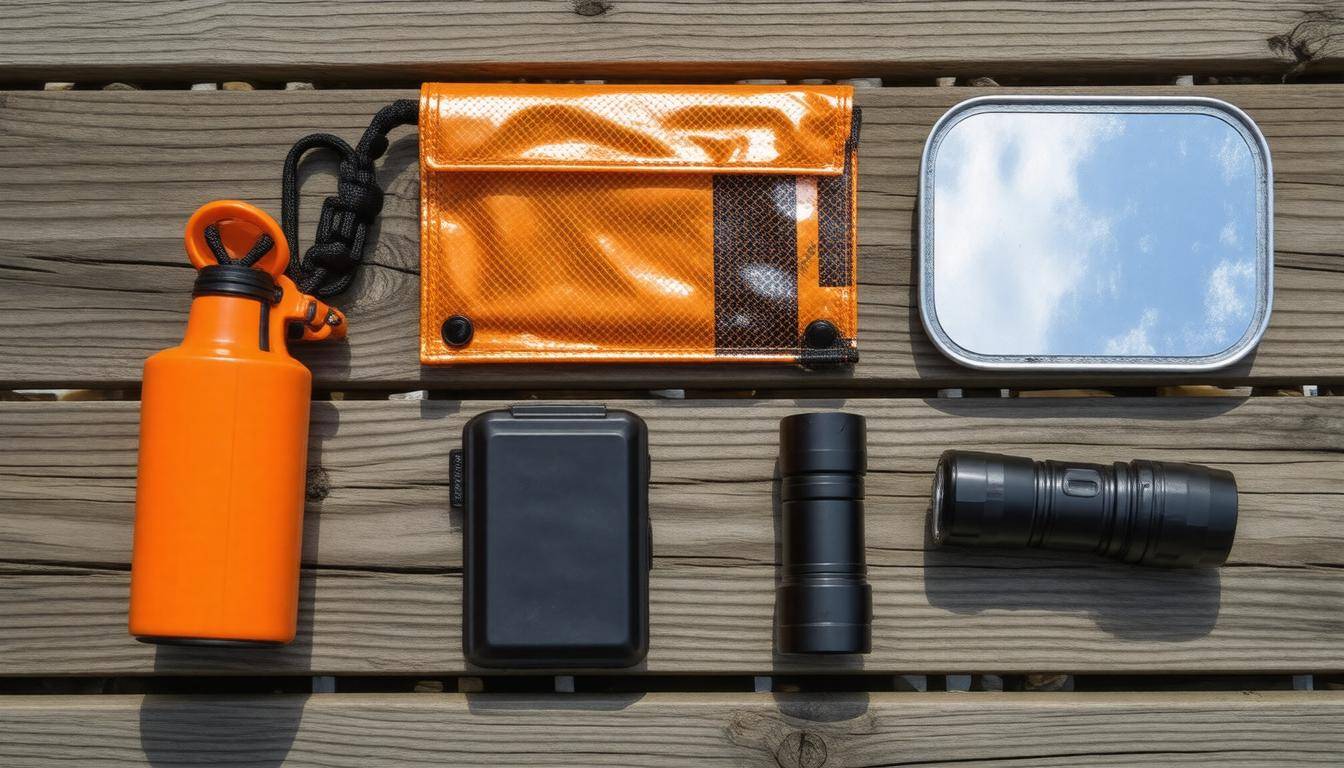
Basics of Emergency Signaling
At its core, emergency signaling encompasses a range of methods designed to capture attention and convey vital information when urgency strikes. Understanding these signals can literally mean the difference between safety and danger. The methods used can be broadly categorized into visual, auditory, and electronic signals. For example, bright flares or reflective materials catch the eye, while auditory cues like whistles or sirens ensure the message reaches ears even in chaotic settings. Each method serves a distinct purpose—meeting the needs of different emergencies that might arise.
Visual signals are often the first line of communication in an emergency. They can include traditional flares, colored smoke, or reflective materials that stand out against various backgrounds. The key here is visibility; they should be easily identifiable even from a distance or amidst distractions. Conversely, auditory signals use sound to alert those nearby. Whistles and air horns can effectively cut through noise, meaning people don’t just need to see your signal—they also need to hear it. Remember, when combining both visual and auditory signals, you’re greatly increasing the chances that your message will reach those who need assistance.
However, as our environments evolve technologically, so does our approach to emergency signaling.
Electronic signals have gained prominence in recent years as personal locator beacons (PLBs) and satellite messengers become commonplace. These devices can send distress signals that pinpoint exact locations, providing invaluable aid during emergencies like hiking accidents or boating mishaps. Additionally, understanding recognized codes, such as the international SOS signal (three short flashes followed by three long ones), becomes imperative for effectively communicating distress. This universally understood form of signaling transcends language barriers and clarifies your intentions regardless of who’s receiving your message.
It’s crucial to remember that awareness and preparation play significant roles in determining the success of emergency signaling methods. According to the National Fire Protection Association (NFPA), approximately 65% of fire deaths occur in residential areas without functional smoke alarms. This statistic underscores how preparedness—coupled with effective signaling—can save lives during unexpected crises.
Knowing how to signal for help effectively is fundamental when faced with any emergency situation.
Mastering these basics not only equips you for unforeseen circumstances but also empowers you to help others. By blending insight on visual and auditory methods with an understanding of emerging electronic signals, you’re strategically positioning yourself for effective action when seconds count.
As we move ahead in this guide, we’ll examine specific techniques that enhance safety and effectiveness during emergencies.
Visible Signaling Methods
Visible signals serve as a lifeline in emergencies, allowing individuals to communicate vital messages from a distance. These methods rely on various tools and techniques that enhance visibility, playing a crucial role in ensuring safety during urgent situations. Understanding how these visual aids work can greatly influence outcomes in critical scenarios.
High-Visibility Safety Apparel
One of the most straightforward yet impactful methods of enhancing visibility is through high-visibility safety apparel. Workers in high-risk environments, such as construction sites or roadside assistance, often don fluorescent vests or jackets designed with reflective materials that catch the light.
According to ANSI (American National Standards Institute) standards, these garments can be seen from up to 1,000 feet away in daylight and are critical for keeping workers safe in low-light conditions. Additionally, these vests often include large reflective strips that amplify their visibility when illuminated by headlights at night.
Beyond clothing choices, there are specific devices that aid in signaling emergency conditions effectively.
Hand-Signaling Devices
Another essential component of visible signaling is hand-signaling devices, particularly the use of STOP/SLOW paddles for traffic management. Mandated by the American Traffic Safety Services Association, these paddles must measure at least 24-by-24 inches with letters no smaller than 8 inches in height. This size ensures that drivers can clearly read the signals from a distance, which is especially crucial when directing traffic through construction zones.
Enhancing these paddles with additional features like reflective surfaces or small LED lights can improve visibility under adverse conditions such as dusk or heavy rain.
While apparel and paddles are vital, utilizing portable warning signs is another practical method that helps mitigate risks.
Portable Warning Signs
Placing portable warning signs around hazardous zones significantly reduces accident risks by alerting passersby to potential dangers. In road construction areas where workers may be present, signs stating “Men at Work” or “Slow Down” serve as immediate visual cues for drivers to adjust their speed.
These signs should be strategically positioned before the hazard zone—at a distance that allows drivers ample time to react safely. Using bright colors and robust materials ensures they remain noticeable amidst different weather conditions and environmental settings.
The combination of high-visibility apparel, effective hand-signaling devices, and strategically placed portable warnings creates an environment where signals are immediately recognizable, enhancing safety for everyone involved. From here, we can explore more auditory forms of signaling that play a significant role in emergency communication.
Sound-Based Signals
Sound-based signals are vital in emergencies, particularly in environments where visibility can be compromised. They serve not only to alert individuals but also to coordinate responses in urgent situations. The effectiveness of these auditory signals is backed by research; a study conducted by the European Food Safety Authority (EFSA) highlighted that 92% of people responded more quickly to auditory alarms than to visual signals. This swift reaction time can make all the difference when lives are at stake.
Sirens and Alarms
Sirens are one of the most recognizable sound signals used in emergency contexts. Their primary function is to emit loud, attention-grabbing sounds that can cut through background noise. For instance, factory sirens often exceed 120 decibels, which ensures they can be heard even in loud environments. Notably, these sirens signal various emergencies, whether it’s a fire, a chemical leak, or the approach of severe weather. The sharp rise and fall in their pitch helps communicate urgency and directs people swiftly toward safety.
While sirens play a critical role in outdoor settings, other personal signaling devices are widely used too.
Whistles and Horns
Whistles and horns act as immediate sound signals that require no installation and can be deployed rapidly. Lifeguards often rely on whistles to capture attention quickly within aquatic environments. With a sharp frequency that cuts through the din of splashing water and chatter, a whistle produces an effective distress signal—often signaling swimmers to return to shore or indicating an emergency situation that requires immediate action. Their portability and ease of use make them essential tools for quick communication.
Beyond these personal signaling devices, larger systems have their place in coordinating responses effectively during emergencies.
Loudspeakers and PA Systems
Installing loudspeakers in large venues significantly enhances communication during emergencies. These systems enable clear, specific instructions to reach vast audiences without the time-consuming process of relaying messages individually. Airports exemplify this by utilizing Public Address (PA) systems not just for routine announcements but also for orchestrating emergency evacuations. When an emergency arises, rapid dissemination of information via loudspeakers can guide passengers efficiently towards exits or safety protocols.
Understanding these sound-based signals—noting how they operate and where they’re best utilized—empowers individuals to prepare themselves for both personal safety and collective responses during emergencies. Knowing what sounds signal alarm or instruction could very well save lives when minutes count.
As we hear these signals ringing out during crises, let’s explore another set of communication methods that rely on visual cues to ensure safety amid chaos.
Light-Based Signals
Light-based signals serve as essential tools for ensuring safety across various environments by providing clear visibility when it matters most. These signals can dramatically enhance communication during emergencies, guiding individuals to safety or alerting others to potential hazards. Imagine a driver stuck on the side of the road during a storm—using light-based signals can mean the difference between a safe recovery and a tragic accident.
Flashing Lights
One of the most recognizable forms of light-based signals are the flashing lights found on emergency vehicles. These lights are not merely for show; they serve a pivotal function in warning other drivers and pedestrians alike. For instance, blue and red flashing lights are commonly associated with police cars, alerting those around that a situation requires immediate attention.
The bright colors and specific rhythmic patterns effectively communicate urgency, making them critical for traffic control and pedestrian awareness. As you drive, keep an eye out for these signals. If you see a police car approaching from behind with its lights flashing, it is important to move to the side of the road and stop safely to allow it to pass. This simple action can prevent accidents and facilitate emergency responses.
Flares
Roadside flares are another classic application of light-based signaling that proves invaluable during nighttime emergencies. When a vehicle breaks down on a dark road, deploying flares can alert oncoming traffic, preventing collisions. These flares burn brightly—often up to 30,000 candela—and can be seen from over 30 miles away under ideal conditions.
The practicality of using these flares cannot be overstated. They provide temporary but highly visible markers—a beacon in the dark that can save lives by clearly indicating where caution is warranted. Keeping a set of flares in your vehicle’s trunk could be one of the simplest yet most effective safety measures you take.
Emergency Beacons
Emergency beacons serve as another crucial light-based signal employed in maritime safety. Sailors often rely on these devices to emit powerful signals visible from miles away when they find themselves in distress at sea. A well-placed emergency beacon ensures swift location by rescue teams, increasing the chance of timely assistance.
Consider this: if you’re out sailing and encounter trouble far from shore, activating your emergency beacon tells rescuers that you need help while also leading them directly to your location through precise visual signaling. It’s this reliability that reinforces the importance of being equipped with proper signaling devices tailored to your environment.
Light-based signals play an essential role in emergency response scenarios, enhancing safety by improving visibility and communication.
Armed with understanding how these tools work, let’s now focus on the specific equipment that plays a crucial role in effective signaling practices.
Essential Signaling Equipment
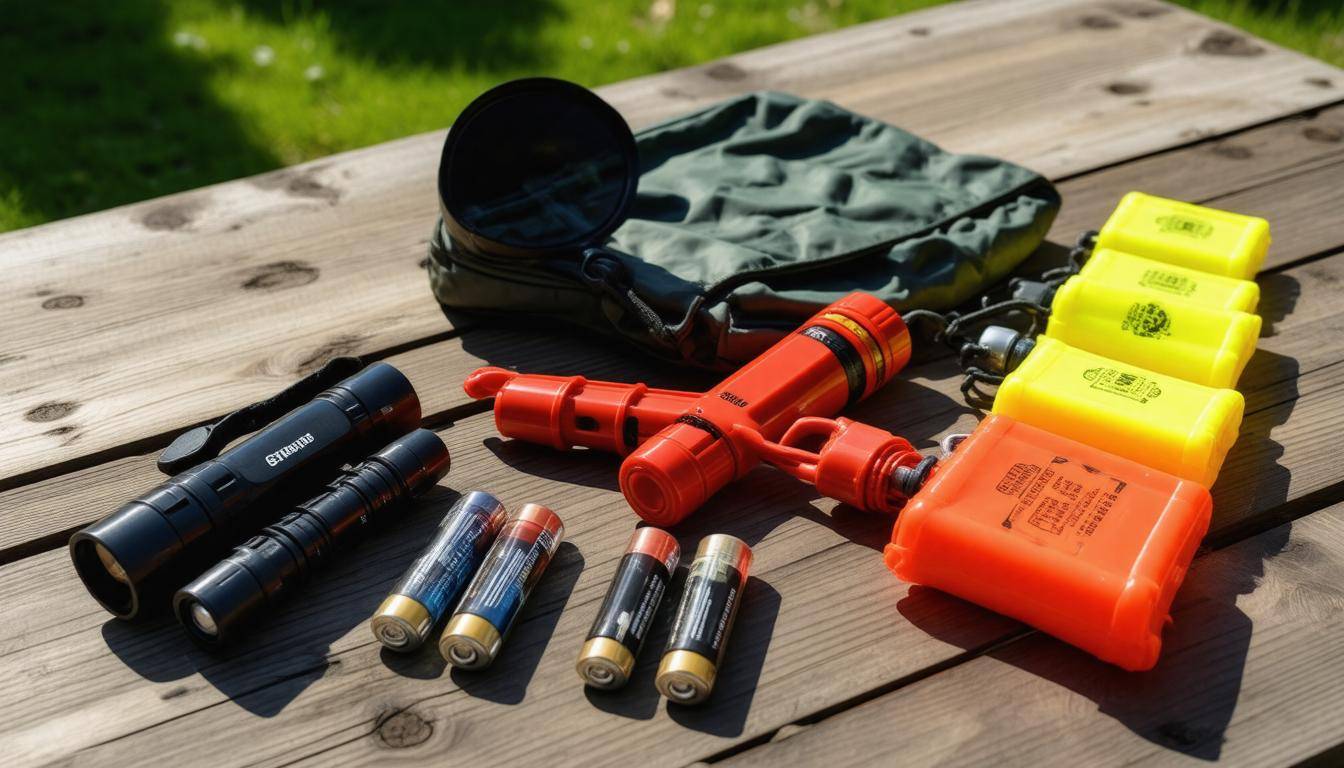
Certain tools and equipment are indispensable for effective emergency signaling, and understanding their functions can enhance both response times and safety measures in critical situations. Take the STOP/SLOW paddle, for instance. This simple yet vital device is often used by traffic control professionals to manage road dynamics. The paddles come in bright colors, with “STOP” boldly displayed in red and “SLOW” in yellow or orange.
For those tasked with directing traffic, a high-quality paddle can be equipped with LED lights for improved visibility during night operations or inclement weather. Imagine standing at an intersection during a downpour; that added illumination makes all the difference in communicating with drivers.
What makes these paddles particularly effective is their ease of use. They’re lightweight and portable, allowing first responders and traffic controllers to quickly deploy them as needed. Moreover, they help establish order on chaotic roads—an absolute necessity when emergencies occur, preventing further accidents while ensuring everyone’s safety.
Another significant tool in the emergency signaling toolkit is the portable transverse rumble strip. These strips serve as a warning system to alert drivers when they’re approaching work zones or accident sites by creating tactile vibrations under tires and producing noise. This combination effectively captures a driver’s attention, prompting them to reduce speed.
It’s a subtle yet powerful reminder that caution must be exercised in potentially dangerous areas.
| Equipment | Use Case | Importance |
|---|---|---|
| STOP/SLOW Paddle | Road traffic management | Controls vehicle flow effectively |
| Portable Transverse Rumble Strips | Warning for oncoming vehicles near work zones | Alerts drivers to reduce speed |
| Flashing Lights | Emergency vehicles | Signals urgency to other road users |
| High-Visibility Safety Apparel | Worker safety in hazardous zones | Ensures visibility from a distance |
The inclusion of flashing lights on emergency vehicles enhances visibility significantly during crisis situations. These lights signal urgency not only to other motorists but also alert pedestrians and bystanders of potential dangers ahead.
Having such visual cues is critical for first responders racing against time; it can mean the difference between life and death.
Complementing these tools, wearing high-visibility safety apparel is equally important—especially for workers stationed near or within active roadways. Bright colors combined with reflective strips ensure that anyone donned in this gear can be seen from considerable distances, even under challenging conditions like fog or nighttime.
Workers become more visible, which drastically reduces incidents caused by lack of awareness from passing vehicles.
Each piece of equipment plays a pivotal role in reinforcing safety protocols and enhancing communication during emergencies. Whether you’re a first responder or simply someone who cares about community safety, being familiar with these essential signaling devices can empower you to act decisively and responsibly should the need arise.
Next, we will examine how different scenarios demand specialized signaling techniques tailored to maximize effectiveness in specific situations.
Specialized Techniques for Different Situations
When it comes to emergencies, context is everything. Tailoring your signaling methods to the situation at hand can improve your chances of rescue and enhance your overall safety.
Let’s explore some specialized techniques that apply to distinct environments, ensuring you’re well-equipped no matter where you find yourself.
Fire Emergencies
In the event of a fire, it’s imperative to utilize both sound and visual alerts to maximize the reach of your distress signals. This dual approach is particularly crucial for people who may be hard of hearing or visually impaired. A combination of smoke alarms, accompanied by bright flashing lights, can ensure that more individuals are made aware of the danger.
For instance, consider having battery-operated strobe lights strategically placed in areas prone to smoke accumulation; this proactive measure can make all the difference in emergency situations.
Moreover, if you’re indoors during a fire, it’s wise to remain low and attempt to exit while using cloth as a signal flag from windows—waving it intermittently can attract the attention of rescuers outside. Whether at home or in an office building, considering multiple avenues for notifying others about your plight is your best strategy during a fire emergency.
Marine Distress
Shifting our focus to marine settings, signaling distress when out on the water requires specific techniques due to the vastness of the environment. Flares are often the first line of defense; they effectively signal distress over long distances and should always be part of your emergency kit when boating. Additionally, utilizing a VHF radio can facilitate communication with nearby vessels or coast guard stations; knowing how to send Mayday calls properly could be life-saving.
Understanding and using internationally recognized distress signals like S.O.S (a sequence of three dots, three dashes, and three dots) supersedes language barriers and allows for broader recognition among fellow mariners. Familiarize yourself with these signals before heading out on water so that you know when and how to use them efficiently.
Mountain Rescue
When navigating mountainous terrain, visibility becomes paramount due to potential obstructions like trees or high rocks. In such situations, employing smoke signals can be incredibly effective. By creating a controlled fire and using wet materials to produce thick smoke, you create a clear identifier visible from considerable distances.
Another effective technique in these rugged areas is the use of heliographs—devices designed to reflect sunlight toward searchers in aircraft or on ground patrols. They emit a conspicuous light signal that’s visible from afar and require minimal resources, making them easy to operate once you understand how to angle them correctly.
Each unique scenario presents distinct challenges; however, recognizing how to adapt your signaling strategies based on environmental conditions will significantly enhance your chances of effective communication during emergencies.
Real-World Signaling Applications
Understanding how emergency signals function in real-life situations showcases their undeniable importance and effectiveness. Take, for instance, Hurricane Katrina in 2005, a harrowing event that tested the limits of emergency response systems. During this disaster, sound-based signals, particularly sirens, were integral to the evacuation process. They echoed through neighborhoods, attempting to alert residents to take immediate action and evacuate. Yet, despite the presence of these signals, many people hesitated or failed to respond in time. A post-event analysis revealed that this lack of urgency was often due to inadequate dissemination of information regarding signal recognition—many simply didn’t know what those signals meant or how crucial it was to heed them.
This experience highlights a significant point: while the existence of emergency signals is vital, their effectiveness hinges on public understanding and education about what these signals entail.
Fast forward to today, where airports have adopted more sophisticated methods of communication for emergencies. They employ a combination of visual cues and sound alerts that work together seamlessly. For example, flashing exit signs not only catch the eye but also serve as clear indicators of escape routes. Automation enhances this experience further: automated voice instructions provide step-by-step guidance on what passengers should do. It’s as if an unseen conductor orchestrates an emergency drill, ensuring everyone knows where to go and what actions to take.
Moreover, some airports utilize guiding floor lights that lead individuals toward safe exits; it’s an interesting blend of technology and psychological responsiveness designed to keep panic at bay. The ambient lighting enhances visibility, allowing travelers—often preoccupied and anxious—to focus better during chaotic moments. These integrated signaling systems are ingenious examples of how effective communication can make a significant difference in emergency management.
Learning from past experiences enables us to improve our preparedness for future emergencies.
To optimize the impact of such signals in various environments, ongoing education and awareness campaigns are essential. Without a thorough understanding of the available signals and their meanings, even the most advanced systems can fall short of their intended purpose. This educational component can take various forms—community workshops, school programs or even mobile apps designed to familiarize residents with local emergency protocols.
The way we implement emergency signaling methods illustrates not only their critical importance but also the need for constant refinement and public engagement.
As we shift from understanding these real-world applications, it’s vital to consider the role training plays in effectively utilizing these signaling methods during emergencies.
Training for Effective Emergency Signaling

When it comes to emergencies, preparation truly makes a difference between chaos and order. Training is not just about knowing how to signal for help; it’s about instinctively responding when you need it most. Regular practice can build muscle memory, allowing individuals to react without overthinking during a high-stress event. Familiarity with tools could make the crucial difference in moments where every second counts.
Certified Training Programs
Enrolling in certified training programs, such as those sanctioned by OSHA, equips participants with invaluable hands-on experience. These courses ensure individuals understand the variety of signaling devices and how best to use them under real-world conditions. For example, learning how to operate a distress flare in a controlled environment fosters confidence during a real crisis.
Additionally, many fire departments offer training sessions focusing on the optimal usage of different signals. Participants engage in simulations that mimic emergency situations. This approach helps people not just memorize procedures but also understand when and why to use specific signaling methods. As statistics reveal that 70% of outdoor enthusiasts feel ill-prepared for emergencies, participating in these programs becomes critical.
Public Education
It’s essential to spread awareness beyond training programs; community workshops can significantly enhance public knowledge of emergency signaling. Educating the general populace is key, as understanding how to respond effectively can notably improve survival rates. Take schools, for example: routine fire drills serve to familiarize students with evacuation procedures—this concept can and should be expanded to include emergency signaling methods.
Workshops led by local authorities could teach simple yet effective signaling strategies using auditory (like whistles) and visual (such as reflective materials) methods. By building a culture of safety through knowledge-sharing, communities can empower their members to react decisively and appropriately in emergencies.
As we advocate for increased awareness and outreach, perhaps there is a case for governments prioritizing public campaigns focused on emergency preparedness. This collective responsibility would create a society brimmed with educated individuals ready to respond promptly when the unexpected occurs.
In sum, comprehensive training programs and community education are pivotal in developing effective emergency signaling skills, ultimately enhancing overall safety.