
When it comes to hitting the road, the last thing you want is to be left stranded with a car that’s suddenly stopped working. That’s where having the right emergency vehicle repair tools comes into play. Imagine being prepared for situations like a flat tire or a dead battery because you’ve packed the essentials in your vehicle. I can tell you from experience that having this toolbox at my fingertips has saved me countless hours of waiting for help. Just like packing an umbrella before a predicted storm, preparing your toolkit means you’ll be ready for whatever unexpected bumps in your journey come your way. Whether you’re a weekend warrior or just commuting to work, understanding what tools to keep on hand could make all the difference between a small hiccup and a long wait for assistance.
The complete checklist of emergency vehicle repair tools should include basic hand tools such as wrenches, screwdrivers, and pliers, as well as safety equipment like flares and reflector triangles. Additionally, consider including an ODBII scanner for diagnostics, a fire extinguisher for safety, and spare parts like fuses to ensure you’re fully prepared for any roadside emergencies.

Essential Emergency Repair Tools
When you hit the road, having the right emergency repair tools can mean the difference between frustration and relief. A well-equipped toolkit provides both peace of mind and practical solutions for unexpected breakdowns. To start, it’s essential to have a basic set of hand tools like wrenches, pliers, and screwdrivers. These form the backbone of your roadside assistance efforts, allowing you to tackle common issues such as loose connections or minor mechanical failures.
In fact, a AAA survey found that 40% of motorists who faced breakdowns regarded pliers and screwdrivers as their most valuable assets in those moments. Imagine being stuck with a flat tire and not having the means to change it—your basic tools are your allies in such predicaments.
Basics to Carry
Beyond wrenches and pliers, including a multitool or Swiss Army knife can significantly enhance your toolkit’s versatility. This compact device typically encompasses various functions—think of it as a tiny toolbox wrapped in one. From cutting through stubborn belts to tightening screws in tight places, it can be invaluable when time is critical.
Reflecting on my own experiences, I’ve found that having this multitool not only saves space but also ensures I’m equipped to handle unpredictable situations without fumbling around for multiple tools.
Specialized Gear
As we discuss specialized gear, it’s important to focus on tools that extend beyond everyday fixes. An OBDII scanner stands out as essential; it grants immediate access to diagnostic information when the check-engine light springs to life. Being able to interpret what those error codes mean could save you from unnecessary trips to the mechanic.
Additionally, a tire pressure gauge is indispensable. Low tire pressure can dramatically affect your vehicle’s performance and safety. This tool enables you to check inflation levels quickly, helping you prevent blowouts during long drives.
Furthermore, don’t overlook the value of a portable air compressor. Having one readily available allows you to reinflate tires on the spot—ideal for unexpected deflations when you’re miles away from the nearest gas station.
Here’s a brief rundown of additional crucial items worthy of inclusion in your toolkit:
- Fire Extinguisher: Critical for small engine fires that might arise unexpectedly.
- Duct Tape: Perfect for temporary repairs, whether securing a loose hose or patching up broken components.
- Tow Rope or Chain: Essential for towing vehicles out of sticky situations. Ensure it’s robust enough for your car’s weight.
By ensuring you’re well-stocked with these specialized items alongside your basic hand tools, you’re setting yourself up for success on the road as you prepare for an even more comprehensive set of tools that can facilitate larger-scale repairs and maintenance.
Complete Toolkit Components
Building a comprehensive toolkit starts with hand tools that are vital for any car repair scenario. You must include a full set of both metric and standard wrenches, as they enable you to tackle a variety of tasks without delay. Wrenches come in handy when dealing with the most common fasteners found in vehicles. Along with these, a ratchet and socket set will save you countless hours; fitting into tight spaces with ease, this gear allows you to work much more efficiently than using a wrench alone. Moreover, having a torque wrench is essential for tasks requiring precise tightening, such as when installing new tires or components—overdoing it here can lead to stripped threads and big problems down the road.
Safety Gear
Safety gear should never be an afterthought when you’re out on the roadside. Investing in heavy-duty gloves not only protects your hands from sharp edges and hot surfaces but also offers better grip on slippery tools and parts. Additionally, consider keeping a fire extinguisher specifically designed for automotive use within easy reach of your driver seat. In emergencies, every second counts, and having a lifesaving tool readily available can make all the difference when it comes time to act.
Fuses and Electrical
One often-overlooked part of any toolkit is spare fuses and connectors in various sizes. They are crucial for addressing electrical issues quickly. If your car’s power system fails or an accessory stops working, the right spare fuse might be all you need to restore functionality without getting stranded.
Furthermore, versatile tools like zip ties and electrical tape come to the rescue during unexpected roadside woes. Not only do zip ties help secure loose wires or components temporarily, but they can also aid in making other makeshift repairs until you reach more comprehensive help. Electrical tape serves similarly; whether you need to insulate exposed wiring or hold minor components together, having these supplies on hand ensures that quick fixes are possible—even if they’re not permanent solutions.
Each vehicle has specific needs, which leads us to explore how to further refine your toolkit by considering the particular tools suited for your model and driving conditions.
Vehicle Specific Tools
Different vehicles come with unique requirements, and it’s essential to recognize that what works for one car may not be suitable for another. Each make and model may have specific features or parts that necessitate specialized tools. For instance, if you drive a truck, needing a high-capacity jack could be more critical than it would be for a compact car. Identifying these needs early on saves time in emergencies and ensures that you’re well-prepared for any situation that may arise.
Manufacturer-Specific Tools
Always check your vehicle’s manual for any manufacturer-specific tools and keep them handy in your kit. Some vehicles come equipped with parts that require specialized equipment to service correctly. For example, an SUV might require a specialized jack that supports its weight while ensuring safety during maintenance. If you own an older model like a Jaguar, having a spare fuel pump or other specific components can help you avoid long waits for repairs. Knowing these specifics enhances your preparedness—those moments when you think “I wish I had that” turn into immediate needs when you truly require a tool.
Custom Tools
Custom tools cater to particular vehicle needs and practices, making them invaluable in your toolkit. Unique oil filter wrenches designed specifically for certain brands or models can save you much trouble during routine maintenance. These tools might seem small or unnecessary until you’re left wrestling with an oil filter that won’t budge due to its design specifications.
Investing in a good-quality set of manufacturer-specific and custom tools is not just about immediate need—it’s about the long-term health of your vehicle too. Caring for your car properly means having the right instruments at your disposal to prevent worsening damage or future breakdowns.
In the world of automotive care, being proactive about stocking up on specialized tools tailored to your vehicle makes all the difference between turning a minor repair into an easy fix or facing significant downtime due to inadequate preparation. From customized wrenches to necessary jacks, every piece plays a role in vehicle maintenance and emergency preparedness.
Equipped with practical knowledge of the right tools is just the first step; as we move forward, let’s explore how specific lifting equipment contributes further to effective vehicle maintenance.
Hydraulic Jacks and Pumps
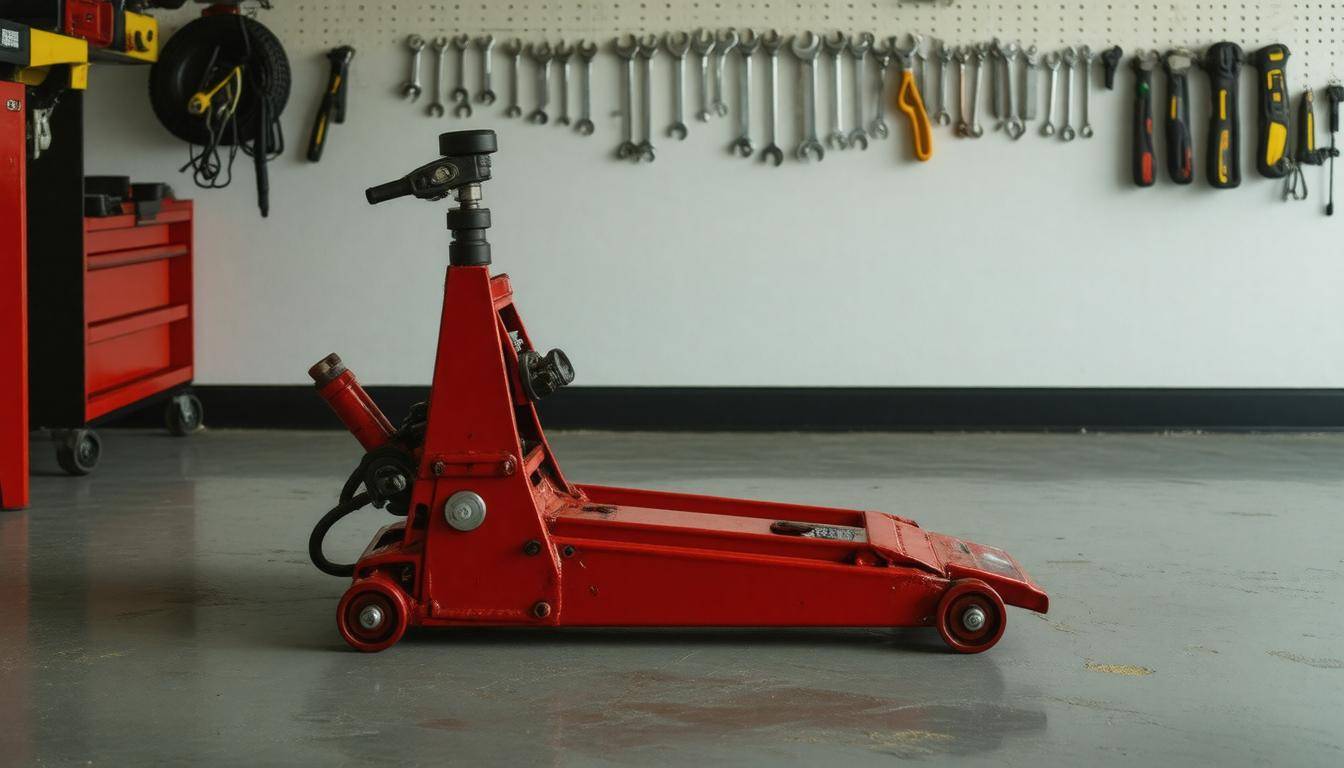
One of the most vital tools for any driver is a reliable hydraulic jack. It enables you to lift your vehicle efficiently and safely whenever it’s required. Understanding the different types of jacks is essential, as each has its own set of advantages and potential drawbacks.
Types of Jacks
Among the various types of hydraulic jacks, three common options are floor jacks, bottle jacks, and scissor jacks.
-
A floor jack typically provides excellent stability due to its wide base, making it a solid choice for home garages. However, its bulky size can make it less practical for emergency situations with limited storage space.
-
The bottle jack shines in such contexts; it’s compact and lightweight, making it easier to store in your trunk or glove box while still providing considerable lifting power.
-
A scissor jack, often found as standard equipment in many vehicles, requires more physical effort to operate compared to hydraulic lifts.
Each type has a designated lifting capacity. Generally, floor jacks can handle anywhere from 2 tons (4,000 lbs) up to 20 tons (40,000 lbs), depending on the model. The lifting height will also vary among types—floor jacks usually raise vehicles from about 3 inches to 20 inches high, making them preferable for a wider range of tasks.
Pumps
Integrating a hydraulic foot pump with a bottle jack can significantly ease the lifting process. This combination allows you to elevate your vehicle without straining your back or arms. Before purchasing, ensure that the pump is compatible with your specific bottle jack type—this ensures effective functionality and efficient operation.
Investing time into choosing the right hydraulic jack and pump combination keeps you prepared for unforeseen circumstances on the road; it’s about safety first.
Now that you have a solid understanding of hydraulic lifting tools, we turn our attention to essential illumination devices required for effective nighttime repairs.
Lighting and Electrical Tools
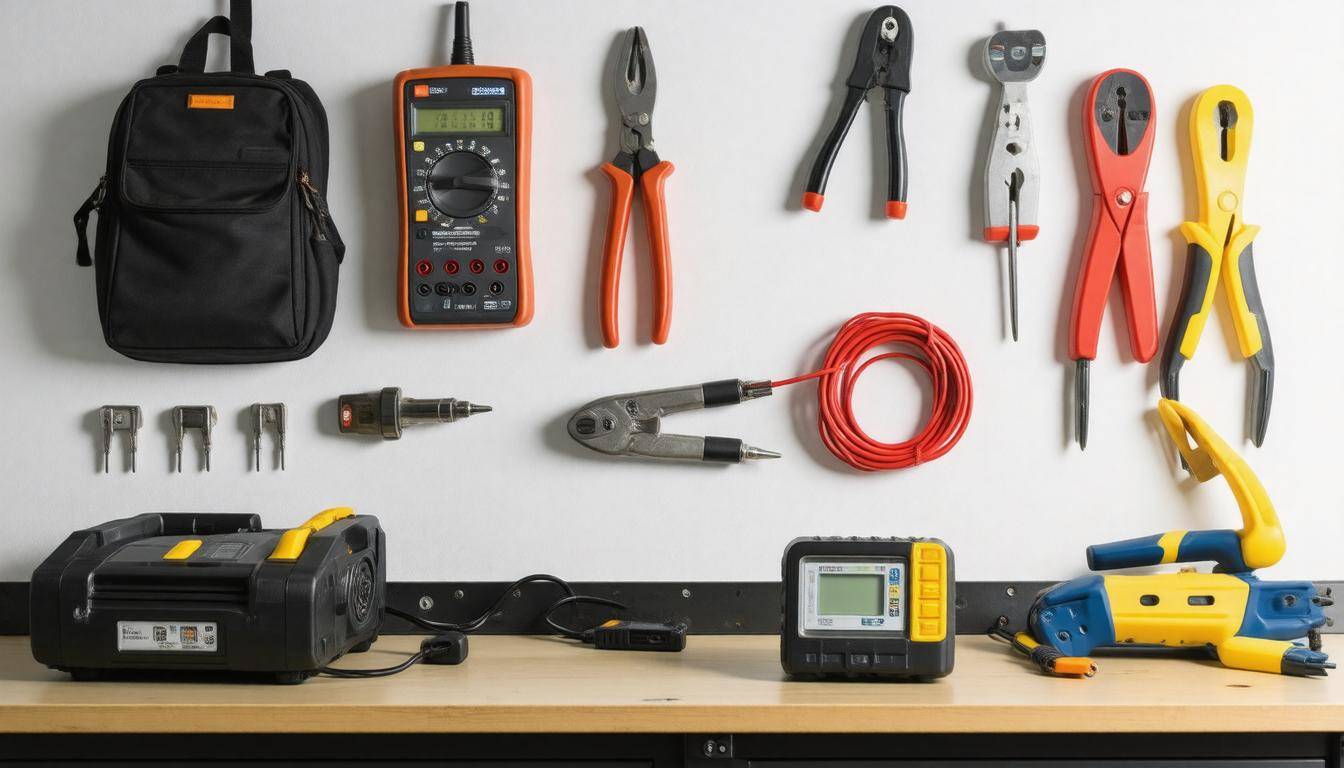
An effective toolkit for emergency repair requires strength and durability, along with clarity of vision. When the sun drops or an unexpected issue arises in low light, having proper illumination tools becomes a necessity. This isn’t just about convenience; it’s about safety and efficiency on the job. Imagine seeking to diagnose a pressing electrical issue in the dark—frustrating, isn’t it? Reliable lighting is paramount.
Flashlights
Begin with a high-lumen, rechargeable flashlight in your kit. Not all flashlights are created equal, and opting for one with adjustable brightness settings can be particularly handy in various scenarios. A headlamp is another invaluable addition; it allows for hands-free operation, freeing your hands to maneuver around wires and tight spaces while keeping both light and focus where needed. The best flashlight doesn’t just illuminate—it reveals.
For instance, if you’re troubleshooting an engine light in the evening, having that beam directed right at the problem helps pinpoint issues quickly.
During night shifts or emergencies, a high-quality flashlight can mean the difference between a successful fix or an extended delay in service.
Work Lights
When you need to shed light across a broader area, deployable LED work lights are your go-to solution. These lights provide consistent illumination of expansive workspaces, making them ideal for intricate repairs requiring ample visibility. Imagine working underneath a vehicle or within tightly packed mechanical compartments—suboptimal lighting can mask critical elements from view.
According to a survey conducted among first responders, nearly 60% noted that portable work lights effectively mitigated problems during evening repairs. This highlights how much better equipped teams are when they can clearly see what’s in front of them. Always consider work lights with magnetic bases or hooks to easily position without cluttering your workspace.
The power of good lighting cannot be overstated; it elevates productivity and ensures that safety protocols are maintained while addressing potential hazards within electrical systems.
Having established the importance of reliable illumination tools, we now shift our focus to another essential component of any emergency toolkit—preparing for that dreaded moment when your vehicle’s battery fails.
Jumper Cables Essentials
Jumper cables are a vital asset for any vehicle owner. They serve as a lifeline during the momentary panic of a dead battery. Imagine you’re out running errands and your car suddenly won’t start—it’s a situation that nobody wants to experience. This is where jumper cables come to the rescue.
Types of Jumper Cables
When selecting jumper cables, it’s crucial to choose heavy-duty cables with thick-gauge wires. Lower gauge numbers indicate thicker cables, allowing them to carry more current without overheating. Typically, 4-gauge or 6-gauge cables are great choices for most vehicles; they provide sufficient power for an effective jump start. Thicker cables not only reduce resistance but also improve conductivity during the all-important moment when you connect them to another vehicle’s battery.
A good rule of thumb is—to think of jumper cables as your vehicle’s quick first aid kit for electrical issues.
Investing in quality jumper cables also means considering their length. A length of 16 feet allows you to reach the adjacent vehicle easily without stretching too far across either engine bay, while shorter cables may limit your options in tricky spots. Plus, opt for those with insulated clamps; they grip better and help prevent sparks—a small safety measure that goes a long way.
Portable Jump Starters
While traditional jumper cables are indispensable, adding a portable jump starter brings even more security and versatility. These compact devices not only jump-start your vehicle but often come equipped to charge other electronics like smartphones and tablets too. Imagine being able to power your phone while getting assistance started on your vehicle!
Portable jump starters have steadily evolved over the years, becoming lighter and more powerful. Many models now fit comfortably in your glove compartment and feature built-in safety mechanisms to prevent reverse polarity connections—a common error when using traditional jumper cables that could damage your vehicle’s electrical system. Using one of these devices allows you to jump your car without needing another vehicle nearby, empowering you in situations where help may not be readily available.
Being well-equipped with both quality jumper cables and a portable jump starter means you’re ready for unexpected battery troubles. Following this preparation, maintaining optimal fluid levels is critically important for overall vehicle health.
Maintenance and Fluid Replacement Tools
Regular maintenance not only boosts your vehicle’s performance but also contributes significantly to your safety on the road. Keeping a careful eye on your vehicle’s fluids can reduce the risk of engine failure or brake issues at the worst possible moments. Having extra supplies, like quarts of oil and coolant, tucked away in your vehicle kit is essential. This helps avoid unexpected roadside breakdowns and saves money by addressing smaller issues before they worsen.
Oil and Coolant
When it comes to your engine oil, keeping a few extra quarts can be a lifesaver. Engines that run low on oil can suffer severe mechanical failures, so it’s crucial to check your oil levels regularly and top off as necessary. Make sure to have a funnel handy to avoid any tragic spills—trust me; it makes things much less messy! Likewise, having a spare bottle of coolant is just as critical. A well-maintained cooling system prevents overheating and ensures your engine runs smoothly during those hot summer days.
Fluid Extractors
If you’ve ever faced the daunting task of changing fluids, you know that it can get pretty messy without the right tools. This is where fluid extractors come into play; these handy devices allow you to remove liquids from their reservoirs quickly and cleanly. The key here is compatibility; ensure that your extractor is effective with the specific types of fluids used in your vehicle—some extractors are designed for oil while others are better suited for coolant or brake fluid.
| Fluid Type | Recommended Tool |
|---|---|
| Engine Oil | Funnel, Extractor |
| Coolant | Funnel, Safety Container |
| Brake Fluid | Special Fluid Extractor |
It’s wise to invest in quality equipment rather than opting for cheap substitutes—professional-grade tools offer improved durability and functionality. They can withstand repeated use without breaking down or becoming faulty when needed most.
Organizing these tools efficiently can make a huge difference during urgent situations. Keeping everything neatly categorized ensures that you can grab what you need in mere seconds, even when you’re racing against time.
Organizing Your Toolbox
An organized toolbox is essential for efficient vehicle repair. You wouldn’t want to be fumbling through a cluttered mess during a crisis, right? Imagine a rainy night on the side of the road, your heart racing as you search for that elusive wrench or screwdriver. With the right organization, you can significantly reduce both your stress and repair time.
Storage Solutions
Start with a durable, compartmentalized toolbox. This is key because having dedicated sections means each tool has its own home. When shopping for a toolbox, look for one that comes with clear labeling—this can save precious time during emergency situations.
You might even consider using different colored labels for various categories like hand tools, safety equipment, and diagnostic tools to create a quick visual reference system. By doing this, you can easily find what you need without having to dig through layers of disarray.
Additionally, think about the size and weight of the toolbox itself. If it’s too heavy or cumbersome, you’re unlikely to grab it when you really need it. A good rule of thumb is to have all essential tools consolidated in one box while keeping a smaller, lighter kit on hand for minor repairs and emergencies.
Mobile Toolboxes
If your work often requires you to move around, consider investing in a mobile toolbox with wheels. These are particularly useful if you’re frequently transitioning between job sites or just moving from your garage to your driveway.
With a mobile setup, you can keep frequently used tools in easy reach—think pliers, wrenches, and screwdrivers—while storing less-used items further down in the compartments. This approach helps streamline tasks since your most essential tools don’t require extensive searching.
One mechanic I’ve spoken with said it best: “Having a mobile toolbox organized cuts repair time in half, giving you a sense of calm during stressful breakdowns.” This sentiment highlights just why it’s crucial to invest time in organizing your toolkit effectively.
Seasonal Maintenance Checks
Another tip is to conduct seasonal maintenance checks on your toolbox. Every few months, take an audit of what’s inside. Are there any tools that no longer serve their purpose? Are there any spare parts or fluids that are nearing expiration? Keeping up with these assessments will ensure that your toolbox remains relevant and stocked with exactly what you need when the unthinkable happens.
And let’s face it: nobody wants to be in a situation where they’re digging through rusted bolts or expired first aid supplies!
With these organizational strategies in mind, you’re well on your way to creating an effective and efficient emergency vehicle repair toolkit that will serve you well on any road.
In the end, being prepared with an organized toolbox can make all the difference in handling vehicle emergencies swiftly and effectively.