
When emergencies hit, one of the biggest challenges communities face is not just the initial crisis itself but how to deal with the mess afterwards—especially waste. Imagine a neighborhood battered by a storm, where not only homes are damaged but proper sanitation systems break down too. It’s in these moments that effective waste management becomes crucial for public health and safety. This guide dives into the must-have tools and strategies everyone should know about when it comes to managing waste during unexpected situations. From portable toilets to disinfectants, we’ll explore practical solutions that can help keep our communities safe and clean when it’s needed most. Let’s get ready to tackle the nitty-gritty of waste management together!
In the “Emergency Waste Management Tools: Complete Guide,” you will find a comprehensive overview of essential tools and techniques for safe disposal and management of waste during emergencies, including practical solutions for human waste disposal, suggested products, best practices, and key strategies for maintaining hygiene and preventing health hazards during disaster situations. The guide is designed to equip individuals and organizations with the knowledge needed to effectively manage waste under challenging circumstances.
Essential Emergency Waste Management Tools
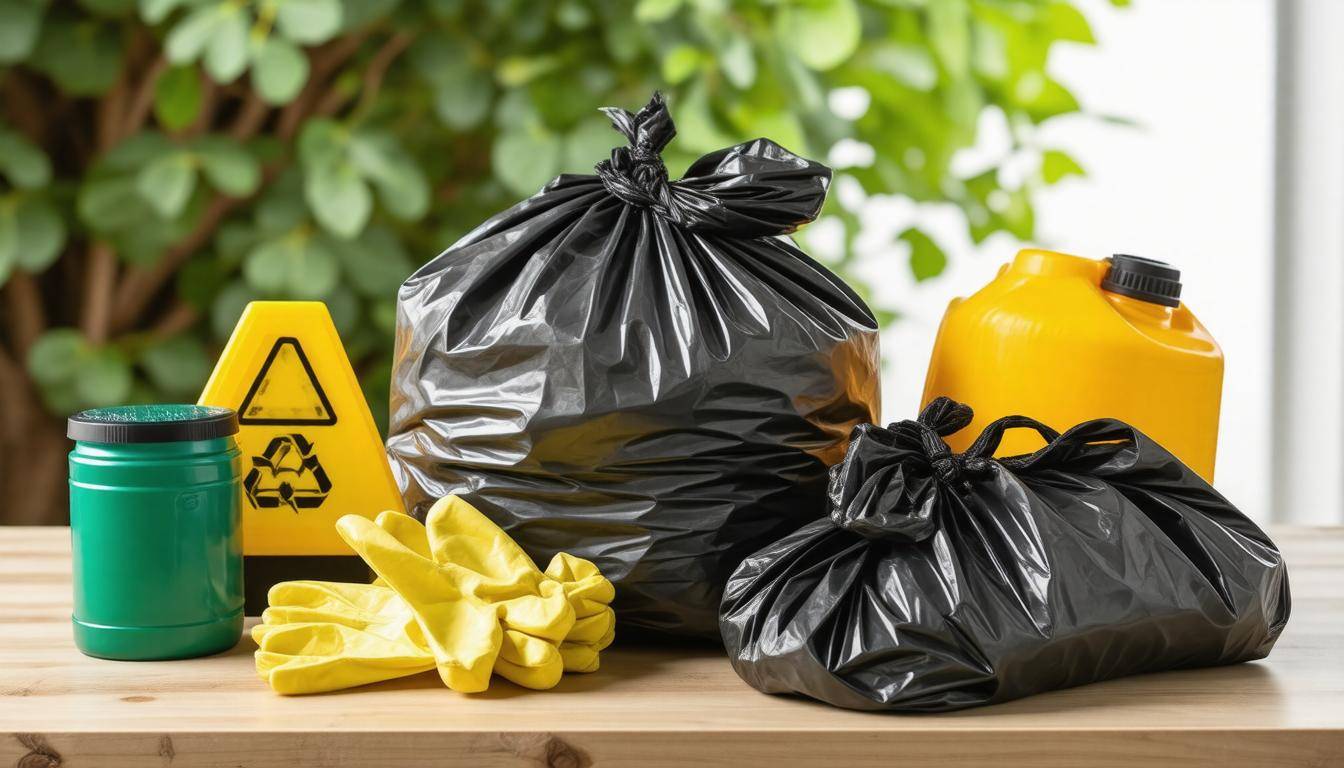
When disasters strike, the normal order of life is disrupted, but that doesn’t mean we can let waste pile up and endanger public health. Having essential emergency waste management tools ready allows communities to respond swiftly and effectively. Each tool plays a specific role in maintaining hygiene and safety during crises such as storms or pandemics.
Core Tools Include:
-
Portable Toilets: These are indispensable in emergency situations where plumbing may be compromised. Portable toilets come in various designs, enabling easy transport and setup. Companies like Cleanwaste and Reliance Products are known for offering robust options tailored for emergencies. Imagine a neighborhood after a major storm; with the roads blocked and sanitation services halted, portable toilets can provide immediate relief while ensuring dignity for those affected.
-
Waste Bags: Biodegradable waste bags serve as critical components for effective waste disposal—especially human waste. Their natural decomposition makes them an eco-friendly choice when proper facilities aren’t accessible. For instance, BioBag products allow people to collect both trash and organic waste without guilt over their environmental impact, knowing these bags won’t linger in the ecosystem for years.
-
Absorbent Materials: Managing odor and moisture from solid waste becomes crucial when traditional plumbing fails. Items like kitty litter, sawdust, or wood chips can absorb liquids while effectively mitigating unpleasant smells. Sawdust has a long-standing history in outdoor settings for this purpose—it’s readily available and inexpensive, making it practical in tough times.
-
Disinfectants: Disease prevention is paramount following a crisis. Disinfectants such as bleach or hydrogen peroxide are essential for scrubbing down waste collection areas thoroughly. Applying these solutions minimizes the risk of bacterial infections, allowing individuals to focus on recovery efforts instead of worrying about hygiene issues.
-
Personal Protective Equipment (PPE): Safety cannot be overstated when dealing with potential hazards associated with waste handling. Gloves, masks, and protective suits safeguard workers from contaminants while managing waste. “Safety first” isn’t just important; it’s vital for anyone involved in emergency cleanup operations.
-
Shovels and Scoops: While it might seem basic, having shovels and scoops on hand is crucial when other disposal methods fail or are unavailable. These tools enable swift burial of waste in situations where immediate removal isn’t feasible.
Equipping yourself with these tools prepares you for efficient management amidst unforeseen circumstances; this approach not only safeguards public health but also ensures communities can address more pressing needs as they recover.
Waste Handling and Storage Equipment
Proper handling and storage of waste is vital for protecting both public health and the environment. It’s not just about keeping spaces clean but also ensuring that we don’t inadvertently create hazardous situations. One key element is utilizing appropriate containers and storage solutions to prevent spills or leaks that could lead to contamination.
For example, jerry cans, commonly used for collecting liquid waste, are durable and made from chemical-resistant materials, making them perfect for short-term storage. Their secure design minimizes the risk of accidental spills, which can be disastrous in an emergency situation.
As we move forward, it’s equally important to consider storage sheds. These designated areas for safe waste storage serve multiple purposes. They contain odors that may otherwise permeate the surrounding environment, deterring pests that might be attracted to potential food sources in traditional waste storage. Moreover, having a dedicated shed means you can organize your waste better—keeping hazardous materials separate from non-hazardous ones, thereby simplifying any subsequent processing steps needed for disposal.
Waste Segregation Bins
A vital part of effective waste management is implementing waste segregation bins. These help ensure that hazardous materials are kept distinct from regular trash, minimizing risks associated with improper disposal practices.
Adopting a color-coding system can simplify this process significantly – using red bins for hazardous waste serves as a clear visual cue, making it easy for anyone to identify what requires special handling. Meanwhile, blue bins can designate recyclables and green ones can be reserved for compostable materials.
By distinguishing between these categories upfront, facilities not only streamline their disposal processes but also maximize their recycling capabilities—something especially important in today’s environmentally conscious landscape.
Furthermore, understanding the importance of proper storage goes beyond just organization; it encapsulates a fundamental responsibility that every generator of hazardous waste must embrace to maintain compliance with regulations. Now let’s assess the various techniques employed to ensure these materials are disposed of safely and responsibly.
Disposal Methods for Hazardous Materials
Proper disposal of hazardous materials is not just a regulatory requirement; it’s a responsibility we all share to protect our environment and community health. To tackle this challenge effectively, different disposal methods are employed depending on the type of waste involved. Each of these methods ensures that potential hazards are managed safely and responsibly.
Safe Disposal Techniques
One of the most common techniques used for disposing of certain hazardous wastes is incineration. This method involves burning the waste at extremely high temperatures within specialized incinerators designed to mitigate harmful emissions. The process significantly reduces the volume of waste, making it easier to manage the residual ash.
However, it’s crucial that incinerators are equipped with advanced pollution control technologies to capture pollutants before they escape into the atmosphere. We’ve all seen those towering smokestacks, and while they might seem intimidating, a well-regulated incineration facility is actually quite safe when properly monitored.
Another effective method is chemical treatment, which allows for more nuanced handling of specific waste types.
Through chemical processes, certain hazardous wastes can be neutralized, thus minimizing their environmental impact. For instance, consider acidic waste: by introducing alkaline substances into this mix, the harmful components can be neutralized to create something far less dangerous. This method is extensively used in various settings including laboratories and industrial facilities where chemical reactions produce hazardous byproducts.
Properly trained personnel must carry out these procedures, as an improper mix could lead to dangerous reactions.
But for liquids that require a deeper solution, we turn to deep disposal wells.
Deep disposal wells represent yet another layer of complexity in hazardous material management. Essentially, this method involves injecting liquid hazardous waste into deep wells that lie below water tables, ensuring that these contaminants are isolated away from human interaction or potential groundwater supplies.
This technique is rigorous in terms of safety regulations; regular monitoring and maintenance are required both for the integrity of the well structure and for tracking any unexpected environmental impacts over time.
Understanding these disposal methods equips us with essential insights into how we can better manage hazardous materials in our lives. With each technique serving a unique purpose, it becomes clear that proper disposal isn’t just about following laws—it’s a vital practice for maintaining a clean and safe environment for all living things.
Each of these techniques lays the groundwork for addressing emergencies effectively as we prepare to explore crucial actions needed during cleanup efforts in crisis situations.
Cleanup Procedures for Crisis Situations
In any emergency, efficient cleanup procedures are paramount. They mitigate immediate health risks and ensure that the environment can return to normal as quickly as possible.
Step 1: Initial Assessment
The first step in effective cleanup starts with an initial assessment. Responders must determine the extent and type of waste contamination present. Think of this step as a reconnaissance mission; the more information gathered, the better the subsequent actions taken will be. Consider factors such as whether the contamination is chemical, biological, or physical. Each type requires distinct handling protocols, tools, and personal protective equipment (PPE). For instance, a chemical spill could necessitate different measures than a water contamination incident.
Step 2: Containment
Once you have assessed the situation, it’s time to move on to containment. This crucial phase involves isolating the contaminated area to establish a safe perimeter. You can utilize barriers such as caution tape or rubber mats to restrict access effectively. Signage indicating hazardous conditions should be clearly visible to discourage entry by unauthorized personnel. This isolation protects those outside of the area and prevents the spread of contaminants to cleaner zones—a fundamental aspect of maintaining control during emergencies.
Step 3: Removal of Bulk Waste
After containment is established, attention turns to the removal of bulk waste. Armed with appropriate tools—think shovels, brooms, and bins—cleanup crews collect the majority of waste materials systematically. It’s imperative that all personnel involved don PPE suitable for the specific materials being handled; gloves, masks, and suits if necessary. Safety protocols here cannot be overstated; careless removal can exacerbate contamination issues or expose workers to harmful substances.
Step 4: Disinfection
With the bulk waste removed, disinfection becomes our next focus. Utilizing a disinfectant solution helps in killing pathogens that may linger in the environment. It’s essential to spray liberally across all surfaces previously affected by contaminants, ensuring no spot is overlooked. Depending on the severity of contamination, this process may need repetition for thorough sanitation—this “double-check” system ensures harmful remnants are eliminated.
Step 5: Safe Disposal
The final step is safe disposal, where collected waste is transferred to designated sites using properly labeled bins. Compliance with local regulations regarding toxic and non-toxic materials is critical during this step to prevent any legal complications down the line. By meticulously following through with these safe disposal practices, you actively contribute to protecting public health and minimizing environmental impacts.
Understanding these cleanup procedures sets a solid foundation for enhancing overall safety standards. Next, let’s explore how to effectively formulate your disposal strategies for emergencies.
Planning Your Emergency Disposal Plan
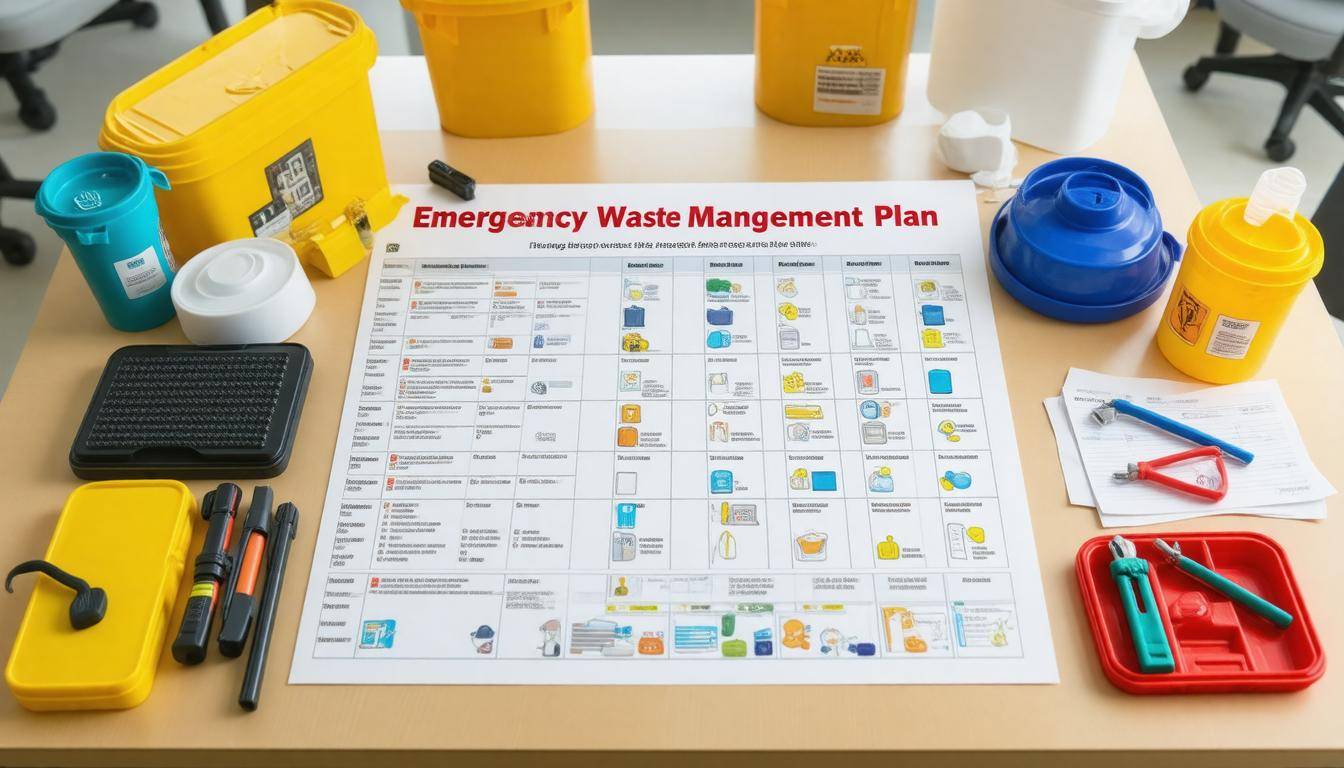
Start by conducting a thorough risk assessment of your environment. This involves identifying potential sources of hazardous waste and understanding the types of hazards present. For instance, if you’re in an area prone to wildfires, consider how debris and toxic runoff could impact your waste management strategy. Knowing what materials you may need to dispose of ahead of time can save valuable time and ensure safety during emergency situations. It’s important to think beyond just the visible waste; consider any hidden pollutants that might emerge after a disaster.
Once you’ve identified the risks, the next step is to gather resources effectively.
This is where resource identification comes into play. It’s critical to ensure that you have all necessary emergency tools and supplies readily available. Make a detailed inventory list that includes essential items like spill kits, absorbent pads, containment booms, and personal protective equipment (PPE). By listing out what you have and determining suppliers for additional items, you’ll be better prepared when the moment arises. Regularly update this inventory to reflect the current needs of your community or organization, especially after a large-scale event has occurred.
However, having resources is only one part of your plan; training is equally vital.
Implementing a solid training program for personnel is imperative for successful waste management during emergencies. Make training sessions regular and engaging; cultivate a culture where team members feel confident in their ability to handle hazardous materials safely. Simulator drills can also be incredibly useful; they not only prepare staff for real-world scenarios but reinforce protocols in a low-stress environment before actual emergencies arise. The emphasis should always be on understanding both waste management protocols and the environmental protections mandated by organizations such as California’s Department of Toxic Substances Control (DTSC).
Remember, nearly 75% of first responders regard preparedness training in hazardous waste management as critical for effective operations during emergencies.
Finally, engage with community outreach programs to enhance awareness regarding proper disposal methods during crises. These initiatives will educate individuals and create public sentiment around the importance of safety compliance during cleanup efforts. Make “preparedness” part of everyday conversation within your community; familiarity with correct protocols can significantly lessen chaos when emergencies strike.
As you focus on resource allocation, training programs, and community engagement, also consider implementing robust safety measures alongside environmental protection protocols to cement comprehensive preparedness.
Safety Measures and Environmental Protection
Safety measures are the backbone of effective waste management, ensuring that processes are executed without compromising human health or harming our planet. When it comes to implementing these measures, several key components need to be prioritized.
Implementing Safety Measures
First and foremost, adopting a PPE Mandatory Policy is crucial. Personal protective equipment, or PPE, includes gloves, masks, and goggles. By requiring workers to wear this gear while handling waste, you can significantly reduce the risk of exposure to harmful substances. Picture this: a worker is clearing out hazardous materials without proper protection; one slip could lead to chemical burns or respiratory issues. Making PPE usage compulsory creates a safer environment for your team and shows you care about their well-being.
Additionally, proper ventilation systems in storage areas must not be overlooked. Waste can release harmful gases over time, especially if it contains chemicals or decomposing organic matter. Ensuring adequate airflow helps dissipate these gases and keeps air quality safe for everyone in the vicinity. Consider installing exhaust fans or window vents to facilitate this process. It’s a simple yet effective way of protecting health during waste management operations.
Environmental Protection
Now that we have established strong safety practices, let’s turn our attention towards environmental protection. One effective strategy involves implementing waste reduction techniques. This means identifying ways to minimize waste generation from the start by promoting recycling and reusing materials wherever possible. For instance, instead of throwing away old cardboard boxes, consider using them for storage or creating compost bins from biodegradable waste. These small changes collectively make a significant impact on reducing landfill contributions.
Alongside waste reduction tactics, establishing robust monitoring systems proves invaluable in maintaining regulatory compliance and assessing the effectiveness of your waste management plan. Regularly monitoring and recording waste activities provides insight into what’s working and what needs adjustment. It also ensures you stay aligned with evolving environmental guidelines—an essential factor considering the latest updates from authorities such as the New Jersey Department of Environmental Protection.
These regular audits not only keep your operations running smoothly but also help cultivate a culture of accountability within your organization. The more informed you are about your waste management practices, the better equipped you’ll be to adapt and improve for both safety and environmental preservation.
With those fundamental measures established, it’s time to examine the specific tools that will bolster your preparedness during unexpected incidents.
Tools for Your Emergency Waste Management Kit
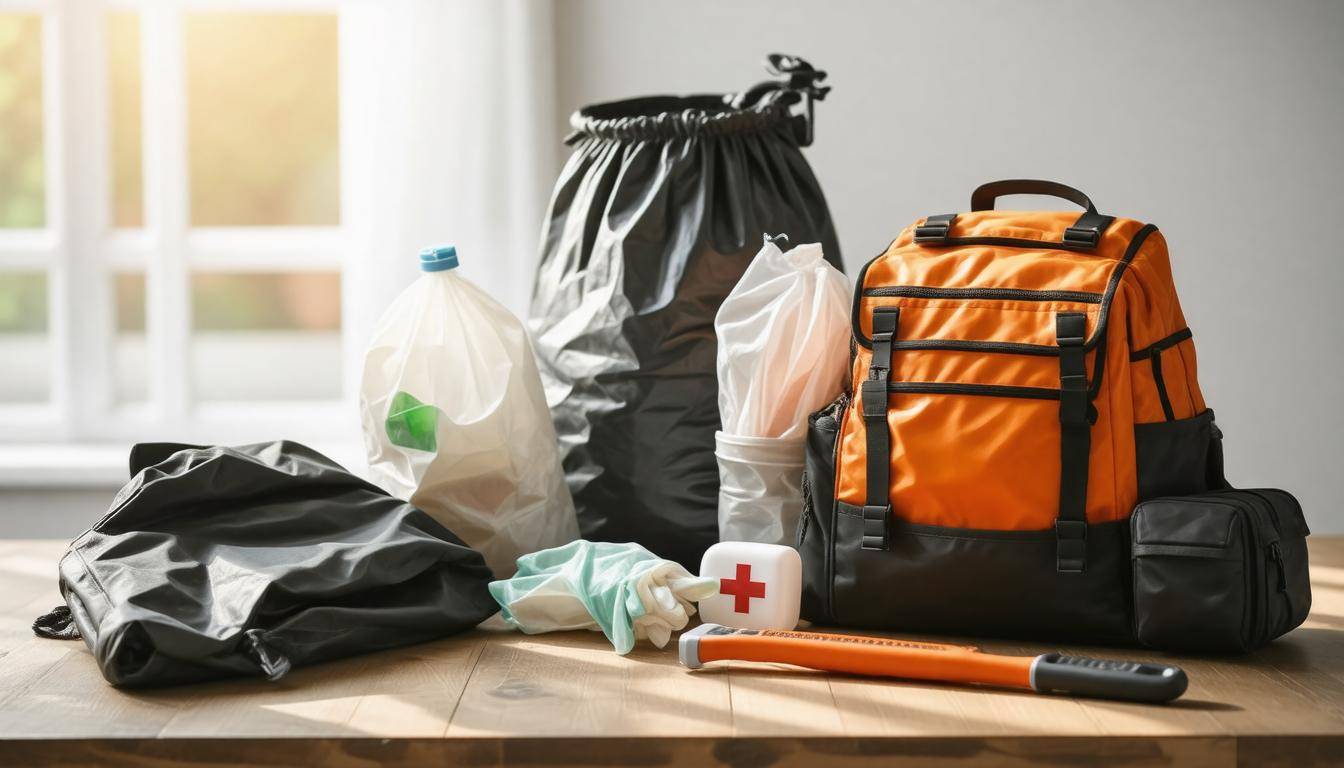
Creating a comprehensive waste management kit is key to being prepared for emergencies. One of the first essentials you’ll need is portable toilets and waste bags. These items are invaluable in scenarios where plumbing may fail, such as natural disasters. Think back to those intense storms or flooding situations; having a portable toilet on hand can prevent unsanitary conditions, ensuring everyone has access to a safe and dignified way to manage human waste.
Speaking of safety, personal protective equipment (PPE) is another critical component that cannot be overlooked.
Key items in your PPE inventory should include gloves, masks, and protective suits. These tools protect individuals from hazardous materials and infectious agents while handling waste during chaotic situations. Imagine having to sift through debris and garbage—without proper gear, you’re risking not only your health but also that of others around you. Always choose high-quality PPE designed for emergency use to effectively shield yourself from potentially harmful elements.
Once you have safety covered, it’s crucial to think about cleanliness—a topic often forgotten amid chaos.
This is where cleaning and disinfectant agents come into play. Stocking up on effective solutions like bleach and hydrogen peroxide is non-negotiable. In emergency situations, these agents will be essential for sanitizing surfaces and any areas contaminated by waste. Just picture it: after a storm, debris scattered everywhere with biohazardous materials—having cleaning supplies on hand could mean the difference between maintaining some level of hygiene or facing severe public health risks.
Finally, let’s not forget about managing the mess that can ensue during these times.
Consider keeping absorbent materials like sawdust or wood chips handy. These items serve a dual purpose: they help soak up moisture in waste containers and significantly reduce unpleasant odors. Having absorbent materials on standby not only helps keep your environment cleaner but also makes it more bearable for everyone involved.
Emergency Communication Tools
Beyond managing waste directly, communication remains an essential aspect of any effective emergency response plan. Having radios and well-organized contact lists within reach ensures that team members can coordinate efforts efficiently during crises. After all, when you’re dealing with challenging situations like natural disasters, the last thing you want is confusion among your crew.
By equipping yourself with these vital tools, you’ll find managing waste in emergency situations can become a more organized and effective experience for everyone involved—not just for you but for the entire community facing the situation together.
Emphasizing preparation through the right tools is essential for successful waste management in emergencies. By adopting this approach, you create a safer environment for yourself and those around you.