
In any emergency situation, one of the most pressing concerns for pet owners is ensuring that their furry companions have access to clean and safe drinking water. Just like us, pets need hydration to stay healthy, especially when faced with stress and uncertainty. That’s why having a solid plan for emergency water supplies is not just a good idea—it’s essential. I learned this lesson firsthand during a recent unexpected power outage where I found myself scrambling to keep my pets hydrated while coping with the chaos around me. The experience made it clear: we can never be too prepared for anything life throws our way, particularly when it comes to our beloved pets. Here’s your complete guide to keeping your pets safe and hydrated even in the most challenging times.
The “Emergency Water for Pets: Complete Guide” provides essential strategies for preparing an adequate supply of clean water for your pets in emergencies, discussing the recommended amount of water based on pet weight, tips for storing and maintaining freshness, and guidelines for creating a pet-friendly emergency kit. Additionally, it emphasizes the importance of hydration and includes practical advice on keeping pets safe and healthy during unexpected situations.

Preparing for Emergencies: Pet Water Essentials
Calculating the right amount of water for your pets is crucial, yet what follows is just as vital: having a proper storage system in place. As a general rule of thumb, consider each pet’s weight in handling this task. The guideline states to store one ounce of water per pound of your pet’s body weight per day.
Let’s say you have a 40-pound dog—this means you should keep at least 40 ounces of water available for daily drinking. However, don’t stop there; think ahead. It’s always wise to store extra water in case unexpected situations arise, such as power outages or road closures after a storm. Having a week-long supply of water ensures that you’ll have one less thing to worry about during a crisis.
Next, let’s talk about organizing an emergency plan that factors in every individual pet’s needs.
An effective emergency plan must include specific steps tailored to each pet’s unique requirements. Sit down, take a moment to assess and note down your pets’ daily water needs, especially if you have multiple animals with varying sizes. For example, while your large breed may require more hydration, a smaller pet’s needs will differ significantly.
In addition to documenting these details, consider identifying potential water sources. In case you need to evacuate, knowing where you can find fresh water or how to purify it rapidly can be invaluable. Moreover, always include important information like your veterinarian’s contact information in your plan along with any medications they may require.
Keeping all this information organized not only brings peace of mind but ensures that you’re ready when emergencies strike.
Once you’ve assessed your pets’ water requirements and created a comprehensive emergency plan, it’s time to make sure you have the right tools and containers for easy access on-the-go.
Step III – Stock Up on Essential Containers
Consider the types of containers you’ll use to store and transport emergency water supplies. Look for BPA-free plastic or glass containers because safety should be the top priority. It’s also crucial that these containers have secure lids; this prevents contamination and keeps the water clean for your pets.
Additionally, think about portability; collapsible bowls are excellent for traveling since they can save space while ensuring your pets stay hydrated wherever they are.
A good practice is to regularly check these supplies—both the stored water and containers—to see if it remains fresh and safe for consumption. For bottled water, it’s generally recommended to replace it every 6 months, while commercially bought water can typically last 1-2 years if unopened.
With pets depending on us entirely during emergencies, being prepared with clean water not only secures their health but also brings us comfort during uncertain times.
Now that we’ve covered the essentials for storing and organizing emergency water for your pets, let’s move forward to explore various practical options available for sourcing this vital resource when needed.
Emergency Water Sources for Pets
When faced with an emergency, it’s vital to recognize that not all water sources are created equal. Traditional supply lines could run dry or become contaminated when disaster strikes. Thus, having a diverse array of backup water sources can save the day for our beloved pets as well. One of the most reliable options is bottled water. It’s easy to store and typically comes with a long shelf life—often up to two years. While it may cost a bit more than tap water, knowing you have a safe option on hand is priceless during a crisis.
I once had a minor scare when a storm knocked out power and affected our local water supply. Thanks to my advance preparation with bottled water for my pets, I didn’t have to worry about anything other than keeping them calm and cozy during the storm.
If your supply of bottled water runs low or becomes inaccessible, another great method is boiling tap water. The process is simple: Bring the water to a rolling boil for at least one minute to effectively kill harmful bacteria and viruses. Just ensure the water cools down before offering it to your furry friends, as hot water can hurt their sensitive mouths.
While boiling might be effective, it does take time and energy, which can be tough in emergency situations when you need things fast.
For outdoor enthusiasts or those looking for a lightweight solution, portable water filters designed specifically for camping and hiking are game changers. These filters can be particularly useful for sourcing water from natural bodies like streams or lakes during evacuation scenarios.
Steps to Filter Water Safely
Here’s how to do it effectively:
- Collect water from natural sources.
- Use your portable filter that’s designed to remove bacteria and protozoa effectively.
- Always follow the manufacturer’s instructions closely when using a filter; this ensures maximum effectiveness.
Another clever tactic is to explore potential natural sources right within your vicinity, like ponds or streams. However, untreated natural water must be purified before use! Boiling it is one way, or you can rely on purification tablets that can eliminate most contaminants over 30 minutes to several hours based on product instructions.
Think of these purification steps as similar to cooking—just because you’ve got ingredients doesn’t mean that what you prepare will taste good if they aren’t handled correctly! Quality control is key here.
Now that we understand various emergency water sources available for both ourselves and our pets, it’s essential to evaluate which source truly stands out in terms of reliability and safety. What factors should we consider when comparing options? Let’s explore that next!
Bottled Water vs Household Water
When it comes to emergency preparedness, choosing the right source of water for your pets is crucial. Bottled water offers distinct advantages, primarily its long shelf life, which can range from one to two years when unopened. This longevity makes it a reliable choice for stocking an emergency go-bag. Additionally, bottled water is generally free from contaminants, as it is regulated by the FDA. That means you can trust it to keep your furry friends safe and hydrated during crises.
On the other hand, household water presents mixed advantages and challenges. While it is typically much cheaper—averaging about $0.01 to $0.02 per gallon—its quality can greatly vary depending on local water sources and municipal treatment practices. Household water usually has a shorter shelf life of approximately six months, making it important to store this water in clean, food-grade containers and refresh regularly.
Another key aspect relates to ease of use: bottled water requires no additional steps before consumption—you simply pick up a bottle and pour it. In contrast, household water may necessitate purification processes such as boiling or filtering, especially if you’re unsure about the quality. This can be particularly critical when time is of the essence during an emergency evacuation.
Safety Considerations
For instance, during a natural disaster like an earthquake or hurricane, a sudden disruption to your home’s water supply could make access to safe drinking water difficult. Many pet owners find themselves relying on bottled water in these situations because it provides immediate reassurance regarding cleanliness and safety for their pets.
While bottled water often appears to be the ideal quick-fix solution due to its convenience and reliability, keeping enough on hand may not always be feasible. It’s wise to balance both options in your emergency preparedness plan: maintain a supply of high-quality bottled water while also understanding how to effectively purify and store your household water when needed.
Considering how easily circumstances can change, preparing both methods ensures you are fully equipped should an emergency arise. Transitioning into the next topic will uncover techniques that guarantee the safety of your pet’s hydration needs.
Purification Methods for Safe Pet Consumption
If you need to rely on household or natural water sources, purification is key. Among the most straightforward and effective techniques is boiling water. By boiling water for at least one minute, you can effectively eliminate harmful bacteria, viruses, and parasites that could jeopardize your pet’s health. However, don’t forget about safety: once boiled, let the water cool down completely before offering it to your furry friend. Scalding hot water can harm their mouth and throat.
It’s also interesting to note that boiling water may not only make it safe for consumption but can sometimes improve its taste by aerating it as it cools, making it more appealing for your pets.
Moving on from boiling, another option is using water purification tablets, which can be incredibly helpful in emergency situations.
Water purification tablets are convenient for quick treatment of larger volumes of water. When you’re faced with an uncertain water supply—like during the month-long transition from chloramines to chlorine—having these tablets handy can significantly ease your mind. It’s essential to follow the instructions on the tablet packaging carefully, as adhering to the recommended dosage based on the volume of water you’re purifying is critical. Miscalculating this could lead to ineffective purification or even adverse effects on your pet’s health.
Make sure to keep a stock of purification tablets in your emergency kit; they are compact and lightweight, making them easy to store without taking up much space. This small investment pays off tremendously when it’s time to ensure your pet’s safety.
Considering technology is another viable solution, especially since portable UV water purifiers have gained popularity.
Portable UV purifiers present a modern approach to ensuring clean drinking water. These devices work by emitting ultraviolet light that destroys most pathogens quickly, providing rapid purification amidst uncertain circumstances. While UV purifiers are adept at killing germs, they do have a catch: they require batteries or solar power to operate. Therefore, during prolonged emergencies where power sources might be limited, this reliance could become a significant limitation.
As we explore further into the nuances of keeping our furry friends safe, understanding how to store clean drinking water efficiently will play a crucial role in ensuring their well-being during emergencies.
Storing Water for Pets
Proper storage of emergency water is crucial, as it guarantees that your pets have access to clean, drinkable water when they need it most.
Using appropriate containers is the first aspect to consider. It’s recommended to utilize food-grade plastic or glass containers with airtight seals. These materials help prevent leakage, contamination, and ensure no harmful chemicals leach into the water. Additionally, it’s smart to label each container clearly with the date of storage. This way, you’ll be reminded to check the freshness as time passes.
According to FEMA guidelines, stored water can last up to six months if properly sealed. However, regular checks are vital to confirm that the water remains safe. All it takes is a quick glance at those labels you’ve placed; this simple act can save you from offering stale or unsafe water to your furry friend during an emergency.
Once you have your containers ready and labeled, focus on where you’ll store them.
Keep Containers in Cool, Dark Places
Storing these containers correctly matters just as much as how you seal them. Always opt for a cool, dark place away from high temperatures and direct sunlight. Exposure to light and heat can cause degradation of plastic over time, leading to potential chemical infiltration into the water supply. Furthermore, it creates an environment conducive to algal growth which you certainly don’t want in your pet’s drinking water.
Beyond temperature control, also make sure your storage area is free from chemicals or other hazardous substances. You might consider:
- A basement or a cupboard away from cleaning supplies.
- Utilizing shelves that don’t directly allow heat from appliances like ovens or heaters.
- Checking periodically for moisture in the area where the containers are stored—too much humidity can lead to mold growth around seals.
While examining safe storage is essential, understanding how much water your pets actually need during emergencies is equally important.
Remember that healthy pets typically require about one ounce of water per pound of body weight daily. When planning your emergency supply, ensuring you have at least a week’s worth ready is vital—for both hydration and overall health during stressful situations. With proper awareness and preparation regarding storing water for your pets, you’re not only ensuring their immediate wellbeing but also contributing significantly towards their long-term health should an unexpected event arise.
This proactive approach makes all the difference when keeping our beloved pets safe!
As we continue, it’s crucial to consider effective methods for selecting appropriate containers and suitable locations for your emergency supplies.
Choosing Containers and Storage Locations
When it comes to choosing containers for your pet’s emergency water supply, you want to focus on safety and durability. One excellent option is food-grade plastics. Not only do these containers resist leaching harmful chemicals into the water, they are also lightweight and easy to handle. However, it’s essential to check the labeling carefully, as some plastic containers may not meet food safety standards. Always look for containers clearly marked as food-grade.
Another popular choice is glass containers, which offer a non-reactive surface that doesn’t interfere with the quality of the water. They are more environmentally friendly and can last for many years if handled correctly; however, their fragility is a double-edged sword. Careful handling is crucial since broken glass can lead to injury—both for you and your pets.
Thoroughly inspect any container before use. Even minor cracks or chips can harbor bacteria or compromise the integrity of the container.
After you’ve found suitable containers, consider where to store them. Basements often emerge as ideal locations due to their naturally cooler temperatures, which help slow down the growth of algae and other contaminants in the water. However, moisture control is critical here; damp basements could lead to mold development or contamination risks. Ensure your chosen space is dry and well-maintained.
It’s wise to consider accessibility when selecting storage locations. Choose areas that are easy to reach during emergencies—think quick exits or frequently visited spots in daily life. A garage or a designated emergency kit area might serve this purpose well; having everything within arm’s reach can save precious time in a pinch.
On top of that, labeling your containers provides a clear reminder of when they were filled or if they have expired. A simple label indicating the filling date, along with a cautionary “Do Not Use” note if past six months, can be invaluable. This practice helps manage your supply effectively without second-guessing its freshness.
Remember: Freshness matters! Consistently rotating stored water every six months will help guarantee it’s safe for your pets to drink.
Choosing appropriate containers and storage locations creates a robust emergency system that prioritizes your beloved pets’ hydration needs during unpredictable times.
As we move forward, it’s time to dive deeper into how you can assemble an effective supply kit tailored specifically for your pet’s hydration needs in emergencies.
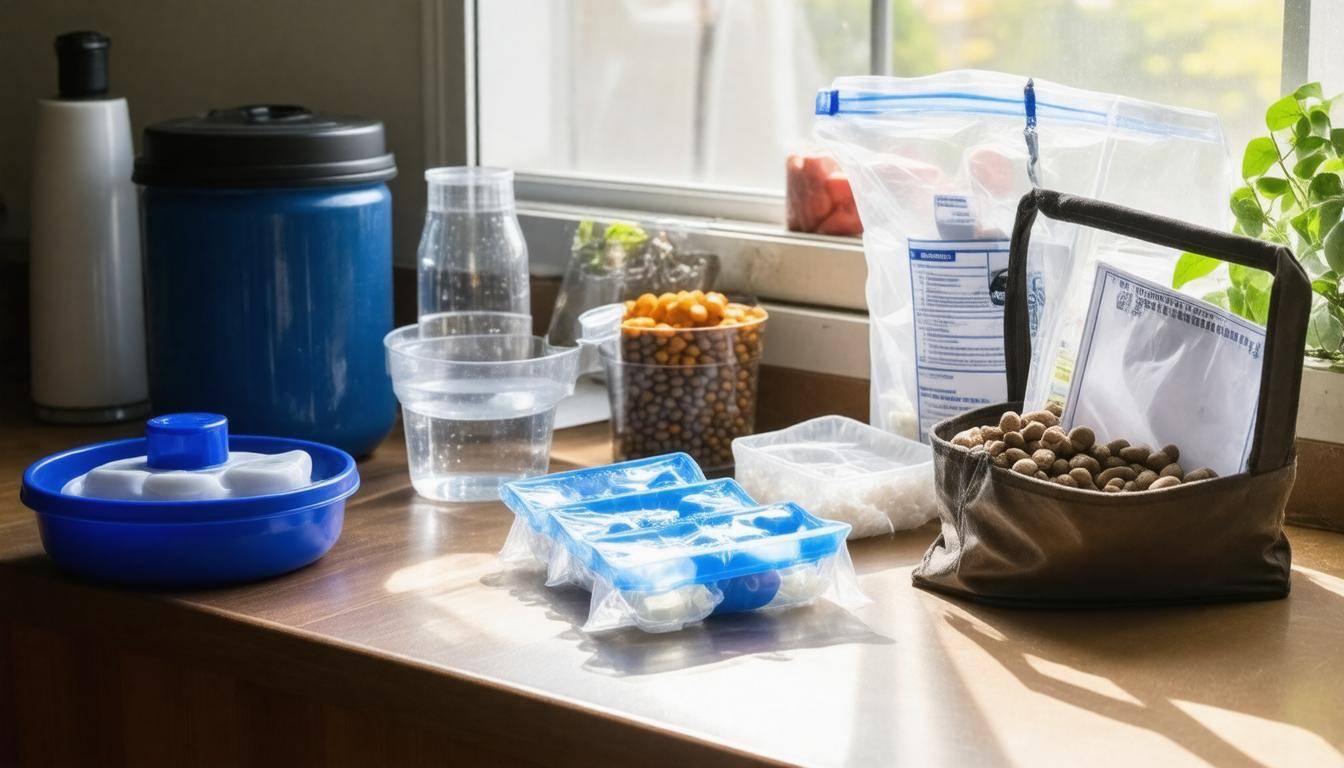
Building a Pet Emergency Water Kit

When putting together your pet’s emergency water kit, the first step is to select water containers. A combination of bottled water and stored household water can ensure you have enough to meet your pet’s needs in any situation. For instance, while it’s convenient to grab a few bottles from the store, having a larger supply stored at home will give you peace of mind when disasters strike. Aim for at least one gallon of water per pet per day; ideally, you should have enough for three days.
Next, it’s important to pack purifying agents like purification tablets and portable water filters. During an emergency, clean water might become scarce, and being able to purify local sources could be a lifesaver. Having these purification systems on hand could allow you to ensure your pet has safe drinking water even if the tap runs dry or becomes compromised.
You’d be surprised how many people forget about feeding bowls or dispensers amid all the chaos! That’s why including feeding bowls and water dispensers in your kit is essential. Collapsible bowls are particularly handy since they take up less space and can easily fit into your bag. Moreover, consider incorporating self-dispensing bottles that ensure a continuous supply of fresh water without spills.
Remember, it’s not just the humans who need hydration—our furry friends need access to clean water too!
Creating an emergency water kit wouldn’t be complete without your pet’s medical records. It’s wise to keep copies of vital information (like vaccination records and any health conditions) sealed in a waterproof bag. This way, if you need to visit a vet in an emergency scenario, you have all pertinent information readily available without stress or delay.
Finally, don’t overlook the necessity for emergency contacts. Compile a list that includes contact numbers for your regular veterinarian as well as nearby veterinary clinics that offer 24-hour service. Keeping this list in your emergency kit serves dual purposes: not only does it save time during high-stress moments, but it ensures you have quick access to help should anything happen.
As we explore the essential elements that contribute to the overall well-being of our pets during trying times, it’s crucial to address proactive measures taken to preserve their health and safety.
Maintaining Pet Health and Safety During Emergencies
The mental and physical health of pets can deteriorate quickly during emergencies if not properly managed. It’s imperative to keep a consistent routine as much as possible. By maintaining feeding and hydration schedules that mirror their usual times, we help reduce anxiety. Pets thrive on predictability, so when everything else feels chaotic, having that one piece of normalcy—a scheduled meal—can provide some much-needed comfort.
Including familiar items such as toys, blankets, or even their favorite bed in their emergency kit is also a good idea. These items can significantly mitigate stress by providing a sense of security amid upheaval. Their scent can evoke feelings of safety and calm that are crucial when the world outside feels uncertain.
But it doesn’t stop there; physical activity is equally important for your pets’ mental well-being during tough times.
Exercise and interaction are key to keeping their spirits high. However, it’s essential to ensure they’re secure during these activities. Use leashes and harnesses or keep them confined to a safe area to prevent any chance of running off in panic should loud noises or unexpected events occur. Even a simple game of fetch or some playful tugging can release pent-up energy while creating lasting positive memories. The goal is to keep their minds engaged while ensuring their safety.
Along with these routines and familiar comforts, maintaining awareness of your pet’s health is critical.
Regular health checks during an emergency situation can help in identifying any developing issues early on, ensuring your pet remains healthy and happy. Look for subtle changes in behavior; increased panting or excessive hiding could indicate anxiety or illness. Keeping track of any unusual signs will allow you to address potential problems before they escalate. Your pets depend on you not just for food and shelter but also for support during stressful times.
In challenging situations, knowing how to care for our pets effectively is as crucial as caring for ourselves, reinforcing the bond we share and making us all feel just a little bit safer together.
In essence, being proactive about your pet’s health and routine during emergencies leads to better outcomes for both you and your furry companion.
How can I ensure the stored water remains safe and uncontaminated?
To ensure that stored water for your pets remains safe and uncontaminated, use food-grade water storage containers, and clean them thoroughly before filling. Store the water in a cool, dark place to prevent the growth of algae or bacteria, and regularly rotate supplies every six months to maintain freshness. According to the CDC, stored water should be consumed within one year for optimal safety, as contaminants can develop over time even in closed containers.
How much water should I store for my pets in case of an emergency?
It is recommended to store at least one gallon of water per pet per day for drinking and sanitation needs during an emergency. For a small dog or cat, this typically amounts to about 0.5 to 1 ounce of water per pound of body weight, which means a 20-pound pet would need around 1 to 2 cups of water daily. Considering emergencies can last several days or more, having a supply that covers at least a week ensures that your furry friends stay hydrated and healthy.
What are the best ways to store water for long-term use?
The best ways to store water for long-term use include using food-grade plastic containers or glass bottles, which can prevent contamination. It’s important to fill them with clean, treated water and to store in a cool, dark place to inhibit algae growth and degradation. Additionally, regularly rotating your water supply—every 6-12 months—is recommended to ensure freshness. According to the CDC, maintaining proper storage conditions can significantly extend the shelf life of your emergency water supply, potentially by years.
How frequently should I check and replace the emergency water supply?
You should check and replace your emergency water supply for pets at least every six months to ensure freshness and safety. Stale water can harbor bacteria and contaminants, which may pose health risks to your pets. Additionally, it’s ideal to rotate out the water more frequently if your pet shows signs of illness or during fluctuating temperatures, as this can affect water quality. Remember, a well-maintained emergency supply is crucial for your pet’s health in unforeseen situations!
What additional supplies should I include in an emergency kit for my pets?
In addition to water, it’s crucial to include food, a portable food and water bowl, a first-aid kit specifically for pets, any necessary medications, a leash and harness, a comfortable blanket or bed, and identification tags. A recent survey found that 67% of pet owners do not have an emergency kit prepared for their pets, making it essential to be proactive in ensuring their safety during unexpected situations. Keeping these supplies organized in a dedicated bag allows for quick access during emergencies.